🚀 About the Project
Inspiration
In India, many real-world problems—especially in healthcare and urban living—exist at the intersection of limited connectivity, noisy data, and lack of expert access. While AI models are powerful, most solutions assume always-on internet and centralized computation, which doesn’t reflect ground realities.
This project was inspired by my prior work on offline-capable AI systems and the idea that LLMs should reason and assist, not just chat. I wanted to explore how agent-based AI systems could collaborate with on-device intelligence to deliver practical, explainable insights in low-resource environments.
What the Project Does
The project is an offline-first AI agent platform that combines:
- On-device ML inference for data collection and signal processing
- LLM-based agents (Anthropic Claude) for reasoning, summarization, and decision-making
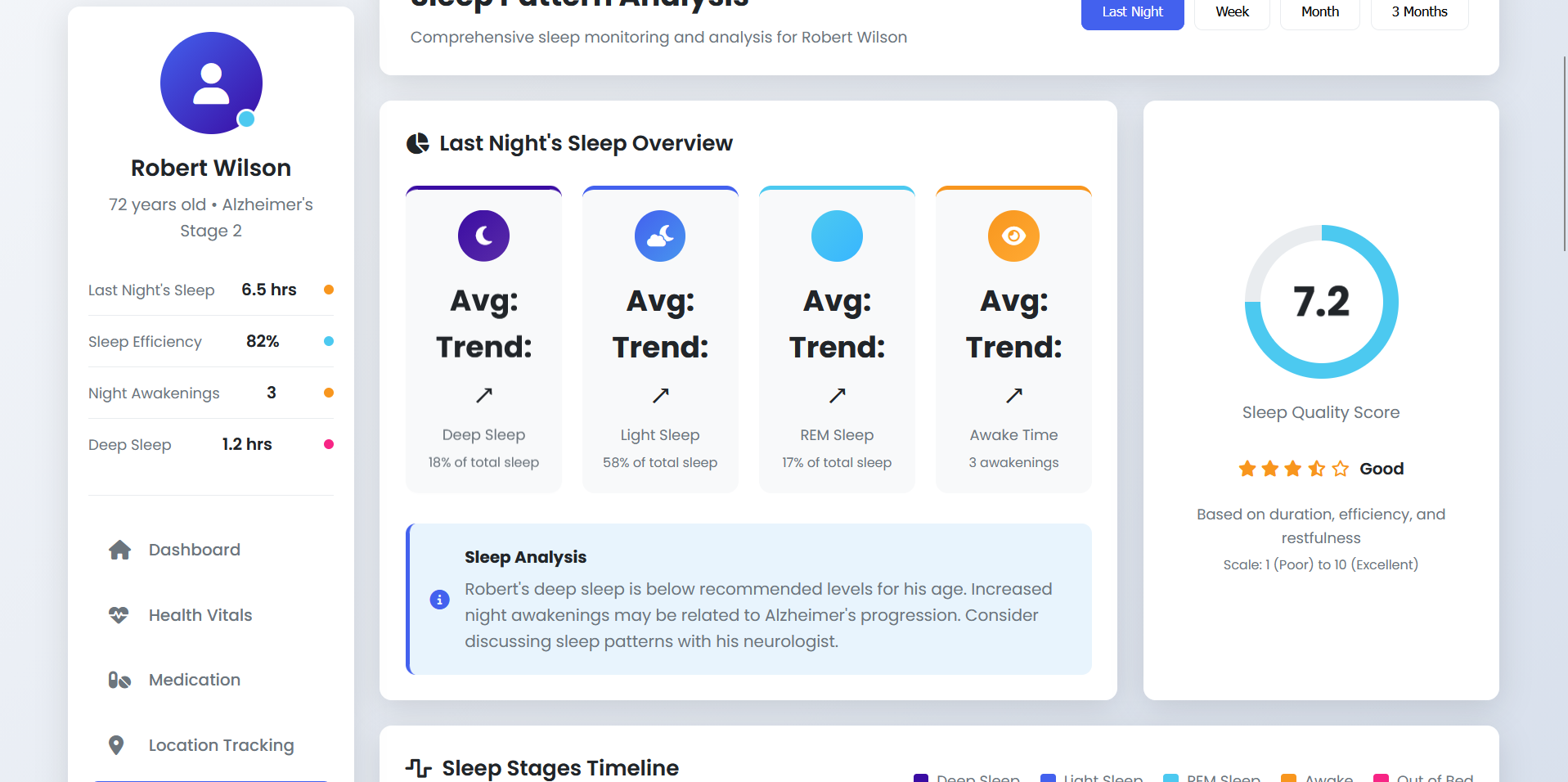
The system ingests multimodal inputs such as text, audio signals, and sensor data, then routes them through specialized agents that analyze patterns, detect anomalies, and generate actionable recommendations for users.
Instead of producing raw predictions, the platform focuses on interpretable outputs that can be used by non-technical users in real-world scenarios.
How I Built It
The architecture follows a hybrid AI workflow:
Edge Layer (On-device / Local Processing)
- Signal preprocessing and lightweight ML inference
- Noise reduction, feature extraction, and normalization
- Signal preprocessing and lightweight ML inference
Agent Reasoning Layer (LLMs)
- Task-specific agents for analysis, validation, and explanation
- Claude handles structured reasoning, summarization, and planning
- Task-specific agents for analysis, validation, and explanation
Orchestration & Workflow Layer
- Requests are routed between agents based on task type
- Results are merged into a single coherent response
- Requests are routed between agents based on task type
Frontend & Deployment
- Rapid prototyping using Replit
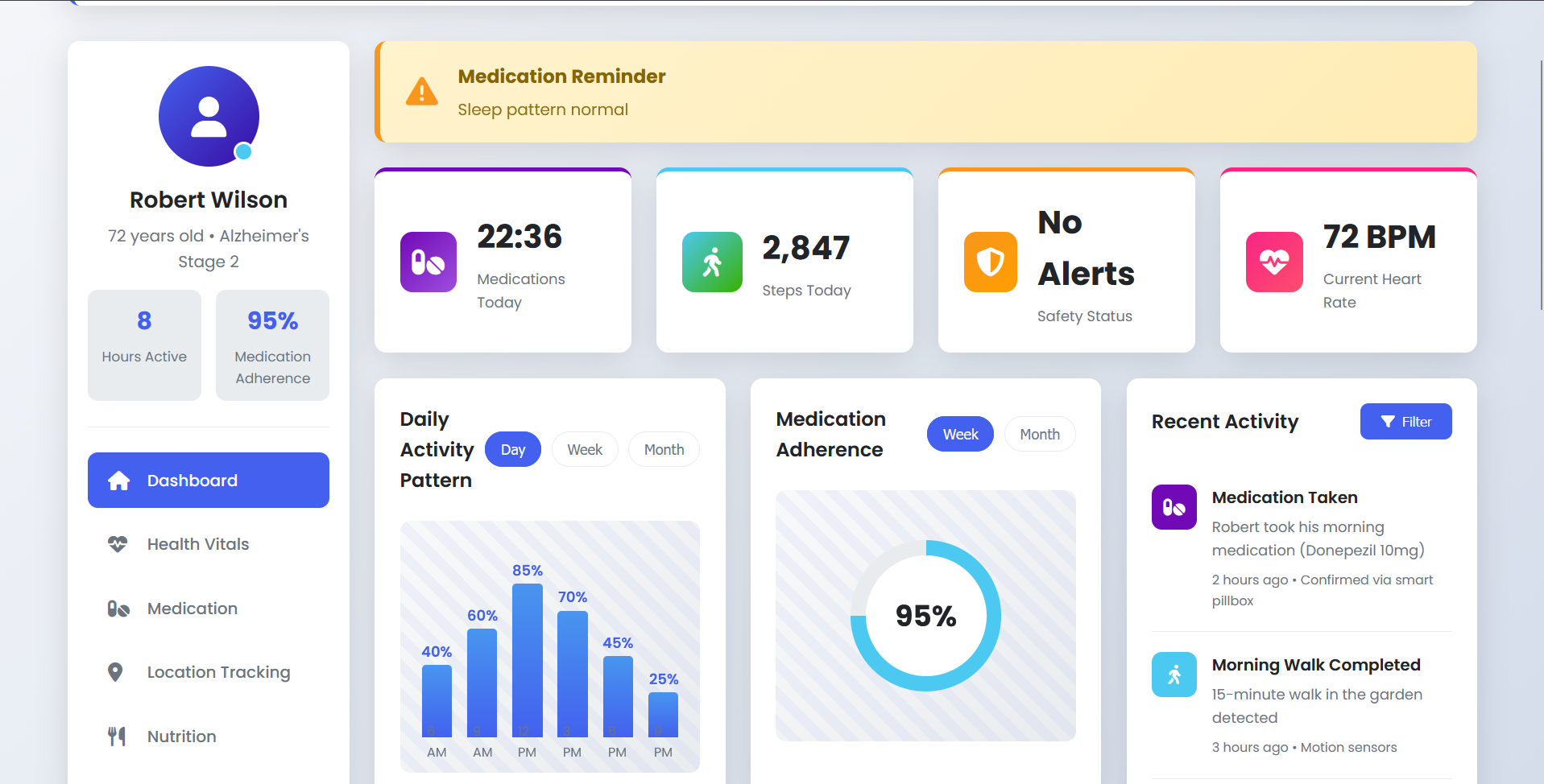
- Simple UI to visualize insights and explanations
- Rapid prototyping using Replit
Mathematically, anomaly detection can be framed as:
[ z = \frac{x - \mu}{\sigma} ]
where values with high (|z|) are flagged for agent review and explanation.
Challenges Faced
- Designing agent workflows that reason reliably without hallucinating
- Balancing on-device inference vs cloud-based reasoning
- Making AI outputs explainable and trustworthy
- Handling noisy, real-world data instead of clean datasets
- Optimizing latency while keeping the system usable in low-connectivity environments
What I Learned
- Agent-based LLM systems are far more powerful when paired with deterministic ML pipelines
- Offline-first design significantly changes how AI systems must be architected
- Good AI UX is about clarity, trust, and actionability, not just accuracy
- Constraints often lead to better system design
What’s Next
Future improvements include:
- More specialized agents for domain-specific reasoning
- Local embeddings for improved offline retrieval
- Safety and validation layers to further reduce hallucinations
- Scaling the system for broader public-use deployments
This project represents my exploration into AI systems that reason, collaborate, and adapt to real-world conditions, rather than operating in ideal environments.
Built With
- android-services
- calender-api
- camerax
- emergency-contact-api
- fastapi
- firebase
- git
- google-maps
- google-ml-kit
- jetpack-components
- jetpack-compose
- kotlin
- librosa-real-time-&-messaging:-websockets-dev-tools:-git
- mediapipe
- postgresql
- python
- pytorch
- room-database
- speech-to-text
- tflite
- tts
- typescript
- websockets
- workmanager

Log in or sign up for Devpost to join the conversation.