-
-
Clarity
-
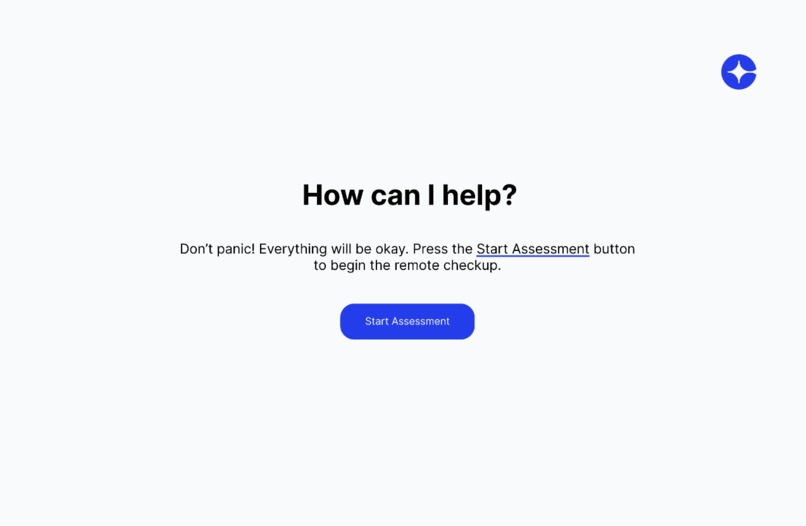
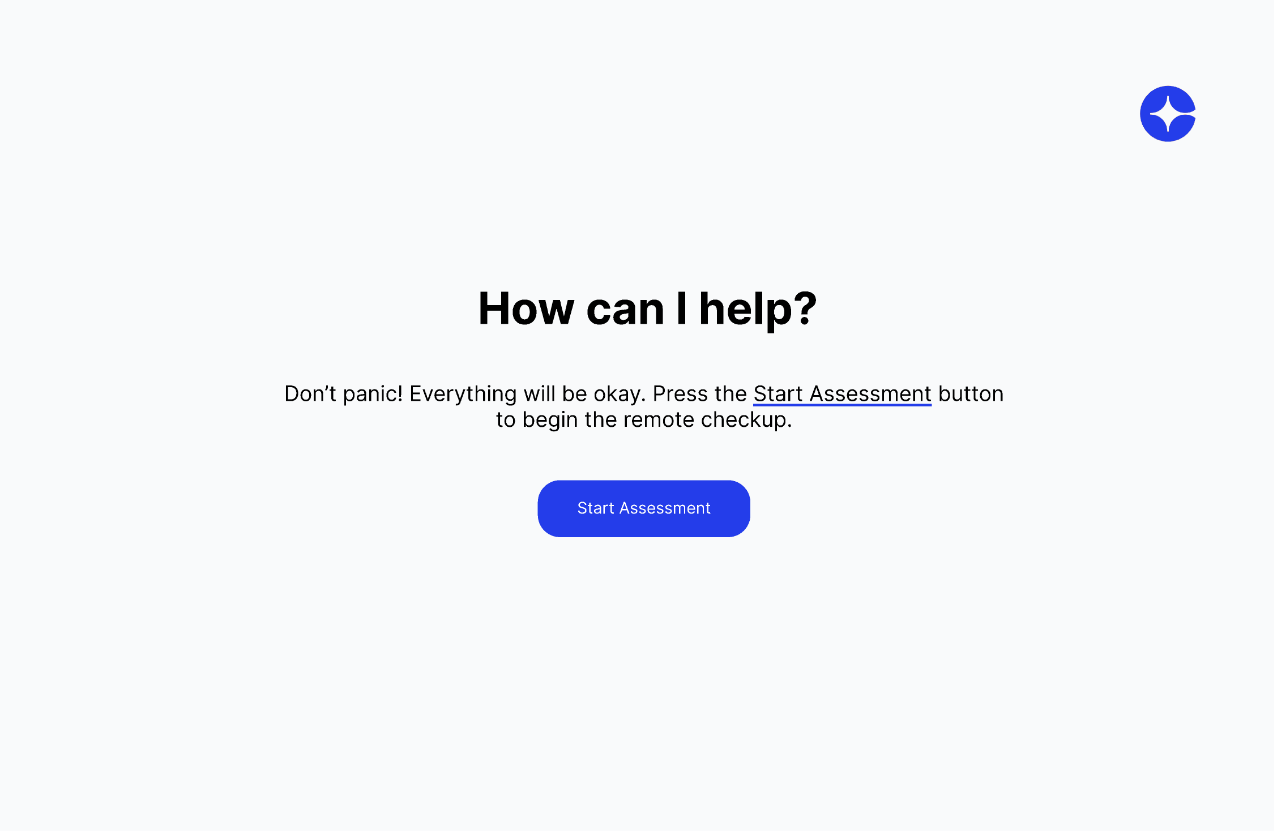
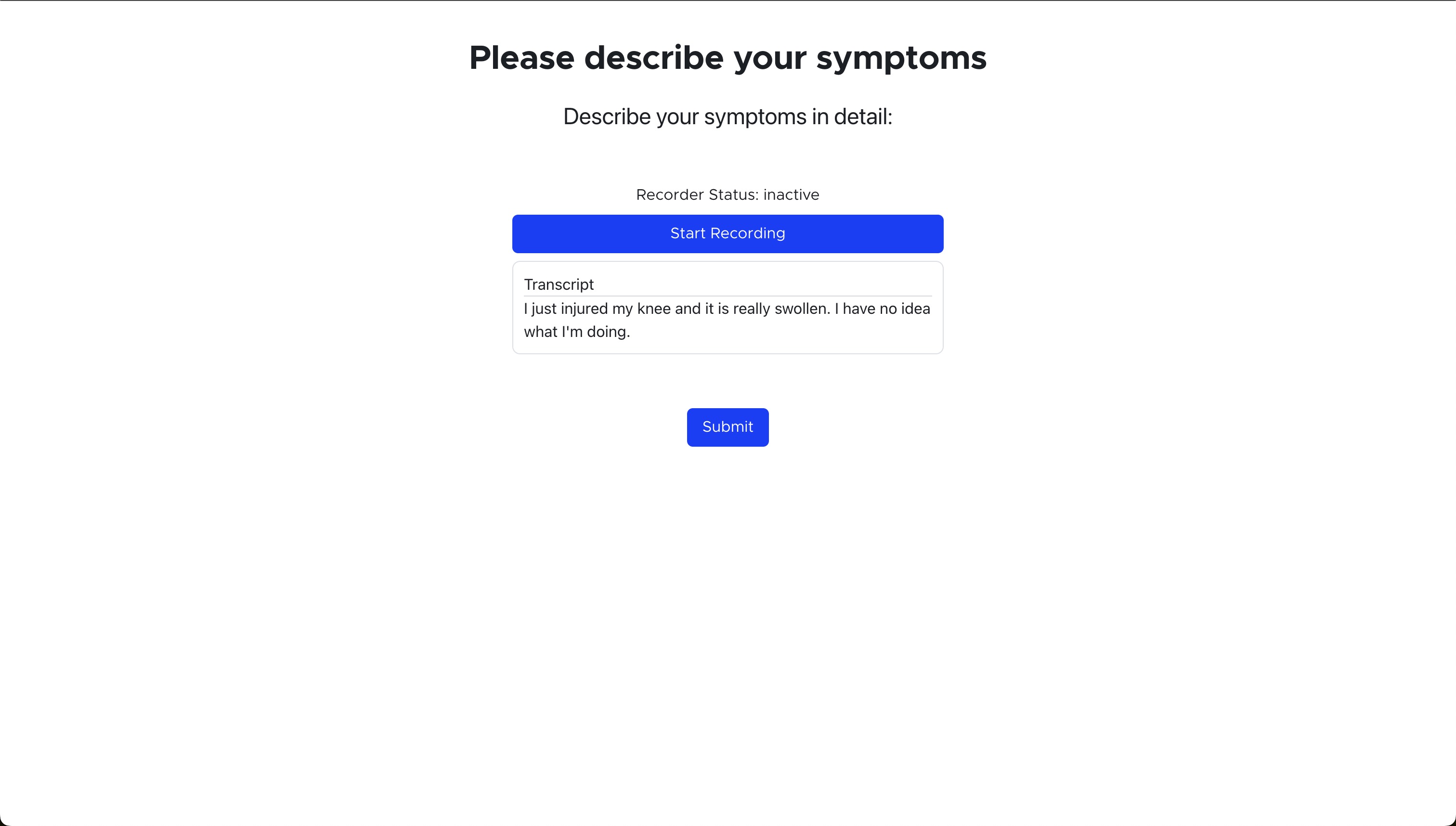
Home Page
-
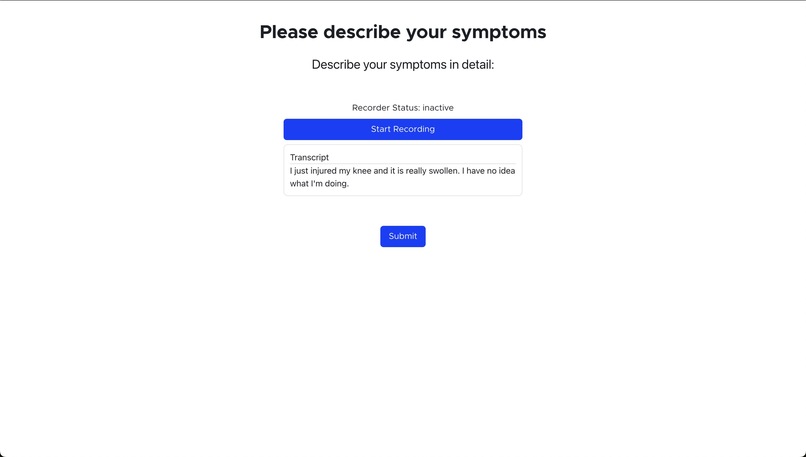
Initial Diagnostic Question
-
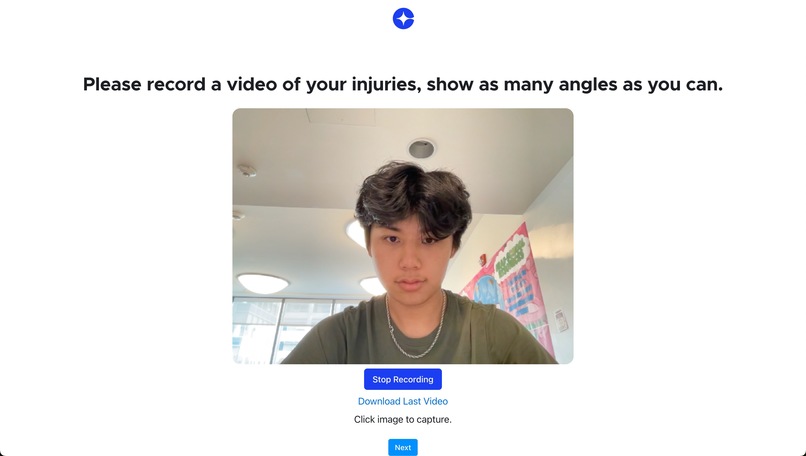
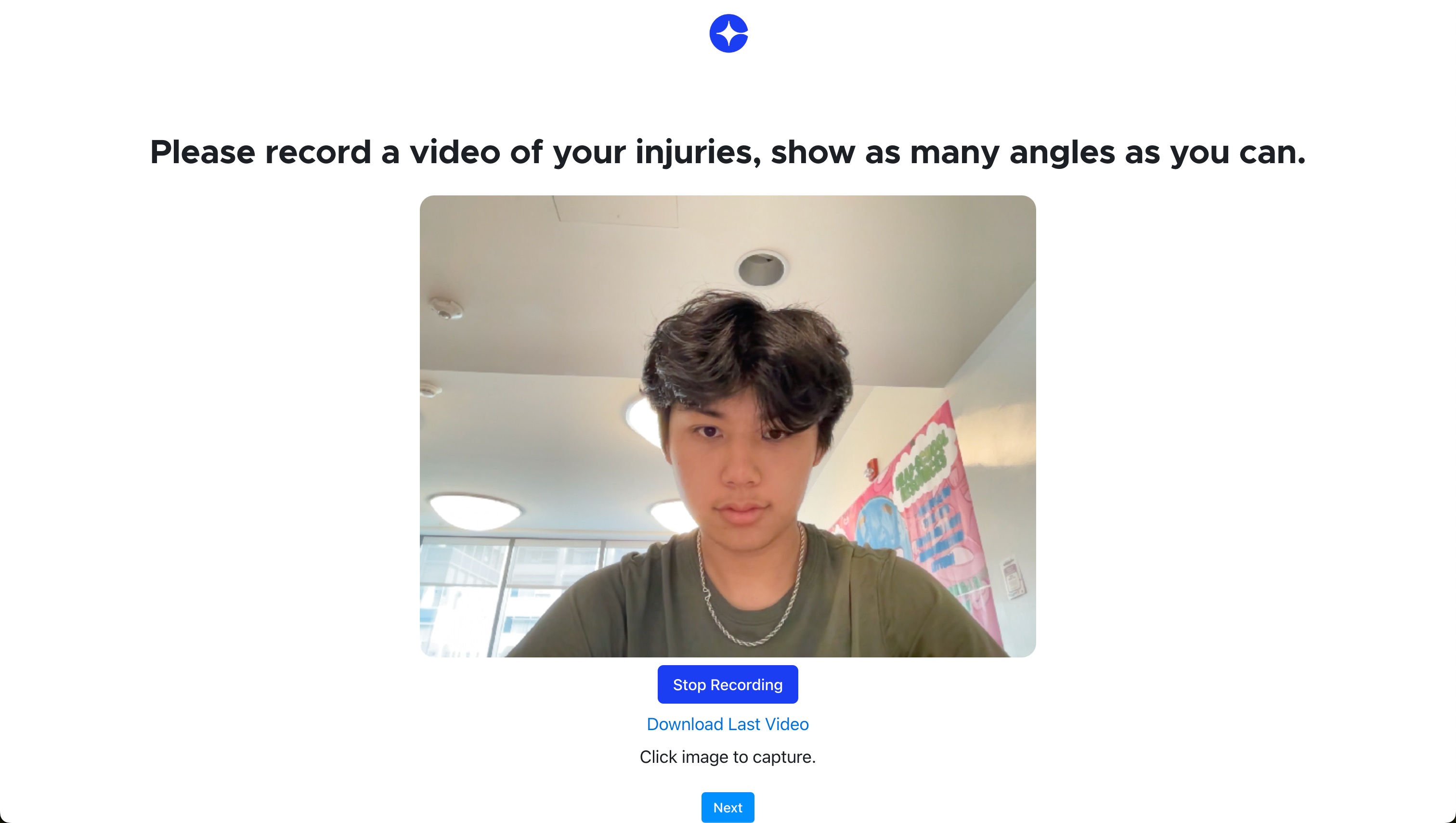
Recording of ailment to be sent
-
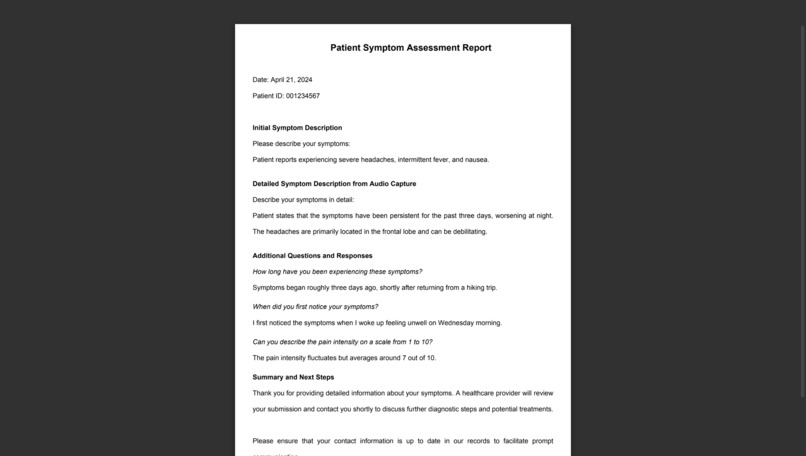
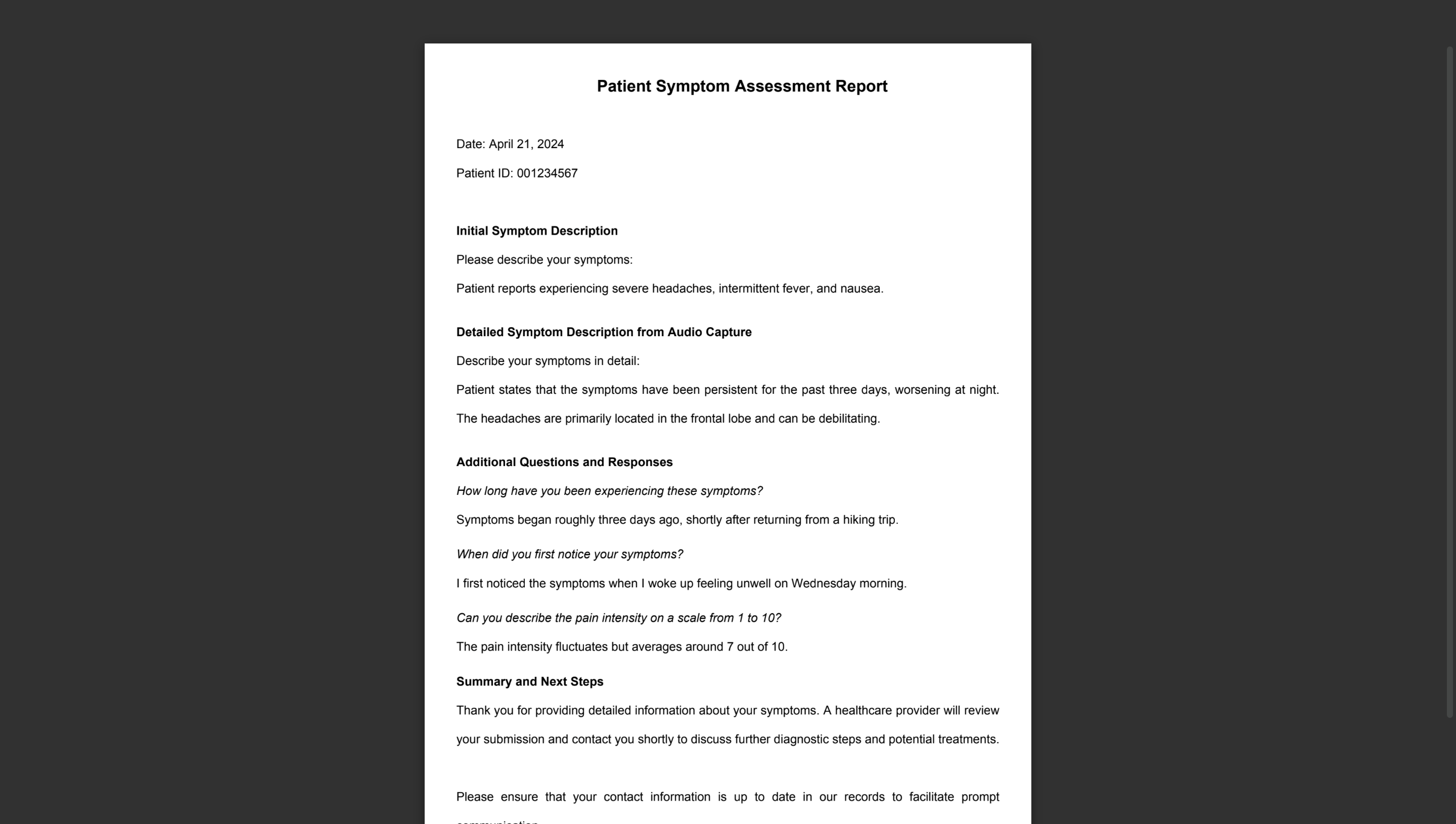
Example of summary report sent to physician
-
Inspiration
In the past, one of our group members suffered an injury while playing basketball. He was immediately faced with a pressing dilemma-seek a primary care physician, the ER, or just wait it out? The problem with this situation is that it runs the risk of a wrong choice possibly leading to either wasted time or an increased severity of an untreated ailment.
On top of this, we realized the issue of wasted time is a larger issue in the healthcare field than we initially thought-nearly every primary care physician consultation takes countless extra minutes to ask the patient basic questions, leading to long wait times and overcrowded facilities.
What it does
Clarity solves these issues by accelerating the medical checkup process, allowing patients to receive consultation within minutes. In turn, medical facility wait times decrease and doctors are able to speak to more patients in the same timeframe.
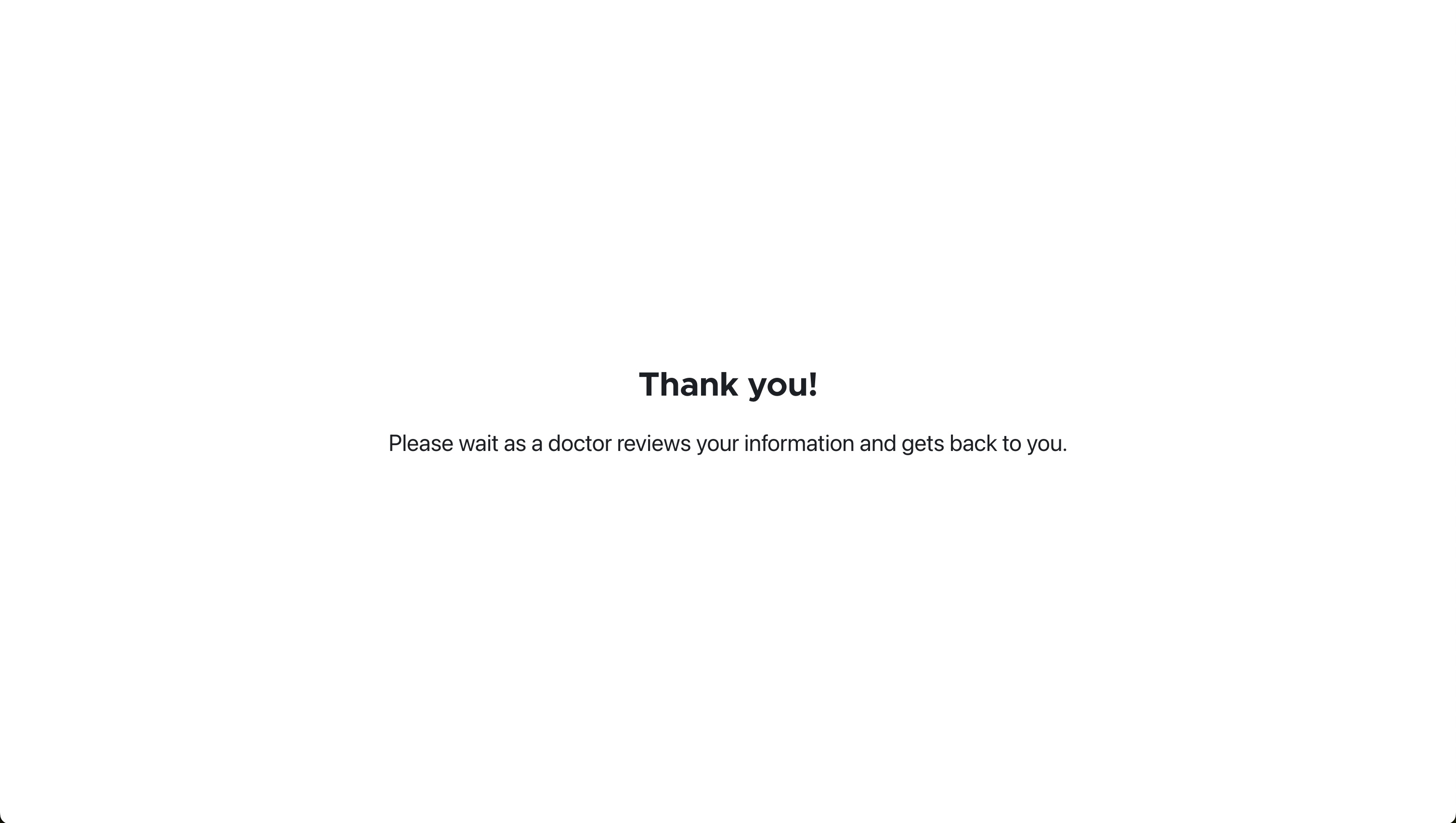
It works by providing users with a set of questions specifically catered towards their situation. Our program may also prompt users for an image or video of their ailment. All of this information will be sent in a neatly formatted file to their local primary care physician who can then provide the patient with immediate guidance. Patients will then either no longer need to travel to their doctor, make a more informed decision to go to their doctor, or be advised to go immediately to the ER.
In turn, patients save travel time and come to the doctor with their information already provided, leading to more efficient doctor visits. This enables doctors to consult with more patients during their work day.
How we built it
We used a combination of elements to build our product. Before building out our product, we mapped out the visuals and user experience through Figma. We then used Reflex's framework to construct our pages complete with a webcam and text responses. Gemini AI's LLM was then used in two unique ways in our product. Firstly, through training our model with Google Cloud, we were able to create a unique user experience by providing users with diagnostic questions specific to their situation. Secondly, we used the LLM to fill in the gaps in our speech-to-text functionality (eg "my leg in pain" --> "my leg [is] in pain").
Challenges we ran into
Our project entailed the use of several technologies that none of our group members were familiar with. Accordingly, we found that there was a steep learning curve to our project, forcing the team to quickly pick up on new tools in a time-sensitive setting. Additionally, our team arrived to the hackathon late, heightening the need for efficient work.
Accomplishments that we're proud of
Above all, our team's goal for the weekend was to develop a functional MVP for an idea we believe provides a purpose in the real world. We believe that through our hours of determination, we've done exactly that. Therefore, our team is proud of our ability to persevere through challenges and output a complete project.
What we learned
This project pushed the team to its limits, forcing us to pick up new skills and technologies and solve unique problems in a competitive setting. Fortunately, we were in the end successful in navigating these obstacles. Our team learned how to generate user-specific experiences through LLMs as well as familiarize ourselves with a novel frontend framework over the course of several hours. We hope these skills will prove useful in our future hacking endeavors!
What's next for Clarity
We believe Clarity has the capacity to revolutionize the healthcare system through streamlining many processes that are both outdated and tedious. Notably, we see Clarity also being used as a way for doctors to manage many patients at once, organizing them based on triage status based on ML classification systems. Additionally, through further fine-tuning of our LLM models, we believe that Clarity has a place in all healthcare specialties.
Built With
- figma
- flask
- gemini
- google-cloud
- python
- reflex


Log in or sign up for Devpost to join the conversation.