-
-
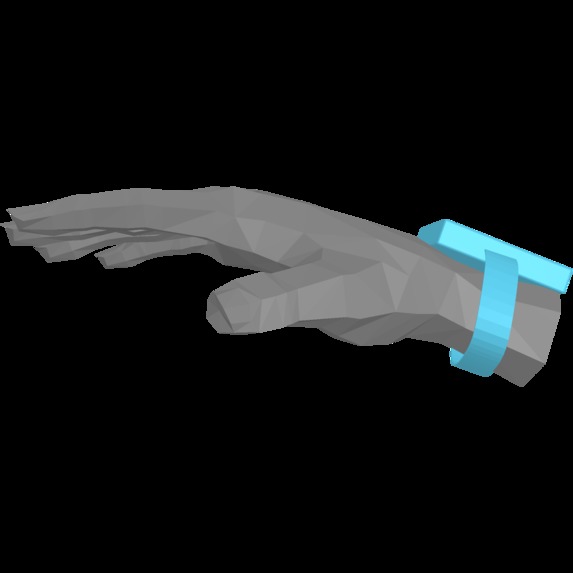
SelfCad Model of Wristly
Inspiration
Im a gamer and we all know how gruelling the pain in our wrist is after long hours of playing. This pain isn't unique to us. Most people doing blue-collar jobs, coding, using their wrist in repetetive motion in form or the other suffer from this. Once CTS has settled in, surgery is the only way out. Wristly cuts the need of surgery by offering early risk analysis, which is a much better alternative.
What it does
Wristly is a wrist-worn device that tracks posture in real time, calculates a strain/risk score against clinically-informed thresholds, and buzzes an on-device alert the moment strain is sustained past a safe threshold, no app required to get the warning. A companion dashboard shows live risk data and motion history, and pulls in an AI-generated recommendation explaining what to change and why. It's pitched directly to hospitals and clinics, who deploy it across at-risk patient and employee populations as part of occupational-health programs.
How we built it
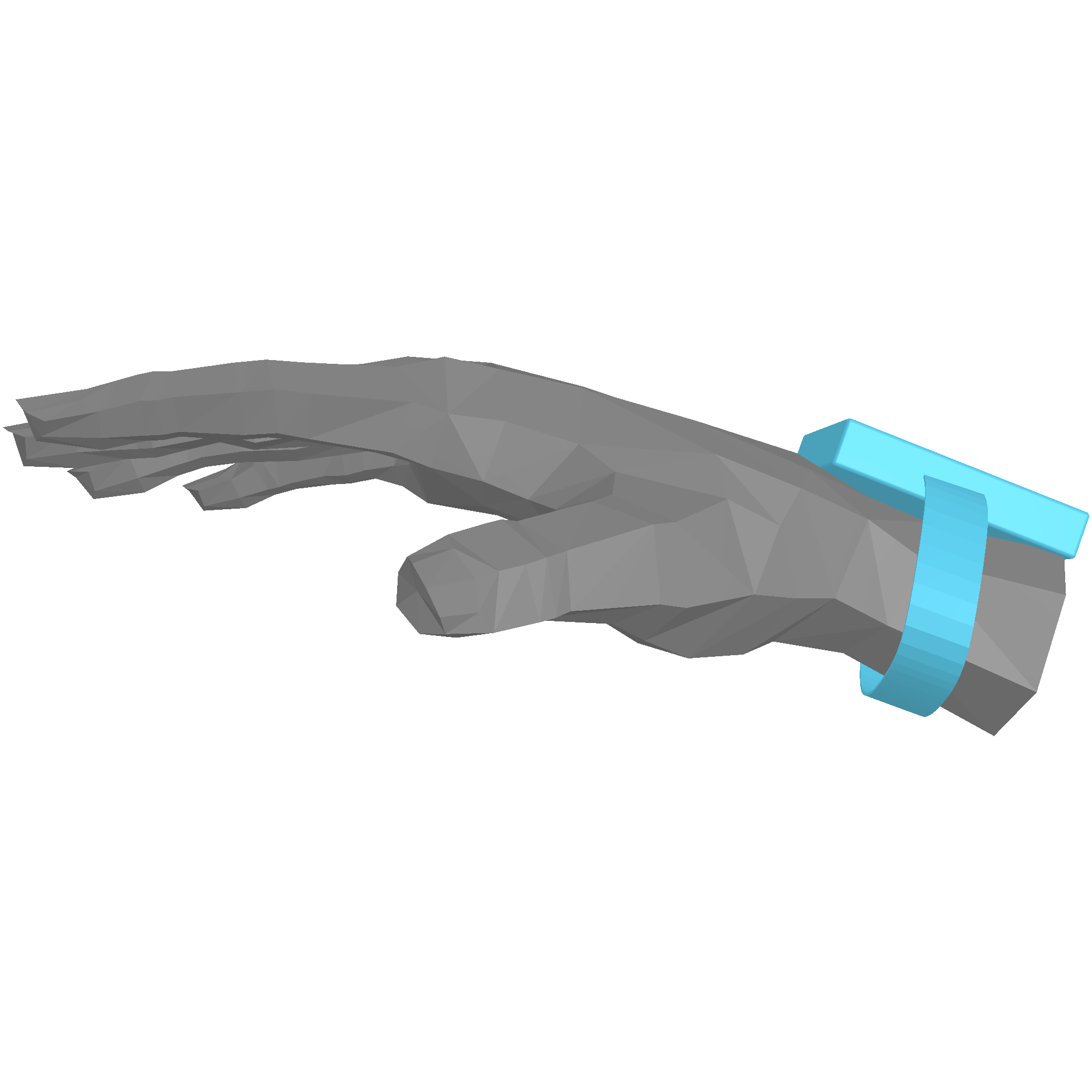
Built solo(vibecoded) over the 48-hour hackathon window. The hardware side is fully simulated: ESP32 and MPU6050 running in Wokwi, since no physical parts were on hand. Firmware is C++/Arduino with a complementary filter for orientation and a two-tier alert system (medium/high strain, with cooldown logic to avoid nagging). The dashboard is Python and Streamlit, reading live serial telemetry and rendering a real-time risk gauge, chart, and recommendation card. Ergonomic recommendations come from an LLM via the Featherless AI API. The physical housing was modeled in SelfCAD, a flat, Fitbit-style enclosure with cavities cut for the ESP32, IMU, and magnetometer.
Challenges we ran into
Never used Git before this hackathon. Had to learn version control from scratch while also building the actual project. Wokwi's simulated IMU has no physics engine. There's no way to "move a hand" in the simulator, so testing bad posture meant manually driving the raw accelerometer axis and watching the complementary filter smooth that step-change into pitch/roll over several seconds. A stale-binary trap. Wokwi loads a prebuilt firmware binary rather than compiling from source, so an early session was lost chasing a buzzer that "didn't work", the firmware code was actually fine, the build just hadn't been pointed at the right output directory. Built a full virtual try-on integration, then cut it. Got the Perfect Corp/YouCam API working end-to-end to generate presentation images of the device being worn. The output quality wasn't good enough to present, so it got replaced with the 3D product render.
Accomplishments that I'm proud of
A fully working end-to-end pipeline simulated sensor → firmware → live dashboard → AI recommendation → on-device alert A sellable B2B product built around how hospitals actually procure and deploy equipment.
What I learnt
Git and GitHub Agentic AI and API usage Modeling in SelfCad Time Constraints in a hackathon
What's next for Wristly
A more packed, comfortable glove type encasing for the hardware. Temperature sensor and magnetometer to be added. Pilot conversations with hospitals and clinics. Building out the recurring dashboard-licensing side of the business model alongside the hardware sale.


Log in or sign up for Devpost to join the conversation.