Wound Severity Detection - Improving Outcomes Through AI
Problem/Solution
- 30M traumatic wounds annually causing pain, disability, death
- Lack of wound severity assessment leads to treatment delays
- Our app uses AI to instantly classify wounds and guide next steps
Stage 1
- Patient takes wound photo
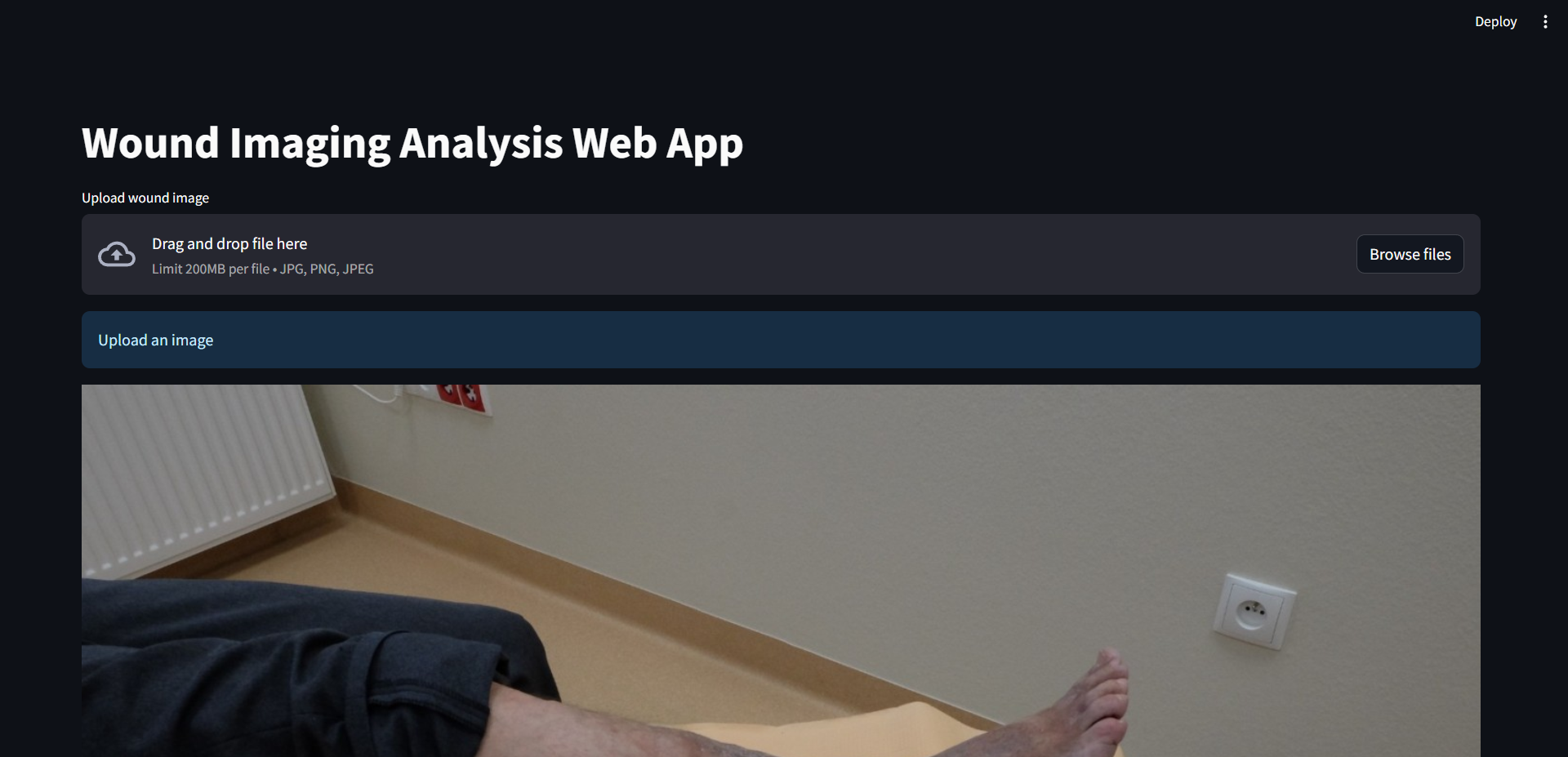
- AI analyzes wound characteristics
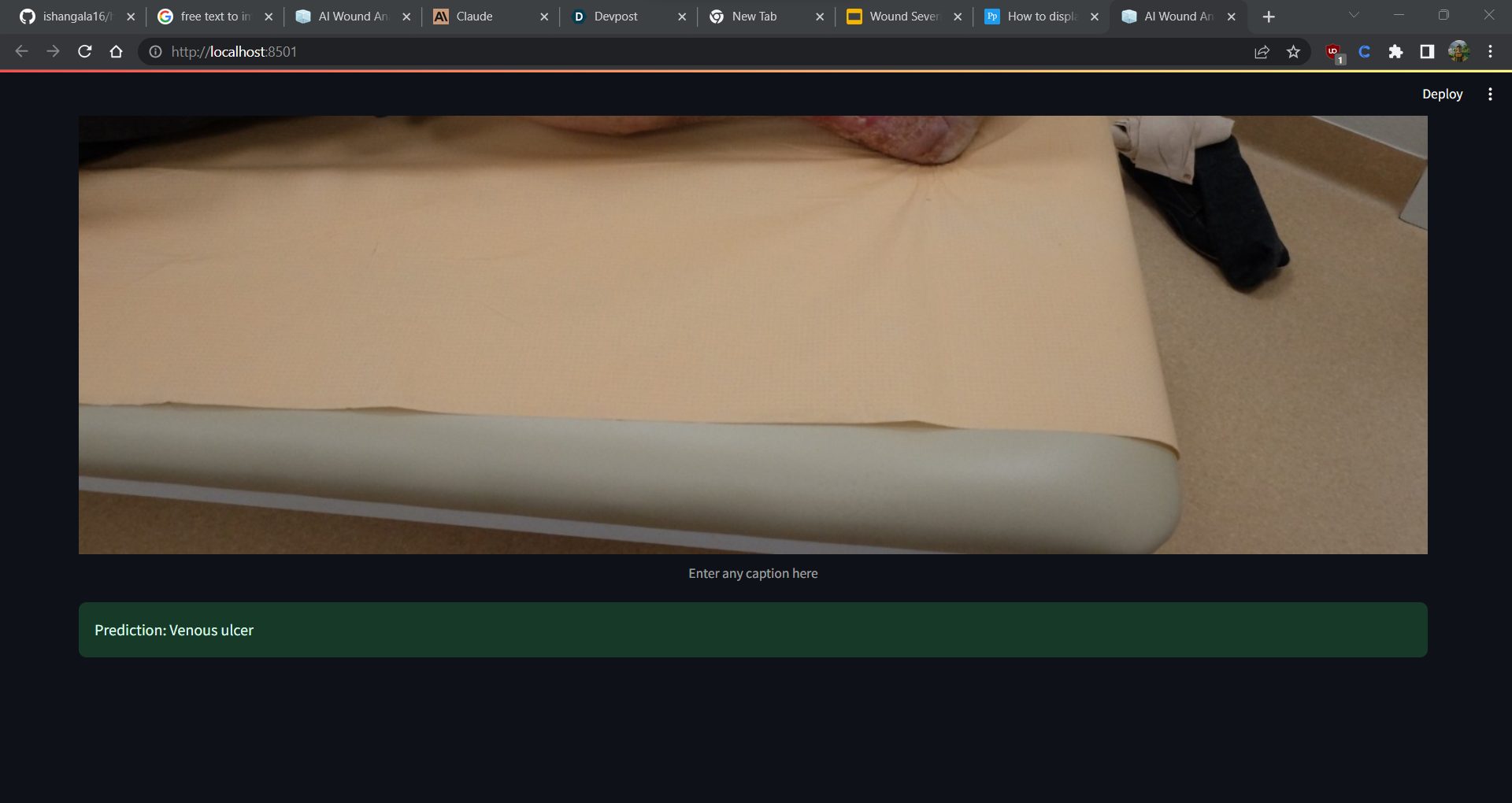
- Classifies severity and suggests first aid or seek care ASAP
Stage 2
- Tracks healing progress through periodic wound images
- Alerts for complications and enables remote monitoring
- Improves outcomes through early intervention
Benefits
- Reduces patient panic and provides instant guidance
- Lowers burden on healthcare system
- Cuts costs through remote care and monitoring
Visuals
- App demo
- Wound healing timeline
- Stats on wound prevalence and complications
How we built it
- Used PyTorch to build and train wound image classification models
- Integrated computer vision and AI models into a user-friendly mobile app
Challenges we ran into
- Collecting and curating a large wound image dataset
- Achieving high accuracy for fine-grained wound severity classifications
- Optimizing models for real-time performance on mobile devices
- Building clinical trust in AI-powered recommendations
Accomplishments we're proud of
- Effective wound severity classifier
- Ultra-fast image analysis
- Intuitive web interface requiring minimal user input
What we learned
- Importance of diverse, clinical-grade training data
- Strategies to compress AI models without losing accuracy
- Value of clinician feedback in designing transparent AI systems
- How to build and validate medical AI responsibly
What's next for Wound Severity Detection
- Expand wound classification for different injury types
- Enhance personalization based on patient medical history
- Scale deployment across healthcare systems
- Enable proactive wound care and preventative interventions

Log in or sign up for Devpost to join the conversation.