
Southern California Local Places
Inspiration
Finding good local places has become surprisingly difficult. While platforms like Google Maps and Yelp contain millions of listings, discovering places that are genuinely worth visiting often requires searching across multiple websites, reading countless reviews, and comparing recommendations. Many hidden gems are buried beneath sponsored listings or generic rankings.
We wanted to build a simple platform that makes local discovery easier by organizing high-quality recommendations into one clean, searchable website. Our goal was to help anyone—not just local residents—quickly find restaurants, cafés, dessert shops, attractions, and other interesting places throughout Southern California.
What it does
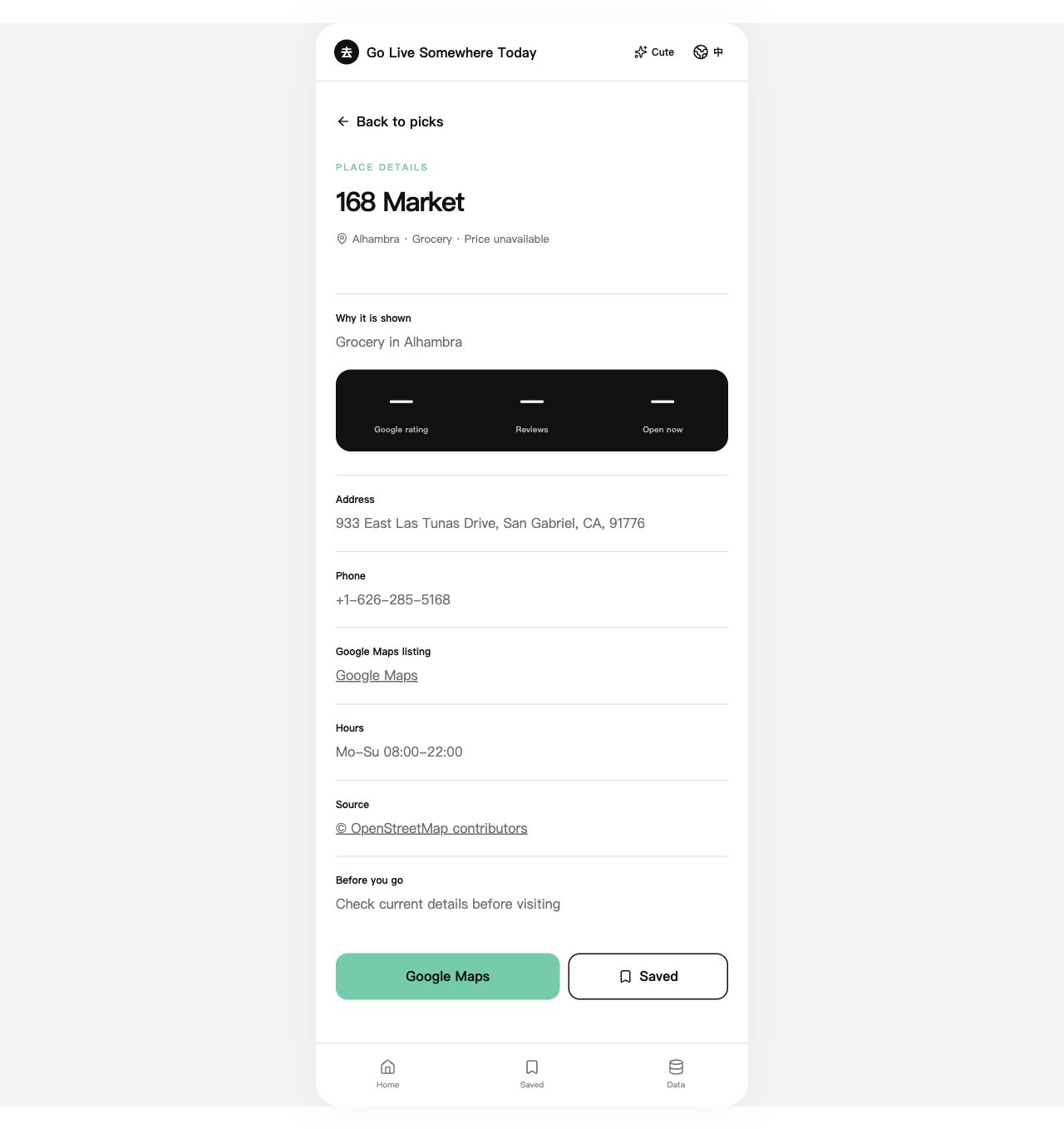
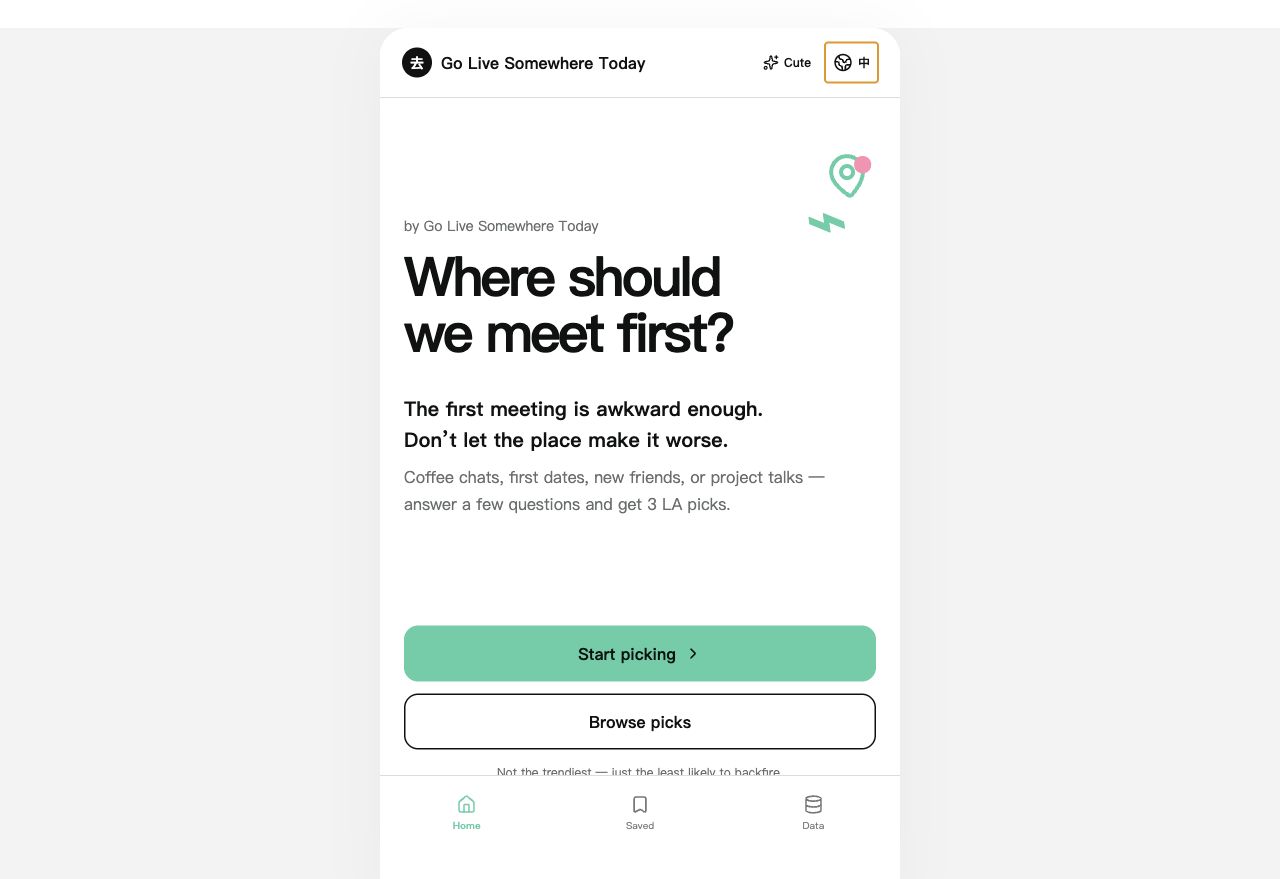
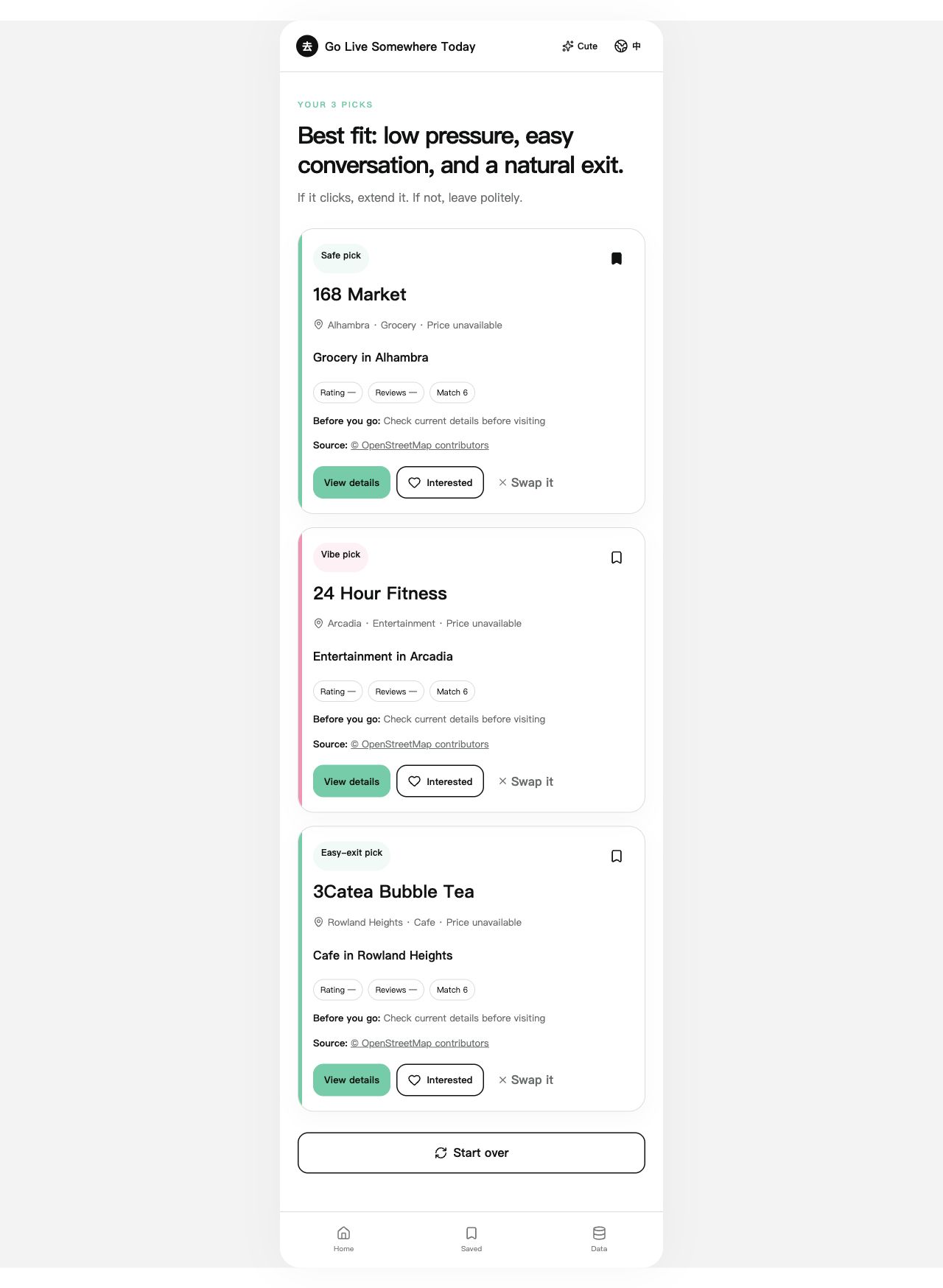
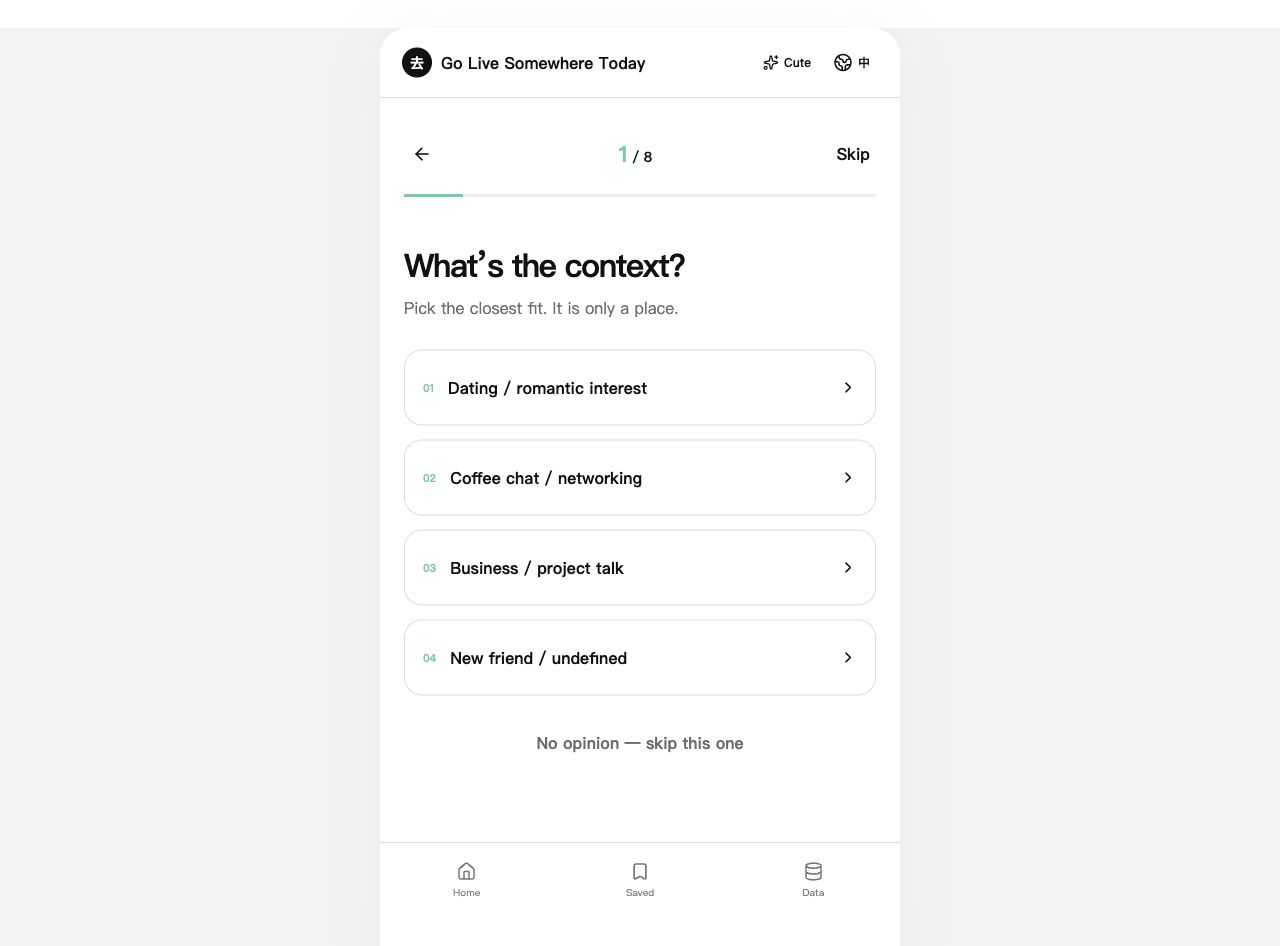
Southern California Local Places is a web application that allows users to browse and discover local places across Southern California.
Users can:
- Browse curated local places by category.
- Search for locations more efficiently.
- Explore restaurants, cafés, dessert shops, attractions, and entertainment venues.
- View organized information through a responsive and easy-to-use interface.
The project focuses on providing a clean browsing experience while making local recommendations more accessible.
How we built it
The project was built using modern web technologies and deployed through GitHub Pages for easy public access.
OpenAI Codex played an important role throughout development. Rather than writing every feature manually, we used Codex to accelerate UI redesigns, refactor components, generate repetitive code, improve project structure, and automate parts of the data processing workflow. This allowed us to iterate much faster while still reviewing, testing, and refining every change ourselves.
We also organized and cleaned our location dataset to improve consistency, remove duplicates, and prepare the data for future expansion.
Challenges we ran into
One of the biggest challenges was building a dataset that was both organized and scalable. Local place information often comes in different formats, making it necessary to clean the data, standardize categories, and eliminate duplicate entries before integrating everything into the website.
Another challenge was balancing usability with simplicity. We wanted the interface to remain visually clean while supporting a growing collection of locations that can continue expanding over time.
Accomplishments that we're proud of
- Built and deployed a fully functional public website.
- Designed a responsive interface for exploring local places.
- Created a structured dataset that can continue growing.
- Integrated AI-assisted development with OpenAI Codex throughout the development process.
- Established a GitHub-based workflow that supports future collaboration and continuous improvement.
What we learned
This project showed us how AI coding assistants can significantly improve developer productivity. OpenAI Codex helped us prototype ideas faster, refactor code more efficiently, and automate repetitive development tasks. At the same time, we learned that human judgment remains essential for product design, validating generated code, organizing data, and creating a polished user experience.
We also gained valuable experience in collaborative software development, deployment with GitHub Pages, data organization, and iterative product design.
What's next
This project is only the beginning. Our next goals include:
- Expanding the database with significantly more verified locations.
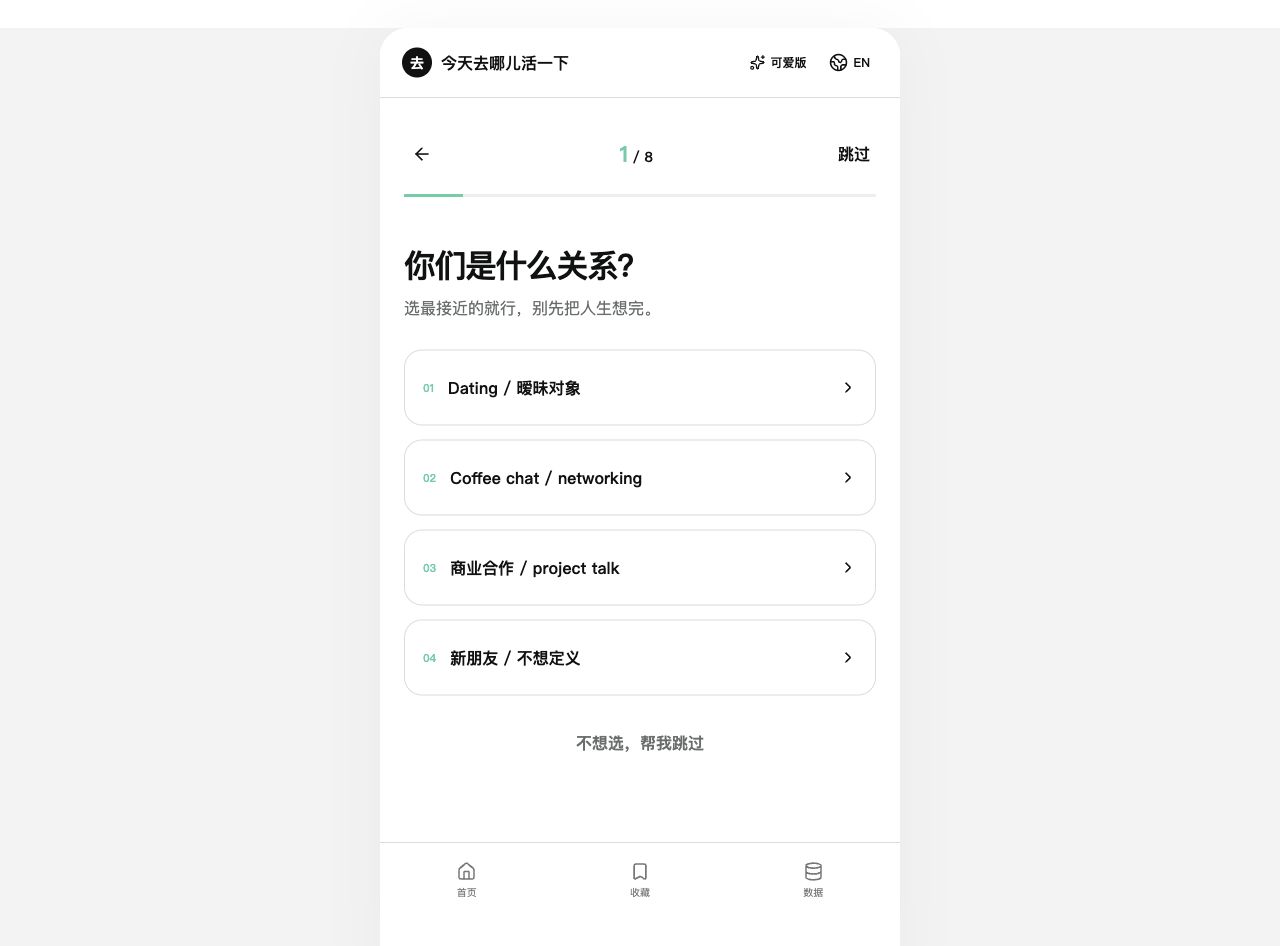
- Adding AI-powered personalized recommendations based on user preferences.
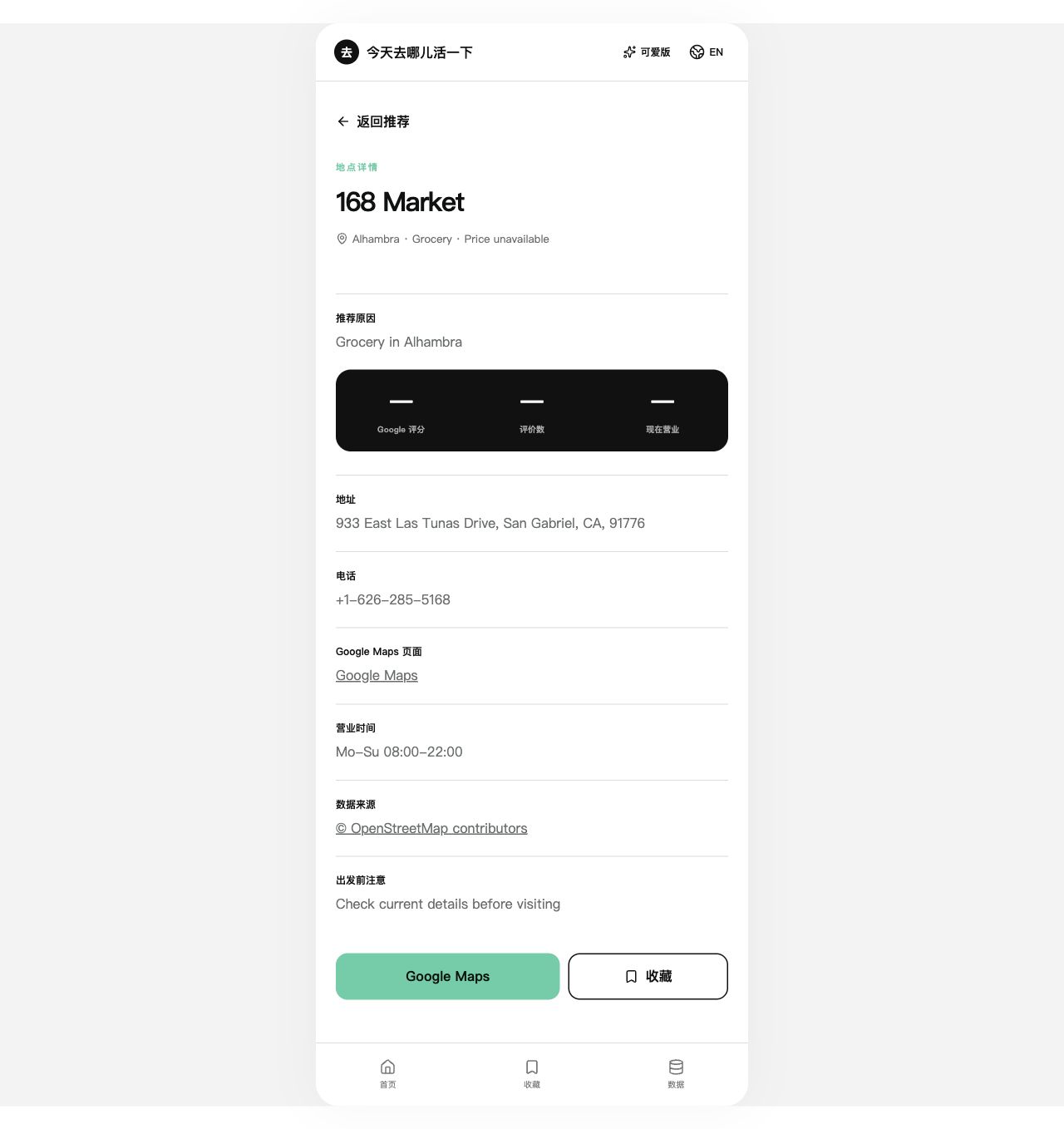
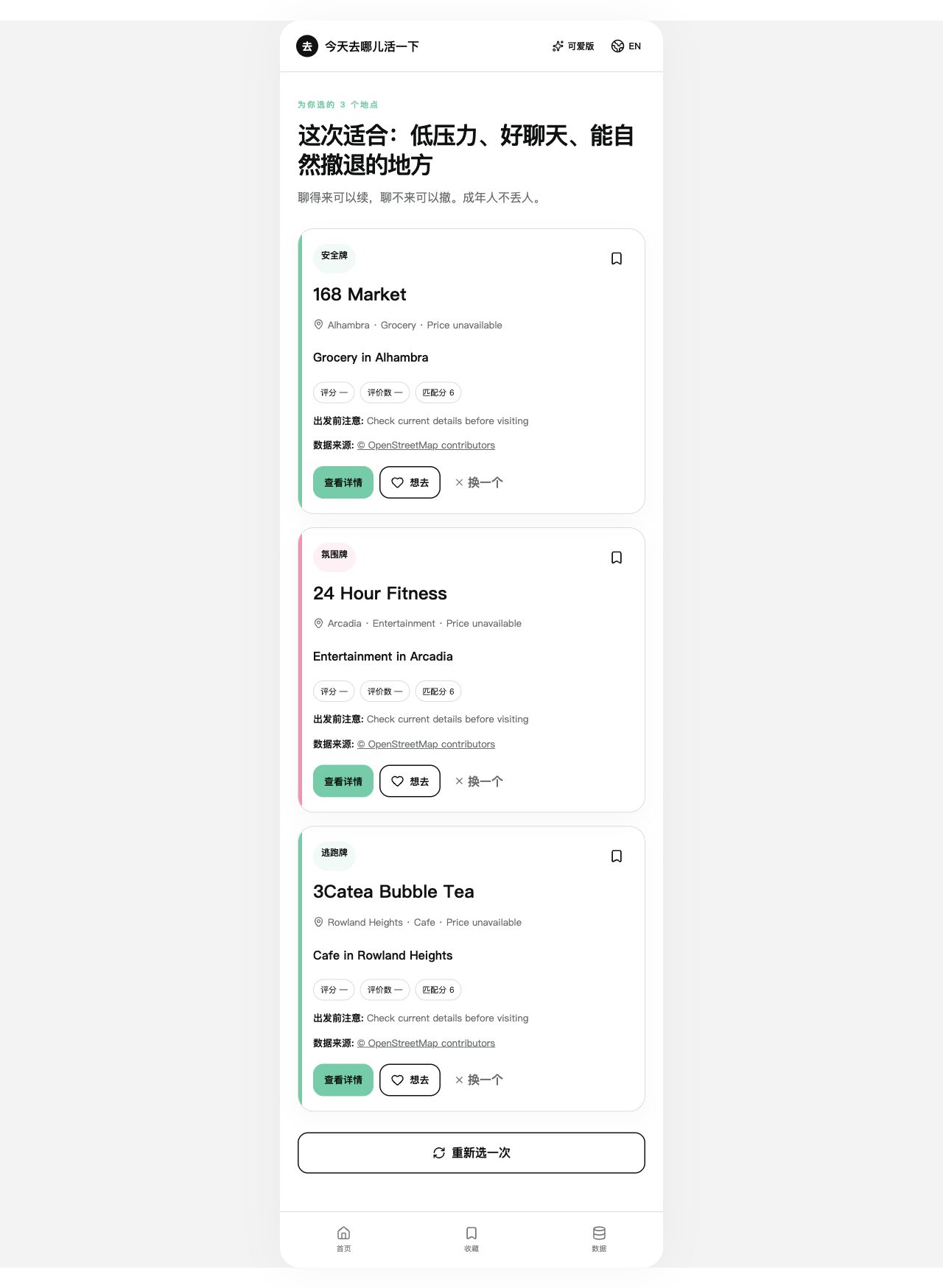
- Supporting multilingual search and recommendations.
- Improving filtering and discovery features.
- Integrating mapping and navigation capabilities.
- Continuing to use OpenAI tools to accelerate development while maintaining high data quality and usability.

Log in or sign up for Devpost to join the conversation.