-
-
Banner
-
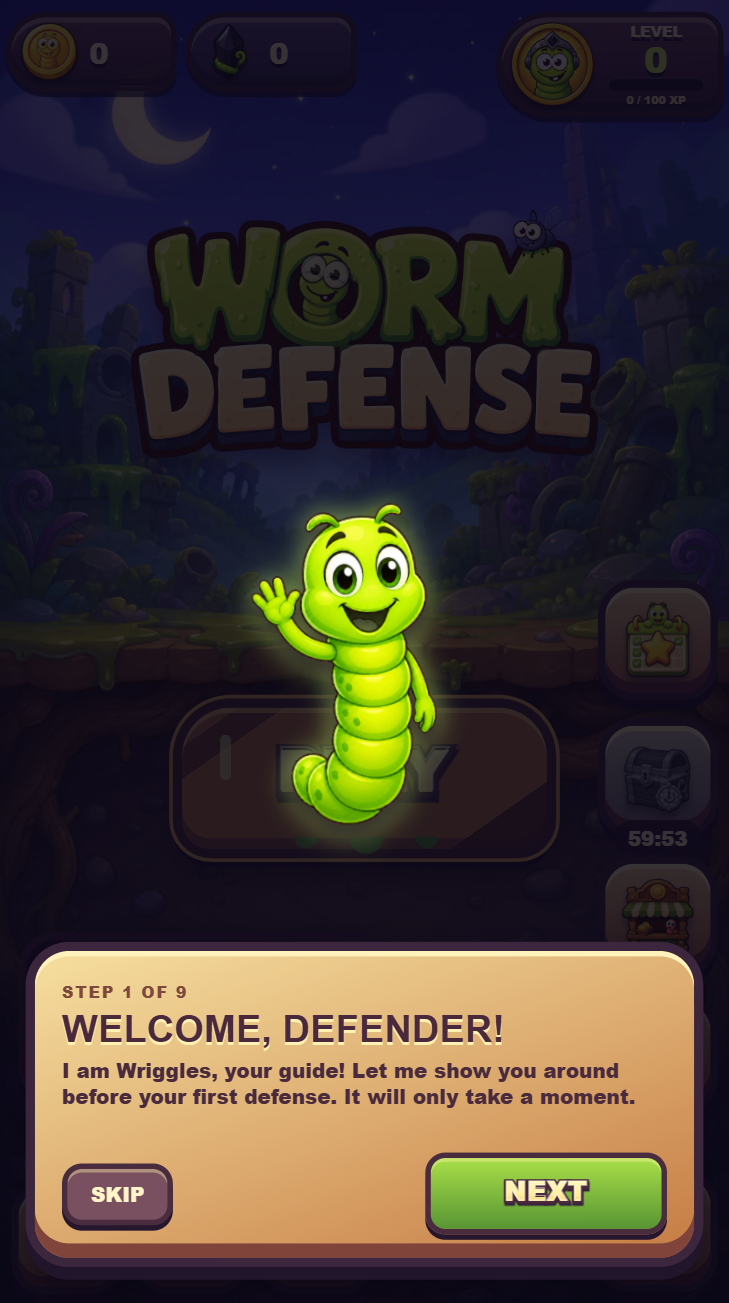
Menu Tutorial
-
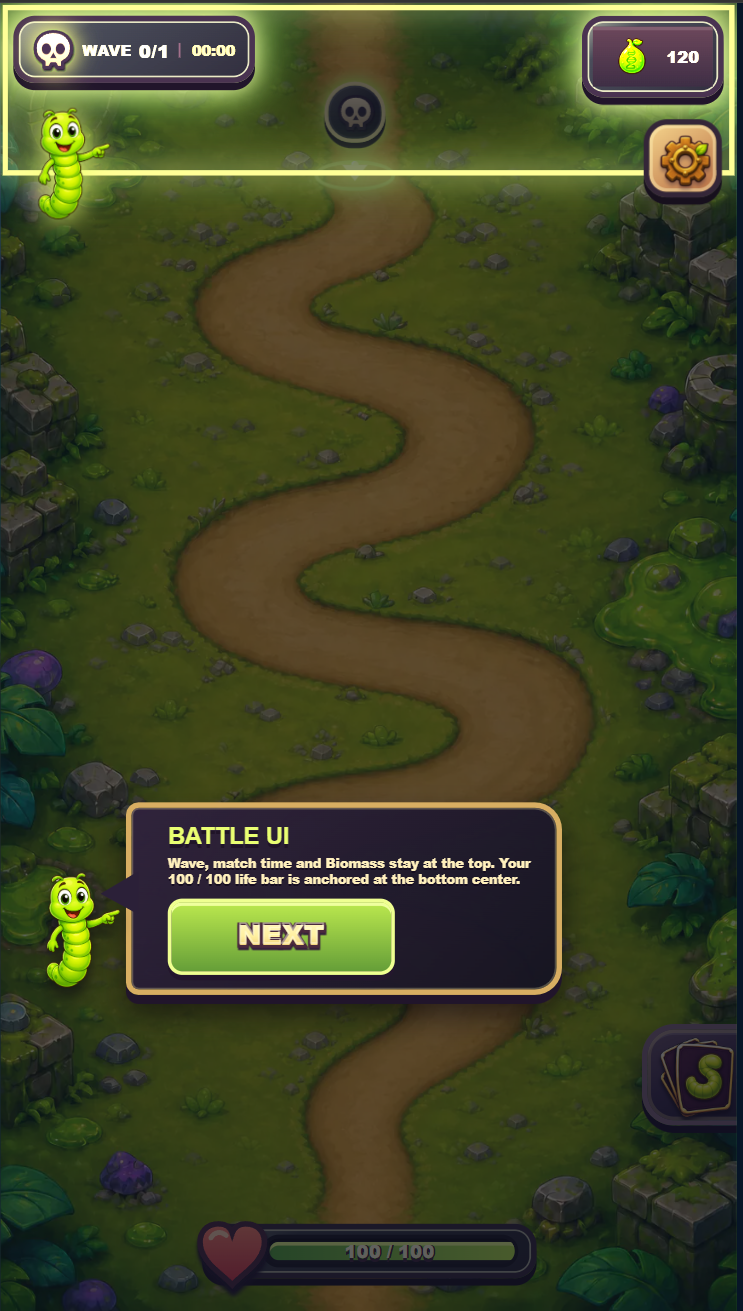
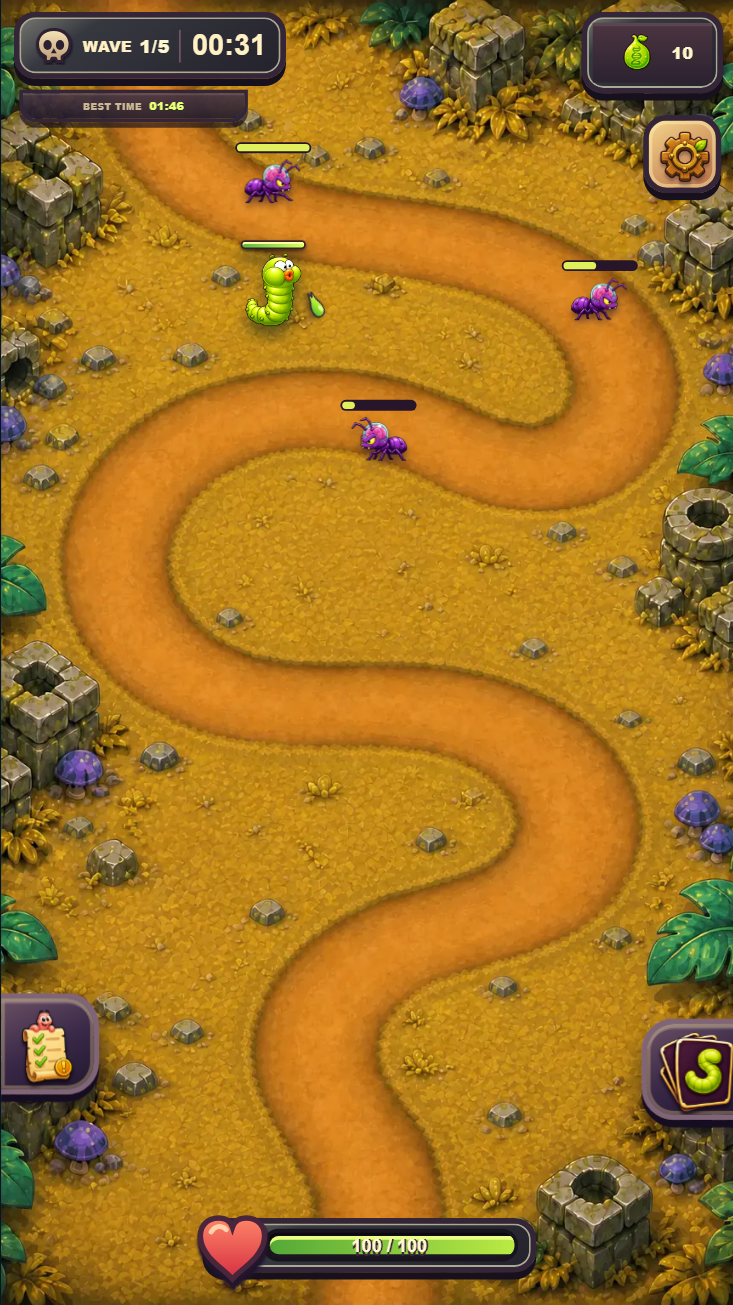
Game Tutorial
-
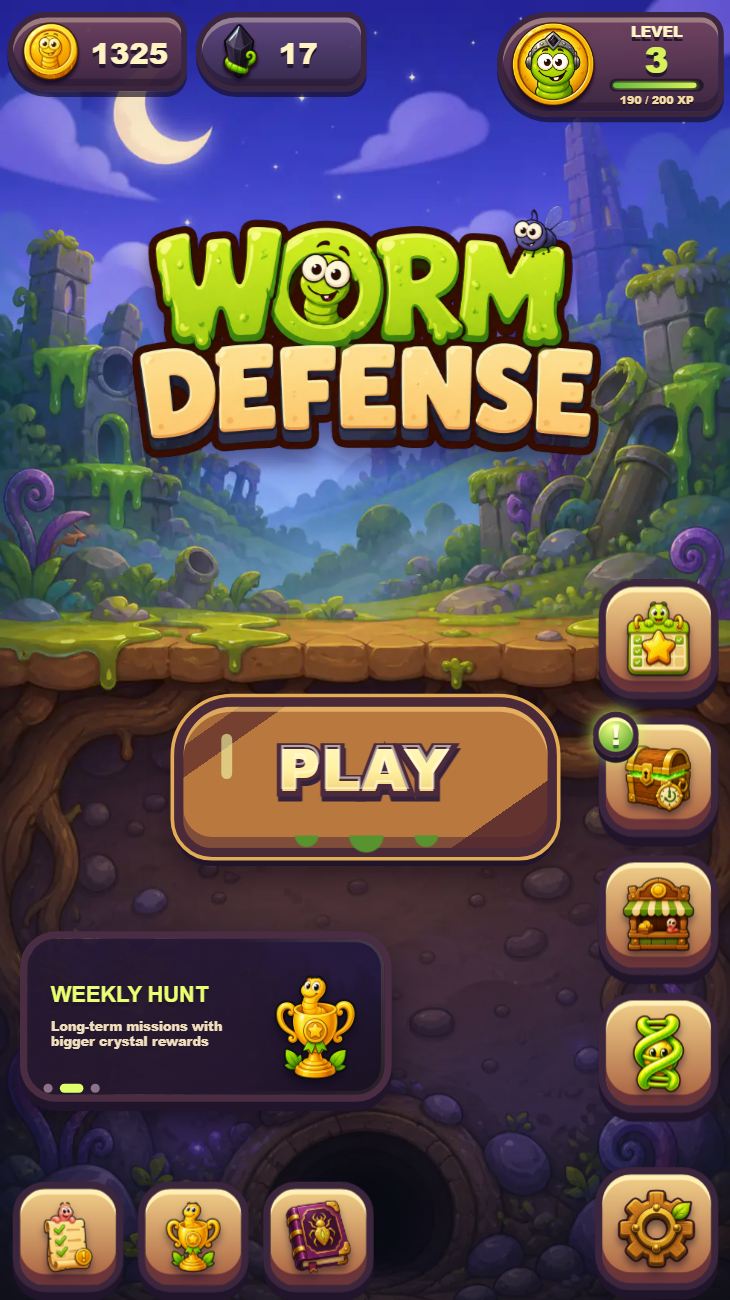
Menu
-
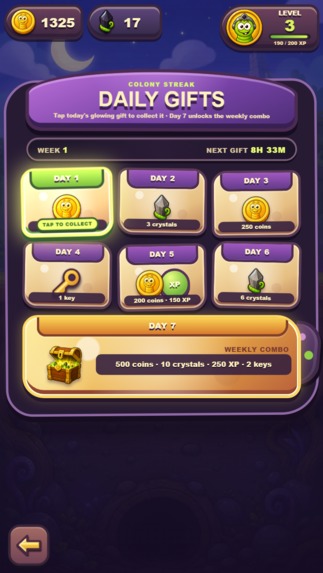
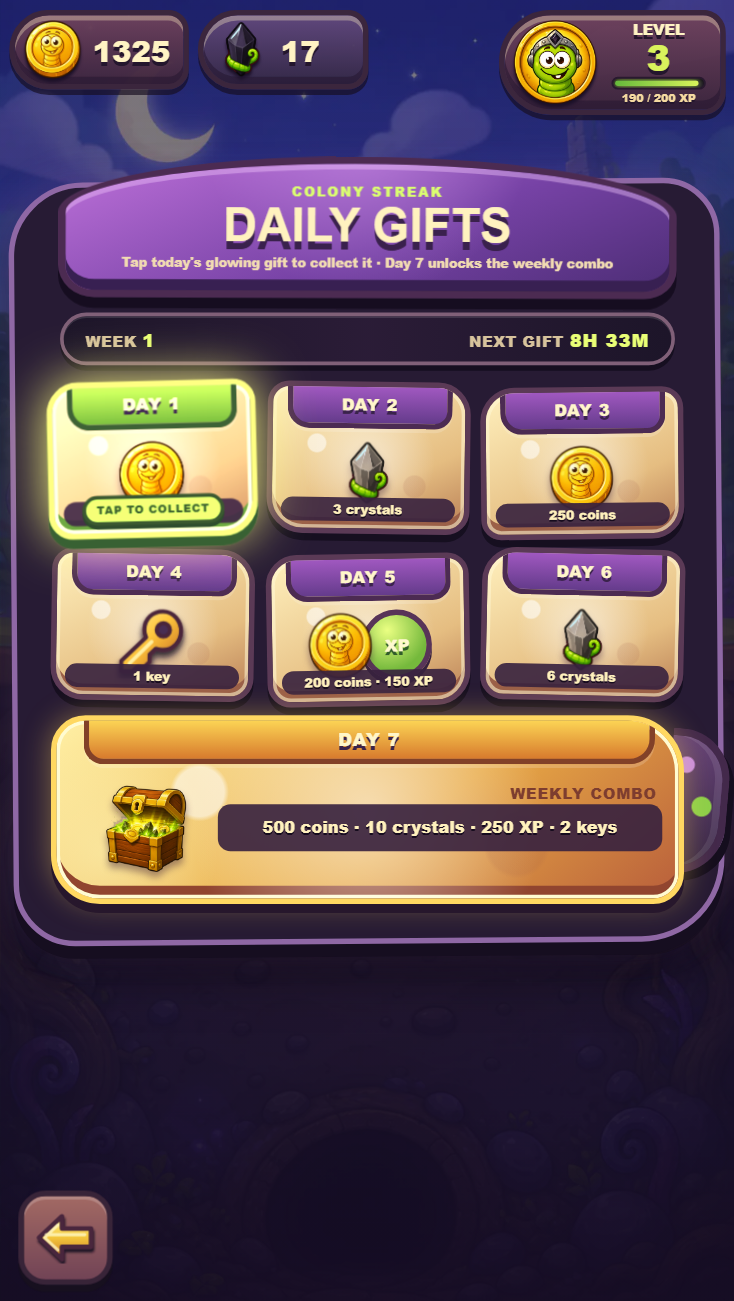
Daily Rewards
-
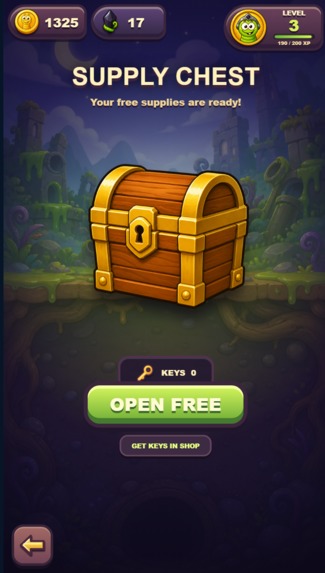
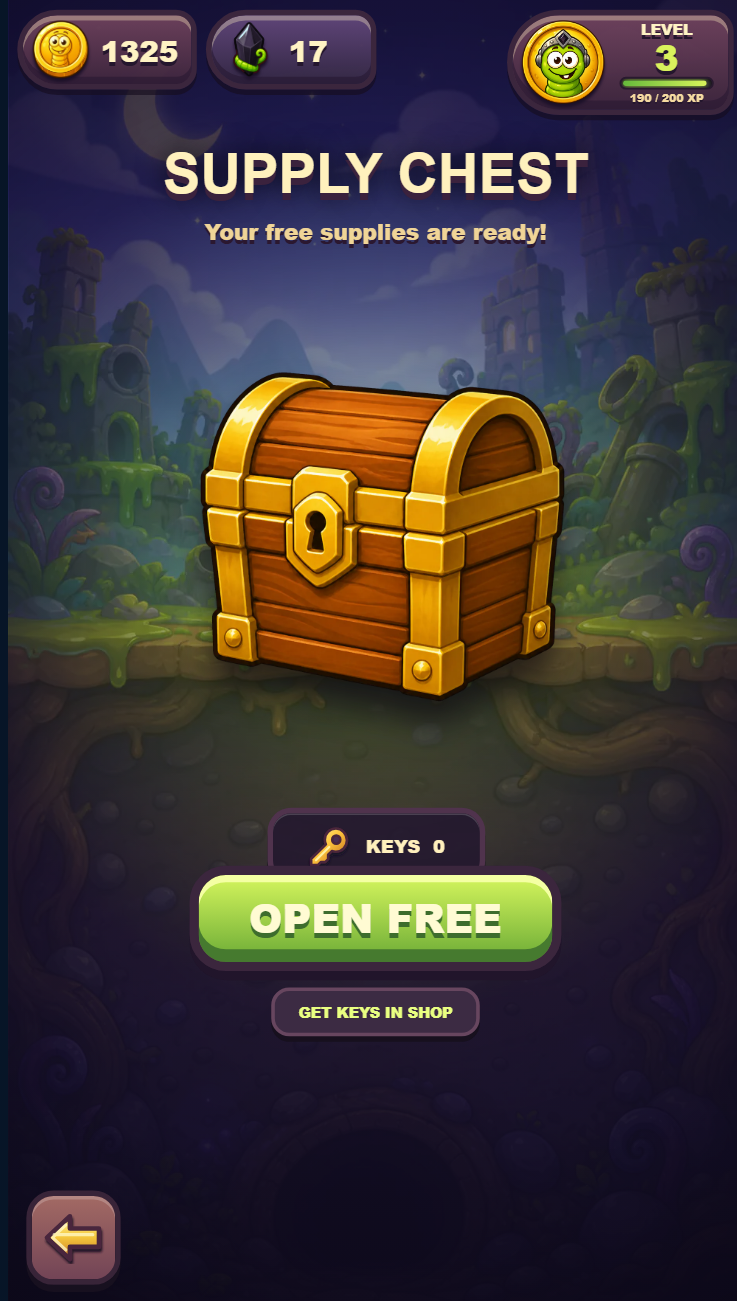
Special Chest
-
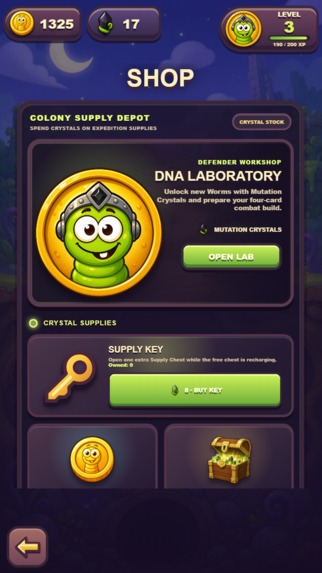
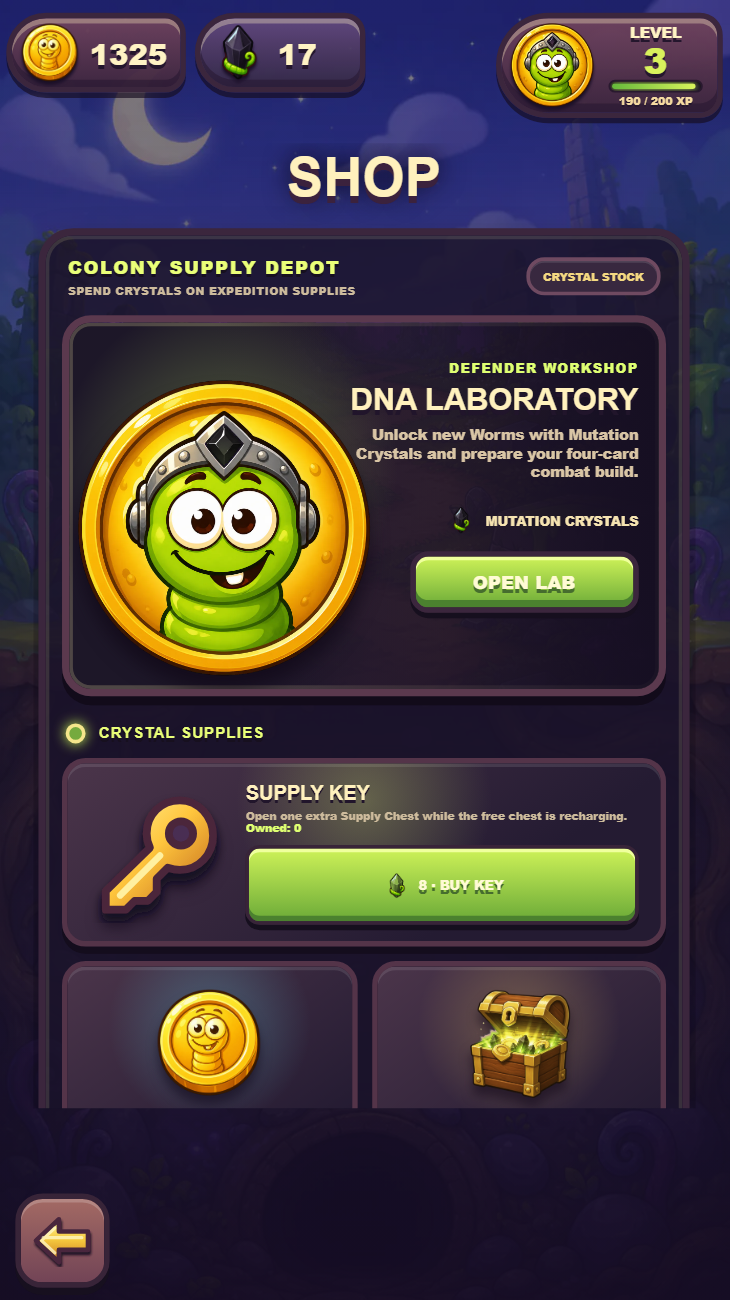
Shop
-
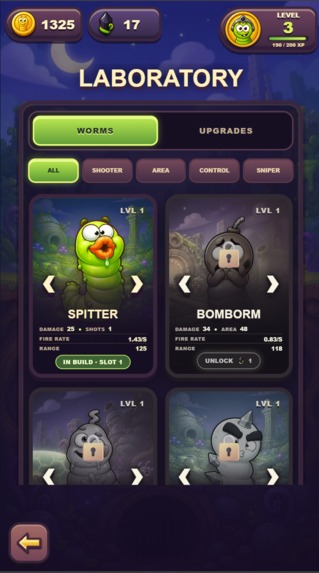
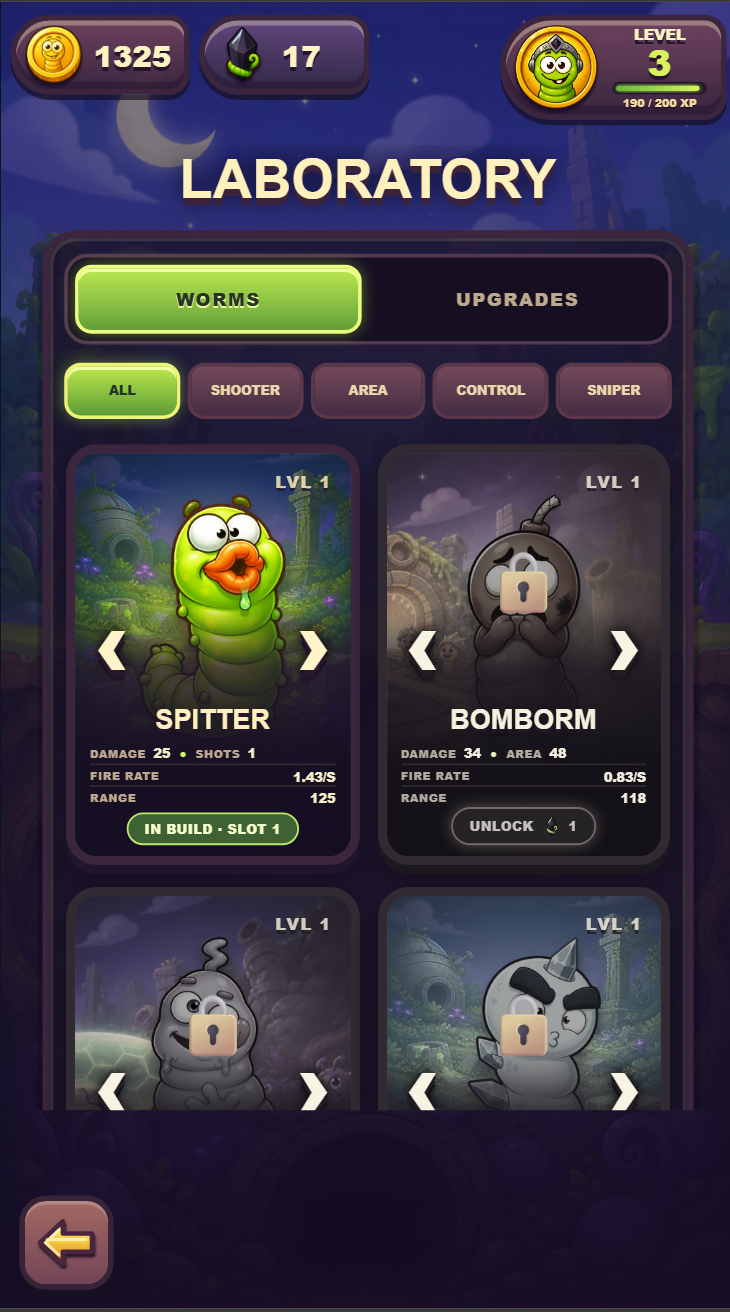
Laboratory
-
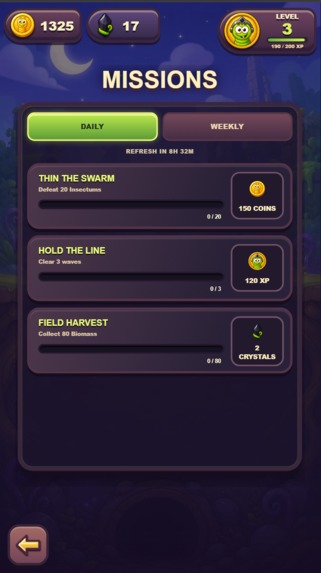
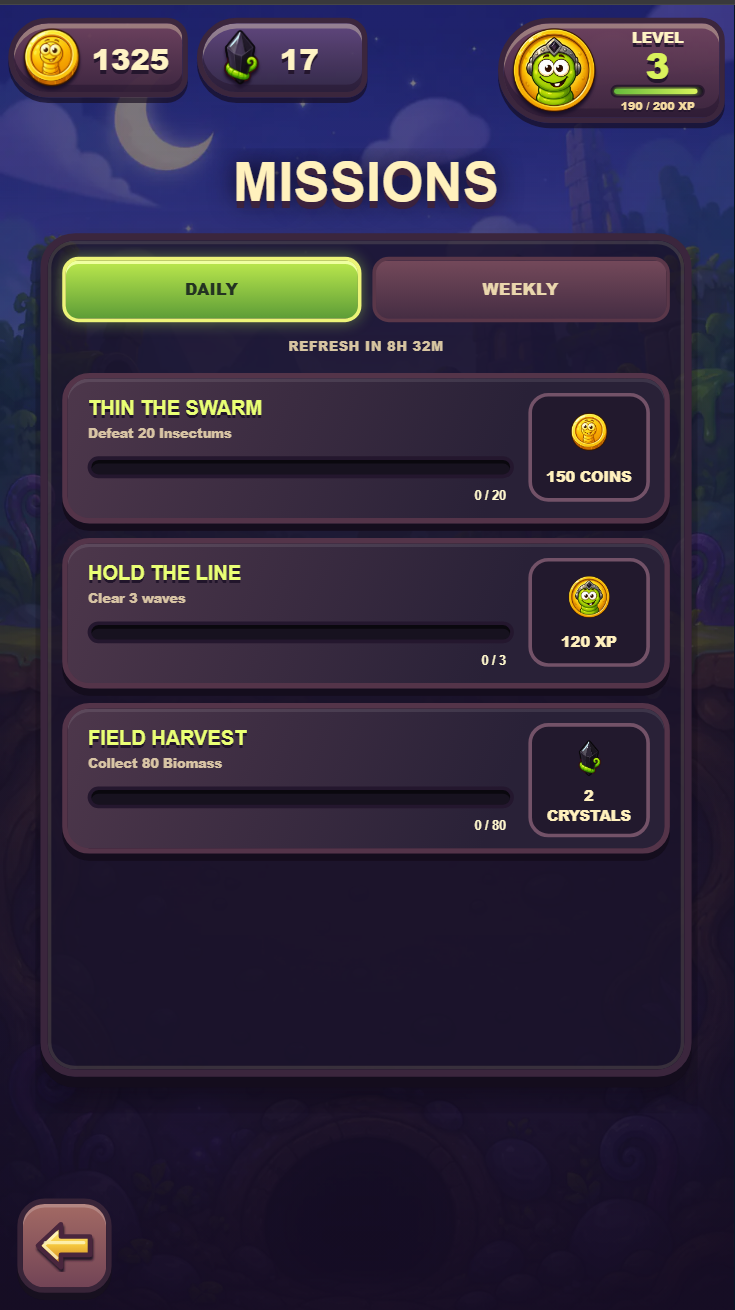
Missions
-
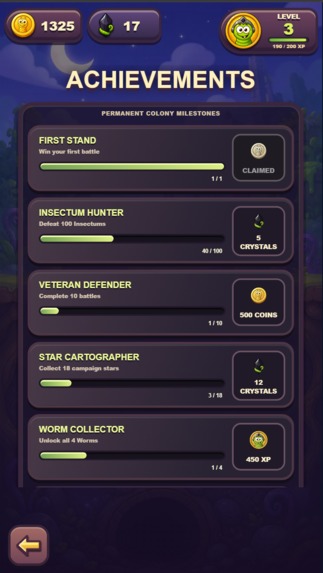
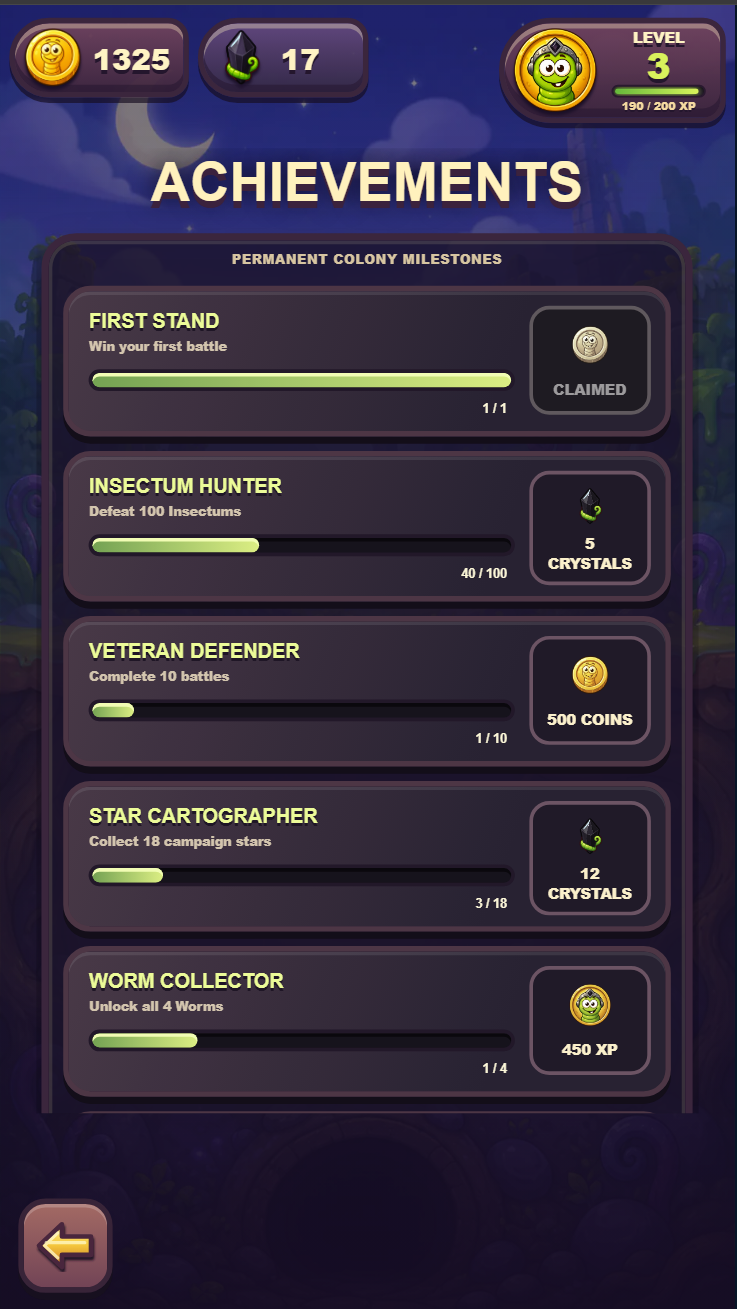
Achievements
-
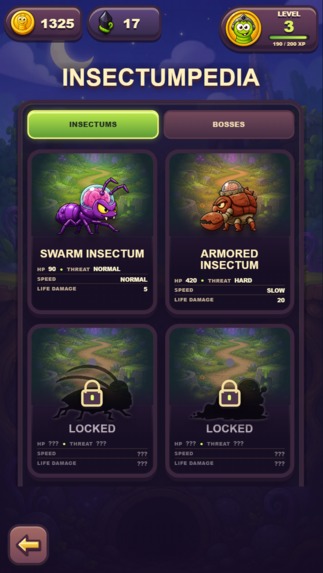
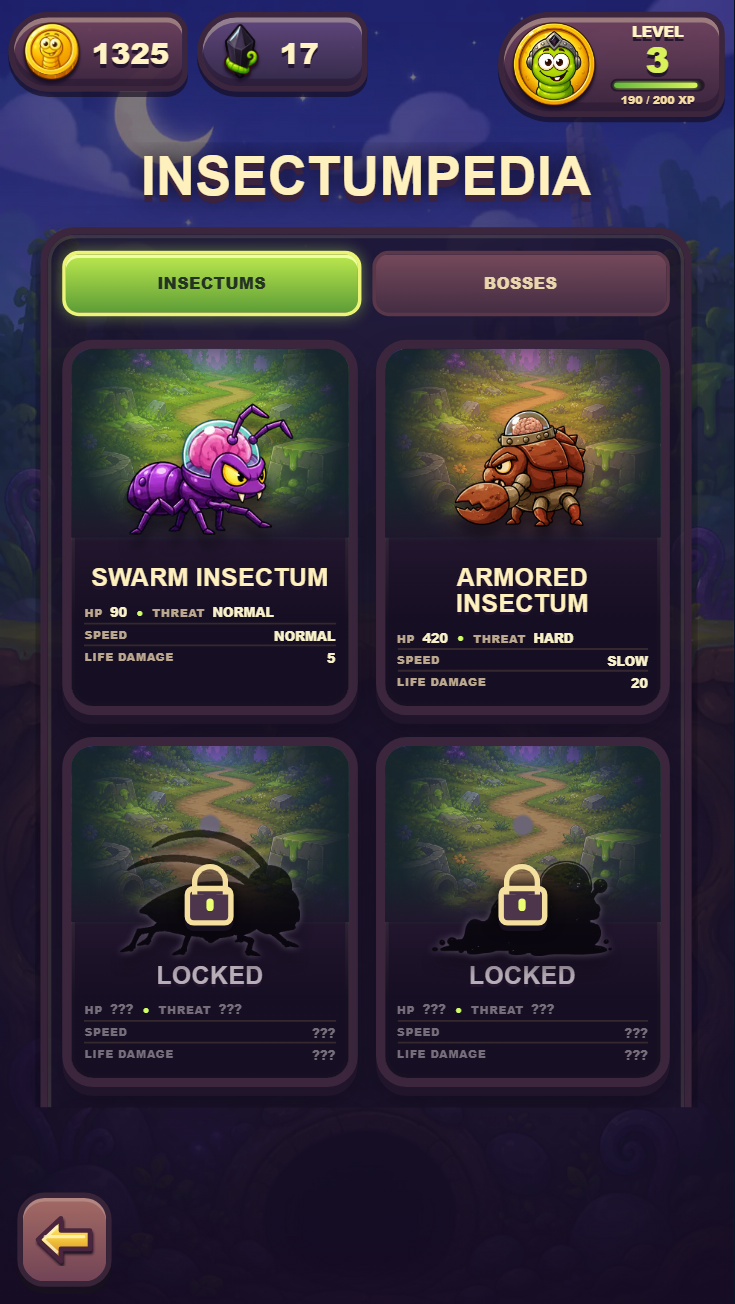
Insectumpedia
-
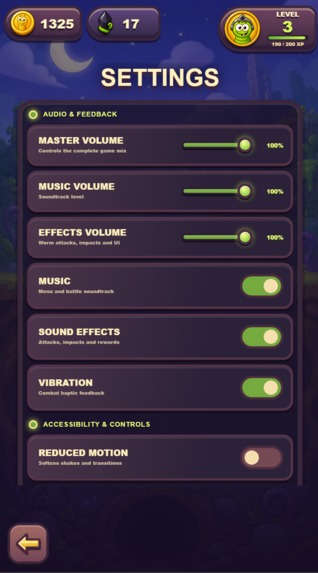
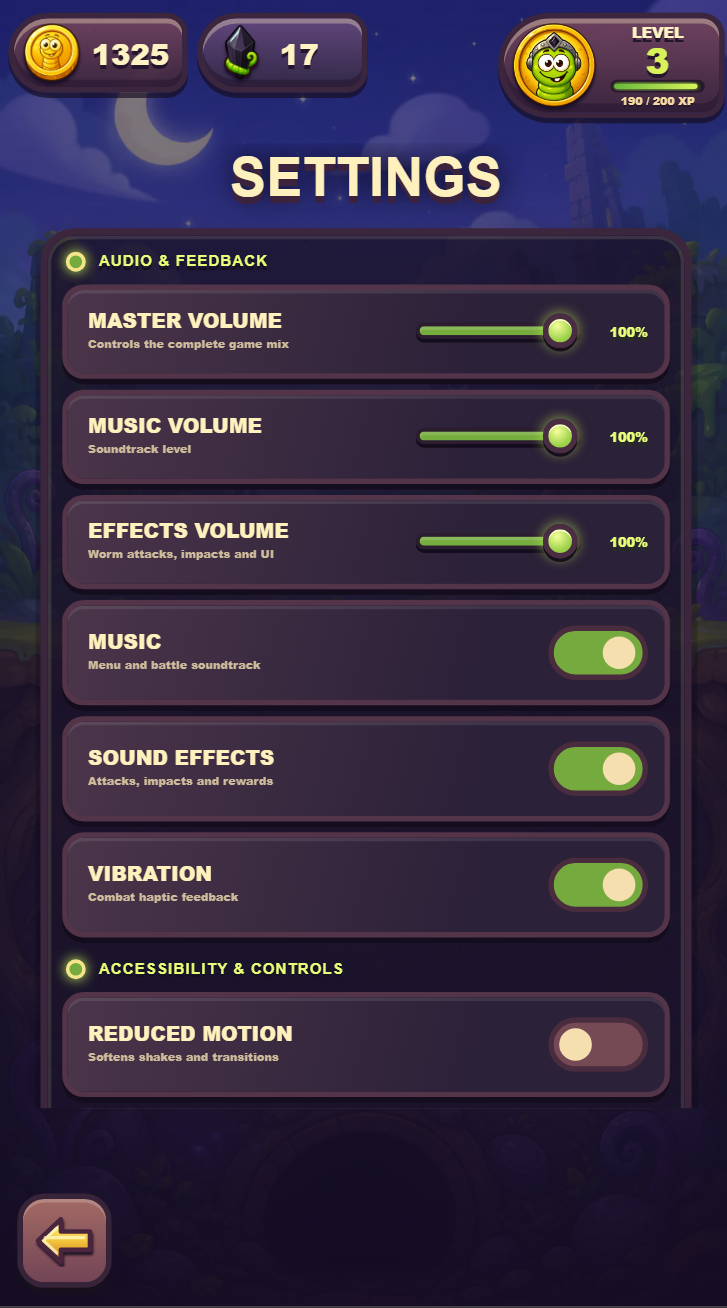
Settings
-
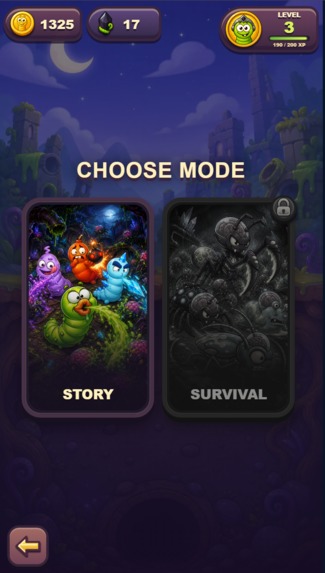
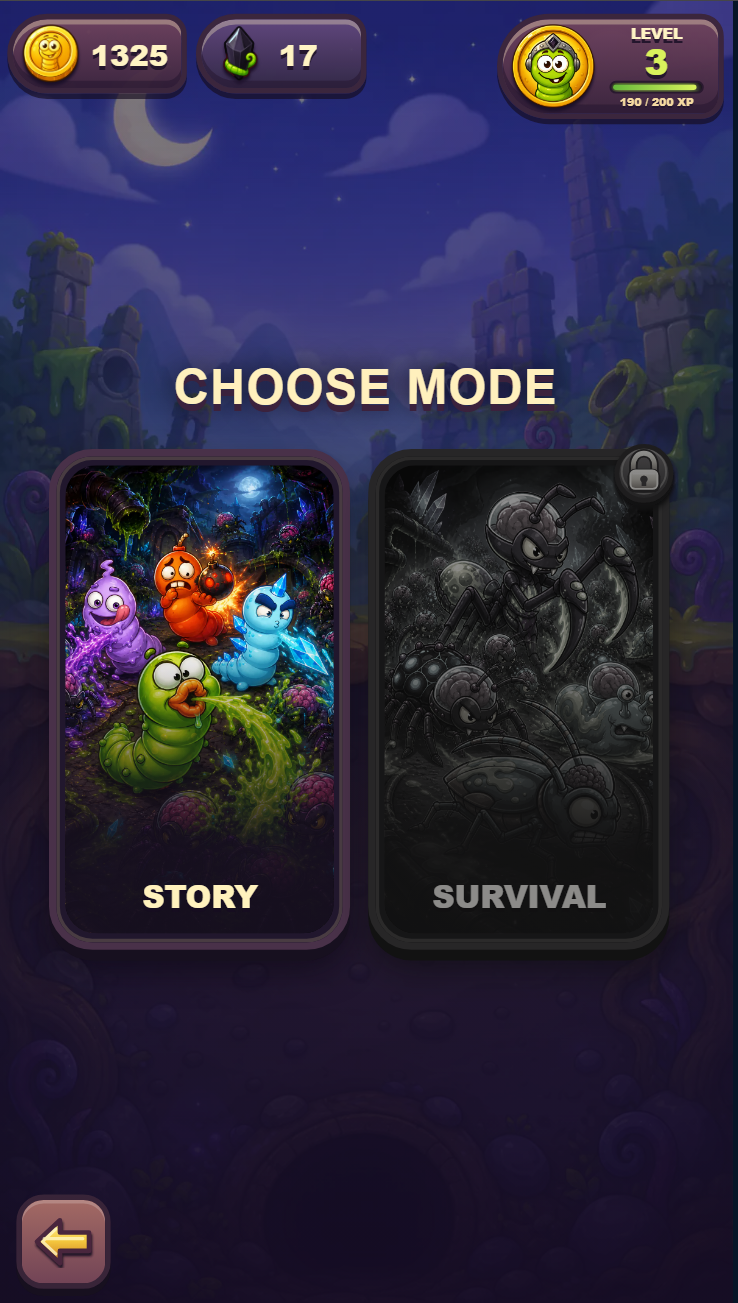
Modes
-
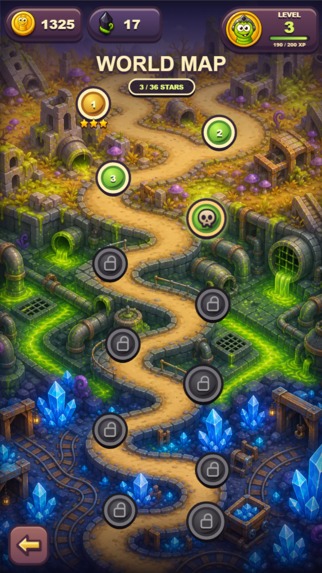
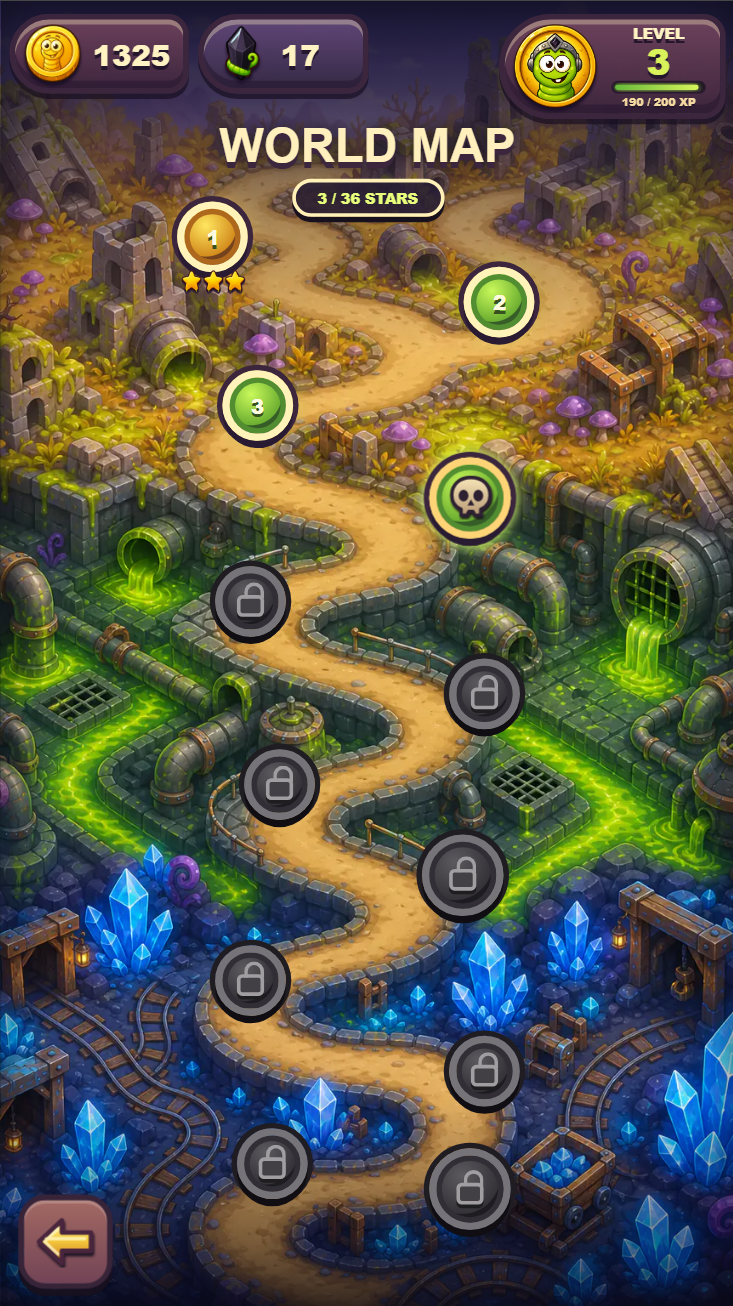
Map Levels
-
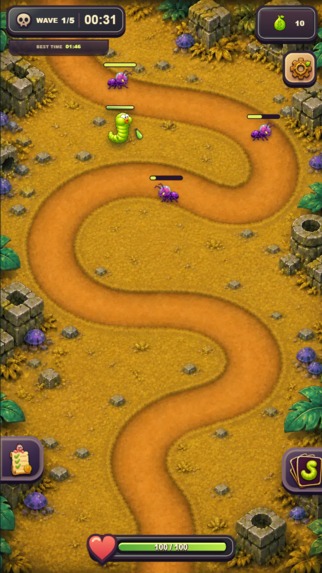
Level 1
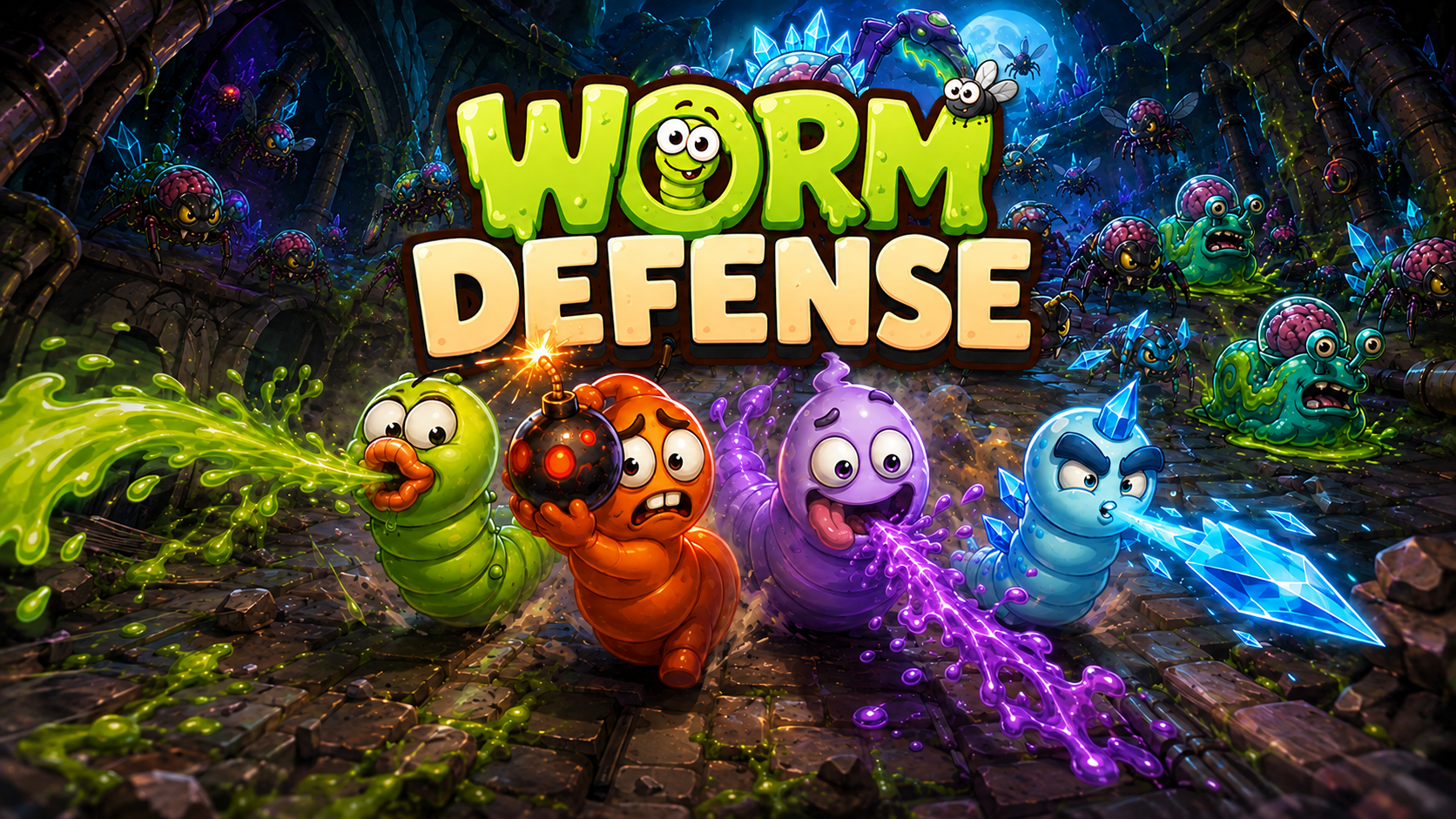
Inspiration
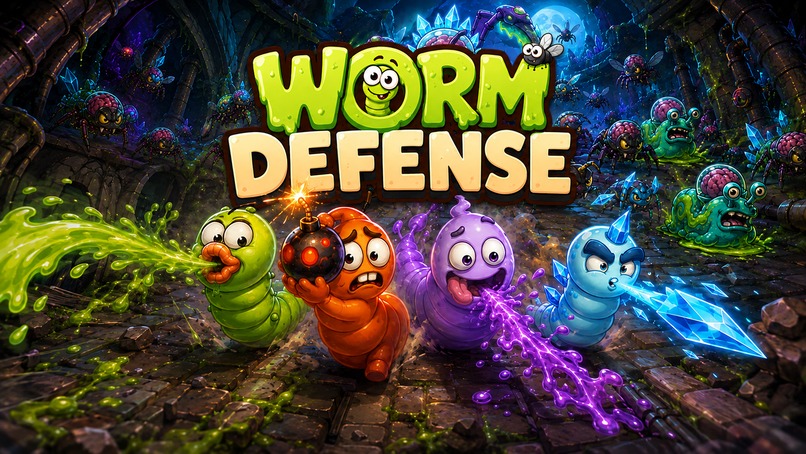
⏳ Not submitted yet Nothing has been sent to Devpost. He reducido el texto de 820 a 563 palabras: Inspiration 🐛 Worm Defense began with a simple idea: what if the towers in a tower-defense game were vulnerable, expressive characters instead of permanent structures? We combined the satisfying strategy of the genre with humorous Worm heroes and short portrait sessions designed for mobile players. The result is a colorful colony threatened by mutated creatures called Insectums across overgrown ruins, toxic sewers, and crystal mines.
What it does
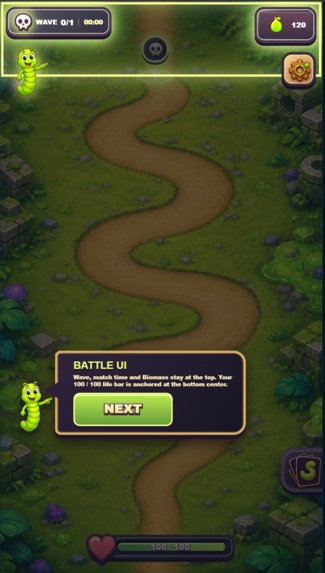
🎮 Players study enemy routes, open their Worm deck, spend Biomass, and deploy defenders on platforms beside the path. Defeated Insectums return Biomass that can be used for additional Worms or transformations. Spitter deals direct damage, Bomborm launches area explosions, Glu-Glu slows groups with slime, and Crystol attacks from long range. Worms can also be damaged and destroyed, making safe placement as important as route coverage. The prototype includes twelve Story maps, specialist enemies, split routes, three multi-phase bosses, and a randomized Survival mode.
How we built it
🛠️ Worm Defense is a self-contained HTML5 game created with readable vanilla JavaScript, CSS, and Canvas-based gameplay systems. Its code is assembled into one index.html, while all assets are stored locally, allowing the game to run without external network access. We used Codex throughout the AI-assisted development process to implement mechanics, repair enemy movement, balance waves and bosses, redesign responsive interfaces, and build regression tests. Image generation helped create consistent characters, environments, icons, and promotional artwork. Web Audio provides sound effects, map-specific procedural music, and victory and defeat themes.
Challenges we ran into
🧩 The most difficult challenge was keeping enemy movement aligned with the illustrated paths. Some maps use curves, sharp zigzags, multiple entrances, and routes that change during a wave. We also had to balance large bosses with multiple phases and attacks against the player’s Worms. The portrait interface required extensive iteration because the deck, tutorials, notifications, settings, route indicators, and HUD all share limited screen space. Maintaining consistent AI-generated characters and creating music that did not feel repetitive were additional challenges.
Accomplishments that we're proud of
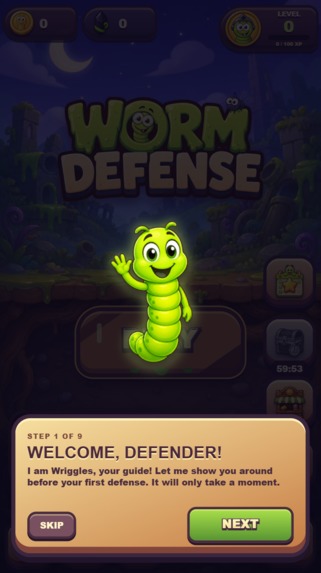
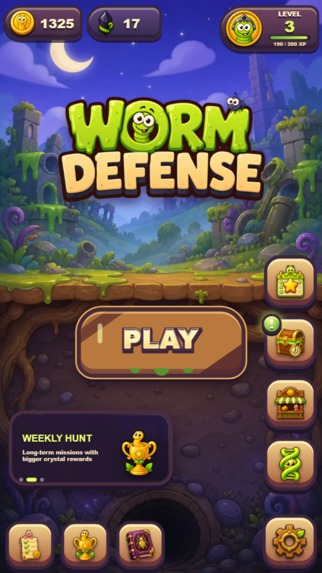
🏆 We are proud that Worm Defense delivers a complete playable loop rather than a collection of concept screens. Players can prepare a defense, fight escalating waves, earn and spend resources, transform Worms, defeat bosses, win, lose, retry, and continue progressing. The prototype includes twelve maps, four defenders, varied Insectums, Story and Survival modes, tutorials, missions, achievements, daily rewards, Laboratory upgrades, an Insectumpedia, persistent saves, and offline audio. Everything fits inside an approximately 11.34 MB portable build with no external requests.
What we learned
💡 We learned that clear feedback is more valuable than complexity alone. Routes, attacks, health changes, rewards, and placement options must be understandable immediately. A mechanic can work correctly and still feel wrong when its animation or interface does not communicate it well. We also learned that AI creation works best as an iterative process. Strong references, precise prompts, visual inspection, focused revisions, and automated tests produced much better results than broad requests.
What's next for Worm Defense
🚀 Our next step is player testing to improve onboarding, difficulty, defender balance, and the length of Survival sessions. A future version could introduce additional biomes, Worm classes, Insectum combinations, bosses, transformations, and deeper Laboratory upgrades. We would also explore richer animations, authored music, accessibility options, cloud saves, and competitive Survival challenges while preserving the game’s quick portrait experience.
Built With
- codex


Log in or sign up for Devpost to join the conversation.