
Inspiration:
- The inspiration behind WorldWonderz was to create an immersive experience that allows people to virtually visit iconic landmarks and natural wonders.
- By leveraging VR technology, we aimed to transport users to these incredible places, even if they couldn’t physically travel there.
What it does:
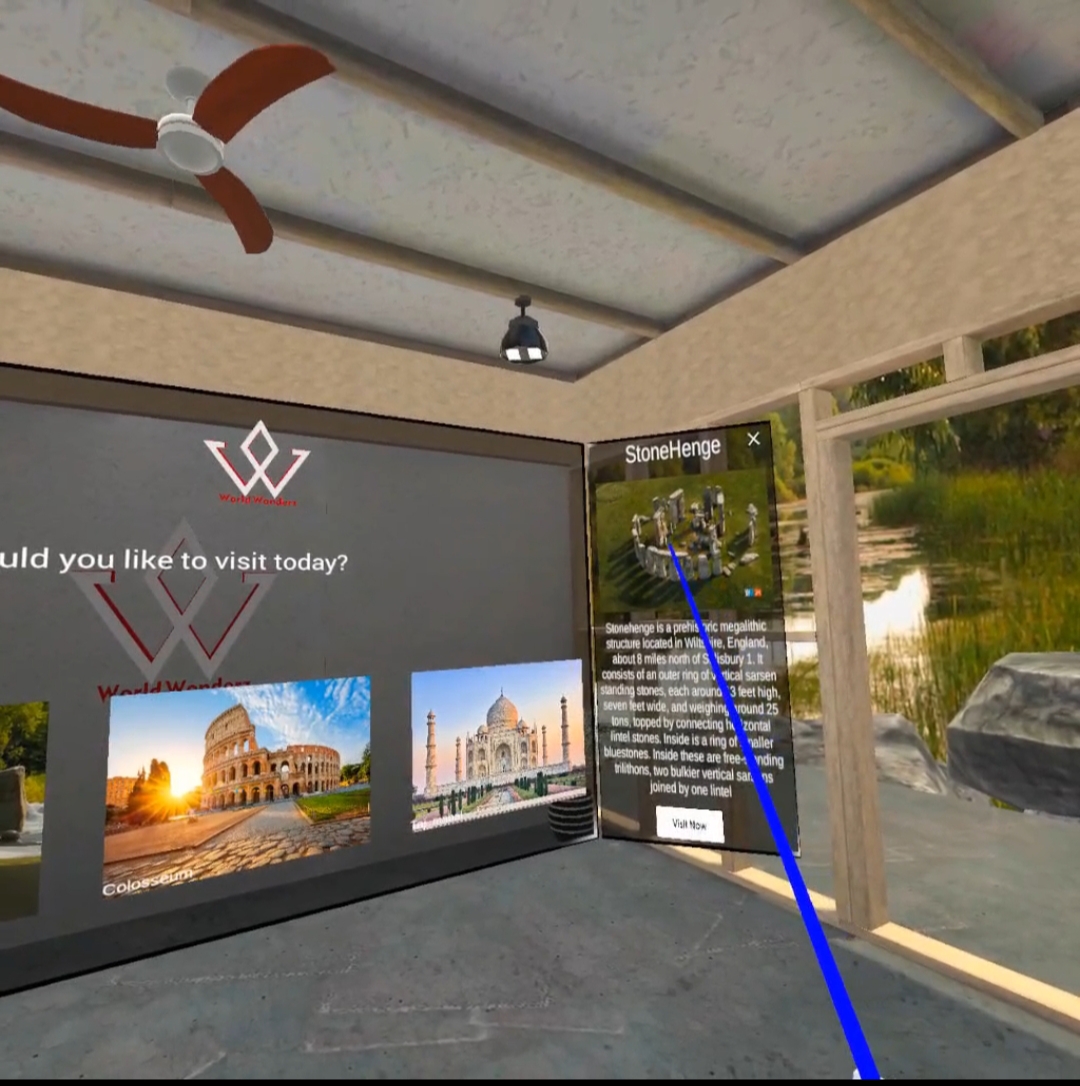
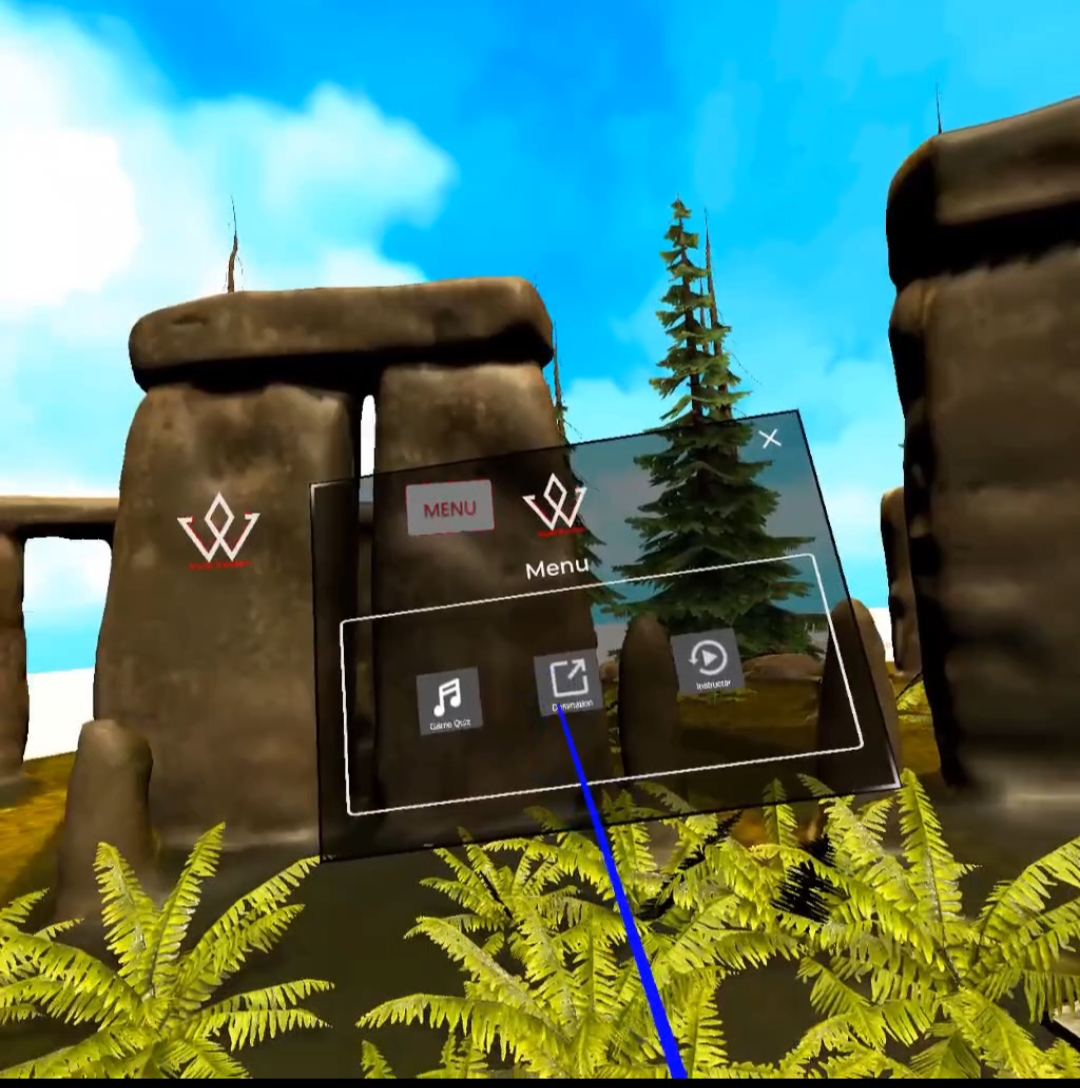
- WorldWonderz provides a rich virtual environment where users can explore famous sites, learn about their history, and interact with 3D models.
- The quiz game feature adds an educational element, allowing users to test their knowledge about the places they’ve virtually visited.
How we built it:
- We developed WorldWonderz using a combination of Unity for 3D modeling and interaction, and WebVR for cross-platform compatibility.
- Our team collaborated closely, combining expertise in game development, 3D design, and user experience.
Challenges we ran into:
- Creating realistic 3D models of landmarks was a significant challenge. We had to balance accuracy with performance to ensure smooth VR experiences.
- Optimizing the app for various VR devices and screen resolutions required thorough testing and adjustments.
Accomplishments that we’re proud of:
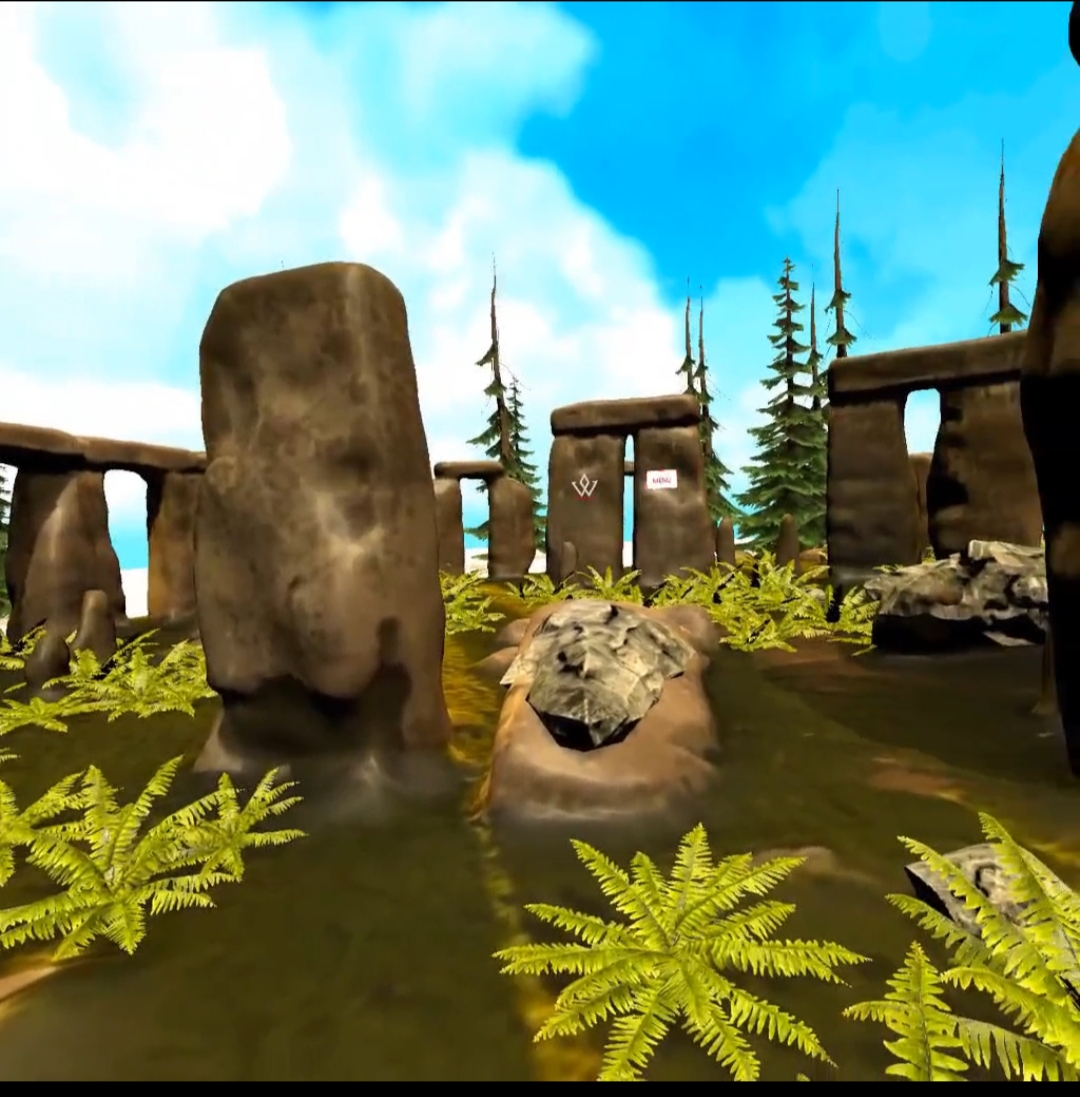
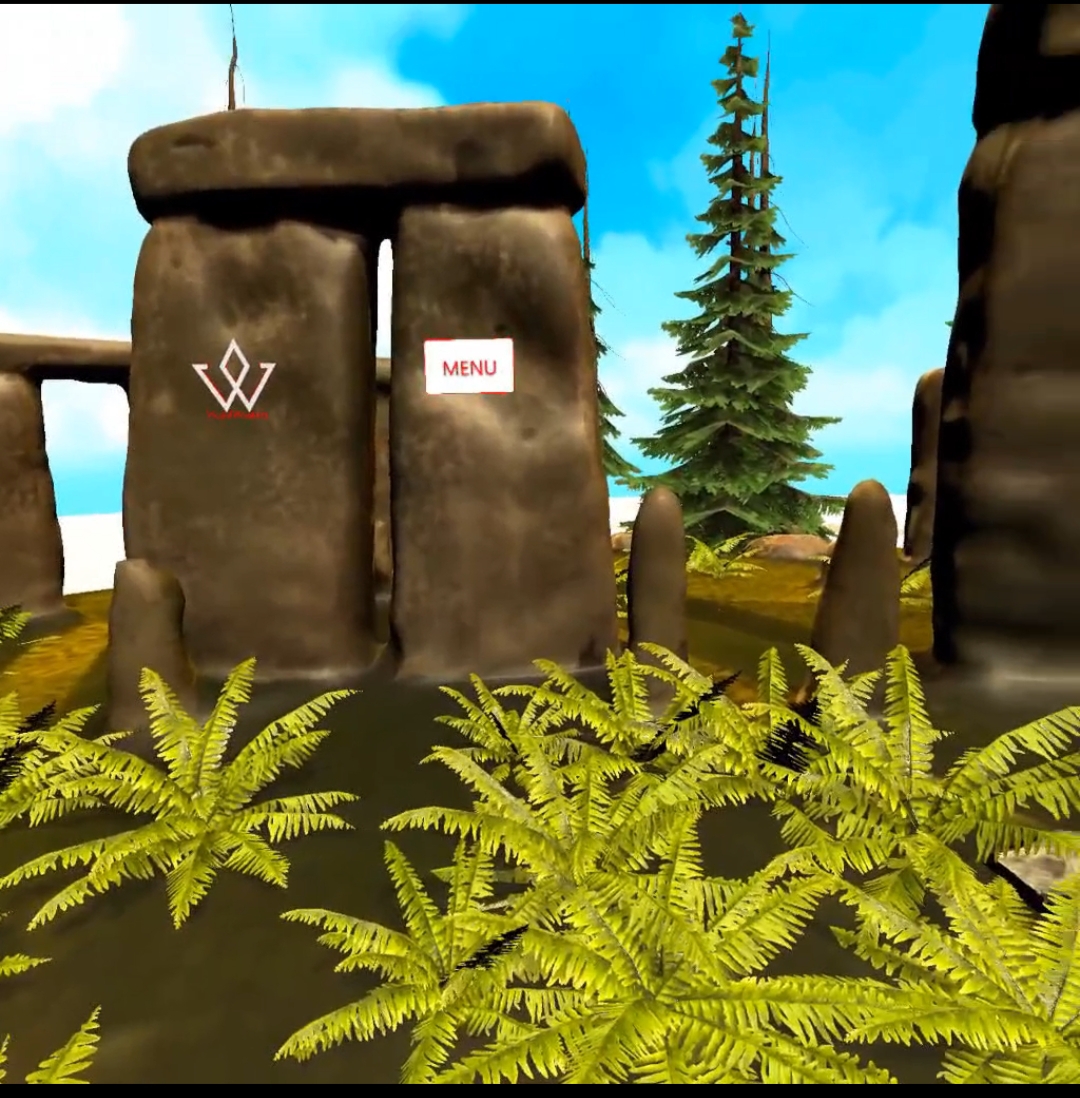
- Successfully recreating famous landmarks like the Stonehenge, Machu Picchu, and the Taj Mahal in 3D.
- Implementing the quiz game feature, which engages users and reinforces their knowledge.
What we learned:
- The importance of user-centered design in VR experiences. We iterated based on user feedback to enhance usability.
- Technical skills related to 3D modeling, VR development, and cross-platform compatibility.
What’s next for WorldWonderz:
-Expanding the app to include more wonders, both natural and man-made. -Integrating social features, allowing users to share their virtual adventures with friends. -Collaborating with educational institutions to incorporate WorldWonderz into classroom learning.
Built With
- 3dmodels
- api
- ovr
- unity

Log in or sign up for Devpost to join the conversation.