-
-
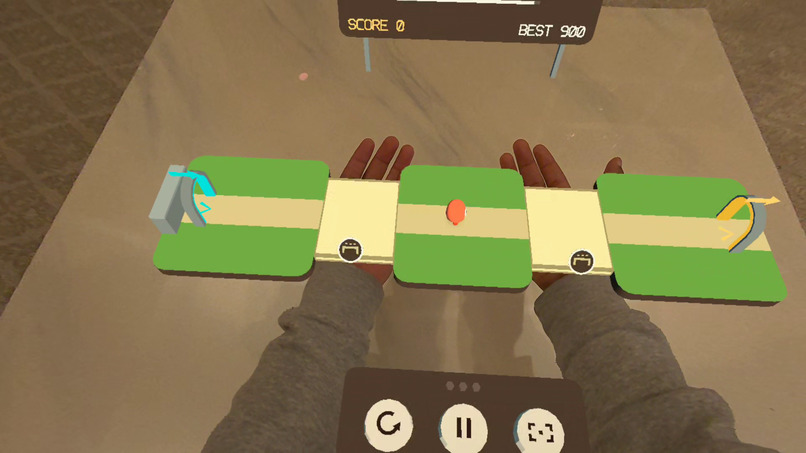
Palm Bridges
-
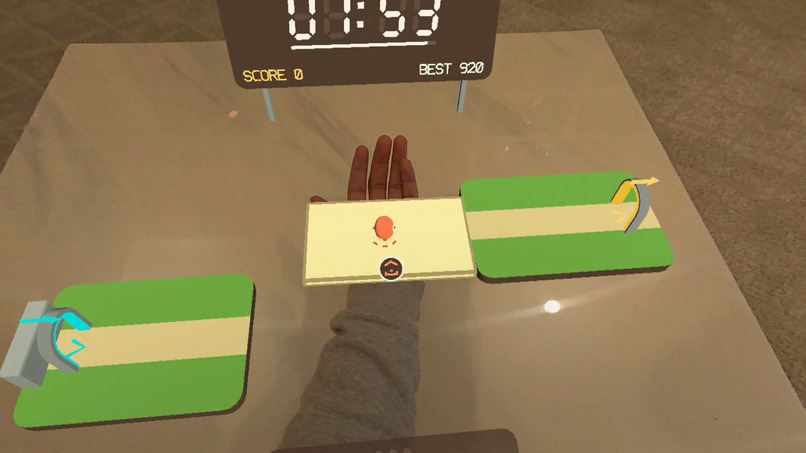
Autonomous Palm Transport
-
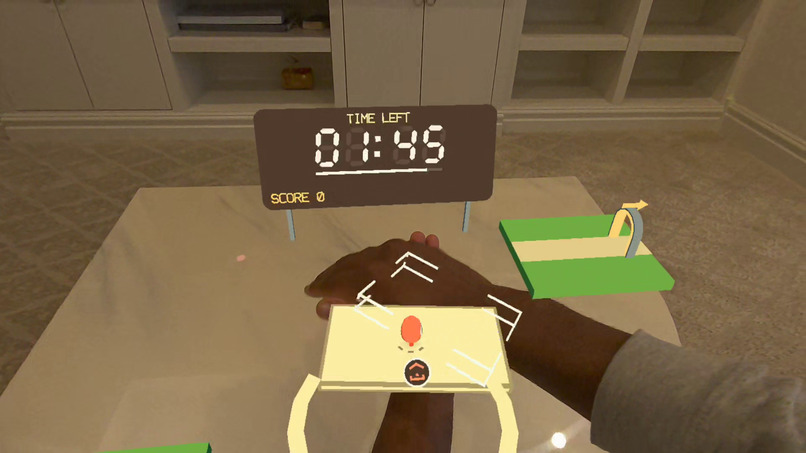
Carry and Shield
-
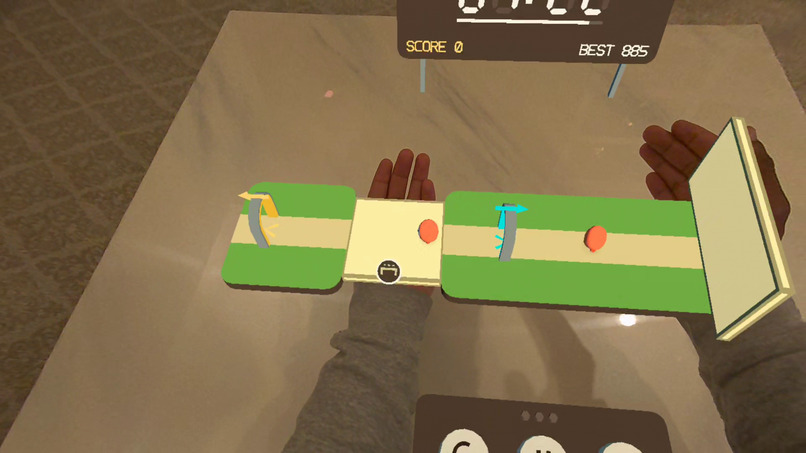
Hand Wall Redirection
-
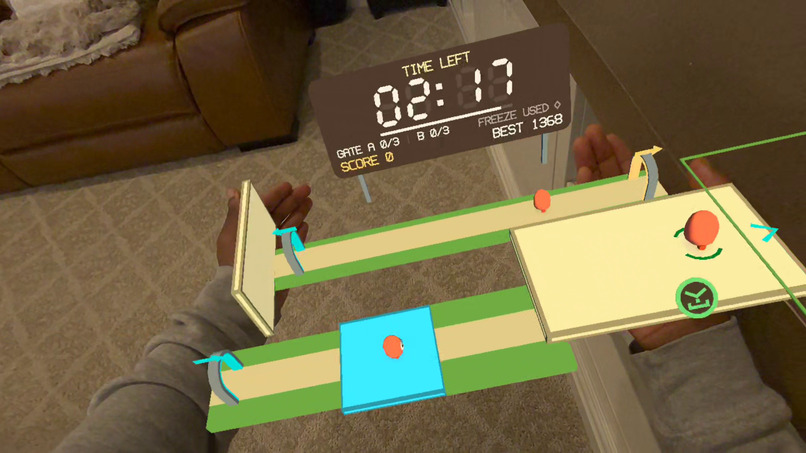
MR Interactive Ascent
-
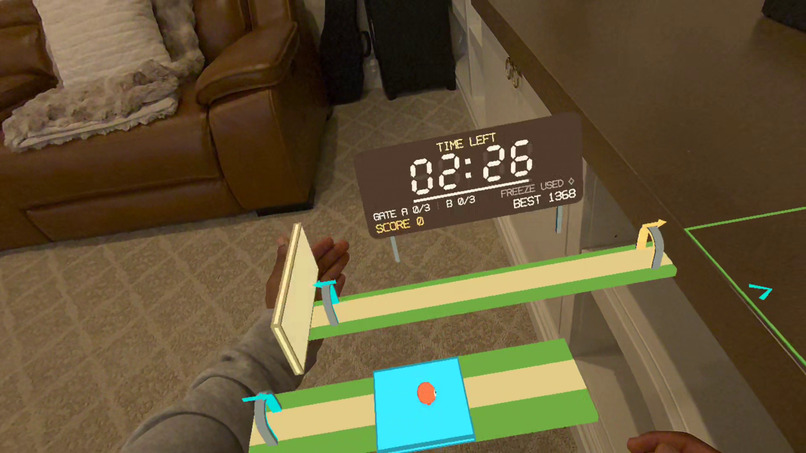
Frozen Crossing
-
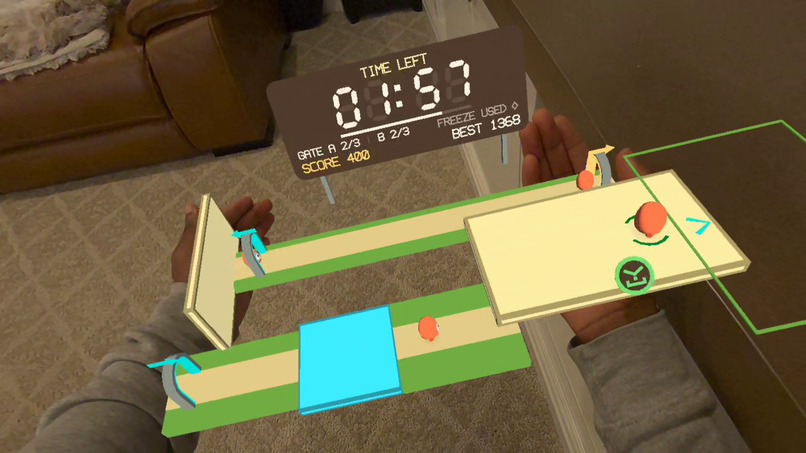
Combined Routes
-
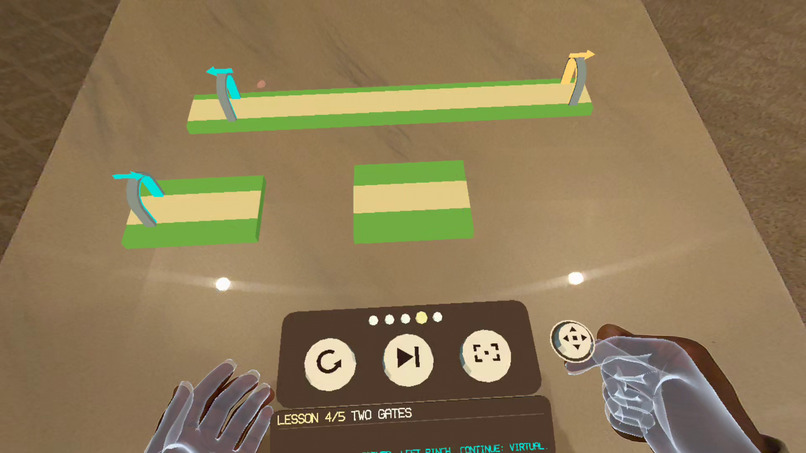
Adjustable Menu Option
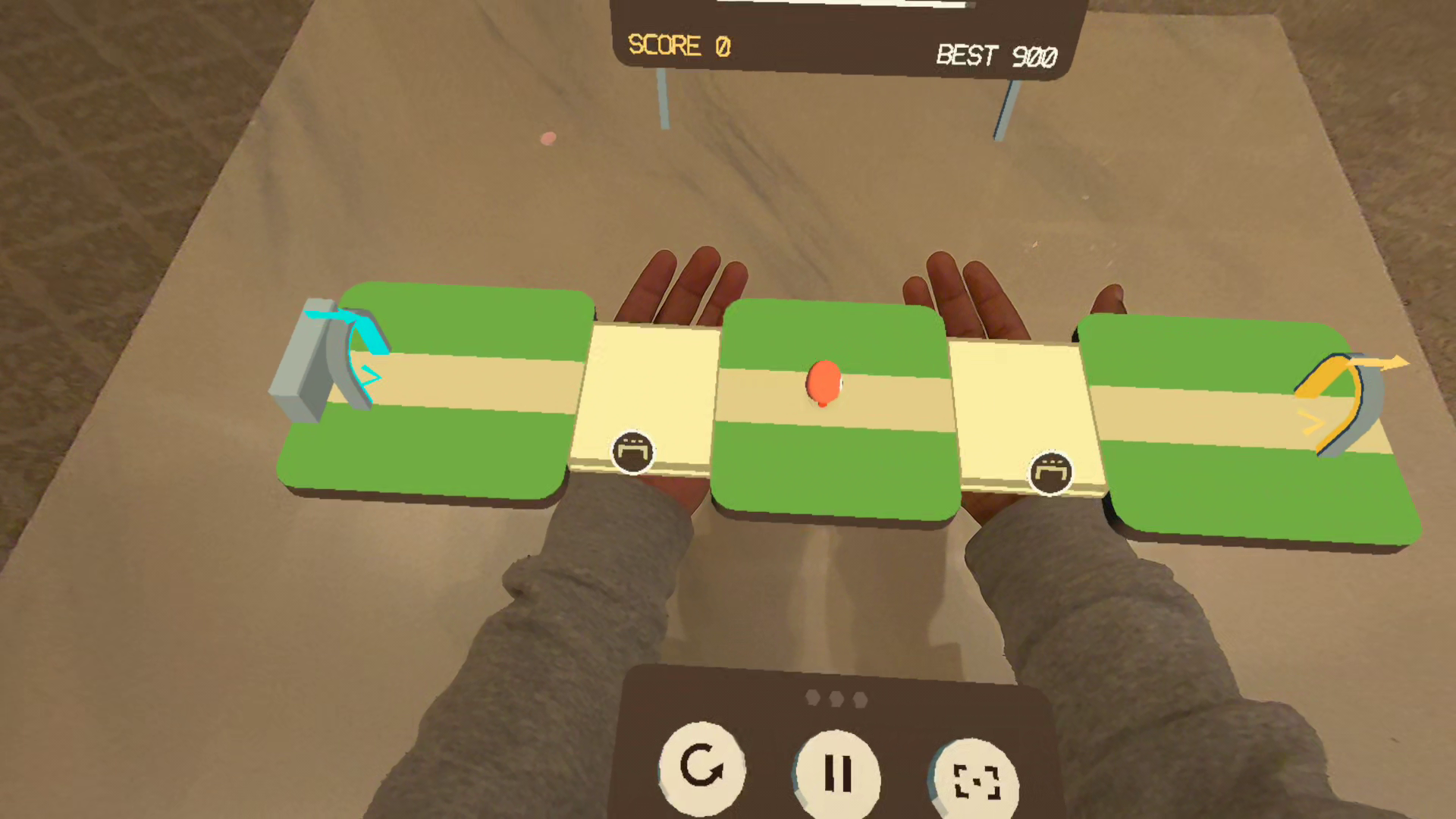
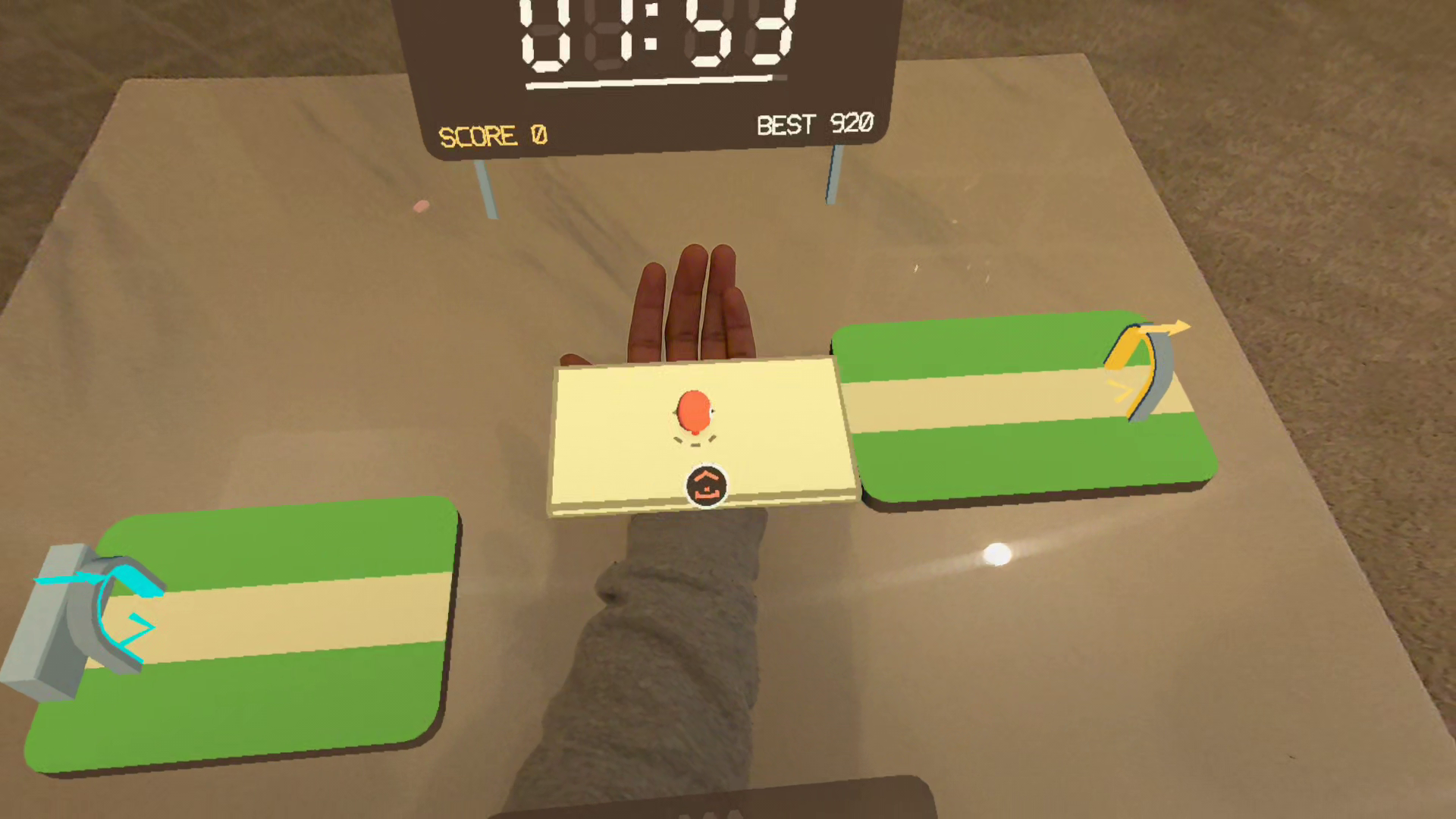
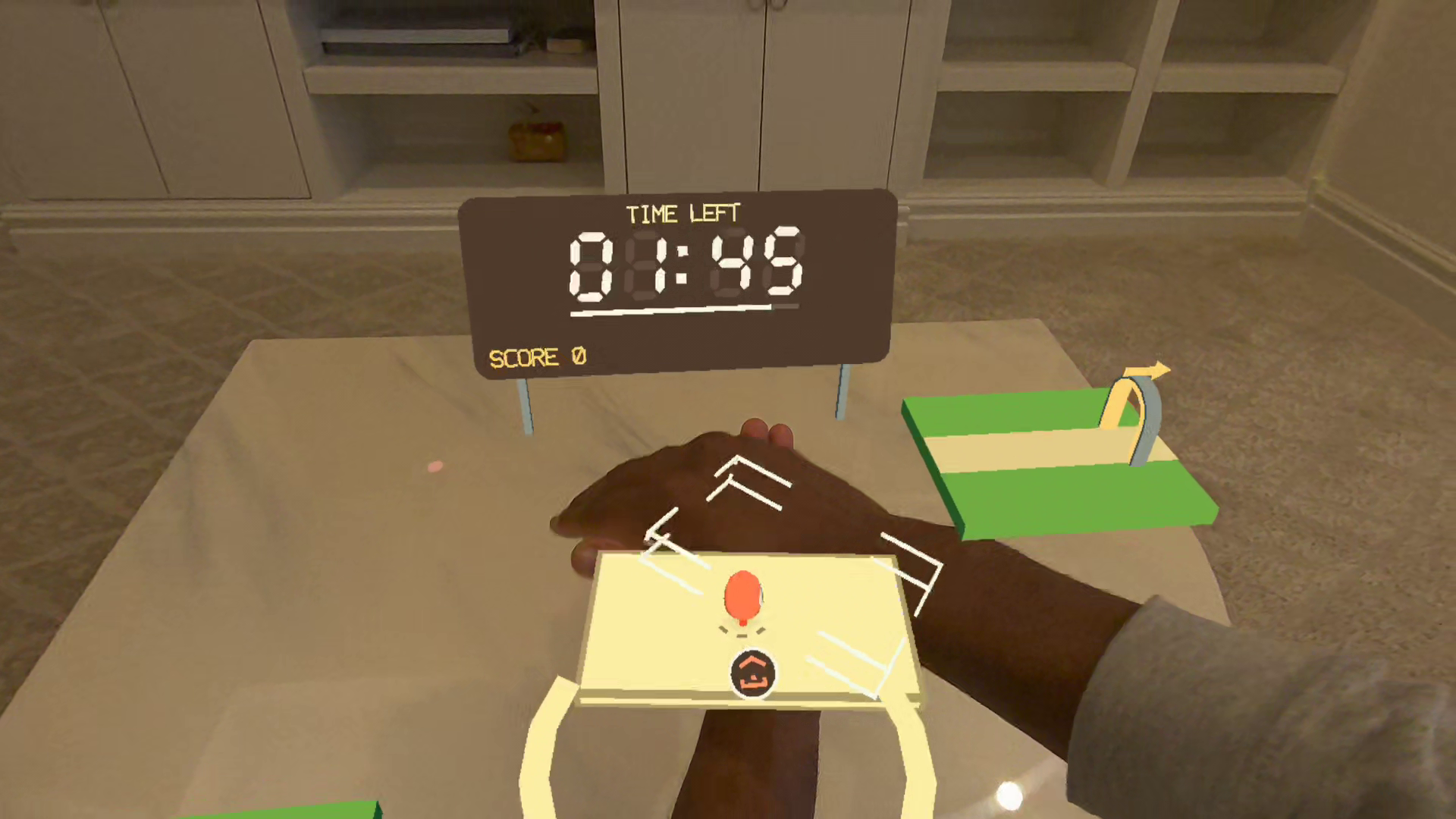
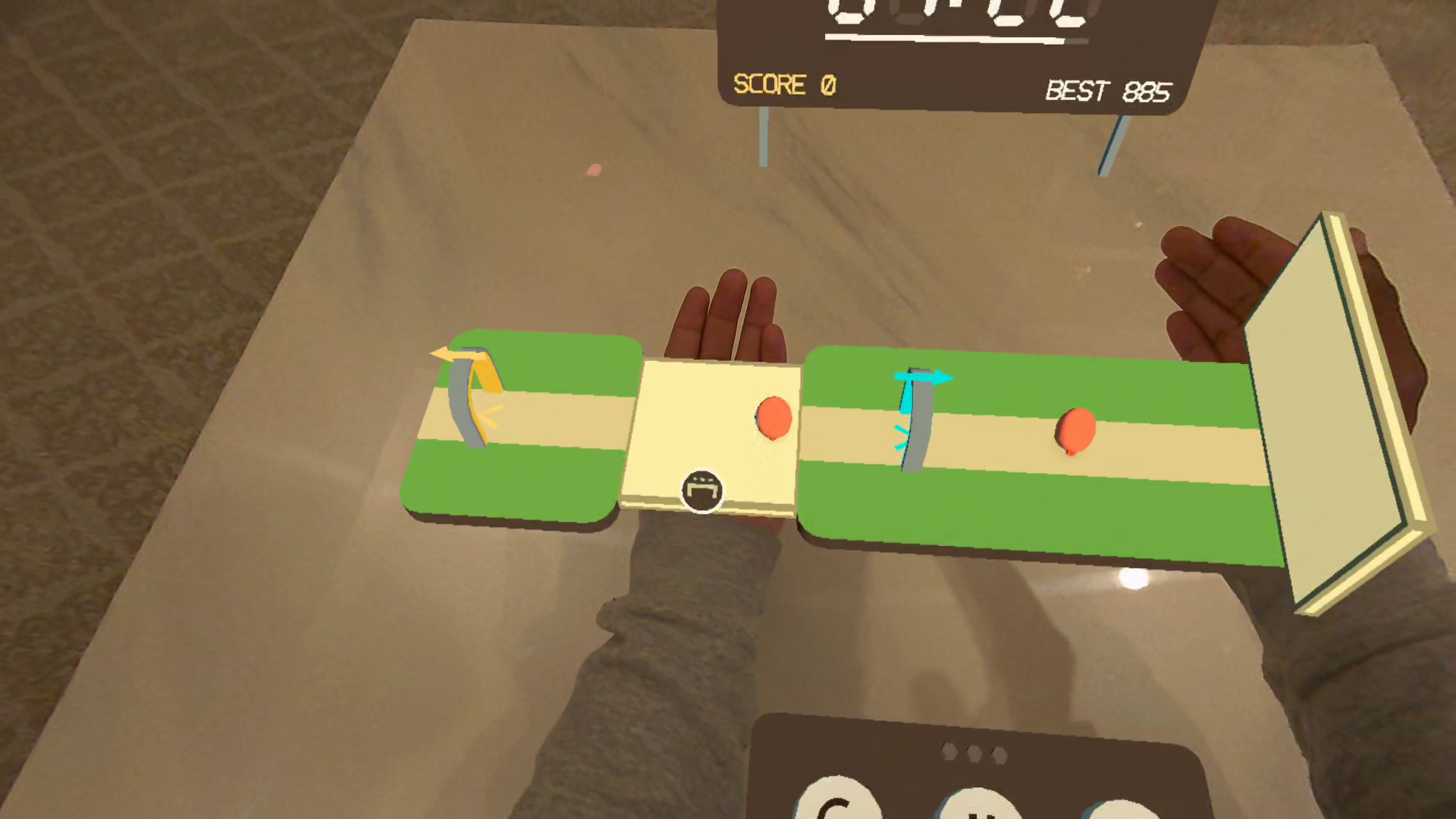
Inspiration
WorldWeaver began with my idea of creating miniature living worlds in mixed reality. As the project evolved, one relationship became more compelling than world-building itself: the relationship between a tiny creature and the enormous hands helping it.
What if your hands became part of its world?
That question transformed WorldWeaver into a creature-guidance puzzle game. You are the creatures’ guardian. They move autonomously; you provide the paths, transportation and protection they need to reach safety.
I wanted to explore an interaction that feels particular to mixed reality: holding a small creature in your palm, lifting it toward a real object in your room, and using your other hand to protect it along the way.
What it does
WorldWeaver places a miniature puzzle environment in your physical space, controlled entirely through your hands.
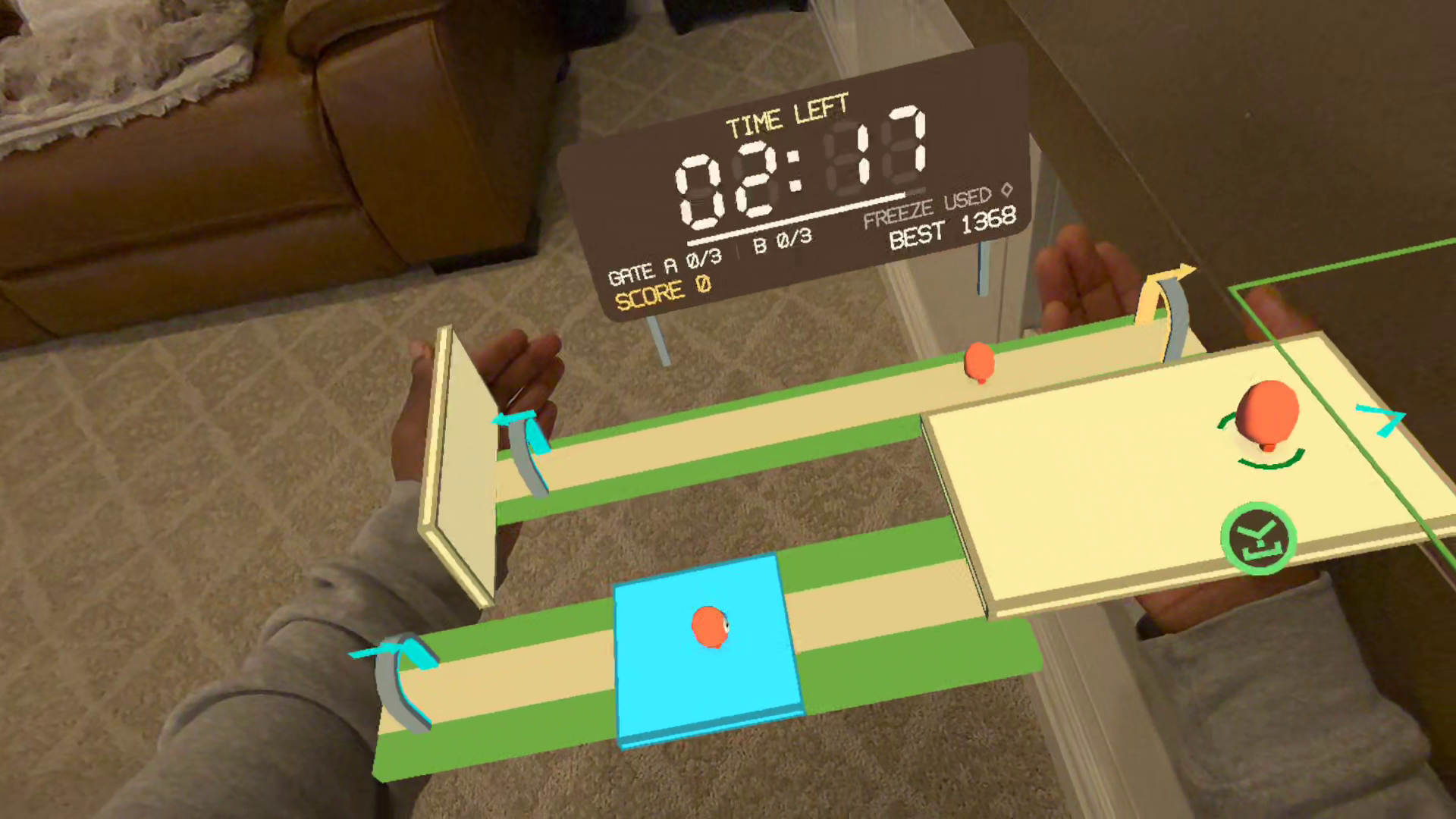
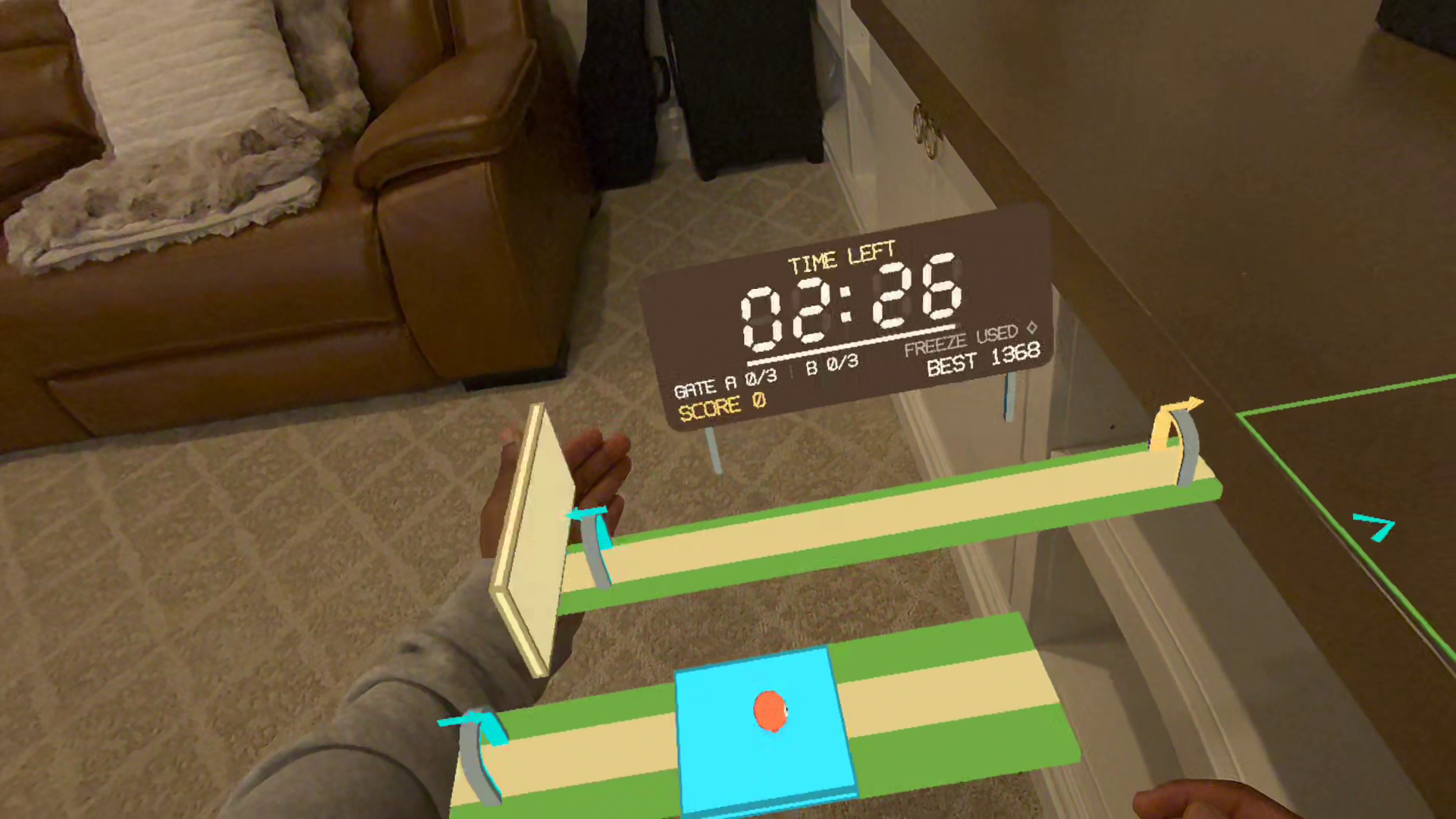
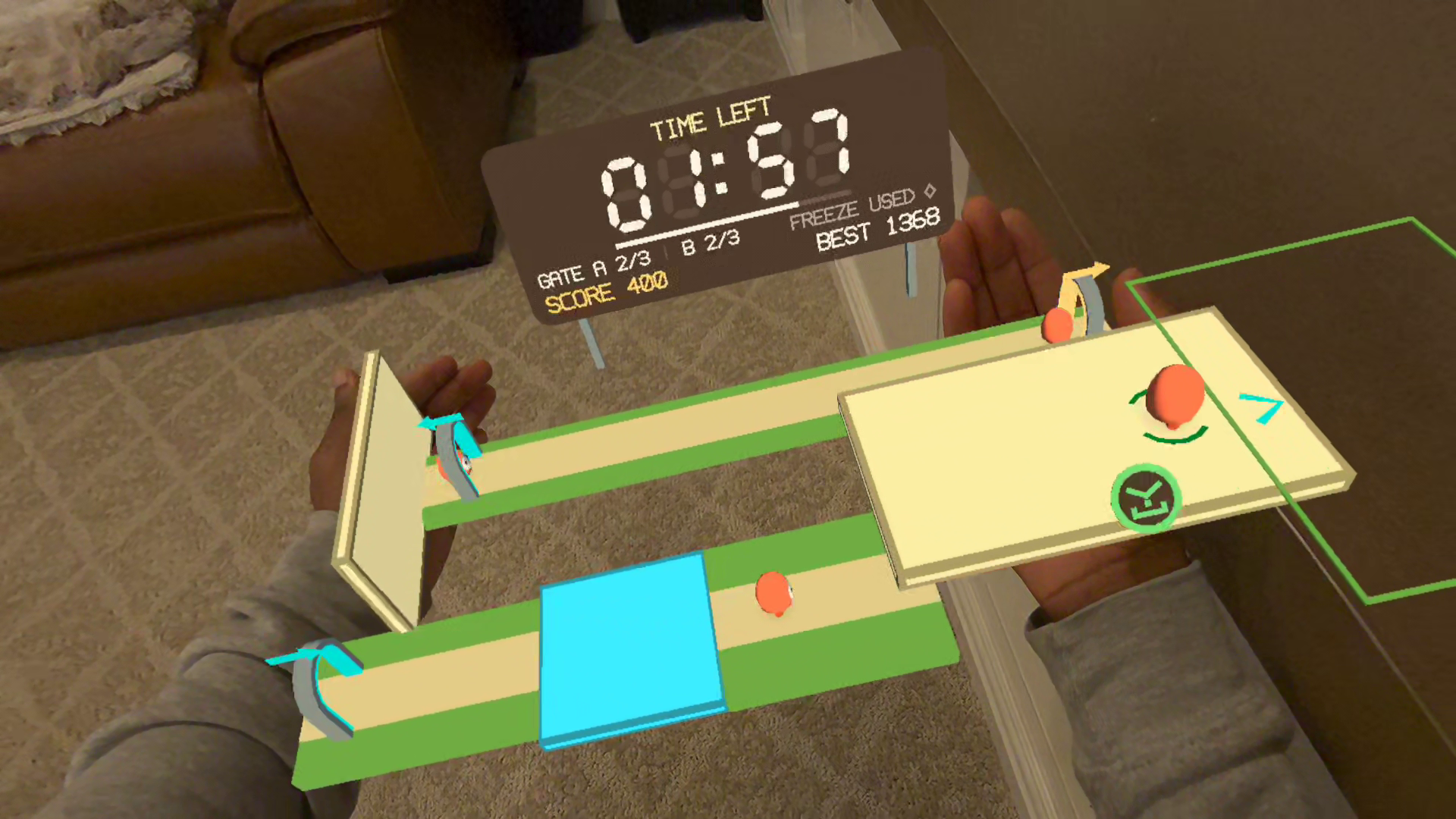
An upward-facing palm becomes a bridge. An upright hand becomes a wall that redirects creatures. A creature can walk onto your palm, settle near its centre, travel with your hand and step off automatically when a safe landing becomes available.
Limited freeze charges introduce another layer of spatial strategy. An opposite-hand pinch leaves a structure fixed in place, freeing your hand for another task. Poking the frozen structure removes it and refunds the charge.
The game also incorporates your surroundings. Through hands-only confirmation, you can define a real book, box or ledge as an elevated destination, then carry creatures onto its virtual landing surface.
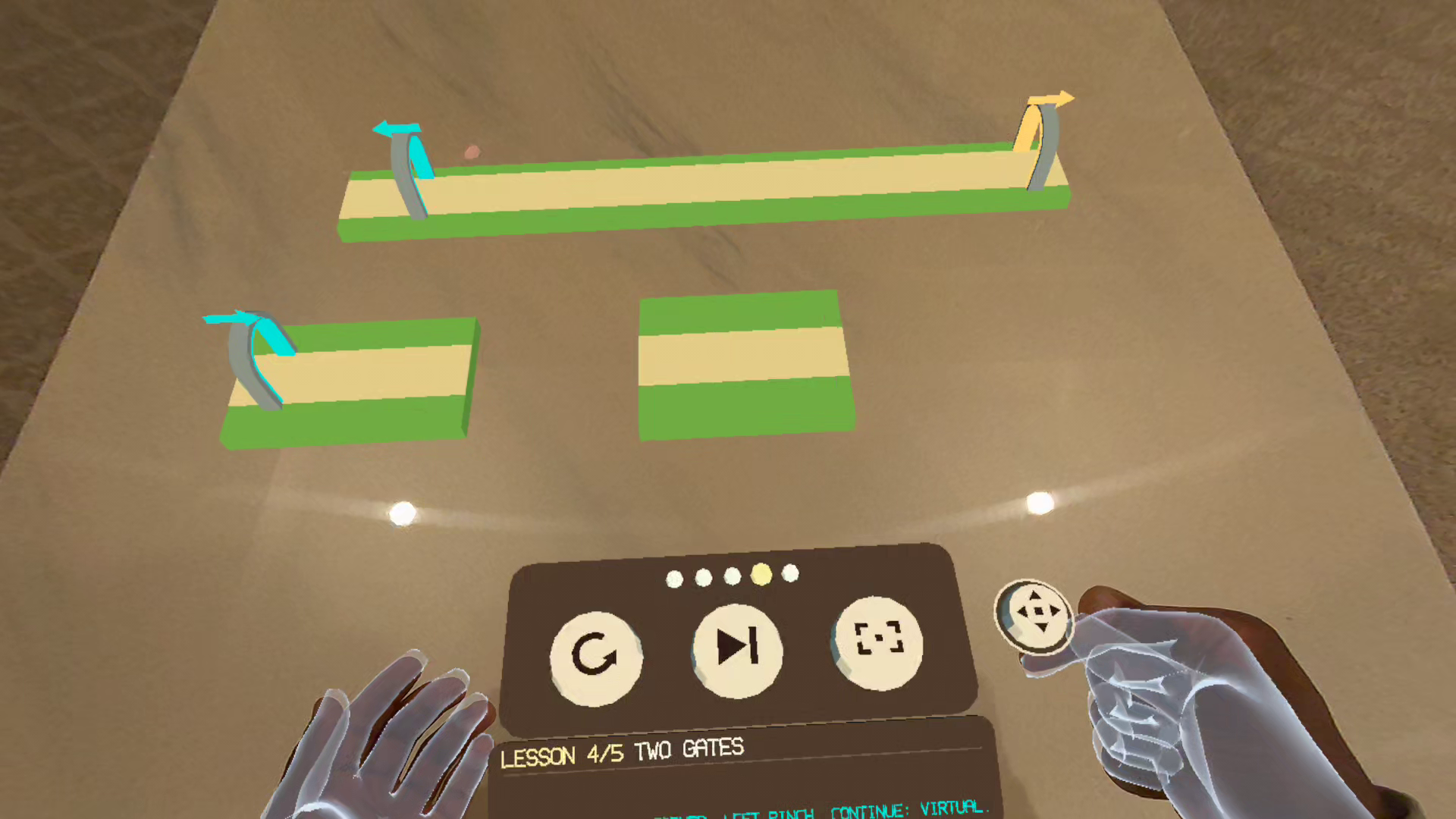
Five lessons introduce and combine these mechanics. The final lesson asks you to transport creatures across a gap while using your other hand to shield them from telegraphed falling rocks and occasional meteors.
I designed the experience for seated, controller-free play, with adjustable board height, movable menus and saved level unlocks.
How I built it
I built WorldWeaver as a solo developer using Unity 6, C#, the Unity OpenXR Plugin, Meta XR SDK and Mixed Reality Utility Kit with Orca as my ADE to orchestrate AI agents.
My central engineering challenge was connecting continuously tracked hands to predictable, autonomous creature movement. I developed a bounded movement and support system that distinguishes stationary platforms, moving hand structures and frozen structures.
Palm transportation uses explicit boarding, centred riding and disembarking states. Landing decisions consider the creature’s position, the hand’s movement, platform alignment and available support. The same palm must also remain usable as an ordinary bridge, without requiring a separate transportation gesture.
I integrated hazards, freezing, tracking recovery and interface interactions alongside those movement states. Creature spawning, losses, rescue quotas and progression use authoritative gameplay state to keep outcomes and feedback consistent.
My workflow combined local simulation, targeted Unity checks, Android builds and iterative testing on a Meta Quest 3S. I used Orca to coordinate AI-assisted development, with Codex supporting runtime engineering and integration, and Claude supporting design and presentation. I remained responsible for the product direction, technical decisions, integration and hands-on headset testing.
Challenges I ran into
My hardest challenge was making a tiny creature behave convincingly on a surface that never truly stops moving.
Even a seemingly steady hand produces tracking variations. At miniature scale, those variations can make a creature slide, stall or lose support. I had to distinguish deliberate movement from jitter, tolerate brief tracking interruptions and make landing forgiving without allowing creatures to step into unsupported space.
The boundary between bridging and transportation was particularly difficult. A stationary palm should let a creature walk across normally. A moving palm should carry it securely. I needed those behaviours to transition naturally, without introducing another gesture or making the creature appear directly controlled.
Transferring support from a hand to a platform exposed subtle failures. Sometimes a creature appeared to have landed but remained logically attached to the bridge. Withdrawing or reforming my hand could then pull it backward, reverse its direction or leave it stuck. Addressing this required clear ownership of support and reliable completion of the landing transition.
Overlapping surfaces created another challenge. A bridge extending into a platform could flicker visually while competing with that platform as the creature’s walking surface. I also needed live and frozen bridges to offer consistent traversal despite their different movement behaviour.
Recovery mattered just as much as the successful path. Moving a carrying hand beyond the playable bounds, withdrawing during departure, freezing an occupied structure or combining carrying and shielding exposed lockups and pauses that could not be cleared normally. I had to examine how support ownership, interrupted actions and cleanup interacted rather than treating each symptom as an isolated bug.
Hardware testing also changed my design. The original bridge orientation was uncomfortable, placement confirmation conflicted with familiar system gestures, and landing feedback was too subtle. Real-world surface confirmation needed clearer spatial guidance, while opaque virtual hands obscured the interactions they were meant to explain.
Gaining access to a Quest 3S within a short development window was invaluable. It revealed problems that successful simulation and compilation could not tell me about.
Accomplishments I'm proud of
I brought WorldWeaver’s central interaction onto an actual Quest 3S: an autonomous creature can board a palm, settle, ride with my hand and leave at a safe destination.
I connected bridges, directional walls, limited frozen structures, elevated transportation and spatial shielding into one hands-first puzzle experience.
I also extended the puzzle beyond its virtual board. Carrying a creature onto a manually confirmed physical ledge makes the player’s surroundings part of the route.
Most importantly, I let headset testing reshape the game. The comfortable palm-up bridge, two-hand placement confirmation, contextual translucent hands and more forgiving landing behaviour emerged from experiencing the interactions myself and responding to what felt unclear or uncomfortable.
What I learned
I learned that comfort and clarity are fundamental parts of an interaction’s correctness.
A gesture can be technically detectable and still feel awkward. A landing rule can be safe and still demand frustrating precision. A recovery system can prevent a creature from falling while leaving the player unable to continue.
I learned to evaluate the entire interaction: what invites the action, what confirms recognition, how it completes and what happens when the player moves unexpectedly.
I also learned to separate simulation evidence from hardware evidence. Automated checks help establish movement and state rules. Headset testing reveals tracking behaviour, depth, visibility, comfort and whether an interaction makes intuitive sense.
Building WorldWeaver alone also taught me to prioritise carefully. Integrating several mechanics is only the beginning; making them work together clearly and reliably requires sustained attention to small details.
What's next for WorldWeaver
My next priority is refining the existing experience: clearer spatial guidance, more expressive creature reactions, stronger audio feedback, better puzzle pacing and continued hardware testing.
I want future levels to explore more consequential choices about where to freeze a structure, when to transport a creature and how to protect several creatures with only two hands.
My direction remains focused: make guiding these small creatures feel dependable, expressive and rewarding—and make the player feel that their hands truly belong in the creatures’ world.

