-
-

Icon
-
Thumbnail
-
Concept
-
Local Mode
-
Campaign
-
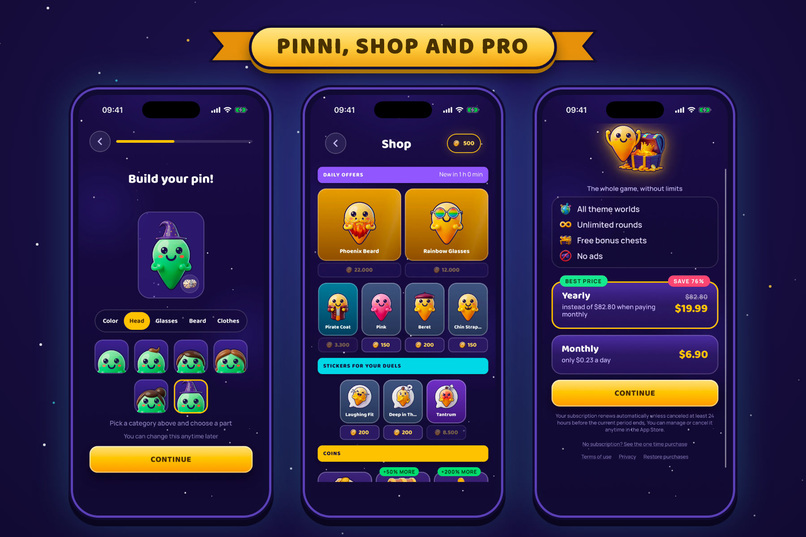
Shop/Customization
-
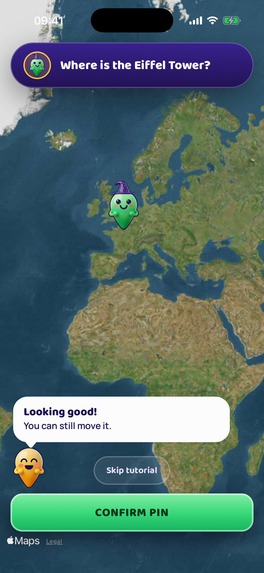
Raw Screenshot

Inspiration
I came to the Shipaton with the idea to build my first game. I always liked geography games but most of them help you way too much. You see borders, city names, sometimes even a pin that snaps to the right spot. So in the end you are not really guessing, you are just reading a map. I wanted the opposite of that. Just a satellite image and nothing else. The other thing is that these games are almost always played alone, but geography is way more fun when people argue about it. So the local mode was part of it from the beginning.
What it does
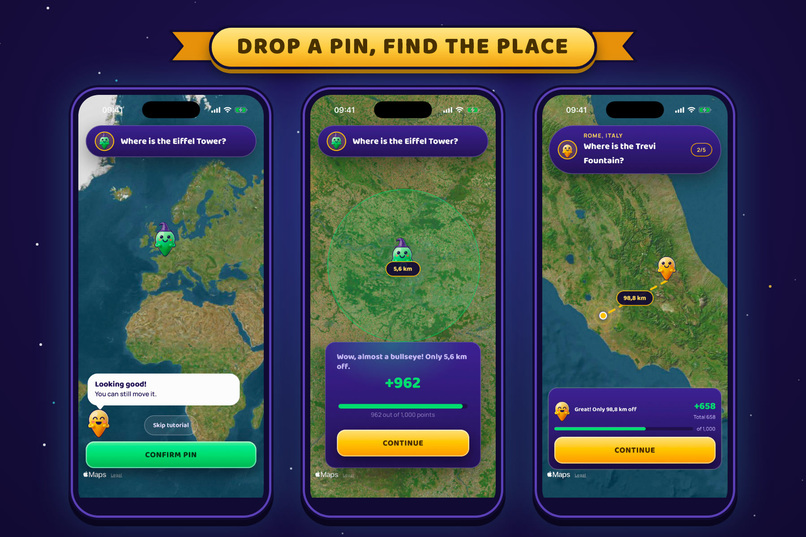
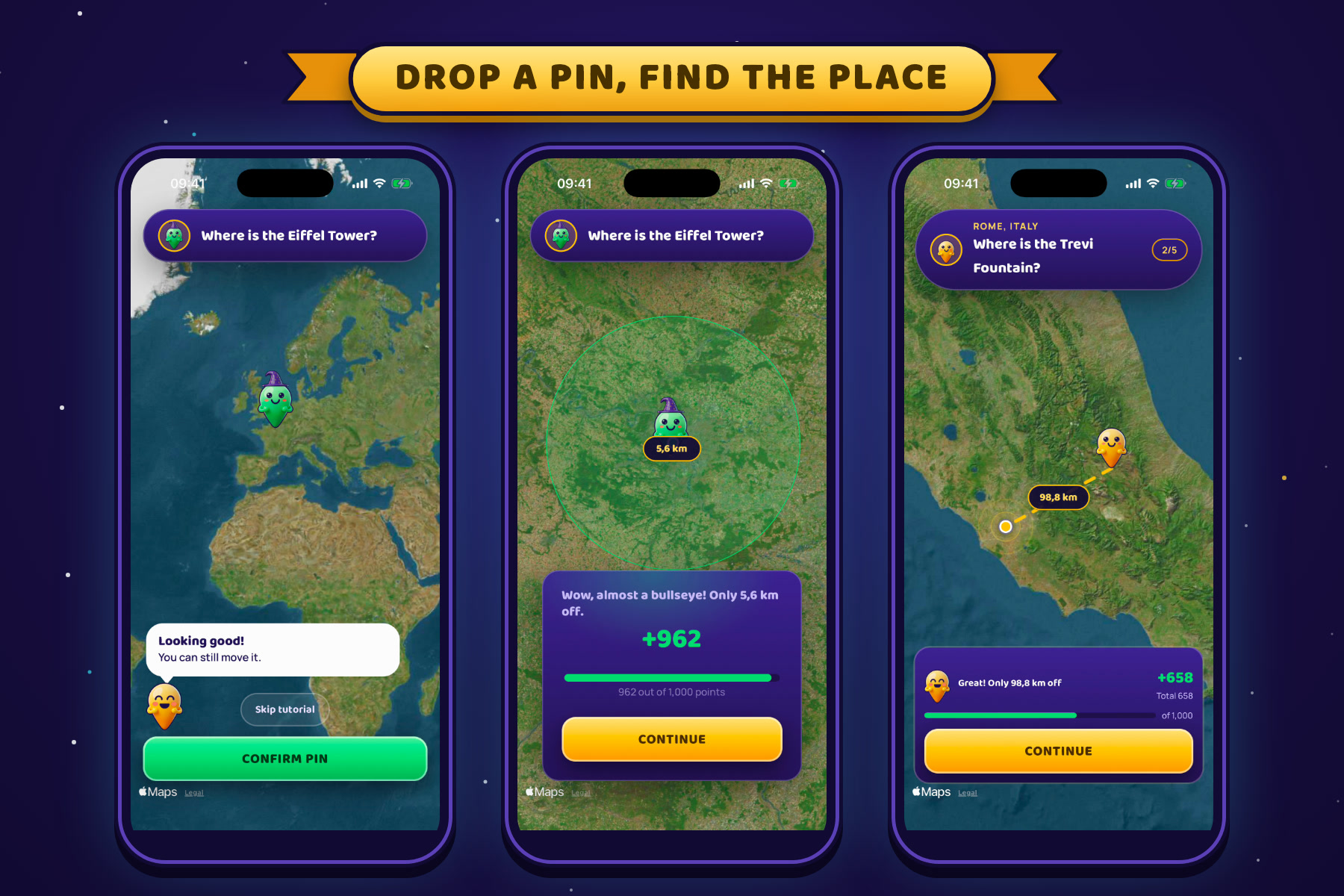
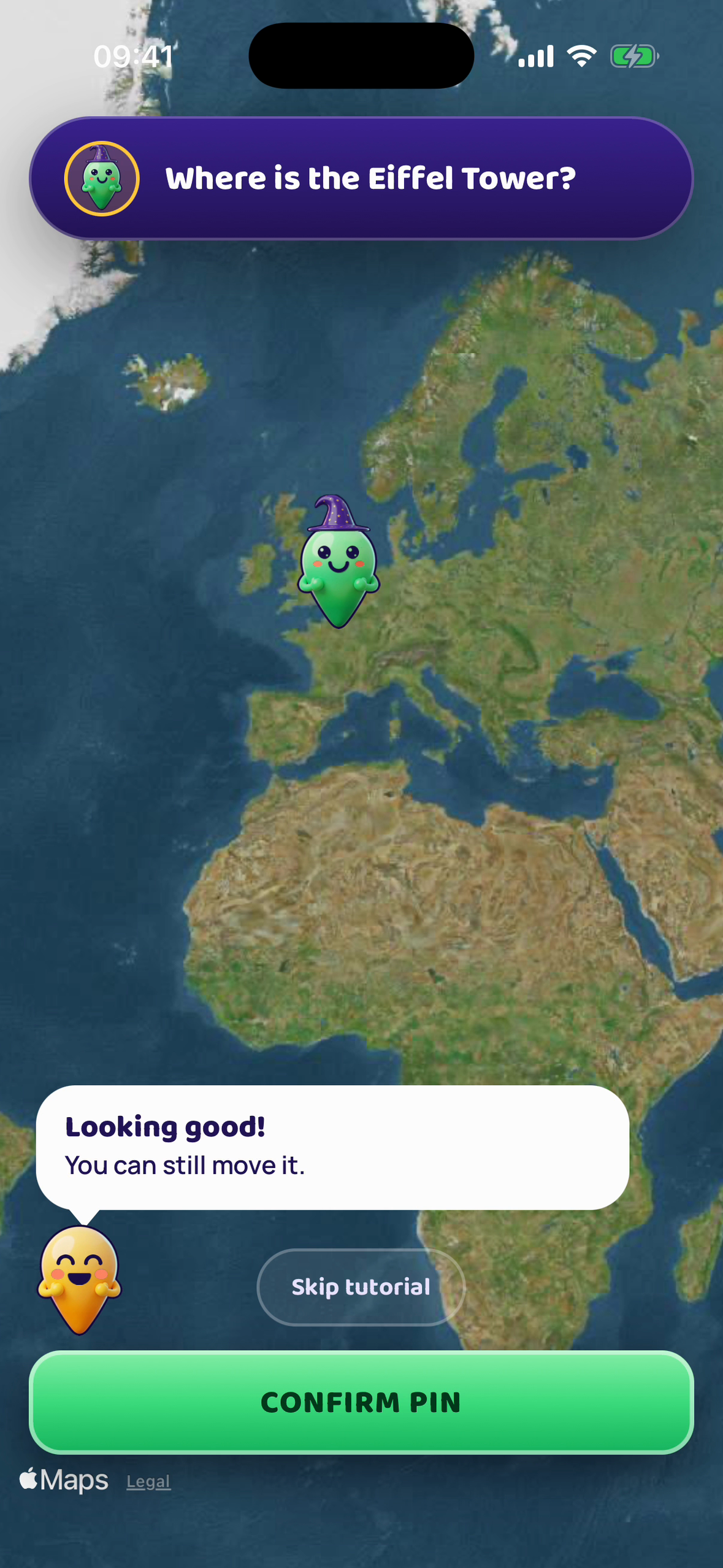
You get a (well) known destination and then you have to find it on a "raw" satellite map. No markers, no labels, no help. You drop your pin and you get scored on how many kilometers you were off.
There are five ways to play:
- Online duel, 1 on 1 against someone else on the same map in real time, with Elo
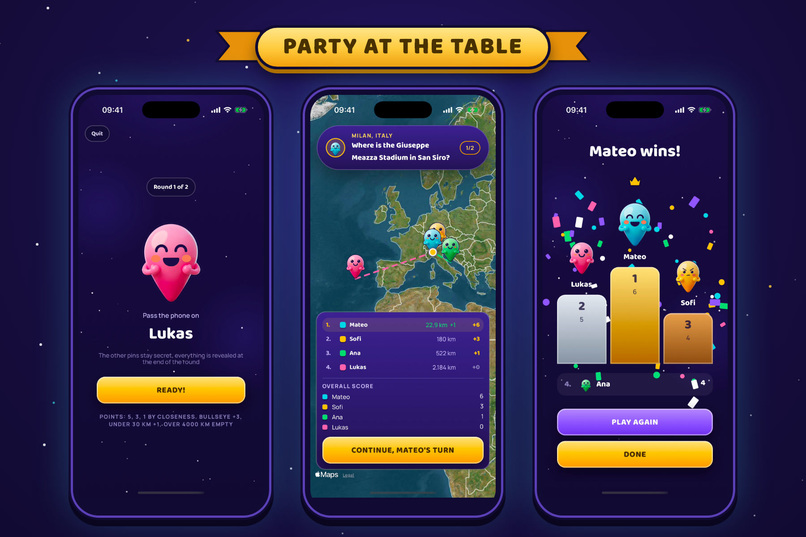
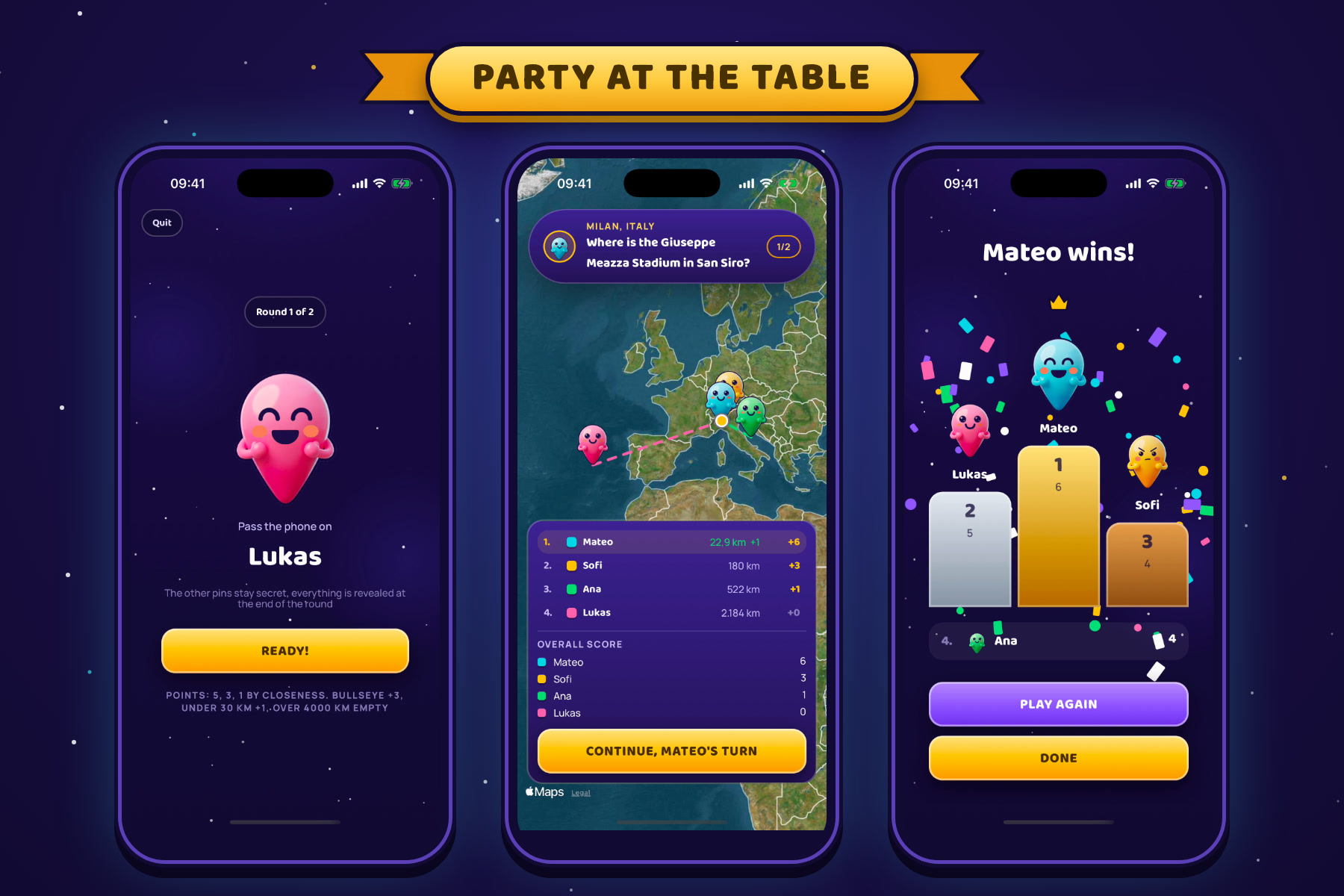
- Party at the table, 2 to 8 people pass one device around and compare who got closest
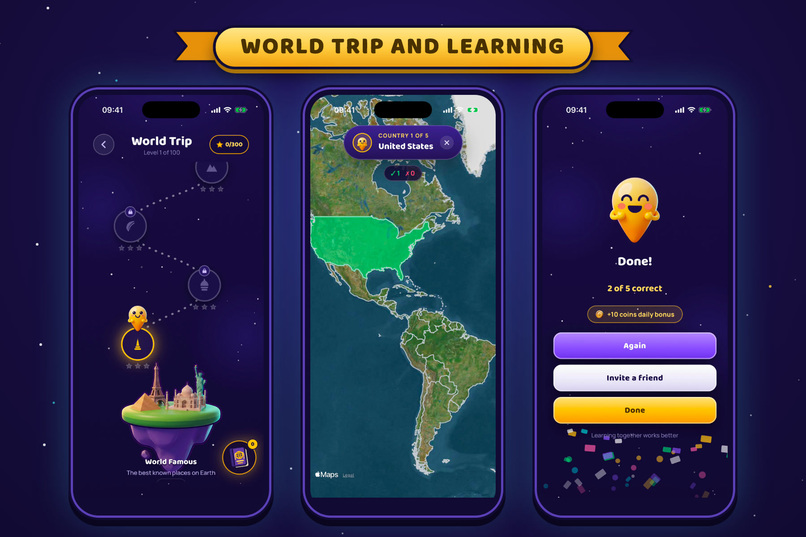
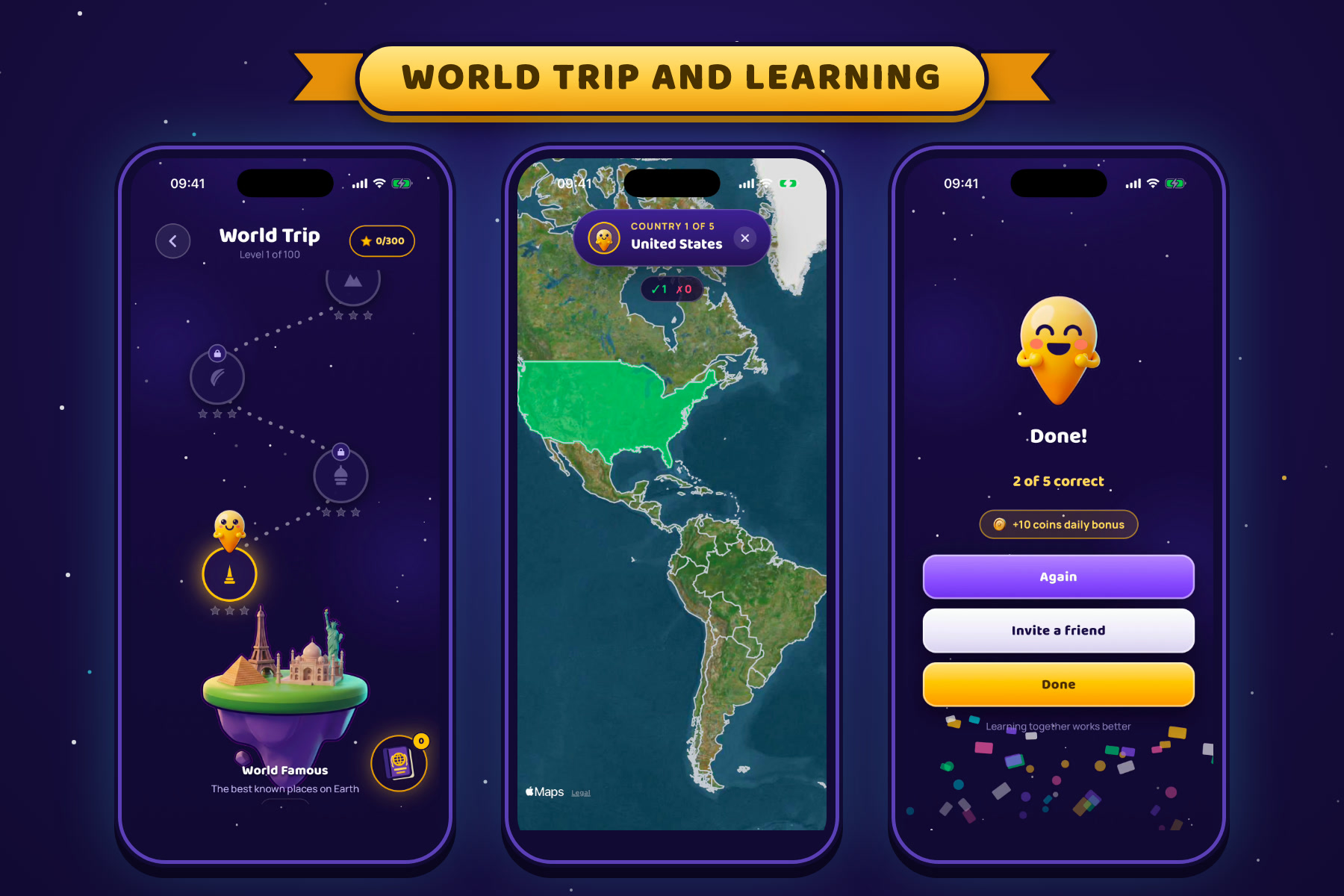
- Campaign, a world trip over 100 levels
- Blitz, 90 seconds and as many as you can get
- Daily challenge
The local mode is the one I like most. It works best with a tablet lying flat on a table and a few people sitting around it.
How we built it
I built MapZap solo, with Claude Code as my pair programmer.
- Expo and React Native, so iOS and Android come from one codebase (And because I have a lot of experience with React)
- Supabase for accounts, leaderboards, online duels and friend lobbies
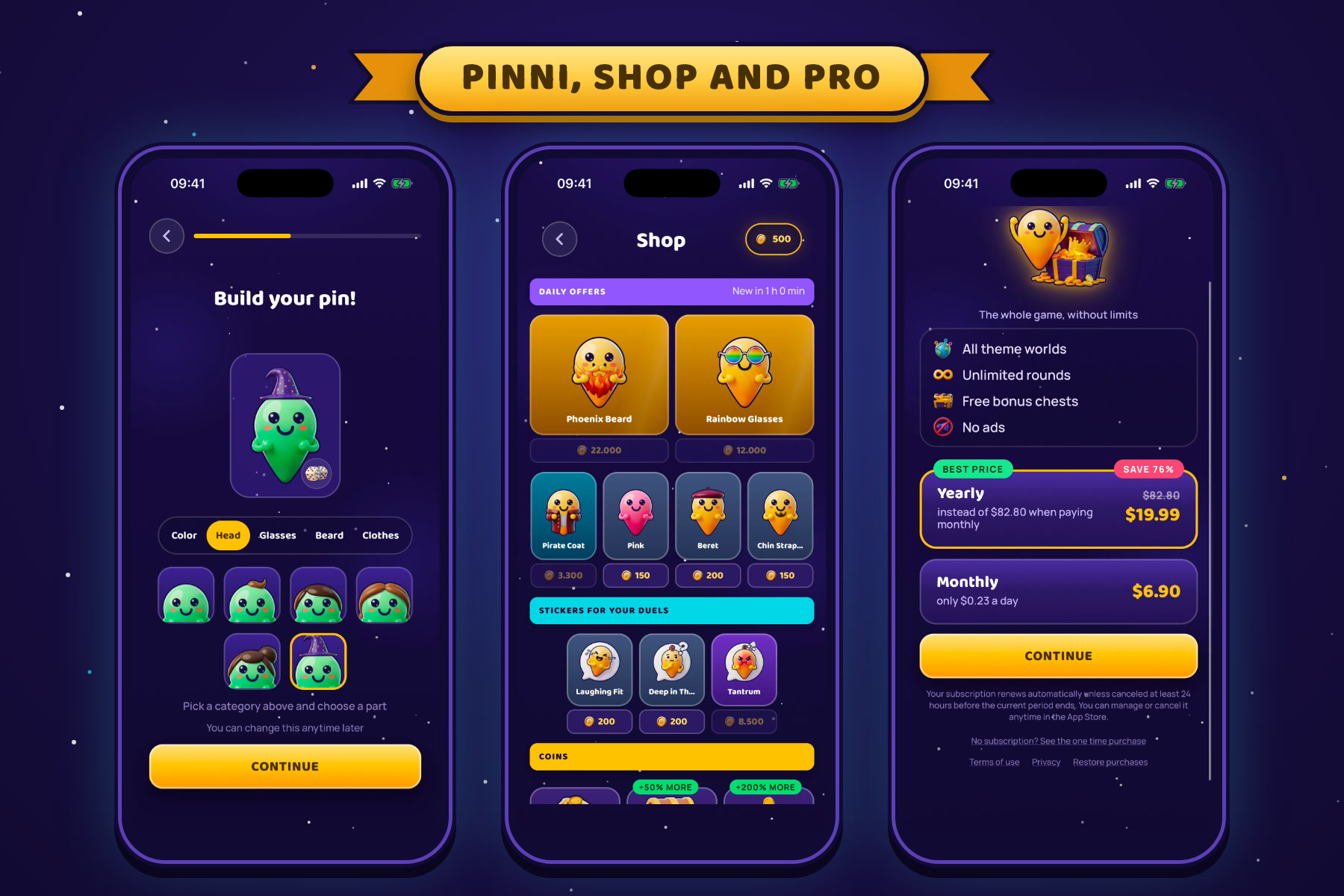
- RevenueCat for everything money: MapZap Pro (monthly, yearly, lifetime) and coin packs. Every ad event from AdMob is also tracked in RevenueCat, so ads and purchases sit in one place
- Mixpanel to see what players actually do and to be able to improve on that
- The initial art concept is designed by me. I then taught the AI my style with a fixed style guide and my own art as reference, so a lot of the accessories and other assets (Pinni outfits, chests, the campaign islands) are now created with AI and cleaned up by my own scripts, so everything keeps one style
Challenges we ran into
- Finding out who my players really are. I designed MapZap in Germany with families on iPads in mind and how to reach them.
- Growth. My first two TikTok accounts flopped completely, and it took a while to find a video format that worked (Also switched to Instagram).
- Retention: In the beginning most players left after playing the first rounds but with a few small adjustments based on the data i was able to improve the Day 2 retention rate from 13 to 25%.
Accomplishments that we're proud of
- Over 3,300 players in the first month, and new players per day grew 5x
- Retention grew from 13% to 25%
- One update that sends new players straight into the world trip raised the share of newcomers who finish a game from 66% to 82%
What we learned
- Let players choose. When the free games run out, two in three players pick watching an ad over leaving, so ads worked way better as a choice.
- Ship small updates fast. Four releases in the first 17 days taught me more than weeks of planning.
What's next for MapZap
- More adjusted to where the players come from
- Improved monetization model especially when it comes to subscriptions
- A personalized start that asks new players who they play with and what they like so everything already gets customized
Built With
- expo.io
- mixpanel
- react-native
- revenuecat
- supabase


Log in or sign up for Devpost to join the conversation.