-
-
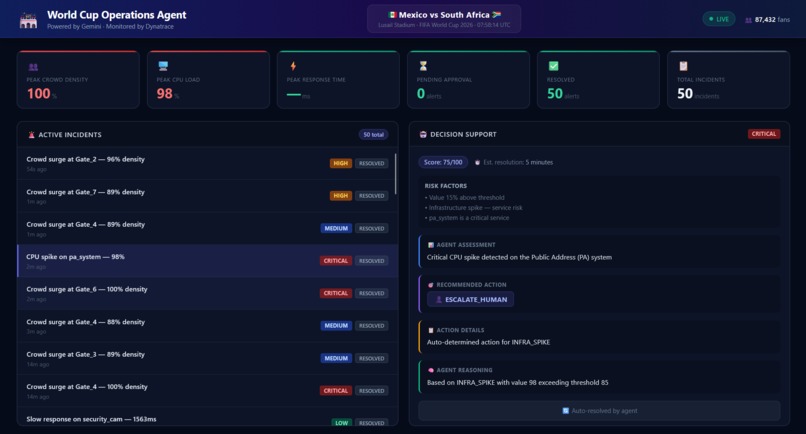
Dashboard
-
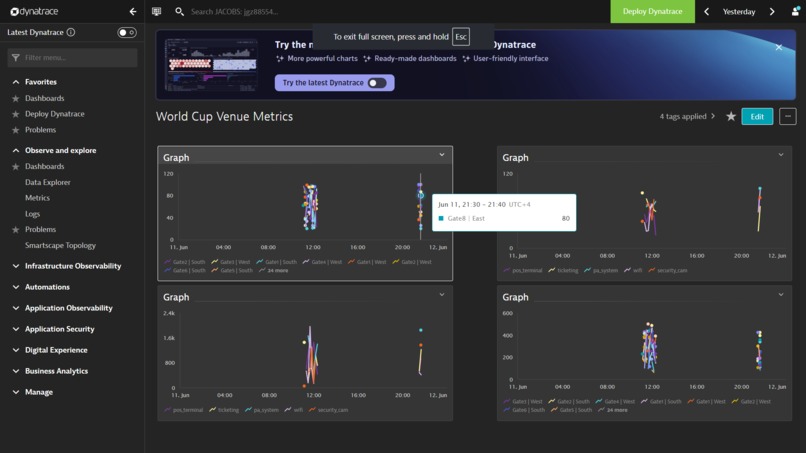
Live graph
Inspiration
The 2026 FIFA World Cup will be a massive logistical challenge with millions of fans and huge operational demands. Currently, venue staff rely on manual dashboard monitoring which can easily overwhelm human operators during critical moments. I built the World Cup Ops Agent to bridge this gap. It acts as an extra set of eyes that constantly monitors the environment, reasons through problems instantly, and suggests actionable solutions while keeping the human operator in full control.
What it does
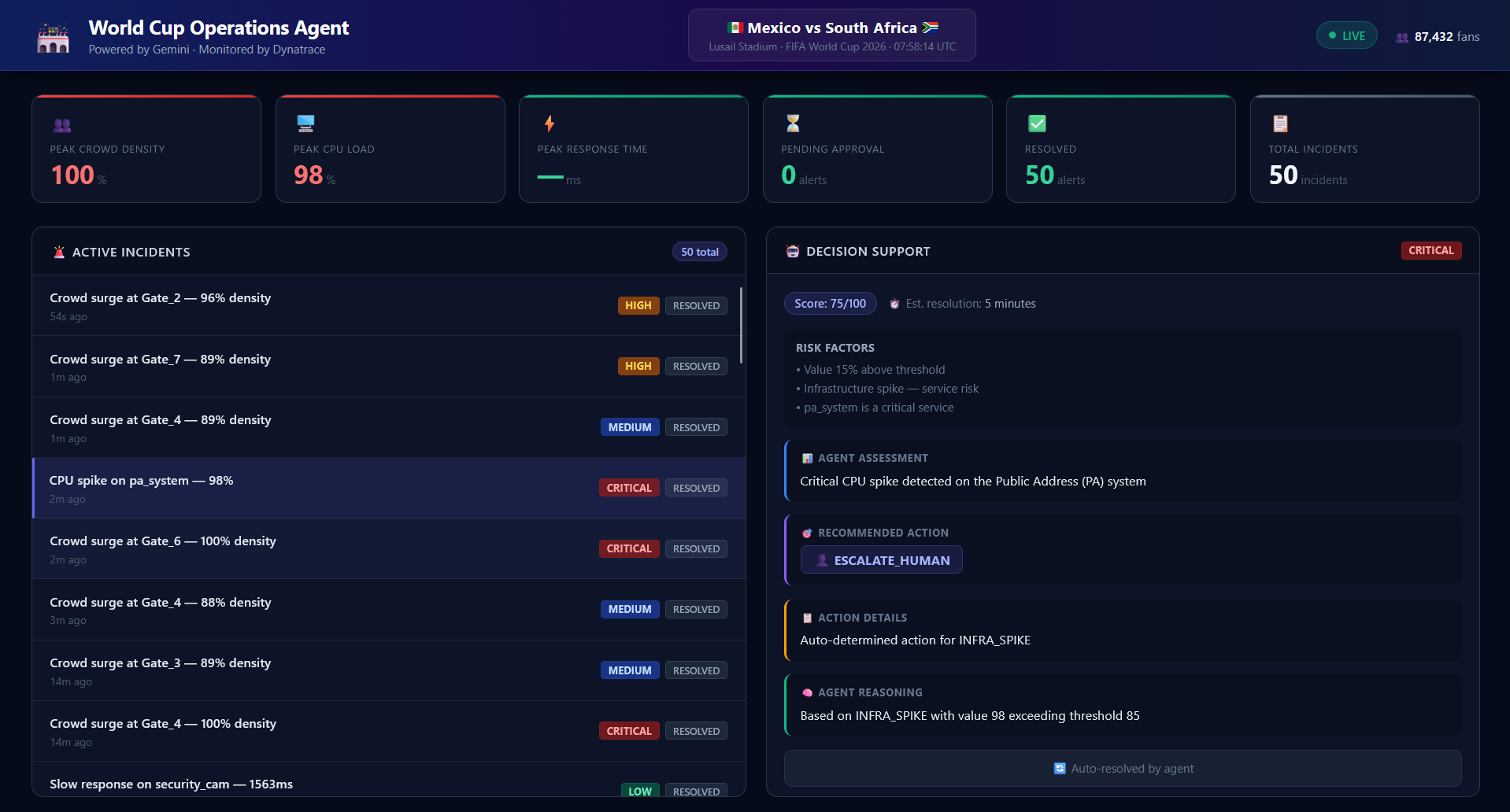
This is a live AI operations platform designed for high stakes venues. It continuously tracks crowd density, gate congestion, and infrastructure health using live observability data. When things go wrong, like a crowd surge or a failing server, the system automatically flags the incident. It then uses Gemini to analyze the root cause, assess the risk level, and offer a specific recommendation. Operators view everything on a live dashboard and can approve or dismiss the AI suggestions with a single click.
How I built it
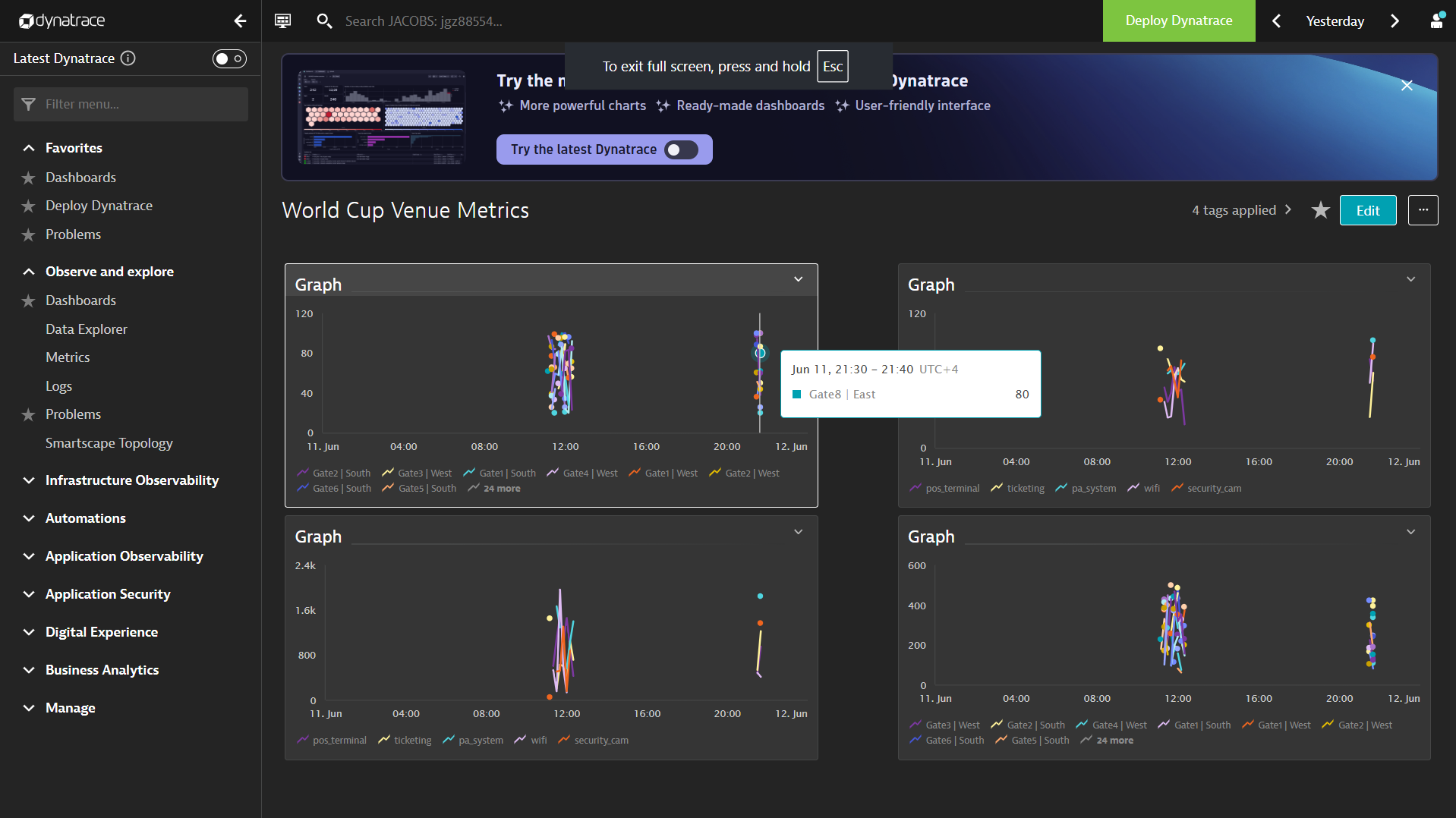
I built the system using multiple connected layers. A Python simulator feeds realistic event data into Dynatrace to act as the eyes of the system. The core agent, built with Python and the Google Agent Development Kit, evaluates these metrics every few seconds. When anomalies occur, Gemini steps in to analyze the situation. Everything is stored in Google Cloud Firestore which seamlessly powers a live React dashboard hosted on Firebase. The backend is fully containerized and deployed on Google Cloud Run.
Challenges I ran into
Building this required navigating some tough technical hurdles. I had to carefully adapt to the specific formatting requirements of the Dynatrace API and manage complex asynchronous pipelines to avoid race conditions. Fine tuning Gemini to consistently return structured data took some serious prompt engineering. I also tackled cloud deployment issues by optimizing Dockerfiles to reduce Cloud Run cold starts and fixing massive Cloud Build upload sizes.
Accomplishments that I'm proud of
I am incredibly proud to have built a fully autonomous pipeline that reacts to live data in under a minute. It is a genuinely deployed product with a safe design that always requires human approval. Along the way, I learned that designing an AI agent requires a completely different mental model than traditional app development. I also discovered how incredibly effective AI can be when grounded in rich observability data and how powerful tools like MCP servers and Firebase are for instant orchestration.
What I learned
What's next for Worldcup-ops-agent
The next step is expanding this to monitor multiple stadiums from a single command center. I also want to introduce predictive alerting to catch surges before they happen, add a natural language interface for operators to ask the system questions, and implement automated analytics after the match. Eventually, I hope to allow the agent to execute low risk autonomous actions directly.
Built With
- cloud-build
- cloud-run
- deployed-on-firebase-hosting-?-infrastructure:-docker
- docker
- dynatrace-metrics-ingest-api
- fastapi
- firebase-hosting
- firestore
- gemini
- google-agent-development-kit-(adk)-?-ai:-gemini-(google-genai-sdk)-for-incident-reasoning-and-recommendations-?-partner-integration:-dynatrace-metrics-ingest-api-(mcp-integration)-for-live-observability-data-?-backend:-python
- google-agent-devlopment-kit
- google-container-registry
- python
- react
- uvicorn
- uvicorn-?-frontend:-react
