-
-
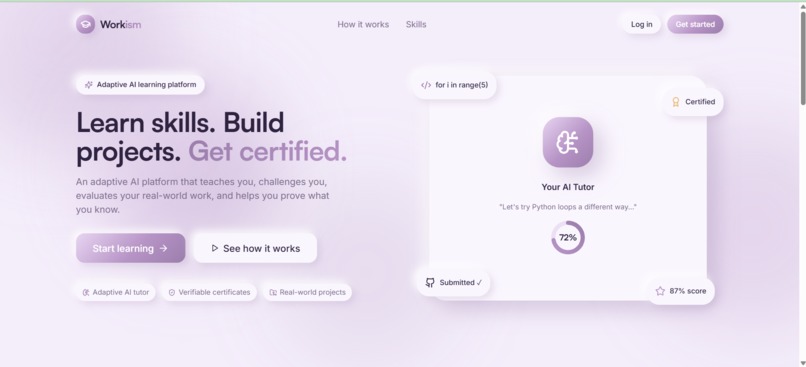
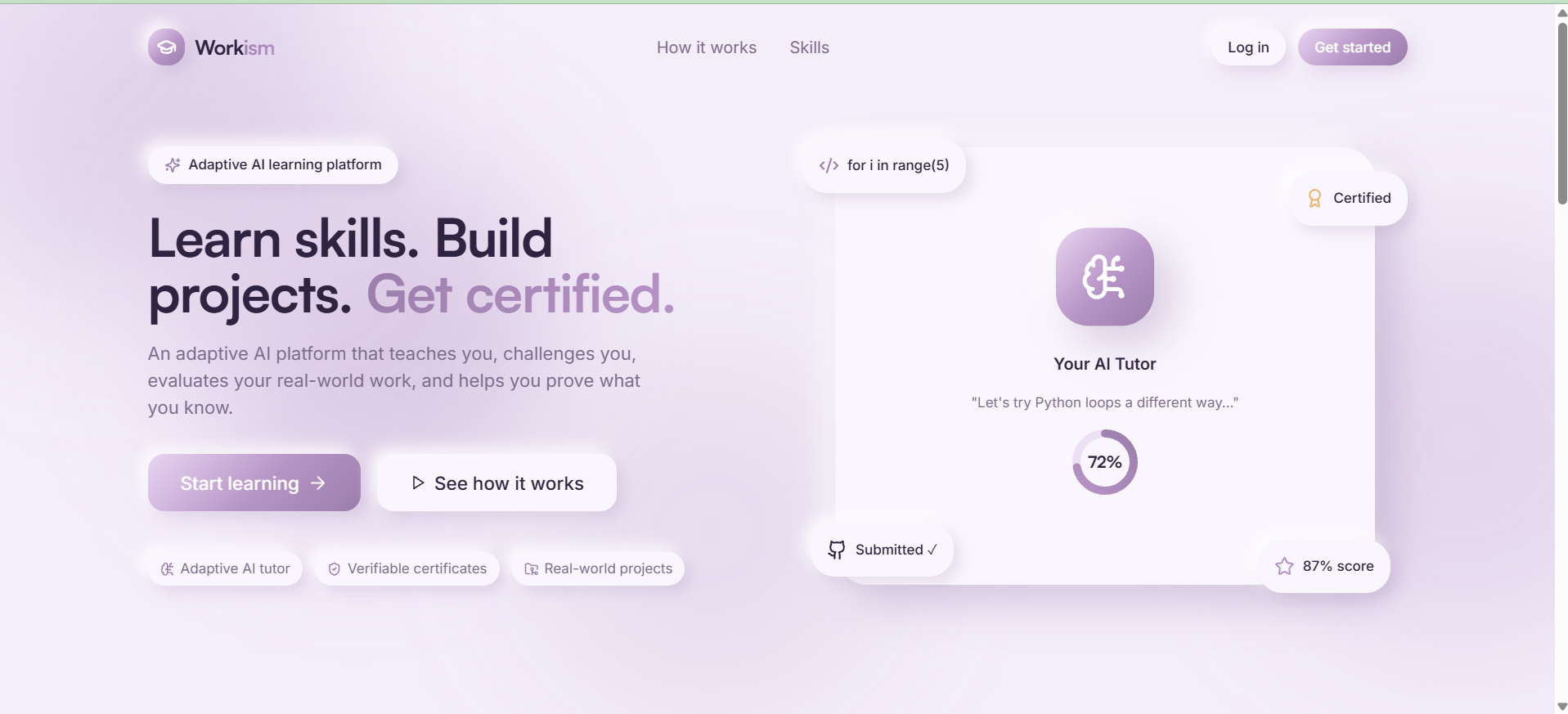
Workism Nexus — turning learning into real-world skills.
-
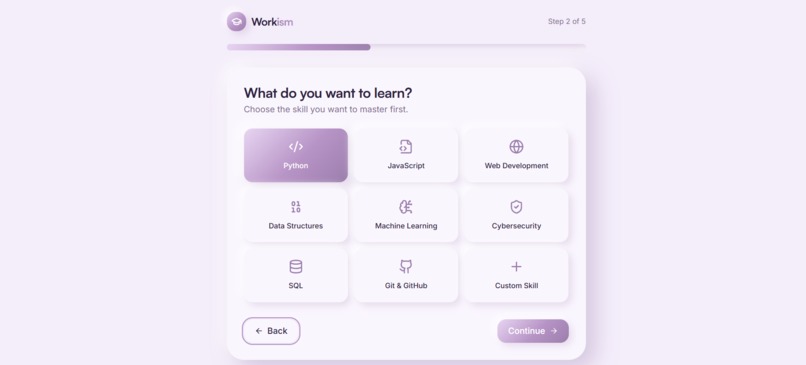
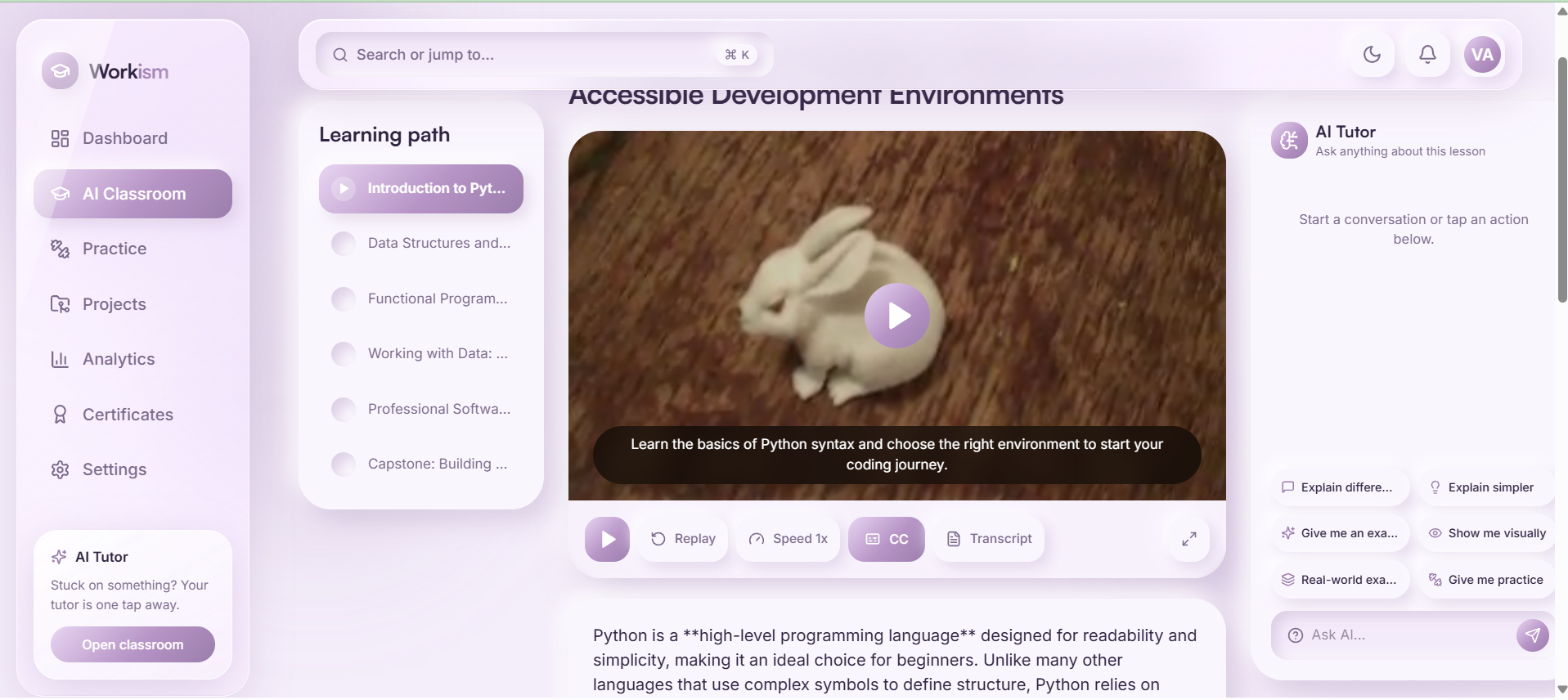
Personalized dashboard showing the learner's skill journey.
-
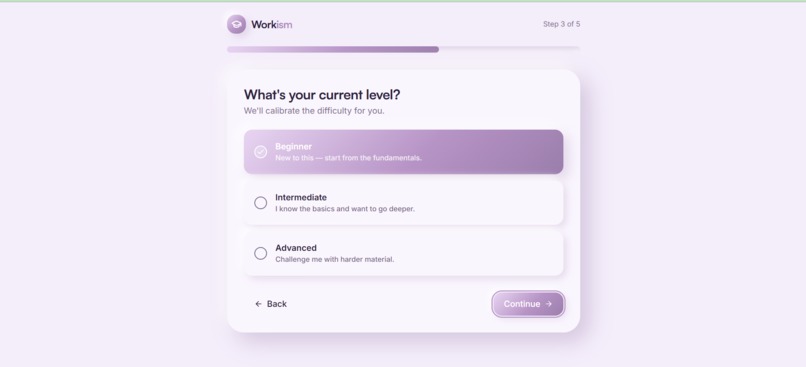
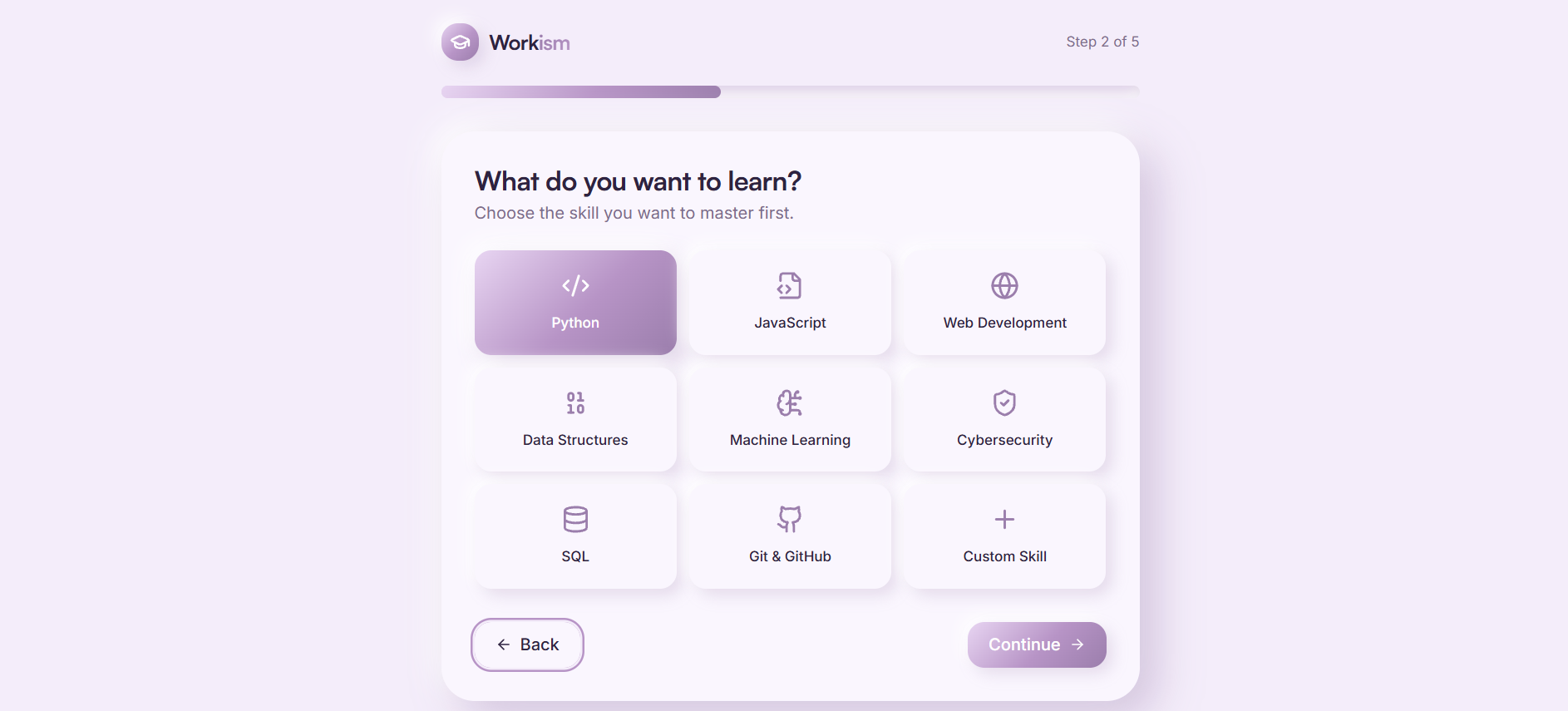
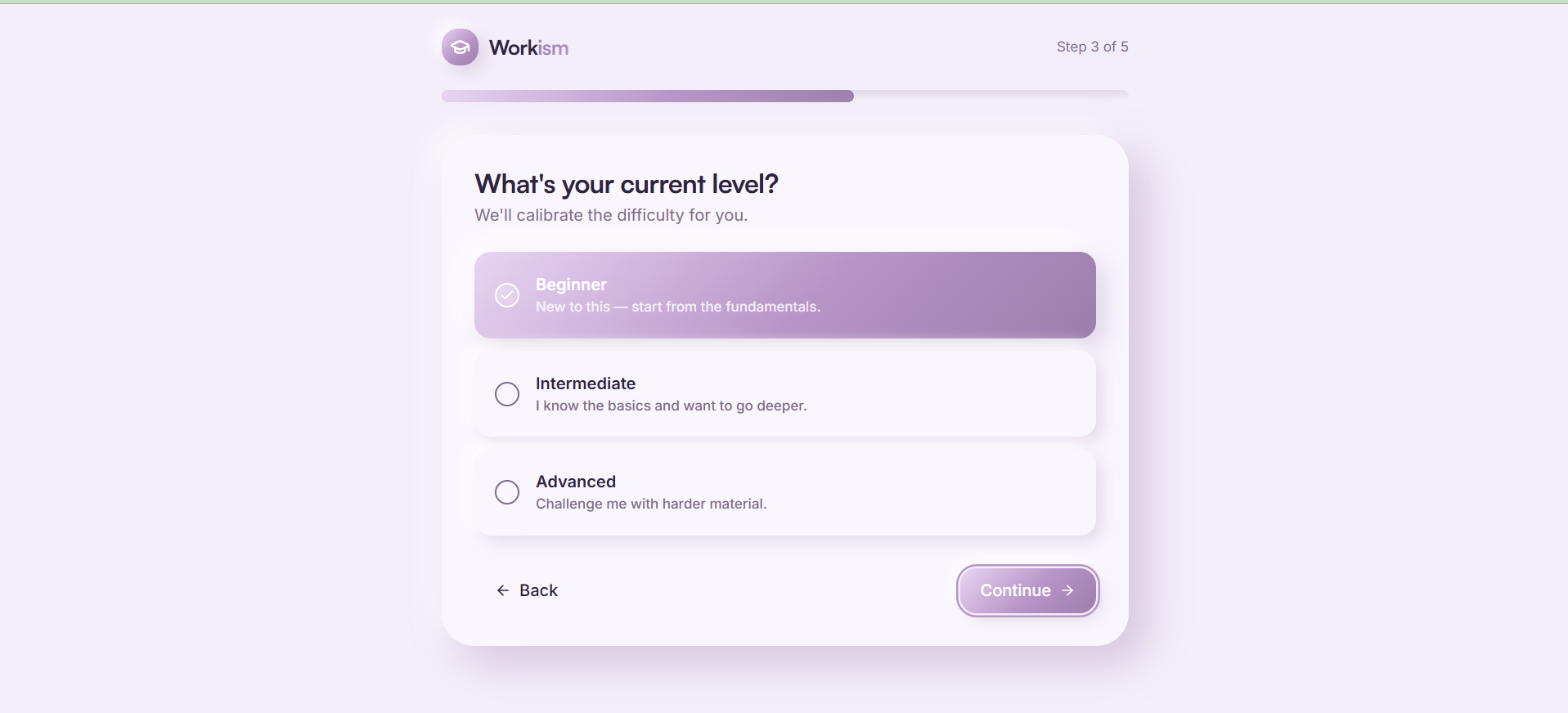
Choose a skill and let the AI build your learning path.
-
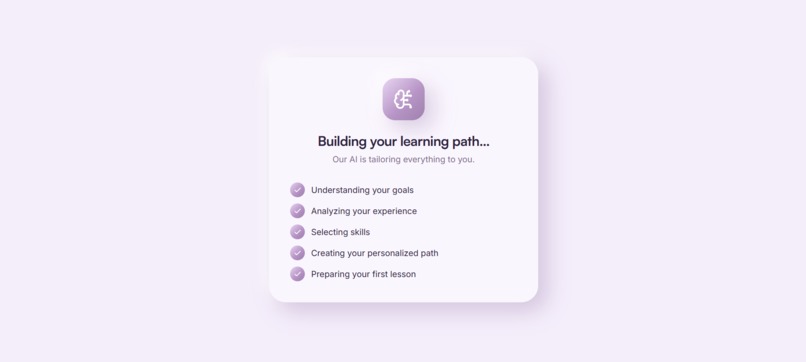
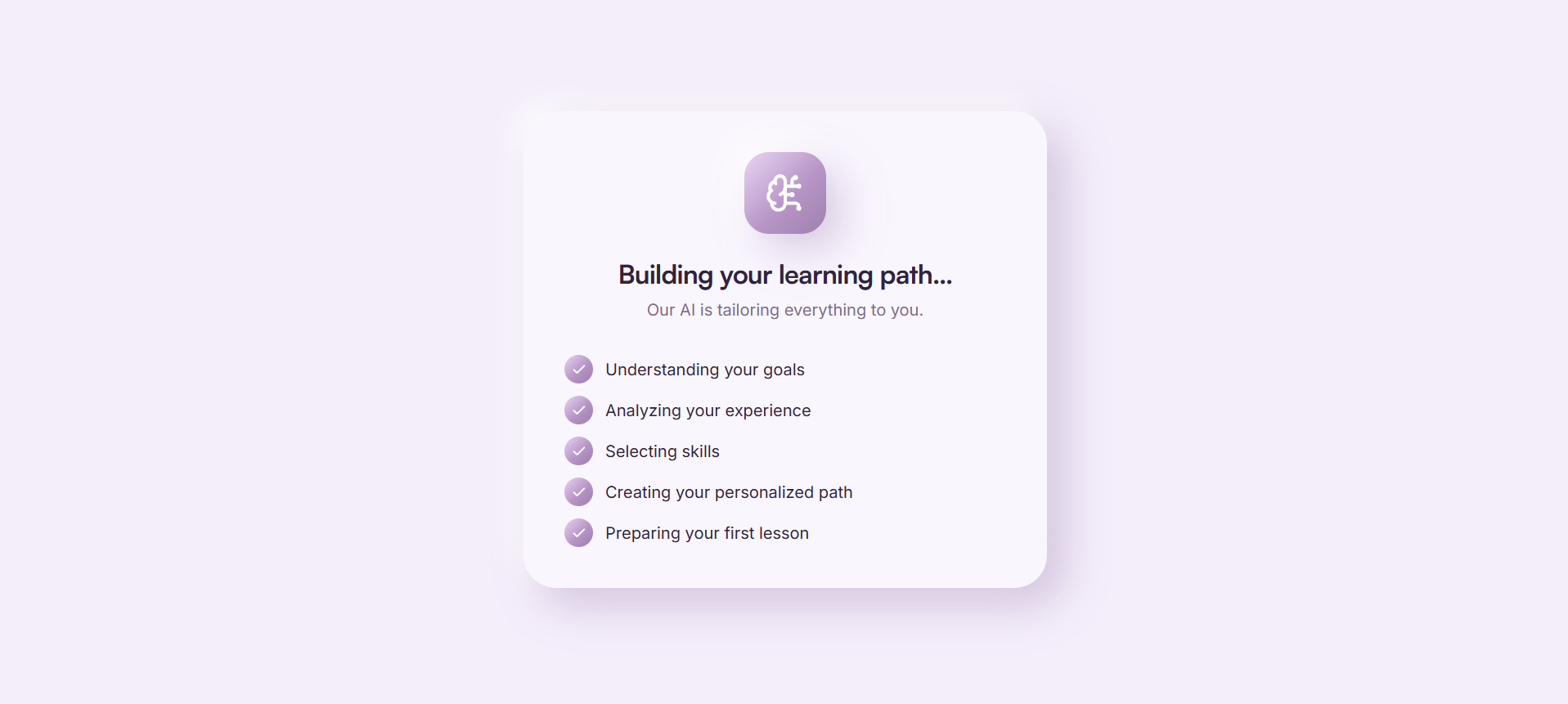
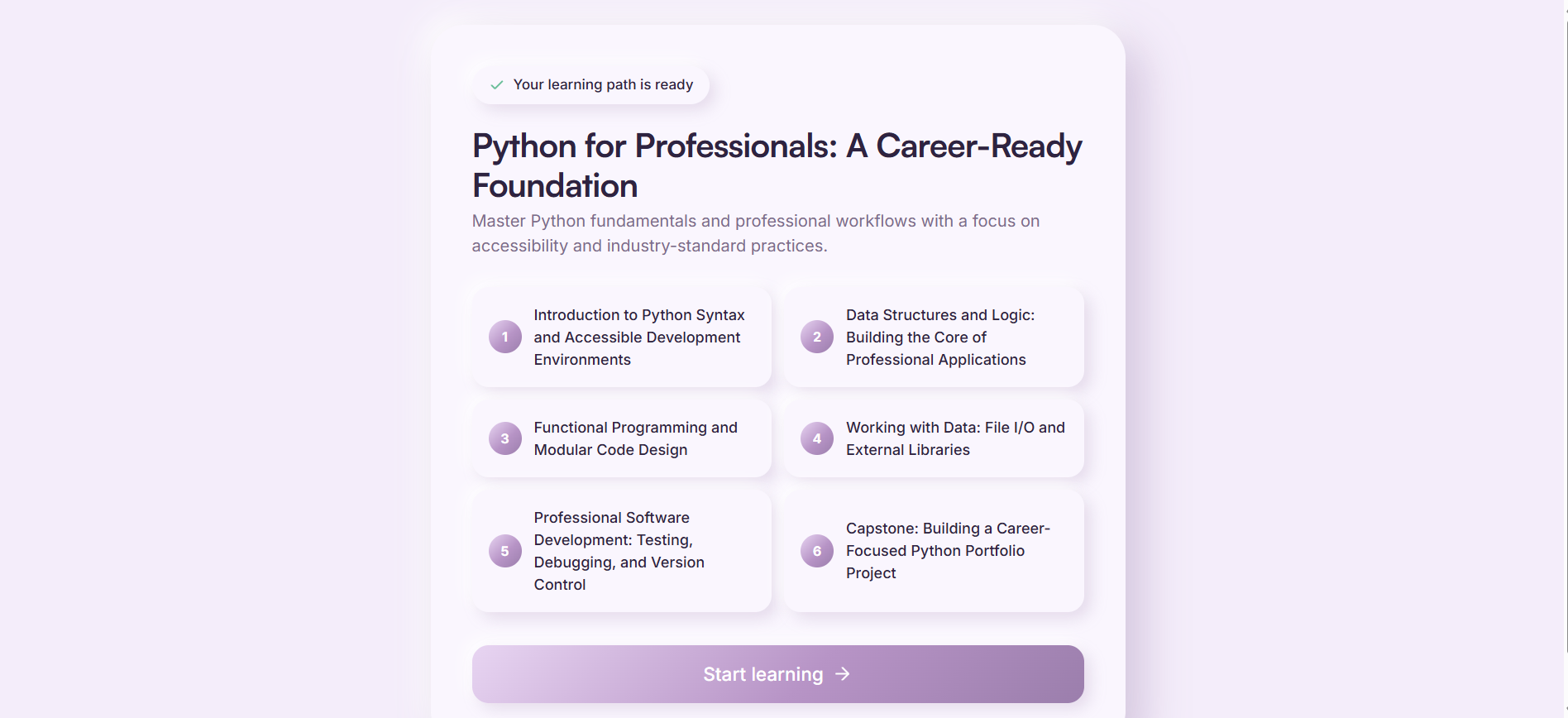
AI-generated learning roadmap tailored to your goals.
-
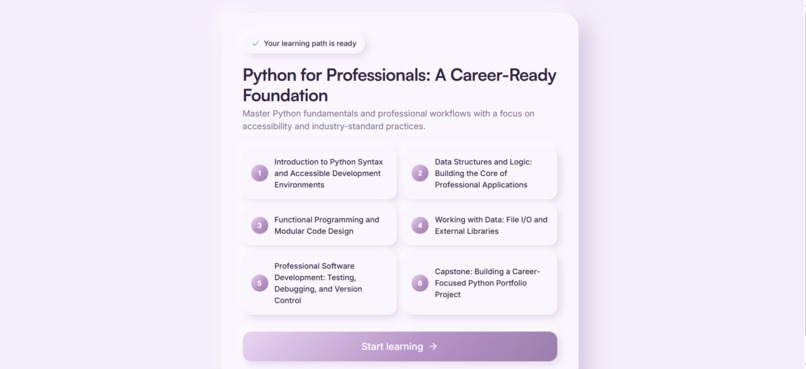
Practical projects designed to turn knowledge into experience.
-
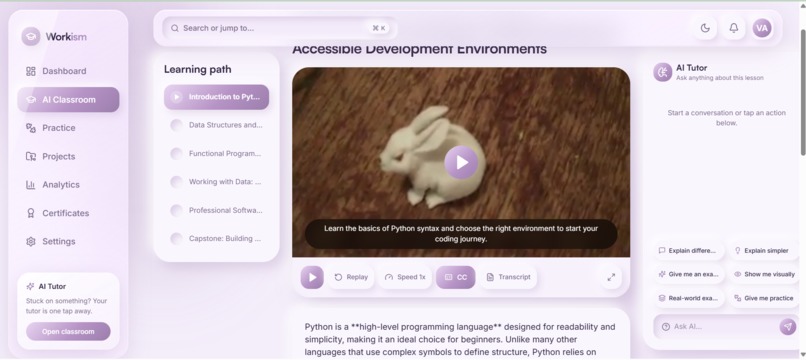
Build, submit, and get your work evaluated by AI agents.
Inspiration
I wanted to learn new technical skills and prove that I could actually use them. However, most learning platforms I found were focused heavily on theory. It was easy to watch lessons, complete quizzes, and earn certificates without actually proving real-world ability.
I also noticed that many useful courses and certifications were expensive, while free alternatives often provided little practical evaluation.
This made me question the value of a certificate if it only proves that someone completed a course.
I wanted to build a platform where learning is based on doing, building, and proving skills rather than simply completing courses. This idea became the foundation for Workism Nexus.
What it does
Workism Nexus is an agentic AI skill-development platform that helps users learn and prove real-world skills.
Instead of following a fixed course, a user tells Workism Nexus what they want to learn. The system analyzes their goal and coordinates specialized AI agents to:
- Identify the skills and knowledge required
- Analyze the learner's current skill level
- Create a personalized learning path
- Generate practical, real-world tasks
- Guide the learner when they are stuck
- Analyze submitted work and projects
- Evaluate the quality and completeness of the work
- Identify skill gaps and weaknesses
- Recommend what the learner should work on next
- Build an evidence-based assessment of their abilities
The goal is simple: don't just earn a certificate for completing a course — earn recognition by demonstrating what you can actually do.
How we built it
We redesigned Workism around an agentic architecture where specialized AI agents collaborate instead of relying on a single chatbot.
The main workflow consists of an orchestration layer that delegates tasks to specialized agents such as the Skill Analysis Agent, Learning Agent, Task Agent, Evaluation Agent, and Career Agent.
The agents use Gemini to reason about the learner's goals, generate personalized content, analyze submissions, and make recommendations.
The platform uses Google Cloud infrastructure for backend services and persistent application data, allowing the system to scale beyond a simple local application.
The frontend provides a dashboard where users can see their learning journey, assigned tasks, evaluations, skill progress, and recommendations.
The key design principle was to make the AI take action through a workflow, rather than simply return a text response.
Challenges we ran into
The biggest challenge was deciding when an AI agent should act independently and when it should ask the user for input.
We also had to design reliable communication between multiple agents while preventing unnecessary or duplicated work.
Another challenge was making skill evaluation meaningful. Simply asking an LLM to give a score can produce inconsistent results, so we focused on evaluating actual work, evidence, task requirements, and identified skill gaps.
Building an agentic workflow also introduced challenges around state management, error handling, prompt design, and keeping the system's decisions understandable to the user.
Accomplishments that we're proud of
We are proud of transforming the original Workism concept from an AI-powered assessment platform into an agentic skill-development system.
The most important accomplishment is that the learner does not have to manually coordinate every step. Workism Nexus can move from goal → skill analysis → learning → practical task → evaluation → next recommendation as a connected workflow.
We are also proud of focusing on demonstrable skills rather than certificate completion.
The system is designed around a simple principle:
Your work should be the evidence of your skill.
What we learned
We learned that building an AI agent is very different from building a chatbot.
A useful agent needs clear responsibilities, tools, state, decision-making logic, and boundaries. Multiple specialized agents can also solve complex workflows more effectively than trying to make one model handle everything.
We also learned that AI evaluation needs structure. Good prompts alone are not enough; the system needs clear criteria and evidence to make assessments useful.
Most importantly, we learned that the best use of AI is not always answering questions. Sometimes its greatest value comes from planning, executing, evaluating, and adapting an entire workflow.
What's next for Workism Nexus
We want Workism Nexus to become a continuous AI career and skill-development companion.
Future versions could:
- Connect directly with GitHub and analyze real repositories
- Support more technical and non-technical skills
- Track long-term skill progression
- Generate increasingly difficult projects based on performance
- Create verifiable skill portfolios instead of relying only on certificates
- Match demonstrated skills with relevant internships and jobs
- Add team-based projects where multiple learners collaborate
- Improve evaluation using multiple specialized AI evaluators
- Allow agents to proactively identify what a learner should learn next
Our long-term vision is to move from "I completed a course" to "Here is what I can actually build."
Built With
- ai
- azure
- css
- docker
- fastapi
- firebase
- gemini
- llm
- postgresql
- python
- react
- typescript
- vercel

Log in or sign up for Devpost to join the conversation.