-
-
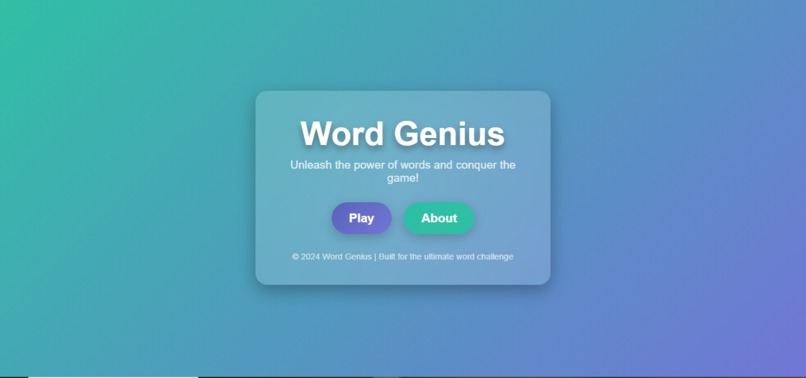
WORD GENIUS
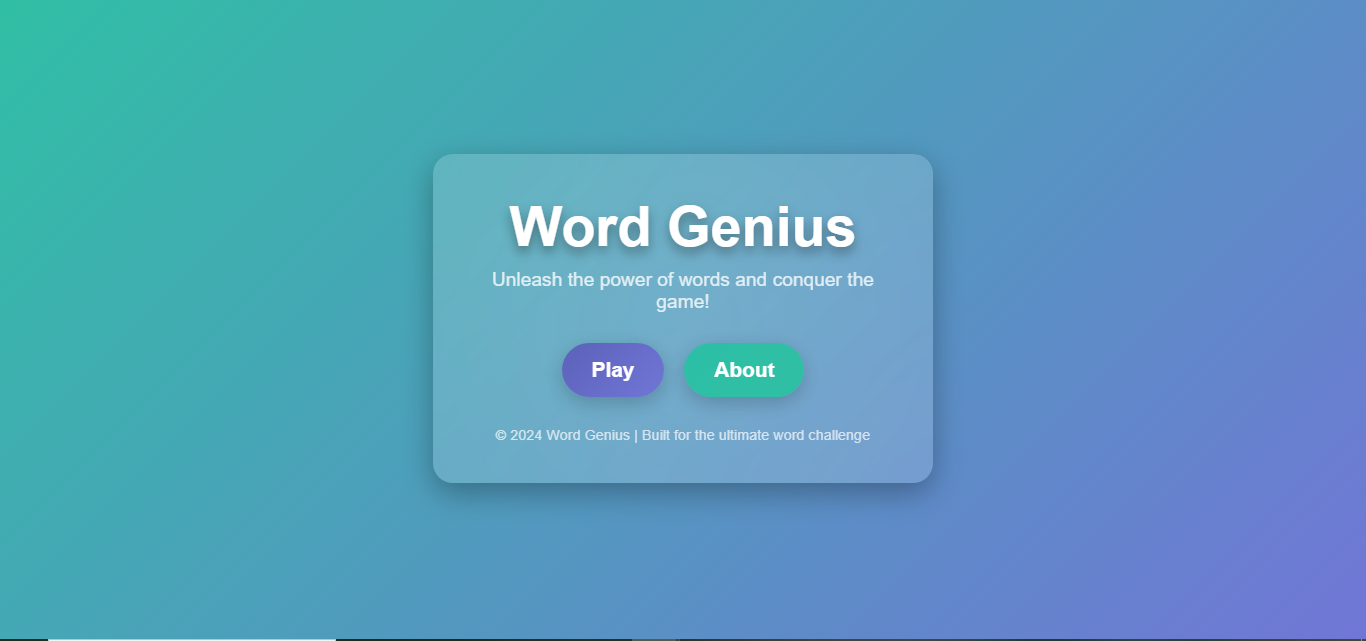
Building "Word Genius": A Node.js Game Powered by AWS
Introduction
Creating "Word Genius", an exciting word game, was a rewarding journey. The idea came to me when I realized there were few interactive word games that incorporated dynamic levels and complex logic. I wanted to build a game that not only tested vocabulary but also scaled well, could handle large numbers of users, and provided a seamless gaming experience. To bring this vision to life, I turned to AWS and Node.js as the core technologies.
What Inspired Me
The inspiration behind "Word Genius" came from my love for word puzzles and my desire to create something engaging for users. I wanted to combine the fun of word games with the challenge of progressing through levels. This project allowed me to combine my interest in gaming with my knowledge of backend technologies, and AWS provided the perfect tools to scale it effortlessly.
How I Built the Project
To build "Word Genius", I focused on several key aspects:
Game Logic and Levels:
I used Amazon SQS to handle game logic asynchronously. This allowed me to manage the flow of the game without bogging down the server with multiple requests at once. Each player’s progress is saved in DynamoDB, a fully managed NoSQL database, to track their scores and levels efficiently.Hosting on EC2:
For making the game available to players, I deployed it using Amazon EC2. EC2 provides the scalability needed for any number of concurrent players, ensuring that the game remains responsive even as traffic increases.Node.js Backend:
I chose Node.js for its efficiency and speed in handling asynchronous tasks, making it an ideal choice for the game’s backend logic. The backend API was designed to handle user requests, such as word validation and level advancement, seamlessly.
What I Learned
This project deepened my understanding of cloud computing, particularly AWS services. I learned how to use Amazon SQS for managing asynchronous tasks, DynamoDB for high-performance data storage, and EC2 for deploying a scalable application. Additionally, I honed my skills in Node.js and how to optimize a backend for performance and scalability.
I also realized the importance of efficient game design — not just from a coding perspective, but also in how to create a fun, engaging user experience.
Challenges Faced
Despite the smooth execution of most aspects, I encountered a few challenges along the way:
Asynchronous Game Logic: Managing the game’s logic asynchronously with SQS was a bit tricky at first. Ensuring that each step of the game, from word validation to advancing levels, happened in the correct order without errors required a lot of testing and debugging.
Scalability Issues: Ensuring the game could scale seamlessly was another challenge. While EC2 provided the computing power needed, ensuring that the infrastructure would scale efficiently as the user base grew required me to fine-tune the server configurations.
Database Management: Storing and retrieving data quickly in DynamoDB was crucial, and learning the best practices for managing high-volume read/write operations in a NoSQL database was a learning curve.
Conclusion
Building "Word Genius" was an exciting project that not only allowed me to apply my technical skills but also pushed me to learn more about cloud infrastructure and scalable applications. With the power of AWS, Node.js, and a bit of creativity, I was able to build a game that is fun, challenging, and scalable. I look forward to enhancing it further and adding new features in the future!
Feel free to try out "Word Genius" and let me know what you think!
Built With
- amazon-dynamodb
- amazon-ec2
- aws-sdk
- dynamodb
- express.js
- node.js
- vite


Log in or sign up for Devpost to join the conversation.