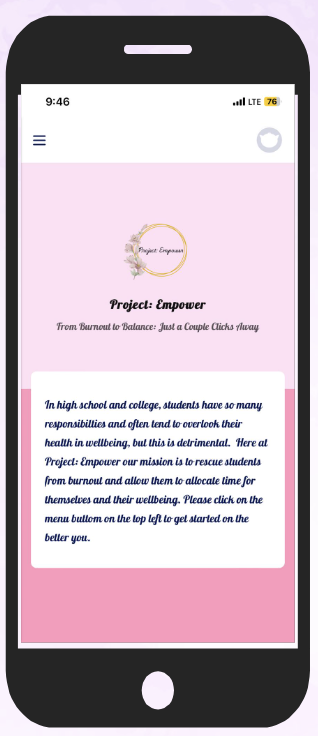
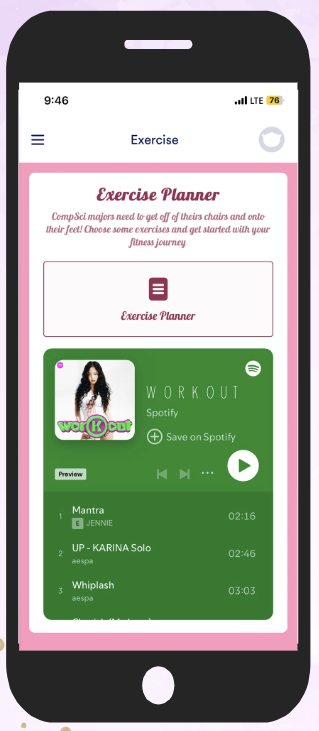
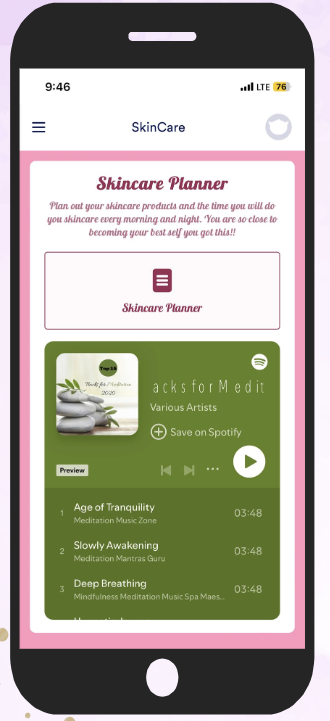
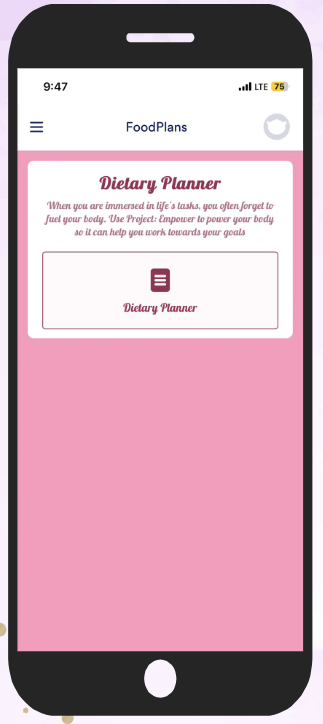
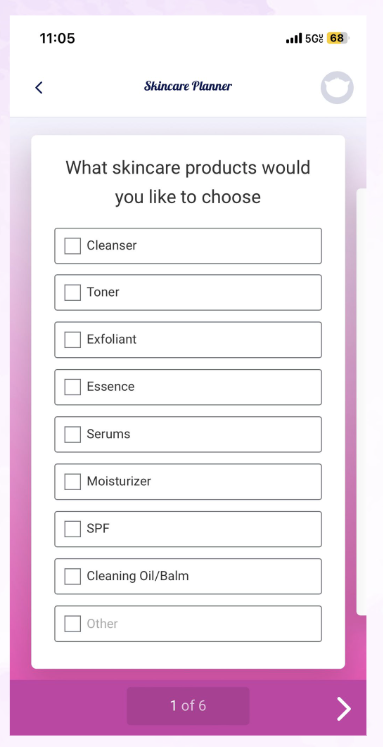
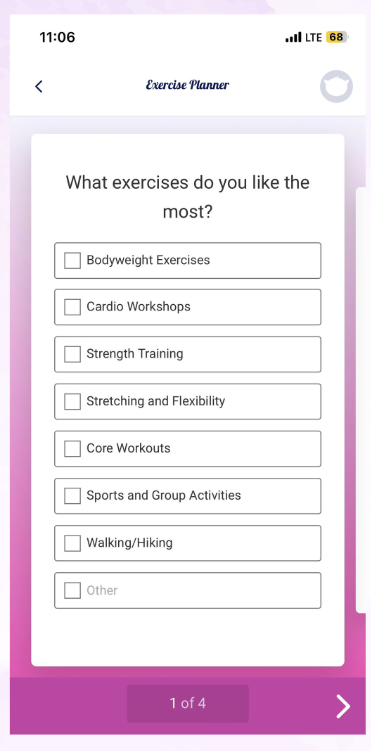
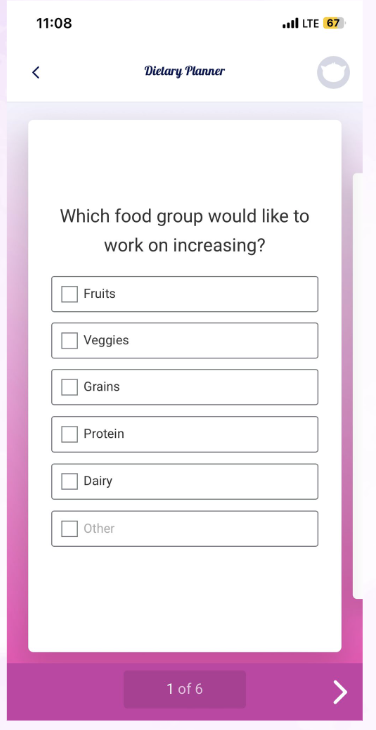
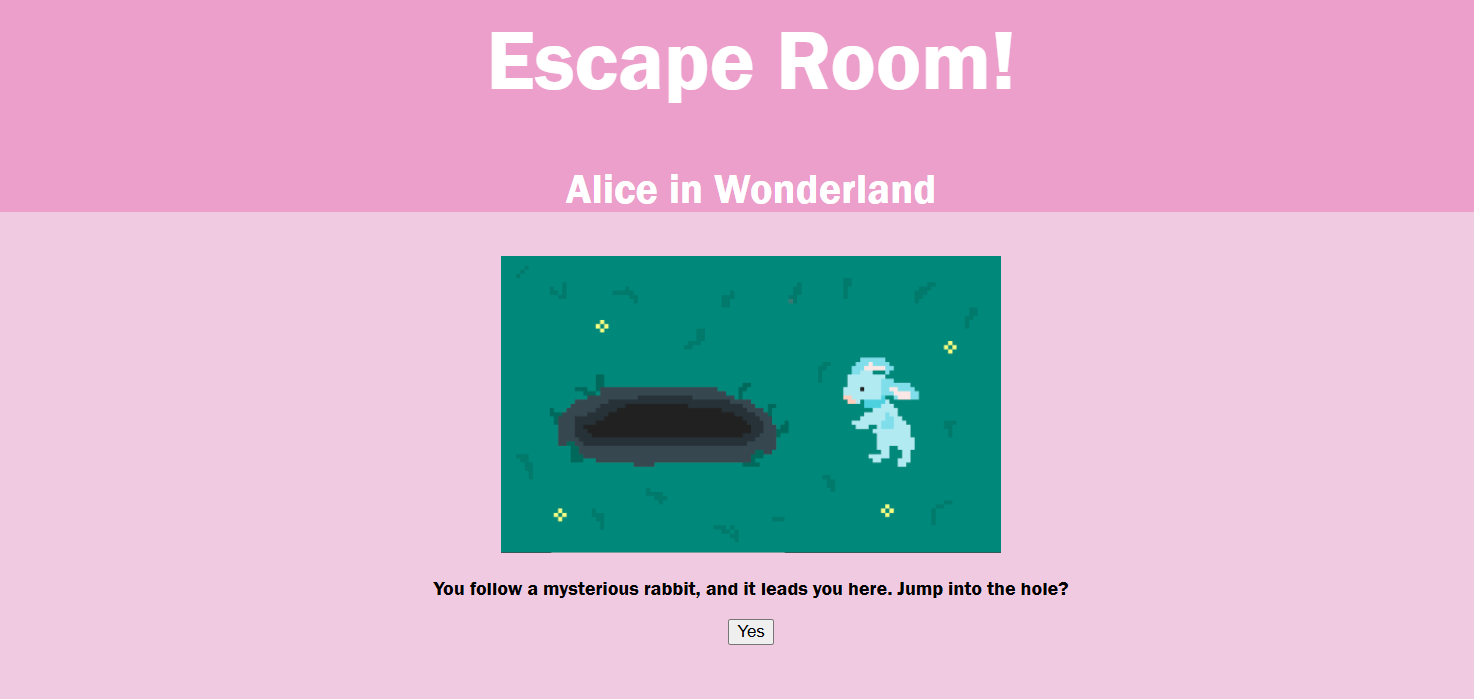
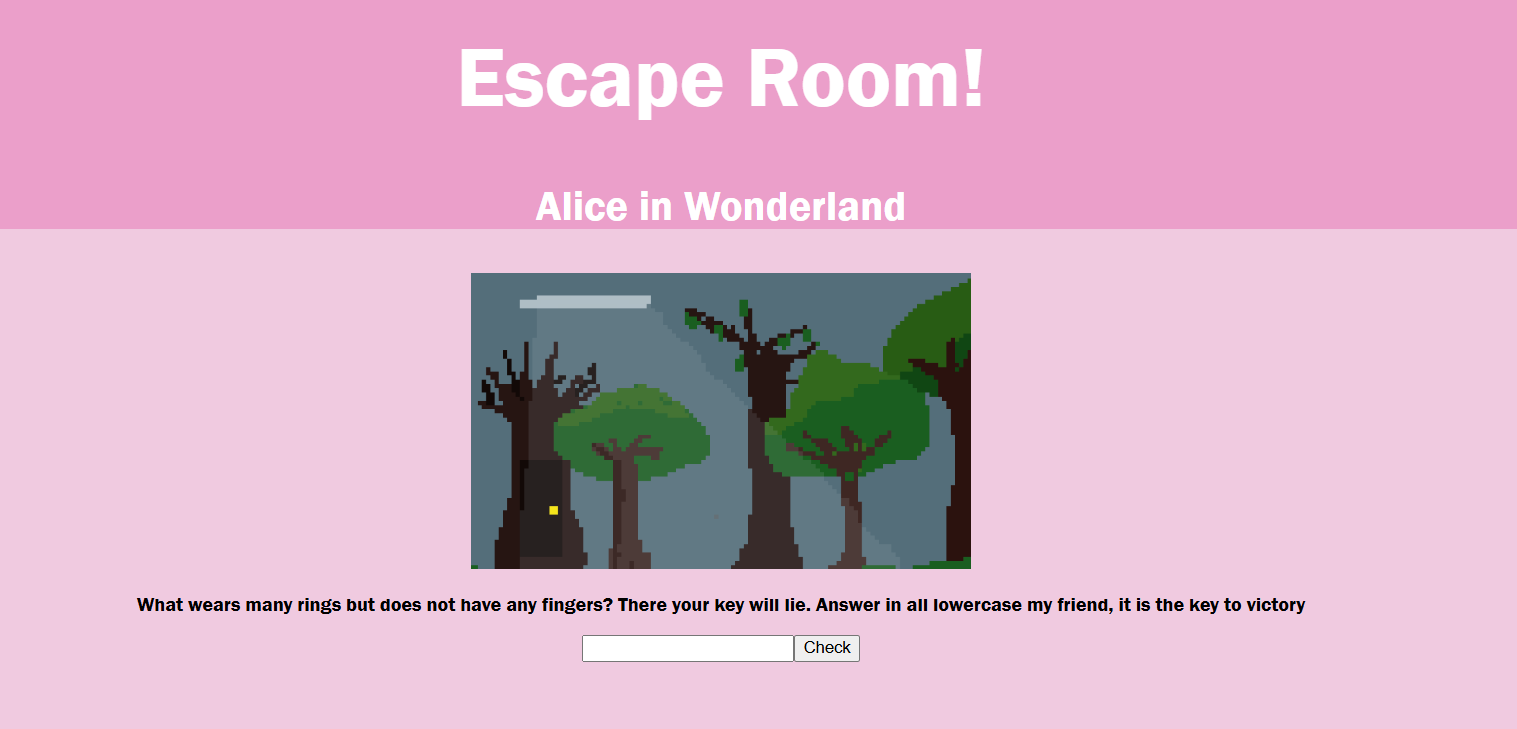
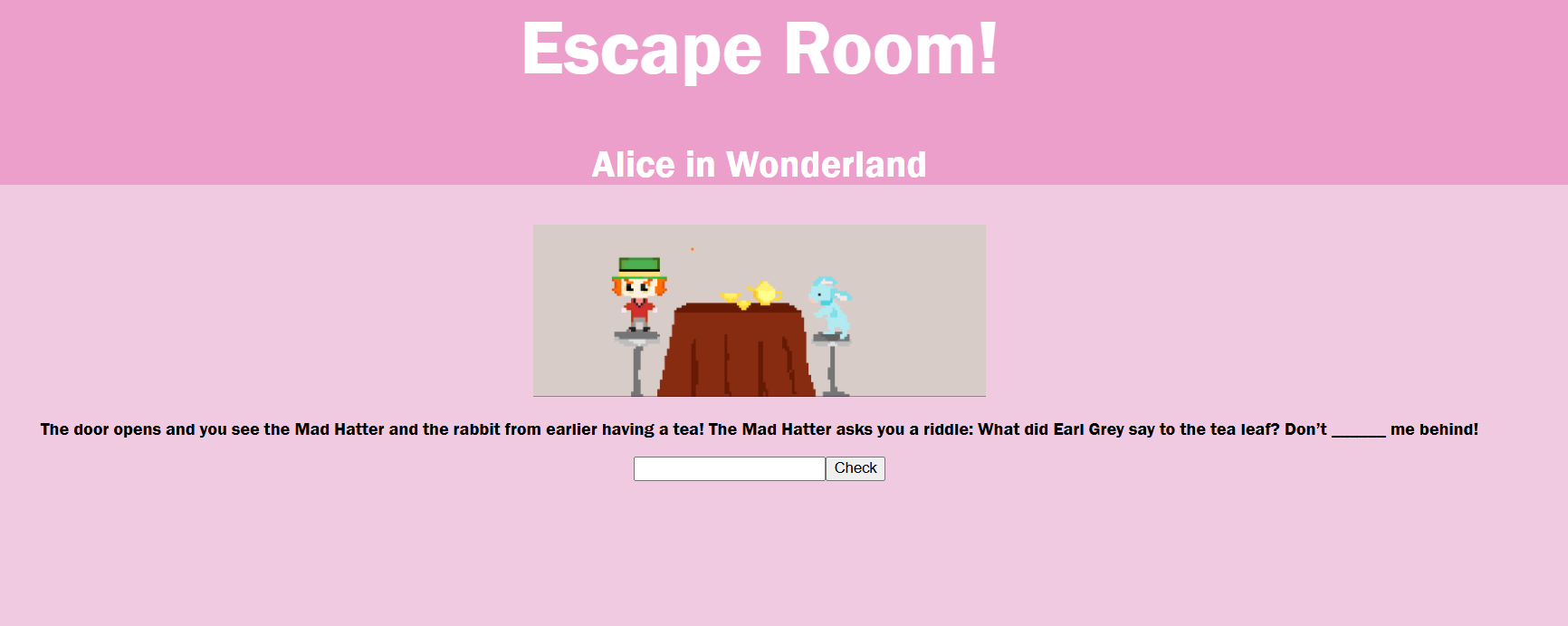
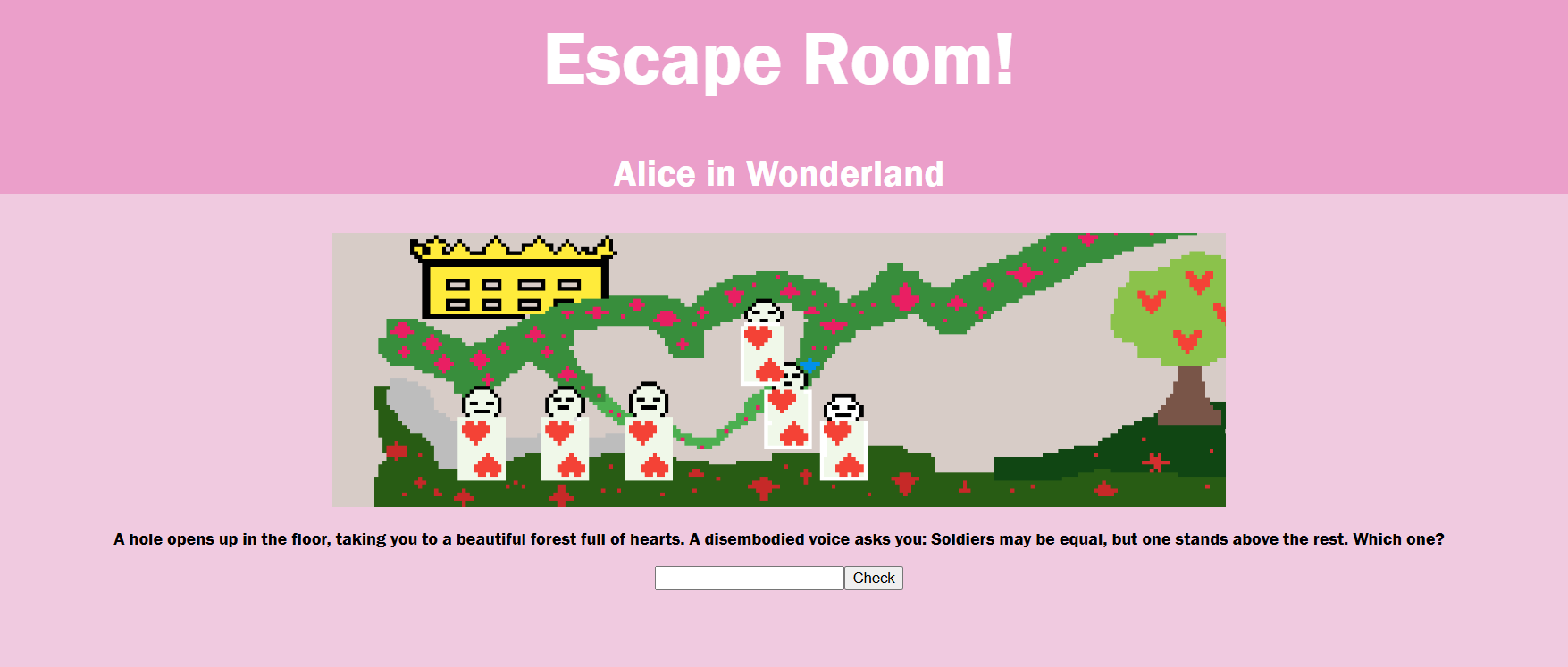
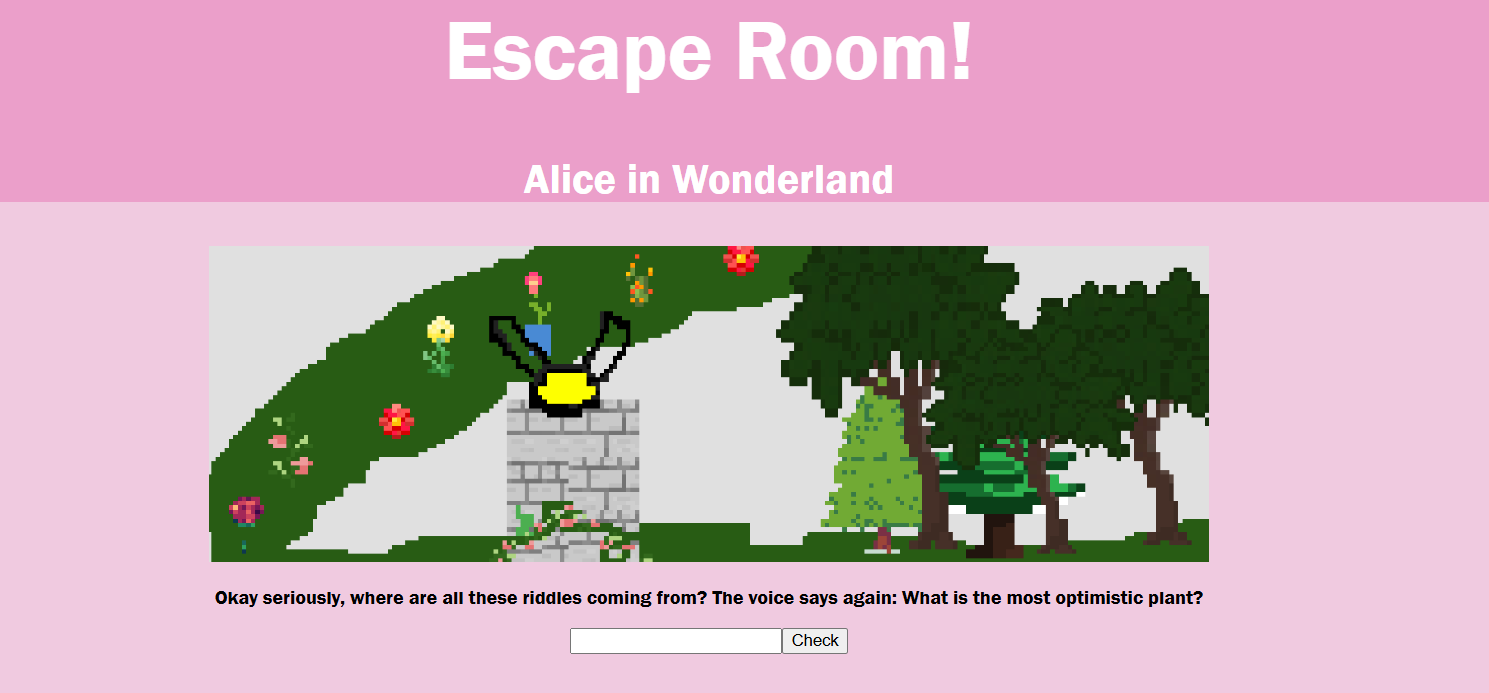
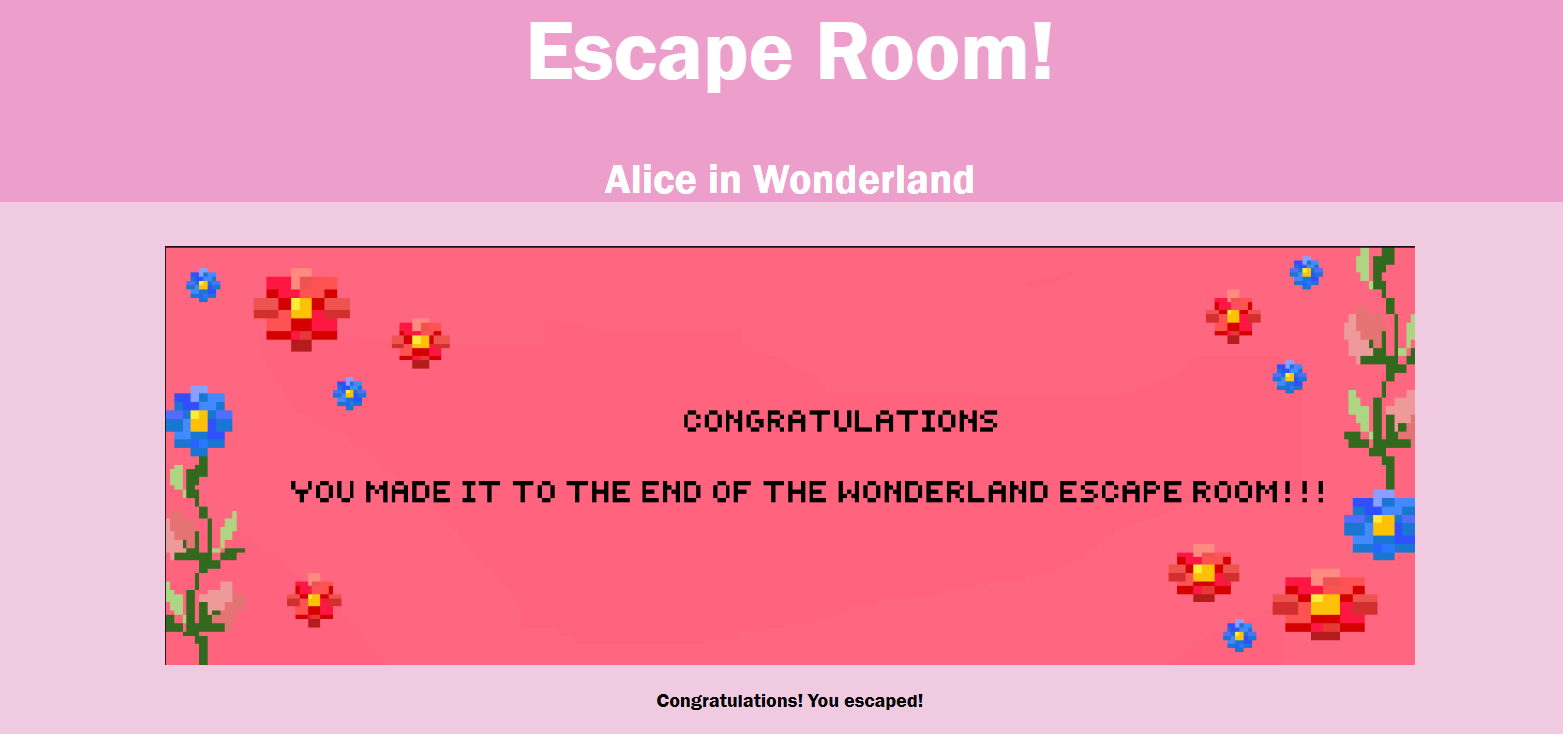
Project Empower is an interactive app designed to help students prioritize mental health and self-care amidst busy schedules, while providing an engaging escape room experience to promote relaxation. The idea emerged after an intense day creating a Wonderland-themed escape room at Technica. Despite packing essentials like face cleansers and sunscreen, we found ourselves too exhausted to use them. This experience highlighted the common tendency to neglect self-care when deeply focused on a project, inspiring us to build a solution. After Saturday's long day of creating the escape room, we went home and unpacked our bags ; realizing we had brought things like face cleansers, sunscreen, lotion, and toothbrushes that we not only forgot about, but didn't have the willpower to use even after being home and we went straight to sleep. we came to the understanding that I didn’t end up using any of it because I was so invested in the project. We then thought about how this is a struggle for many people immersed in various tasks. Whether it's chores around the house or finding the cure to cancer. This lack of concern for well being and mental health when being this focused can be compared to a trance. DId you know the CDC reports that suicide is the third leading cause of death among teenagers aged 15-19. In 2021, around 10% of high school students reported attempting suicide. This just proves further how mental health needs to be a priority even when having a busy schedule. The solution? Project: Empower! At this point we knew we wanted to find a solution to this problem and only 8 hours left on the clock felt very alarming, but it was too important of a problem to dismiss. So we grinded out our exact vision. To understand the struggles fellow students face further we used elements from the human centered design process and asked different hackers here at technica to fill out a survey. We found that due to their busy schedules, they often do not have time to take care of themselves, which is crucial for an individual's wellbeing. We as students decided to create an app where students can plan out their self-care and blow off some steam by playing a fun and engaging wonderland themed game. Doing this allows for the sustainability of mental health all while being just as productive.With around 1 hour left in the 24 hours, we saw our app come to life and felt the serotonin instantly fill our bodies. Project: Empower in its true form! We used the JotForm App Builder, which allowed us to create a user-friendly and organized design. We started by using JotForm's tools to create clear headings on each screen, which help guide users through different sections of the app. Each heading acts as a signpost, so users always know where they are and what content to expect. Next, we added text sections to provide important information and instructions. This makes the app intuitive, with clear guidance on how to navigate and use its features. One of the most powerful aspects of JotForm was the ability to embed other applications directly into specific screens. This feature lets us bring in external content seamlessly, enhancing our app's functionality and keeping everything users need in one place. We wanted to make our logo a symbol of serenity and peace so we incorporated pink poppies into our app. When users get notifications from Project Empower we want them to think about having a temporary break from the hardships of life When users first open the app, an app description and menu feature is displayed to navigate through all of the pages seamlessly. Then the Skincare Planner page is presented. Here there are 2 options. Either fill out the form to answer the questions such as “What skincare products do you use?” and then fill in the time preferred to complete the task to receive reminders via email. The embedded spotify playlist feature is to ease your mind of stress. There is a similar layout for the other two pages of the app as well. Users are able to fill out the form, answer the questions and receive email notifications as reminders. Lastly there is the game screen, where a button will take you to our website, where users are able to play the Wonderland Escape Room we made to relax their brains after a hard day of work. Our Saturday was filled with creating our escape room that was initially the entirety of our project. When we first got to Technica, we looked at the schedule and spotted the React workshop. We heard about react through our computer science teacher. He mentioned different applications of React and wanted to use it in a creative and fun way, hence: the Wonderland Escape room. While coding our escape room game, we used GitHub, VSCode, and React with HTML, CSS, and JavaScript, facing more challenges than expected. Managing GitHub was tricky—merging branches and resolving conflicts quickly became confusing since none of us had used version control before. Navigating VSCode also felt complex as we explored extensions and debugging tools to streamline our code. React was a big leap; we spent over an hour getting familiar with it, but the investment felt worthwhile. Blending React’s dynamic elements with static HTML and CSS often broke our UI, leaving us puzzled. After a long Saturday, I shared our progress with my dad, and it was cool to learn he works with React professionally. He offered tips on organizing components for cleaner code and using state management to keep game events running smoothly. We split up tasks, with two coding and two working on pixel art for our screens, giving our brains a break and letting our creativity shine amidst all the structure of coding languages When users first open the game, they’re transported down a “rabbit hole” into the enchanting world of Wonderland. Here, they’ll navigate through three immersive levels, each filled with clues and riddles embedded within detailed, handcrafted Pixel Art scenery. These scenes challenge players to explore and think creatively as they uncover hidden hints. In the final level, players face a Queen of Hearts memory-matching game to test their recall skills and bring their Wonderland journey to a thrilling close. We’re proud of creating Project Empower and the Wonderland Escape Room app at Technica, merging mental wellness with engaging gameplay. We learned new technical skills, like React, and tackled obstacles with GitHub and VSCode while also gaining insight into the human-centered design process. Through surveys, we identified students’ need for a mental health focus, inspiring us to build an app that reminds students to prioritize self-care. Next, we plan to enhance the Wonderland game with more interactive features and expand Project Empower to include additional wellness tools, making mental health support accessible and fun.
Project Empower
Project Empower:for students to prioritize self-care while balancing busy schedules.With a Wonderland- themed game and planning tools,it’s a peaceful escape promoting mental wellness and productivity.

Updates

Leave feedback in the comments!
Log in or sign up for Devpost to join the conversation.