Project Story
Inspiration
Managing personal finances is something everyone knows they should do, but almost nobody keeps up with. Traditional expense trackers ask you to manually enter every purchase, pick a category, and stay disciplined about it — and most people give up within a week. We wanted to remove that friction entirely. The idea was simple: what if you could just take a photo of a receipt and let AI handle everything else?
What it does
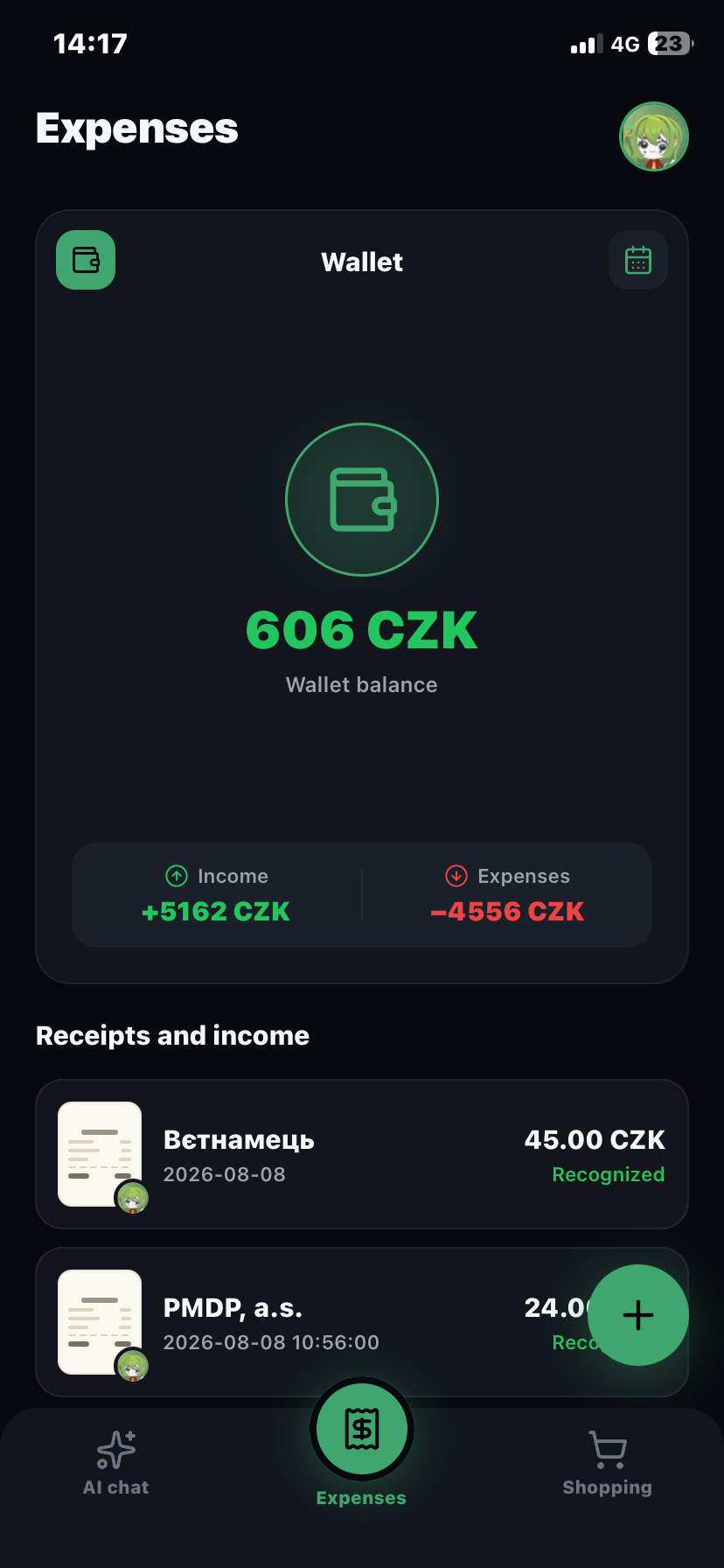
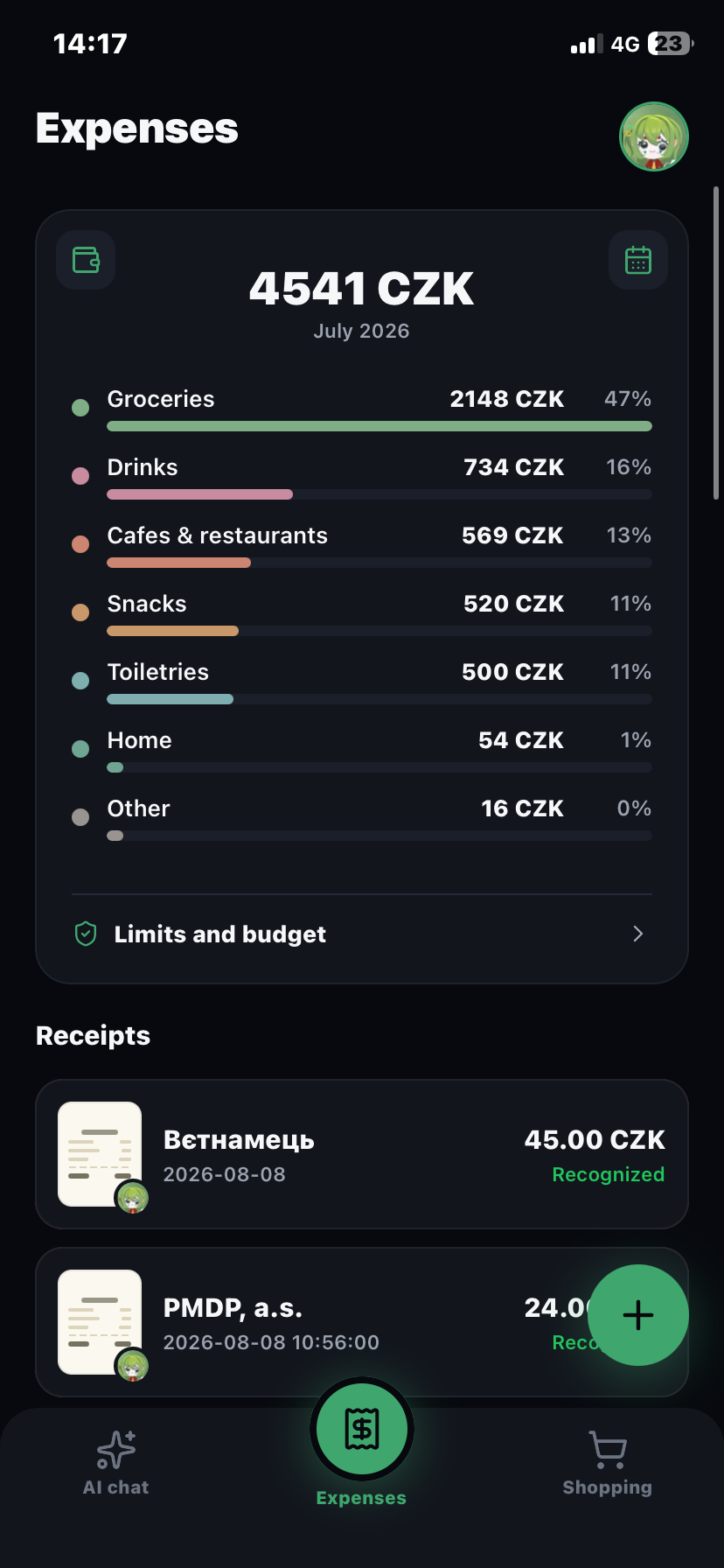
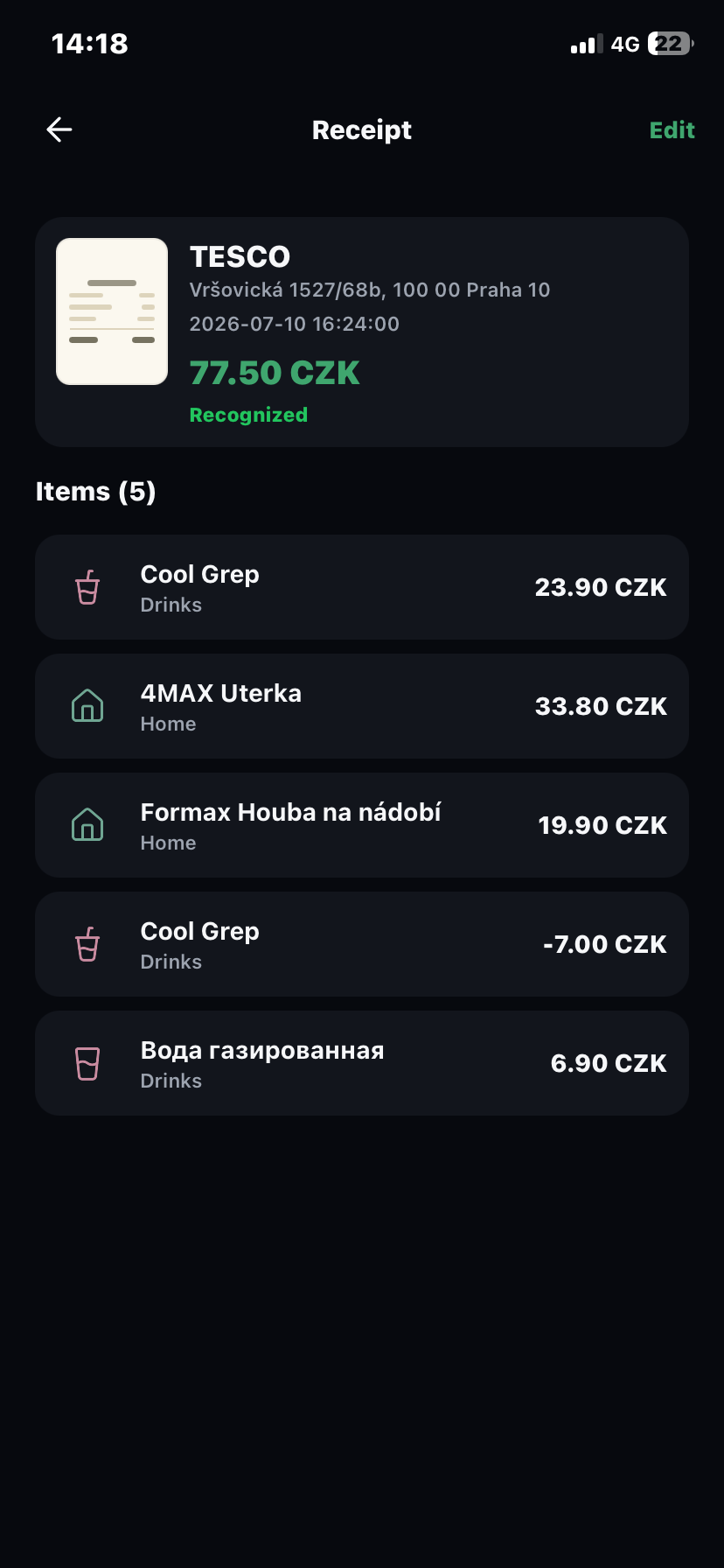
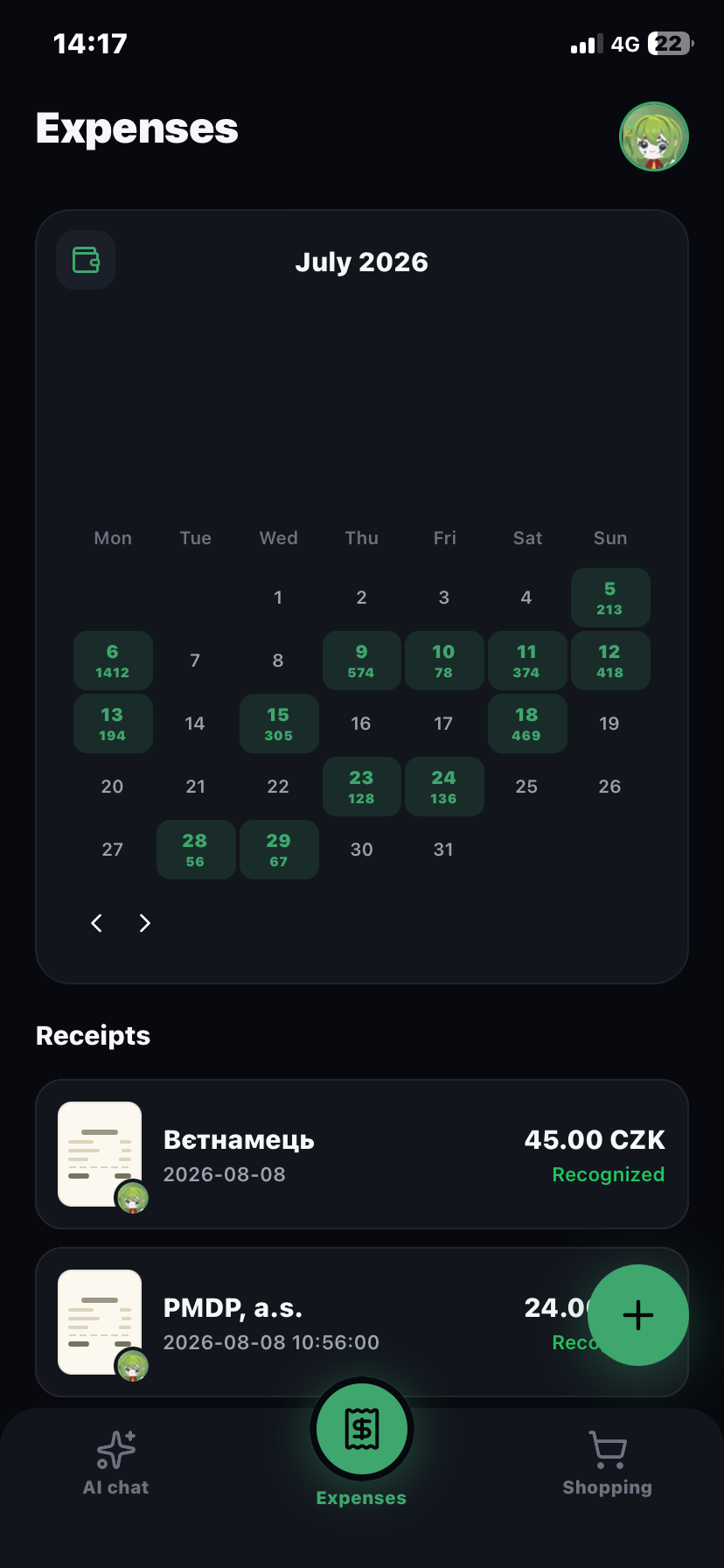
Woilet turns receipt scanning into a full financial assistant. Users snap a photo of a receipt, and the AI recognizes the store, items, prices, and even abbreviated or poorly formatted product names, then automatically sorts everything into categories like groceries, drinks, snacks, and home goods. From there, the app builds a visual overview of spending by day, by category, and over time.
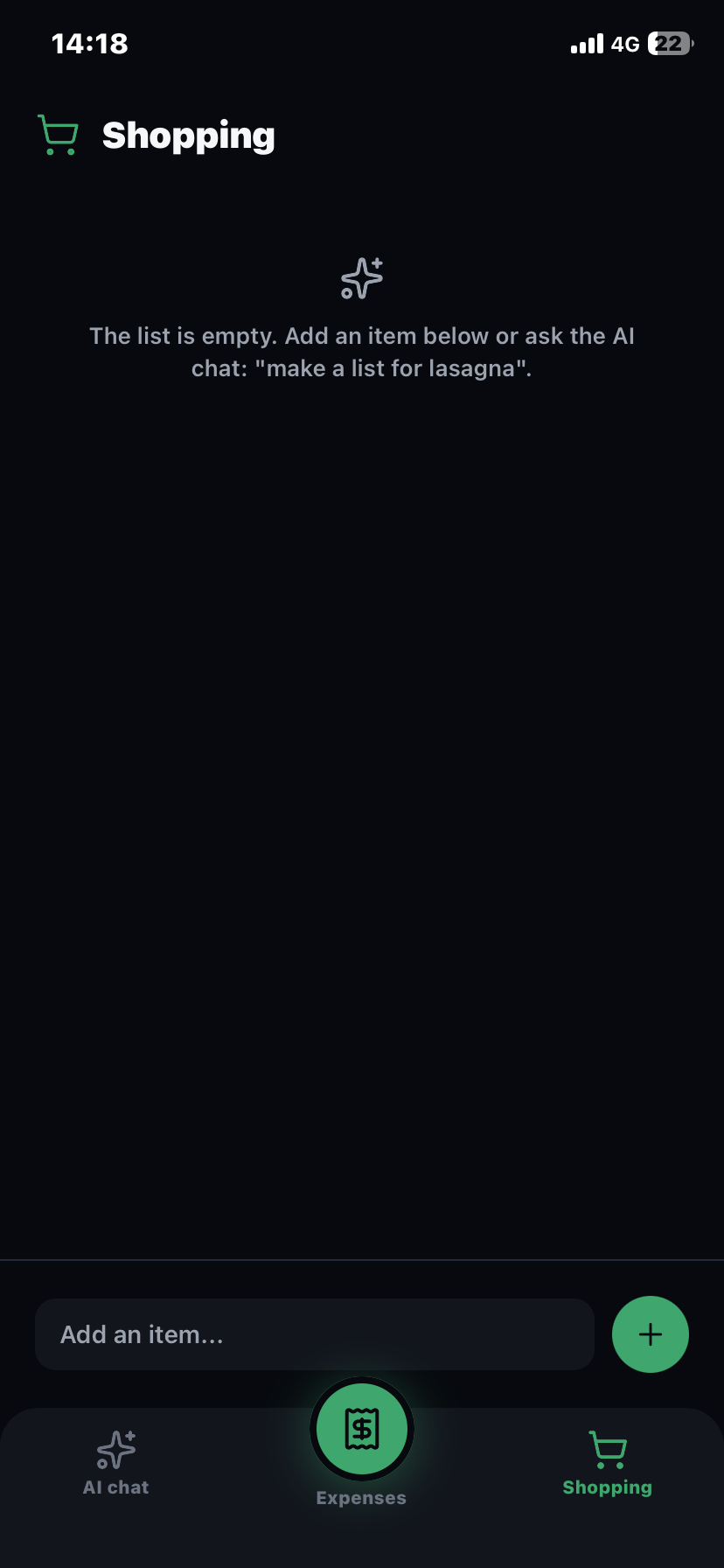
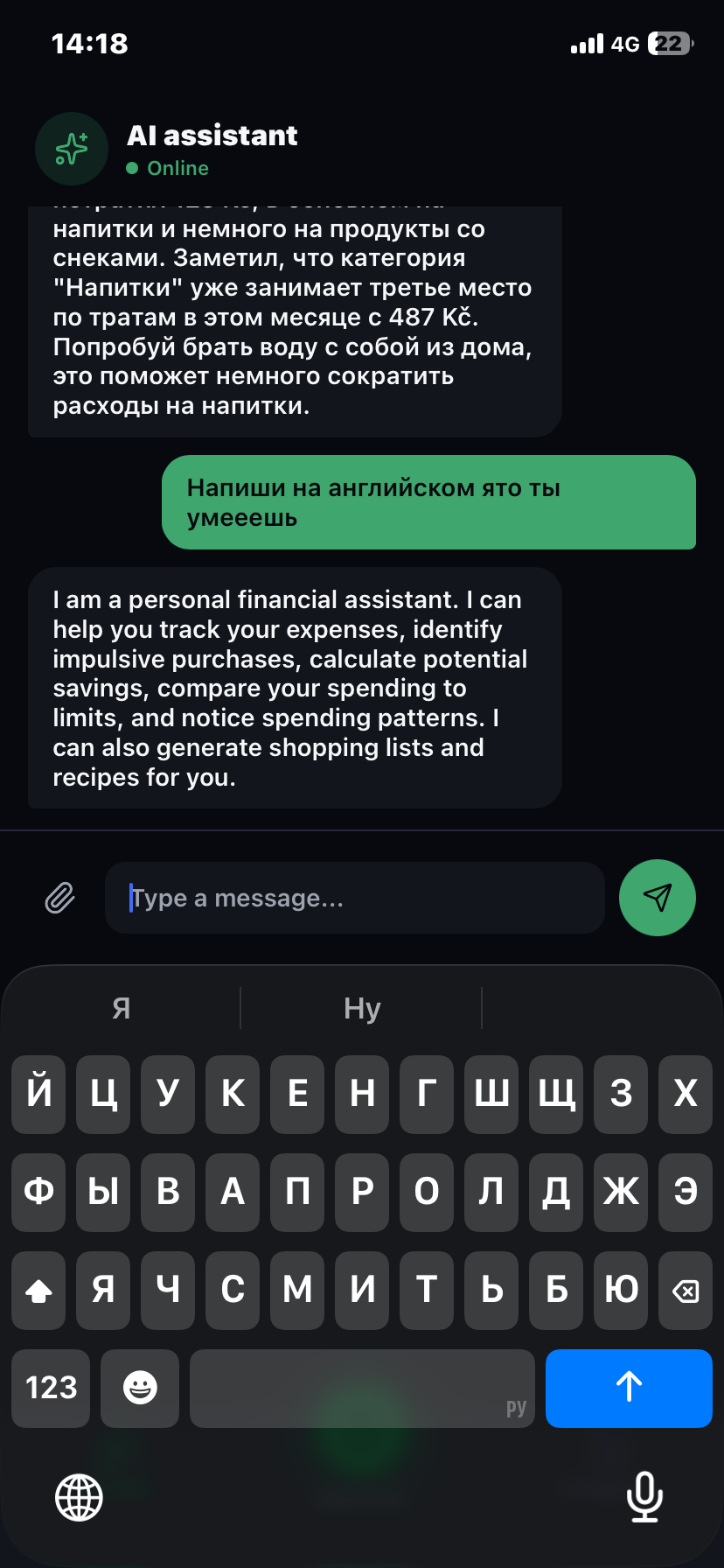
But we didn't want to stop at scanning. Woilet includes an AI chat assistant that actually understands the user's spending history. Instead of digging through charts, users can just ask questions like "Why did I spend more this month?" or "How much did I spend on drinks?" and get a clear, personalized answer. The assistant can also flag unusual spending, spot recurring purchases, and generate shopping lists based on habits.
How we built it
We built the core app with a receipt-scanning pipeline that sends photos to an AI model for OCR and item-level classification, mapping recognized products into spending categories automatically. On top of that, we layered a conversational AI assistant connected to the user's transaction history, so it can reference real spending data when answering questions. The interface was designed to feel lightweight — a calendar view, a wallet balance screen, and a category breakdown — so users get insight without doing any manual work.
Challenges we ran into
Receipt recognition was the hardest part. Real-world receipts are messy — abbreviated product names, inconsistent formatting, discounts and refunds mixed into the same list, and different layouts across stores. Getting the AI to reliably categorize items despite that noise took a lot of iteration. Connecting the chat assistant to live financial data in a way that felt fast and natural, rather than robotic, was another challenge we had to solve.
Accomplishments that we're proud of
We're proud that Woilet actually eliminates manual data entry — from photo to categorized expense in seconds. We're also proud of the AI assistant feeling genuinely useful rather than gimmicky: it gives real, data-backed answers instead of generic financial advice.
What we learned
We learned how much complexity hides behind something that looks simple on the surface — receipt parsing, category inference, and natural-language financial reasoning all needed careful tuning to feel effortless to the user. We also learned the value of designing for trust: showing users exactly what was "recognized" from their receipt matters as much as the automation itself.
What's next for Woilet
Next, we want to add budget forecasting, shared/family wallets, and deeper personalized recommendations — like suggesting cheaper alternatives at nearby stores based on past purchases. Our long-term goal is for Woilet to feel less like an expense tracker and more like a financial advisor that already knows your habits.
Built With
- claude


Log in or sign up for Devpost to join the conversation.