Inspiration
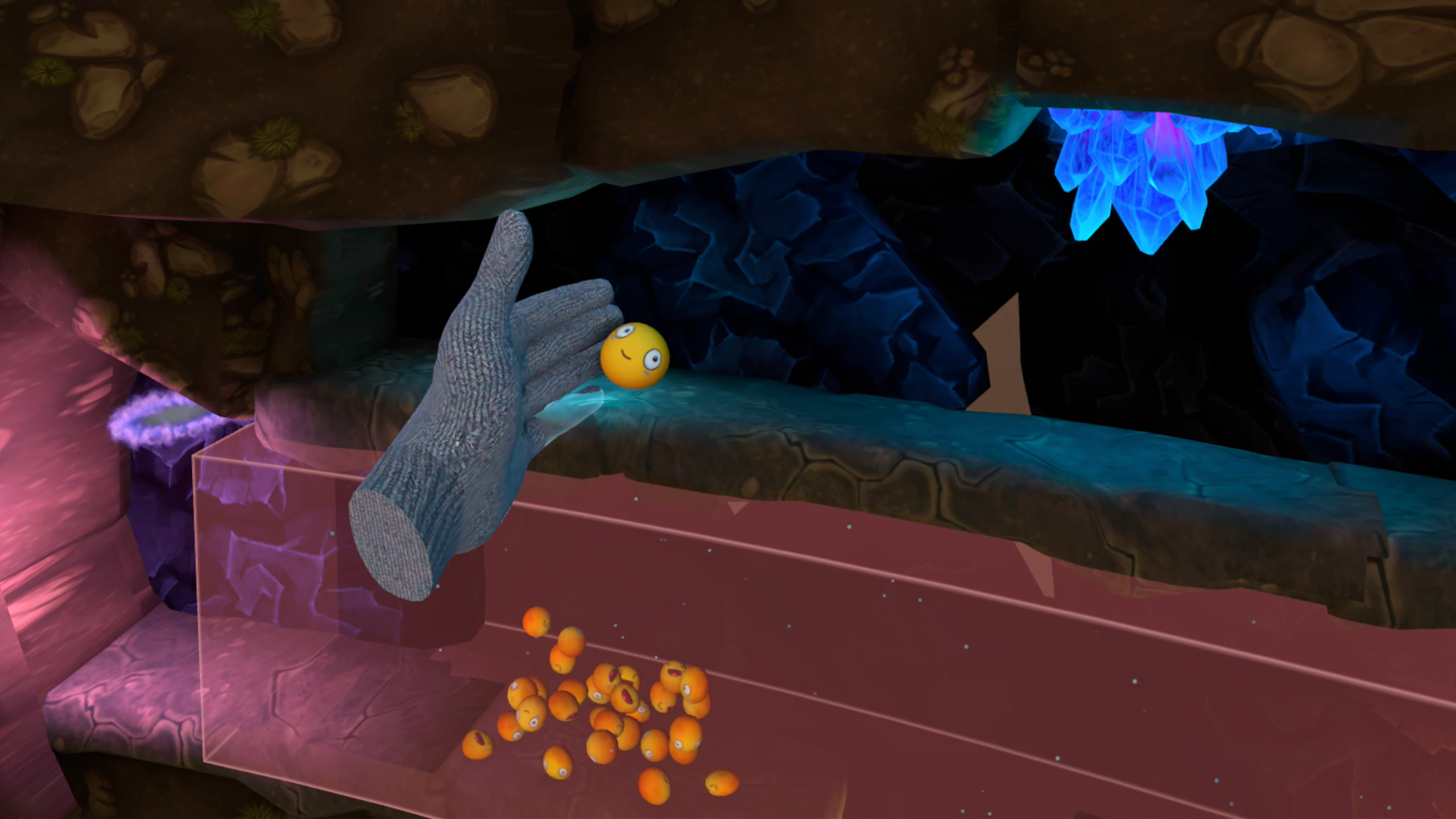
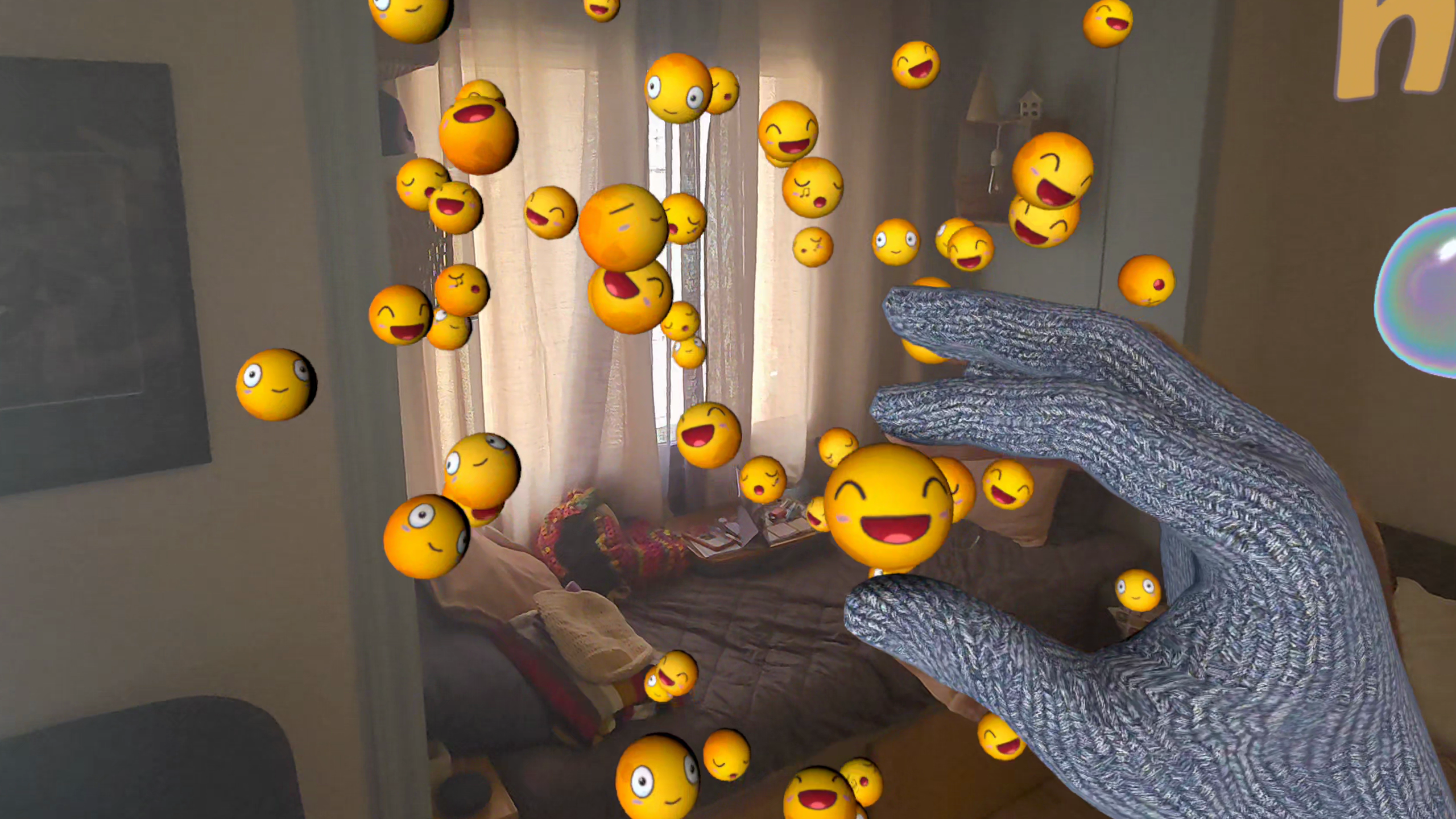
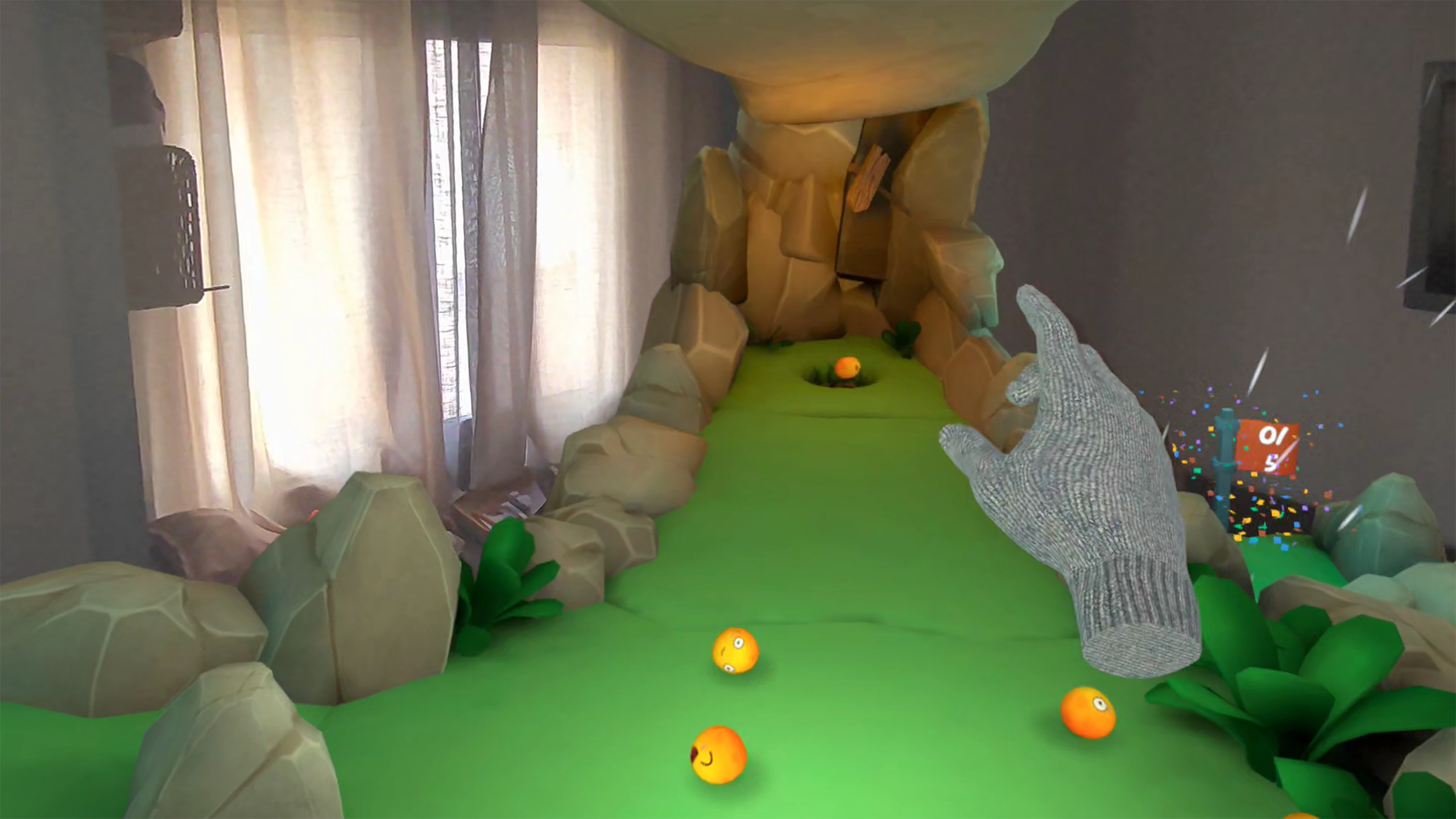
Discovering the competition in late September, I wondered: what feels good to do with your bare hands? Not gestures, direct touch. I put simple capsules on the tracked hands and spawned a few hundred physics balls. Even as an ugly prototype, my first tester (my kid) didn't want to stop: pushing, scooping and holding them was instantly satisfying. That ball pit became the game.
From balls to Pips
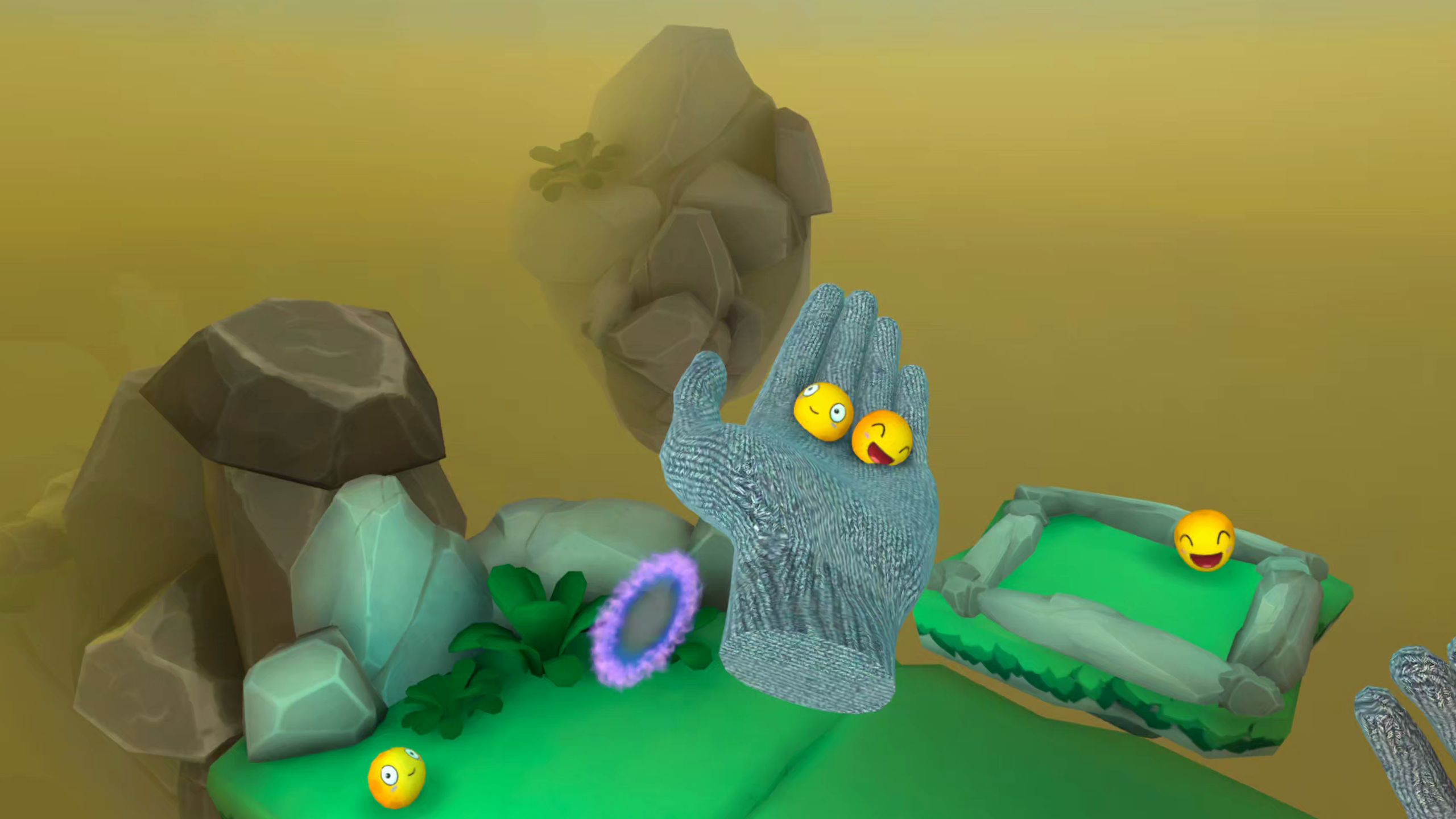
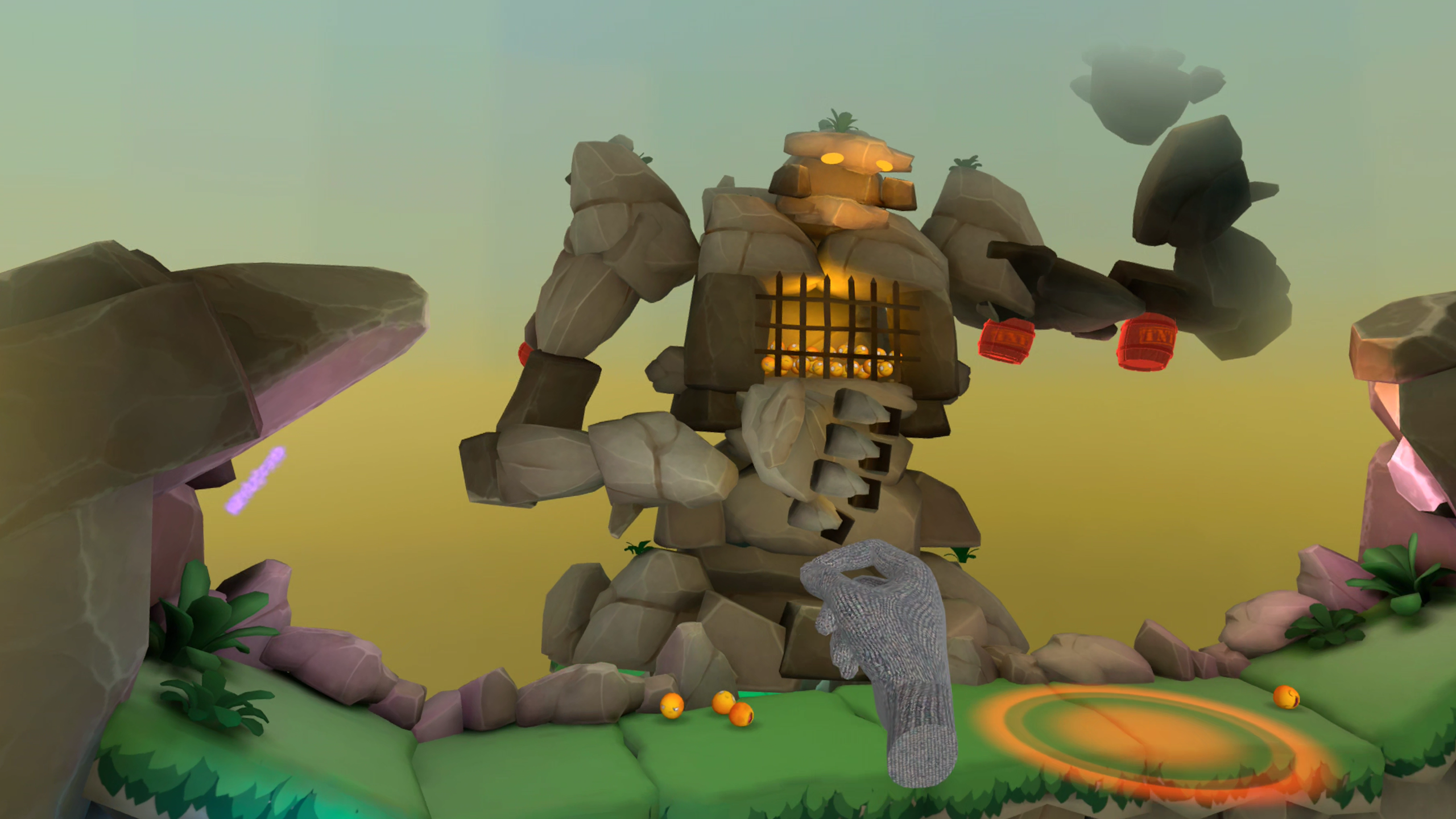
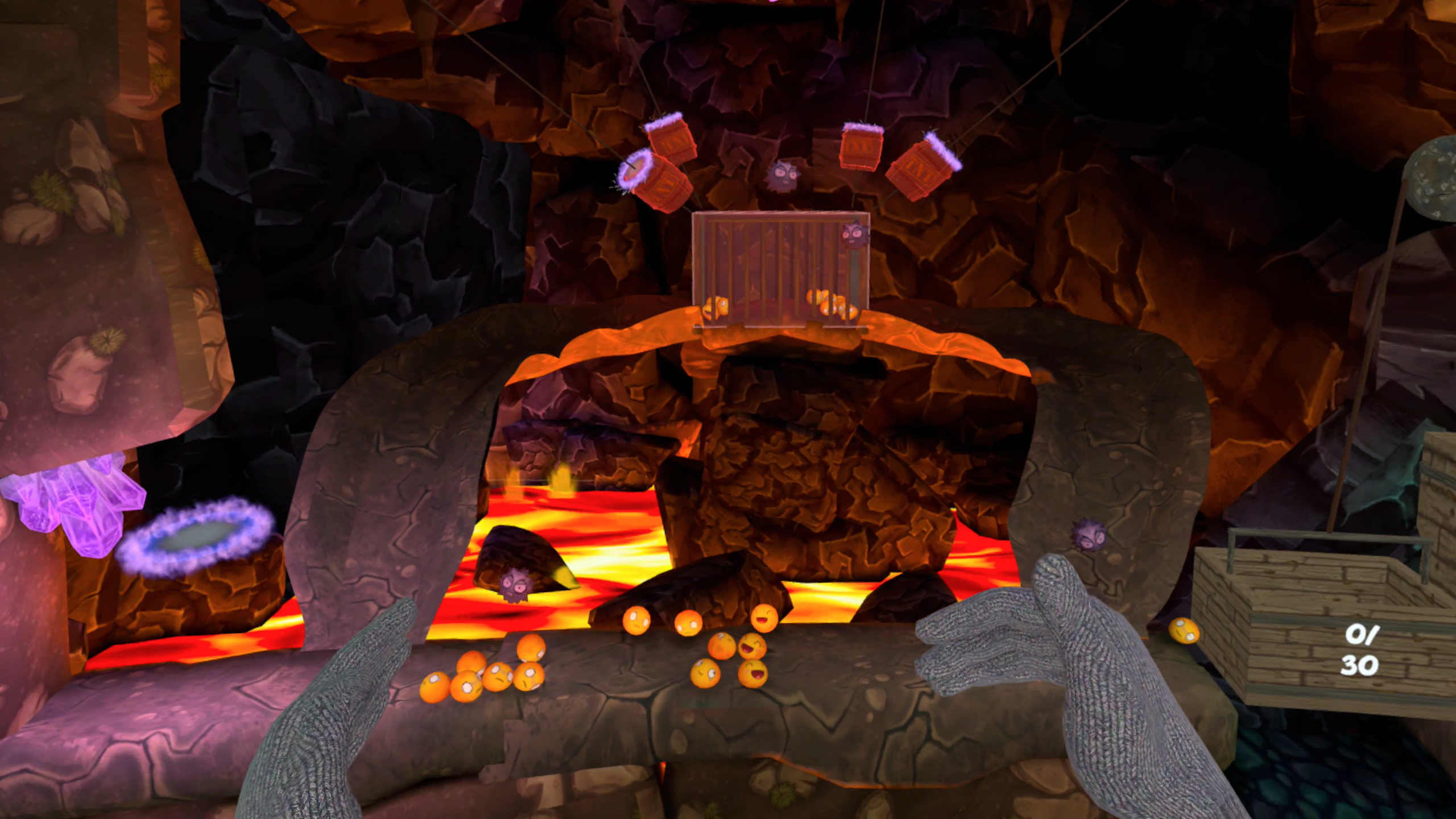
I gave the balls faces, sounds and behaviours, and something changed: people stopped playing with them and started caring about them. They became the Pips, tiny jelly creatures lost on their great migration, and your hands are their only help.
How I built it
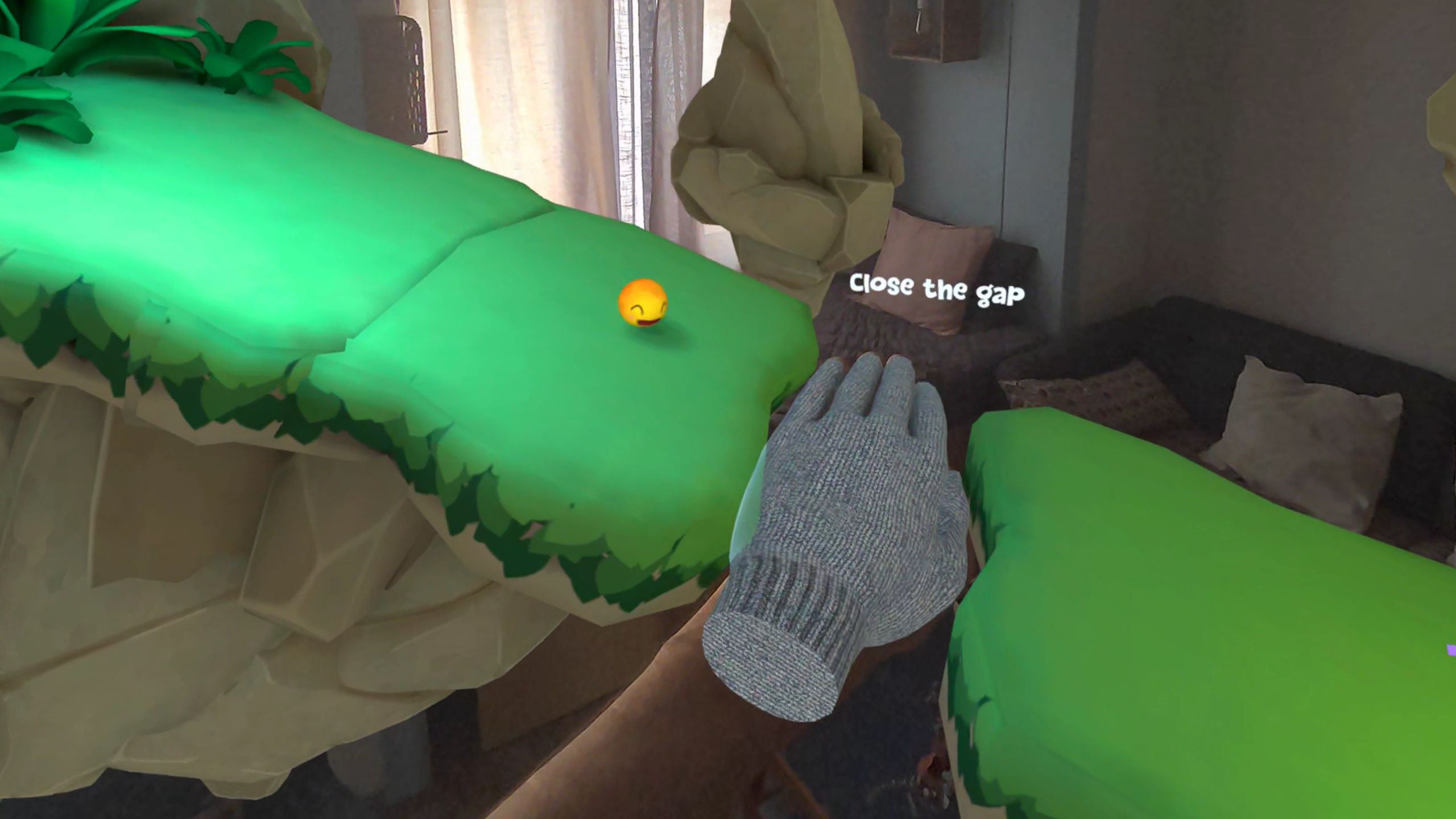
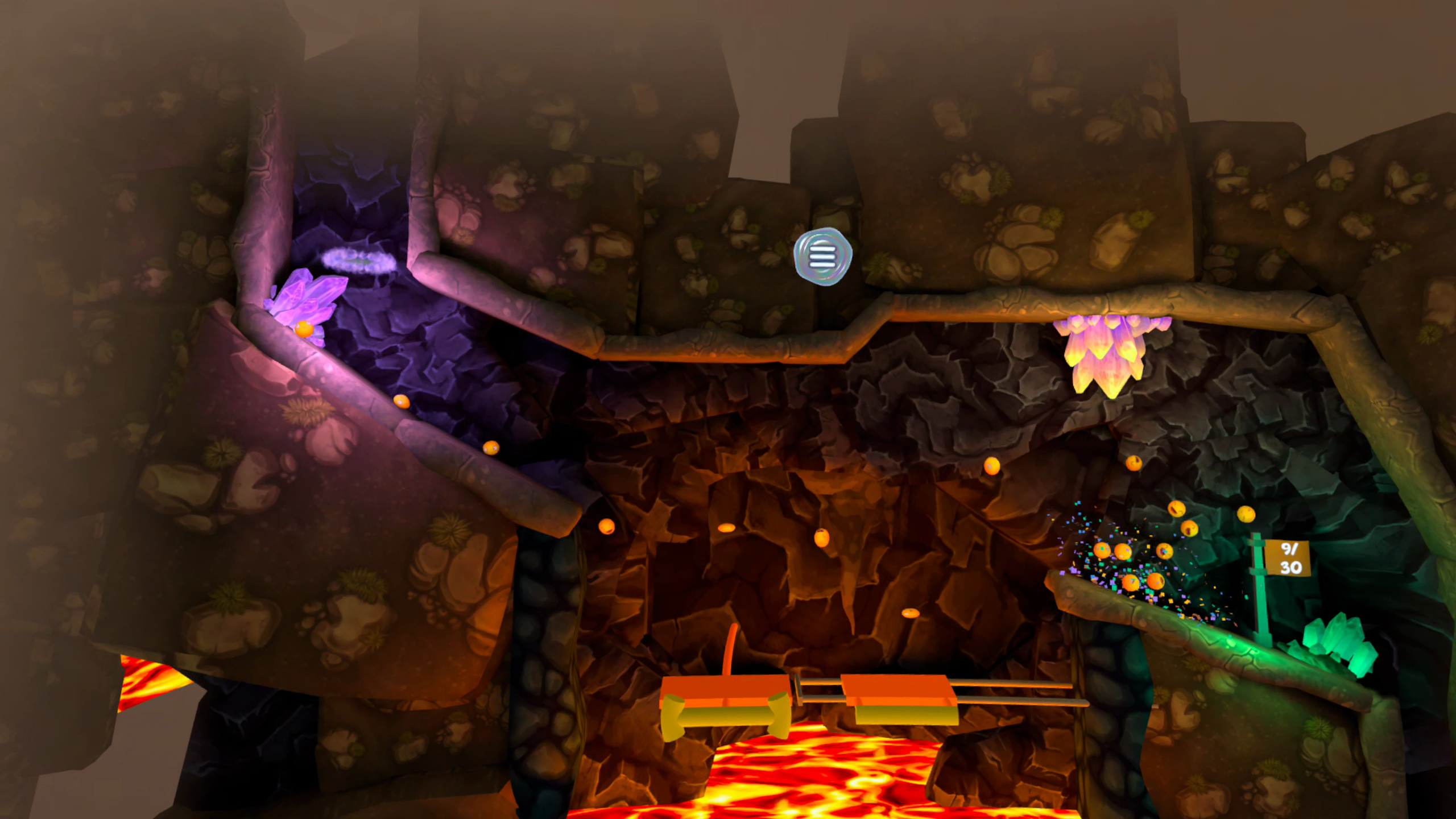
Unity 6 with the Meta XR SDK, hand tracking only, seated. The default hand physics couldn't hold a crowd, so I built my own collider rig per hand, and a pinch that squeezes a Pip between your fingers. Every stage fits a comfortable band in front of you. A Pip is a single sphere with an animated face and a jelly shader, holding 90 fps on Quest 3 and 72 on Quest 2. Even the UI is touched: bubbles you burst, part of the world rather than a flat panel, which playtesters found intuitive and fun.
What players taught me
More than twenty playtesters, from a 5-year-old to VR veterans, reshaped the game every week. They showed me what worked and, above all, what didn't:
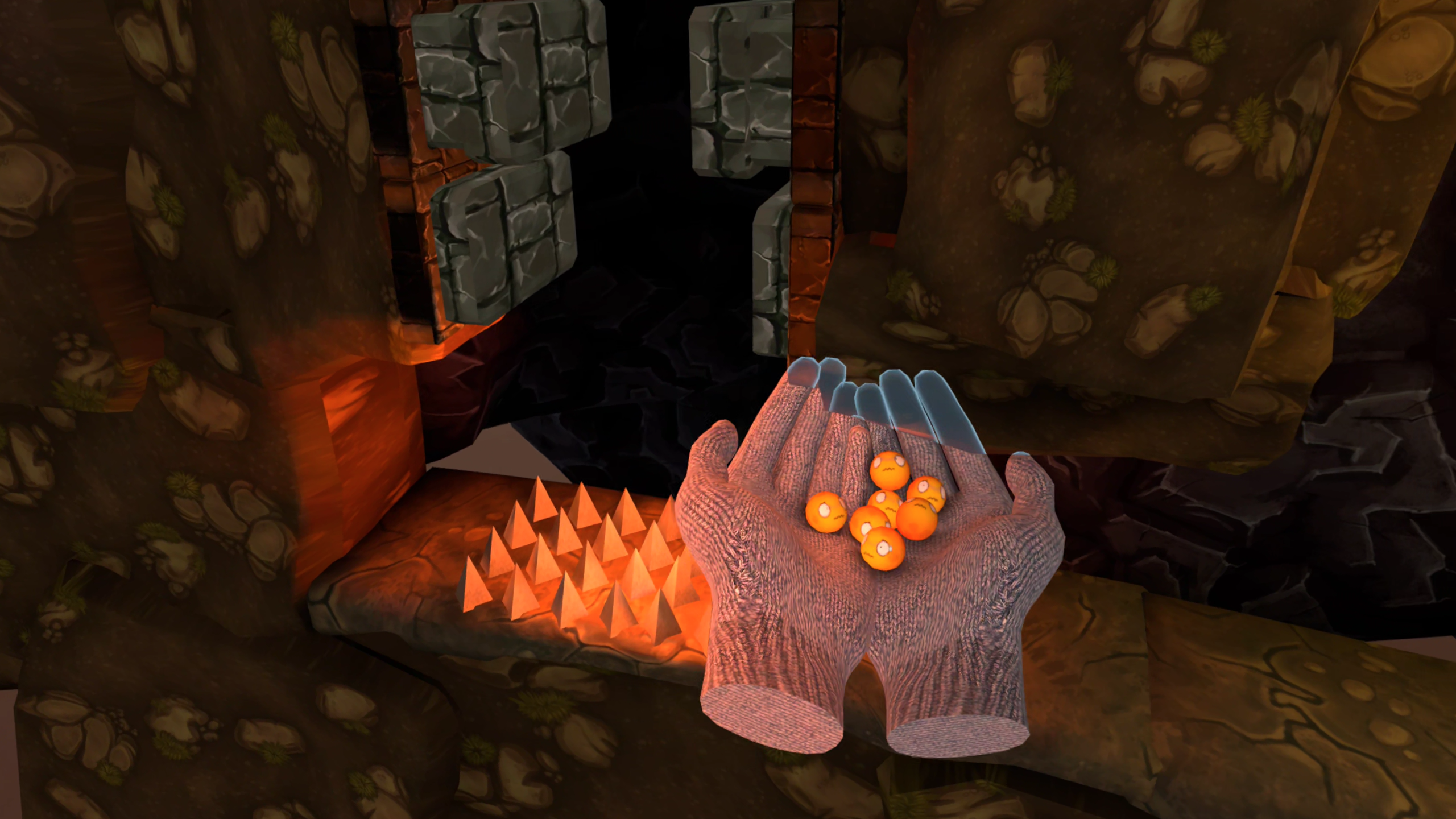
- Nobody reads tutorial text. The finger throw only clicked once a ghost hand showed it and turned green on success.
- Everyone throws differently; the throw took many rounds of tuning to suit most players.
- Some players throw Pips around, others can't bear to see one fall. Both had to be fun.
- An effect some loved made a third of players dizzy: comfort came first.
And they kept asking for more.
Challenges
Once it's playable, ideas pile up, and so does scope. The closer the deadline, the more I chose polish over features, even cutting levels that weren't good enough. Headset iteration is slow, so playing through Link with live-tweakable settings was essential, though fine-tuning still needs device builds. Device limits on physics objects had to be re-measured as levels grew. And as a solo developer, greybox levels soon need real art: a friend helped, pointing me to the right assets, since content came slower to me than mechanics.
What I learned
Feeling beats realism: grabs and throws are tuned to forgive. Profile on device early and often; pixels cost more than vertices. Write the design down to park ideas instead of chasing them. And nothing beats watching someone play.
What's next
This contest was the spark; whatever the result, the game goes on. I can't wait to build the ideas I had to park: a level editor for player-made levels, face-to-face multiplayer, cooperative and competitive, and more Pips, levels and mechanics.


