I’ve always been fascinated by the idea of learning magic - not just casting spells, but discovering how different systems fit together: potions, levitation, elemental magic, quick reactions, and small moments of surprise. That feeling of stepping into a magical academy and trying new abilities for the first time became the core inspiration for this project. I wanted to create something fast, playful, and easy to understand the moment a player puts the headset on.
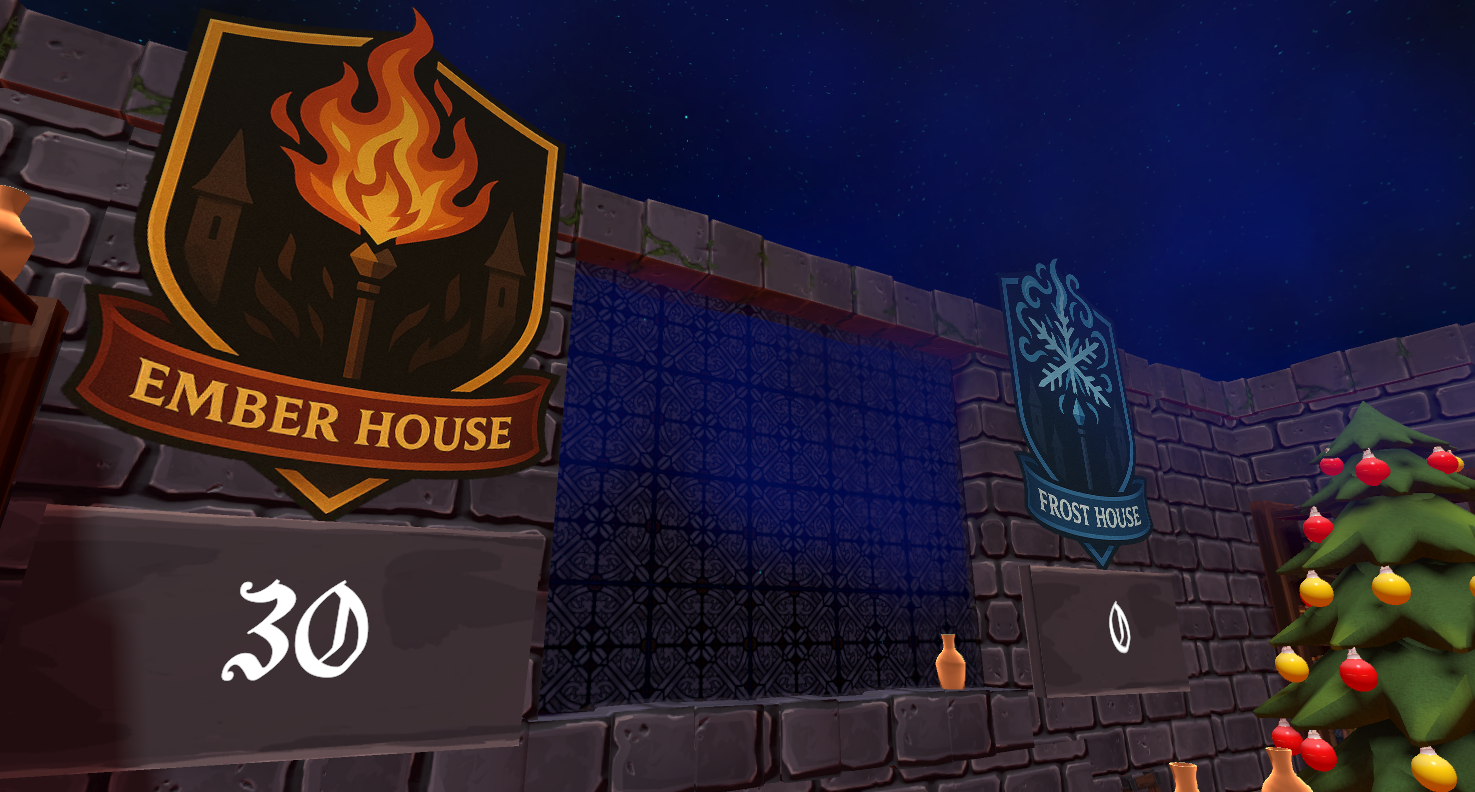
My goal was to blend simple VR interactions with a bit of action and pressure. Instead of long tutorials, the experience throws players into short challenges: brewing potions, defending against incoming creatures, and mining crystals while earning points for their chosen House. Each activity tests a different part of “magical training” and is designed to last only a few minutes, so players can jump in, play, and instantly feel rewarded.
How I built the project The project was developed in Unity with URP, focusing on keeping performance high on Quest devices while still allowing expressive spell effects and fast-paced gameplay. I spent a lot of time experimenting with interactions that feel satisfying in VR - quick spell casting, directional dodging, object levitation, and hand-based manipulation. Some systems, like levitation, are already functional but currently have limited use, and I plan to expand them much further.
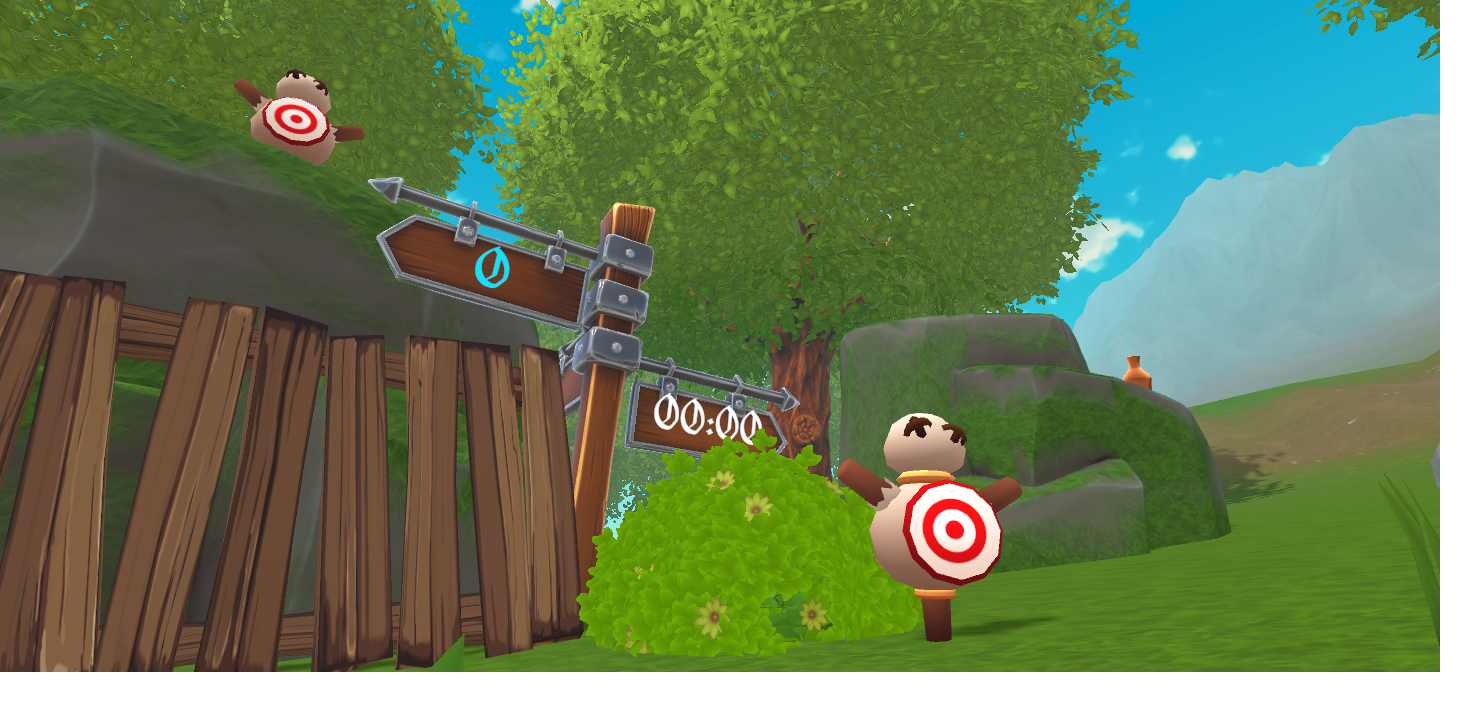
Working on the action side of the project was especially interesting. Enemy attacks needed to be readable, avoid frustration, and still push the player to react quickly. I iterated on projectile timing, shield behavior, and small “micro-challenges” that keep players moving.
What I learned This project taught me a lot about balancing clarity and excitement in VR. Even small details - the speed of a projectile, the height of an object during levitation, the sound of a brewing step finishing - can change how confident a player feels in the interaction. I also learned how important it is to keep mechanics simple: if something takes longer than a second to explain, it usually needs redesigning.
Polish and pacing were the largest lessons. Making a VR experience enjoyable means removing friction everywhere: clean visuals, short transitions, readable animations, and quick feedback.
Challenges Time constraints forced me to reduce the scope. There were many features I wanted to include but couldn’t finish in time: deeper potion-brewing quests, more interactions involving levitation, additional magical tools and spell types, environmental puzzles, multi-stage challenges inside the academy, a more developed narrative introduction.
Even with the cuts, putting the experience together was incredibly engaging. Designing magical interactions, building small gameplay loops, and shaping a world with its own identity made the project both challenging and rewarding.
Future Plans I plan to expand the game with more mini-quests, more complex potion recipes, stronger use of levitation as a core mechanic, and new magical trial rooms. I also want Houses to matter more - giving players reasons to return, compete, and help their team climb the leaderboard.
Built With
- metaos
- unity


Log in or sign up for Devpost to join the conversation.