-
-
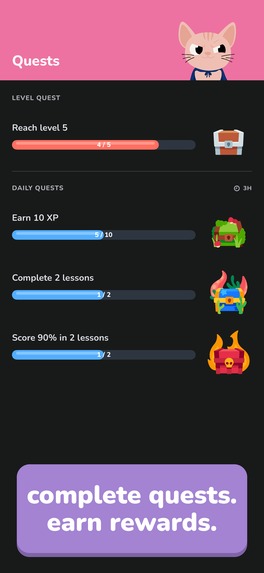
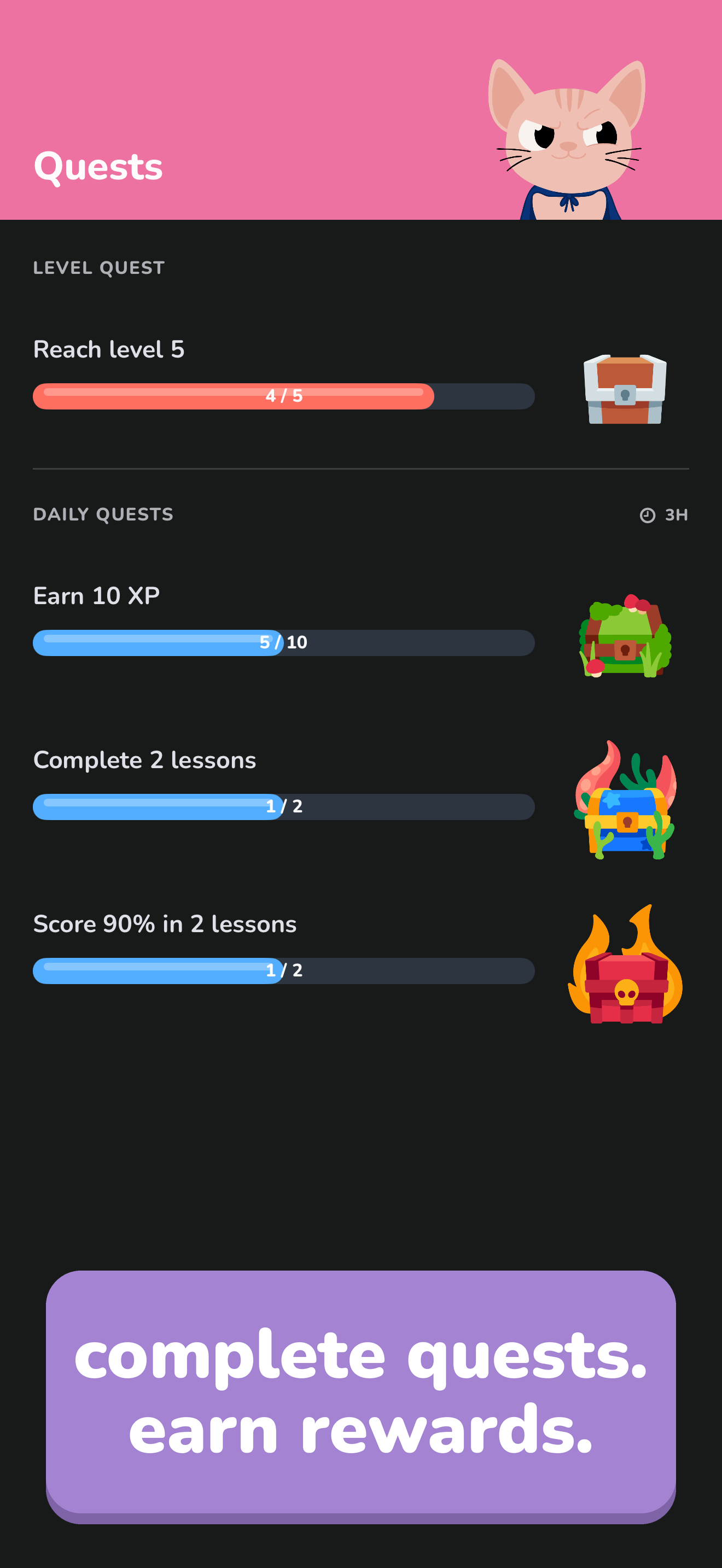
Daily quests make the next step clear.
-
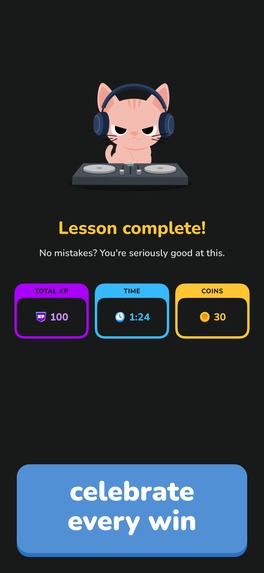
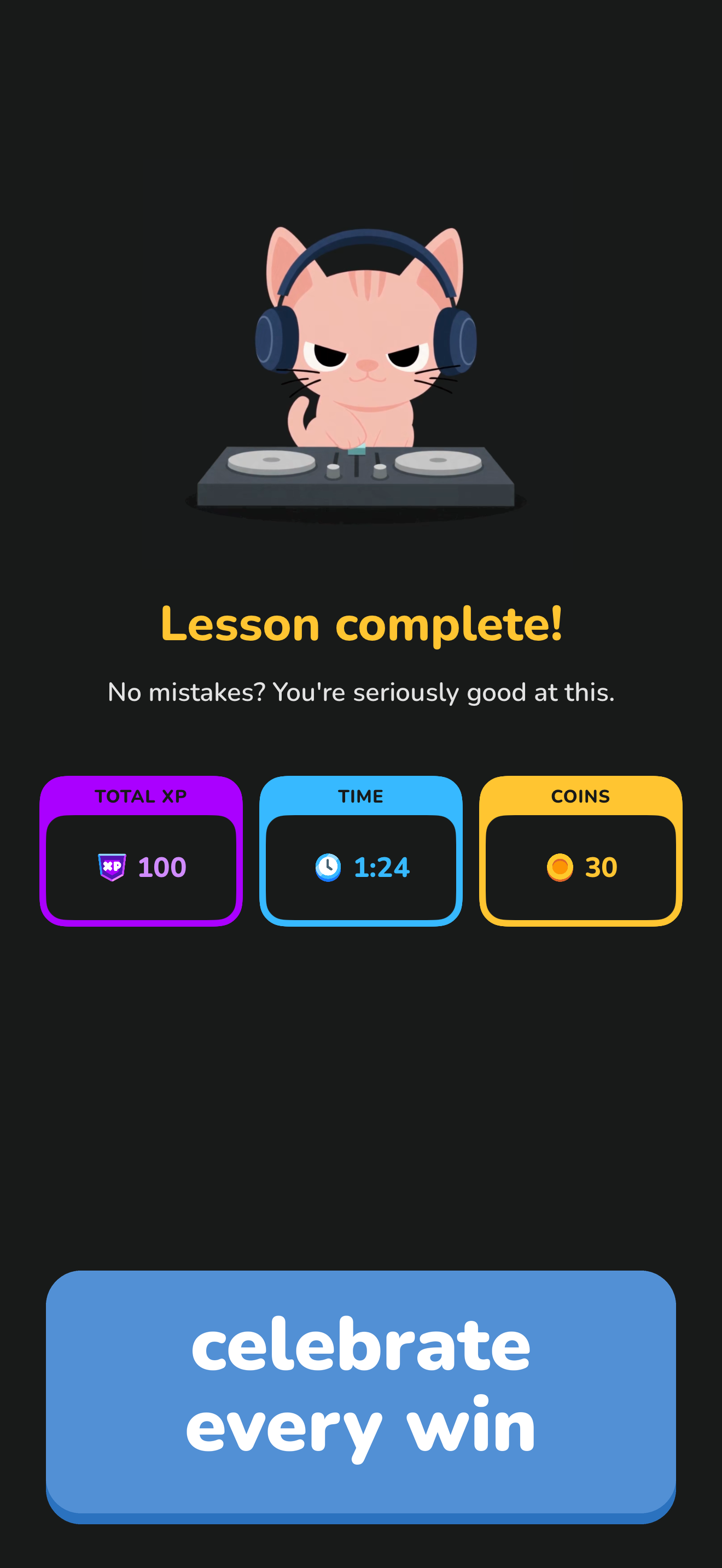
Celebrate lesson completion and see your progress.
-
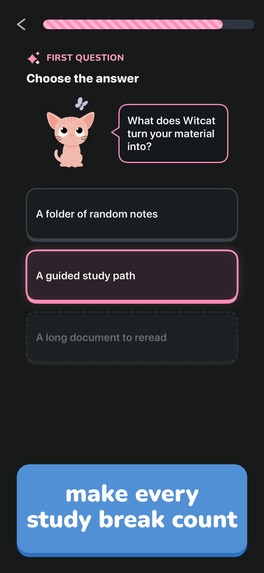
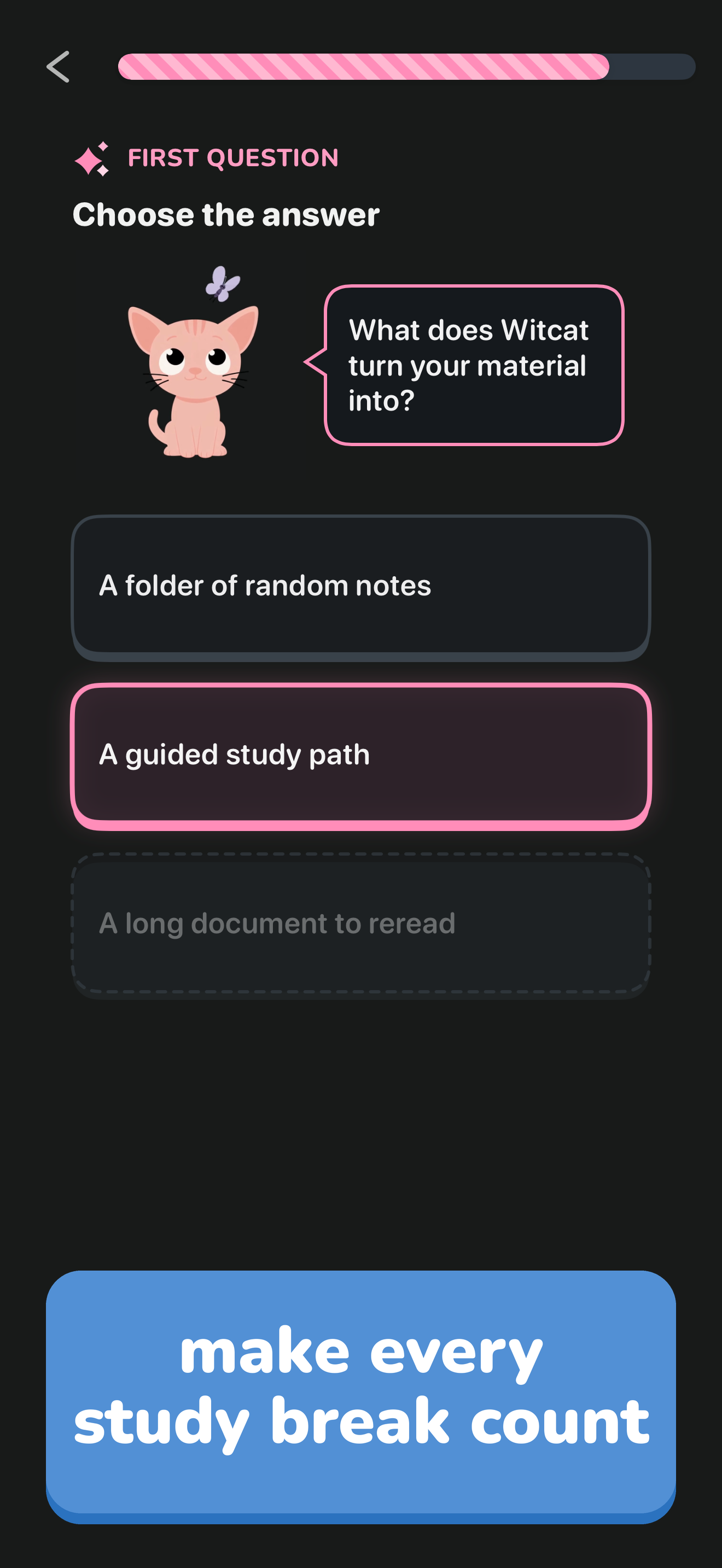
Short, interactive lessons from your study material.
-
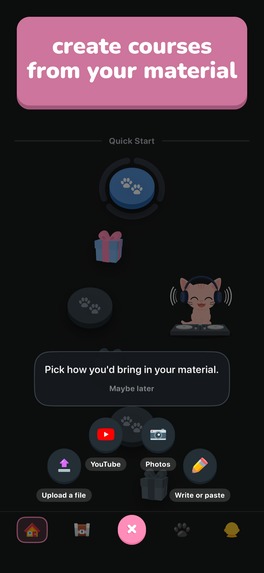
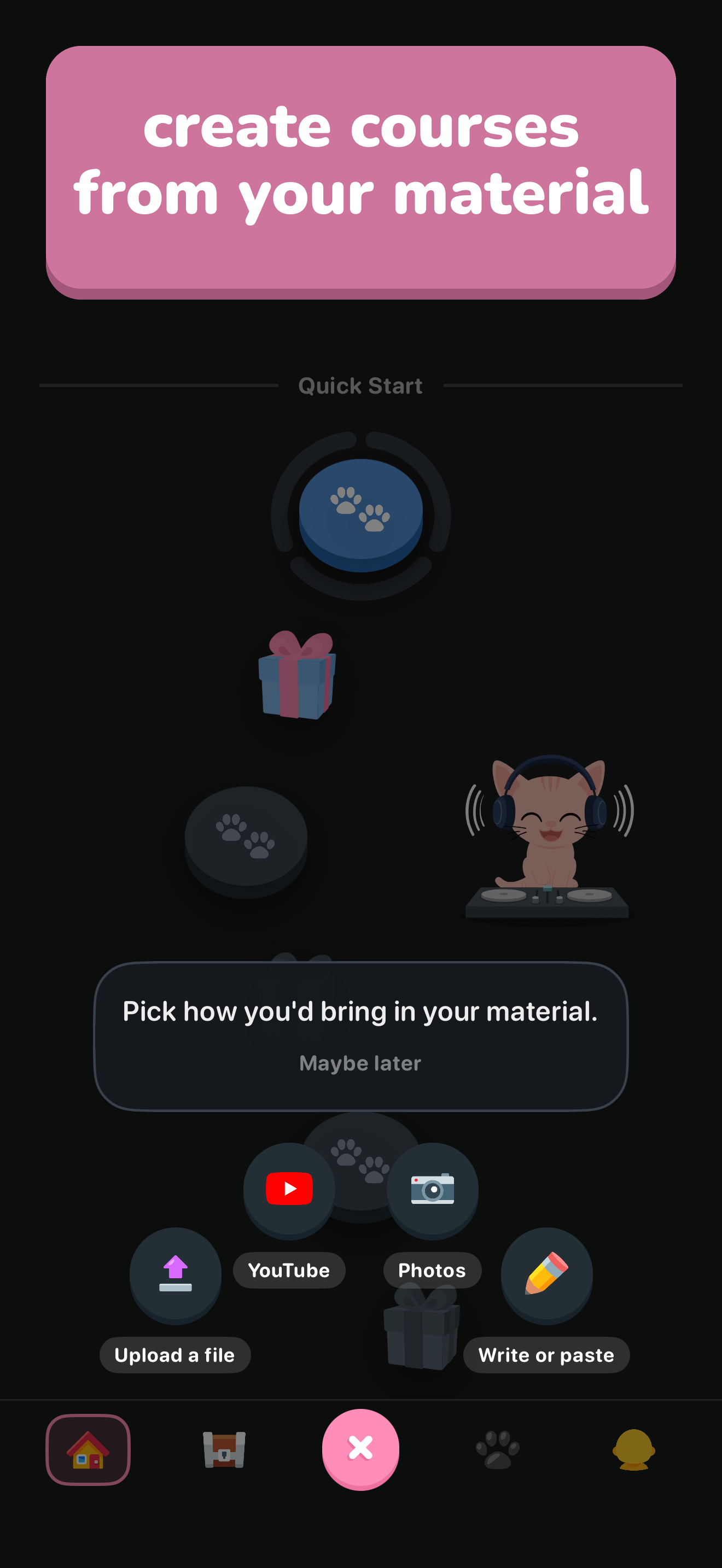
Create courses from photos, PDFs, audio, text, or YouTube.
-
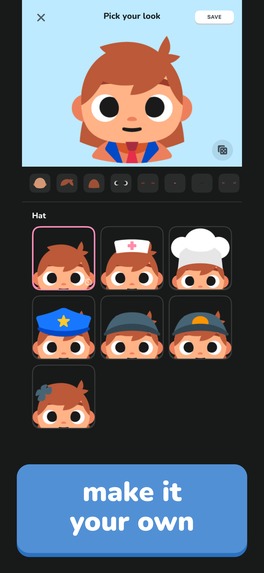
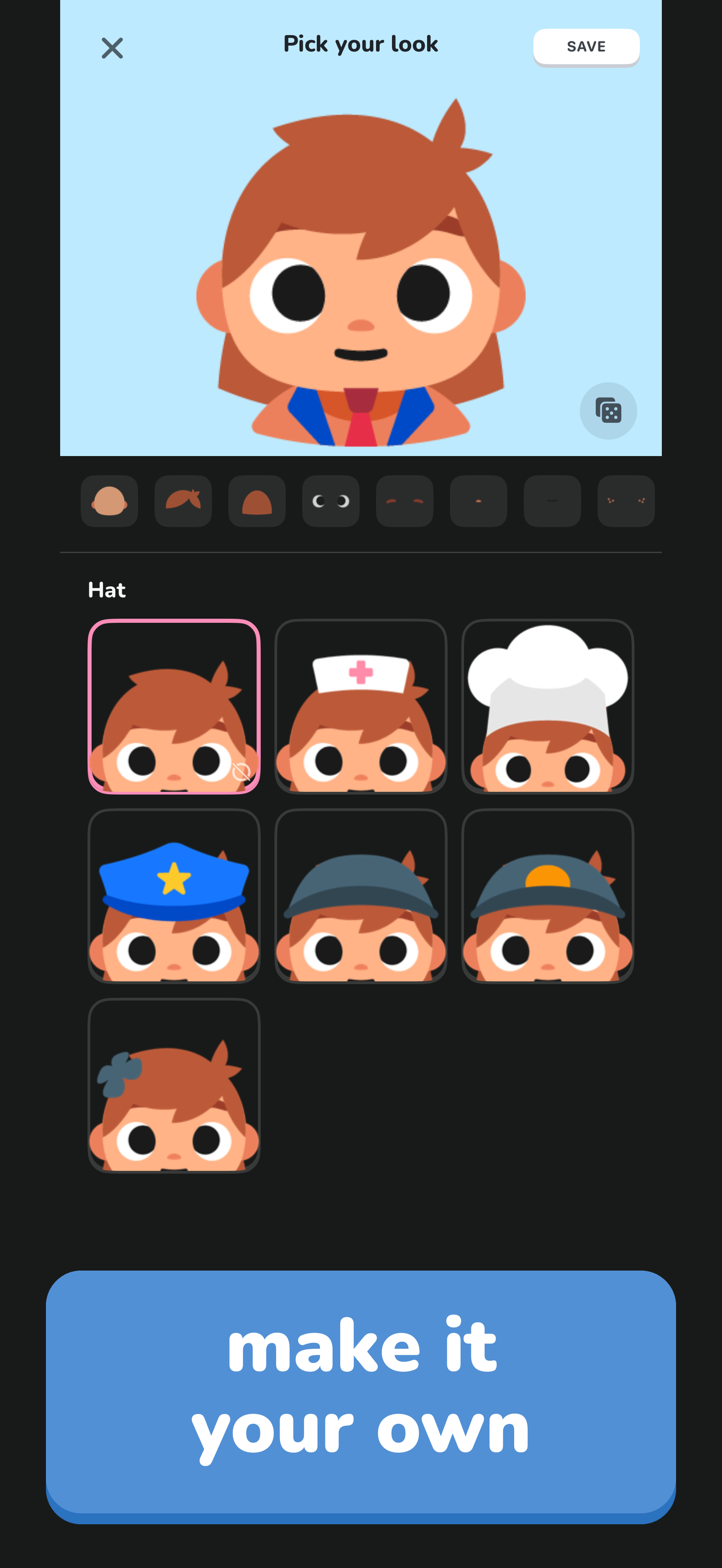
Personalize your avatar.
-
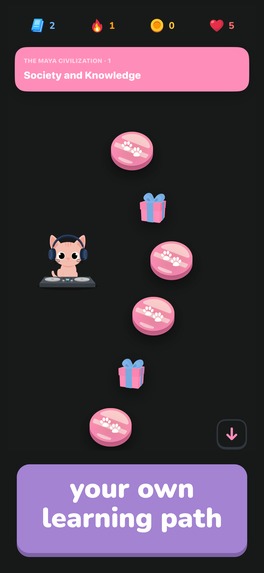
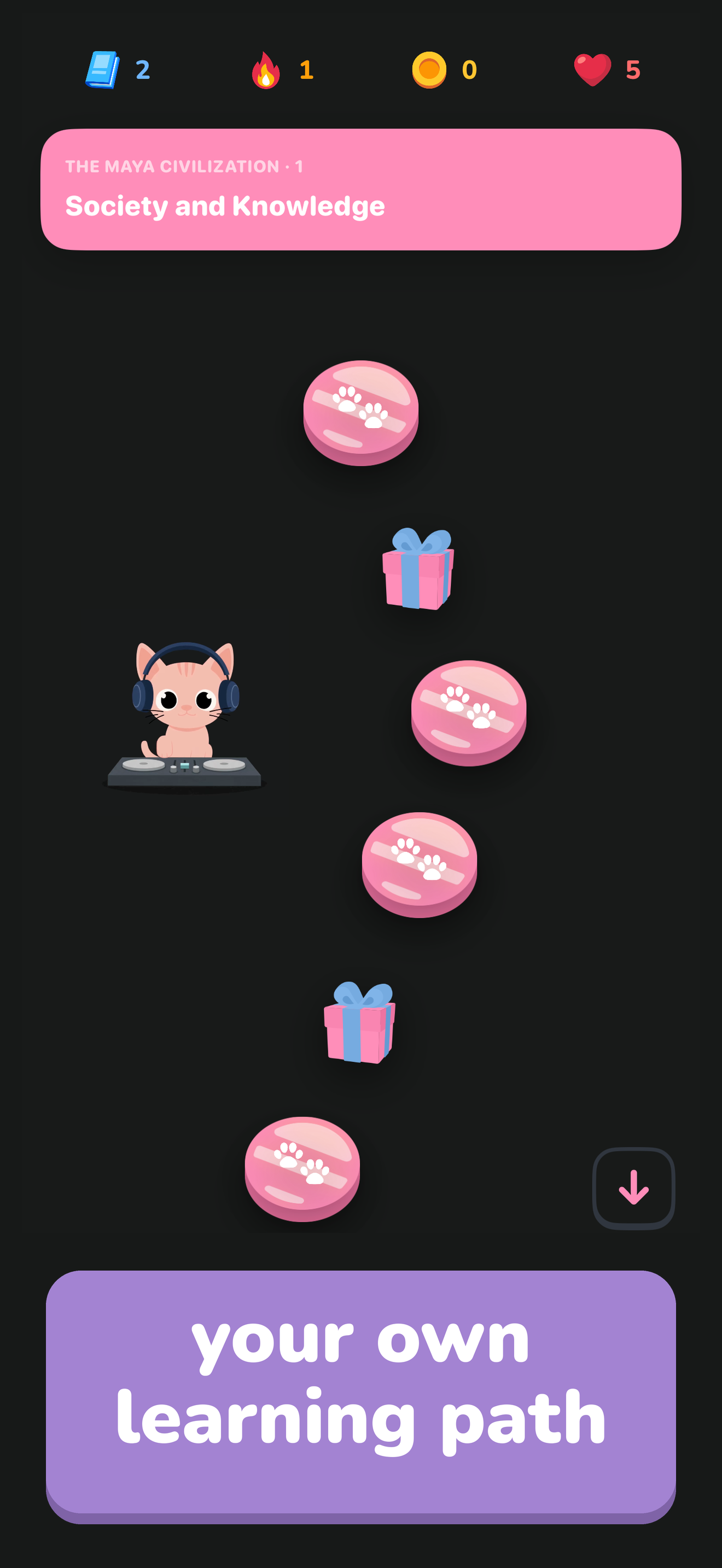
Follow your own learning path with Wit.
-

Witcat app icon, 1024 × 1024, uncropped.
-
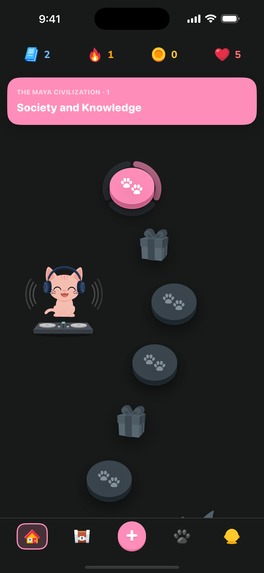
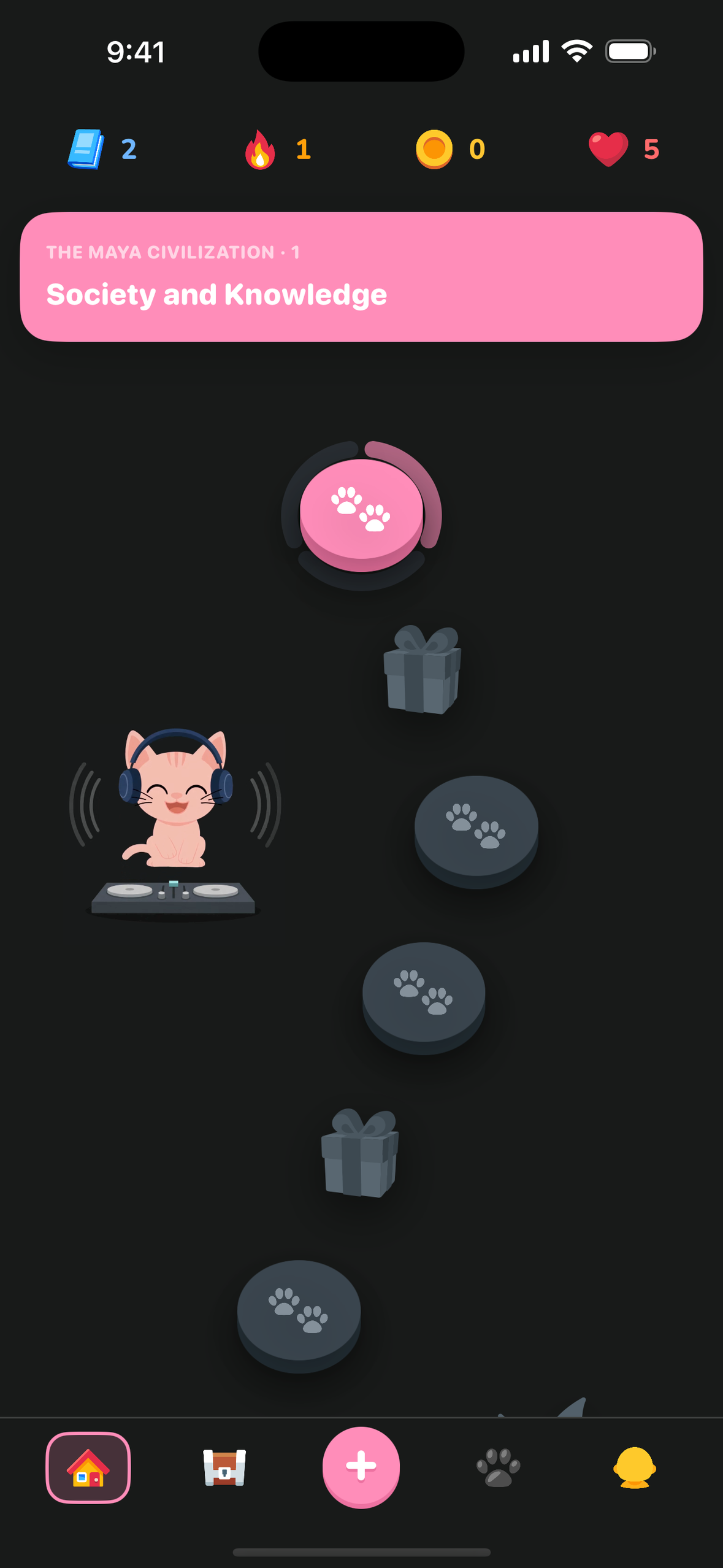
Learning path screenshot, 1179 × 2556, without a device frame.

Inspiration
Study material is everywhere: handwritten notes, PDFs, recordings and videos. Turning it into a study routine still takes work. I wanted the material someone already has to become a clear, inviting path they can return to each day. Witcat pairs that path with Wit, a cat companion who makes learning feel approachable.
What it does
Witcat turns your own study material into private courses with short, interactive lessons and practice. Start with photos, a PDF, audio, text or a supported YouTube link. Choose a lesson on the path, answer questions and build progress through XP, streaks, daily quests and rewards.
The app supports English and Spanish. You can complete the interactive introduction, browse the sample path, view your profile and customize your character as a guest for free. Creating personal courses and playing their lessons require Witcat Plus. Guests can subscribe without creating a Witcat profile, then later link an Apple or Google account while keeping their courses, progress and avatar.
How I built it
The iPhone app is built in Swift and SwiftUI. Convex stores course and progress data, Clerk handles profiles, and a Python and TypeScript backend coordinates source processing and course generation. OpenRouter powers course generation. RevenueCat connects the subscription experience to Apple's purchase system and entitlement management.
Generation is a staged process: the source is processed, a course is planned, and lesson content is produced and validated. Once material has finished uploading, course preparation can continue in the background. When an earlier unit is ready, learners can study it while the next unit is still being generated.
Design
The learning path is the center of the experience. Colored chapter banners, rounded lesson nodes, paw icons, a consistent pink accent and animated characters create a recognizable visual language. Dimensional buttons, sound, haptics and carefully timed transitions connect uploading, waiting, studying and celebrating progress.
The material flow keeps each next action clear: review the source, continue to a dedicated rights confirmation, then follow the upload in a compact sheet. Generation information stays concise, with more detail available in a bottom sheet. Visitors can dismiss the subscription offer and explore the sample path, profile and character editor before deciding to subscribe.
Monetization
Witcat Plus funds personal course creation and study through weekly and yearly subscriptions, including a introductory trial lasting seven days on the eligible annual trial plan. This supports the recurring cost of processing material and generating personalized lessons. Generation limits keep those costs bounded.
RevenueCat manages offerings and purchase entitlements. The app includes Restore Purchases, localized store pricing, renewal disclosures and links to manage subscriptions. Individual codes for one complimentary month of Plus are provided privately for judges, with automatic renewal disabled.
Challenges
The hardest parts were maintaining a consistent experience across guest and registered sessions, preserving progress during profile creation, and making asynchronous course generation understandable. Audio transcription can contain mistakes, so the prompt for course generation permits correction of clear recognition errors while preserving the meaning of the source.
Purchase restoration, account deletion, onboarding and the transition from guest to a new profile were tested on a physical iPhone. These flows received the same care as the learning screen.
Launch and what's next
Apple approved Witcat and it launched on September 30, 2026, in Mexico and the United States. The public launch is roughly one day old, so it is still too early to report meaningful traction or retention. Complimentary access has started going out to early testers.
My goal is to make Witcat part of a learner's daily study routine in both markets. I plan to publish TikTok and Instagram Reels that show real notes becoming playable lessons, collaborate with study creators, and invite small groups of learners to test the app with their own material. English and Spanish demos will make the experience easy to understand before downloading.
Alongside organic content, I plan to test Meta Ads with small budgets, compare messages and audiences, and increase spending when the results support it.
I plan to use PostHog for product analytics and AppsFlyer for campaign attribution, with appropriate consent and privacy controls. This will help connect acquisition campaigns to what learners actually do in Witcat: create their first course, finish a lesson, return to study and become Plus subscribers. I will compare those outcomes with acquisition costs, use experiments to improve the experience, and direct investment toward campaigns that bring learners who keep using the app. That gives each test a clear purpose and turns the results into decisions about what to improve and scale next.
Feedback from those learners will guide improvements to lesson quality, generation speed and the first study session. The ambition is to grow a sustainable subscription business around a product people keep using, with each successful study session giving them a reason to return and recommend Witcat.

Log in or sign up for Devpost to join the conversation.