-
-
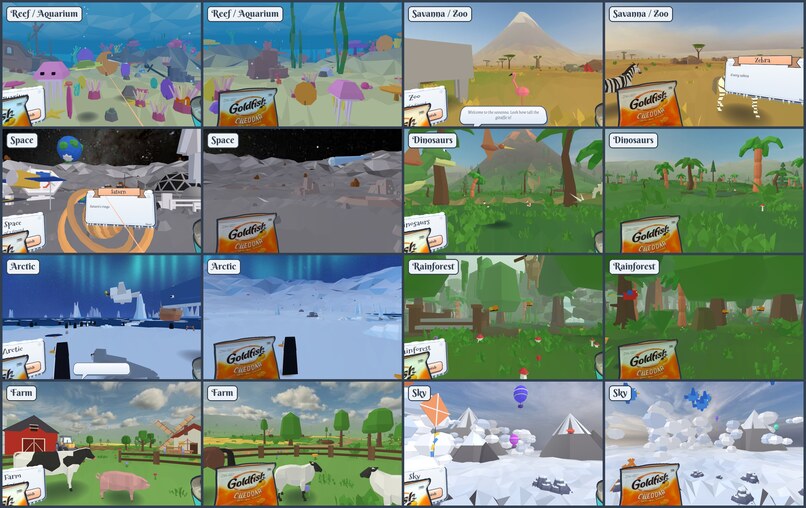
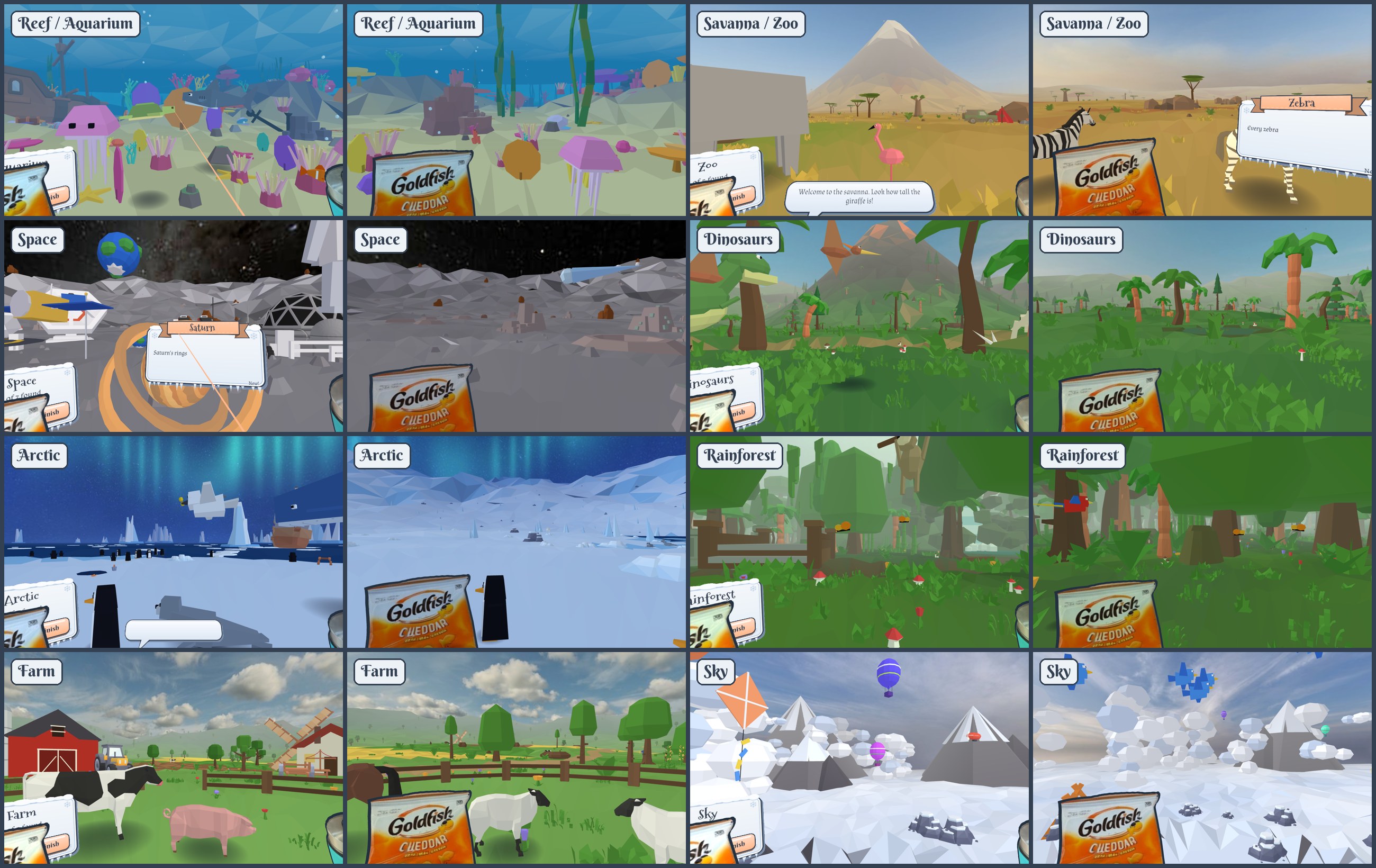
All 8 worlds, two views each: reef, savanna, space, dinosaurs, arctic, rainforest, farm and sky.
-
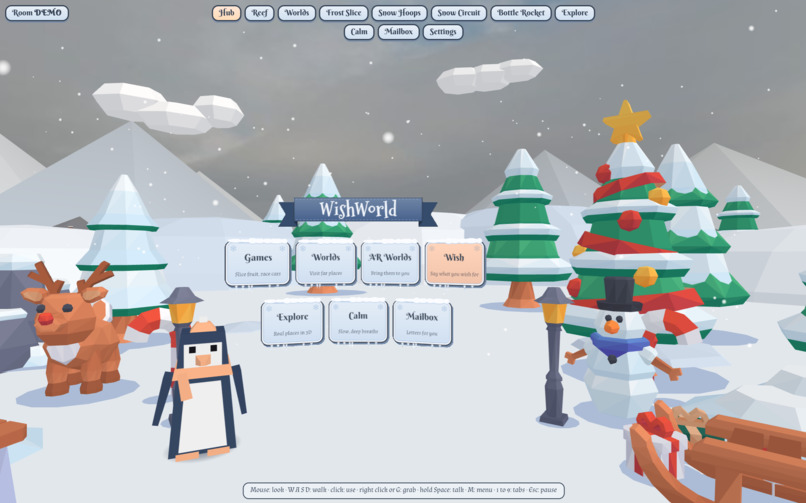
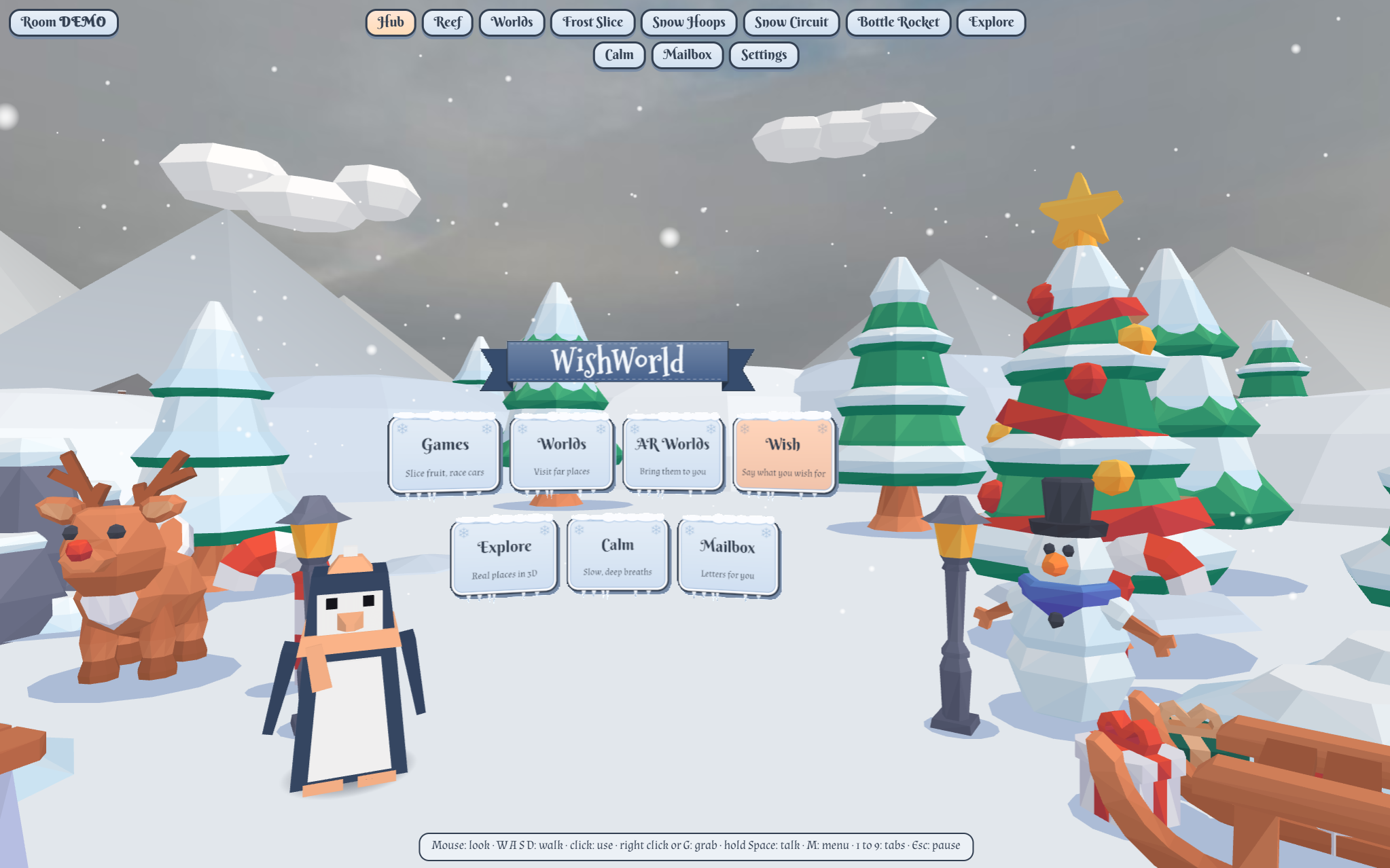
home view
-
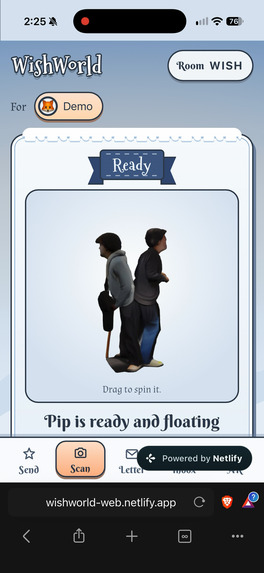
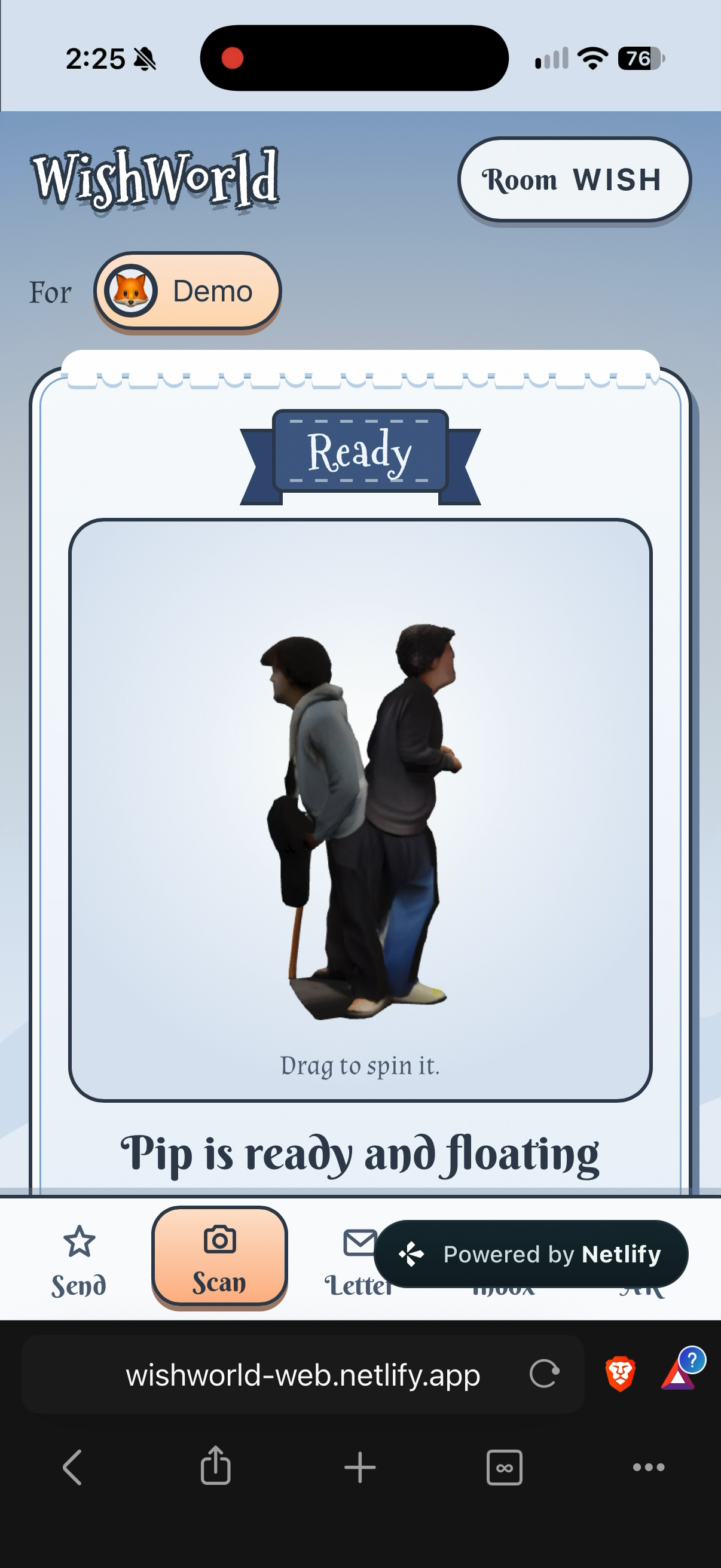
Neil and Rishul
-
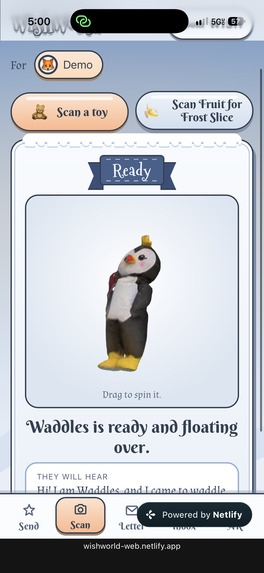
Tidal mascot Scan!!
-
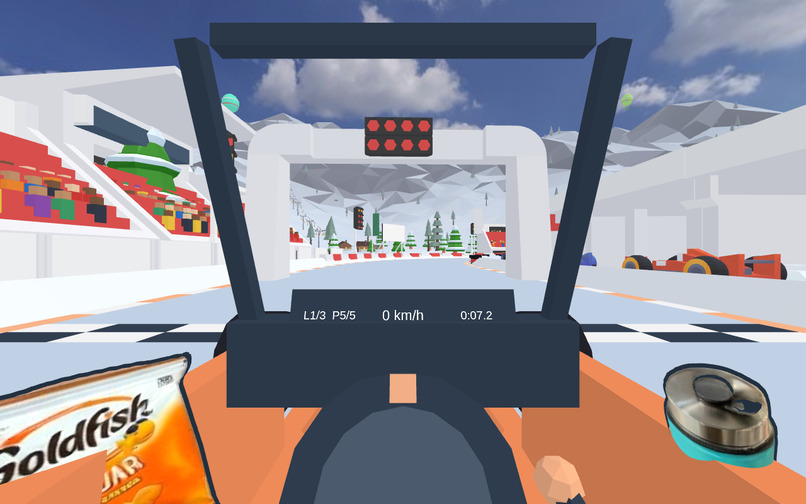
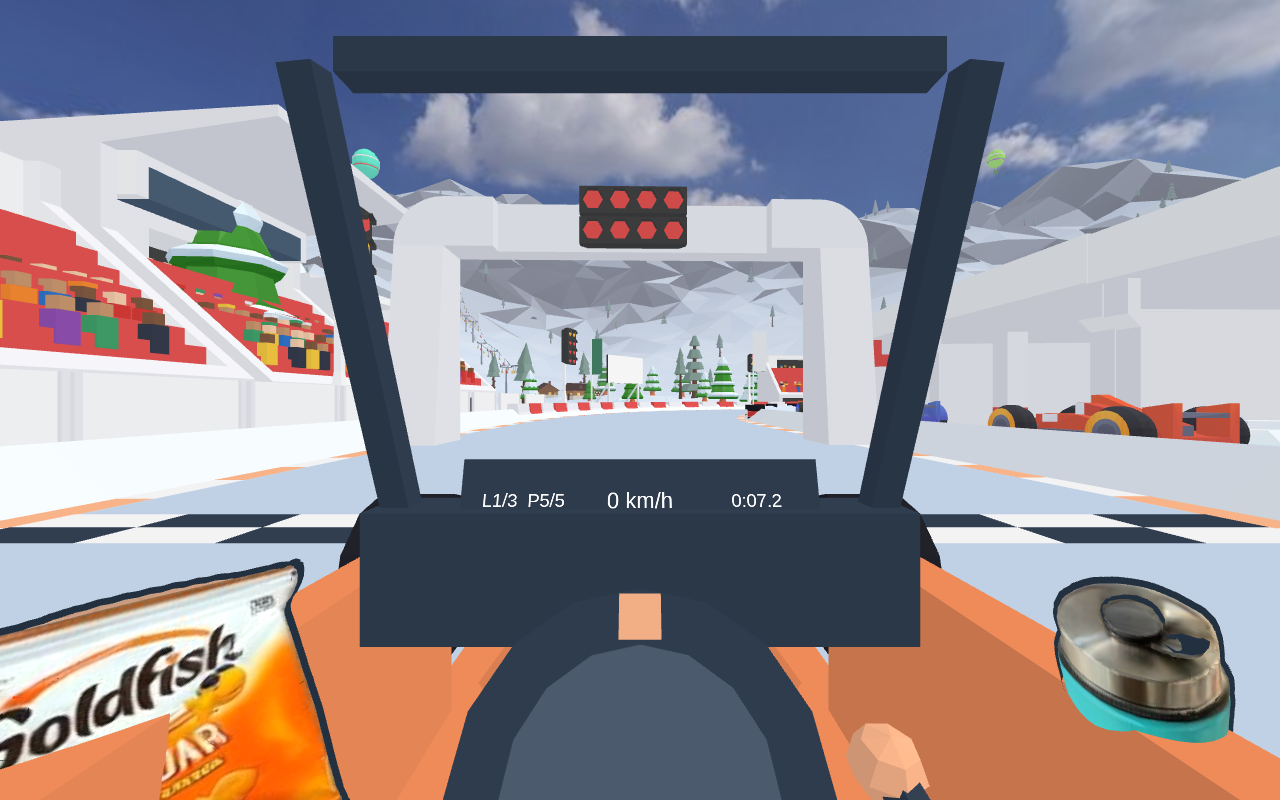
Snow Circuit: a seated kart race, with scanned buddies riding along.
-
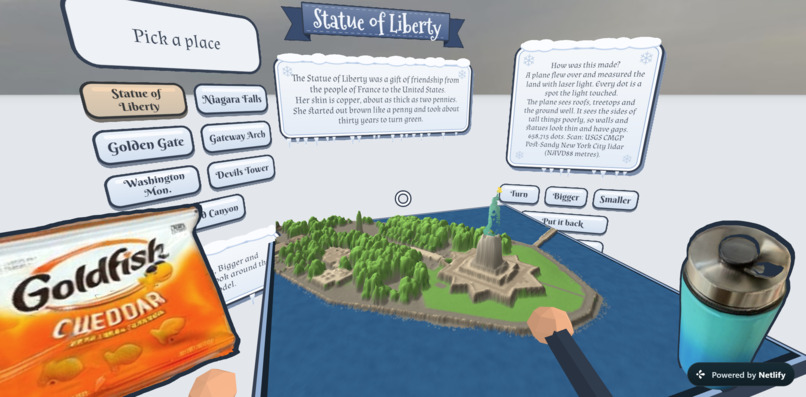
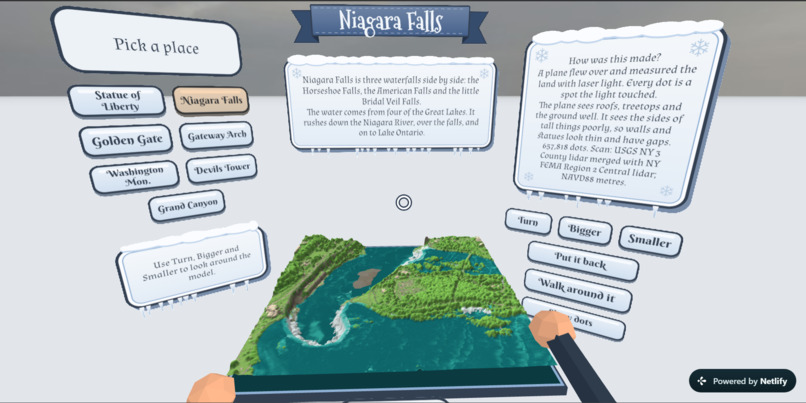
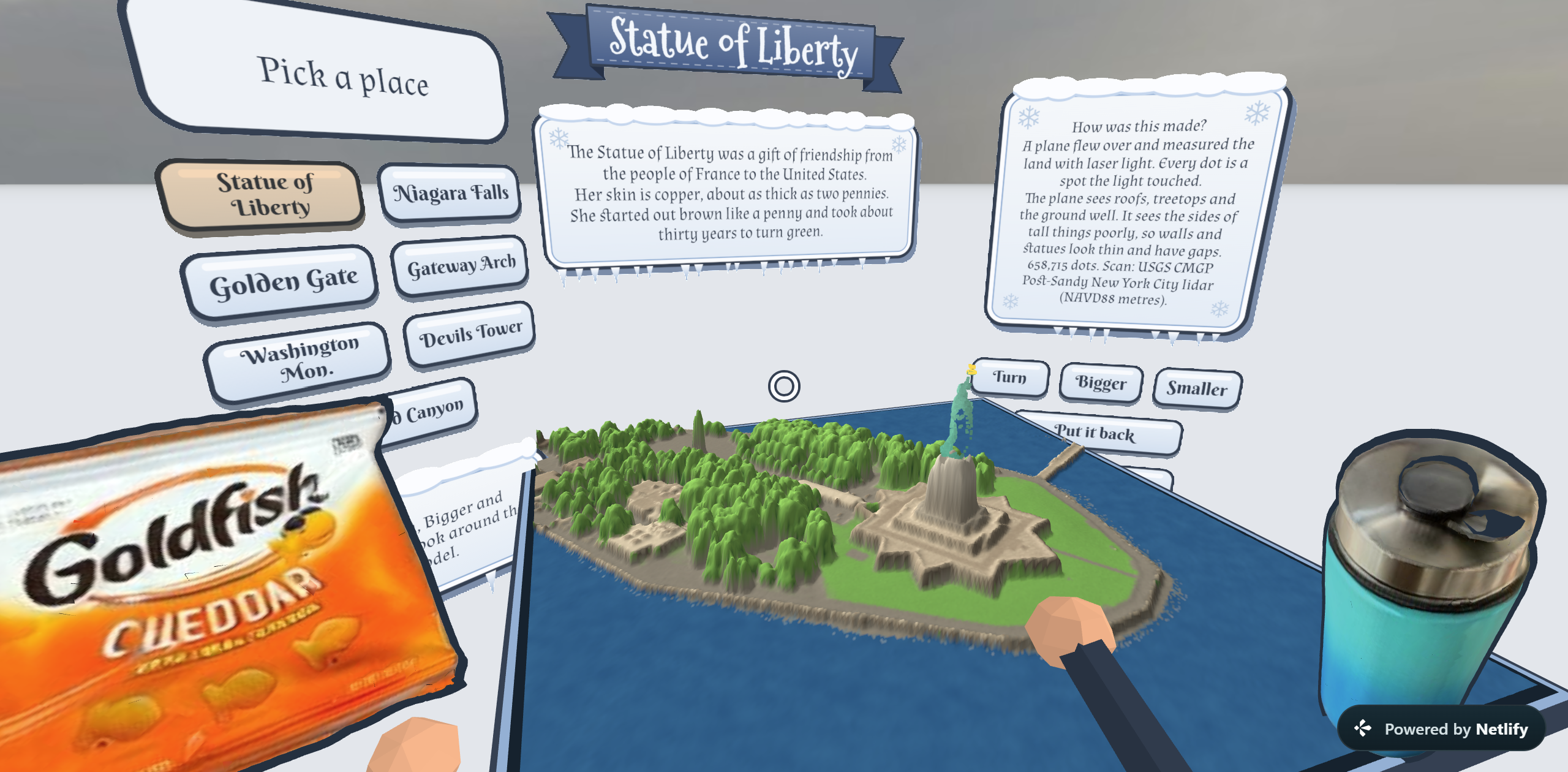
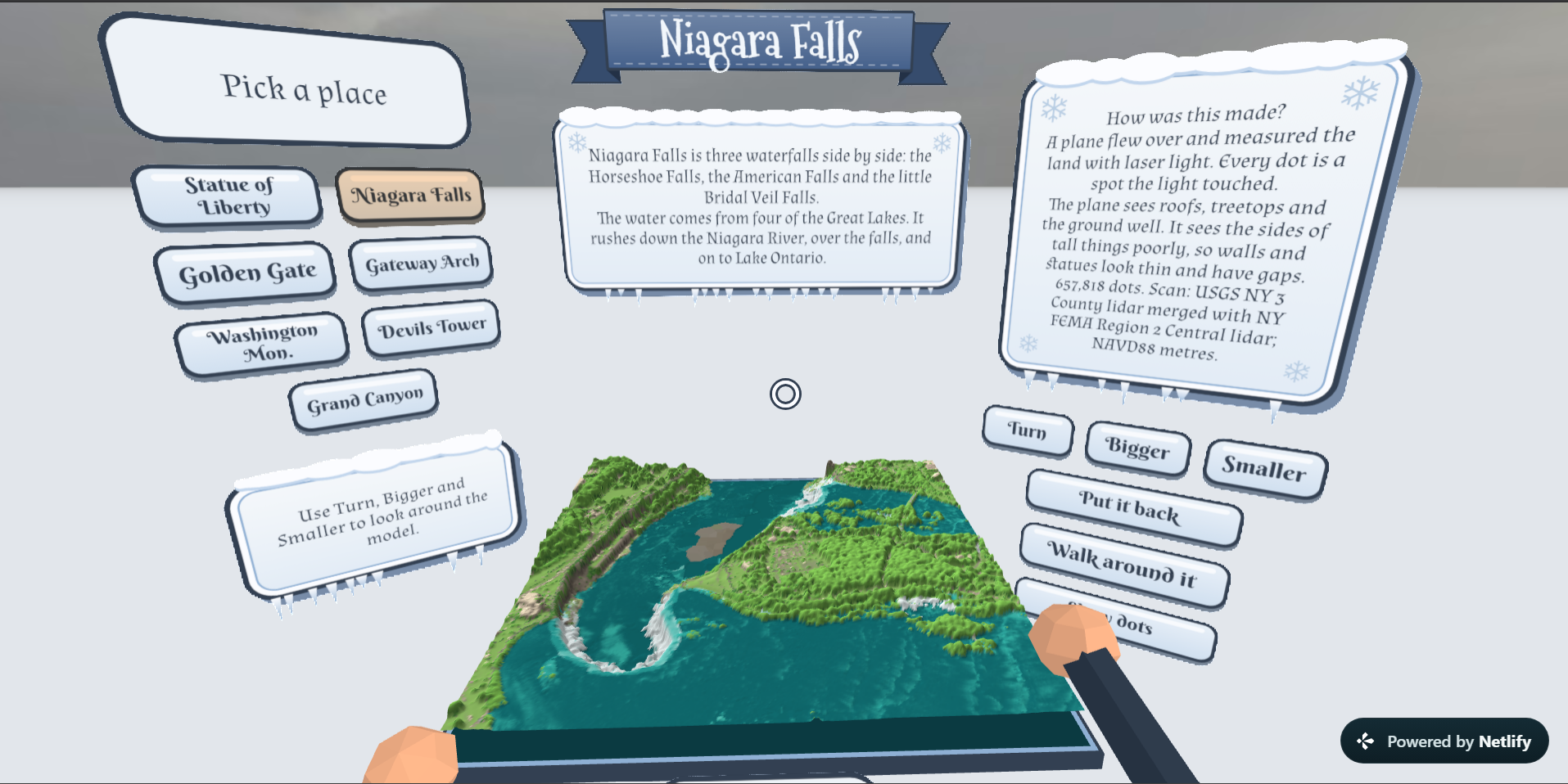
Explore lidar scans, so they can see real landmarks with real lidar views!!
-
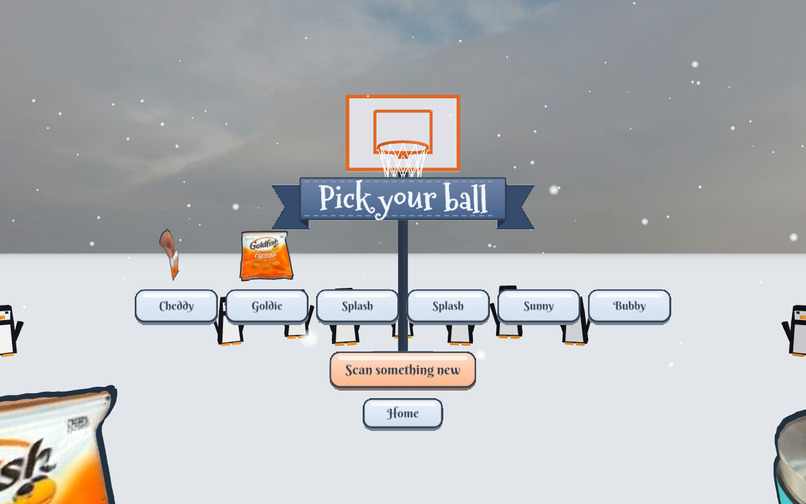
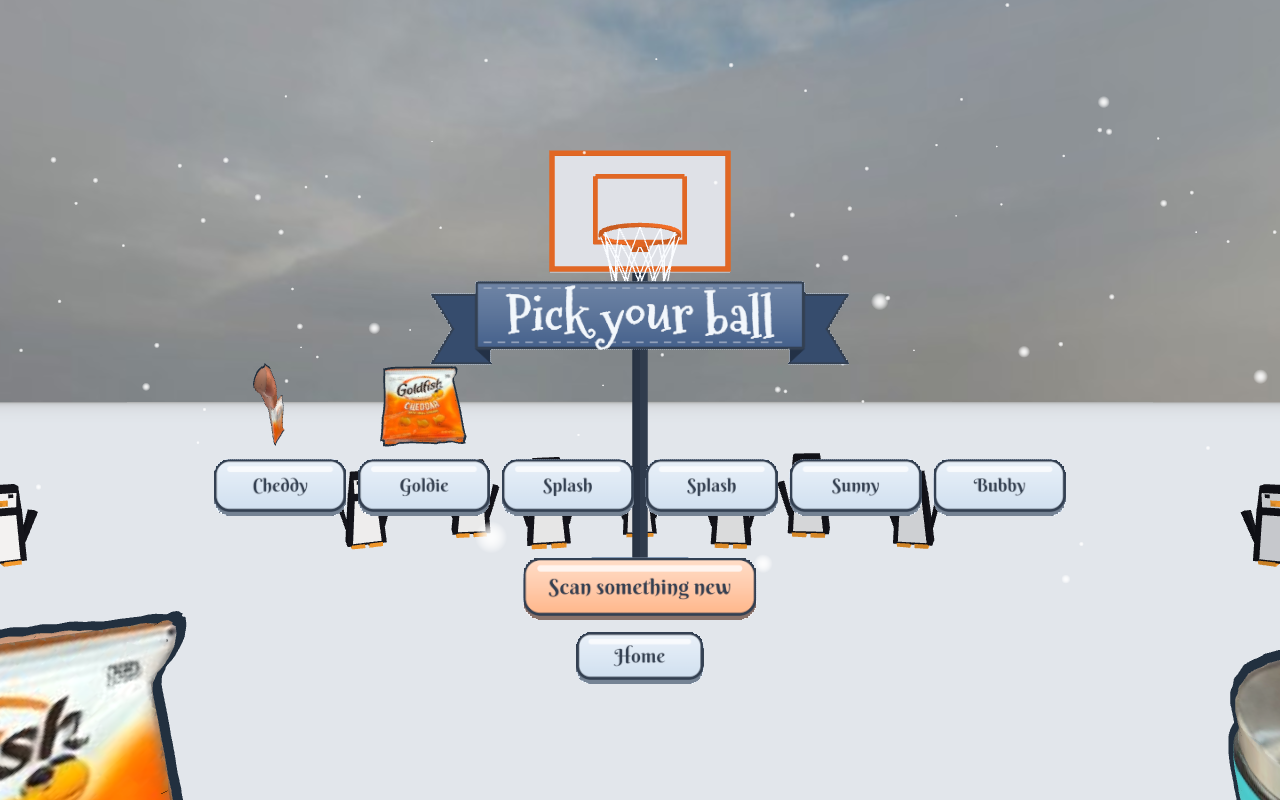
Snow Hoops: pick a basketball made from your own scanned toys.
-
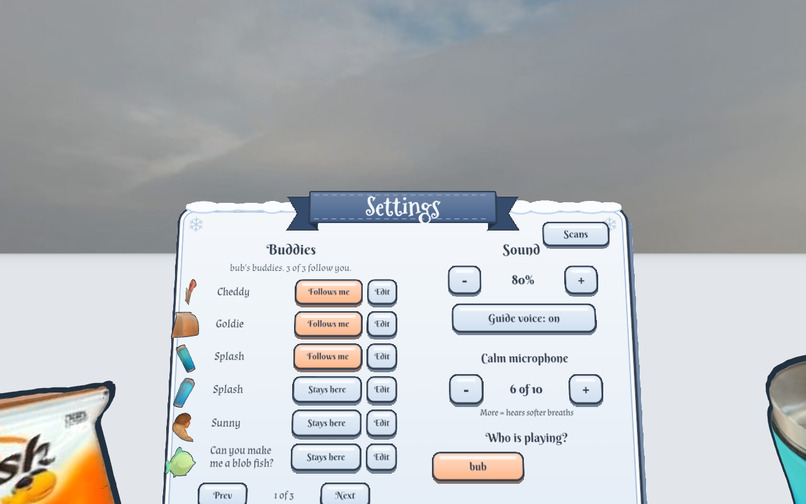
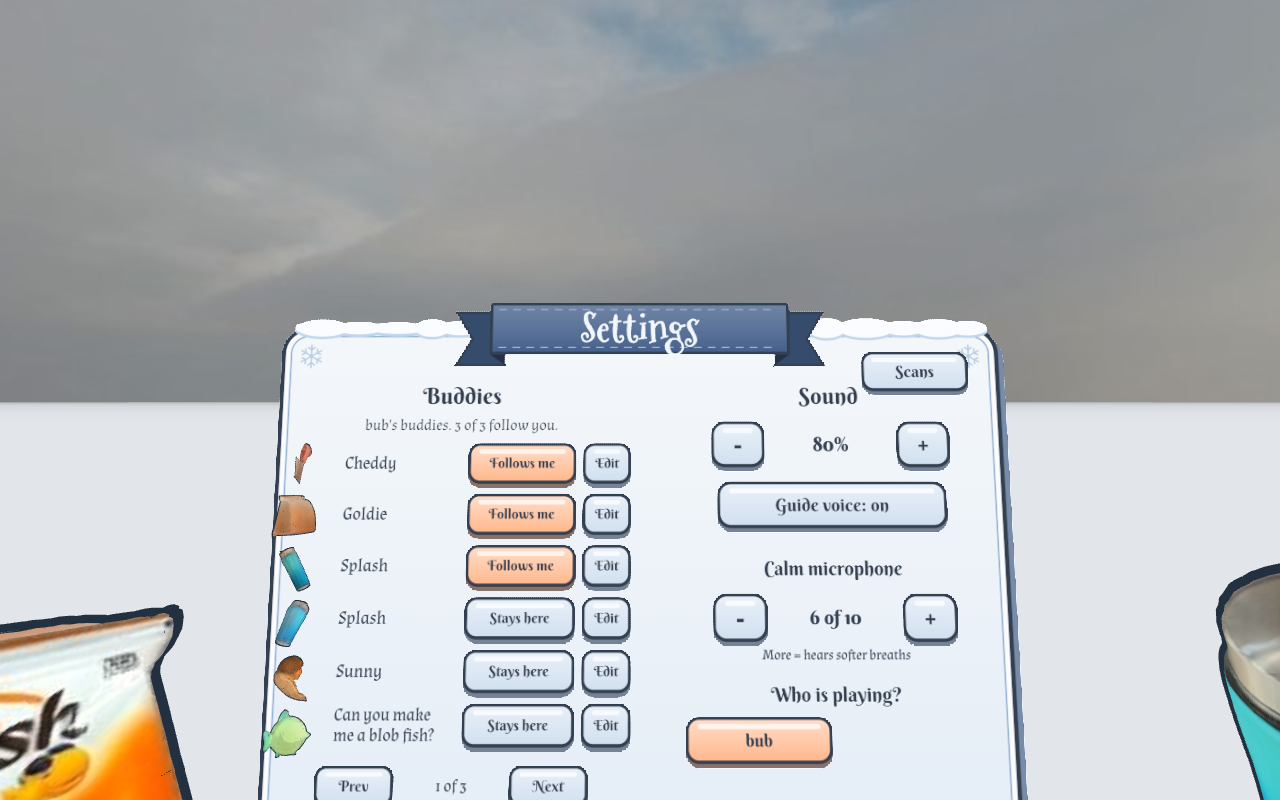
Scans become buddies: Settings lists every scanned toy and which ones follow you.
-
Inspiration
We started WishWorld with a simple question: what if kids who couldn't leave their hospital beds could still explore the world, create things, and have fun?
For children spending weeks in a hospital, there's only so much they can do. They miss their friends, their families, and the freedom to just be kids. We wanted to use VR, mixed reality, and AI to give kids a way to escape their surroundings, even if just for a little while, and to keep their families close while they do.
What it does
WishWorld is an AI-powered VR and mixed reality world for children in hospital, built for seated play on a Meta Quest 2 (it also runs in any browser).
Wishes become real 3D objects. A child (or a family member on their phone) says or types a wish like "a purple teapot with a smiley face". A friendly library creature appears instantly, and a few seconds later it is swapped for a 3D model generated from the wish itself. Repeat wishes come from a cache and are instant.
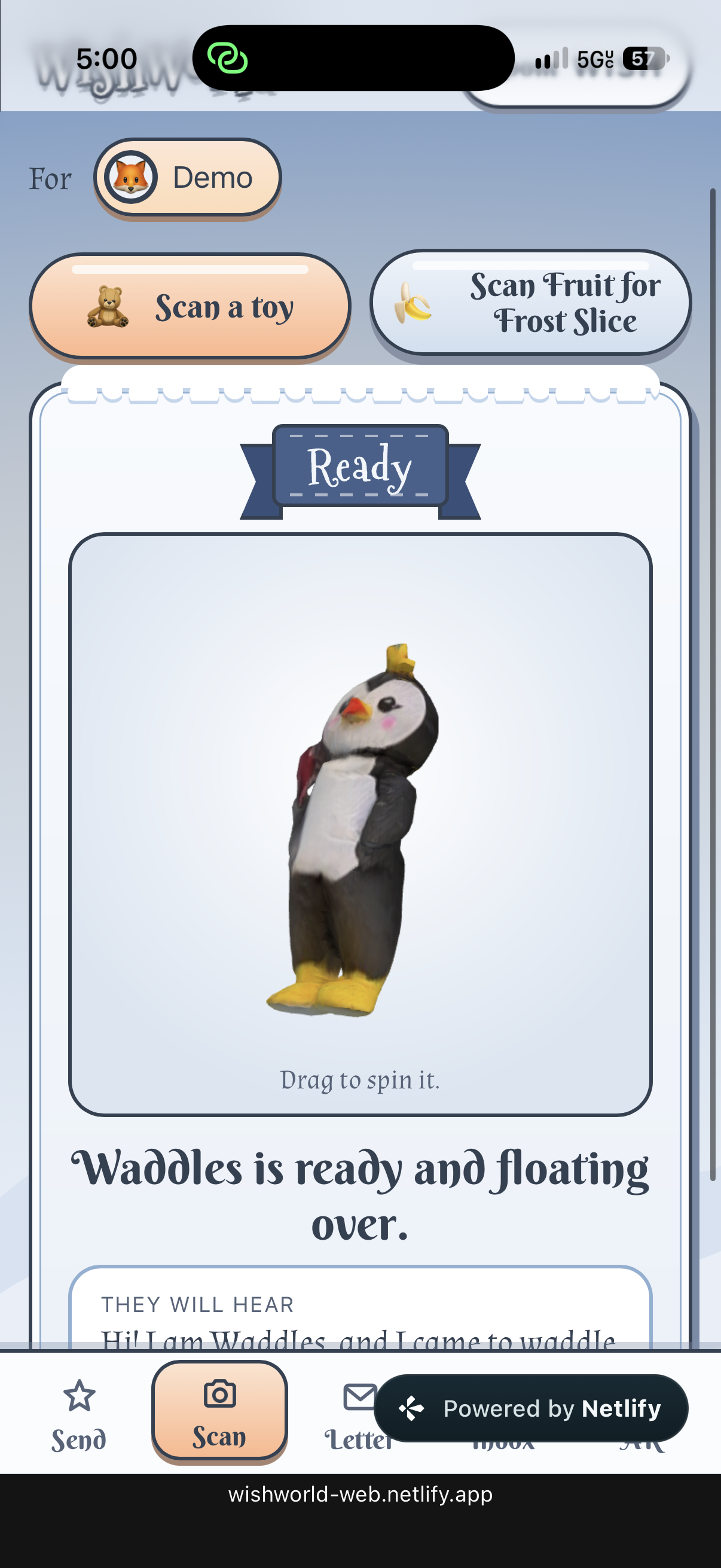
Scan your own toys. Families photograph a favourite stuffed animal (several photos for the back and sides) and it becomes a textured 3D companion. Our own plush, Bubby, is built from photos this way.
Living buddies. Scanned and generated models bob, sway, turn to look at the child, lean toward a hand, hop when poked and squash when petted, with no rigged animation needed. Up to three follow the child everywhere, and the one that "talks" moves with the guide's voice.
Games that use your scans:
- Frost Slice: slice flying fruit, or your own toys marked as fruit
- Snow Hoops: shoot hoops with a ball made from your scanned toy
- Bottle Rocket: scan a water bottle and fly it through rings with real thrust, drag and parachute physics
- Snow Circuit: a kart race on a snowy track
Explore real places in 3D from public LiDAR scans (Statue of Liberty, Golden Gate, Niagara Falls, Grand Canyon and more), walk around them, and learn facts.
Family connection. Parents and relatives send wishes, photo scans, and voice letters from the phone app (with a summer beach or snowy theme), choose which child it is for, and see a gentle activity feed in the Inbox.
Calm mode with breathing that the microphone can hear, an underwater reef with a school of fish and moving light, and a Settings board to choose buddies, rename or delete scans, pick which ones are fruit, and set volume, voice and microphone sensitivity.
Profiles. One headset, many children: each profile has its own buddies, mailbox and settings.
Safety first. Every wish and every family letter is checked by NVIDIA Nemotron Safety Guard and by Claude plus a word list before anything is built, shown or spoken. A wish like "a knife so I can hurt someone" is flagged unsafe in about 0.6 s and quietly becomes a butterfly.
How we built it
- Headset app: WebXR with three.js (plus a Unity 6 / OpenXR / Meta XR SDK build that shares the same API). Quest 2 tuning: fixed foveation, 72 Hz target, dynamic resolution, a shared toon material with outlines, instanced fish, HRTF positional audio and hand tracking.
- Backend: Netlify Functions (one function behind
/api/*), Netlify Blobs for models, photos and voice, and Neon Postgres for rooms, profiles, gifts, companions, events and metrics. - NVIDIA Nemotron on Brev: an L40S GPU running vLLM with Nemotron Nano 9B v2 (turns a wish into a structured scene plan: subject, colours, size, motion) and Llama 3.1 Nemotron Safety Guard 8B v3 (safety on every wish and letter).
- 3D generation: FLUX draws the wish, then Stable Fast 3D / TRELLIS / TripoSR build the model (Hugging Face Spaces), with fal.ai as a backup. Every model is slimmed on the server with glTF-Transform and meshoptimizer (at most 12,000 triangles, 1024 px textures) so the Quest 2 holds its frame rate.
- Voice: ElevenLabs, streamed so the guide starts speaking almost at once; speech-to-text for spoken wishes.
- Claude Haiku: picks the stand-in creature, writes the arrival line, answers the guide's questions, and is a second safety check.
See the tech flow diagram in the gallery.
Our own GPU: NVIDIA Nemotron on Brev
We run NVIDIA Nemotron ourselves on an NVIDIA L40S (48 GB) on Brev, served by vLLM behind an API key, with two models side by side:
- Nemotron Nano 9B v2 — the wish planner. A child's wish (typed, or spoken and transcribed) goes in; a structured scene plan comes out as JSON: the subject to build, its colours, size, mood, how it moves, where it lives and the closest everyday animal or object. Warm requests take about a second.
- Llama 3.1 Nemotron Safety Guard 8B v3 — the safety check. Every wish and every family letter is classified before it is built, shown or spoken. A note it flags is replaced with a gentle line; a wish it flags is never generated (in our tests, "a knife so I can hurt someone" was flagged as violence/weapons in 0.6 s and became a butterfly).
Getting this running was real GPU work: the newest vLLM needed a newer CUDA driver than the VM had, so we pinned vLLM 0.11 (PyTorch built for CUDA 12.8), put ninja and the CUDA 12.6 compiler on the path for its kernel builds, ran the hybrid Mamba model with a float32 state cache and eager mode, and routed our Netlify functions straight to the instance when the link proxy refused serverless traffic. The setup is one script in the repo (tools/brev/setup.sh).
How Nemotron's plan matches our presets
Nemotron does not just write free text: its plan is snapped onto WishWorld's own preset options, so every wish plugs straight into the game:
- motion is one of
swim · fly · hop · walk · float · wiggle, and picks the living-creature animation style (how the model bobs, sways, hops and breathes) - size (
tiny · small · medium · big) and place (water · air · ground) set scale and where it appears - creature is matched against our library of creatures, so an instant stand-in that fits the wish appears straight away
- subject becomes the prompt for the 3D model and the key for the cache, so the same wish in other words reuses the model
- anything unclear or unkind falls back to a friendly preset (a sea turtle), and the safety verdict decides whether anything is built at all
Text to 3D: buddies from a sentence
A wish becomes its own model: Nemotron's subject → a picture (FLUX) → a textured 3D model (Stable Fast 3D, TRELLIS or TripoSR) → slimmed on our server to at most 12,000 triangles with glTF-Transform and meshoptimizer → stored and cached. The child sees a library creature instantly, then watches it turn into the real thing, named after the wish, with its own fact card. Every generated model becomes a buddy that can follow the child, look at them, be poked and petted, and talk along with the guide's voice.
Scan your favourite toy and play with it
Families photograph a favourite toy from the front, sides and back on the phone; it becomes a textured 3D model and a companion in the headset. Then the toy joins the games:
- Snow Hoops: the scanned toy is the basketball
- Frost Slice: mark scans as "fruit" in Settings and they fly in to be sliced, splitting into two tumbling copies
- Bottle Rocket: scan a real water bottle and it becomes the rocket body
- Settings → Scans: see a 3D preview of every scan, hide it, delete it, or choose which ones follow you
Challenges we ran into
Making AI-generated content actually work inside a 3D environment: generating something is one thing, but it has to appear in the right place, at the right scale, facing the child, light enough for a Quest 2, and arrive without making the child wait. We solved that with an instant stand-in that swaps for the real model, a cache, and server-side mesh optimisation.
Running Nemotron ourselves: the newest vLLM needed a newer CUDA driver than our GPU instance had, so we pinned versions, built kernels on the machine, and routed around a proxy that blocked our serverless functions.
We also balanced Unity and WebXR (Unity gave control, WebXR gave speed), and designed every interaction for kids who can't move around much.
Accomplishments that we're proud of
Bringing VR, mixed reality, generative 3D, and NVIDIA Nemotron safety into one experience that a family can actually use from a phone. Letting a child's own toy become their companion and their basketball. And building it around a specific audience instead of another general-purpose VR game.
What we learned
Building for VR is very different from building a web app: frame rate, comfort and scale matter everywhere. Integrating AI into an interactive world is much harder than calling an API. And designing for children in hospital beds forced us to think about accessibility, comfort, safety and simplicity at every step.
What's next for WishWorld
Native TRELLIS on our own GPU for better models, multi-photo scans by default, work with child life specialists and hospitals to test it in real pediatric settings, and bringing it to kids stuck at home with long-term illness.
Try it: https://wishworld-web.netlify.app (Play in browser, or open on a Quest) · phone app: https://wishworld-web.netlify.app/phone/ · code: https://github.com/SuryaThirukonda/tidalbyte
Built With
- brev
- claude
- elevenlabs
- hugging-face
- javascript
- meta-quest
- nemotron
- neon
- netlify
- postgresql
- three.js
- unity
- vllm
- vr
- webxr
