-
-
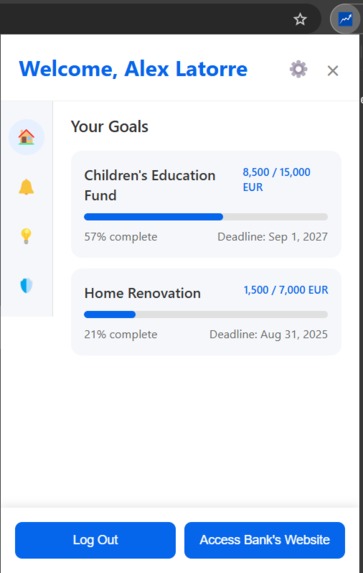
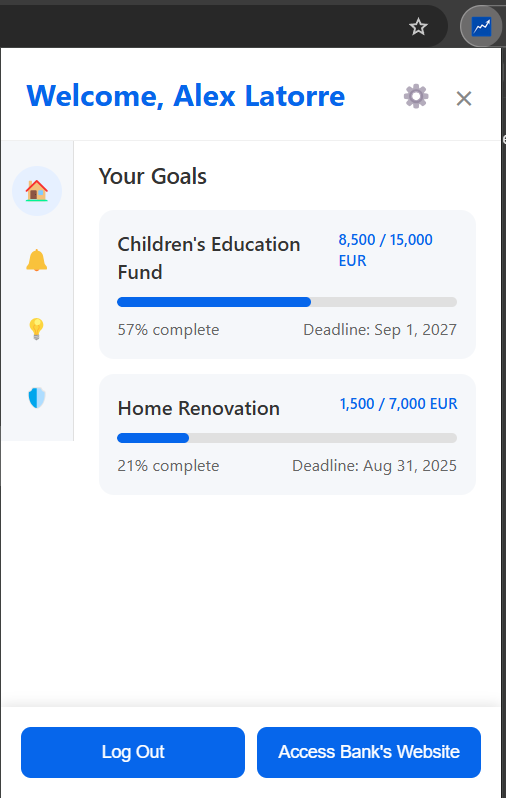
Home Screen (Goals Display)
-
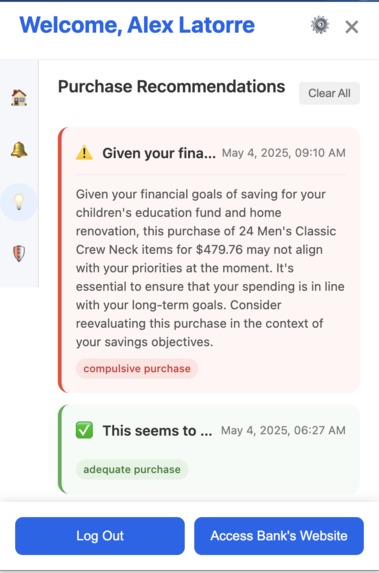
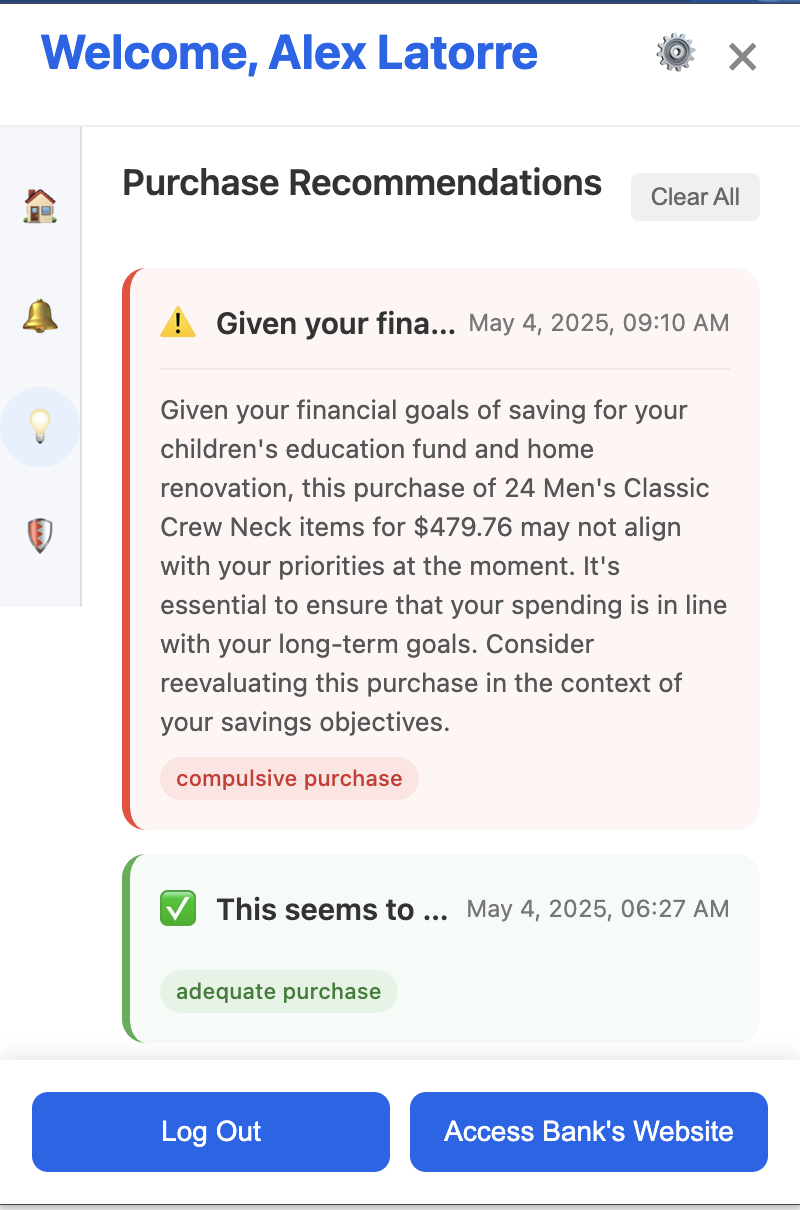
Recommendation Screen
-
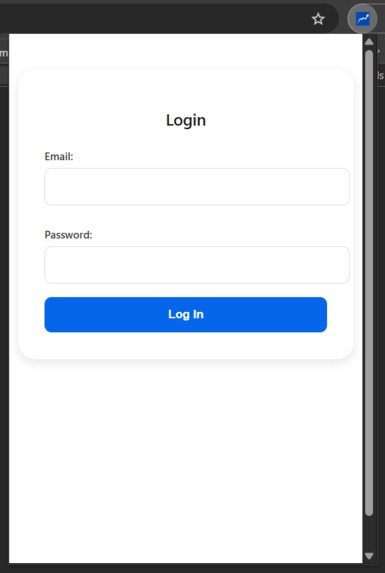
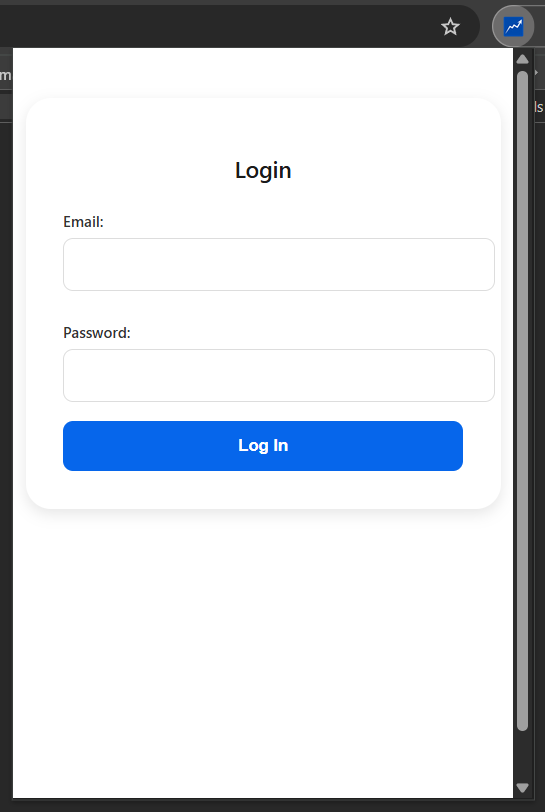
Log In Screen
-
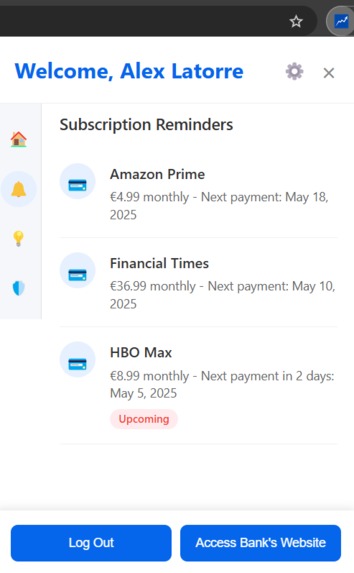
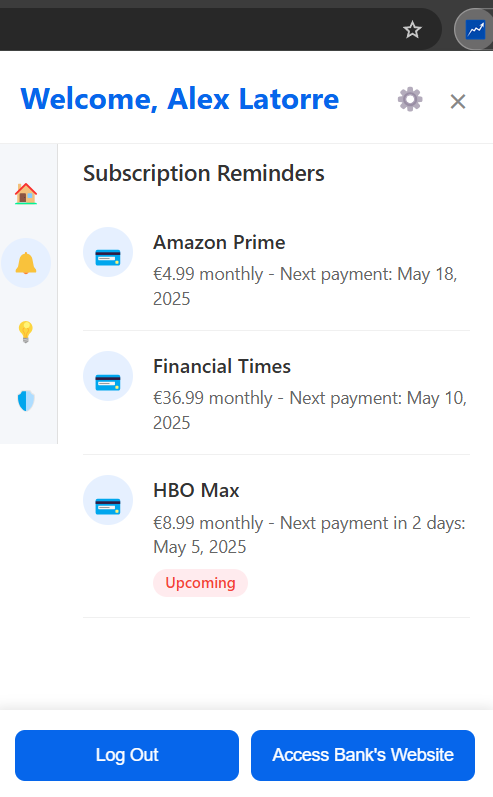
Subscription Reminders
-
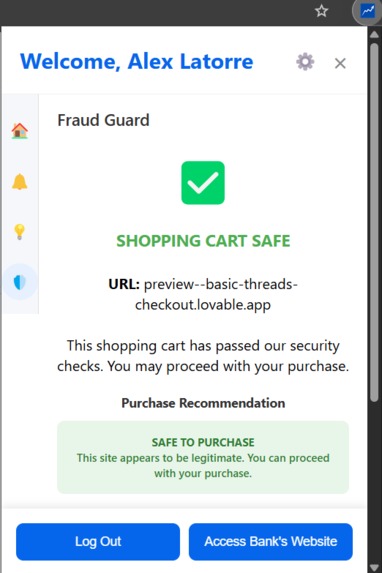
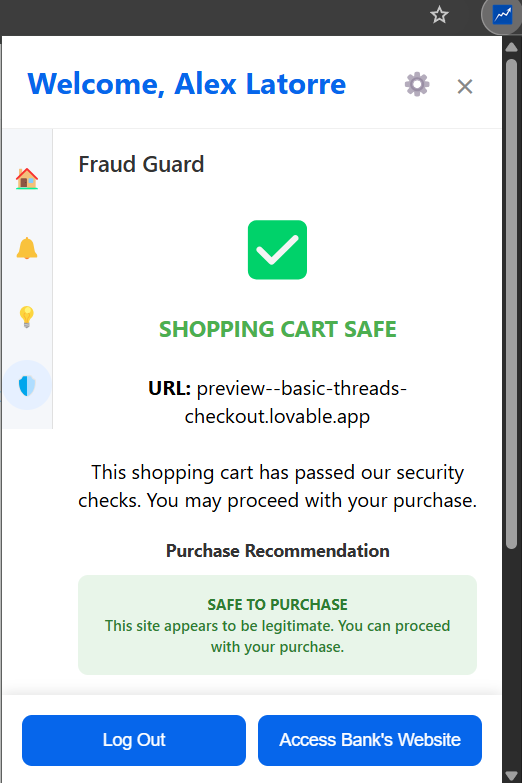
Safe cart detected in the Fraud Guard
-
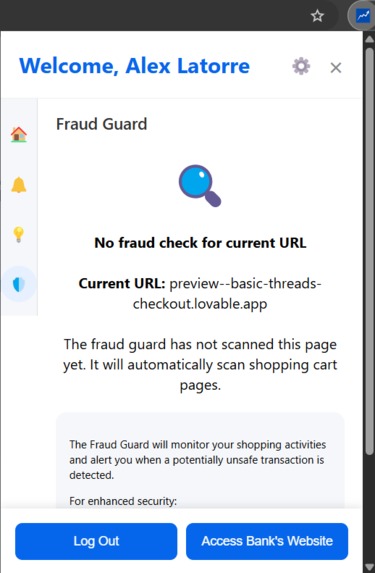
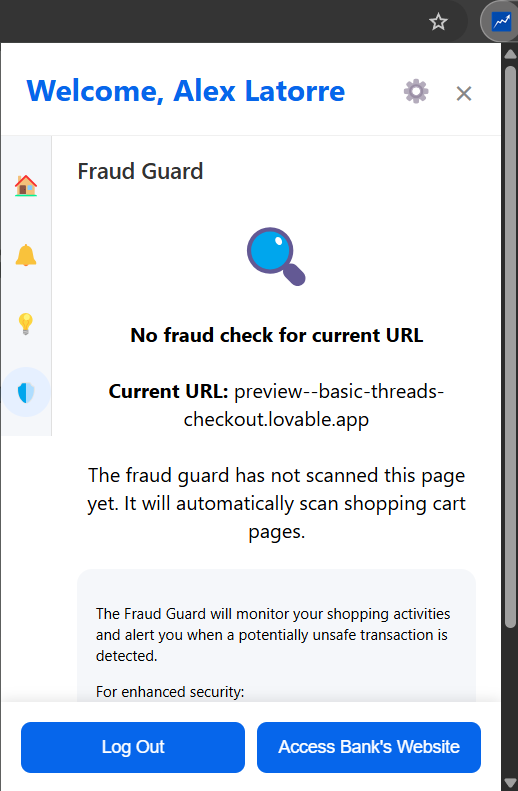
No Shopping Cart detected, No Fraud Guard scanning
-
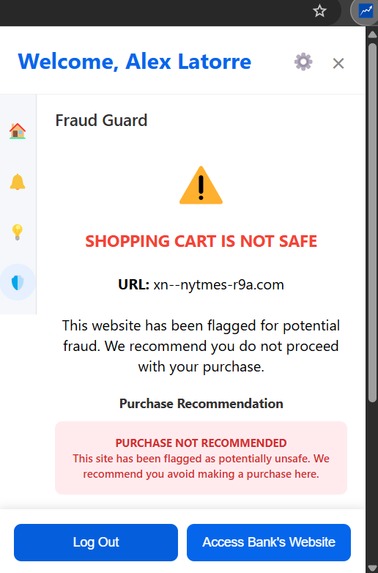
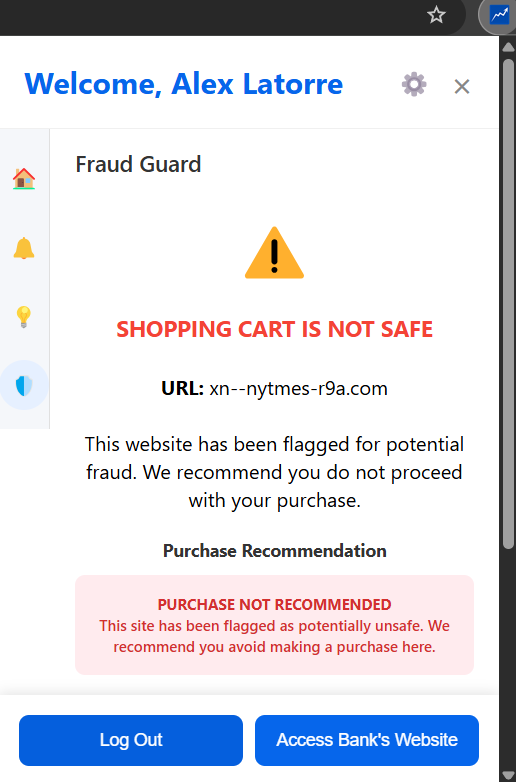
Not Safe cart detected in the Fraud Guard
Inspiration
We were inspired by a major frustration many people experience: the difficulty of recognizing purchases on bank statements, which often show obscure merchant names or cryptic transaction codes. When reviewing credit card statements a month after purchasing, it's common to wonder "What did I actually buy here?" Additionally, we've observed how impulsive online purchases frequently derail financial goals, and many of us have experienced subscription fatigue or fallen victim to deceptive e-commerce practices. We wanted to create a tool that generates clear descriptions of purchases that integrate with banking statements for better financial tracking, while also empowering users with real-time financial insights as they shop online, helping them make more informed decisions before clicking "checkout."
What it does
WiseBuy is a browser extension that acts as your financial guardian while shopping online. It:
- Analyzes spending habits to provide personalized financial insights
- Provides real-time feedback on how purchases impact your financial goals
- Monitors bank transactions related to online purchases
- Detects potentially fraudulent websites using URL and content analysis
- Identifies and helps manage subscription services to prevent unused recurring charges
How we built it
We developed WiseBuy using a combination of technologies:
- A Chrome/Edge extension with JavaScript frontend (background scripts, content scripts, popup UI)
- Python backend with FastAPI for data processing and analysis
- MongoDB for user data and transaction storage
- OpenAI API for content analysis and purchase description generation
- VirusTotal API integration for enhanced fraud detection
- JWT authentication for secure user sessions
- The extension architecture includes content scripts that analyze e-commerce pages, a background process for continuous monitoring, and a popup interface for user interactions.
Challenges we ran into
- First time developing a Google Chrome extension
- Chaining LLMs to get better solutions
- Creating an idea that felt new in fintech
Accomplishments that we're proud of
- Building a functional prototype
- Creating an intuitive UI that presents complex financial information in an accessible way
- Developing a subscription frequency analysis algorithm that accurately identifies recurring payments
- Implementing real-time transaction monitoring with minimal latency
- Creating a seamless integration between the extension and our backend services
- Building a complete solution during the time constraints of the hackathon
What we learned
- The intricacies of browser extension development and security models
- How to effectively use AI APIs for content analysis and description generation
- How to build secure authentication systems for browser extensions
- Collaborative development workflows for rapid prototyping
Built with
Languages: JavaScript, Python, HTML, CSS Frameworks: FastAPI for backend API development Database: MongoDB for user data and transaction storage APIs: OpenAI API for content analysis and purchase descriptions, VirusTotal API for fraud detection Authentication: JWT (JSON Web Tokens) for secure user sessions Browser Technologies: Chrome/Edge Extension API, Content Scripts, Background Scripts DevOps: GitHub for version control, uvicorn for ASGI server Libraries: pymongo for database interaction, python-dotenv for configuration management, requests for API communication
What's next for Widget HackUPC
- Developing a mobile companion app for on-the-go financial insights
- Expanding compatibility to more browsers (Firefox, Safari)
- Implementing direct integration with major banking APIs
- Adding social features to compare spending habits with friends or similar demographics
- Creating a marketplace for custom financial goal templates
- Improving subscription detection with a comprehensive database of subscription services

Log in or sign up for Devpost to join the conversation.