Inspiration
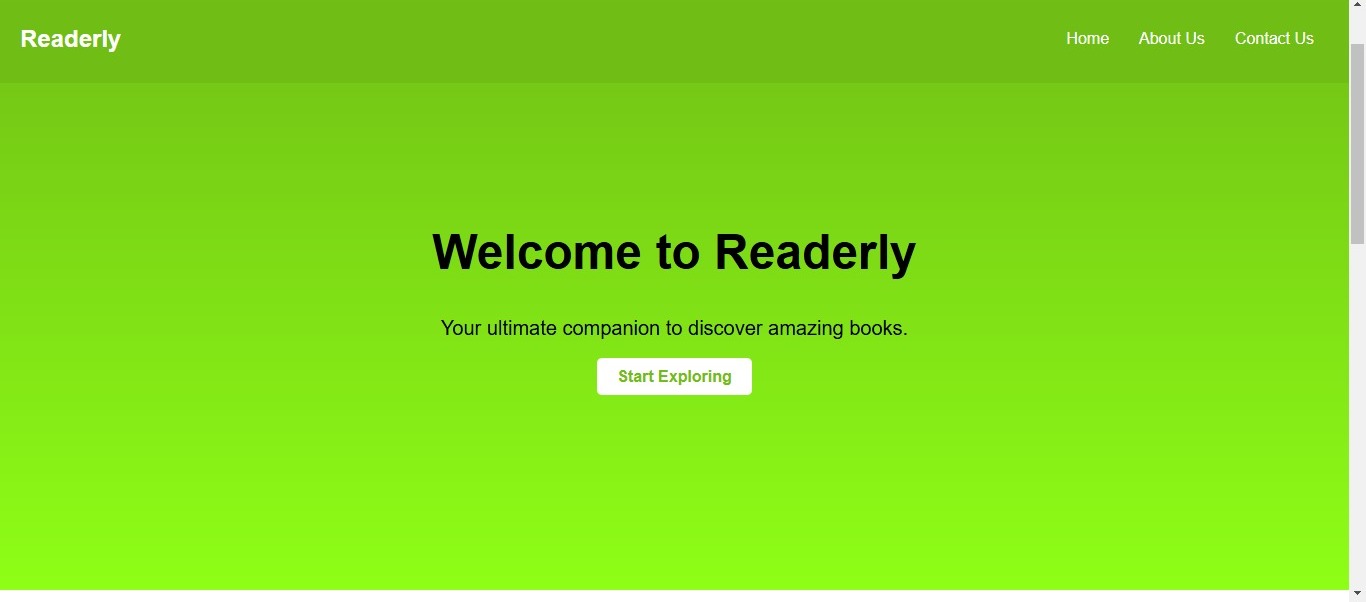
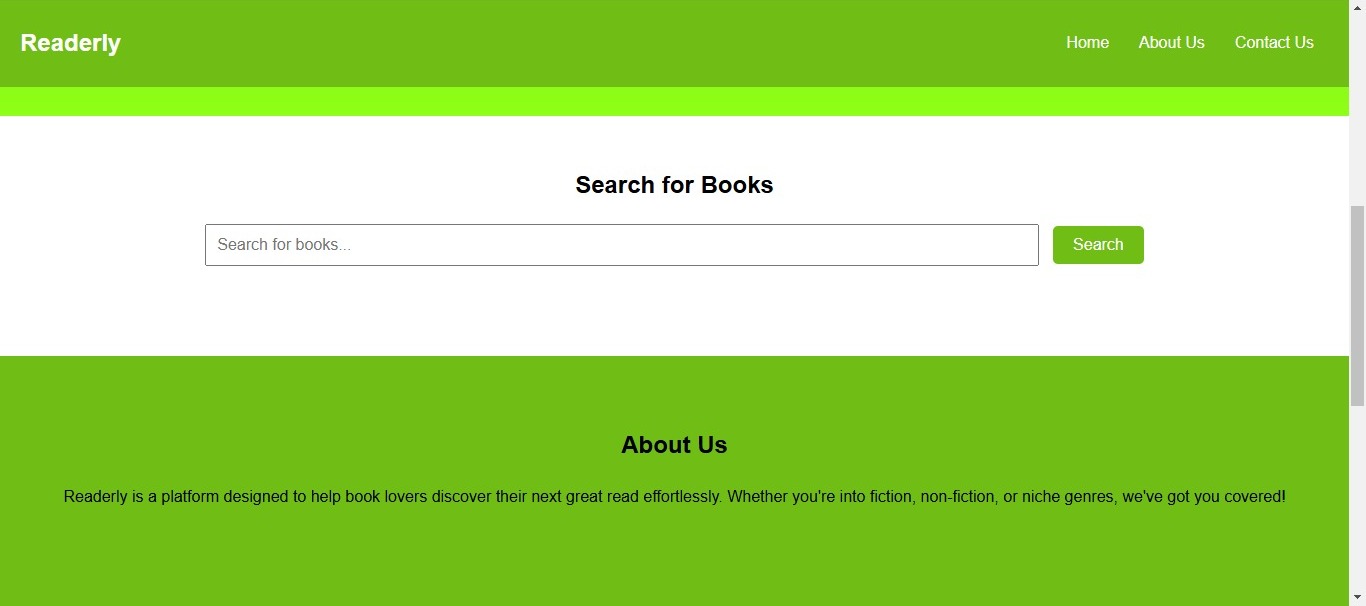
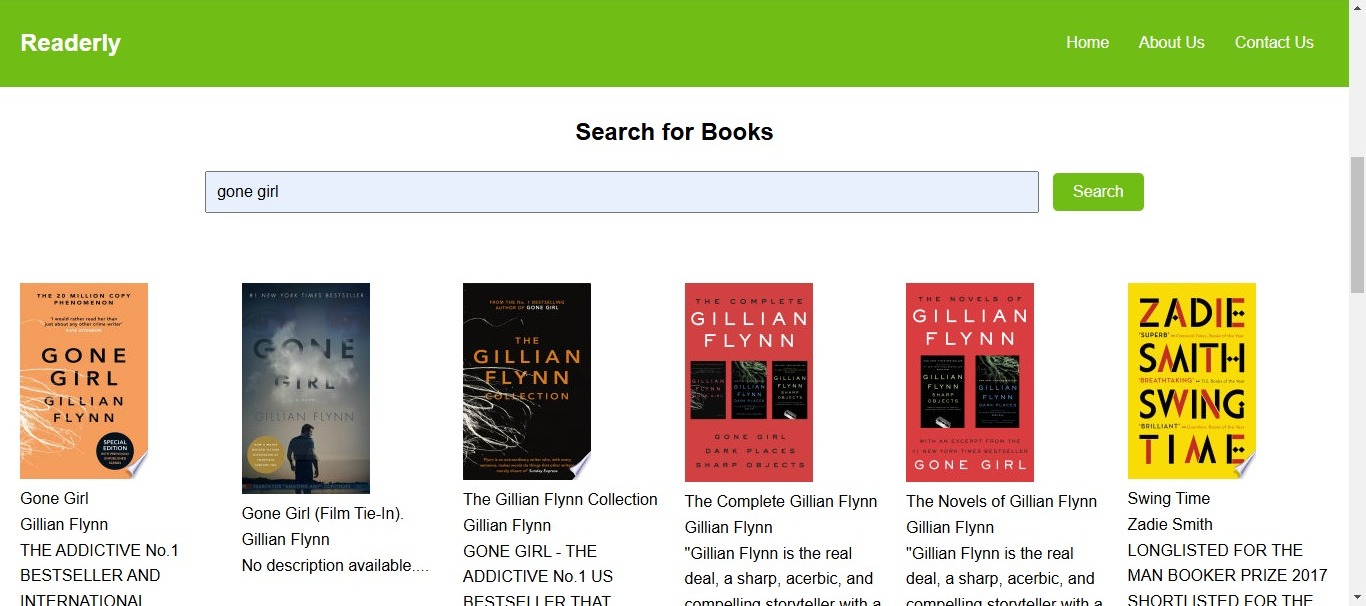
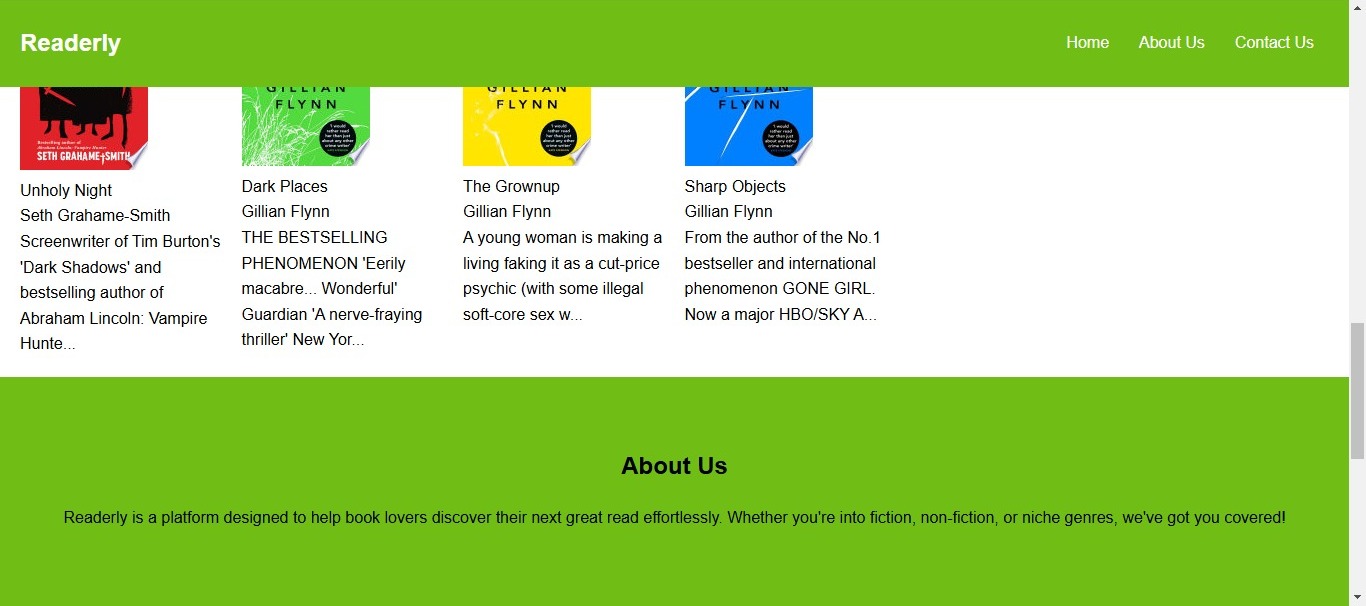
Readerly was born out of my deep passion for literature and technology. As an avid reader and aspiring tech enthusiast, I often felt the need for a platform that bridges the gap between casual reading and in-depth literary analysis. The idea struck me during a late-night conversation with friends about how we could better organize, share, and discuss books that resonated with us. I wanted to create a tool that would not only encourage reading but also foster a community of book lovers who could share insights, reviews, and recommendations in an intuitive and interactive way.
How we built it
I divided the development process into several stages:
Research and Planning
Conducted surveys and interviews with potential users to understand their needs. Drafted wireframes and flowcharts to outline the platform’s functionality. Technology Stack
Frontend: Built with React.js for its dynamic and responsive capabilities. Backend: Developed with Node.js and Express.js to manage APIs. Database: Utilized MongoDB for efficient and scalable data storage. Deployment: Hosted on AWS with GitHub for version control. Features Implemented
User Profiles: To personalize the reading experience. Book Recommendations: Using machine learning to suggest books based on user preferences. Community Forum: A space for users to share reviews and engage in discussions. Reading Tracker: To help users monitor their reading goals and habits. Testing and Iteration
Conducted beta testing to identify bugs and gather feedback. Iteratively refined the UI/UX and backend performance.
Challenges we ran into
Feature Creep: I initially wanted to include too many features, which risked overwhelming users. Prioritizing core functionalities was a challenge but ultimately improved the platform. Time Constraints: Juggling Readerly with academic work required careful planning and efficient execution. Technical Hurdles: Debugging complex code and ensuring seamless integration between the frontend and backend were significant technical challenges. User Adoption: Encouraging users to try the platform and providing sufficient value to retain them took creativity and persistence.
Accomplishments that we're proud of
Building Readerly was more than just a project—it was a journey of creativity, growth, and perseverance. It allowed me to combine my love for books and technology while learning the nuances of product development and community building. This experience has solidified my aspiration to create tech-driven solutions that make a difference in people's lives.
What we learned
Embarking on this project was a transformative learning experience. Some key lessons included:
User-Centered Design: I discovered the importance of creating a user-friendly interface that caters to diverse audiences, from casual readers to literature enthusiasts. Collaboration and Feedback: Building Readerly taught me the value of collecting feedback during the development process to refine features and improve usability. Technical Growth: This project expanded my knowledge of full-stack development, integrating front-end technologies with back-end databases to create a seamless experience. Time Management: Balancing this project with academic commitments honed my project management skills.
What's next for Readerly
Readerly is just the beginning. I aim to enhance the recommendation engine using advanced AI algorithms, integrate voice-to-text features for audiobooks, and expand the community aspect by introducing virtual book clubs and author interactions.
Built With
- midiuti
- python

Log in or sign up for Devpost to join the conversation.