
Memory Hugs 💗
Why this matters
- 55M+ people are living with dementia worldwide today — projected to reach 139M by 2050. Alzheimer's Disease International
- In the U.S., an estimated 6.9M adults 65+ are living with Alzheimer’s today, potentially growing to 13.8M by 2060. PubMed
- 11M+ family caregivers provide about 18.4B hours of unpaid care every year, often with little support. PubMed
Alzheimer’s isn’t just memory loss — it reshapes families, daily routines, and emotional lives.
Memory Hugs 💗 is our attempt to build something practical and demo-ready:
a multimodal Alzheimer’s screening + monitoring dashboard that’s CPU-friendly, interpretable, and designed for “test input → run → outcome”.
What it does
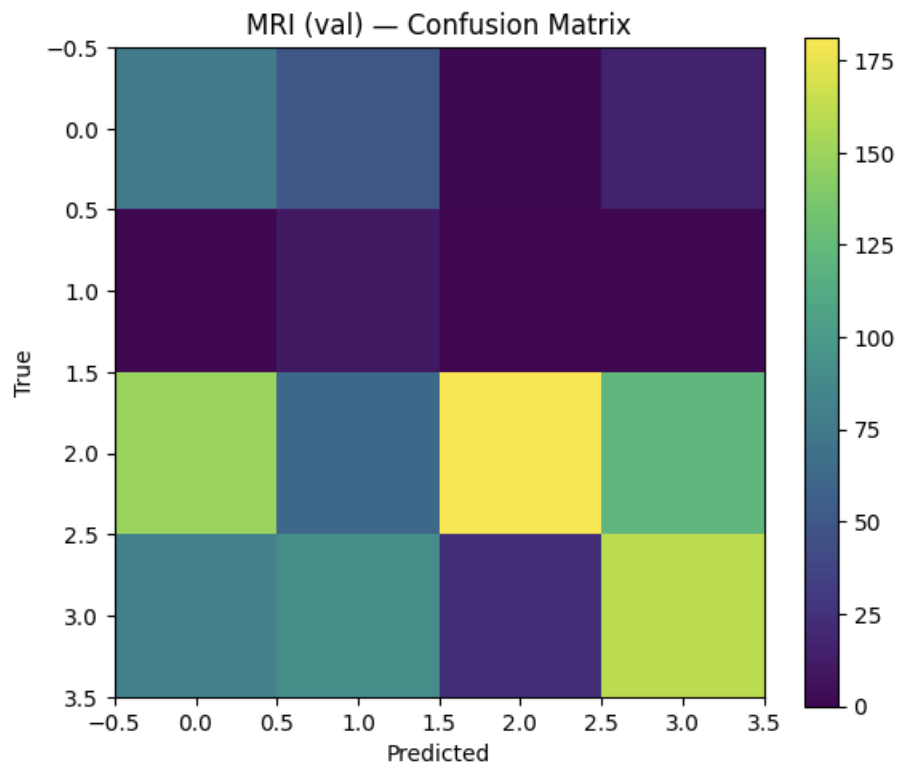
🧠 MRI Classification (4-class)
- Runs CNN-based MRI classification
- Compares MobileNetV3 vs ResNet18 fairly on the same validation split
- Saves per-sample probabilities so everything is auditable and reproducible
🧬 Genetic Variants Modeling (9-class)
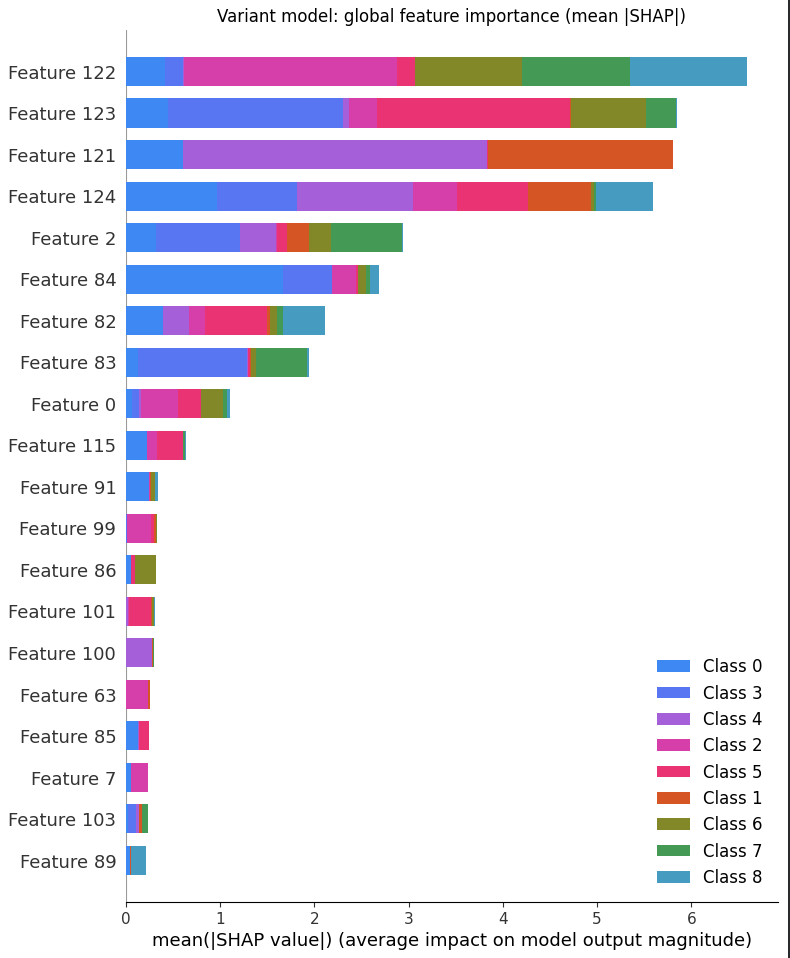
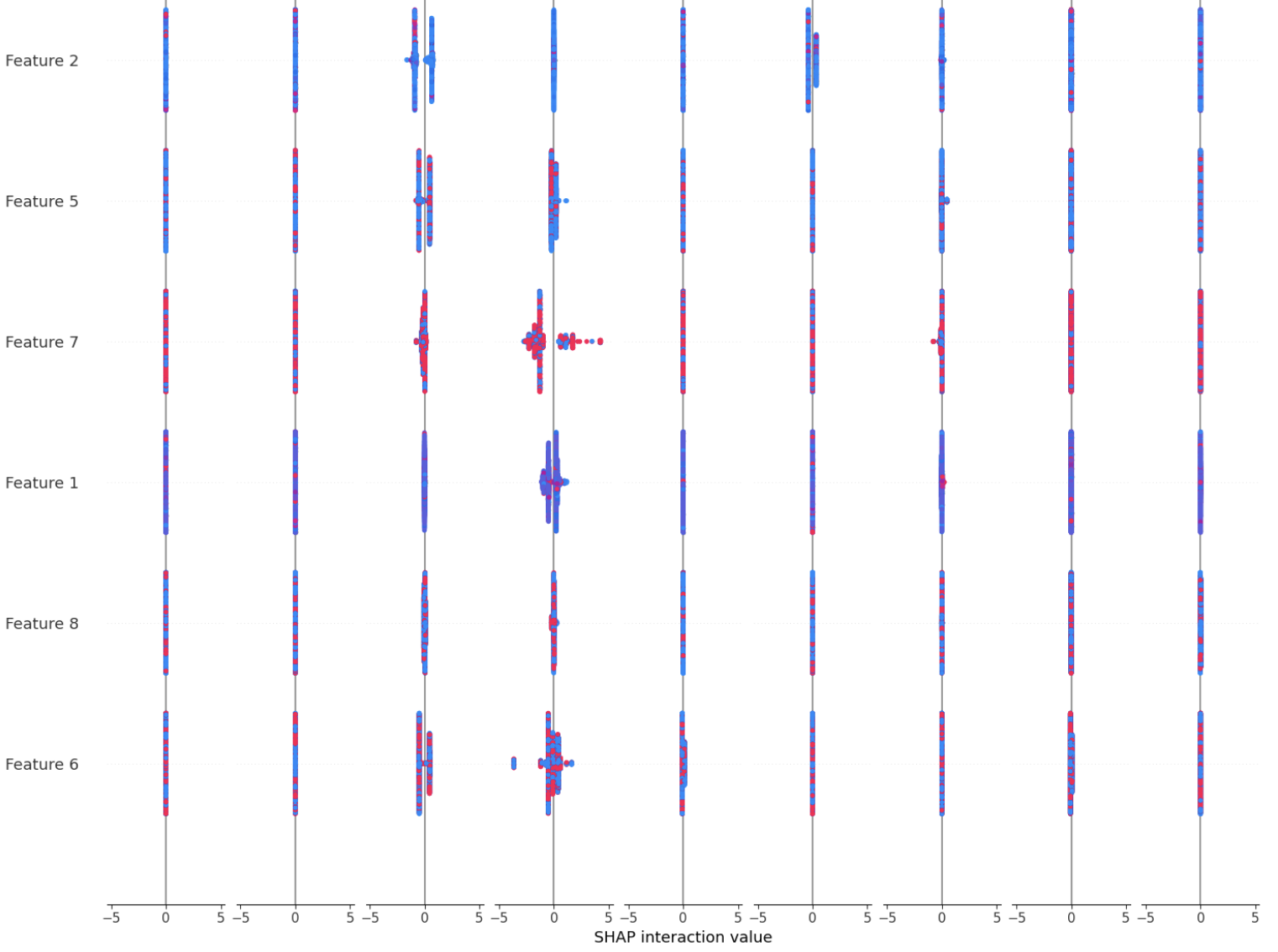
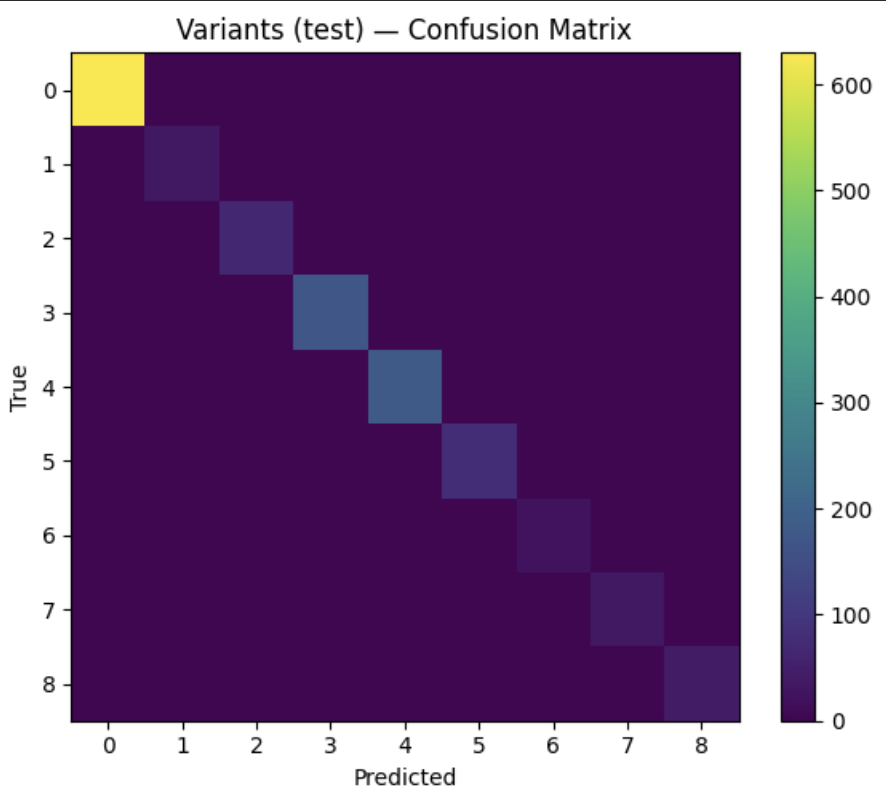
- Trains a fast tabular model on genetic-variant features
- Includes sanity checks (permutation baseline + cross-validation)
- Exports per-sample probabilities for inspection and dashboard reporting
🗣️ Speech/Text Risk Scoring (optional pipeline)
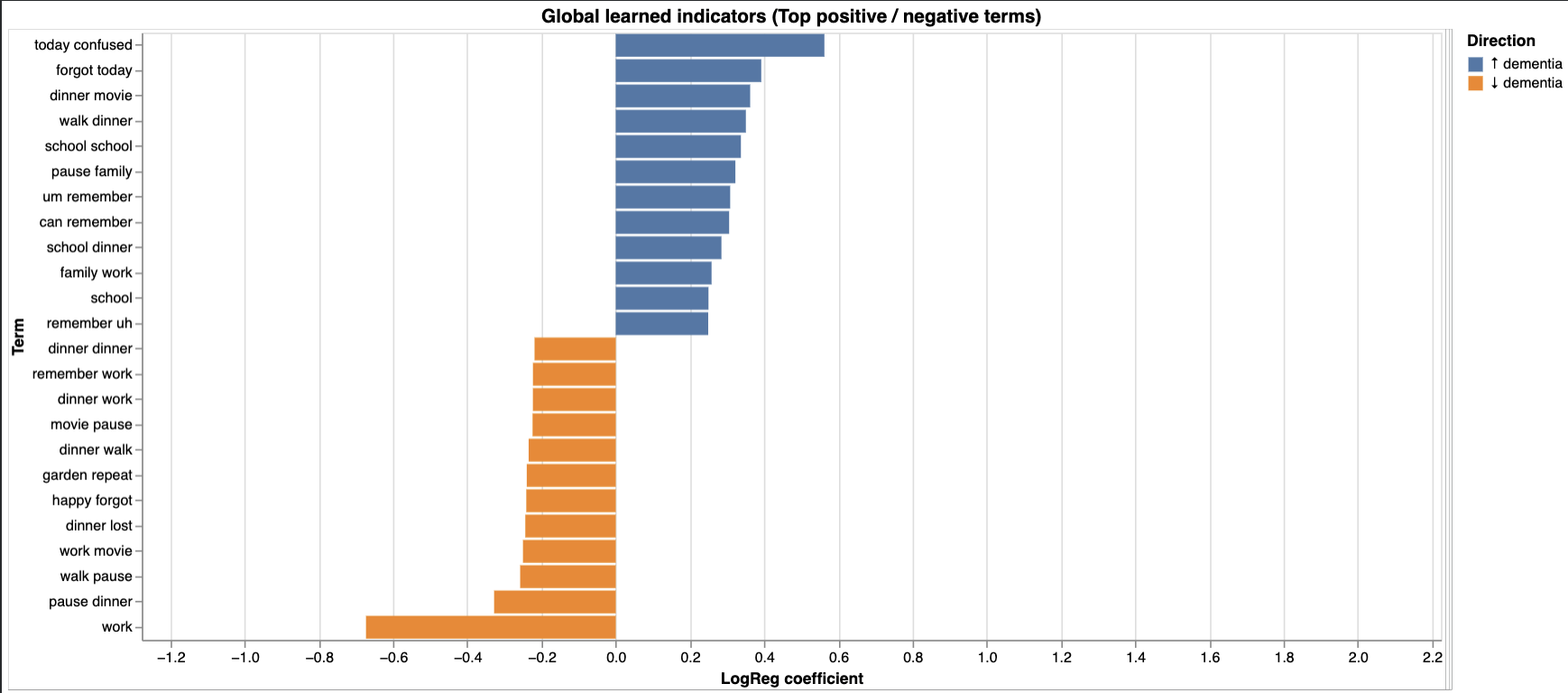
- Supports a lightweight text baseline (TF-IDF + logistic regression style)
- If a pipeline artifact exists (
*_pipe.joblib), Streamlit can do live text inference - If not, it still works via saved probability artifacts
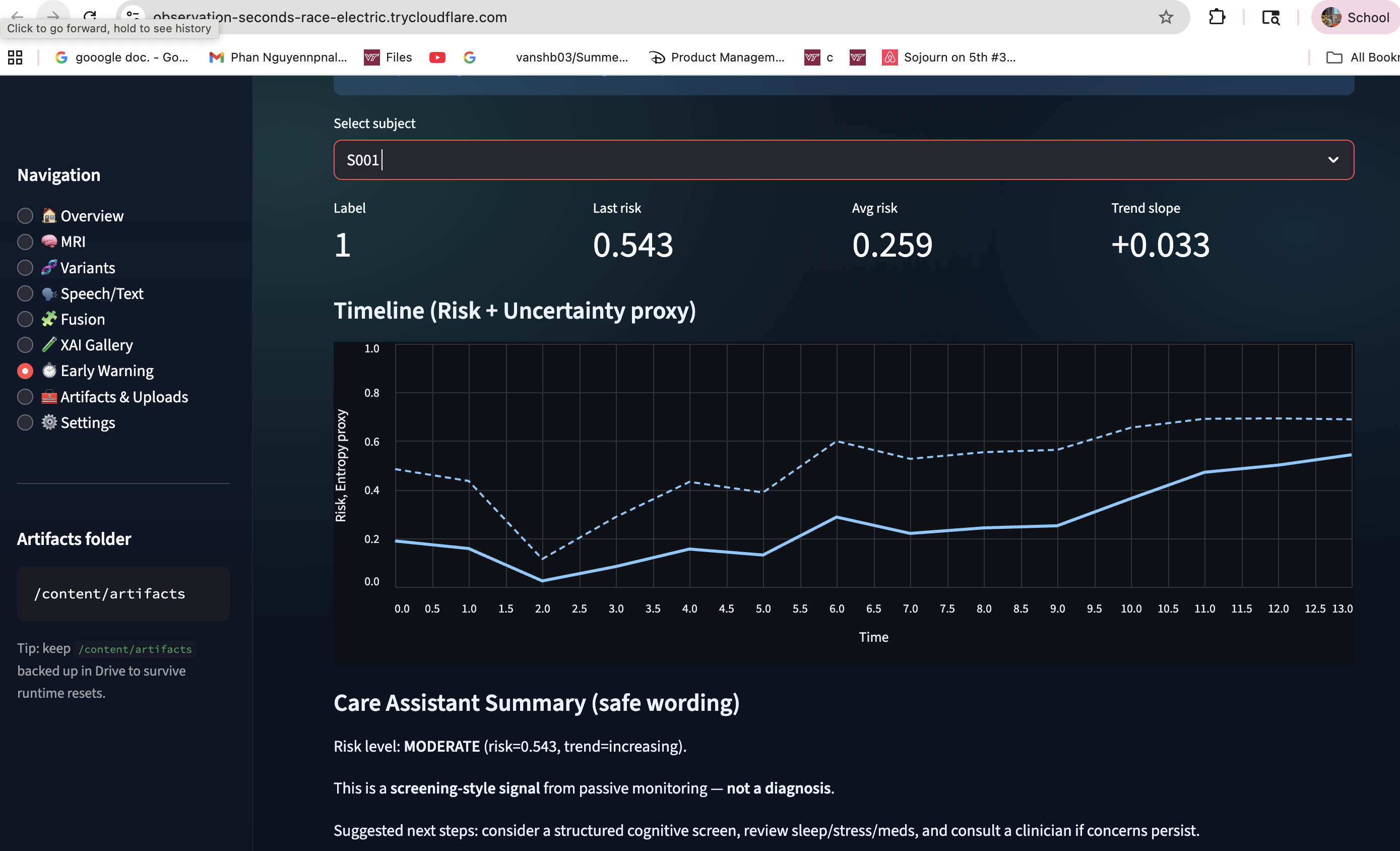
⏱️ Early Warning / Care Assistant (monitoring over time)
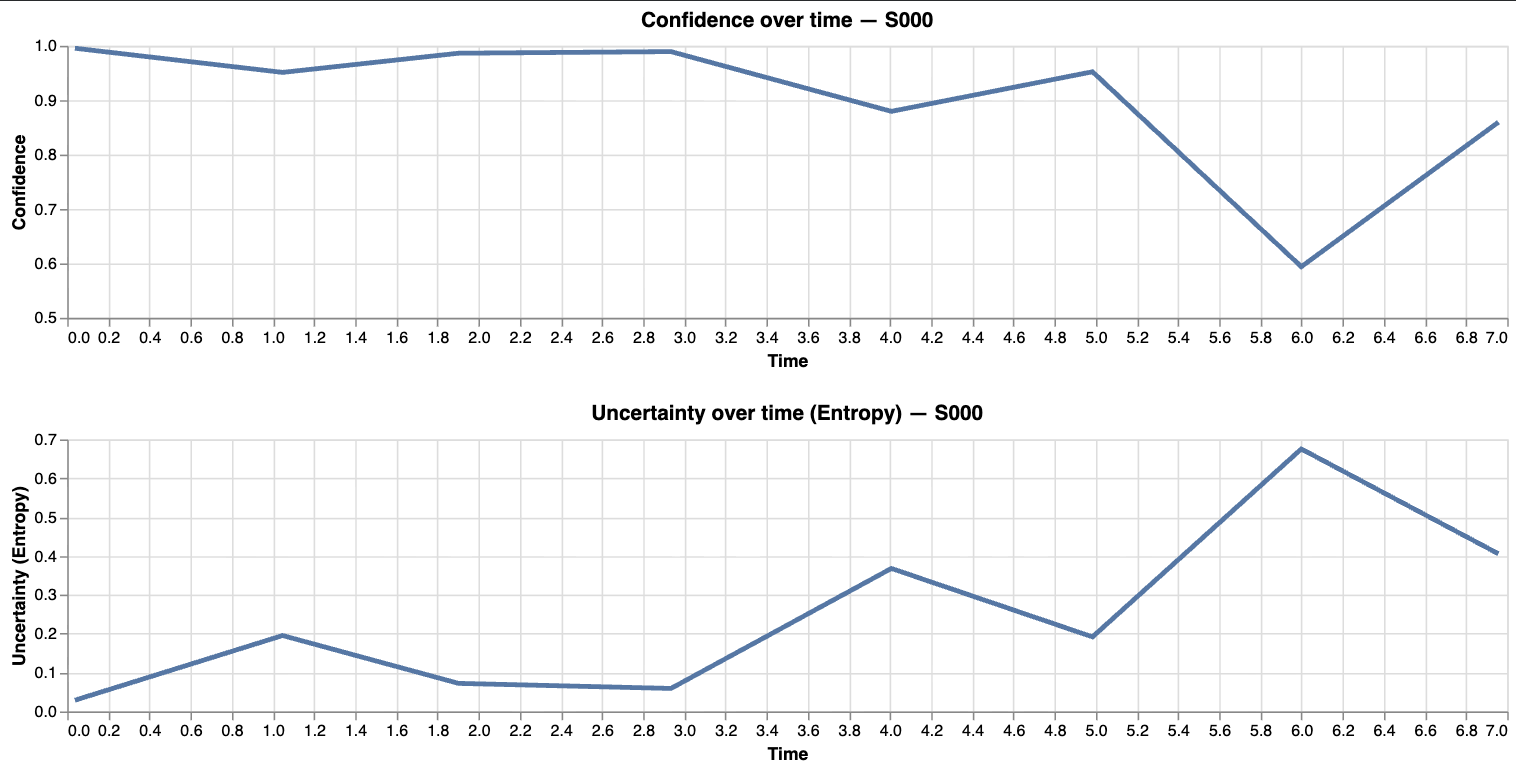
- Continuous monitoring view: per-subject dropdown
- Timeline of risk trend over time
- Includes a simple uncertainty proxy (entropy-style) alongside risk
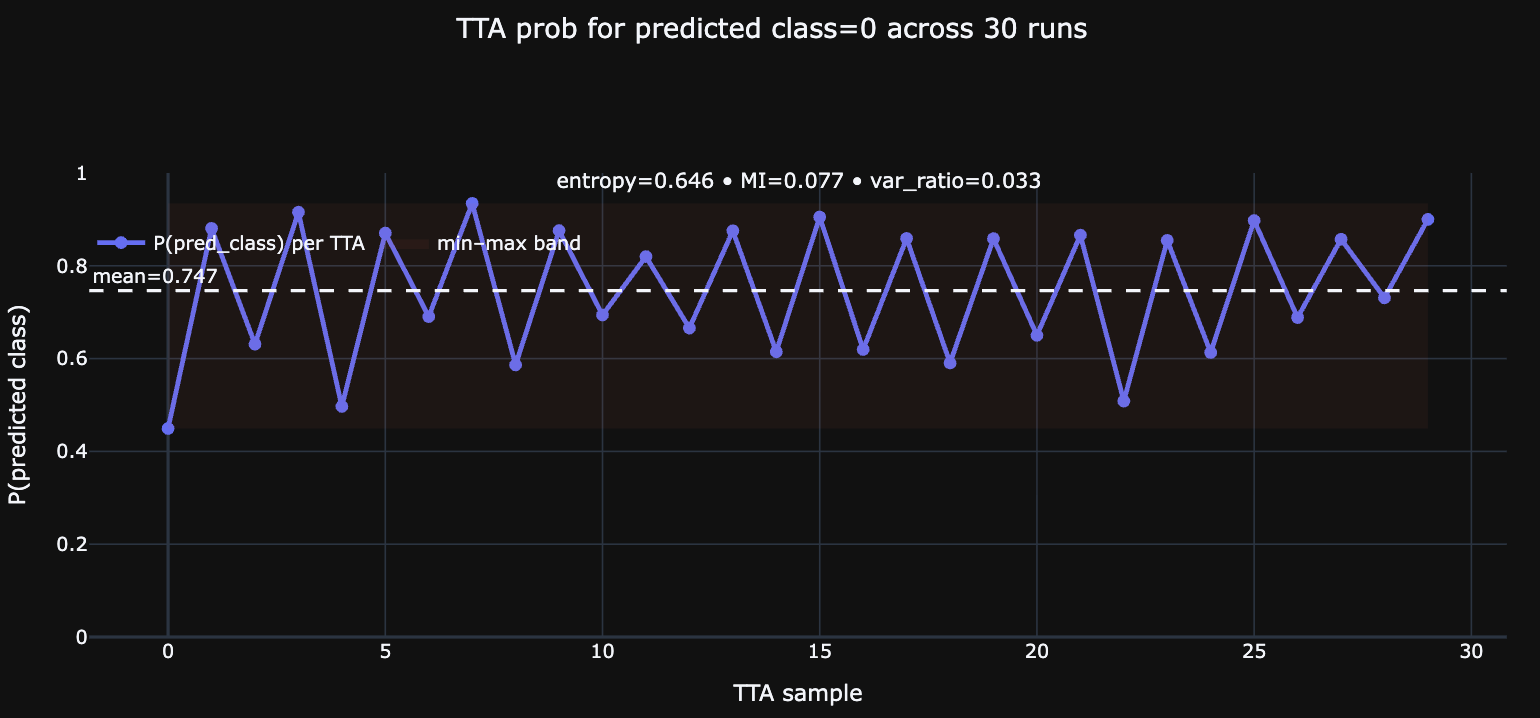
- Can export interactive plots to HTML artifacts that Streamlit embeds directly
🧪 Interpretability + Trust
- Reliability diagrams (ECE) to measure calibration
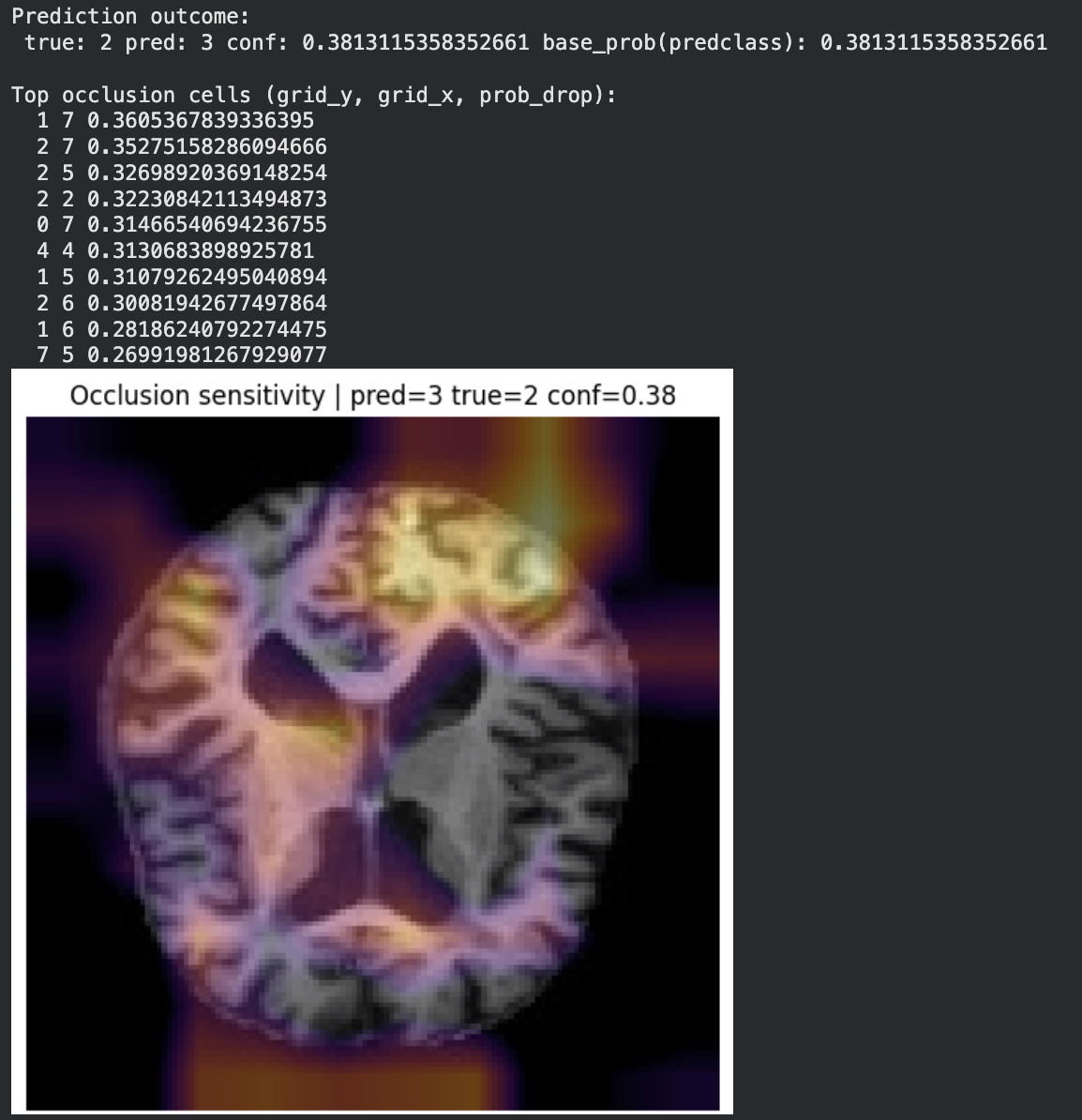
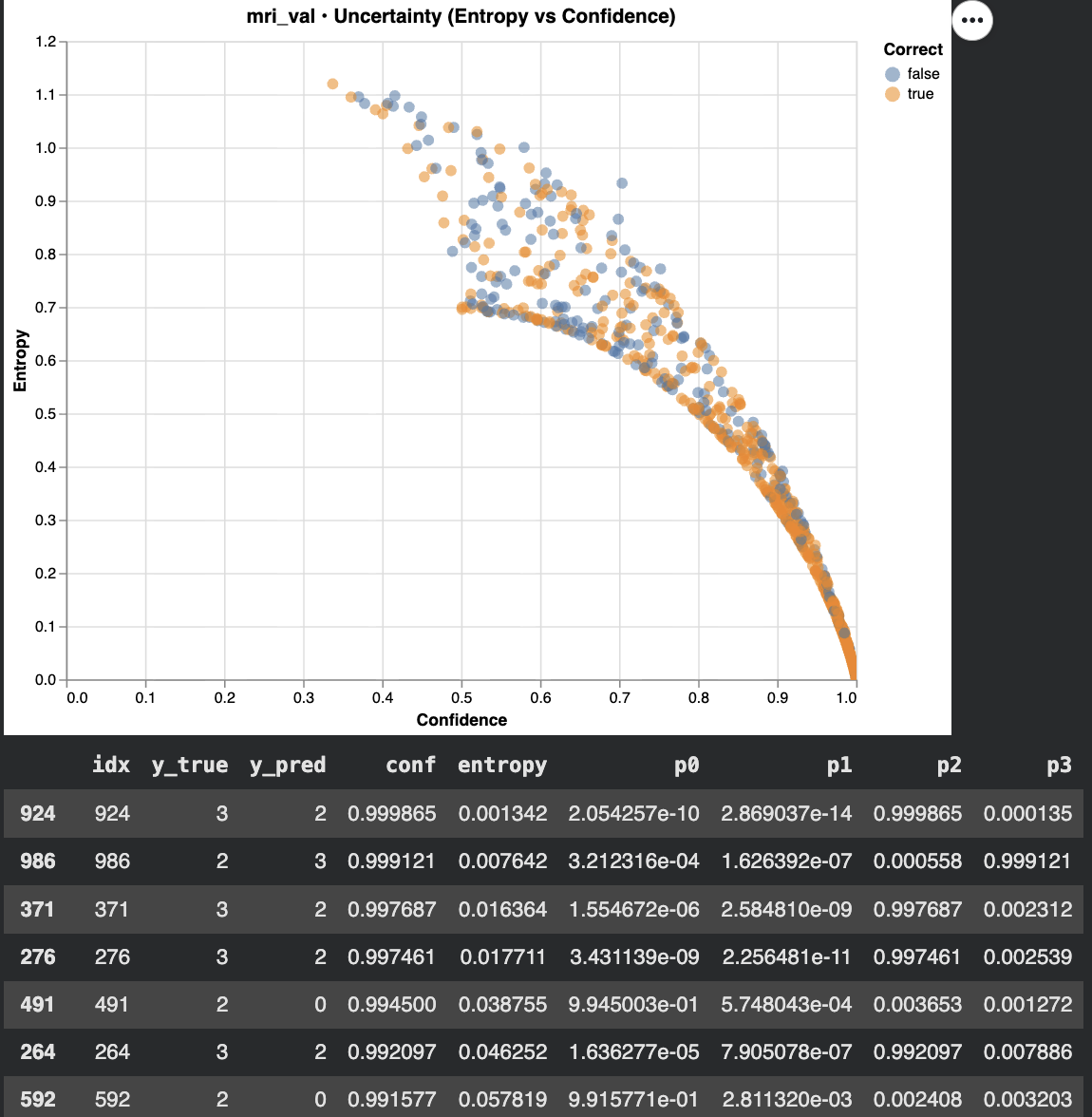
- “Most confident wrong” audits to find the scariest failure cases
- TTA uncertainty (test-time augmentation) for sample-level trust signals
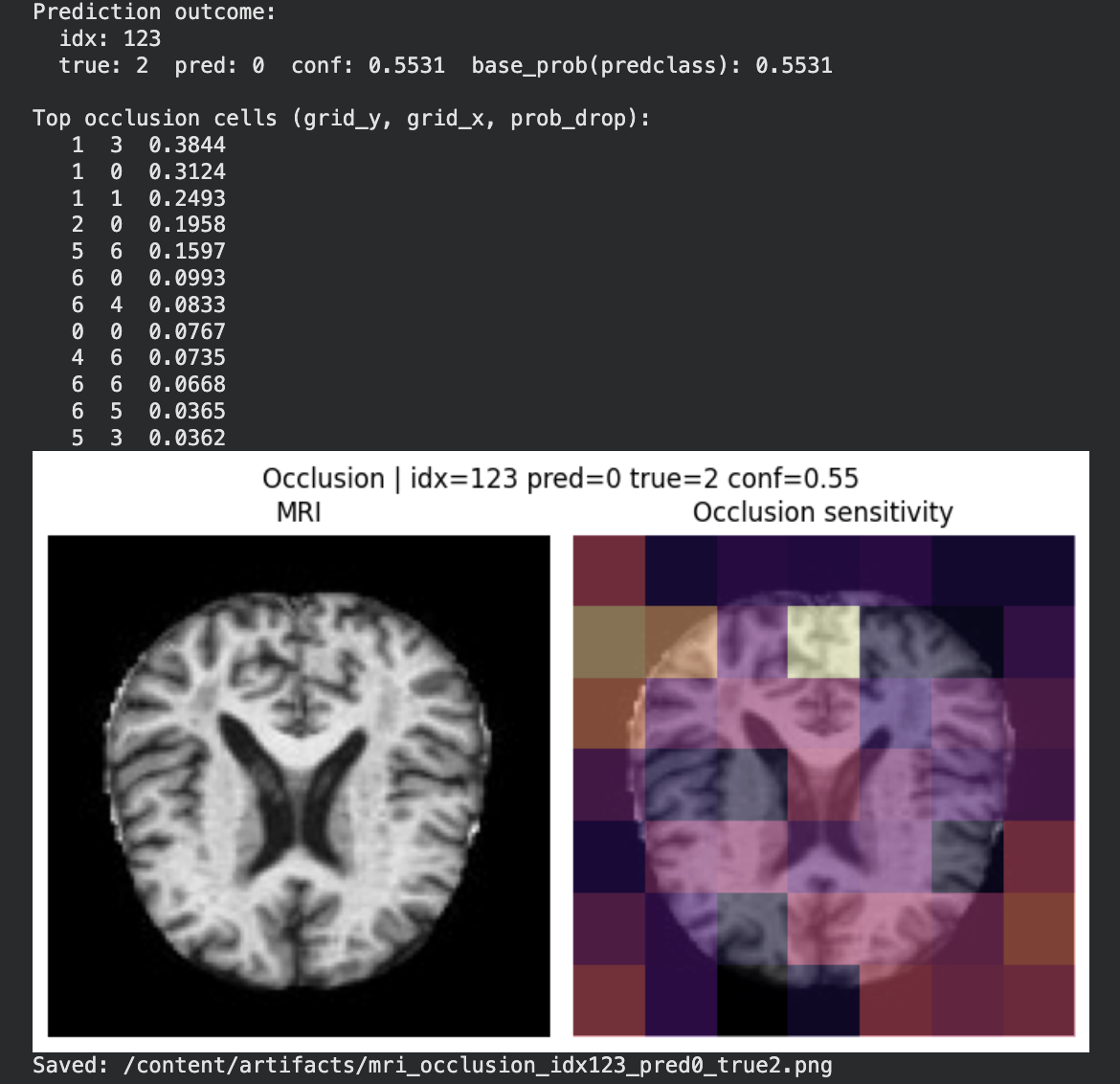
- Occlusion sensitivity maps for MRI (model-agnostic XAI)
Demo: “Test input → Run → Output”
We built the Streamlit app so judges can immediately:
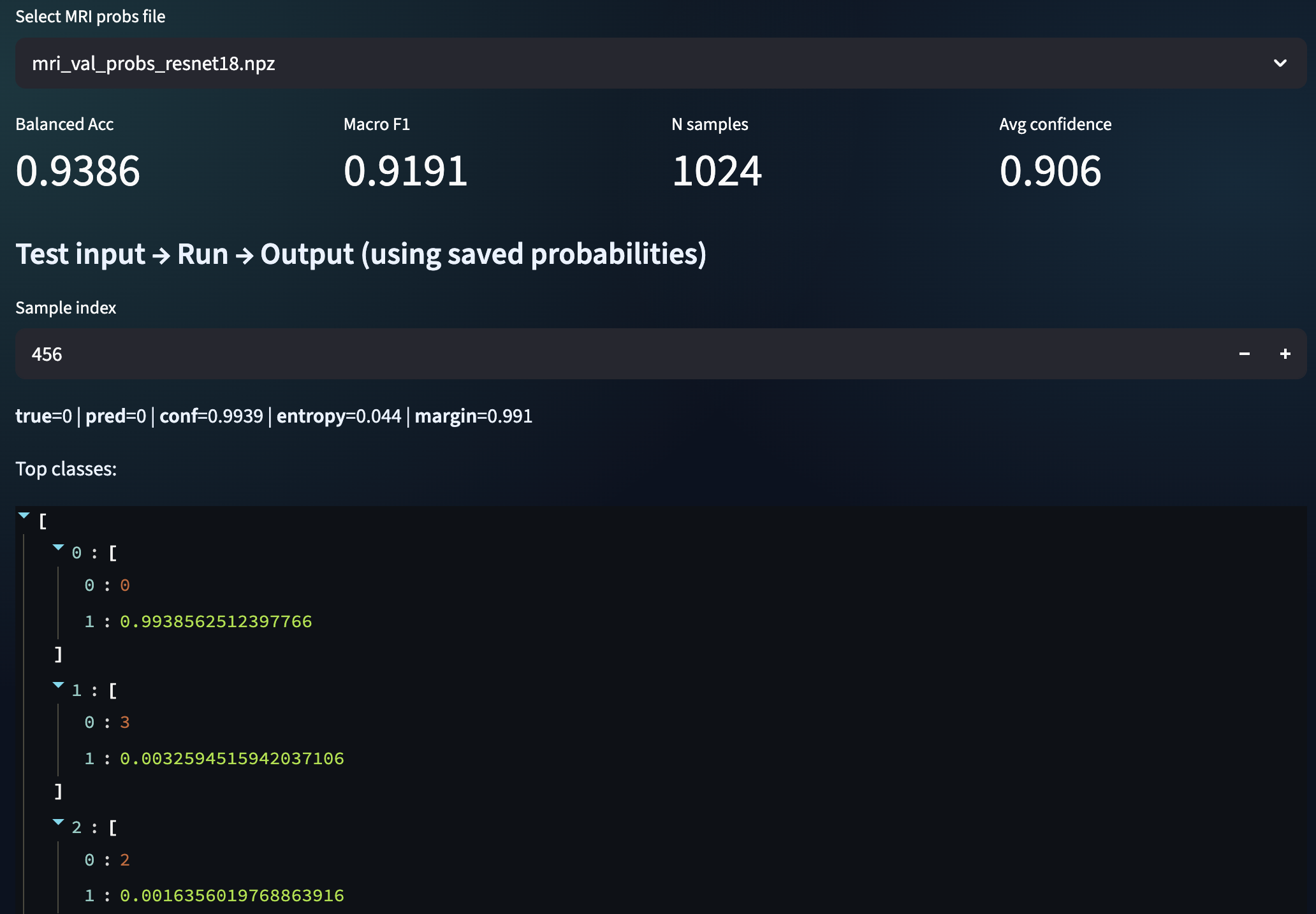
- select a model artifact (MRI / variants)
- choose a sample index
- see true label, predicted label, confidence, entropy, margin
- view calibration plots, XAI images, and interactive HTML charts
- try text input (if a pipeline is present)
Items
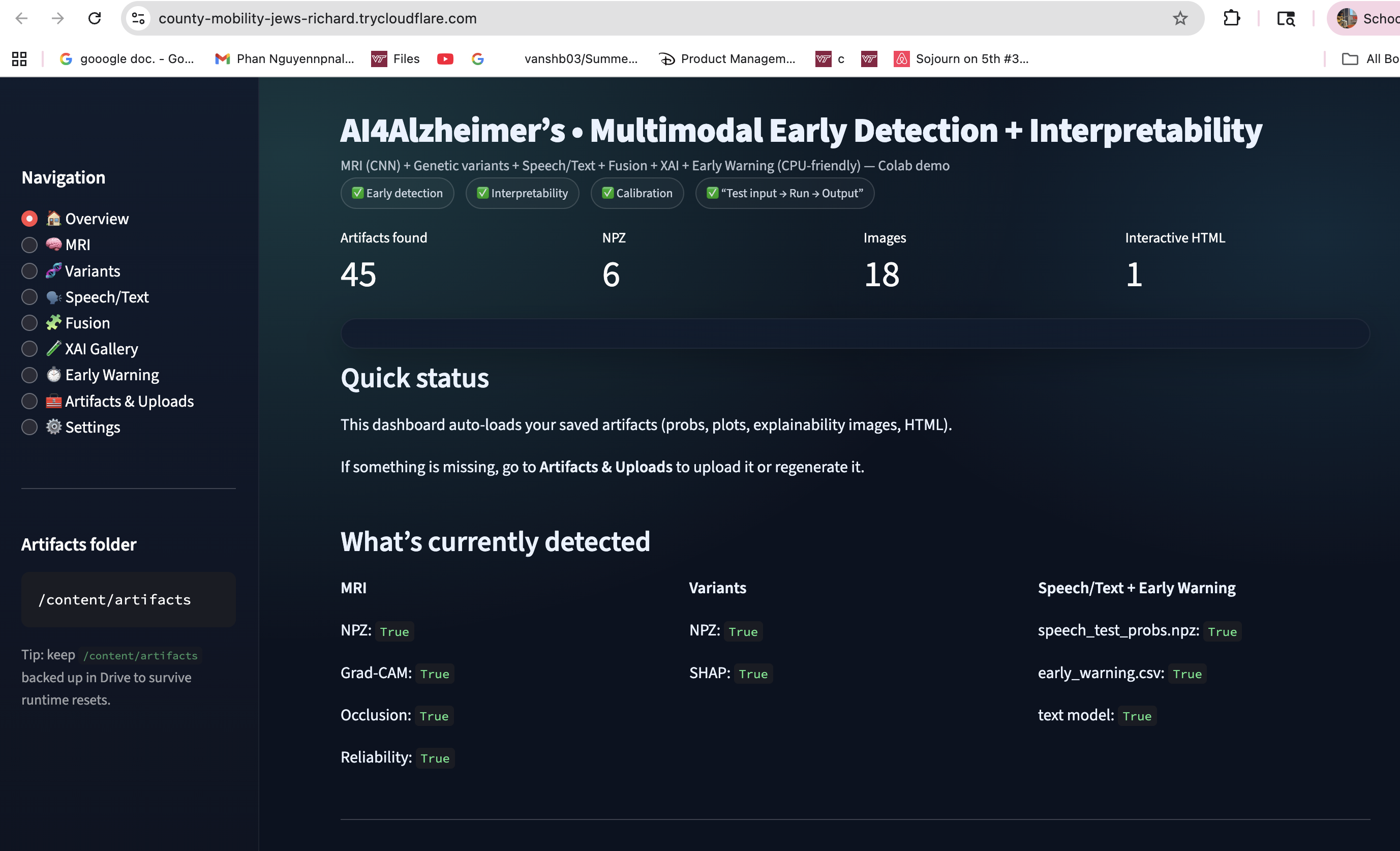
- Streamlit home/overview page (artifact detection)
- MRI tab: metrics + calibration + sample inspector
- XAI tab: occlusion map or Grad-CAM if you saved it
- Early Warning tab: per-subject timeline and the exported HTML view
How we built it
Data sources
- MRI dataset: grayscale MRI images stored as bytes (4-class labels)
- ALZ_Variant dataset: preprocessed genetic/tabular arrays (9-class labels)
- Speech/Text: NLP baseline (pipeline saved as joblib), timeline simulation for monitoring demos
- Kaggle tabular Alzheimer dataset
Modeling
- MRI: MobileNetV3_small and ResNet18
- Variants: fast tabular model with CV + permutation baseline sanity check
- Speech/Text: TF-IDF + logistic regression style classifier
Why artifacts matter
Everything writes to /content/artifacts:
*.npzprobability dumps for evaluation + Streamlit*.csvmetrics + report numbers*.pngreliability/XAI images (optional)*.htmlinteractive charts (TTA, early warning) for embedding
This makes it robust even if Colab disconnects.
Evaluation (numbers from our run)
✅ MRI architecture comparison (validation)
- MobileNetV3
- balanced_acc = 0.8447
- macro_f1 = 0.8020
- ECE = 0.0887
- balanced_acc = 0.8447
- ResNet18
- balanced_acc = 0.9386
- macro_f1 = 0.9191
- ECE = 0.0309
- balanced_acc = 0.9386
ResNet18 improved both accuracy and calibration, and reduced extreme-confidence errors.
🔥 “Most confident wrong” audit (MRI)
We automatically print the top-5 mistakes with the highest confidence so we can inspect failure modes directly.
This is one of our favorite “trust” features—because high-confidence wrong predictions are the most dangerous.
🧬 Variants + 🗣️ Speech/Text
- Our probability-based audit reported no “most confident wrong” cases in the saved files.
- We still include sanity checks (permutation baseline + CV for tabular) because unusually perfect results can indicate leakage.
What makes this special
✅ Intermediate → Advanced
- CPU-friendly training and evaluation
- Strong engineering discipline: artifacts, reproducibility, audits
- Interpretability + calibration baked in (not an afterthought)
- Monitoring concept (“Early Warning”) is closer to real-world usage
✅ Built for judges
- It’s not just a notebook: it’s a polished dashboard
- Supports interactive testing, exploration, and explanation
Challenges we ran into
- Colab runtime disconnects wiped state → solved by saving artifacts to Drive backup.
- Some models had different label spaces (MRI 4-class vs variants 9-class) → we added a fusion tab that explains alignment requirements.
- Plotting issues (Plotly dependency mismatch) → switched to stable Altair/Matplotlib exports and HTML embedding.
Accomplishments we’re proud of
- A complete end-to-end pipeline: data → models → evaluation → interpretability → dashboard
- Trust features that go beyond accuracy: calibration, uncertainty, confident-wrong audit
- Monitoring concept that feels like a real product direction
What’s next
- True multimodal fusion (requires aligned subjects + consistent label space)
- Add clinical tabular dataset prediction (demographics/cognitive tests)
- Add patient-level aggregation for multiple transcripts per subject
- Expand Early Warning to incorporate real longitudinal records (not simulated)
- More robust XAI: counterfactual explanations and decision-curve analysis
Tech stack
- Python, PyTorch, scikit-learn
- NumPy / Pandas
- Altair + Matplotlib for plots
- Streamlit for the demo UI
- Colab-friendly artifact workflow (
/content/artifacts+ Drive backup)
Responsible use note
This project is a research prototype for screening and monitoring experiments.
It is not a medical device and should not be used for clinical diagnosis.
Any high-risk prediction should be interpreted as a cue to seek professional evaluation, not as a conclusion.
💗 Memory Hugs is about turning AI into something caregivers can actually use:
not just a score, but a story—what changed, why it matters, and what to do next.
Built With
- altair
- api
- cloudflare
- cnn
- cpu
- cuda
- googlecolab
- hearts
- kaggle
- latex
- matplotlib
- numpy
- pandas
- plotly
- python
- pytorch
- scikit-learn
- streamlit


Log in or sign up for Devpost to join the conversation.