Inspiration
Among the many eye disorders that cause visual impairment, cataracts alone affect 1 in 6 people over the age of 40 and more than half over the age of 80, many of whom require surgery. Other eye surgeries include treatment for glaucoma, diabetic retinopathy, and macular degeneration. While complications due to eye surgery are fairly low, complications such as infection and bleeding can lead to irreparable vision loss.
Post-operative management of ophthalmic procedures involves multiple follow-up visits in which ophthalmologists ensure the patient’s eye is healing properly. Given the current COVID-19 pandemic, in-person follow-ups may not be a viable option for older patients with underlying conditions.
As a result, a solution is needed to provide post-operative care that promotes remote health monitoring by the provider.
What It Does
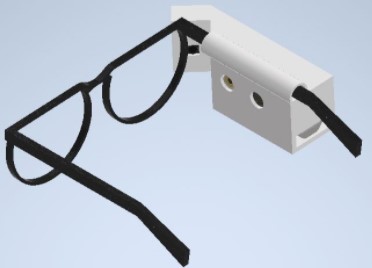
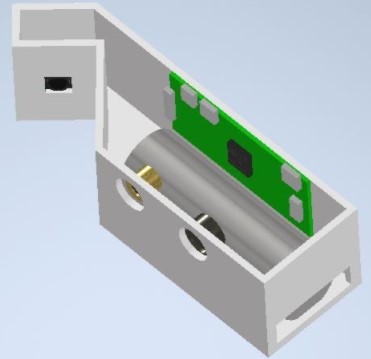
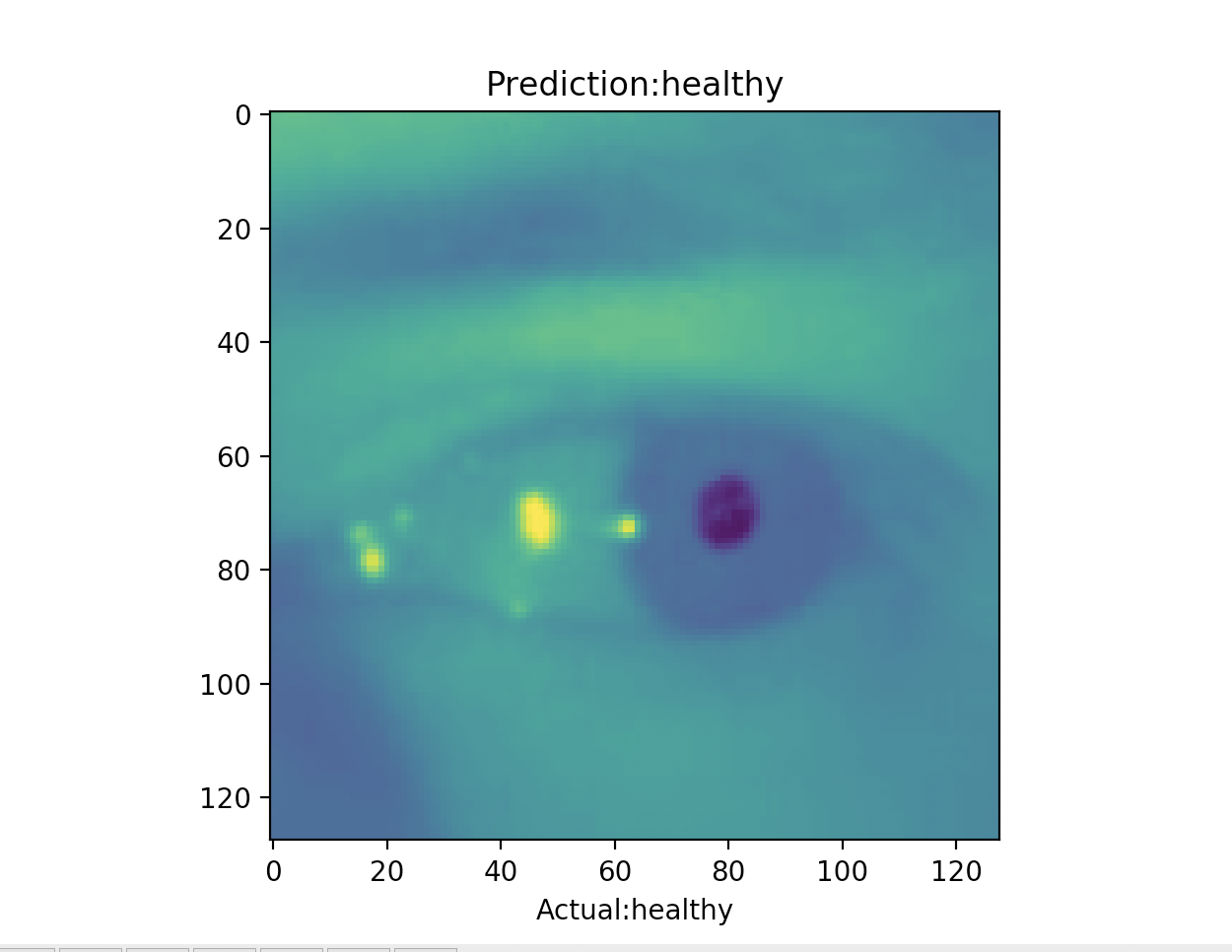
The device easily slides on to the ear-piece of most glasses, resting right next to the lens without hindering a patient’s line of sight. The Raspberry Pi V2 5 megapixel Camera Module provides periodic images of a patient’s eye post-op, which is then analyzed through a neural network created using tensorflow to determine whether or not the eye is exhibiting symptoms of post-op complications. Our device is also fitted with an infrared thermal sensor and a buzzer. These components interact to screen a patient’s temporal temperature. If their temperature reaches an abnormal level, the device sends the patient an indication via the buzzer’s activity which prompts the patient to contact their physician. The uninvasive, accessible nature of this device decreases the complexity of post-operative follow-up care for patients, while providing physicians constant, baseline data as well as real time indications of possible post-surgical complications.
How We Built It
We compiled photos of healthy and infected eyes as training data so our AI can detect abnormalities in the patient’s eyes. We came up with a design for our product using solidworks and determined what kind of materials and sensors we would be needing. We added a camera which was coded to take a picture of the patient's eyes every hour and we coded our thermal sensors to monitor for fevers. Both processes were executed using Python and Raspberry Pi methods.
Accomplishments We're Proud Of
We pride ourselves on not just the innovative nature of our product, but also it's affordability. By utilizing cost-effective sensors, processors, and materials, we were able to circumnavigate financial constraints surrounding assembly and manufacturing. As a result, our device remains accessible to patients from a variety of backgrounds, and ultimately is a complementary tool that can be made available to ophthalmologists at little to no cost.
What We Learned
Vision loss not only costs over $35 billion in direct and indirect costs, it is also a disability that many fear because it changes how we interact with others and the rest of the world. Throughout our work on this project, we gained a better understanding of the deep impact of vision problems within geriatric patient populations, as well as the social determinants determining their access to quality medical technology and resources.
What's Next for Window into Health
In the future, we hope that applications of this technology can extend to chronic disease management by monitoring indications of worsening diabetic or hypertensive retinopathy. Furthermore, we hope to modify the buzzer in our device to additionally serve as an alarm clock that reminds patients to take their prescribed eye drops or medication.
Built With
- matplotlib
- numpy
- python
- raspberry-pi
- tensorflow


Log in or sign up for Devpost to join the conversation.