Inspiration
60% of small businesses were closed at some point during COVID-19. We missed the opportunity to window shop, walking around stores in our neighborhoods, touching and trying out items. It was a great way to de-stress and support our local small businesses. Some businesses survived by pivoting into online sales, but this does not replace the magic of in-store interactions and the close proximity of stores, making browsing and shopping local easy. Our goal is to provide a service to make the online shopping experience interactive and encourage shopping locally.
What it does
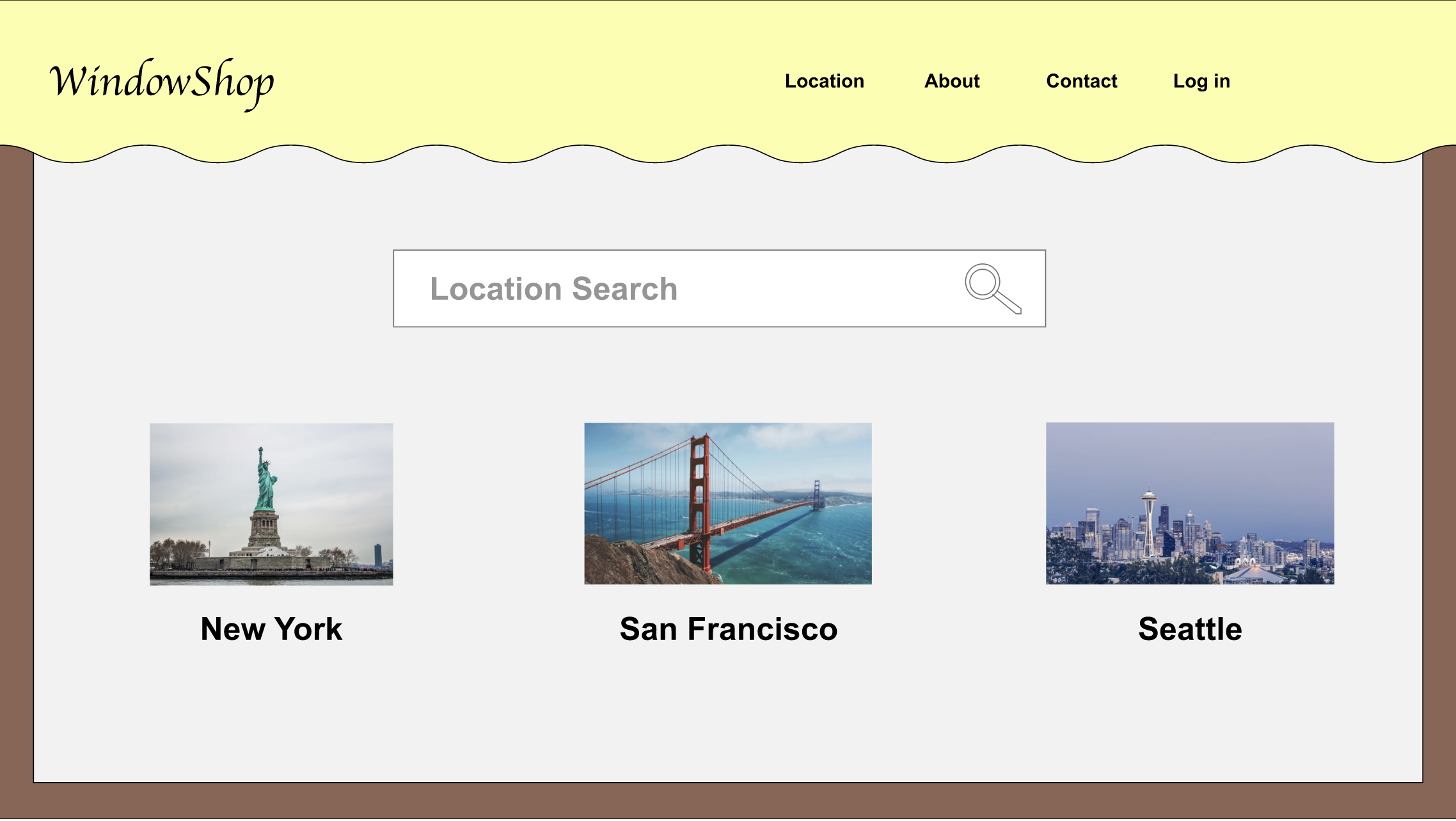
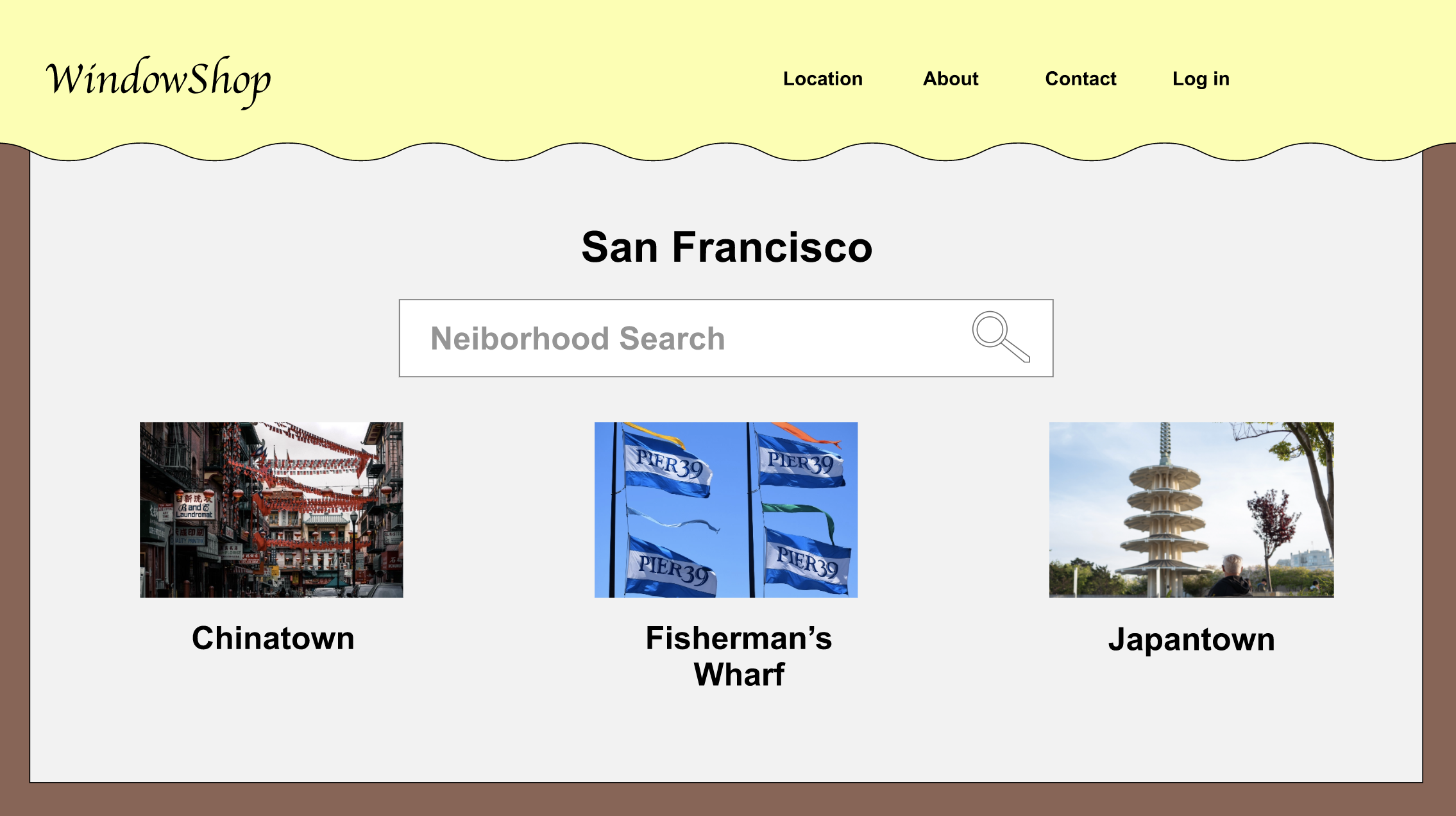
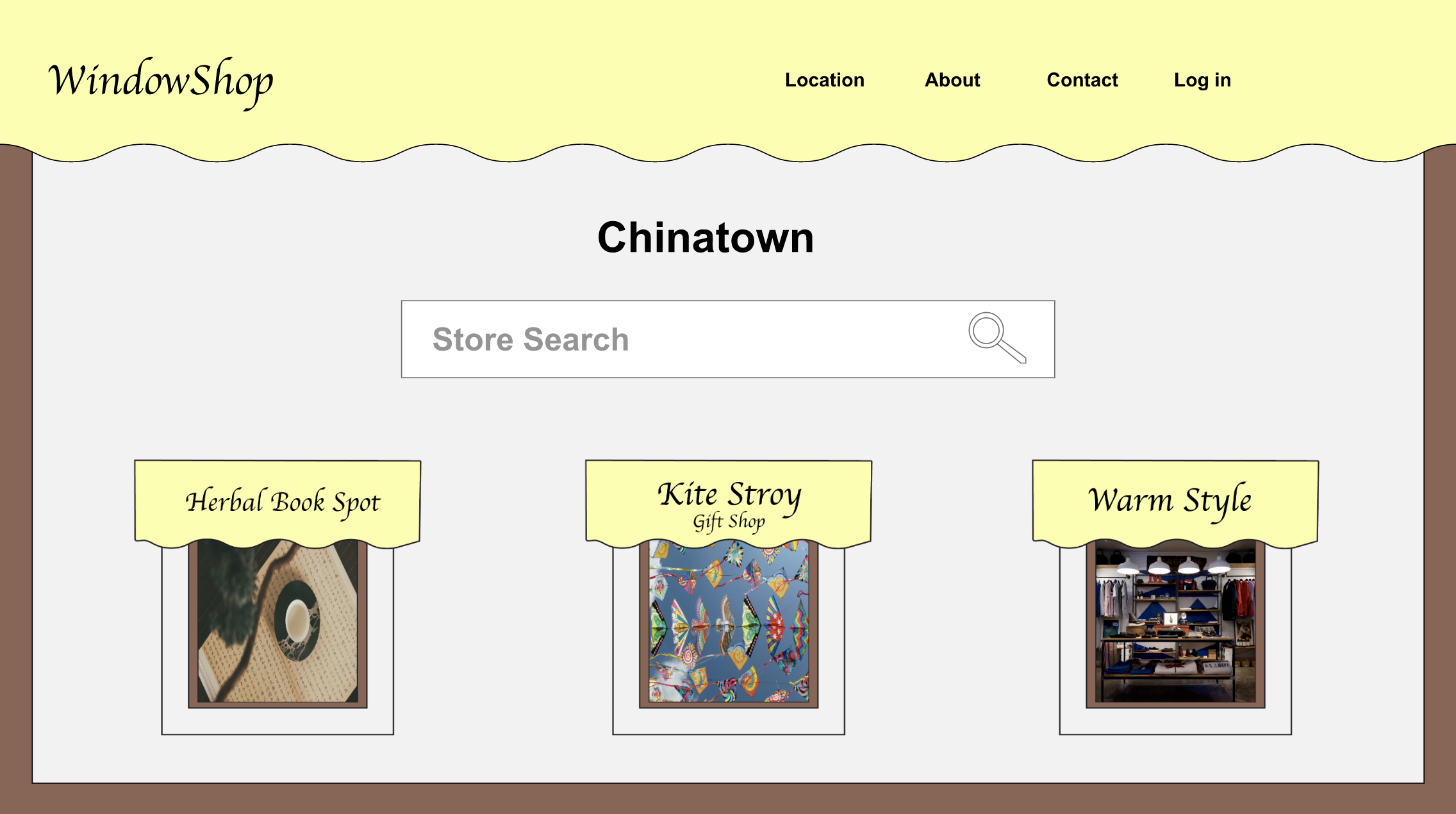
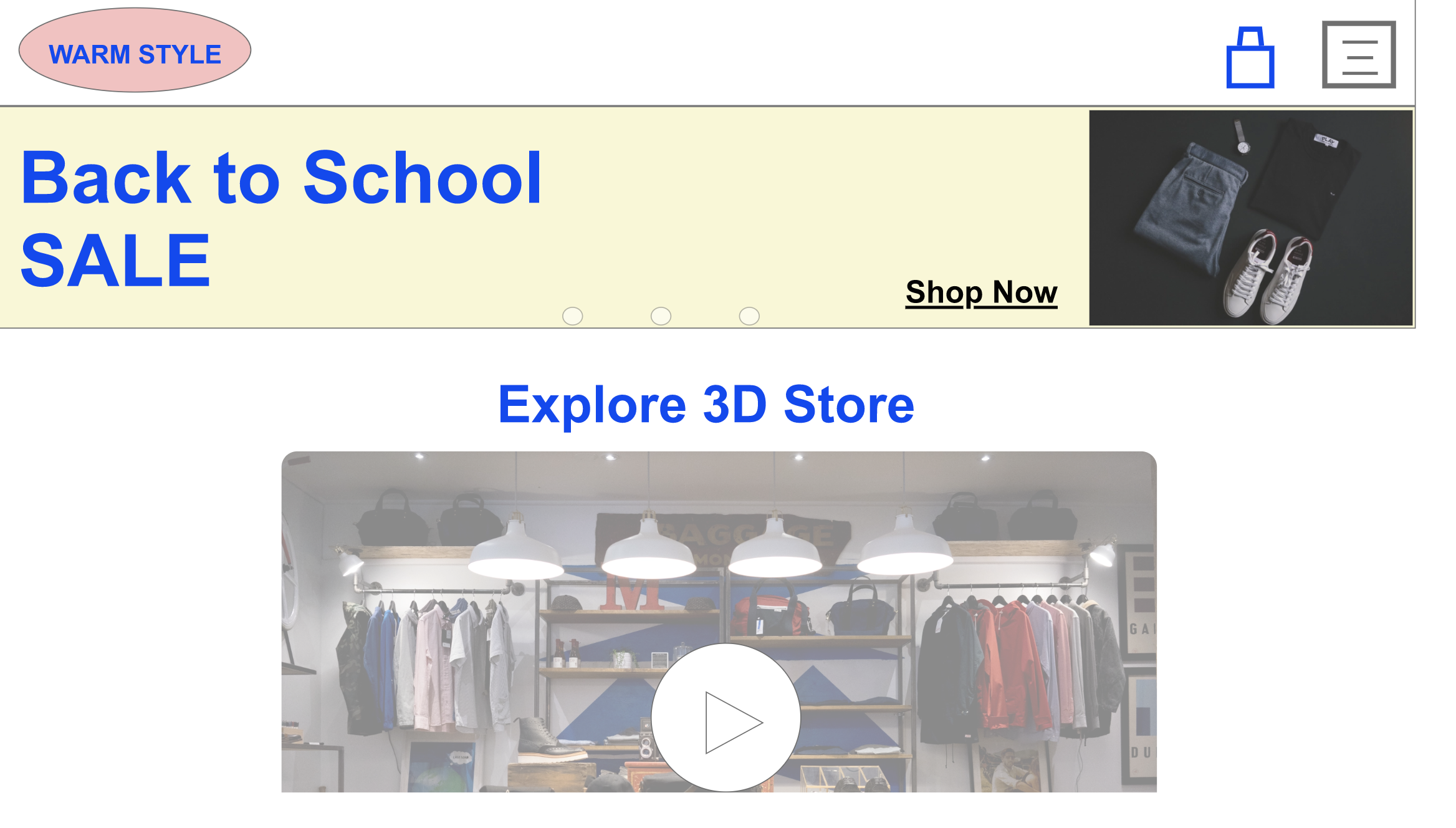
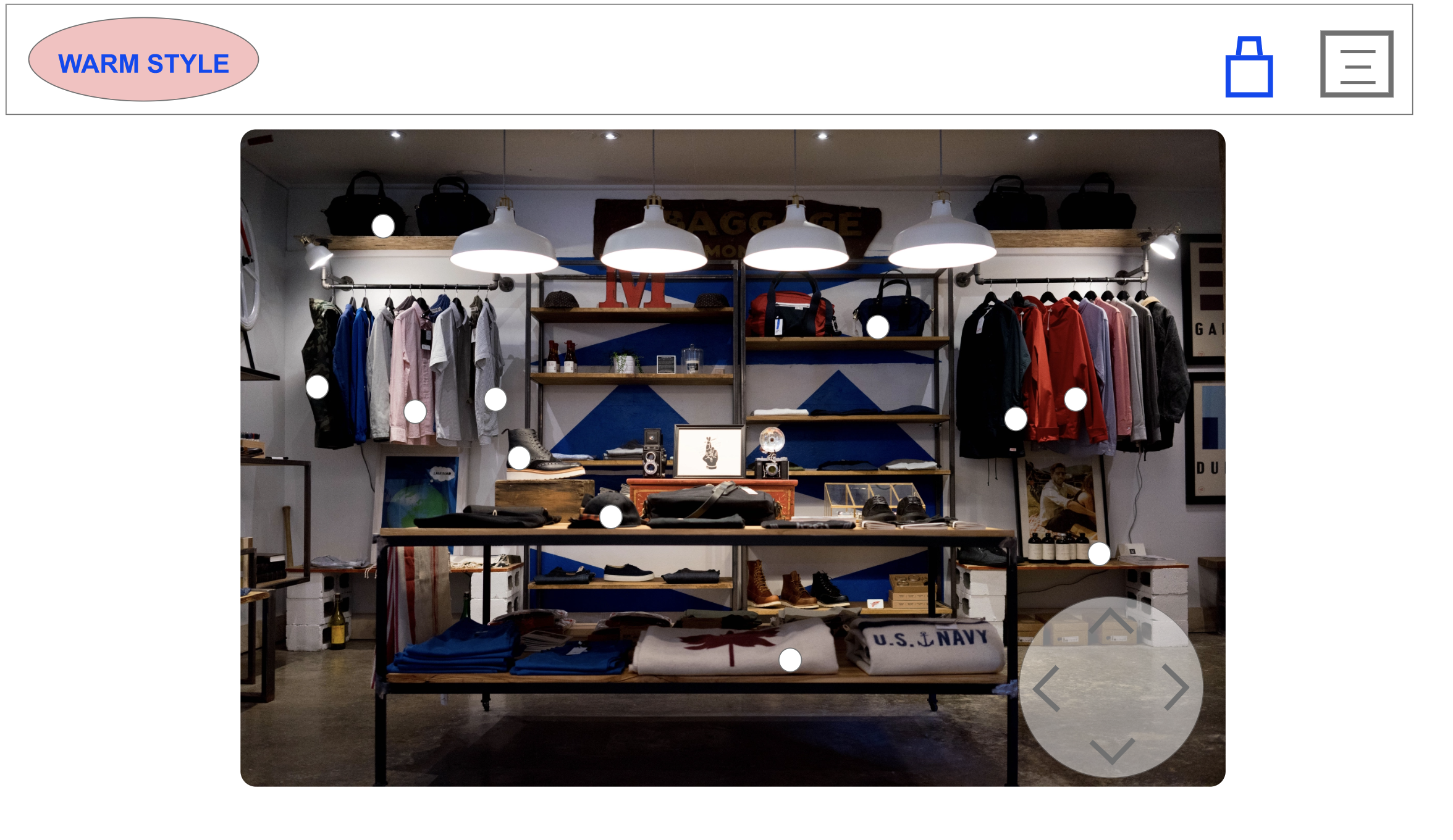
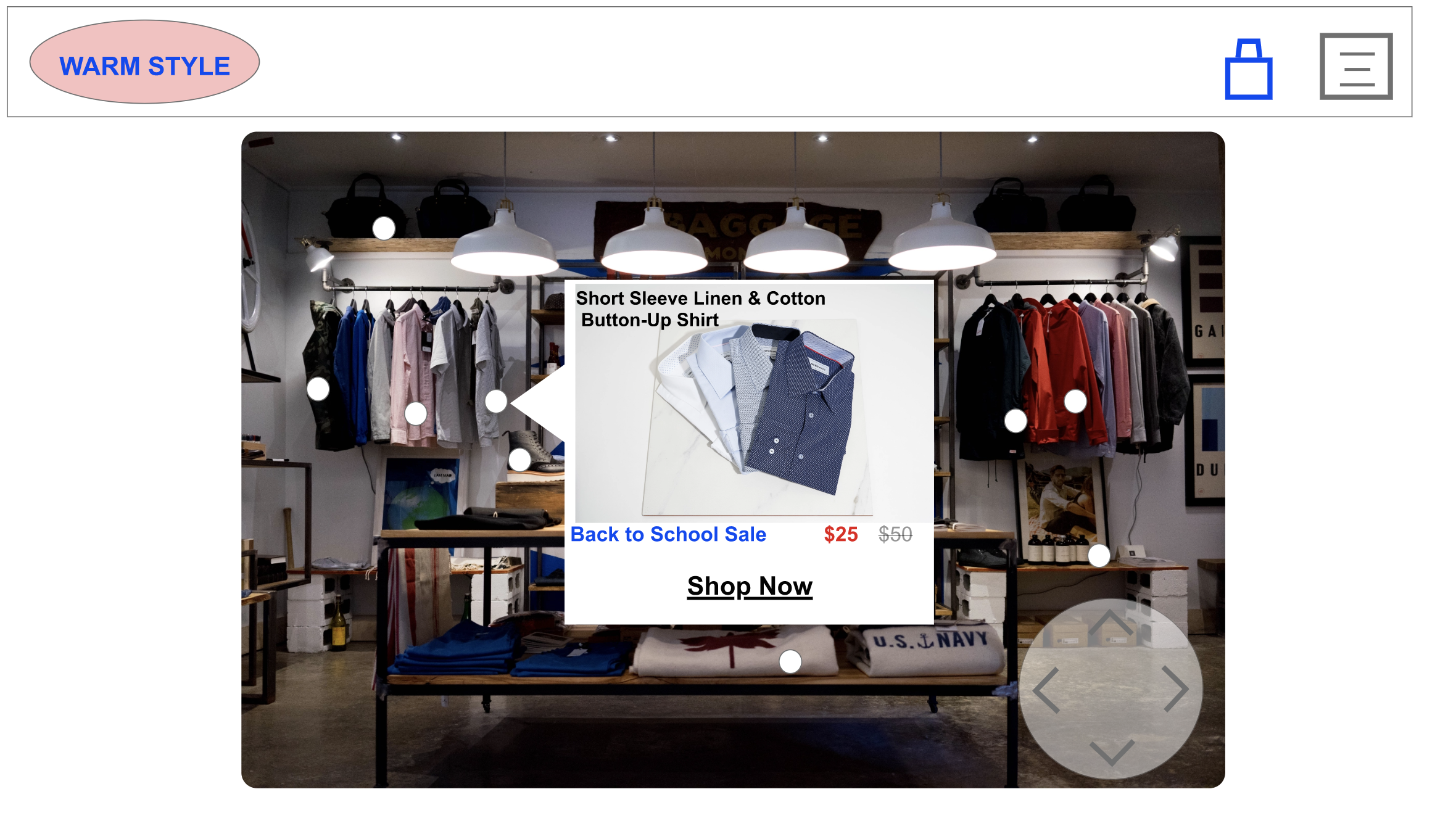
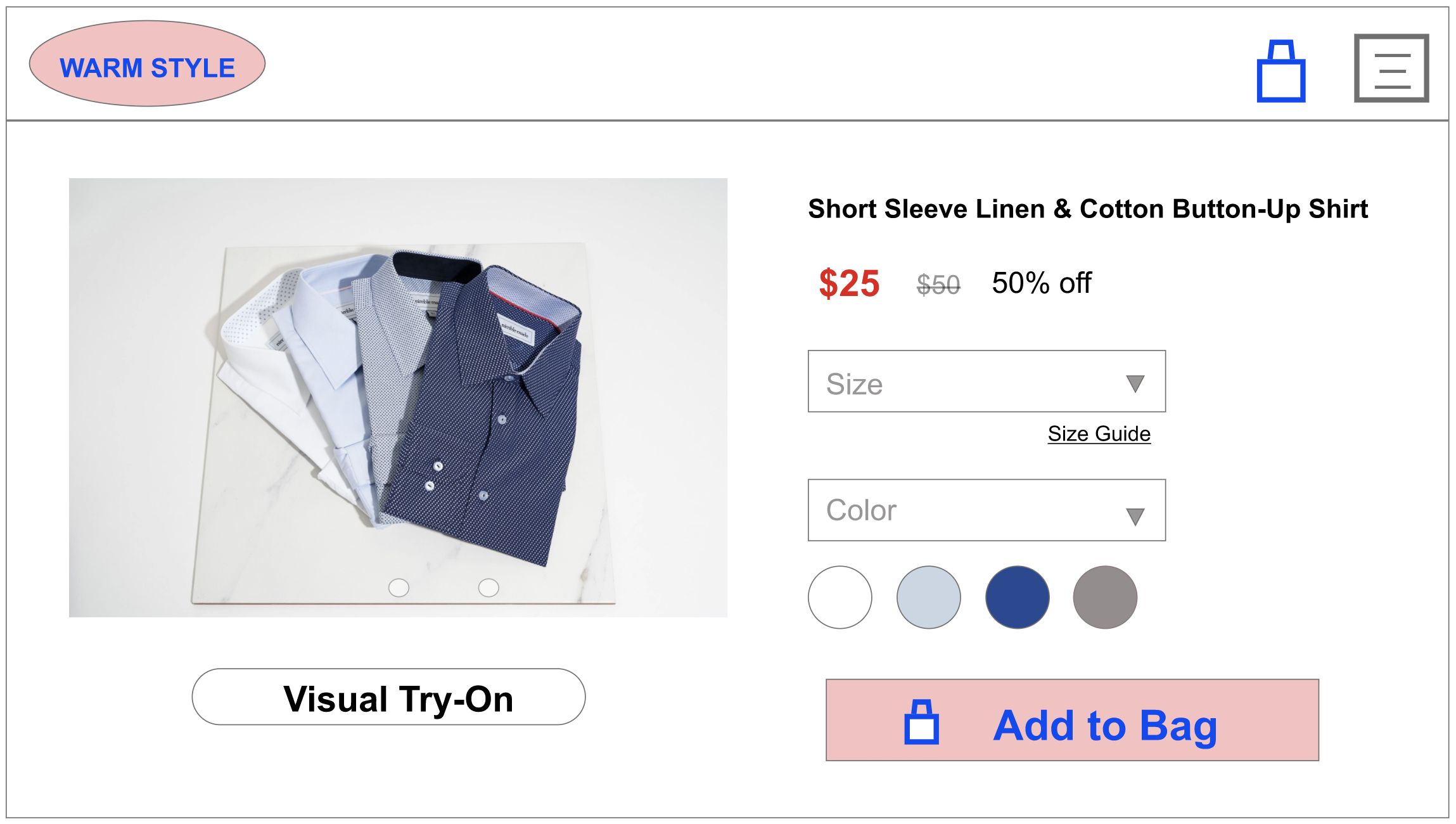
Window Shop is an e-commerce website builder that virtualizes brick and mortar stores into 3D spaces. Our features would closely replicate an in-person shopping experience with virtual try-ons of apparel, furniture, and cosmetics. The platform would host a collection of small businesses within a certain geographic region to give a sense of a virtual marketplace. The pricing model is lower than our competitors and we do not take transaction fees to ensure business owners can develop an online presence without high costs.
How we built it
During the pandemic, we noticed a trend in consumer behavior wanting to shop local. But there was a disconnect because stores were mostly closed, having to settle for selling gift cards to generate revenue. Even for stores that pivoted to online, they are isolated from the rest of their neighborhood stores who may not have the capacity to transition to online. Our goal is for every small businesses to have the opportunity to succeed. We built WindowShop as a whole package solution to address 3 needs:
- interactive shopping experience that replicates in-person shopping (virtual try-on features)
- encourage shopping locally
- aid in the transition of small businesses to online
Our business plan would have two phases. The first phase is to identify tech-savvy, high millennials populated cities (Seattle, San-Francisco, etc) since this demographic cares deeply about shopping local and have the disposable income to spend. Within the selected cities, we would identify neighborhood stores that do not have a big online presence, such as Chinatowns with only 38% of businesses having online stores. Our staff would consult with the owners about our service. Then, our team would take pictures of the store and virtualized it. We would closely work with the owners to set up their website, teach them marketing, curbside pickup, and shipping as an all-in-one-package. These initial partnerships would serve as case studies for Window Shop to improve and expand our services.
The second phase is to analyze the preliminary case studies and revamp our service. Then, we would market to other small business owners and neighborhood chamber of commerce about our services, presenting our case studies as evidence. As we expand, we would hire more talent in engineering, computer science, marketing, and professional services.
Challenges we ran into
Convincing small businesses that the virtual reality market is attractive, the technology is not gimmicky, and will boost sales. Envisioning and building our demo website.
Accomplishments that we're proud of
Developing our idea into a website demo and creating a business plan.
What we learned
Business owners are cost conscious and have limited bandwidth. With this knowledge, we want Window Shop to be affordable and easy to set up and use.
What's next for Window Shop
We want to continue improving on the design of our website and test virtual reality try-on features.
Built With
- adobexd




Log in or sign up for Devpost to join the conversation.