-
-
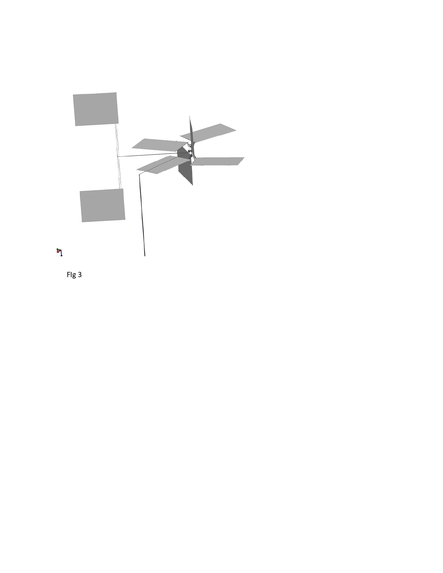
plate type
-
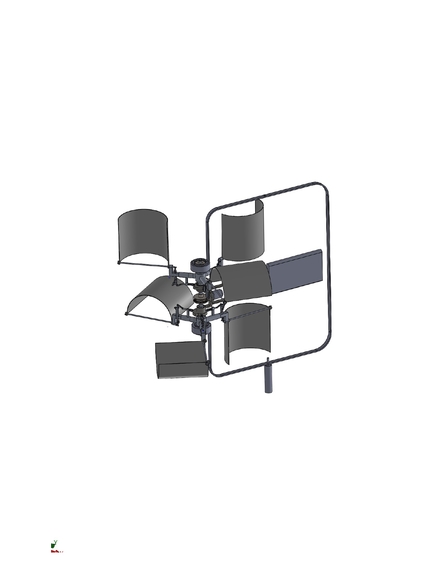
Savonius type
-
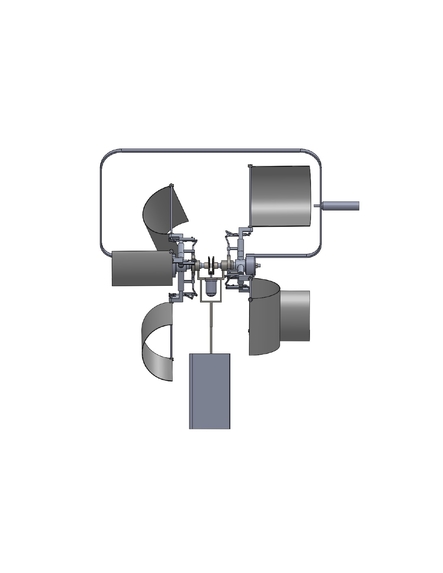
-
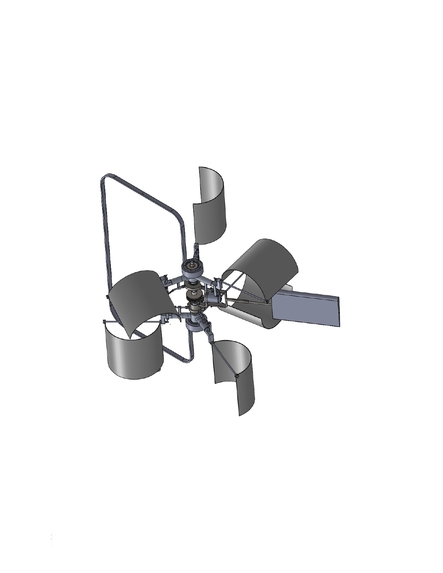
Savonius type
-
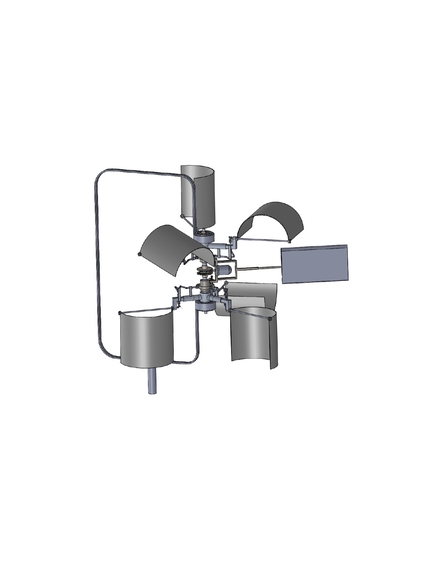
Savonius type
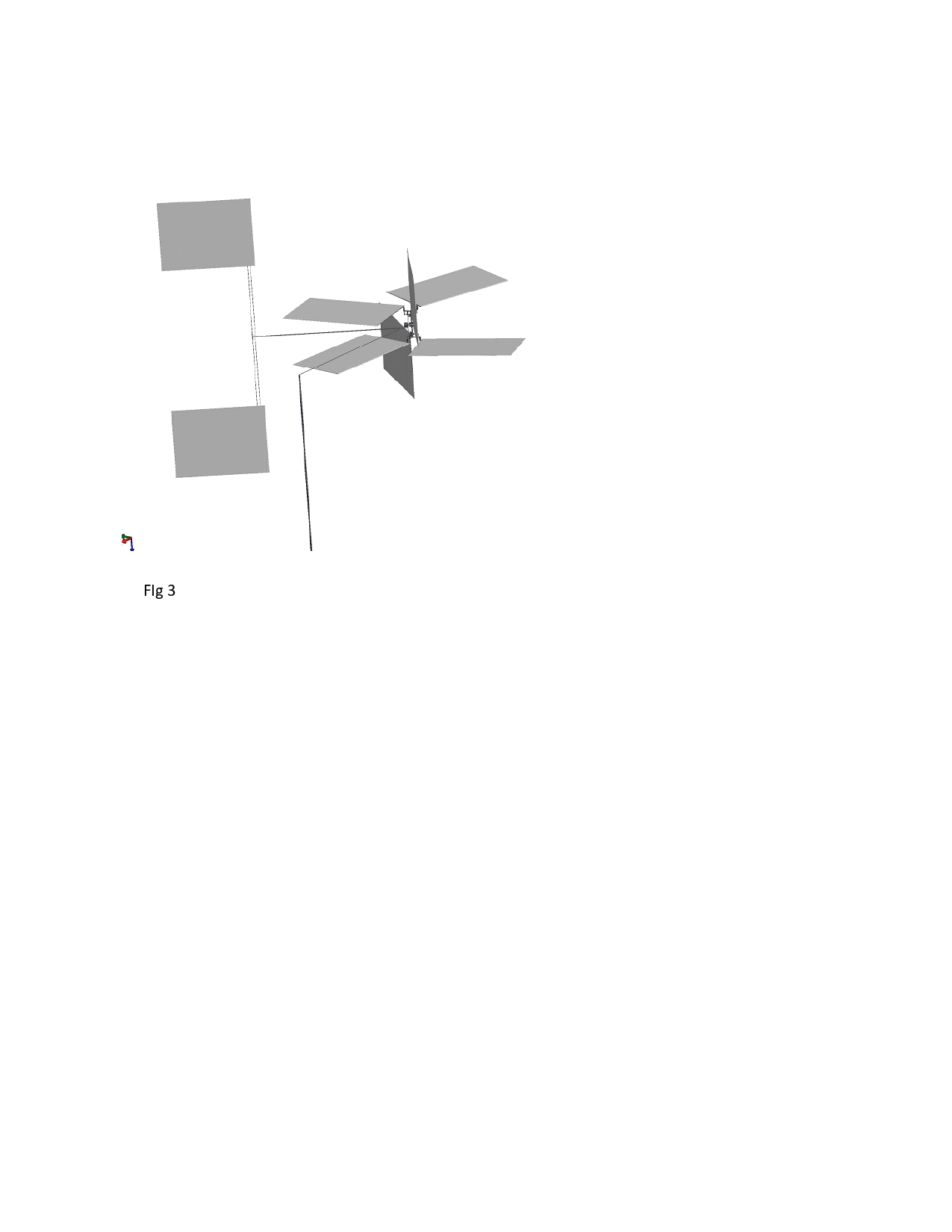
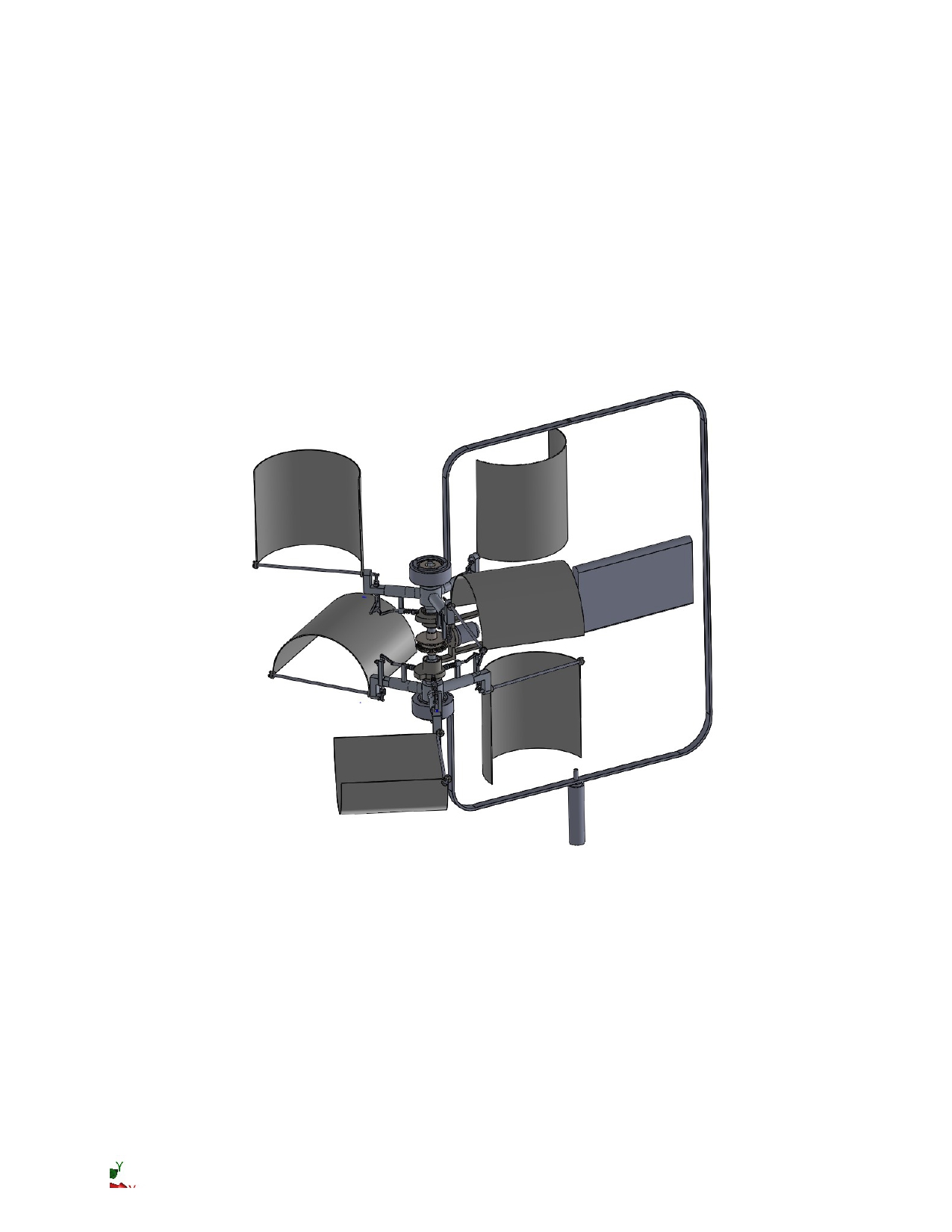
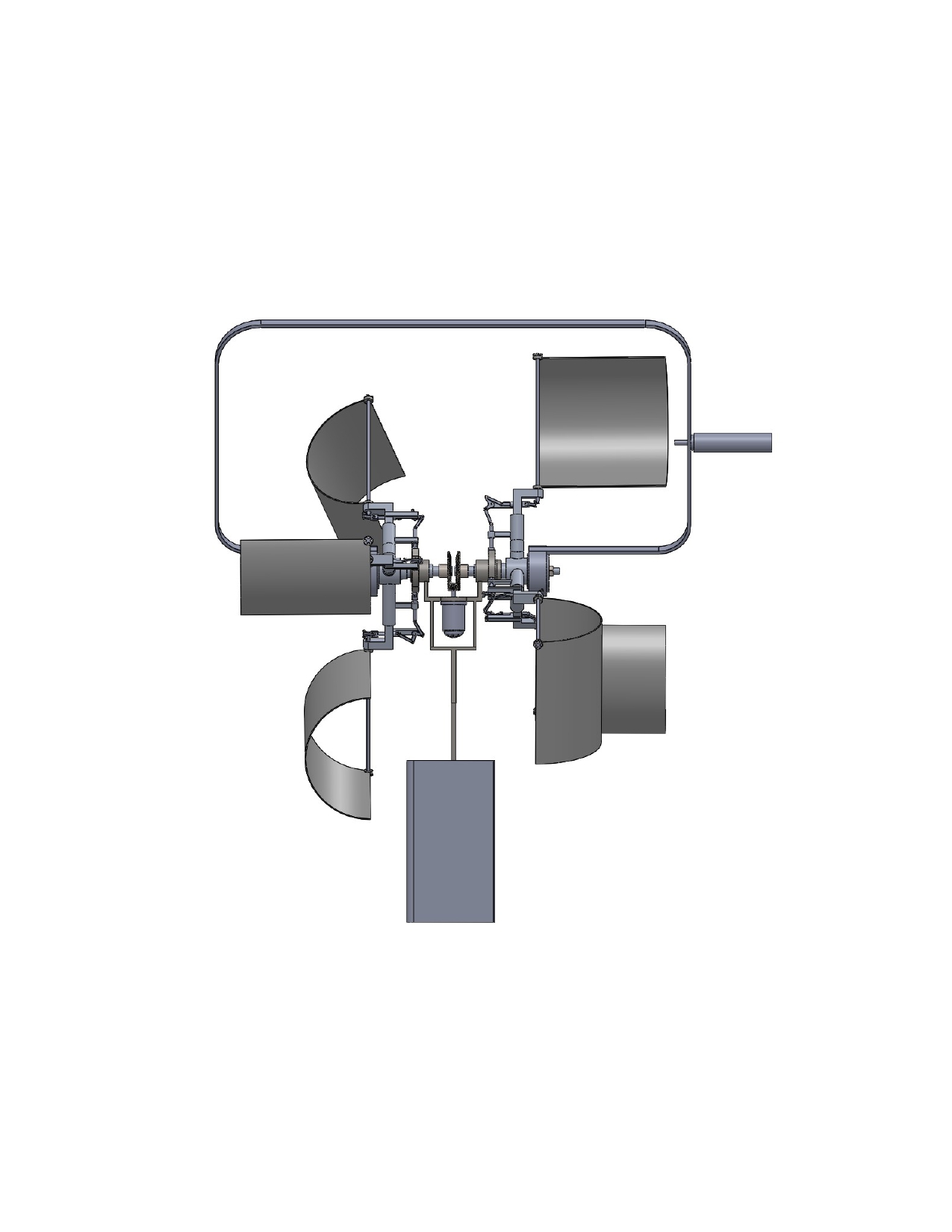
Inspiration
Living in Ethiopia, I witnessed how millions struggle with unreliable or nonexistent access to electricity—especially in rural areas. Most renewable energy systems are too expensive, complex, or unsuitable for low-wind environments. I wanted to create a clean energy system that works simply, mechanically, and affordably—without relying on electronics or fossil fuels
What it does
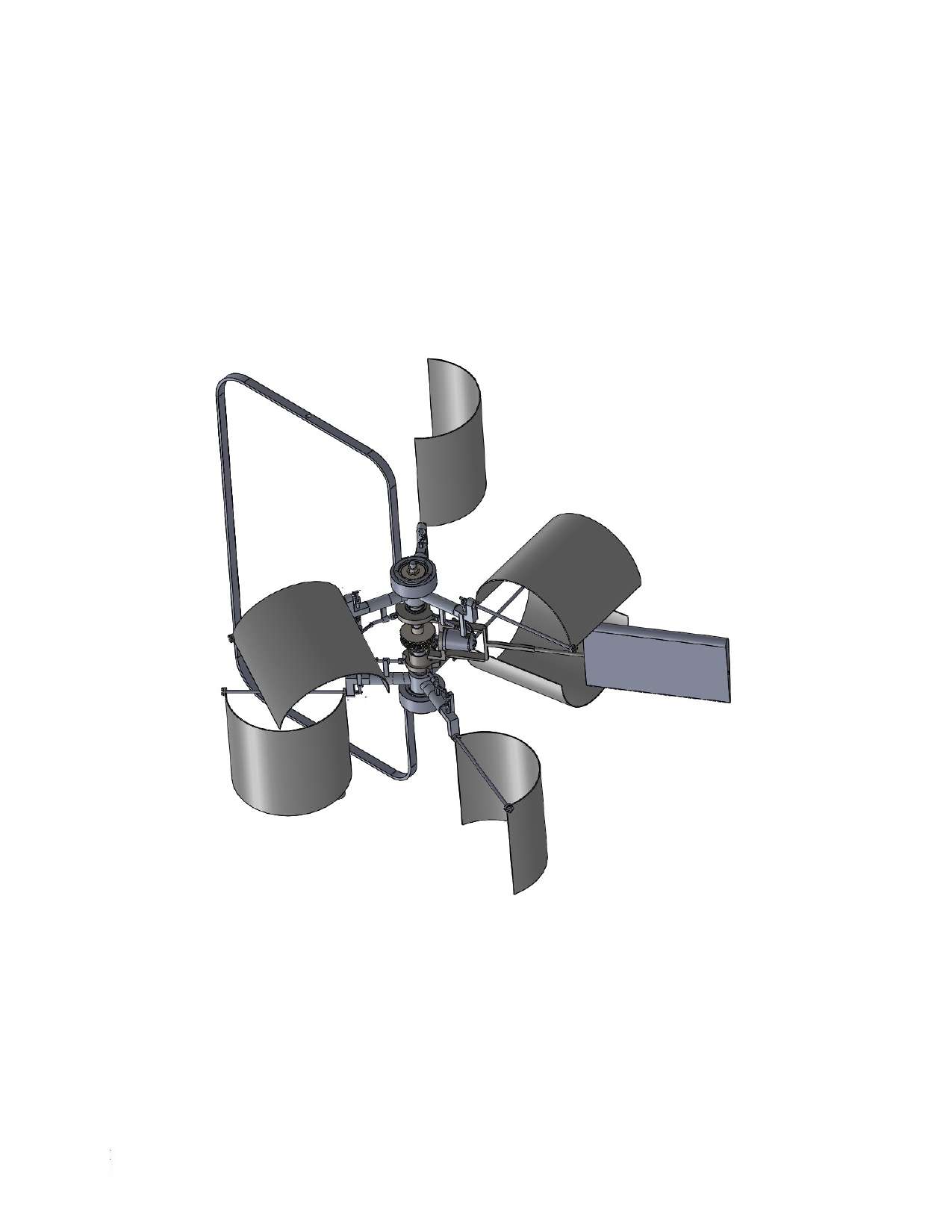
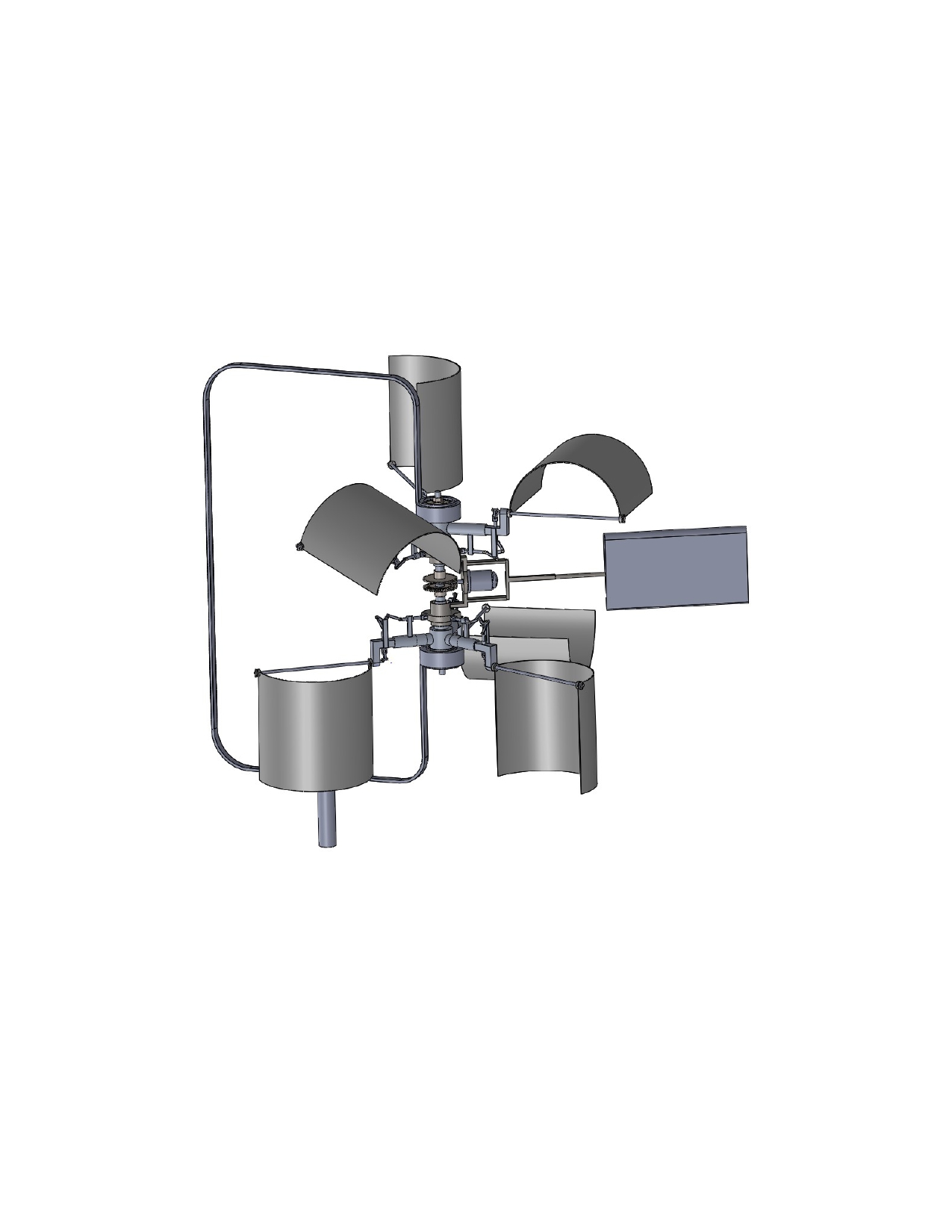
The WindFold turbine is a fuel-free wind energy system that uses mechanically folding blades to eliminate reverse drag during rotation. It adapts automatically to wind direction and speed using a cam and spring mechanism, requiring no electronics or sensors. The turbine captures wind energy more efficiently than traditional designs—especially in low-wind conditions—and delivers clean, continuous power for homes, farms, or microgrids. It’s simple, scalable, and ideal for off-grid areas.
How we built it
Challenges
i ran into No access to funding or industrial labs: I had to design, simulate, and test everything independently.
Lack of component availability: I ensured the design could be built from locally available materials.
Folding mechanism design: It was difficult to balance simplicity with reliability. I went through multiple design iterations to get the timing and mechanical action just right.
Skepticism: As an individual inventor without institutional backing, getting recognition and trust for a radical idea was tough.
Accomplishments that i am proud of
i am proud to have invented a novel wind turbine with mechanically folding blades that eliminate reverse drag, boosting efficiency without the need for electronics. This innovation led to the successful filing of a UK patent for a perpetual energy version, capable of continuous power generation without fuel. We developed and tested multiple prototypes using SolidWorks, proving the concept’s viability. The design earned the 2025 Global Recognition Award for clean energy innovation and is affordable, locally manufacturable, and scalable for diverse environments.
What we learned
Through this project, I deepened my understanding of aerodynamics, mechanical linkages, and energy optimization. I explored how drag forces affect traditional wind turbines, and realized that most vertical-axis designs suffer from significant reverse drag during rotation,besides i also learned that invention is big thing to dig in but without money things could go tougher.
What's next for WindFold: Directionally Adaptive Turbine System
Next, i plan to build a full-scale working prototype of the WindFold turbine and conduct real-world performance testing in both rural and urban settings. i aim to partner with local manufacturers to pilot small-scale production using affordable, locally sourced materials. Our goal is to secure support from clean energy accelerators and grant programs to refine the design, validate efficiency metrics, and begin deployment in off-grid communities. Long-term, we envision WindFold becoming a globally recognized solution for decentralized, sustainable energy.
Built With
- and-connecting-rod-mechanisms-(no-electronics-or-software-control)-hand-calculations-?-using-fluid-dynamics-and-mechanical-equations-for-torque
- and-design-optimization-manual-prototyping-tools-?-for-creating-physical-test-models-using-locally-sourced-materials-mechanical-systems-?-cam
- and-power-estimation-microsoft-office-/-word-?-for-documentation
- and-report-preparation-(no-code
- cloud
- drag
- follower
- motion-simulation
- patent-drafting
- solidworks-2022-?-for-3d-cad-modeling
- spring

Log in or sign up for Devpost to join the conversation.