-
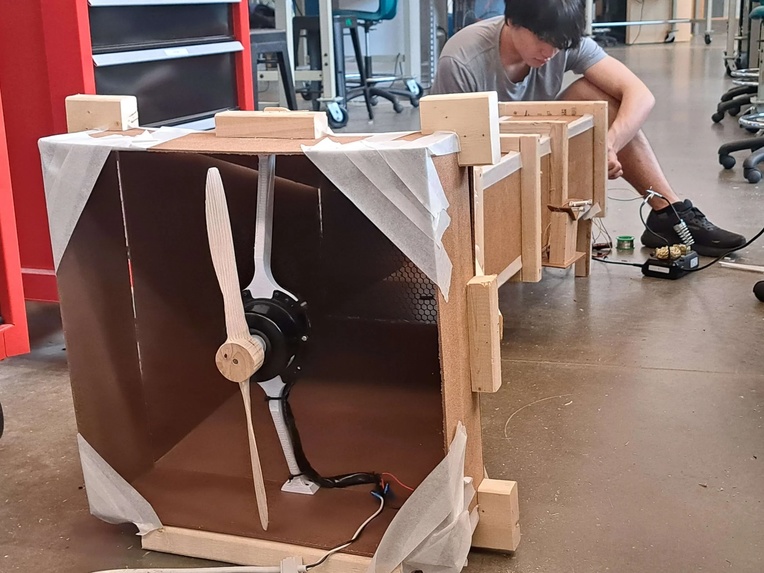
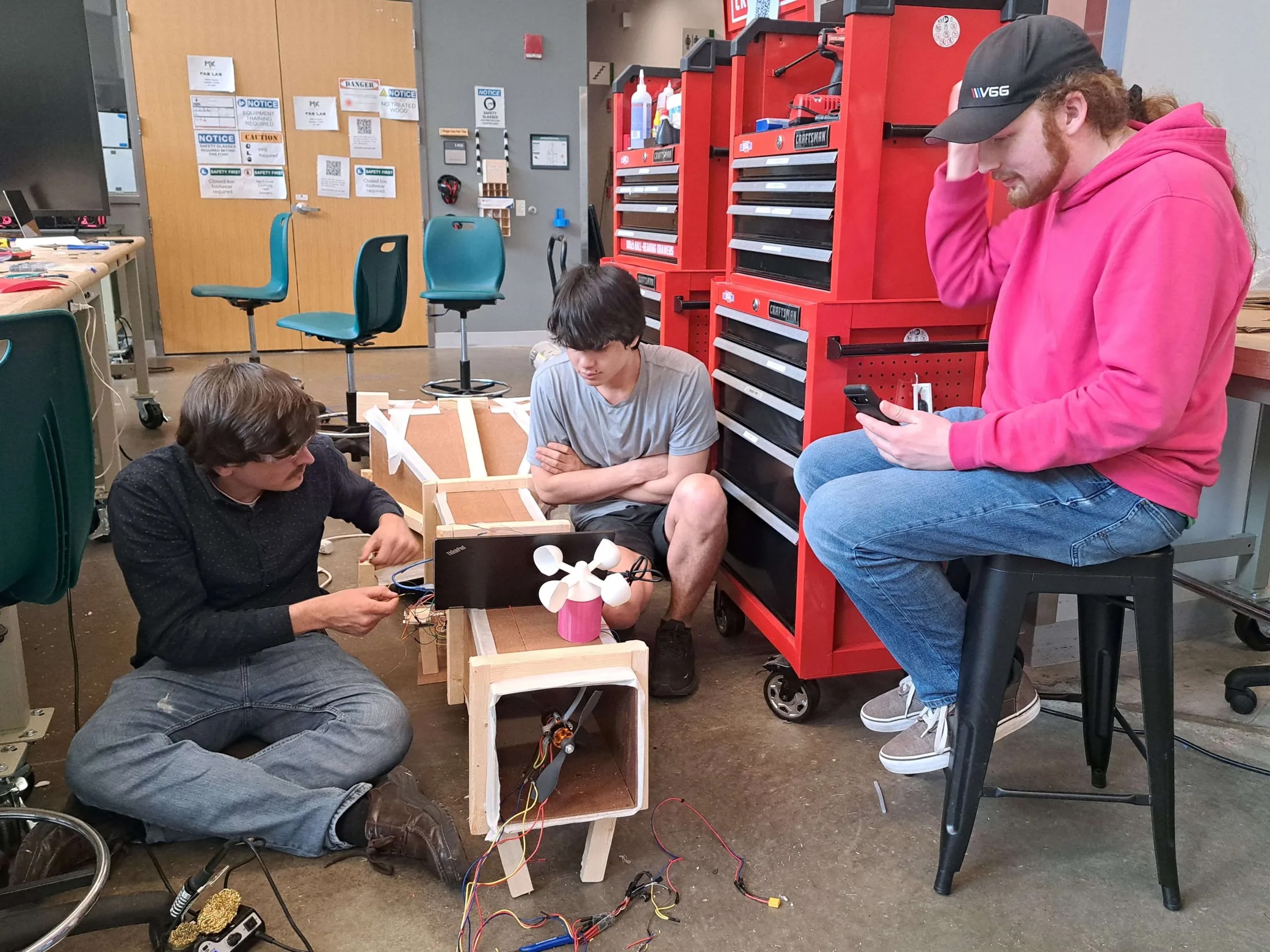
(Luke soldering brushless motors)
-
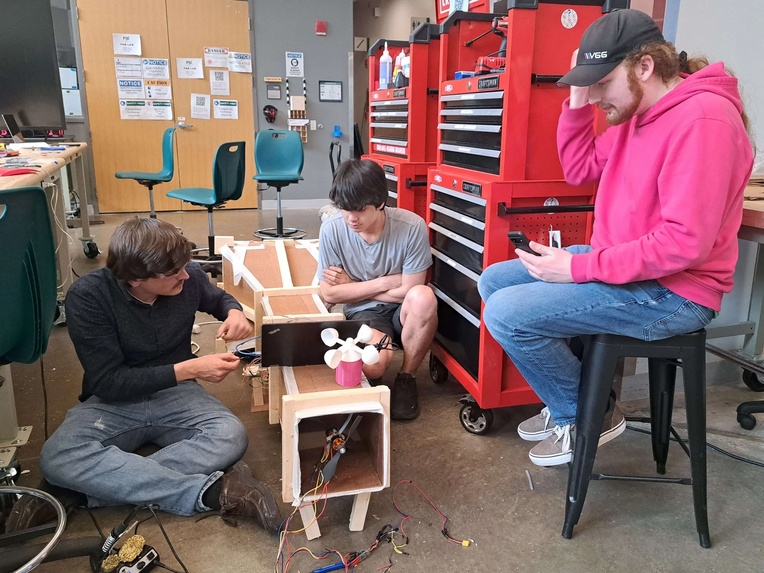
Group
-
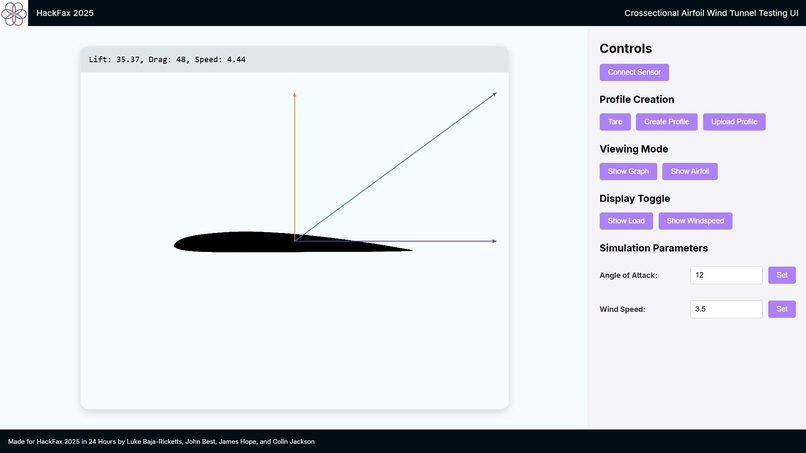
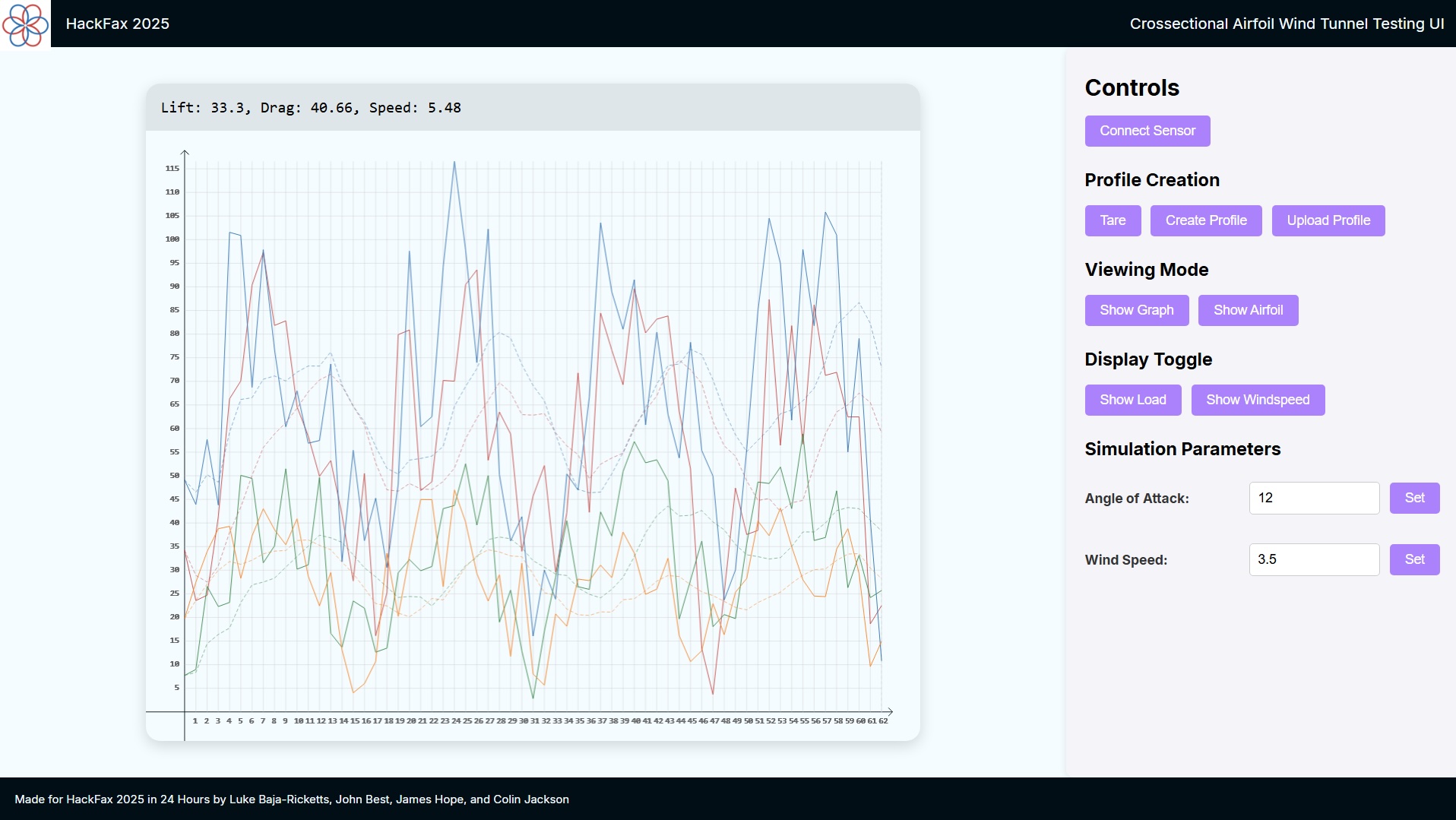
Airfoil Force Data (drag and lift)
-
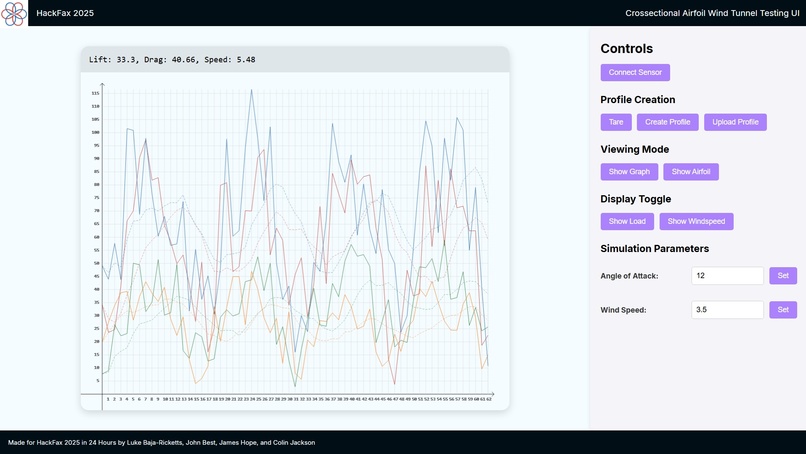
Force Data
-
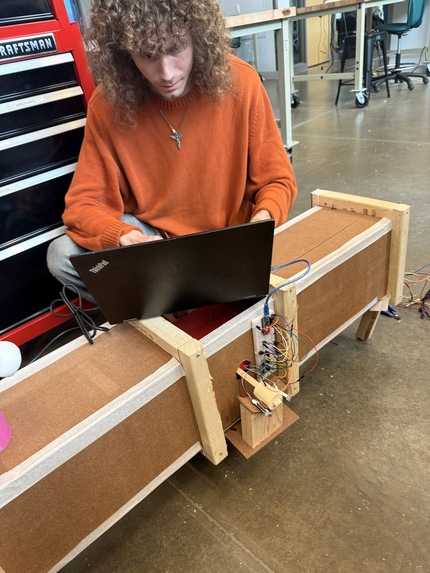
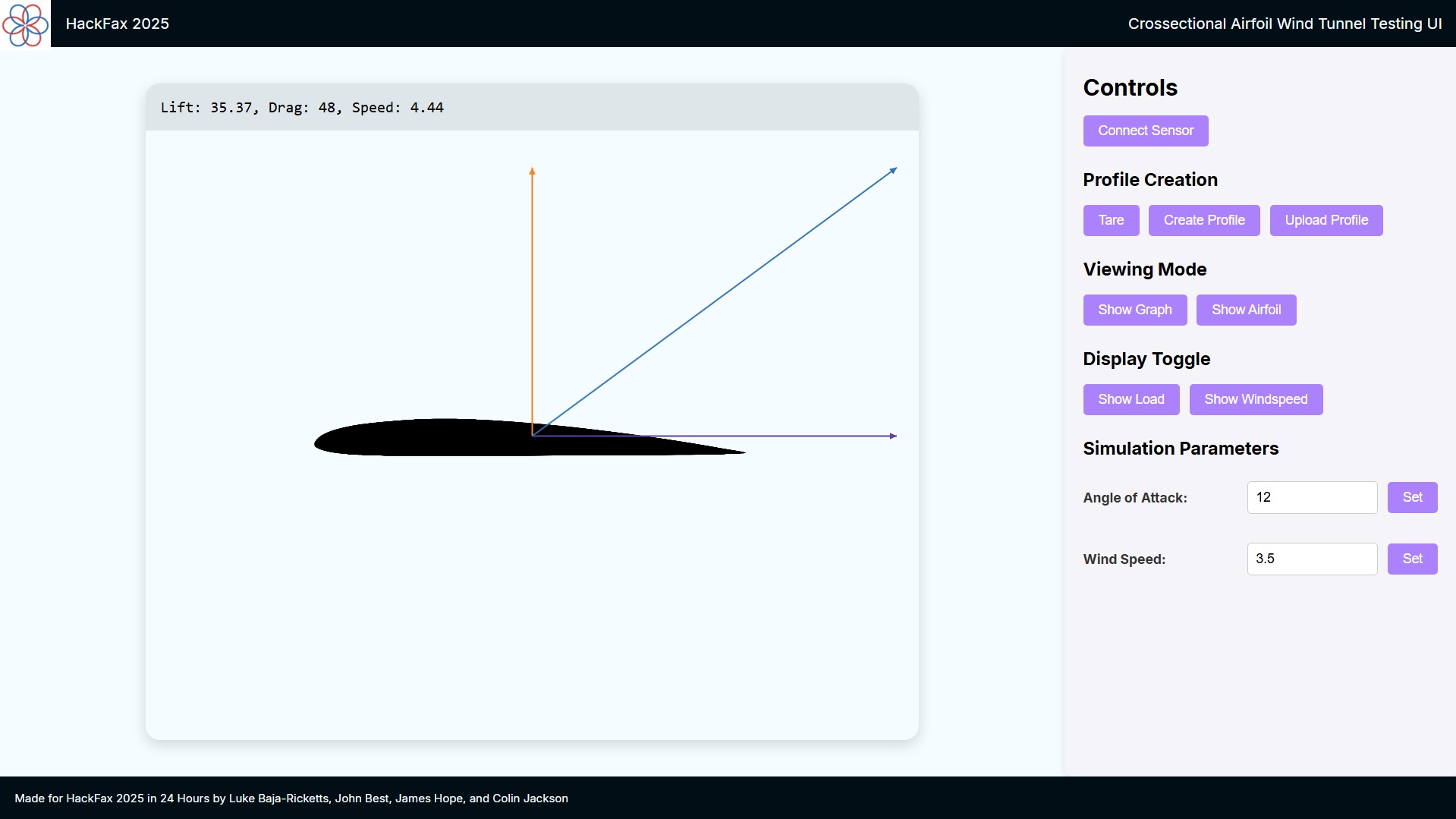
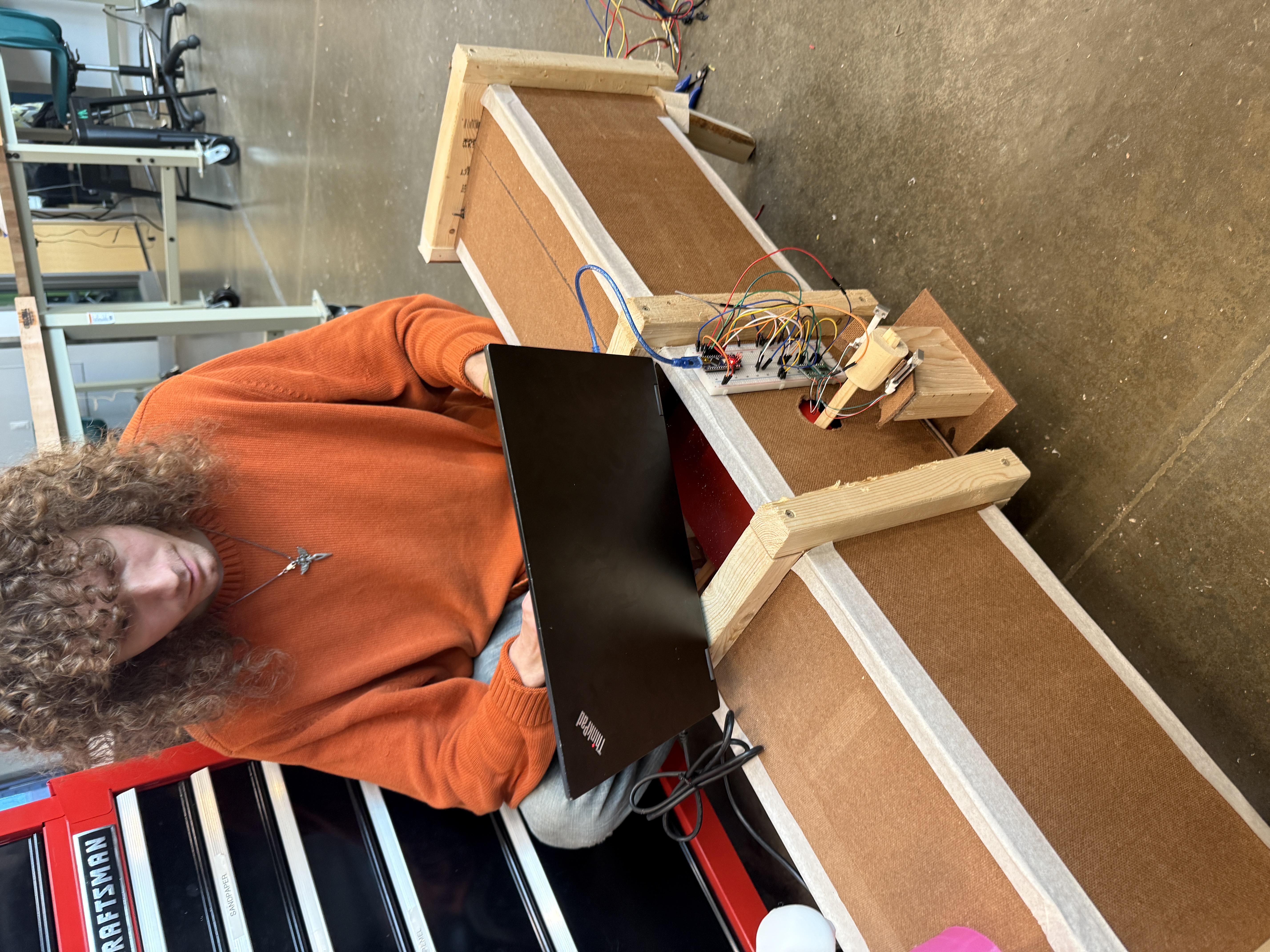
John Programming the Wind Tunnel
-
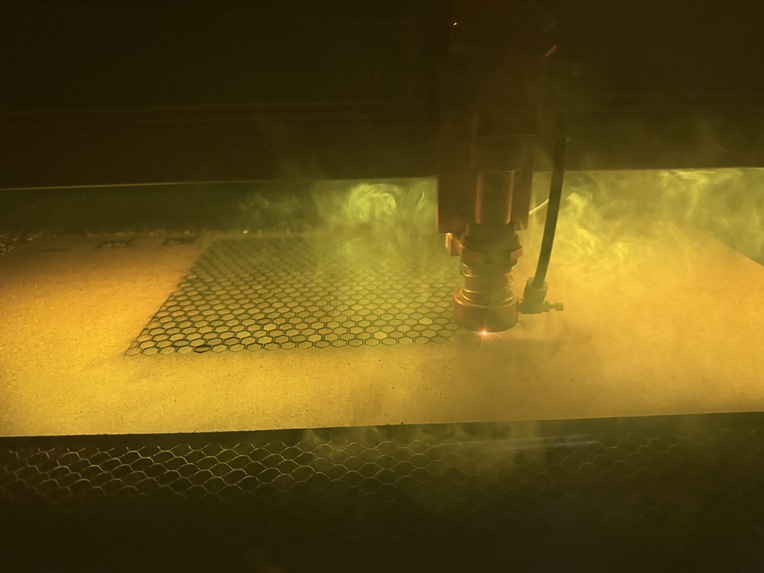
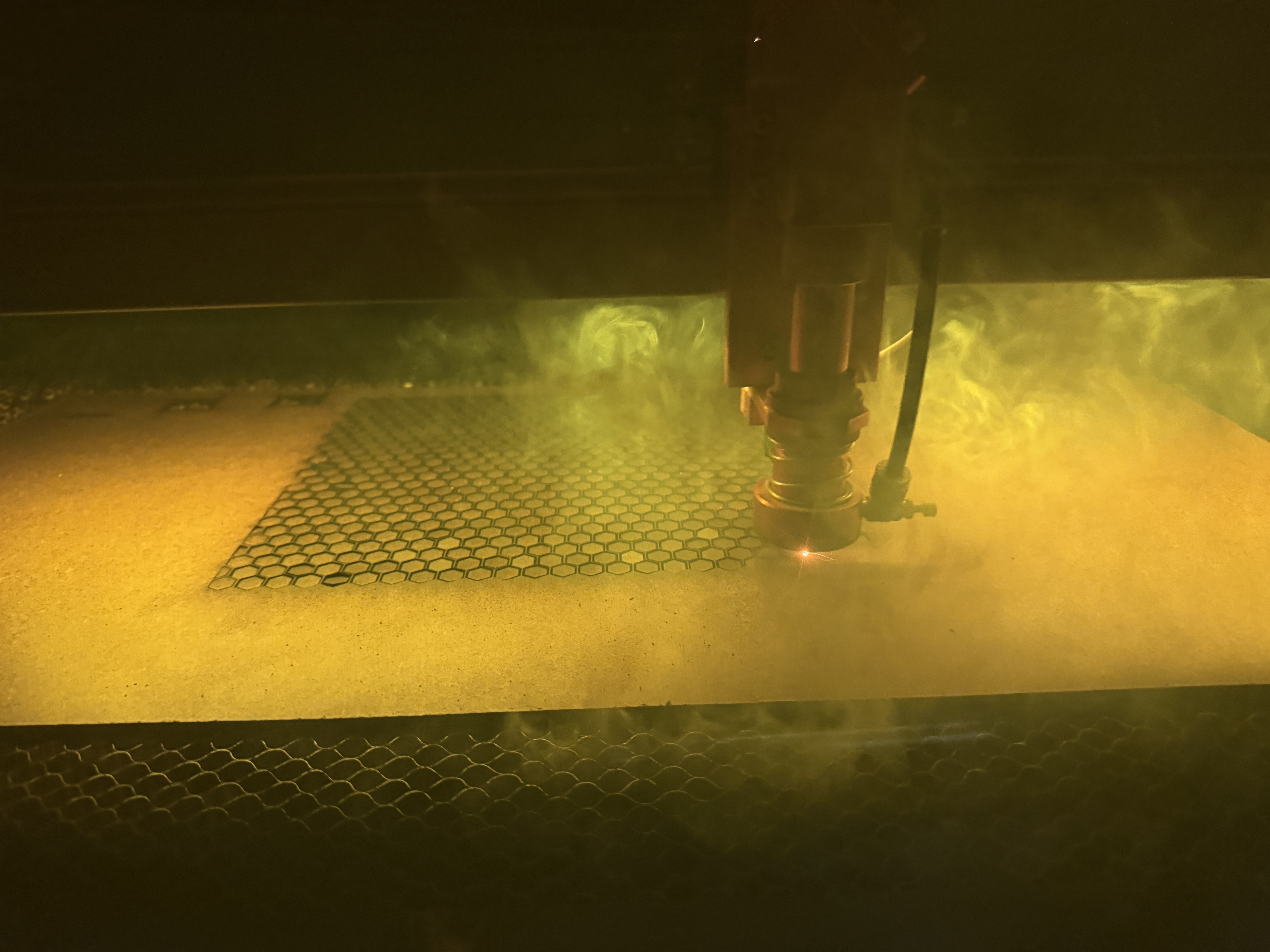
Laser Cutting the Mesh Frame
-
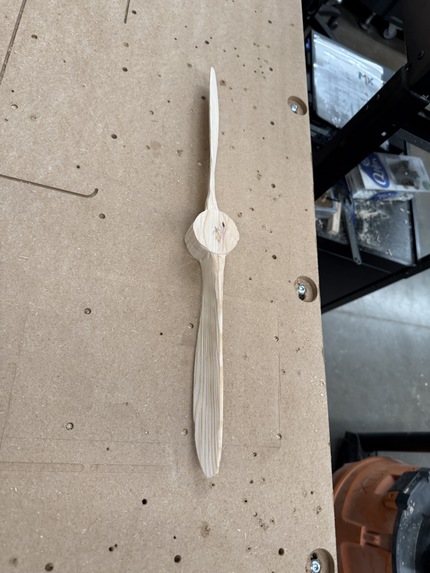
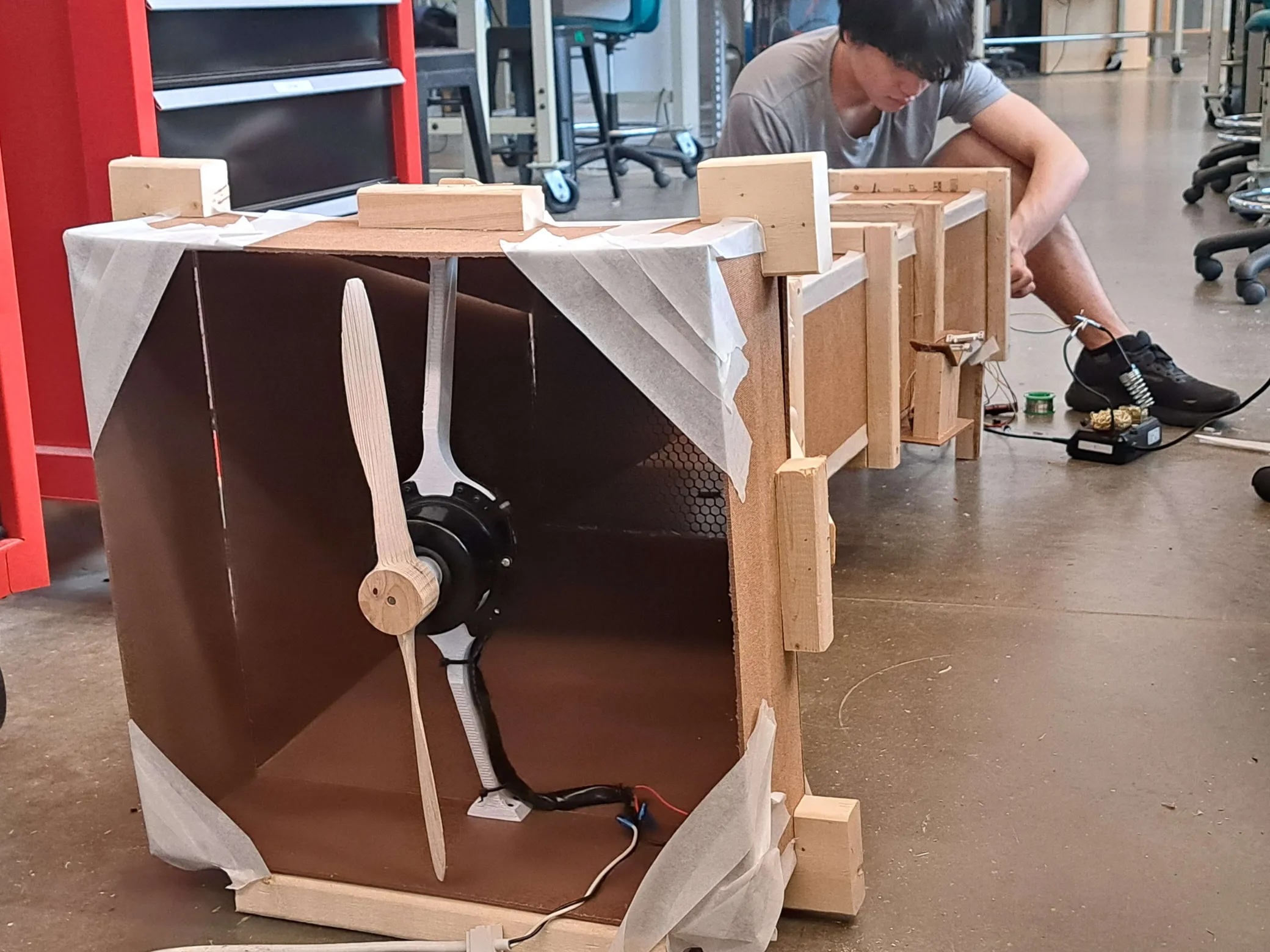
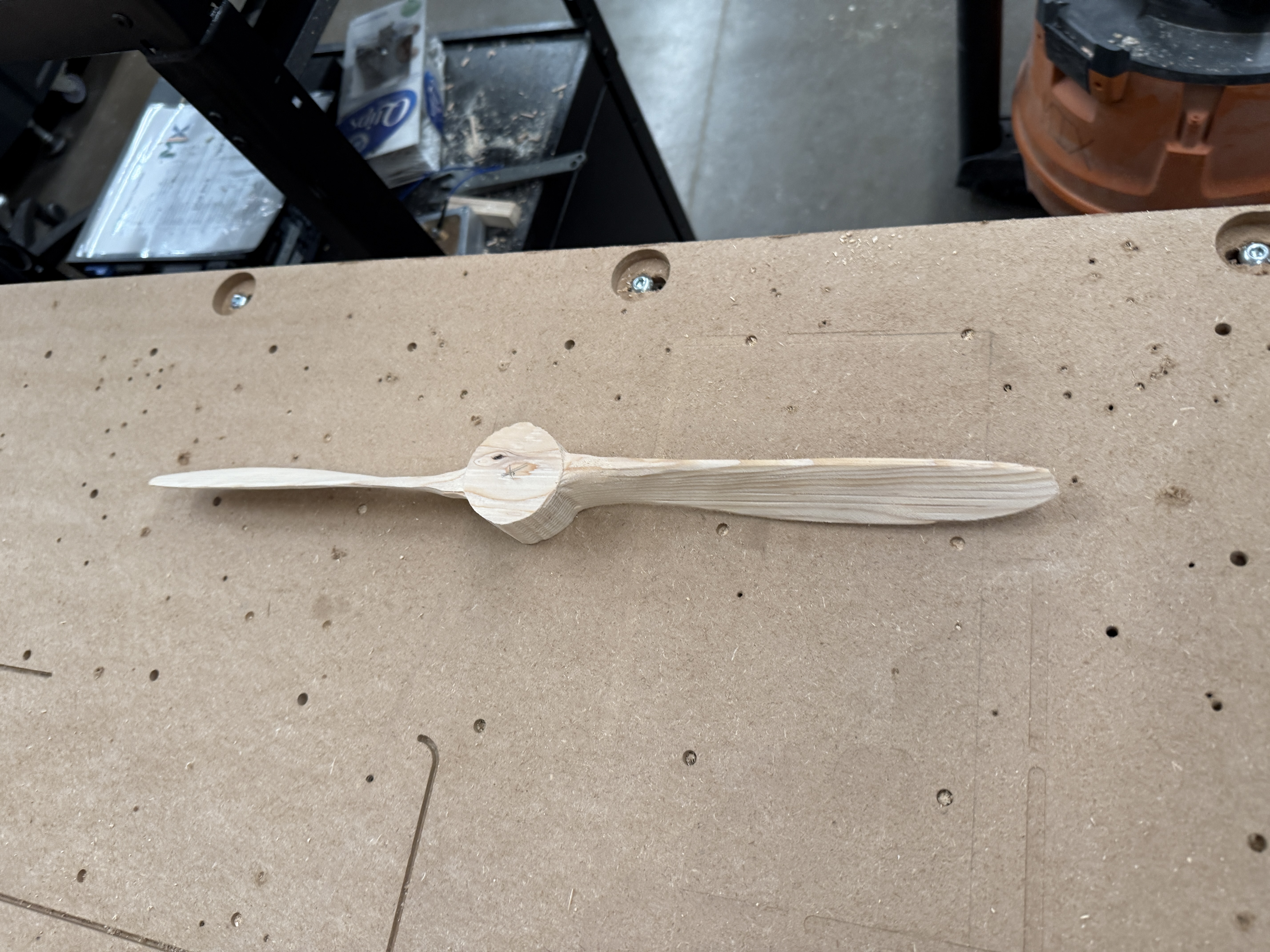
Wooden Propeller Cut using CNC Router
-
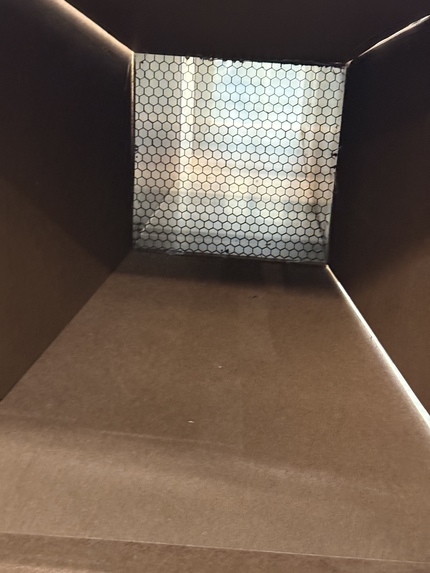
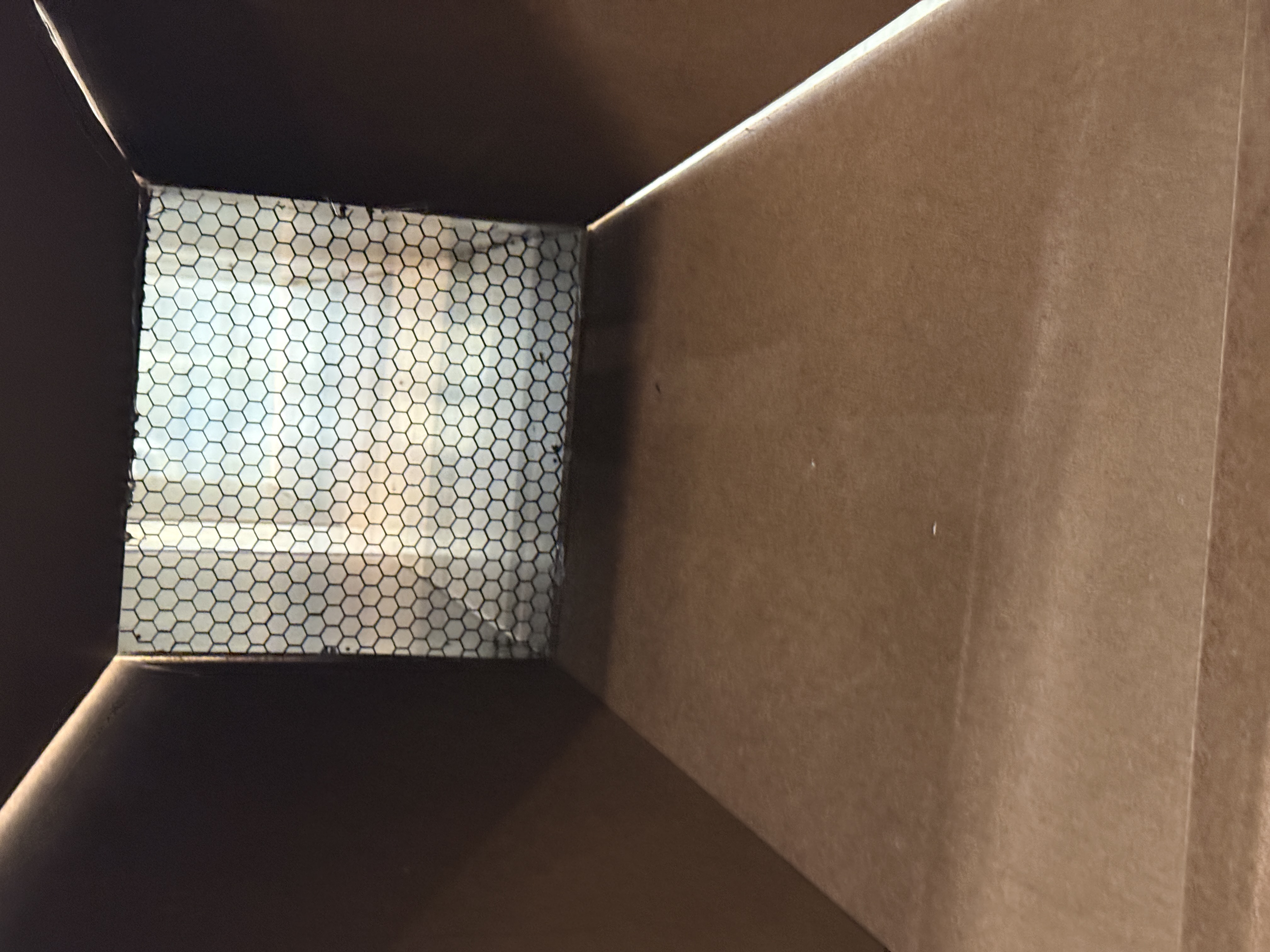
Picture of the Mesh Filter inside of the Wind Tunnel
Inspiration
Our group member Luke, teaches at local public Middle Schools. Every time he teaches he is inspired by how hard the teachers work to get their students inspired. We wanted to make a hack that also inspired the next generation of learners.
What it does
Our wind tunnel blows high speed air over a model of an airfoil (like on a plane's wing). This allows us to simulate how the airfoil would act in the air. NASA uses wind tunnels to simulate the aircraft. The exciting part about this is that it a visual way of understanding very very complex physics. Our sensors (force, humidity, wind speed) allow us to get scientific data as well which can utilized for aerodynamics research.
How we built it
Luke started by building the center portion, called the test chamber. This involved a trip to Lowes to get hardboard, and the disassembly of 3D printers for the clear acrylic panels. Then James began building an anemometer to measure wind speed. Colin started on CNC routing a propeller to push the majority of the air using an induction motor from a fan. All the while, John was programming the web frontend to communicate with the Arduinos using the WebSerial API, (from scratch without libraries). This frontend graphed out all the data received by the sensors and is capable of controlling the speed of the BLDC motors and a servo to control angle of attack.
Laser Cutting Video
CNC Routing Propeller
Running wind tunnel
Challenges we ran into
A challenge Luke faced was constructing the body of the wind tunnel using mostly scrap wood. James had trouble building the anemometer (to measure wind speed), because his initial strategy was to use a fan with a tachometer and interface with it, but he struggled to find one so he had to switch to building one using a hall effect sensor and 3D printed fan. Although he completed the anemometer, we didn’t have time to integrate this sensor, but it would’ve provided the feedback needed to set the wind speed through PID control. John was way ahead of schedule programming, but had trouble creating new features while he waited for the hardware to be completed, so he could get real data to test.
Accomplishments that we're proud of...
This may be cheesy, but teamwork and coordination. At any point, everyone had a task to do. Colin worked on CNC routing the propeller, James worked on creating an anemometer, John designed the website interface, and Luke constructed the test chamber. We are especially proud of this because we have all worked on other hackathon teams, so we know how special this is.
What we learned
How to interface between USB serial devices, CNC route and design propellers, utilize force sensors for describing lift and drag, and most importantly how to work with others without getting frustrated at each others pitfalls. Everyone makes mistakes and there is no time to be upset in a 24 hour hackathon. We all made mistakes and we all moved past them as fast as possible.
What's next for Wind Tunnel for Aerospace Educators/Students
Colin will be exploring the idea of showing STEM to students by bringing the wind tunnel to his classes. Exploring science topics in visual and tactile ways can be very important to children that have problems learning through literature. If we were to remake this wind tunnel, we would redo the placement of the load cells, and how they connect to the test piece, because the current method was rushed and suboptimal. The propeller would be redesigned to be wider to push more air. The body would be made more accurately and neatly, to prevent gaps in the wood. Our anemometer would use a propeller with less friction to reduce the time to reach the wind speed. An additional feature would be to add smoke to visualize the air flow, (commonly used in wind tunnels).


Log in or sign up for Devpost to join the conversation.