-
-
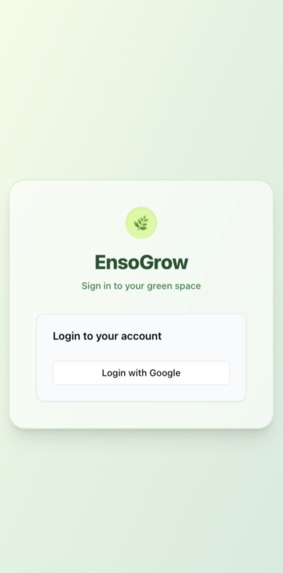
Onboarding
-
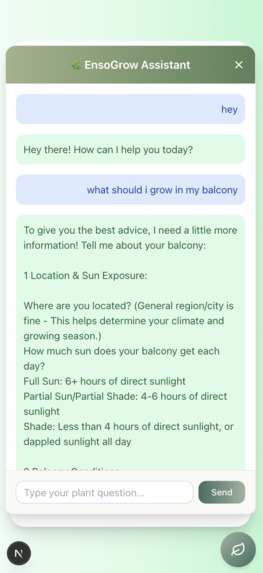
Personalized Plantation Chatbot
-
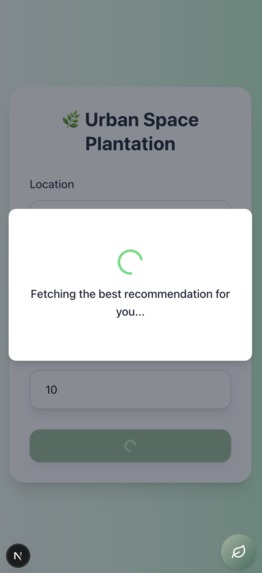
Recommendations
-
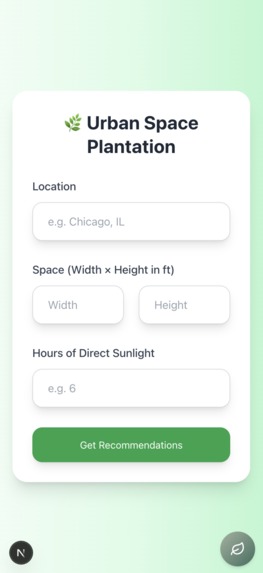
Plantation Onboarding Form
-
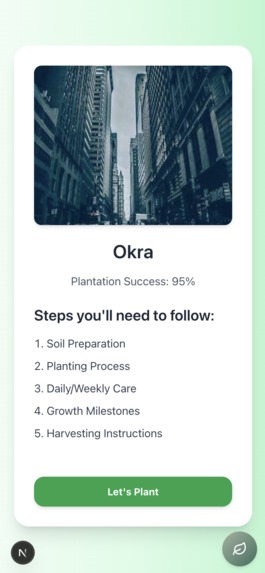
Plantation Overview
-
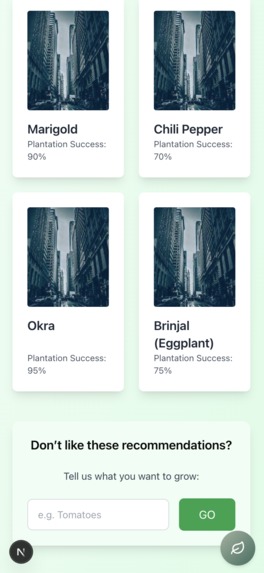
Recommended Plantations
-
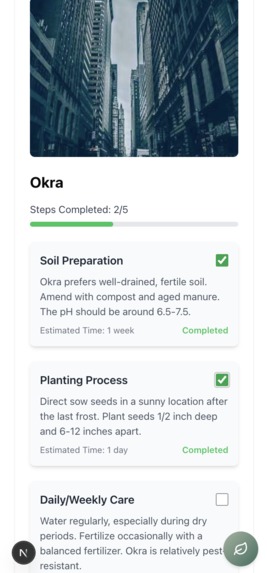
Plantation Tracker


🌿 About the Project: Ensogrow
🌱 What Inspired Us
Ensogrow was born from a simple observation: people in cities genuinely want to grow their own food — not for profit, but for health, sustainability, and the joy of reconnecting with nature.
However, most give up early, overwhelmed by lack of space, poor lighting, confusing care routines, and inconsistent results.
The name Ensogrow is inspired by the Zen symbol Ensō — a circle that represents balance, simplicity, and completeness. I wanted to capture that same essence in a tool that helps everyday people grow food mindfully in modern urban settings — on a balcony, rooftop, or kitchen window.
🔧 How We Built It
We built Ensogrow as a Progressive Web App (PWA) using:
- Frontend: Next.js, Tailwind CSS, shadcn/ui for UI components, and Clerk.dev for authentication
- Backend: Node.js with Express to handle API logic
- AI Integration: Google Gemini API to provide context-aware crop suggestions and care instructions based on a user’s sunlight, space, and experience
- Auth: Firebase with Google SSO
- Hosting: Render (free tier) with HTTPS enabled out-of-the-box
- PWA Support: Ensures users can install the app on mobile and access it even offline
🧠 What We Learned
- How to architect a full-stack PWA with server-side and AI integration
- Prompt engineering and AI context handling using Gemini for user-specific gardening advice
- Working with auth tokens and verifying them securely in a Node backend
- Building for real users — keeping the interface simple, warm, and beginner-friendly
⚠️ Challenges We Faced
- AI Prompt Tuning: Making Gemini consistently return helpful, actionable advice required careful prompt structuring and fallback logic.
- PWA Optimization: Balancing performance with offline support, service workers, and layout behavior on mobile took several iterations.
- Keeping It Beginner-Friendly: Stripping away complexity while still delivering value (without overwhelming the user) was a design and UX challenge.
✨ The Vision Ahead
Ensogrow is more than a gardening tool — it’s about making sustainable food-growing accessible to everyone, no matter their space or experience level.
The future includes features like image-based plant diagnosis, community-driven grow logs, and hyper-local seed exchange.
If it helped someone grow their first tomato plant — that's a win 🌿


Log in or sign up for Devpost to join the conversation.