Inspiration
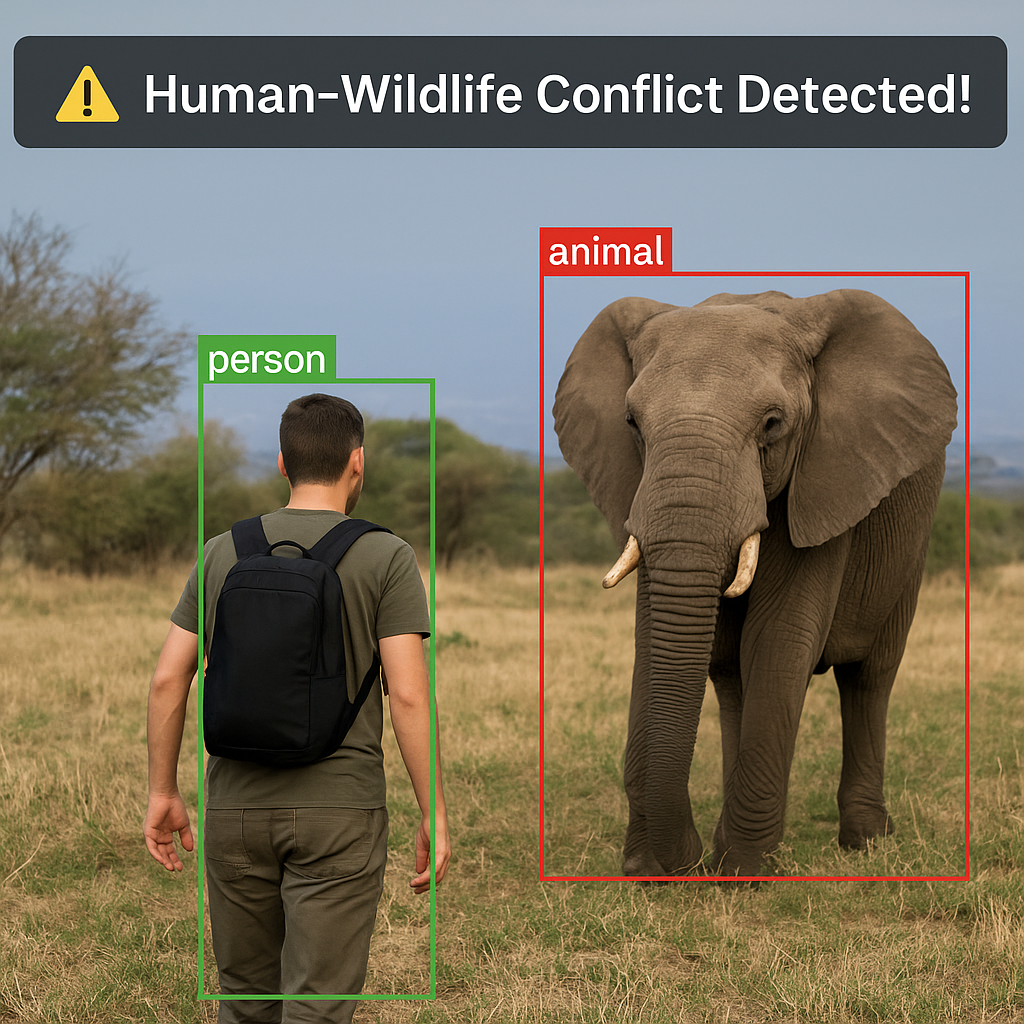
Human–wildlife conflicts are increasing worldwide as animals venture closer to rural settlements. Early detection of wildlife near human activity can save lives and protect biodiversity. I wanted to build a low-power, edge-AI system that can operate autonomously in remote locations, detecting and classifying animals without requiring cloud connectivity — an essential feature for field deployment in areas with limited infrastructure.
How I Built It
The project uses the AMD Kria KR260 Robotics Starter Kit, powered by a Zynq UltraScale+ MPSoC that combines programmable logic with Arm Cortex-A53 processors.
The AI pipeline has two main modes:
- Fast Mode (PL/DPU) — optimized inference using the DPU accelerator for real-time video streams.
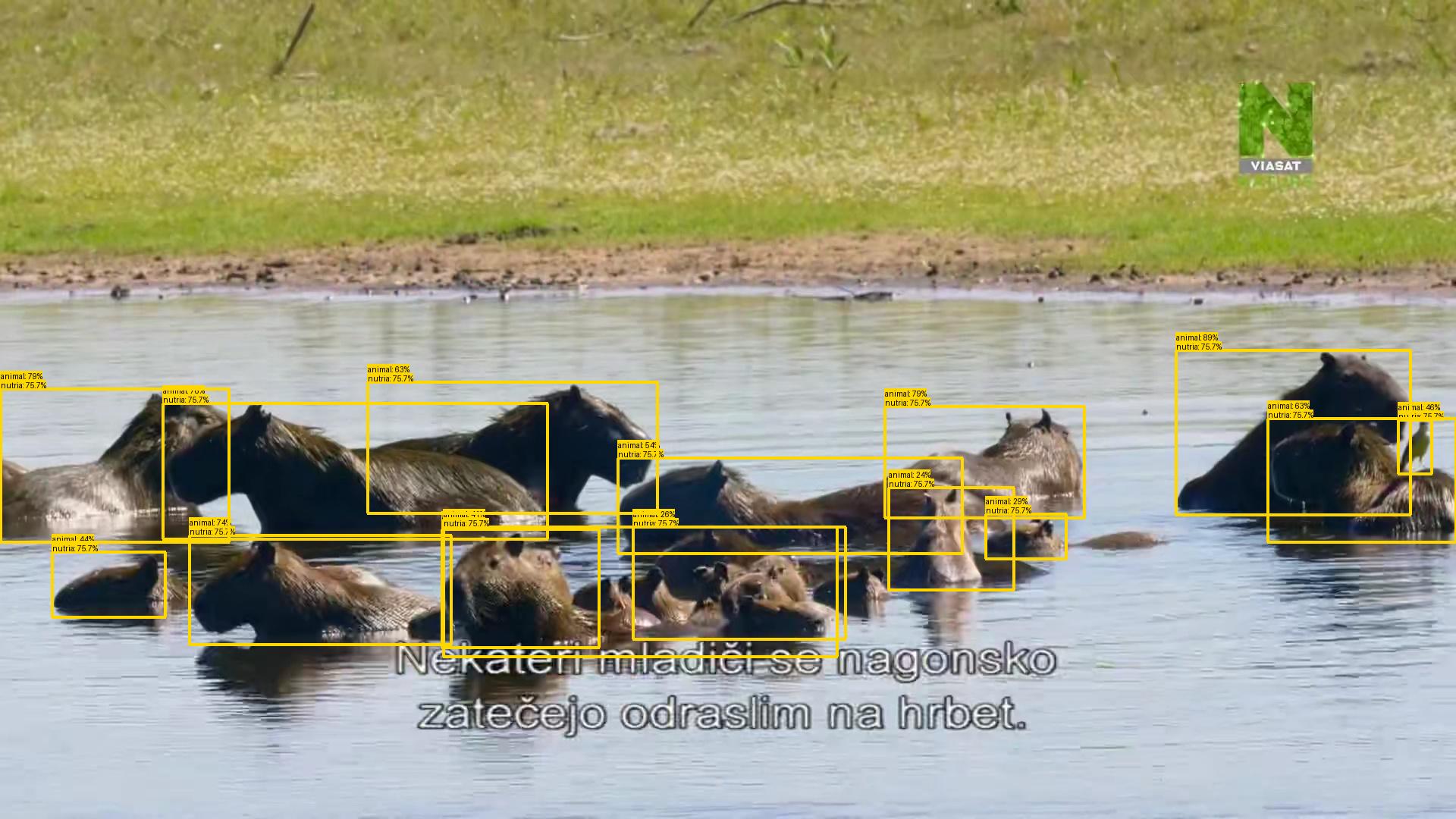
- Accurate Mode (PS/CPU) — new for this Arm-AI-Developer challenge: inference runs entirely on the Arm Cortex-A53 using PyTorch with the full MegaDetector v5 detector and SpeciesNet classifier. This mode focuses on higher accuracy over speed, classify animal species (over 2600 different species) and is ideal for static or low-activity camera snapshots.
Captured frames are analyzed for wildlife presence. When animals or humans are detected, events are logged and alerts can be triggered locally or sent via network (when available).
All inference happens on-device, which ensures privacy, low latency, and resilience to connectivity loss.
What I Learned
- How to prepare, optimize, quantize, install and use deep learning models for Arm architectures.
- The difference in trade-offs between CPU-based and DPU-accelerated inference.
- Efficient deployment of PyTorch and ONNX Runtime on embedded Linux for the Kria platform.
- Strategies for balancing power, performance, and accuracy in edge AI systems.
Challenges
- Running PyTorch efficiently on a quad-core Arm Cortex-A53 required careful dependency management and lightweight model selection.
- Limited memory and CPU resources meant optimizing preprocessing and batching steps.
- Integrating multiple AI components (MegaDetector for detection and SpeciesNet for classification) within time constraints.
- Achieving reliable operation in outdoor environments with variable lighting and weather.
Next Steps
- Extend classification with SpeciesNet to identify species from detected animals.
- Add adaptive switching between CPU and DPU inference depending on power or activity level.
- Explore integration with LoRaWAN or 5G edge gateways for distributed deployments.
Summary
WildSight AI demonstrates how powerful and sustainable AI can run entirely on Arm processors, enabling real-time environmental awareness where it matters most — at the edge.

Log in or sign up for Devpost to join the conversation.