Inspiration
Growing up hiking in the Pacific Northwest, I’d always wonder about the plants and animals around me—yet reliable identification tools felt too technical for casual nature lovers, let alone kids. I wanted to create something that made biodiversity accessible: a tool that blended curiosity with contribution, turning every walk into a chance to learn and give back to science.
What it does
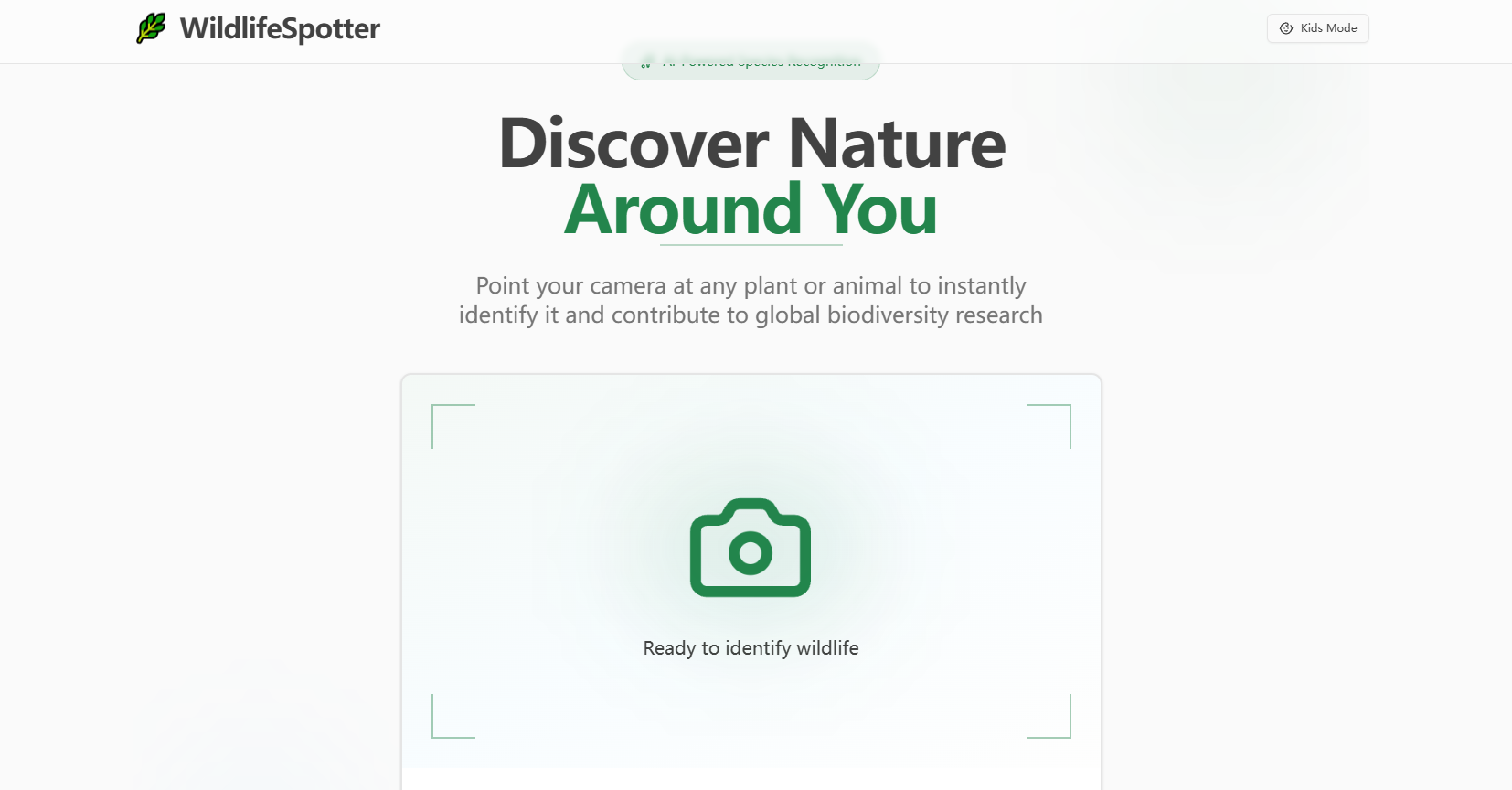
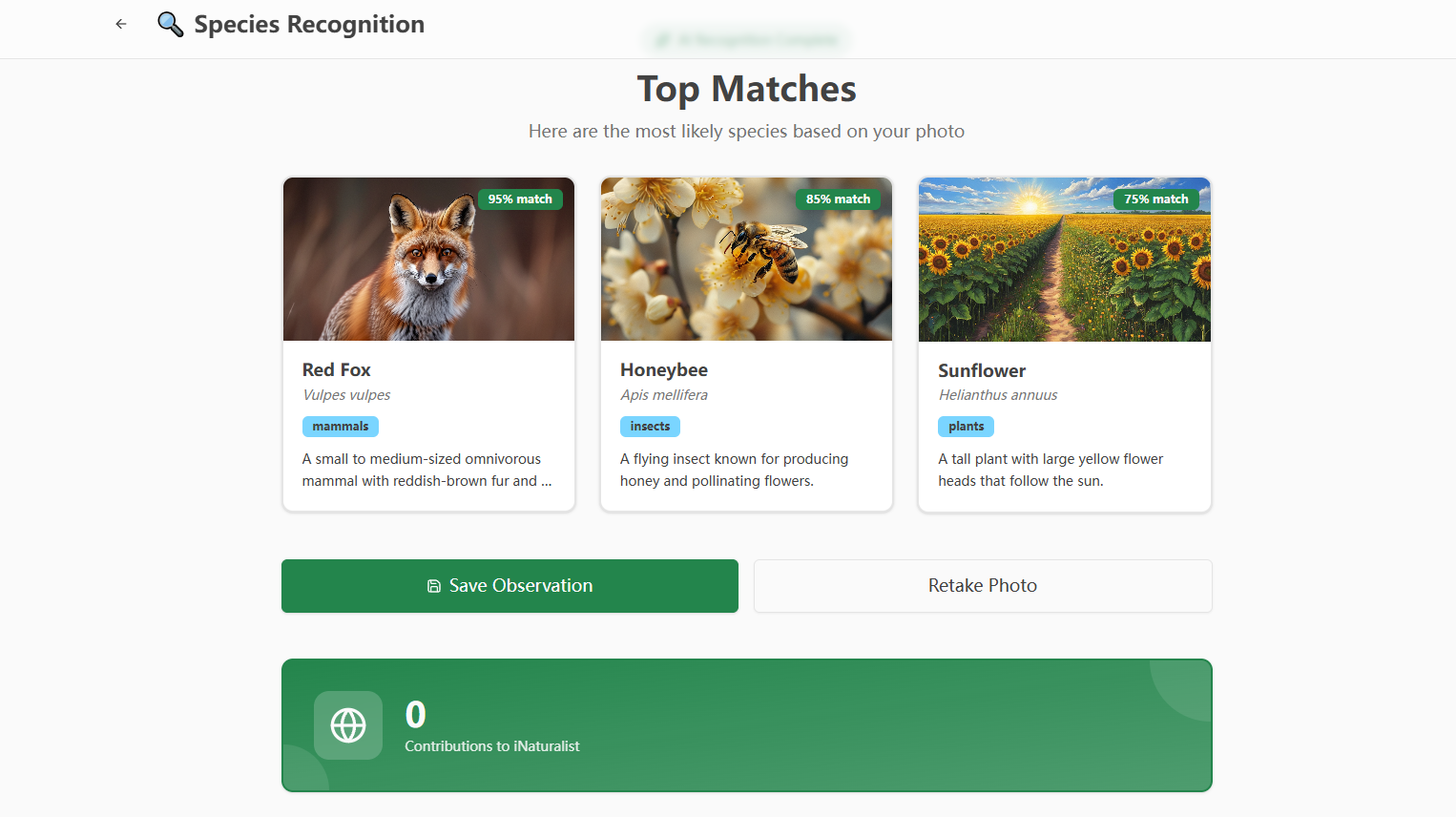
WildlifeSpotter lets users identify species via camera, log observations in a personal diary, view nearby rare species alerts, and engage kids with gamified collection albums and quizzes—all while supporting global biodiversity research.
How we built it
We started with core mobile development (Swift/iOS, Kotlin/Android) for cross-device compatibility. We integrated on-device AI (TensorFlow Lite) for fast species recognition, built a local database (SQLite) for observations, and designed kid-friendly UI with Figma. We connected to biodiversity databases to link user contributions to global research.
Challenges we ran into
Balancing speed and accuracy for on-device AI recognition was tough—we had to optimize the model to work seamlessly on mobile without lag. Designing for both casual adults and young kids also meant iterating on UI/UX to keep it intuitive for all ages.
Accomplishments that we're proud of
Creating an app that’s educational and engaging: parents tell us their kids now ask to “hunt for badges” on hikes, while casual nature lovers use it to log and share their finds. We also hit our goal of making citizen science approachable for non-experts.
What we learned
We deepened our understanding of on-device AI optimization and user-centric design—especially for multi-age audiences. We also learned how to bridge consumer app design with scientific research needs, making complex biodiversity data accessible to everyday users.
What's next for this project
We plan to expand the species database to include more regional flora/fauna, add audio recognition for bird calls, and build a community feature for users to share observations locally. We’re also exploring partnerships with schools to integrate the app into outdoor education curricula.

Log in or sign up for Devpost to join the conversation.