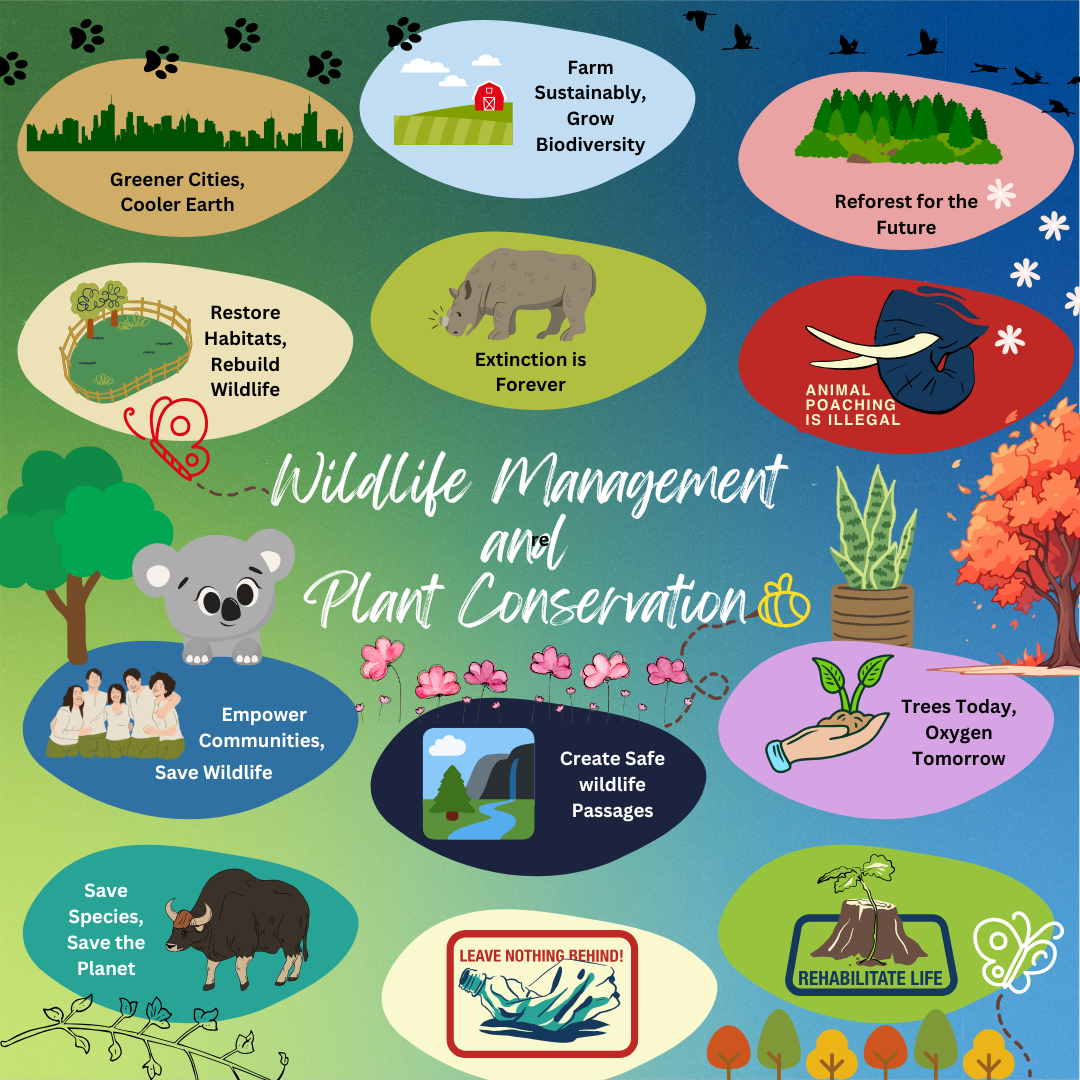
Here’s a structured project story based on your provided format:
Inspiration
The devastating effects of climate change on biodiversity inspired us to take action. As ecosystems face mounting threats, we realized the need for collective responsibility. Guided by UN Sustainable Development Goal 17 (Partnerships for the Goals), we set out to emphasize how strategic partnerships between governments, NGOs, local communities, and the private sector can help conserve biodiversity and combat climate change. This project aims to protect our planet’s flora and fauna while fostering a sense of shared commitment to the environment.
What it does
The project raises awareness about critical issues like plant conservation and wildlife management, providing innovative solutions through collaborative efforts. It highlights the importance of:
- Reforestation and urban greening.
- Creating and maintaining seed banks.
- Establishing wildlife corridors to preserve animal migration routes.
- Anti-poaching initiatives to protect endangered species.
- Community-driven conservation strategies.
Through visual and written content, we aim to inspire stakeholders to form partnerships that promote ecosystem resilience and long-term sustainability.
How we built it
We designed the project with a focus on both aesthetics and impact:
- Graphics and Illustrations: Created engaging visuals that reflect the importance of biodiversity conservation, such as trees, animals, and ecosystems.
- Key Messages: Crafted compelling captions and slogans to deliver concise and powerful messages, encouraging cross-sector collaboration.
- Research: Conducted extensive research on plant and wildlife conservation efforts, with special attention to sustainable practices and the role of community involvement.
- Design Tools: Used tools like Canva to create the poster, blending information with eye-catching visuals to ensure the message reaches a broad audience.
Challenges we ran into
One of the major challenges was condensing such broad topics into digestible pieces of information. Plant conservation and wildlife management are complex fields, so distilling them into impactful yet clear messages required careful planning. Additionally:
- Balancing visual design with information: We had to make sure the poster was visually engaging without overwhelming viewers with too much data.
- Coordinating key points: Ensuring that all essential aspects of conservation were covered, while also aligning them with the central theme of partnerships, proved to be challenging but essential for the project’s integrity.
Accomplishments that we're proud of
We are proud of how we were able to effectively communicate important issues like biodiversity loss, sustainable farming, and wildlife protection in a visually appealing and concise manner. The combination of impactful design and clear messaging gives the project a broad appeal, making complex environmental issues accessible to a wide audience. Our emphasis on cross-sector collaboration as a core solution is another highlight, demonstrating a path toward real-world change.
What we learned
We gained a deeper understanding of the critical role that ecosystems play in mitigating climate change and the need for collaboration across various sectors. Key learnings include:
- The value of strategic partnerships in tackling environmental issues.
- How to simplify complex topics without losing their core essence.
- The importance of visual communication in engaging a diverse audience and inspiring action.
- A greater appreciation for community-driven conservation efforts and their potential to bring about lasting change.
What's next for Wildlife Management and Plant Conservation
The next steps involve expanding the project’s reach by:
- Partnering with organizations: Working with NGOs, academic institutions, and businesses to turn these ideas into actionable conservation initiatives.
- Developing educational content: Creating workshops, webinars, and digital campaigns to educate the public about the importance of biodiversity conservation.
- Building on current solutions: We plan to further explore technology-driven conservation efforts, such as drone reforestation and AI-powered wildlife monitoring, to enhance the impact of biodiversity initiatives.
- Engaging local communities: Encouraging grassroots movements to promote conservation at the local level, empowering individuals to take action within their own ecosystems.
Built With
- canva

Log in or sign up for Devpost to join the conversation.