-
-
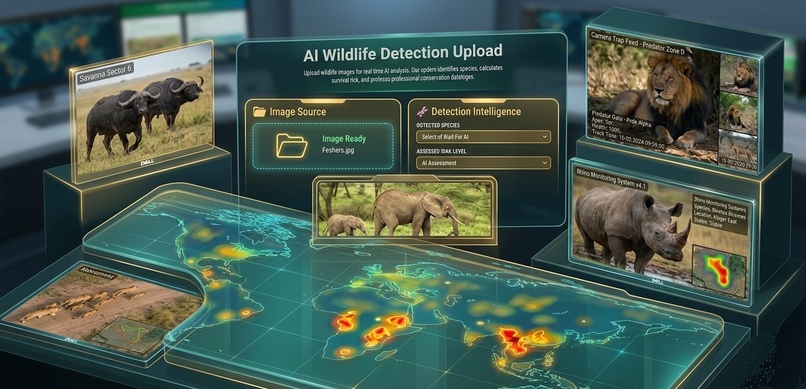
Revolutionizing wildlife conservation: AI detection and real-time analysis in action. #TechForGood
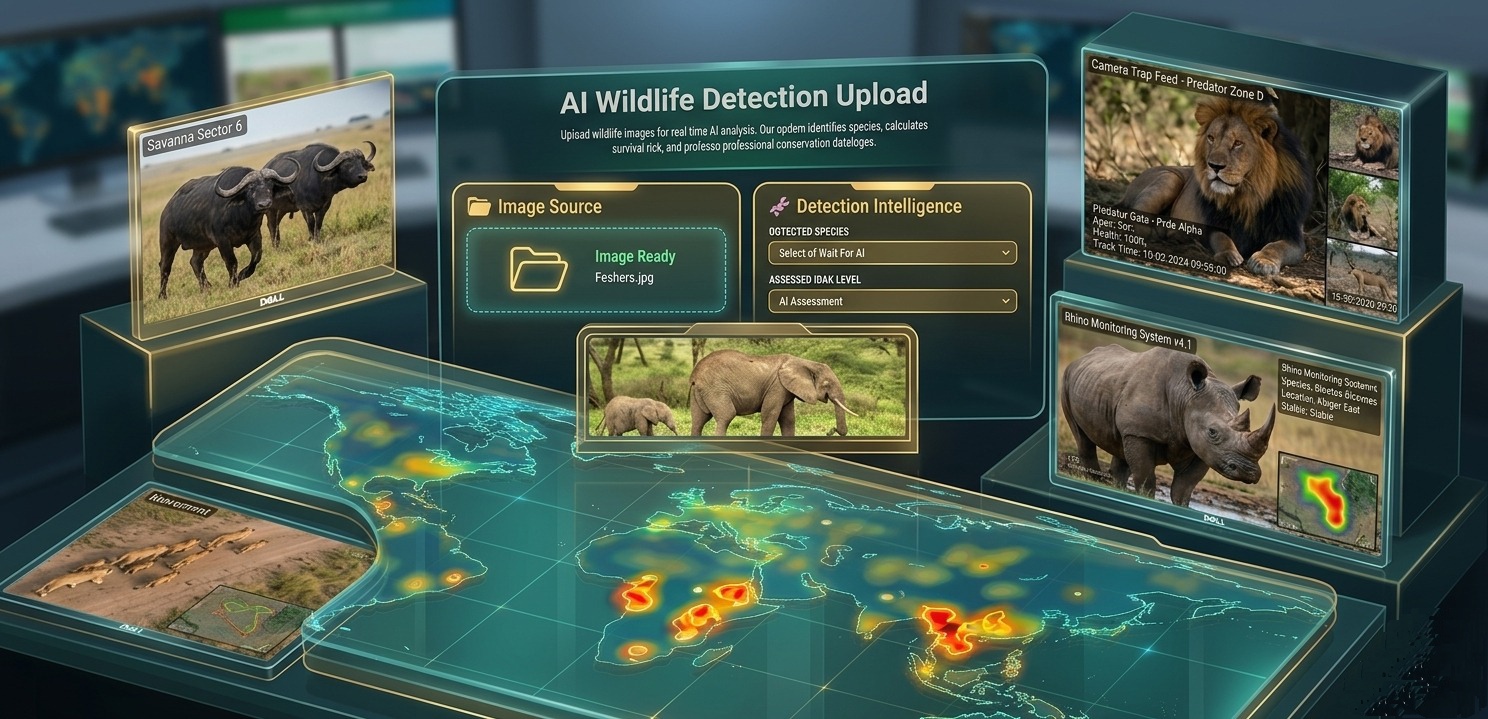
Animals around the world are increasingly threatened by poaching, plastic waste, loss of habitat and climate change. These problems are intricate in nature and can be very hard to measure in real time. Because of these situations we were inspired to create a platform called Wildlife Guardian AI that uses artificial intelligence (AI) to analyze images of wildlife captured by cameras and transform those images into clear, actionable insights. We are trying not only to detect animals, but also to communicate clearly the potential hazards those animals may encounter in easy-to-understand terms. To achieve this, we developed the system by using computer vision algorithms developed on wildlife data sets combined with the use of a risk score system to score the likelihood of an animal being harmed by different types of events (e.g., injury, human interference, environmental). As one of our key learning points we found that impact is just as important as accuracy - thus it is imperative that the AI-developed results be clearly defined so everybody can understand them. We have had many challenges throughout this project including limited numbers of labeled and classified images, inconsistent image processing based on environmental influences, and balancing the speed at which a solution could be developed with the accuracy of results it would produce. However, we created a system that can facilitate a faster and better decision-making process and increase awareness about wildlife enhancement and therefore ultimately aid us in achieving a future where wildlife conservation is achieved through the utilization of AI technology.


Log in or sign up for Devpost to join the conversation.