Inspiration
Our inspiration was curiosity. We aimed to accurately measure the temperature at a specific location, ensuring reliability.
What it does
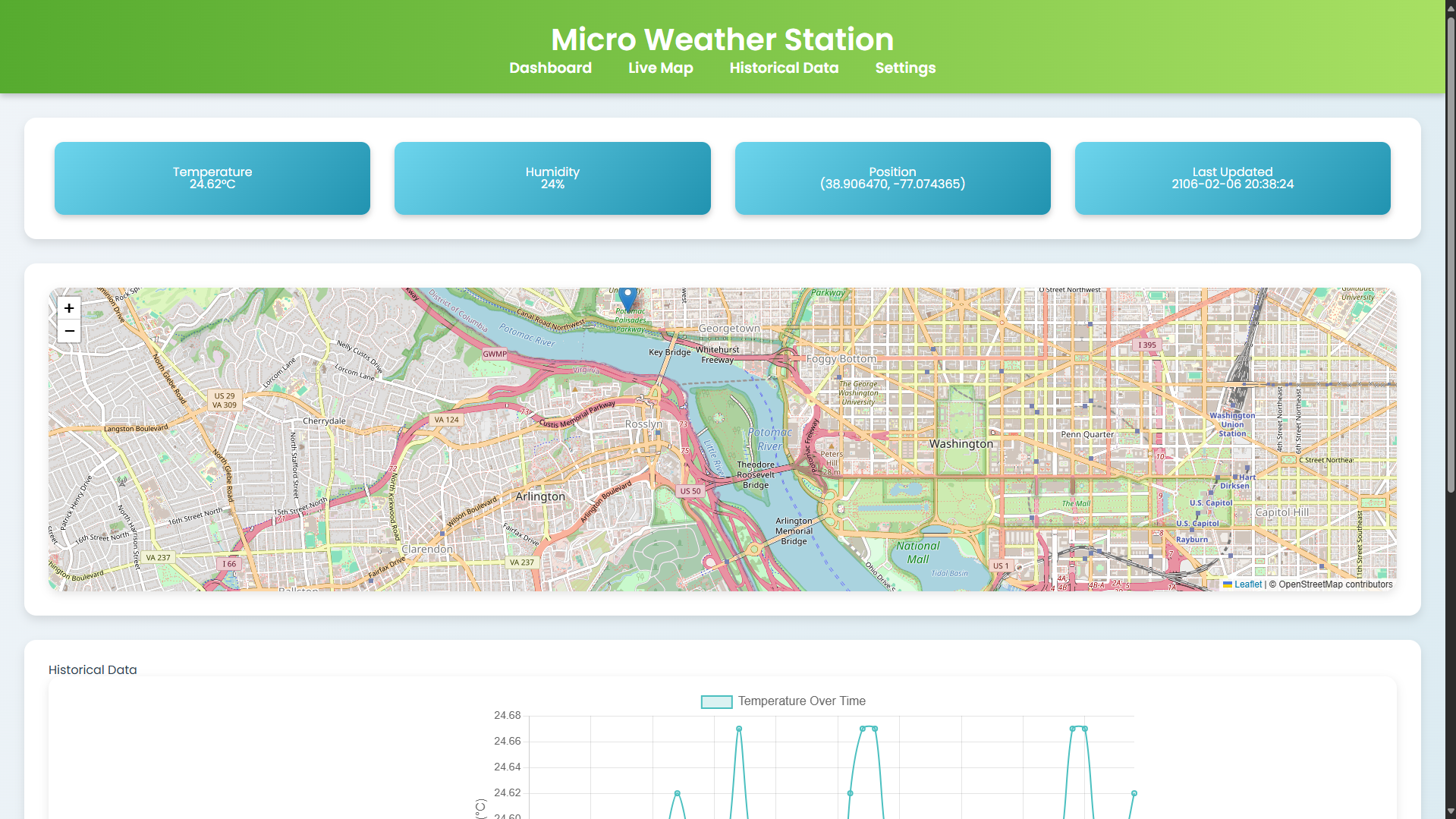
The project provides real-time temperature for your location. It uses a microcontroller-based system to measure the temperature outside your house and pinpoint the latitude and longitude coordinates using a GPS module.
How we built it
Hardware Setup-
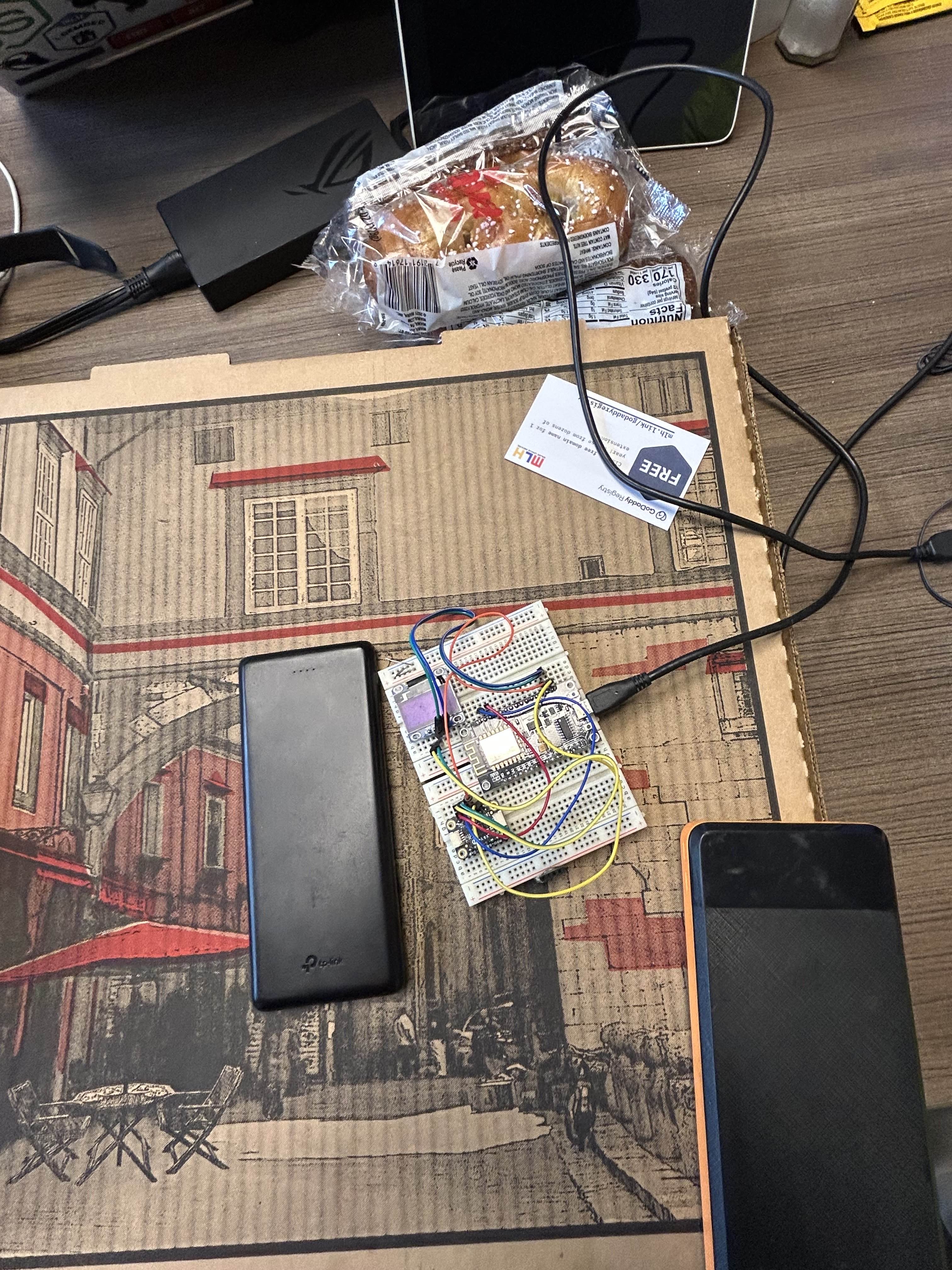
- ESP32 Microcontroller: works as the heart of the project for data collection and transmission. It is made of a sensor which is coded to send data packets in the form of json to an end point.
Software Setup-
- Visual Studio Code: Primary Development Environment for writing, testing and debugging code.
- Github : Used for version control, collaboration, and project management, ensuring smooth teamwork and tracking progress.
- Django: Powered our backend, handling data processing, APIs, and connecting the hardware to the web interface.
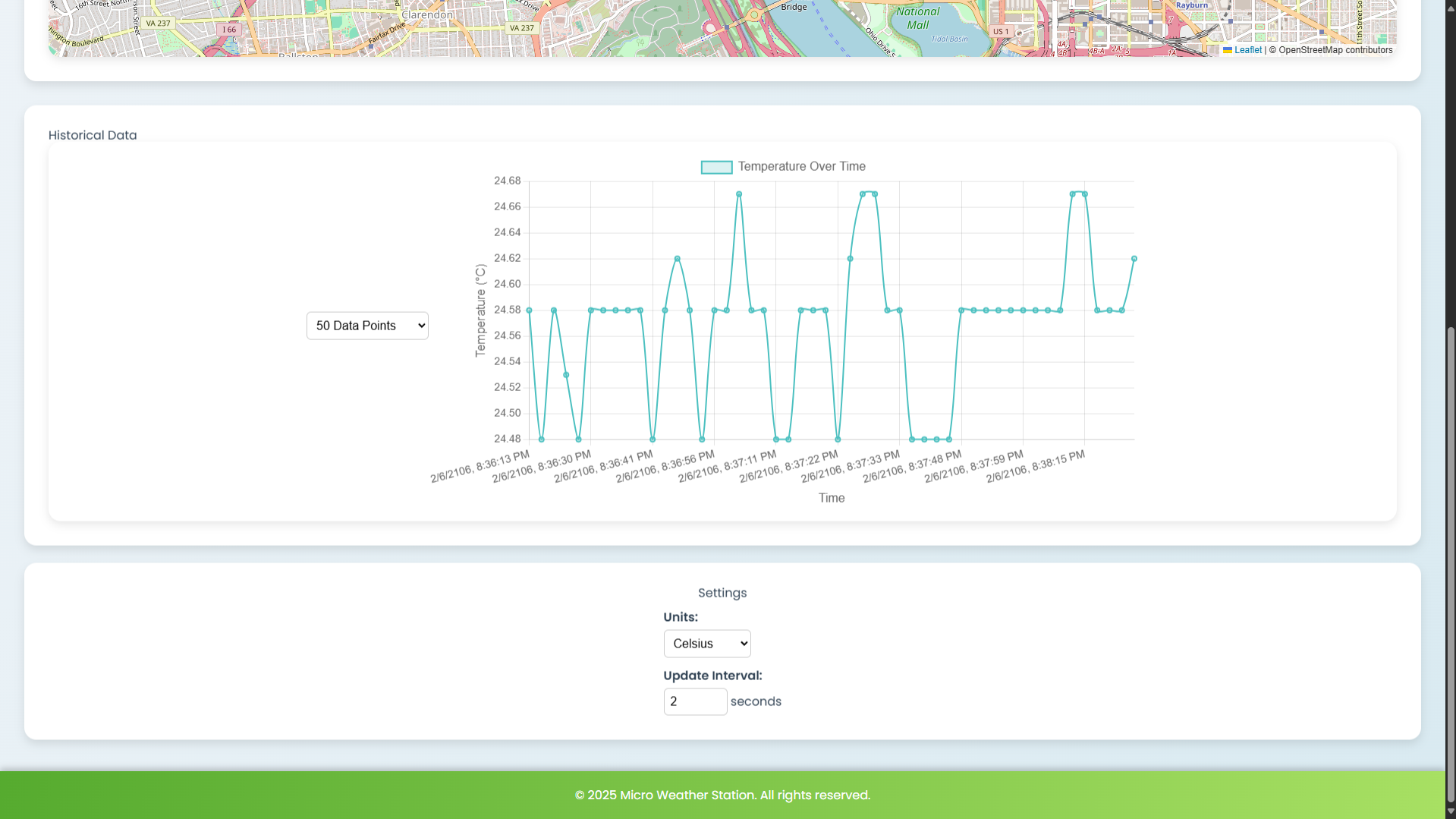
- HTML, CSS, and Javascript: Built a responsive, interactive frontend dashboard, allows users to visualize data in real time.
Database-
- Mongodb Atlas : Cloud-based storage solution for storing and retrieving weather data, including temperature readings, location coordinates, and timestamp.
Challenges we ran into
- Data Transmission: We faced a significant roadblock with this. The data wasn't being cataloged into the cloud database as the data packets being sent by the microcontroller werent being received by the Mongodb Atlas due to network connectivity issues.
- Implementing Django framework: As it was a new technology, none of the team members knew how to implement it. We had to learn it from the ground up and were able to successfully deploy a frontend for the product.
- Setting up the Mongodb Atlas as Backend: Connecting this to the frontend was also a roadblock for us, as it required integrating multiple technologies seamlessly. We had to manage the interaction between the database, our Django backend, and the frontend built with HTML, CSS, and JavaScript. This involved ensuring proper API endpoints, secure database connections, and efficient data flow across the entire stack.
Accomplishments that we're proud of
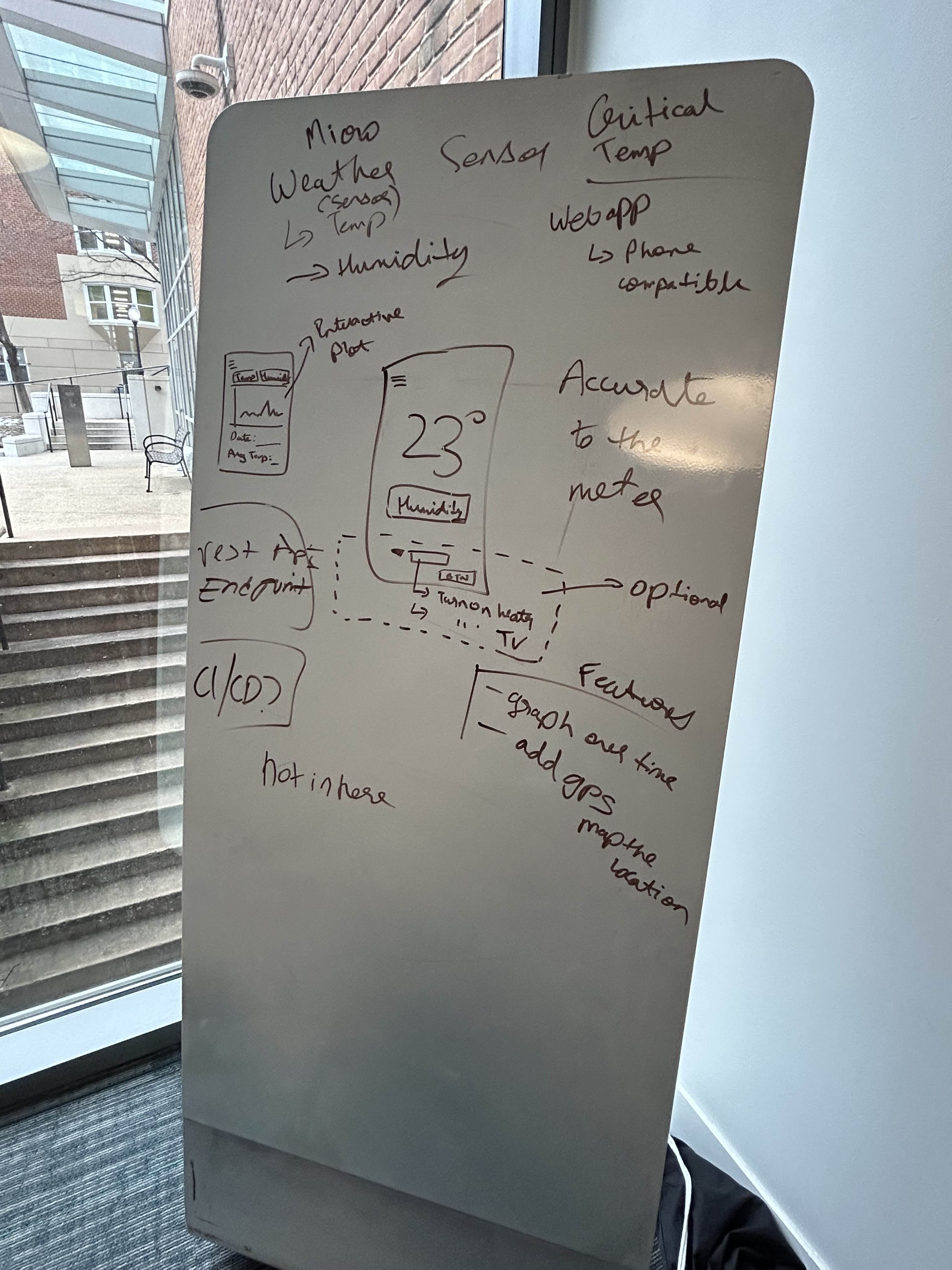
Piecing the Puzzle Together: We carefully mapped out and strategized every vertical that needed to be developed for the project. From hardware integration to backend setup and frontend design, each component was meticulously planned. The true accomplishment came from bringing all these pieces together, transforming our blueprint into a fully functional and executable system. Watching the project evolve from an idea into a tangible, working solution was our proudest achievement.
What we learned
Mastering New Technologies: We delved into and quickly adapted to several new tools and technologies
Building a Deployable Solution Under Pressure: Completing and deploying a fully functional solution within 36 hours taught us how to prioritize tasks, work efficiently, and stay focused on delivering results.
Team Collaboration and Trust: We learned the importance of delegating tasks effectively and trusting our teammates’ abilities
What's next for EcoLogger
Expand Functionality: Integrate additional sensors for humidity, air quality, or pressure to provide more comprehensive weather data.
Enhanced Analytics: Provide detailed insights and trends with advanced data visualization, like weekly or monthly comparisons and anomaly detection
Scaling for Industrial Applications: Adapt the solution for larger-scale use cases like farming, logistics, or urban planning, where hyper-localized weather data can have significant value.

Log in or sign up for Devpost to join the conversation.