-
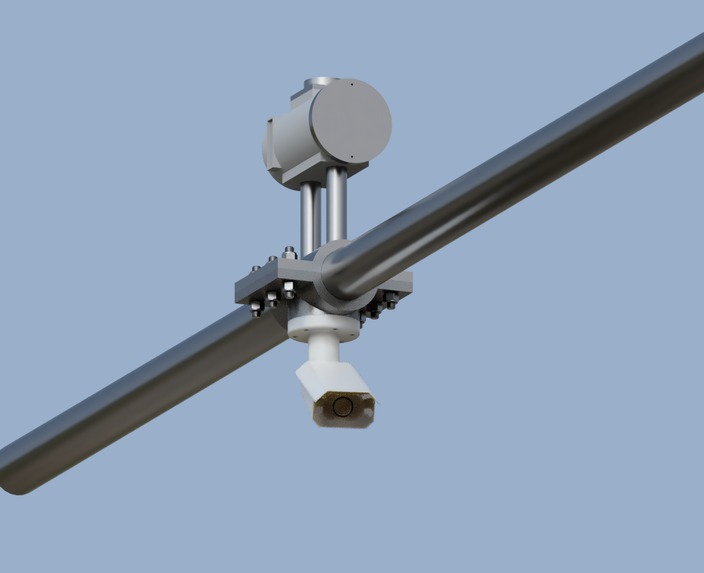
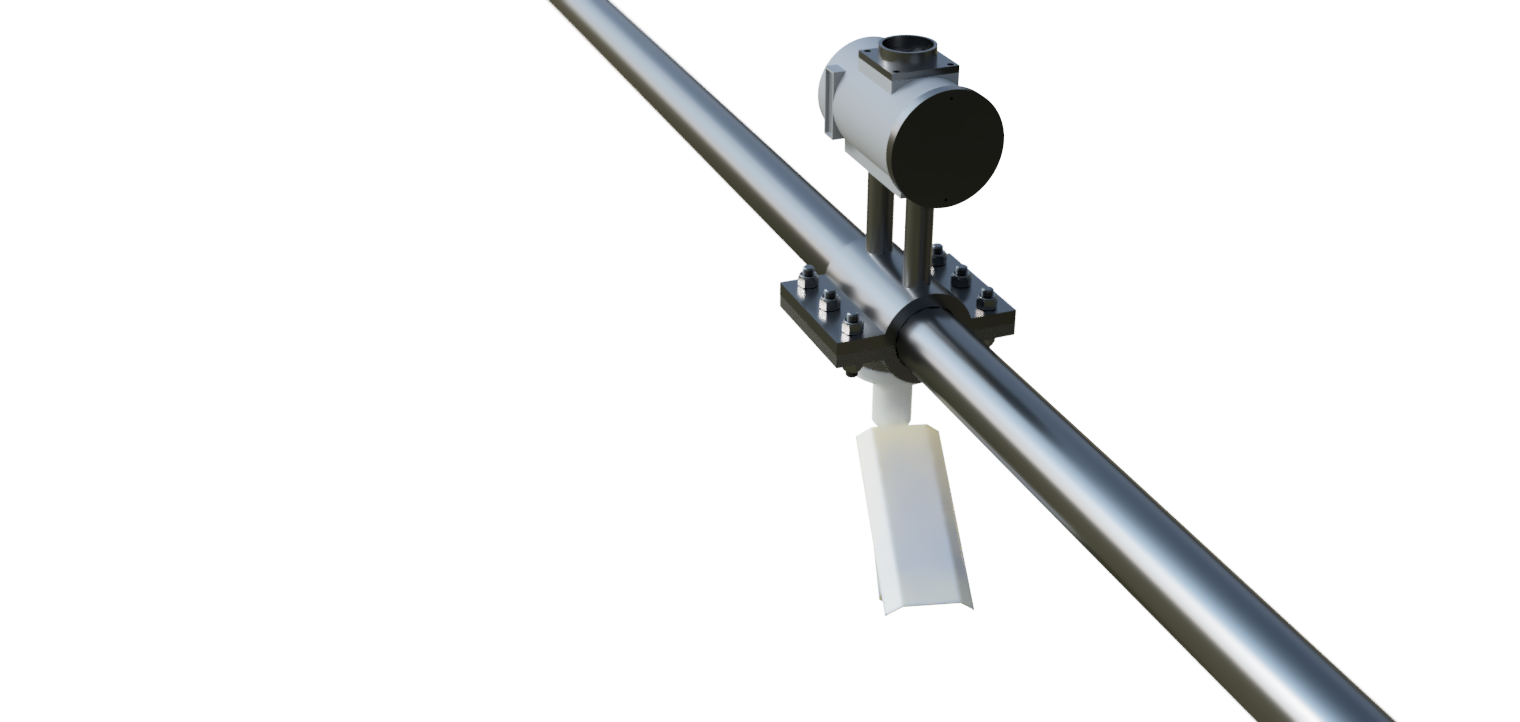
Overview
-
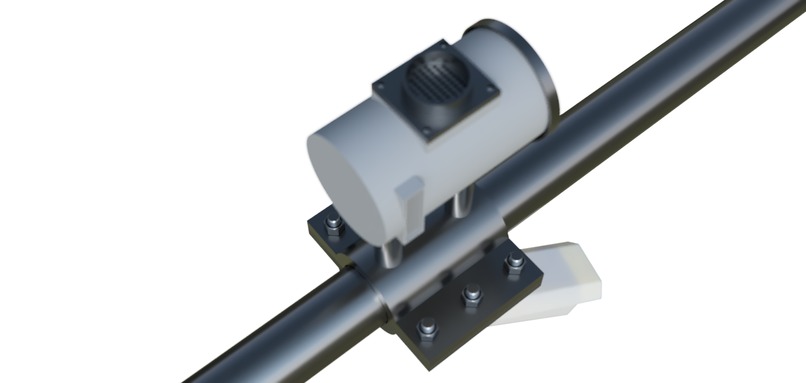
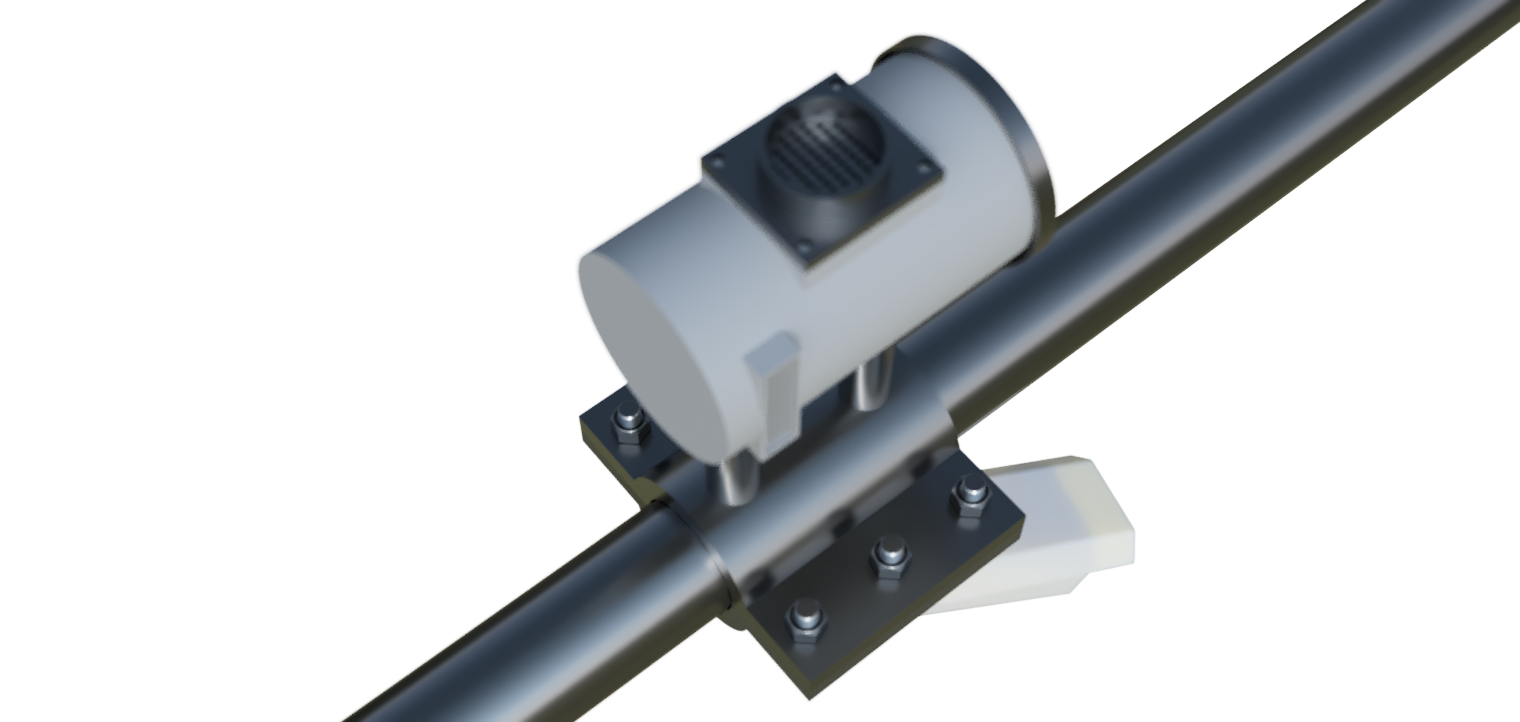
Chemical Plume Detector
-
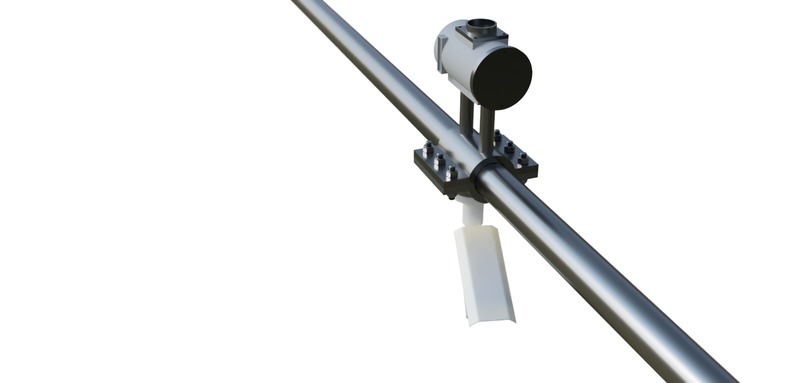
Clamp
-
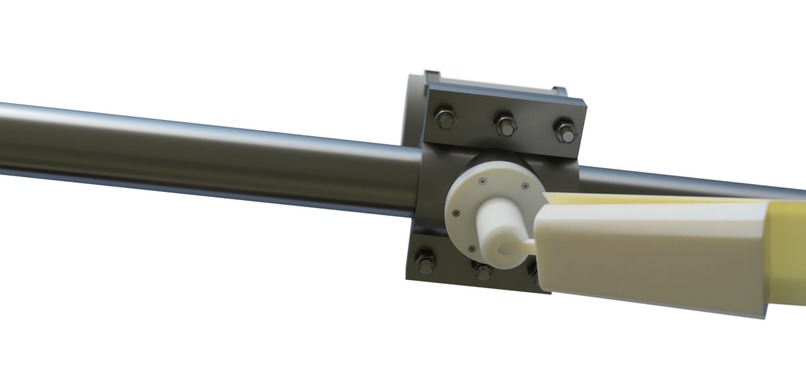
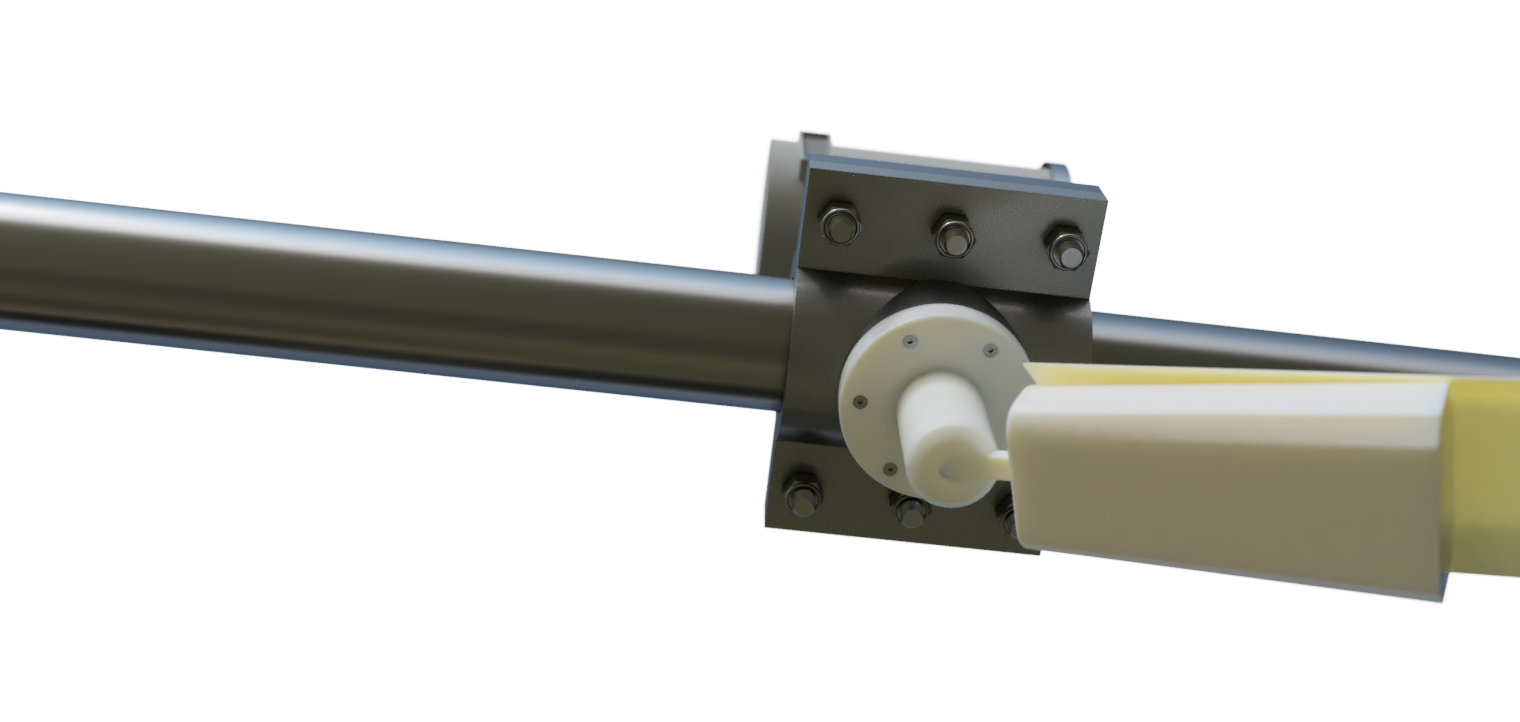
Camera Closeup
-
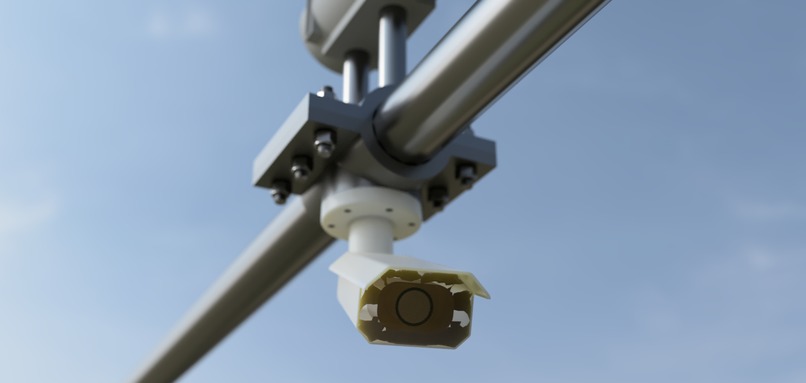
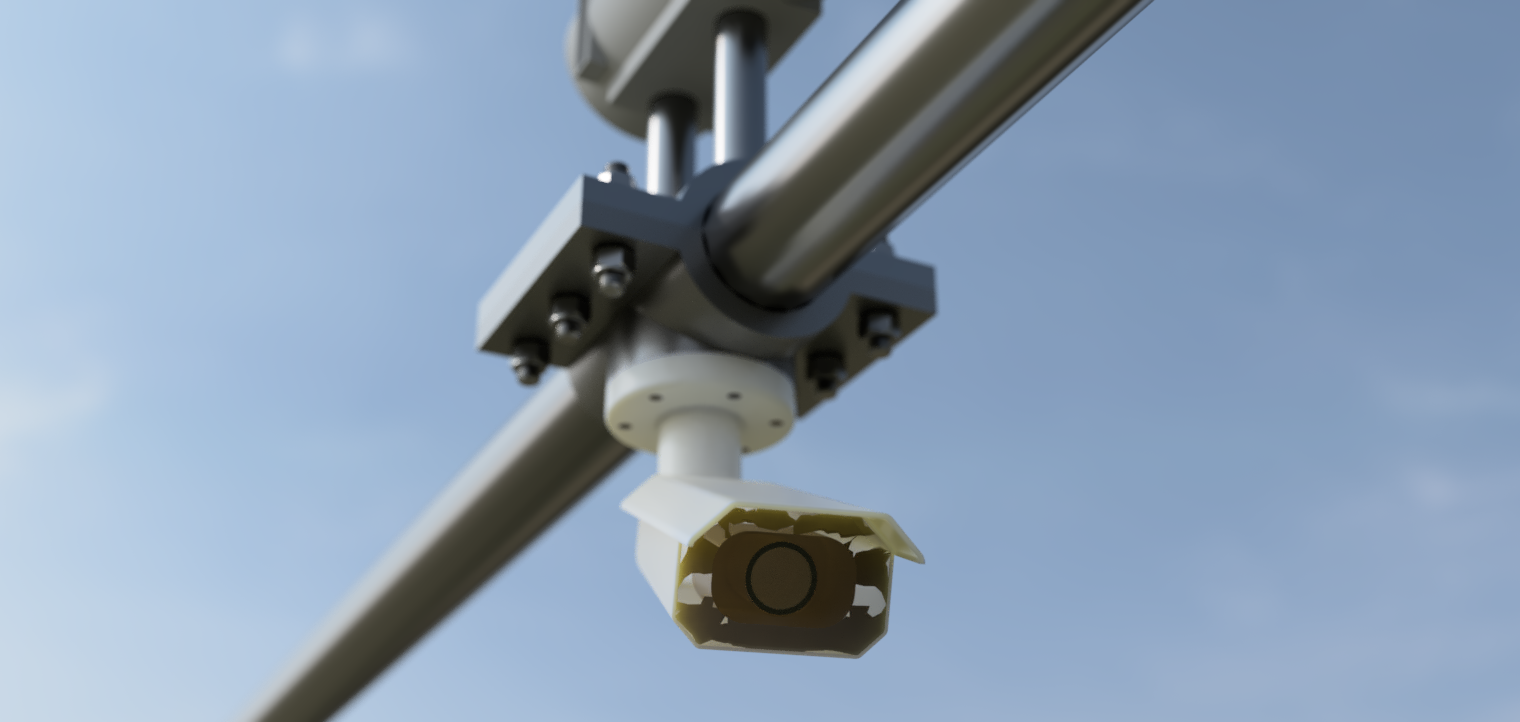
Camera Close Up
-
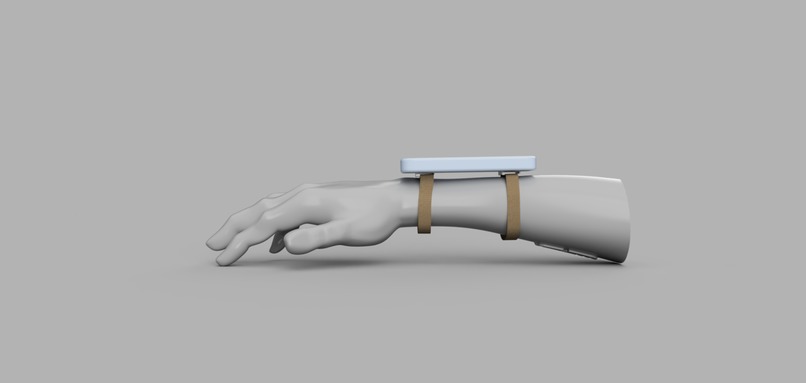
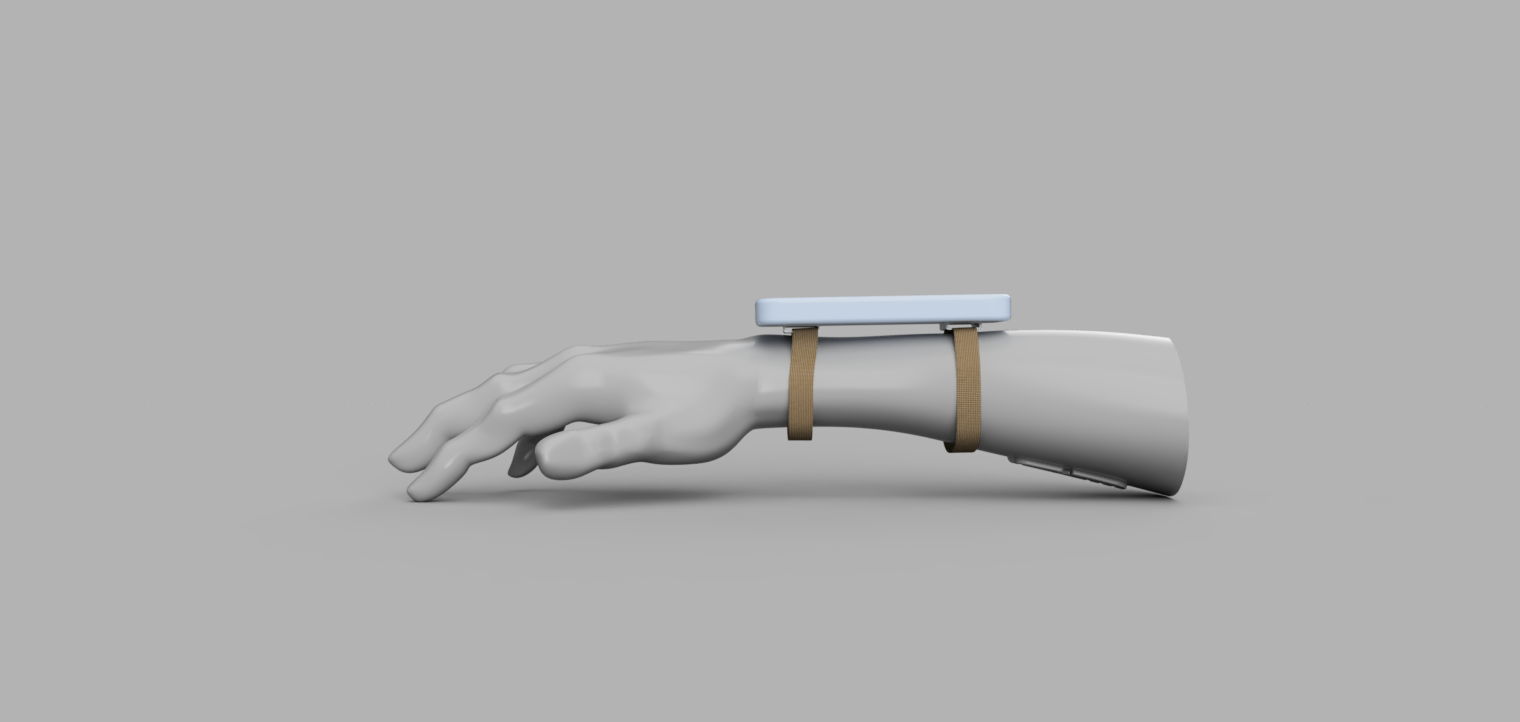
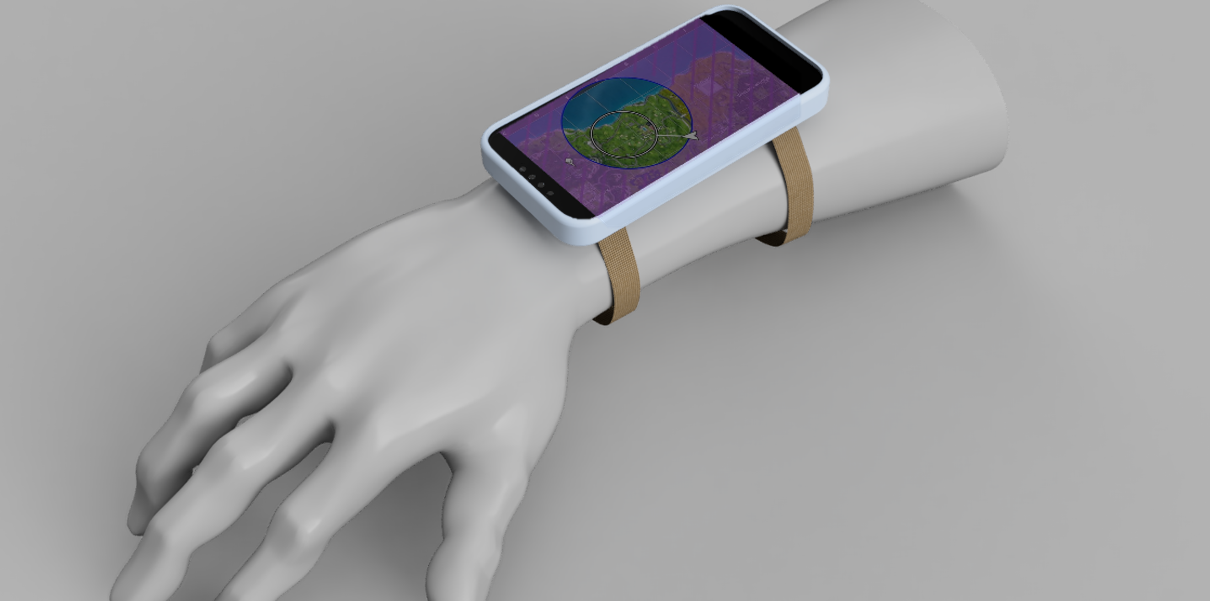
Hand
-
Inspiration
Wildfires account for many firefighter deaths and injuries, and are only becoming more prevalent as global warming worsens. The most important time to fight a wildfire is right when it begins and right before it begins. Thus we set out to find a solution that could cut response time in half, and tell firefighters where the fire might go.
What it does
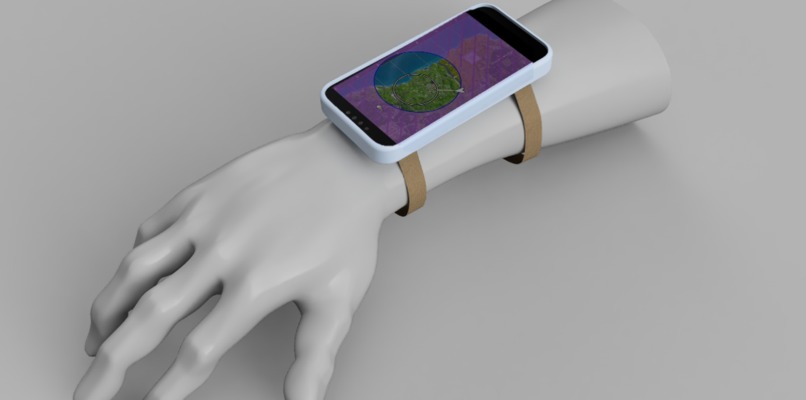
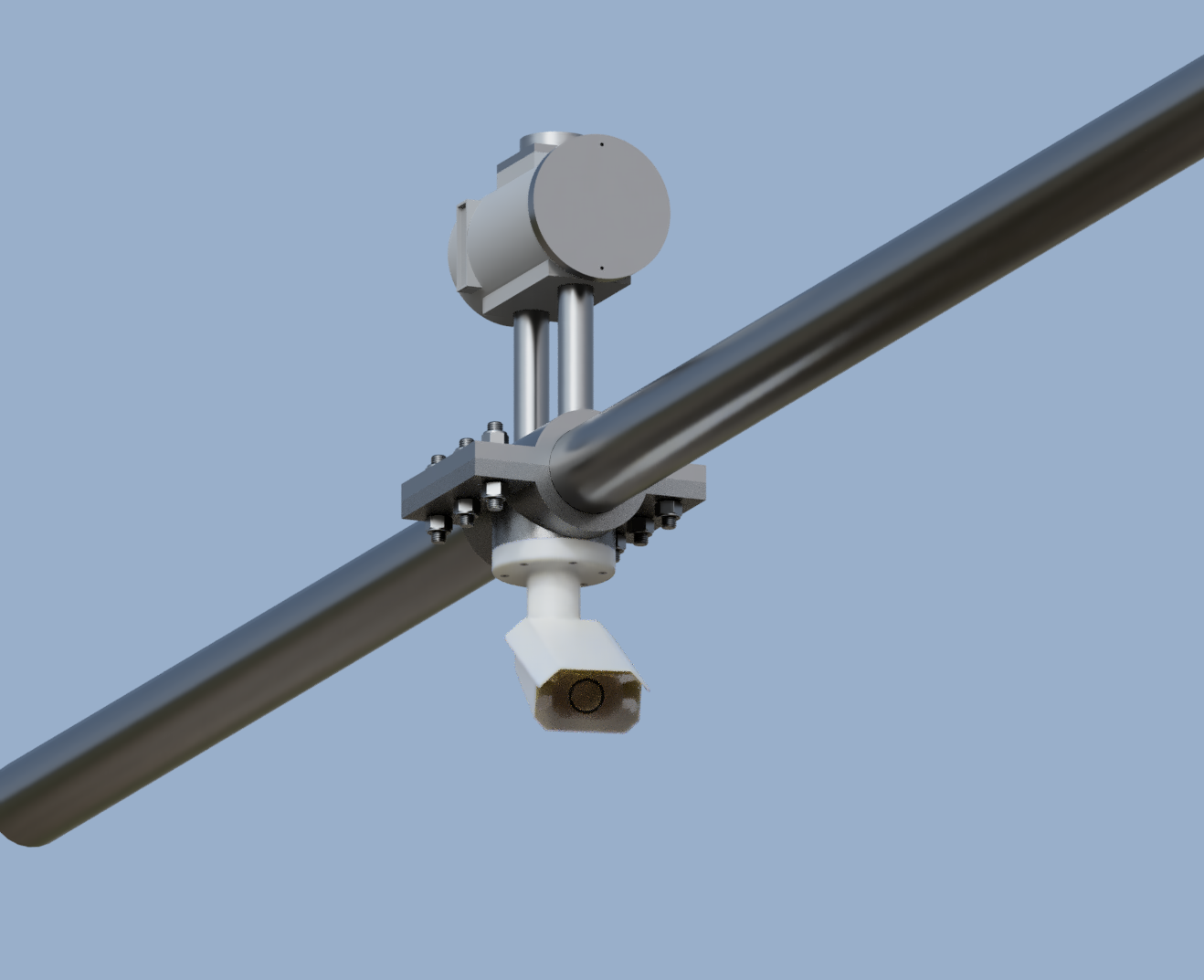
Our product is a easily-reproducible wildfire detection system that would be able to constantly scan areas of wildfire-prone forest to detect fires right as they begin. In addition, the detection system is equipped with a chemical plume sensor, which connects to a strap-on heat-resistant case phone that would tell firefighters in the heat of the wildfire where the fire will spread next. Lastly, it provides a birds eye view of the fire so that firefighters can be directed with ease and have better spatial understanding of the fire as well.
How we built it
We built it by creating four main components. A strong clamp so that it could easily attach to anything and stay there in rough weather. A camera alongside camera joint so that it could easily survey wide patches of land in 360 degrees. A chemical plume detector that would transmit vital information to firefighters, and lastly an attachable, ergonomic component that makes use of our system easy to use for firefighters.
Challenges we ran into
Most of the challenges we ran into came in the ideation stage of the process, it was very difficult to find something that hadn't been widely done yet, and would be beneficial to the firefighters themselves. In addition, it was difficult to get everything done on time, and the complex inner-workings of a chemical plume sensor proved to be a difficult challenge.
Accomplishments that we're proud of
We're proud of our design, it's extremely simple and therefore easily reproducible in large quantities. in addition, the clamp allows it to be attached tightly to electrical transmission towers, which are common in forest regions, thus directly targeting wildfire mitigation.
What we learned
We learned a lot about the process of product design, specifically human-centered design. Not only did we improve our CAD skills through real-world application, but we learned a lot about the difficulties of the firefighting profession. We were able to put ourselves in their shoes and attempt to solve an issue that they face.
What's next for Wildfire Detection and Mitigation System
More accurate modeling of the inner workings of a chemical plume detector and further refinements to the attachable component. Working with firefighters to see what works best and what doesn't work about our design would also be greatly beneficial.


Log in or sign up for Devpost to join the conversation.