-
-
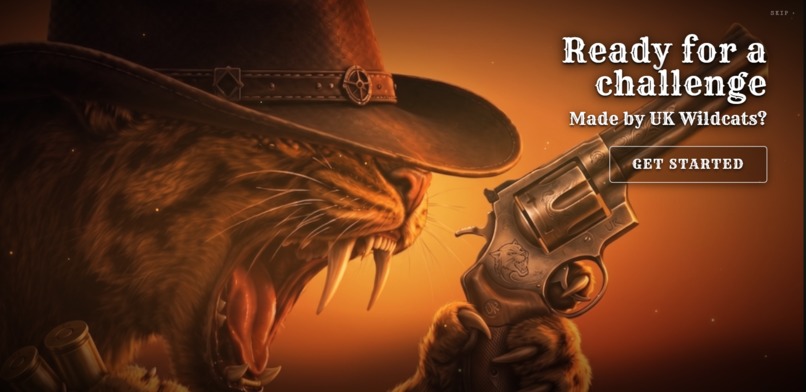
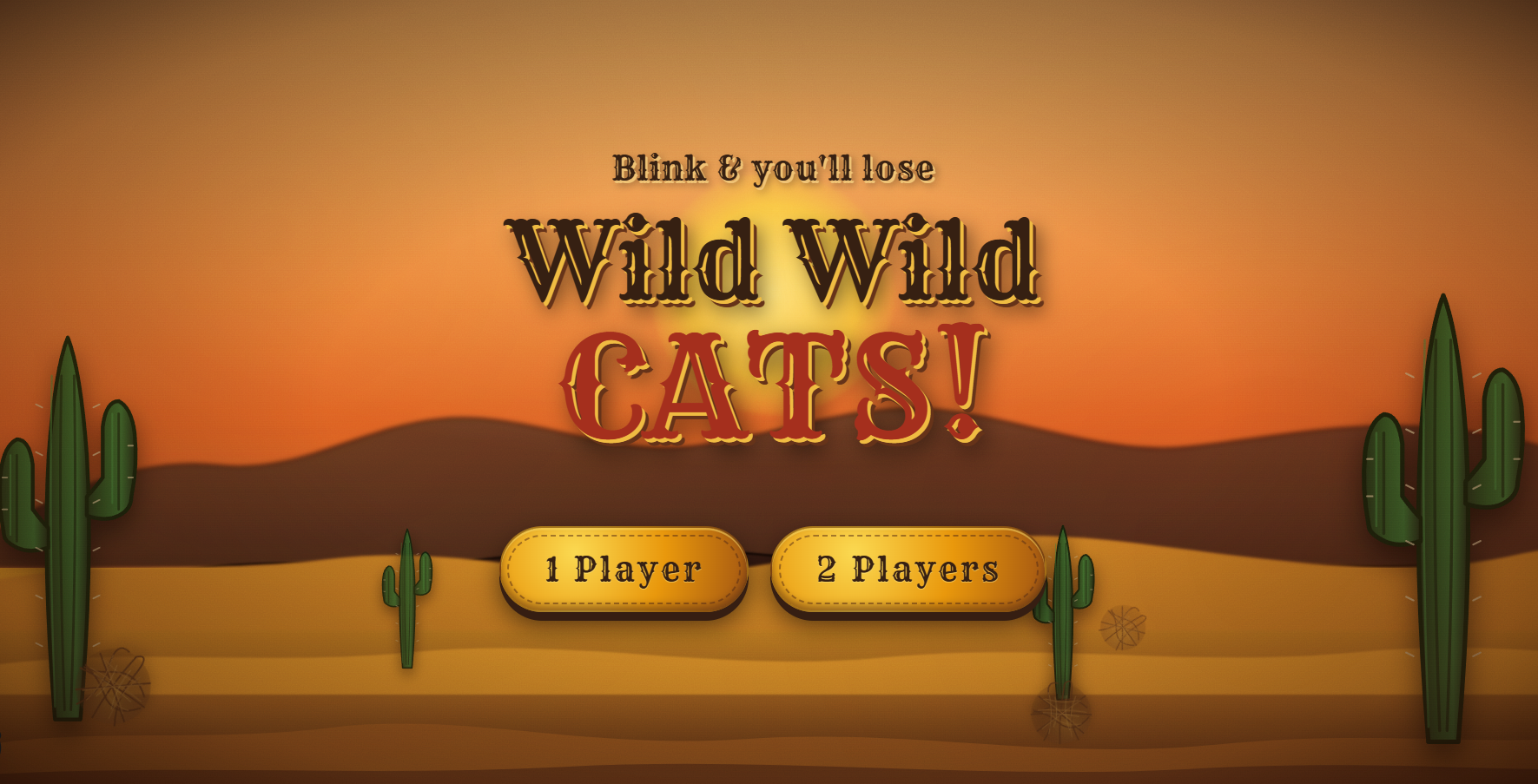
Homepagehero
-
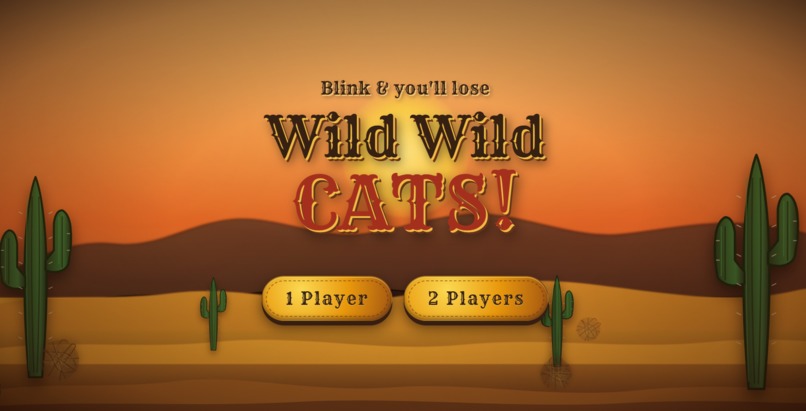
maingamescreen
-
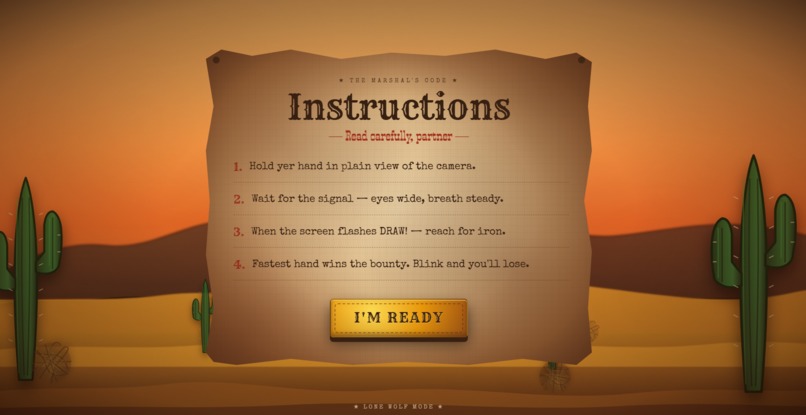
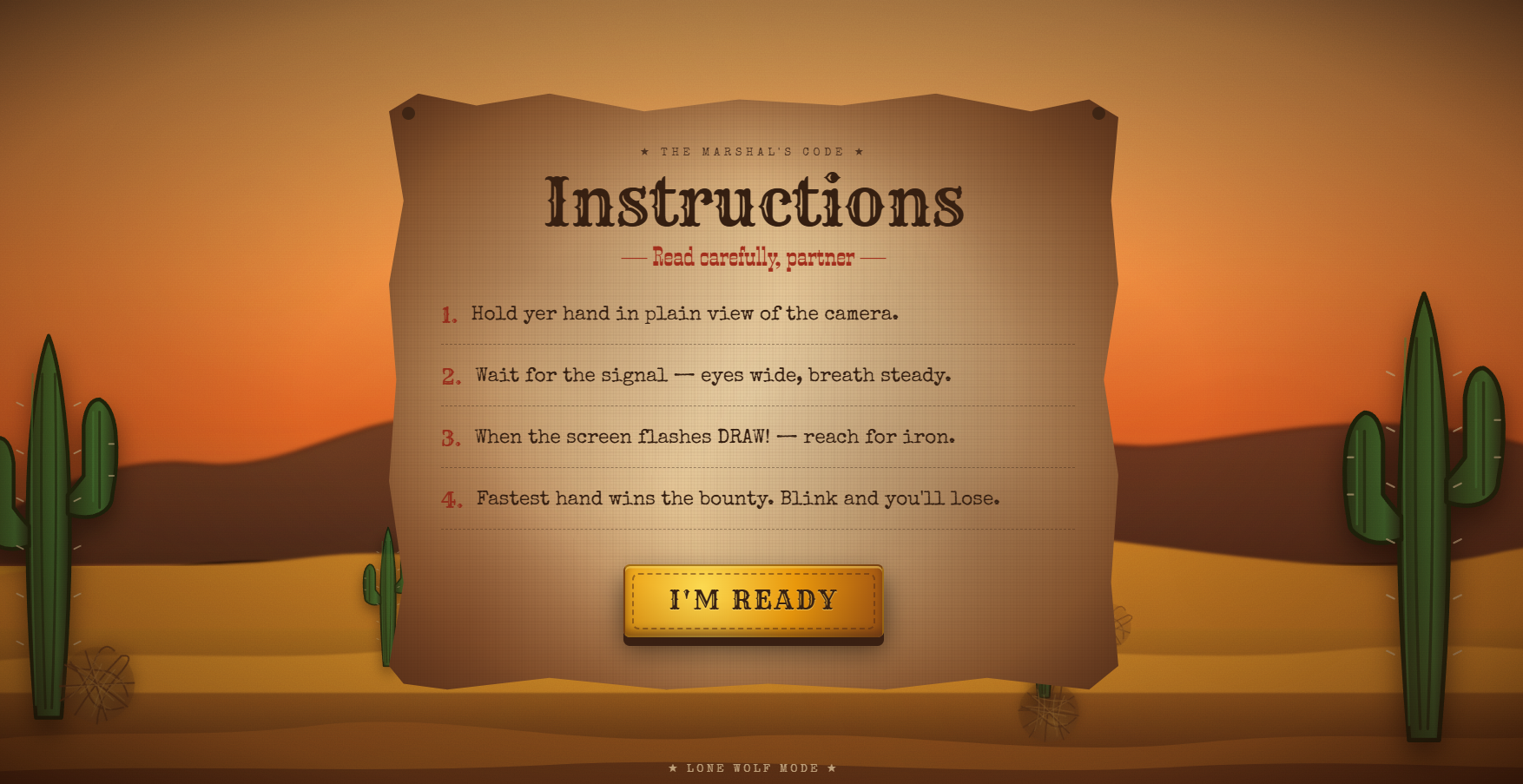
instructions page
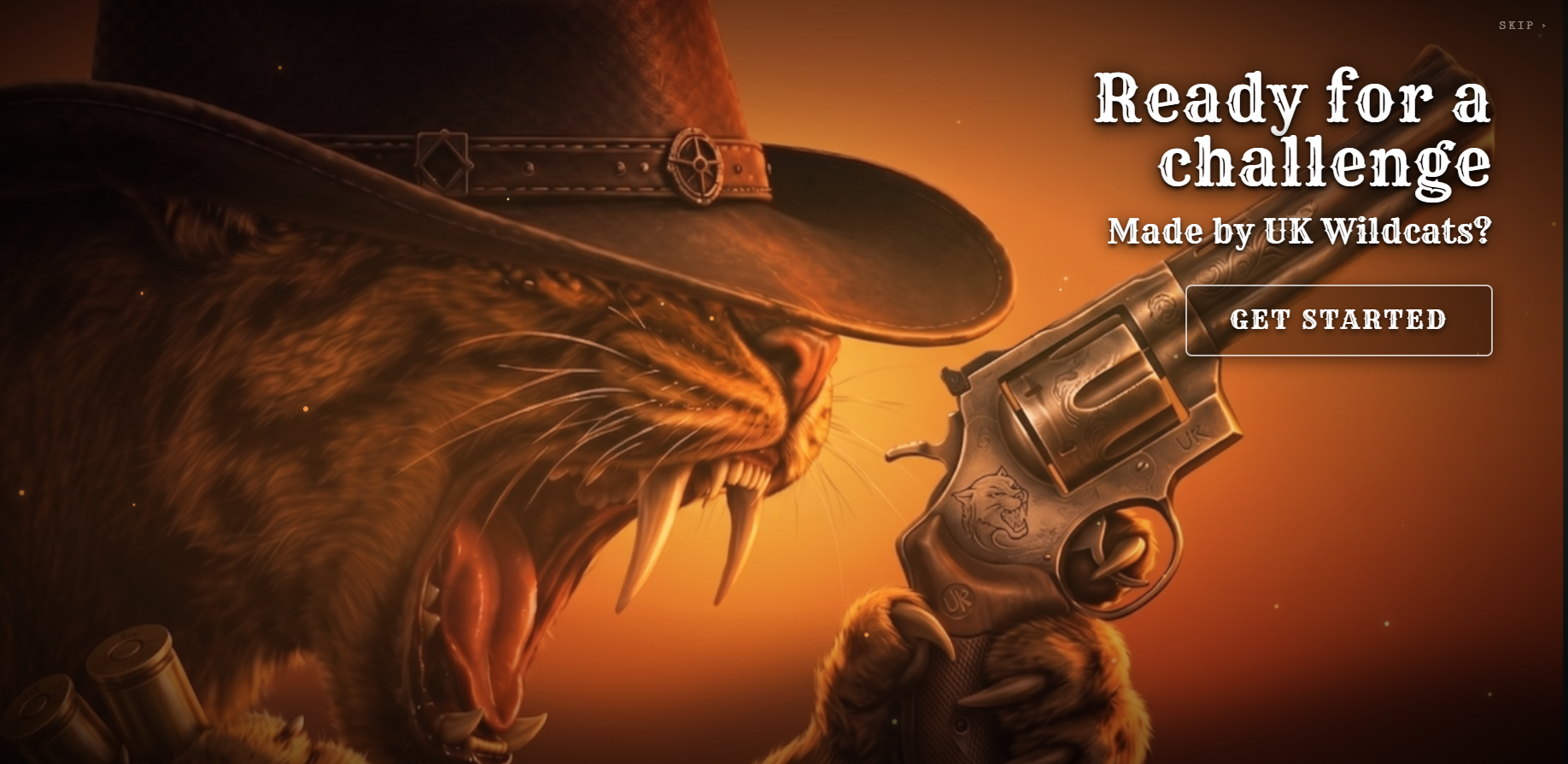
Inspiration
We were inspired by the CatHacks Wild West theme, which pushed us to think beyond traditional apps and create something fun and interactive. We wanted to capture the spirit of a classic Wild West duel, so we decided to build a game where players can physically engage using their own movements. That idea led us to design a gesture-based experience that brings the theme to life in a simple but engaging way.
What it does
Wild Wild Cats is a gesture-controlled reaction game where players use their hand as a “gun” through their webcam. After a suspenseful countdown, the player must react to the “DRAW” signal by performing a quick motion and firing gesture. The system measures reaction time and detects early movement, giving instant feedback and making the experience competitive and replayable.
How we built it
We built the frontend using TypeScript, React, and Next.js, with a modular structure separating UI, gesture detection, and game logic. Real-time hand tracking is powered by MediaPipe Hands, which provides live hand landmark data from the webcam. We processed that data into simplified movement signals (position, velocity, and gestures), then fed it into a custom game engine that handles state transitions like countdown, draw, and result. The UI was designed to reflect these states instantly, creating a smooth and responsive experience.
Challenges we ran into
The biggest challenge was stability in real-time tracking. Raw hand data is noisy, which made gesture detection inconsistent at first. We had to simplify our logic and tune thresholds to make the system reliable. Another challenge was team coordination during rapid development; with multiple people working in parallel, we had to clearly define data structures and responsibilities to avoid breaking each other’s code. Timing synchronization between the countdown and gesture detection was also tricky and required careful handling.
Accomplishments that we're proud of
We’re proud that we built a fully working real-time gesture game within a short timeframe. The system is responsive, detects early movement, and provides immediate feedback, which makes it feel like an actual game rather than a prototype. We also successfully created a clean architecture where tracking, logic, and UI are separated, allowing everything to integrate smoothly.
What we learned
We learned how to work with real-time computer vision data and the importance of simplifying inputs before building logic on top of them. We also learned that clear system design and defined interfaces are critical when multiple people are building simultaneously. On the frontend side, we improved our ability to build reactive UIs that reflect live data without becoming unstable.
What's next for Wild Wild Cats
With our two-player mode already implemented, the next step is to expand the competitive experience. We plan to add online multiplayer, allowing players to duel remotely instead of sharing the same screen. We also want to introduce a global leaderboard and ranking system to make the game more competitive and replayable. On the technical side, we aim to improve gesture recognition accuracy and robustness, reducing noise and making interactions more consistent across different environments and lighting conditions. We’d also like to enhance the experience with more advanced animations, sound design, and game modes, such as timed challenges or tournament-style duels.Ultimately, o ur goal is to evolve Wild Wild Cats from a hackathon prototype into a fully polished, multiplayer-ready interactive game.
Built With
- claude
- github
- mediapipehands
- next.js
- node.js
- react
- tailwind
- typescript


Log in or sign up for Devpost to join the conversation.