-
-
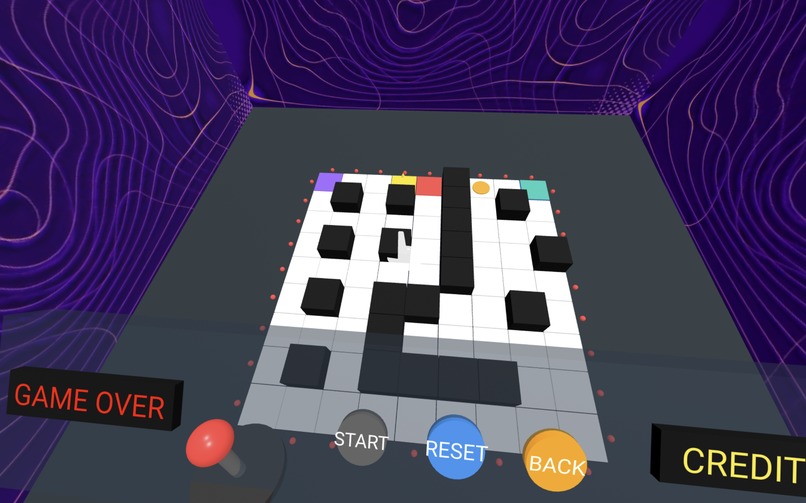
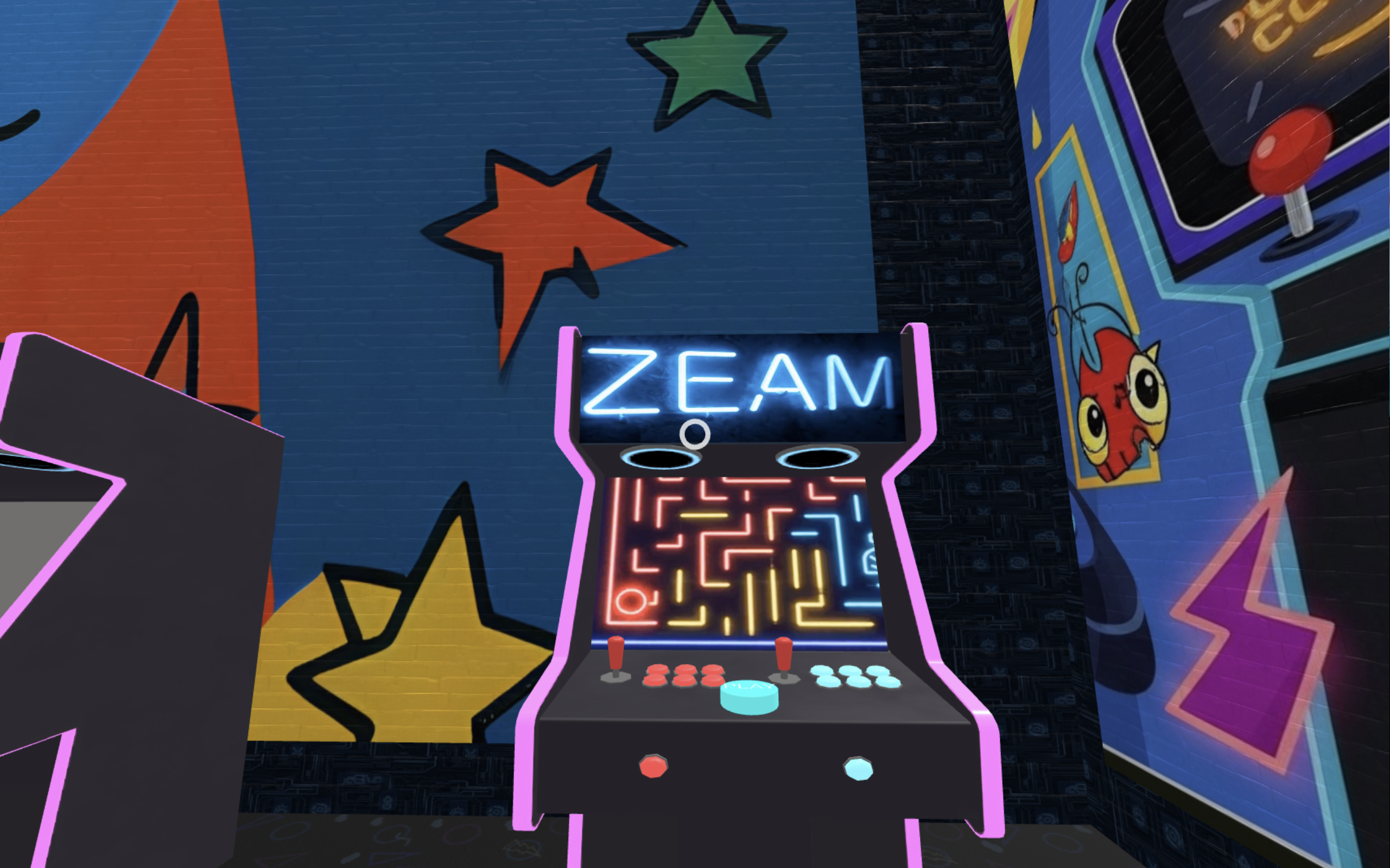
Maze game with complex mathematical logic
-
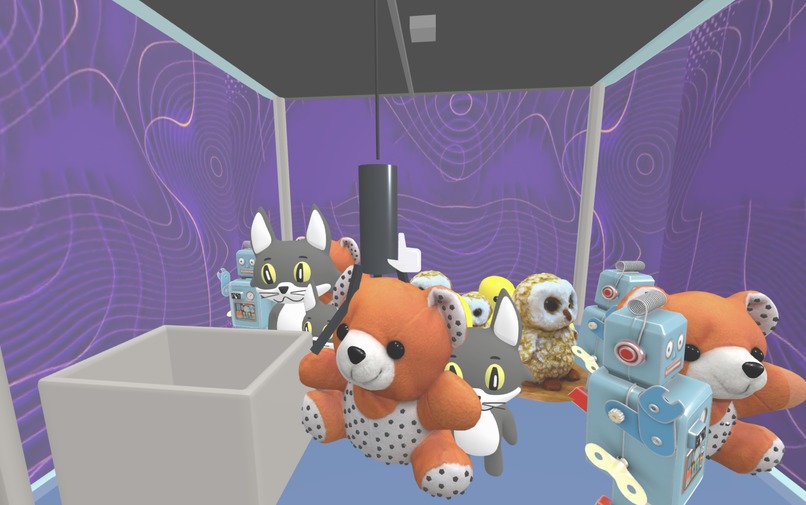
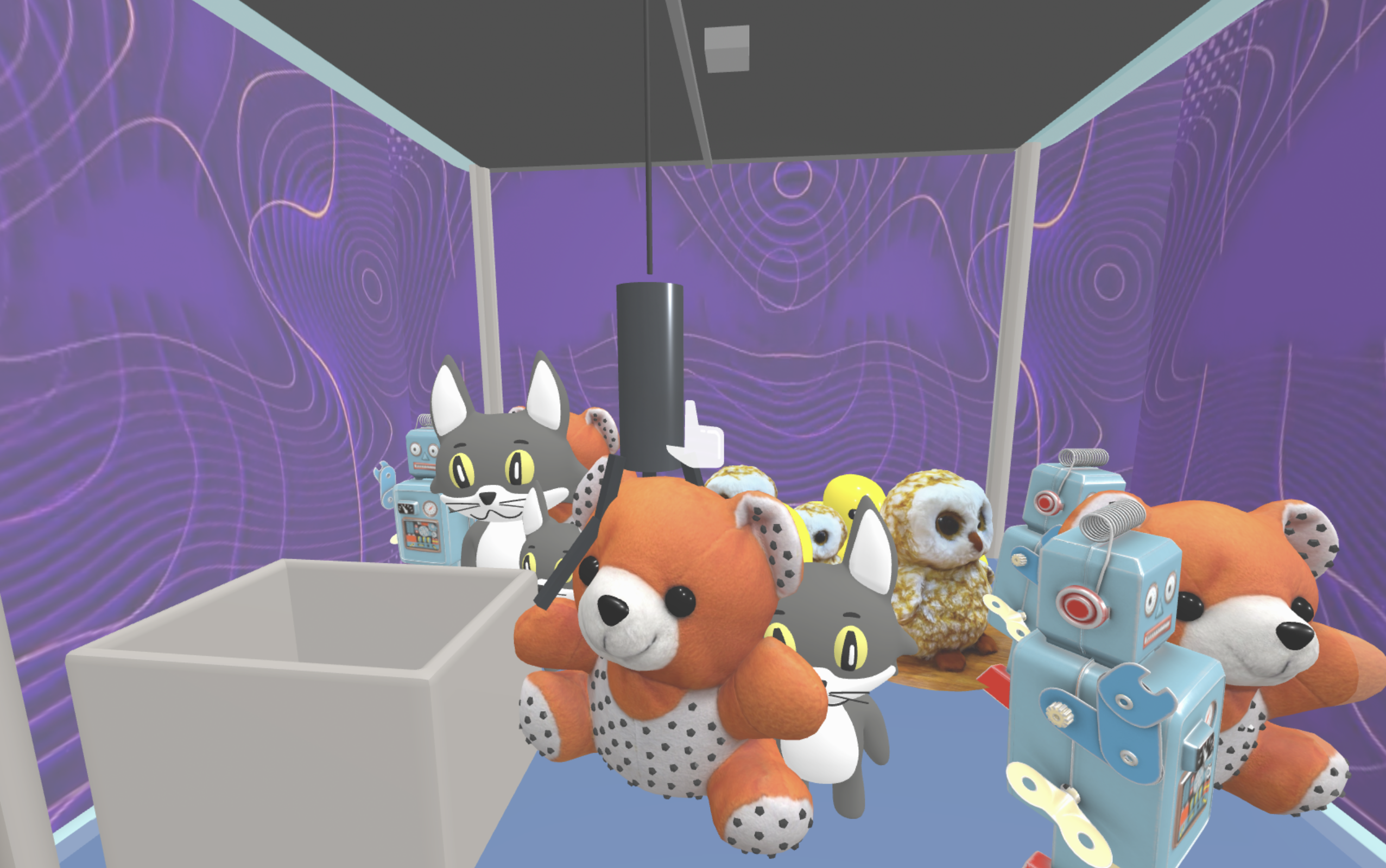
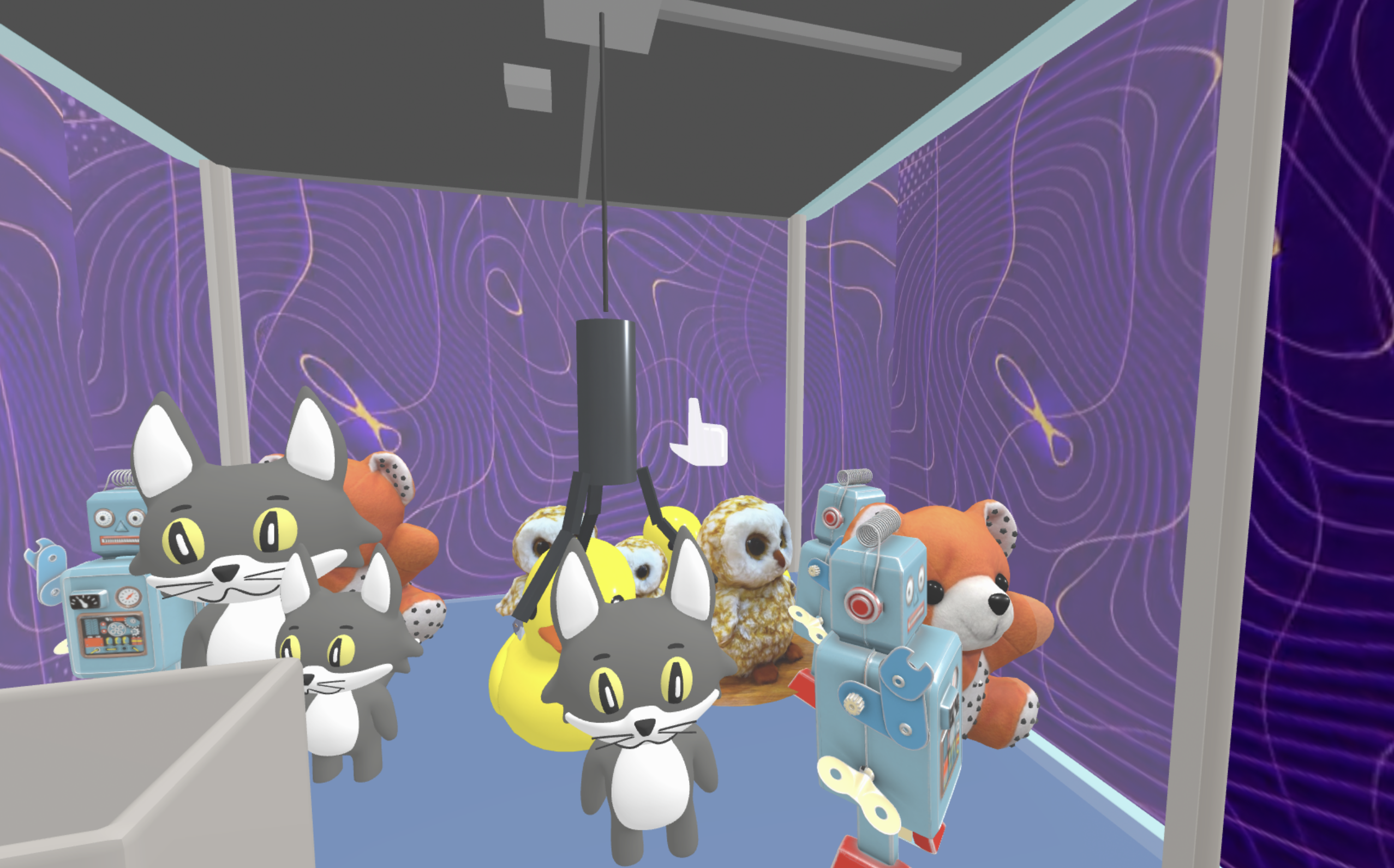
Claw Machine game mechanics
-
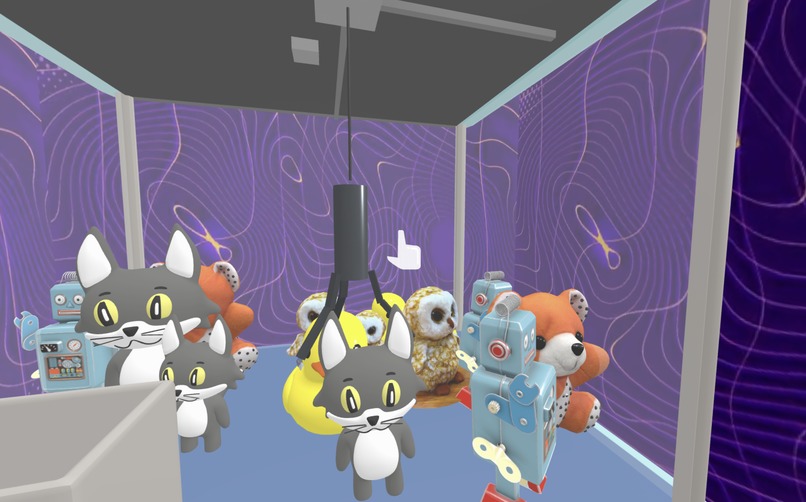
Cute toys in the claw machine
-
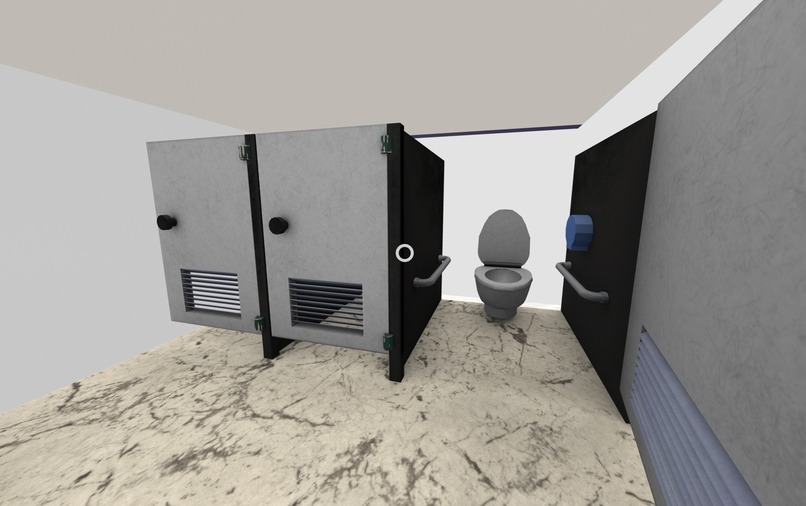
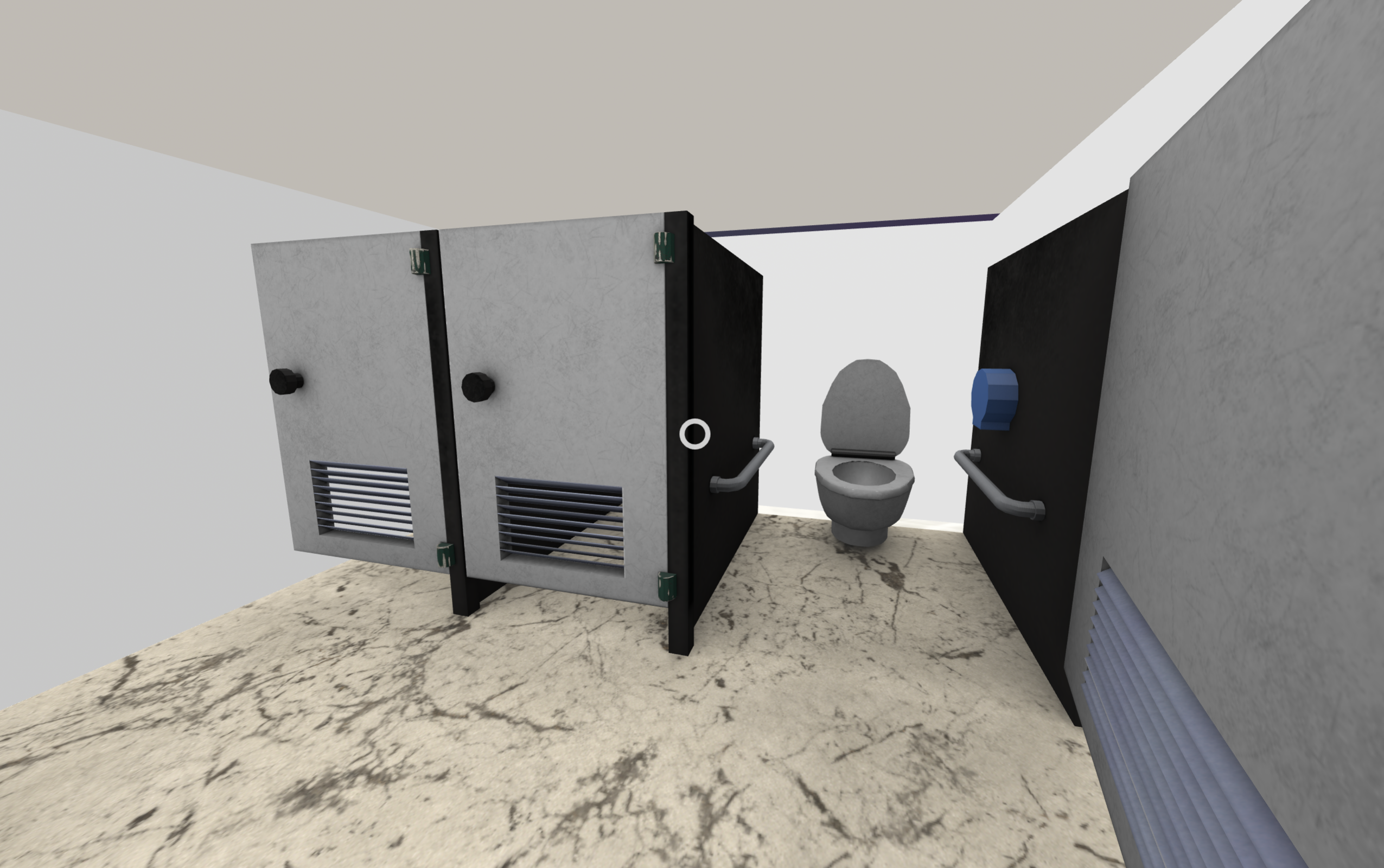
Bathroom model from Sketchfab
-
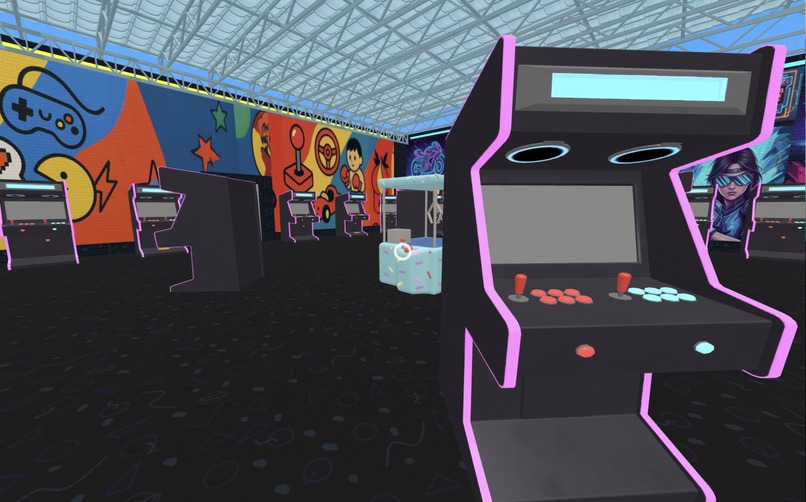
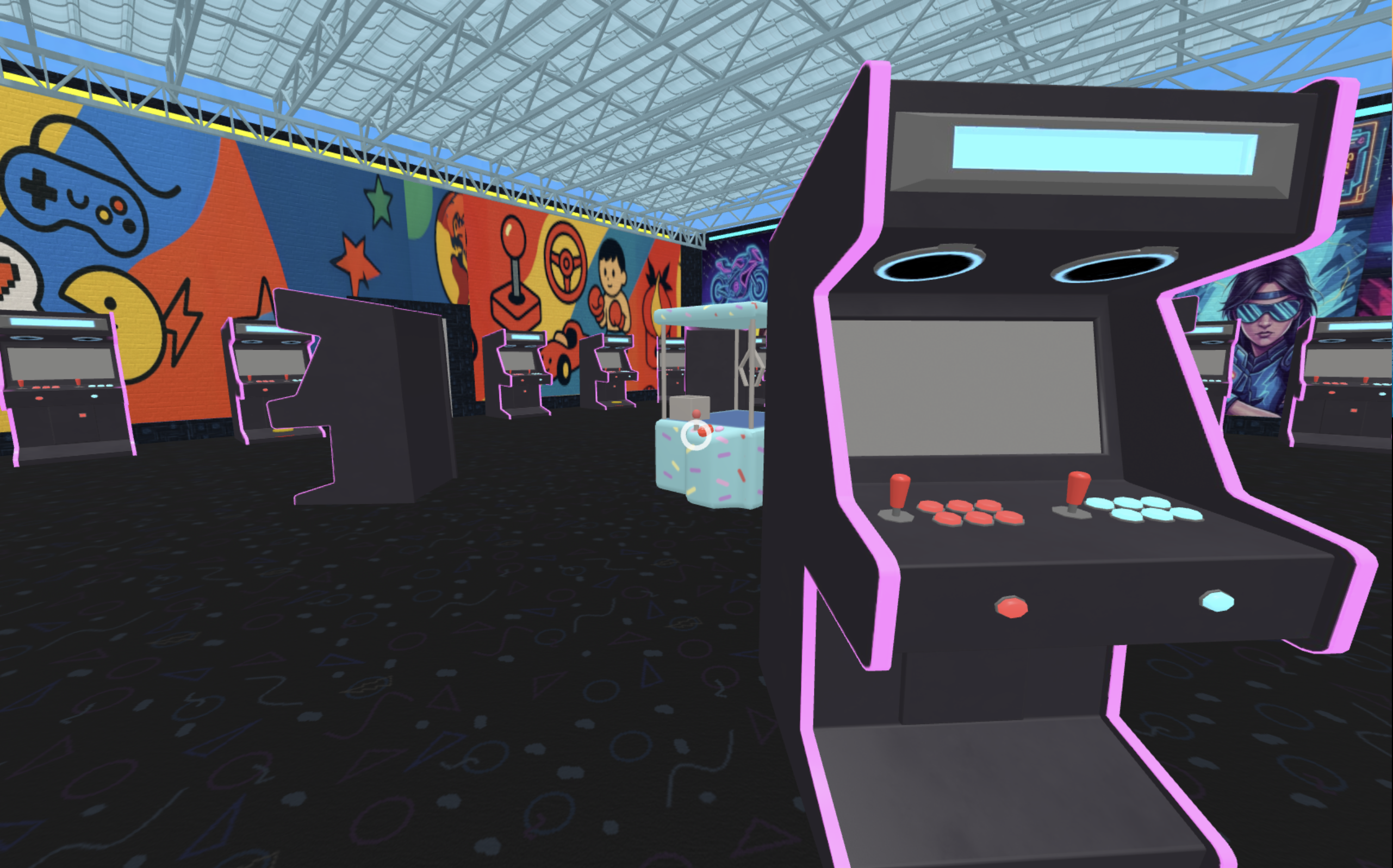
Detailed arcade room
-
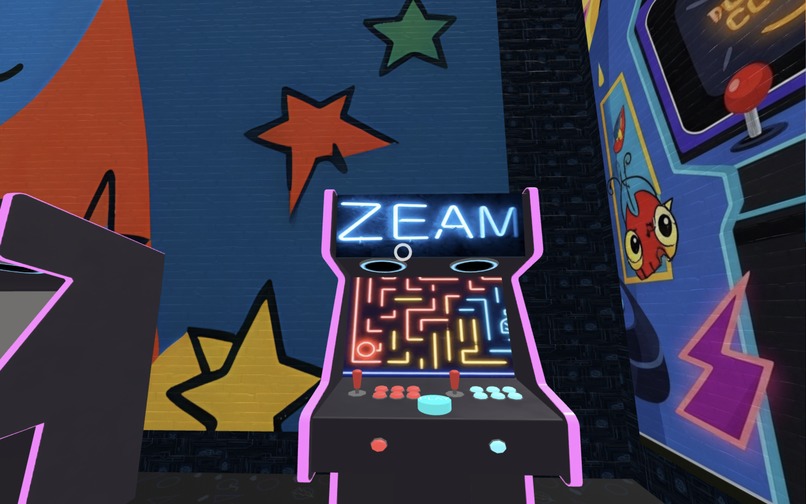
Detailed walls and arcade kiosk models
-
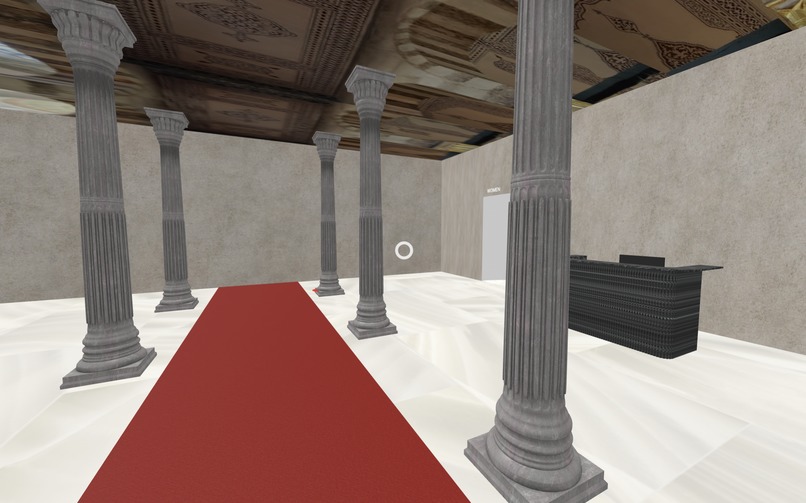
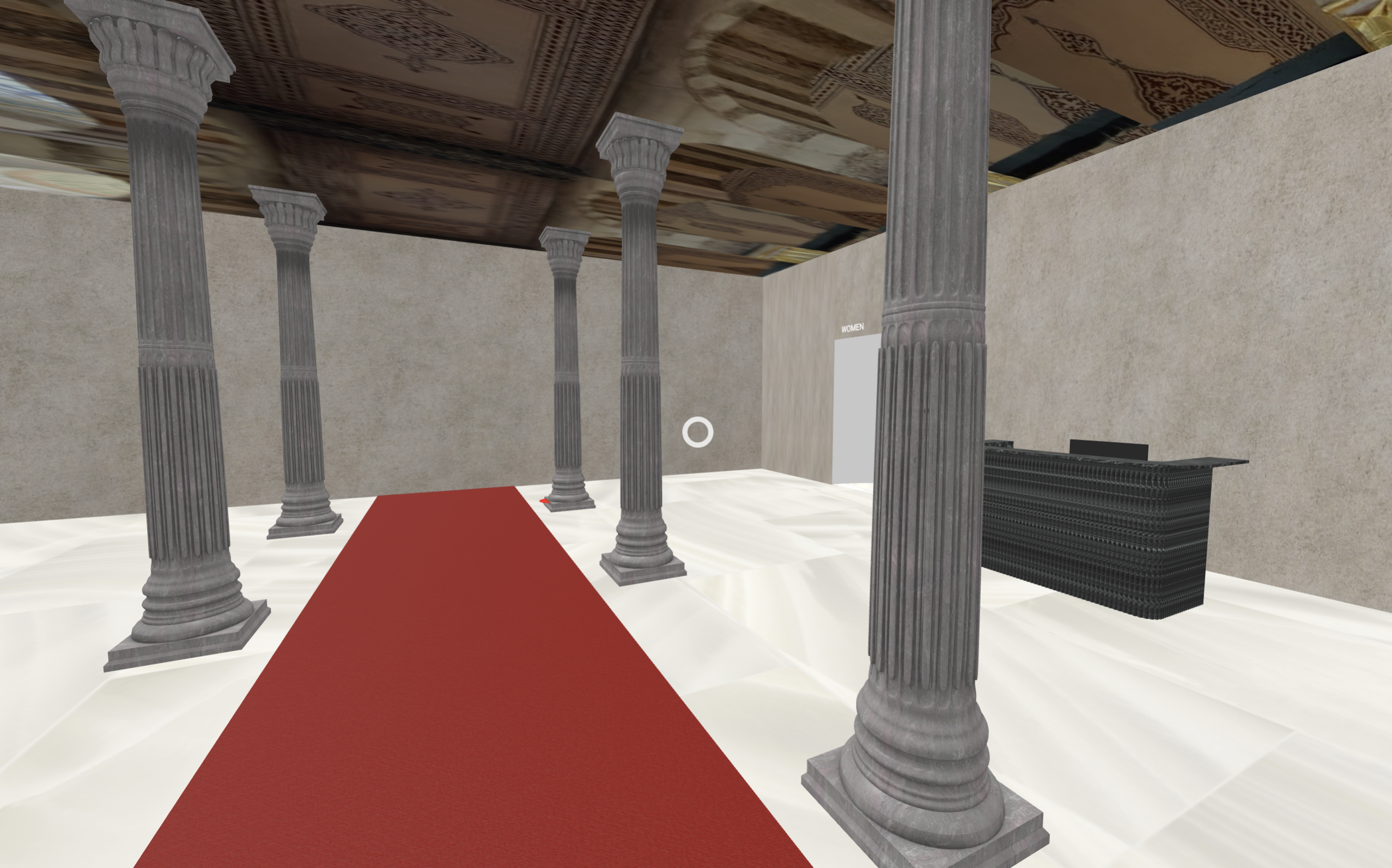
Elegant lobby layout created by Kiro
-
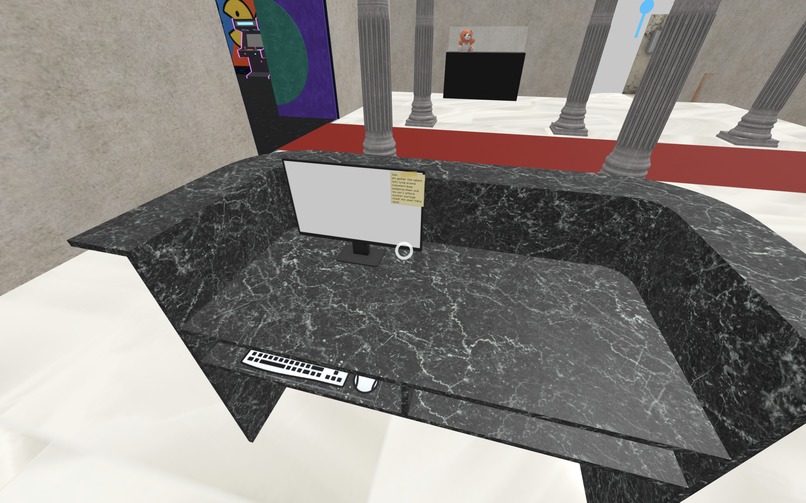
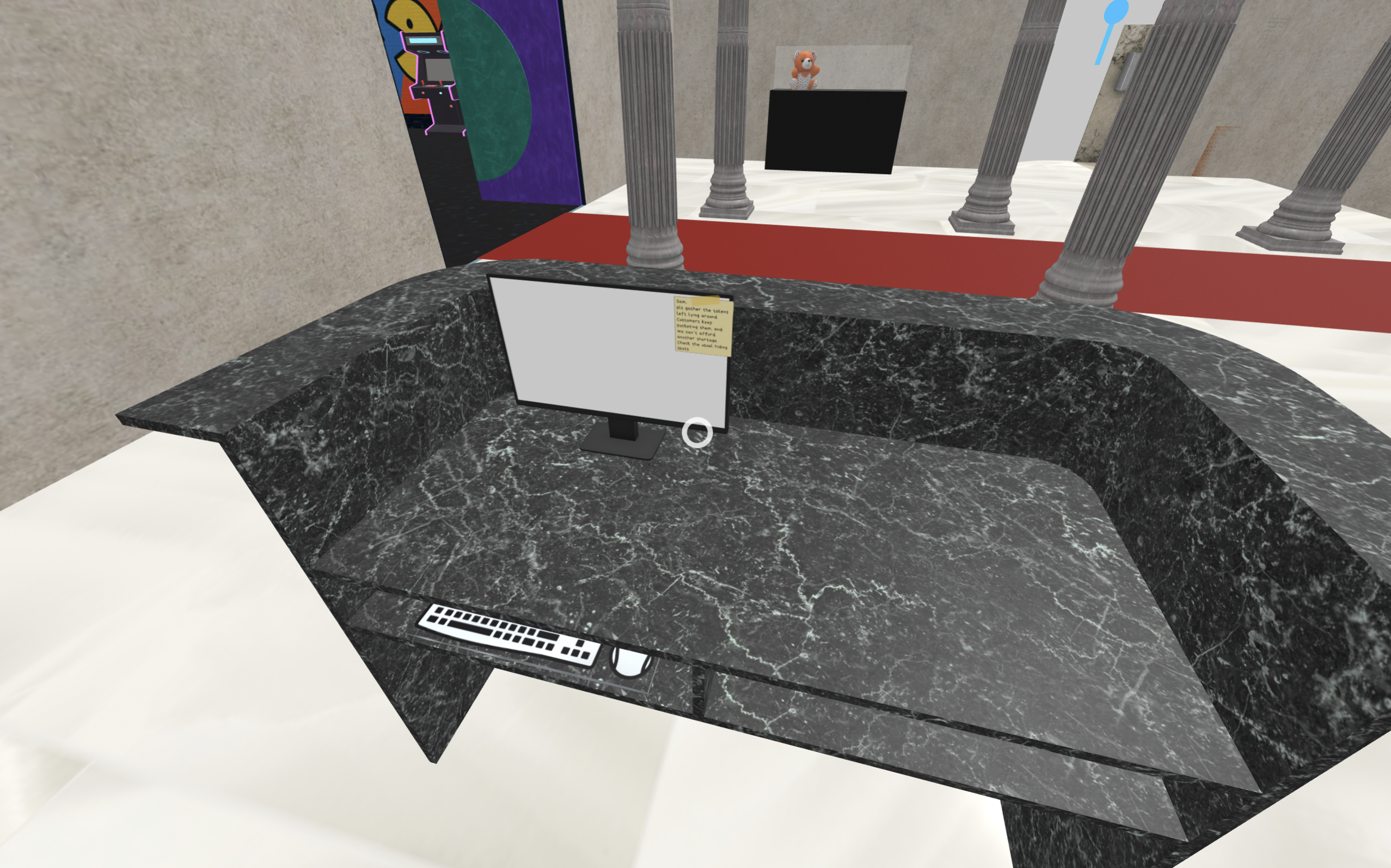
Detailed reception desk model

Inspiration
Arc AGI 3 sparked this project—specifically the idea of measuring AGI through gameplay. I flipped the premise: instead of “Can AI play our games?”, I asked, “Can AI design solvable games that challenge humans to think differently?” That question became the core of this experience.
What it does
Claw Me Out is a mind-bending escape room 3D experience set inside a living arcade. Prepare to outwit its mysterious games and be forever changed by the choices you make.
Highlights:
- Colorful, stylized environments across multiple rooms
- Mind-bending puzzles and mini-games with playful misdirection
- An intriguing story that unfolds through discovery
- Satisfying “Aha!” moments as you piece together clues and unlock the exit
It’s designed to spark curiosity, reward exploration, and deliver those memorable “I didn’t see that coming” reveals.
How we built it
The build process paired human creativity with AI acceleration via Kiro:
1) Concept to prototype
- Rapid idea exploration through collaborative “vibe sessions” with Kiro
- Early mechanics and spaces prototyped with simple primitives and components
2) From prototype to systems
- Core gameplay and room layouts solidified through spec-driven iterations
- Architecture guided by steering docs to enforce A-Frame ECS best practices
3) Content and tooling
- MCP servers connected Kiro to assets: music, SFX, images, textures, 3D models, and videos
- Agent hooks automated repetitive tasks and drove the asset optimization pipeline
Challenges we ran into
- Mathematics-heavy gameplay: The Claw Machine required a tricky blend of collision physics, polygon packing, probabilistic tuning, and a little game-dev sleight of hand. The Arc AGI Maze demanded procedural generation of mazes with pre-calculated, guaranteed solution lengths.
- Evolving frameworks: Kiro’s knowledge of A-Frame/Three.js needed careful guidance. Steering Docs and adherence to ECS kept the systems clean and robust.
- Testing visibility: Describing visual bugs to an AI is hard. Without time to build a browser-control MCP, I relied on Kiro’s multimodal capabilities—sending screenshots to iterate quickly and fix issues.
Throughout, spec-driven development helped translate complexity into clear requirements and acceptance criteria.
Kiro nailed all the basics – room and object design, collisions, interactions, controls, lighting, audio, animations and transitions. And with the help of MCP servers, Kiro was able to enhance the 3D environment further with stock images, audio, video, and 3D models. Kiro also wrote Python scripts to generate custom 3D models with Blender.
Accomplishments that we're proud of
Coming from a primarily Java backend background, I:
- Learned and shipped with Python and TypeScript
- Built for the web in 3D with A-Frame and Three.js (WebXR-ready)
- Designed and implemented puzzle logic rooted in math and search
The biggest win wasn’t just tech—it was collaboration. The project proved that partnering with AI doesn’t replace creativity; it amplifies it.
What we learned
I learned that Spec driven development requires other components in order to reap the benefits.
- Deep context prompts lead to robust requirements and designs
- Steering Docs align architecture and coding conventions
- MCP integrations expand Kiro’s capabilities and speed
Together, these turned high-level intent into production-quality systems faster.
What's next for Kiro-Generated Dynamic Augmented Reality Game: "Claw Me Out"
Near-term:
- Improve VR headset compatibility and comfort (controls, performance, UX)
- Visual polish and audio mixing pass across rooms
Long-term (episodic roadmap):
- Expand the backstory and universe with each release
- Activate at least one new arcade machine per episode (new mini-game + narrative beat)
- Ship to additional platforms for broader reach
- Add leaderboards and lightweight social features
Built With
- a-frame
- amazon-web-services
- ambientcg
- blender
- freesound
- pexels
- python
- sketchfab
- three.js
- typescript
- webpack


Log in or sign up for Devpost to join the conversation.