-
-
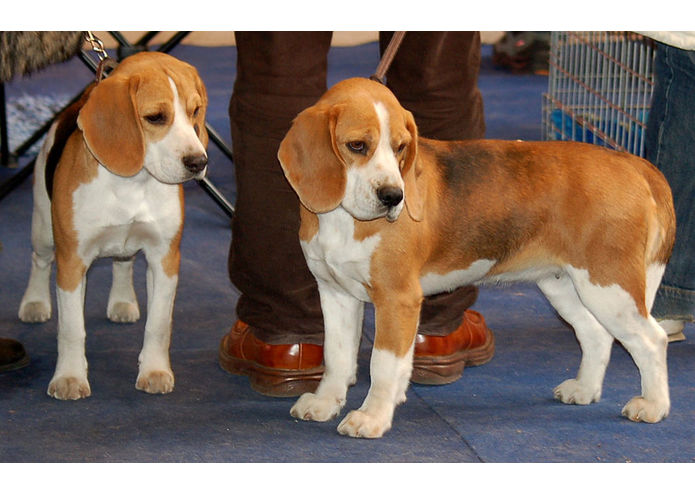
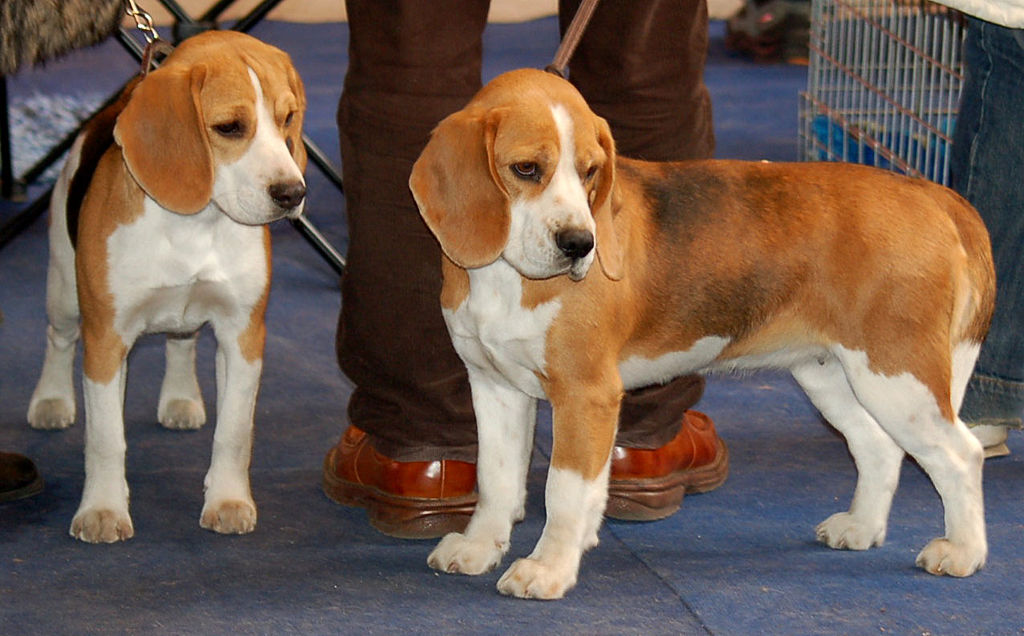
Original Image of Beagle
-
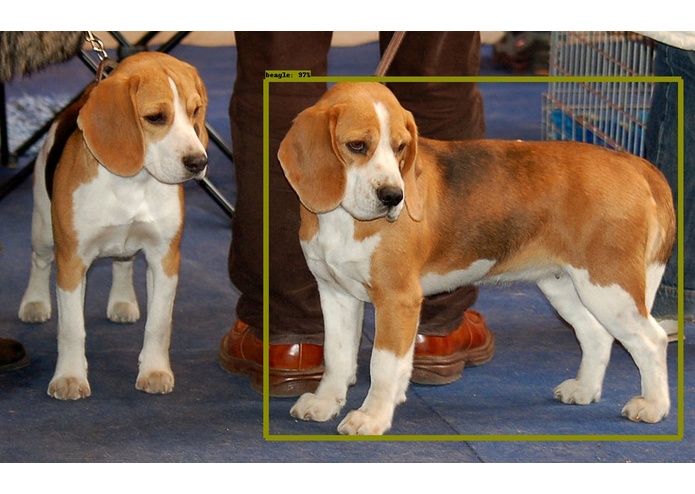
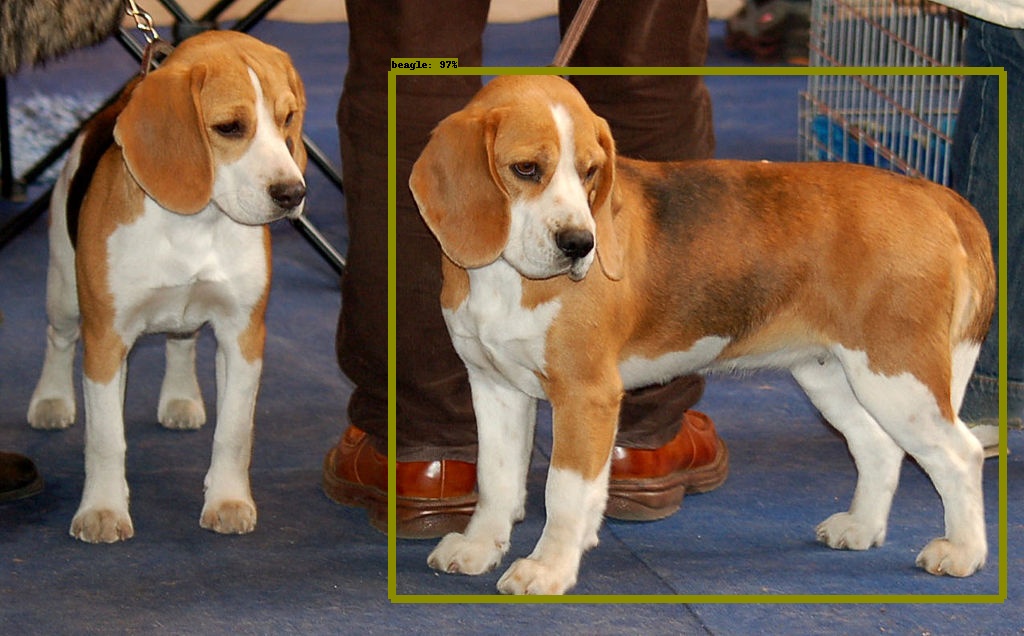
Classified Image of Beagle
-
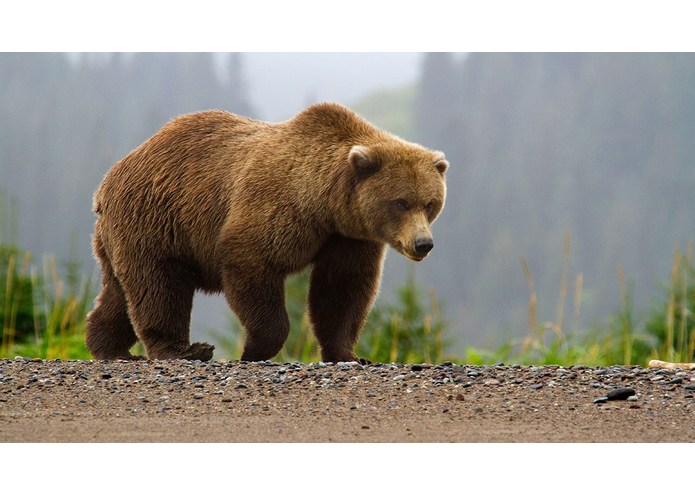
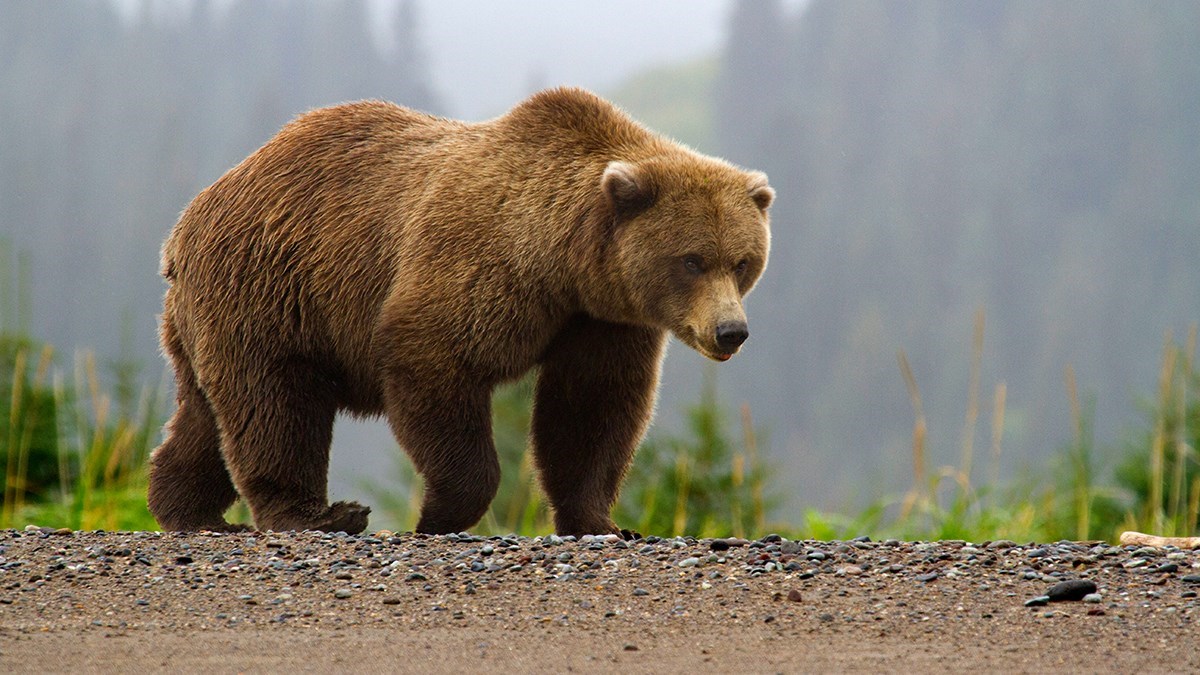
Original Image of Bear
-
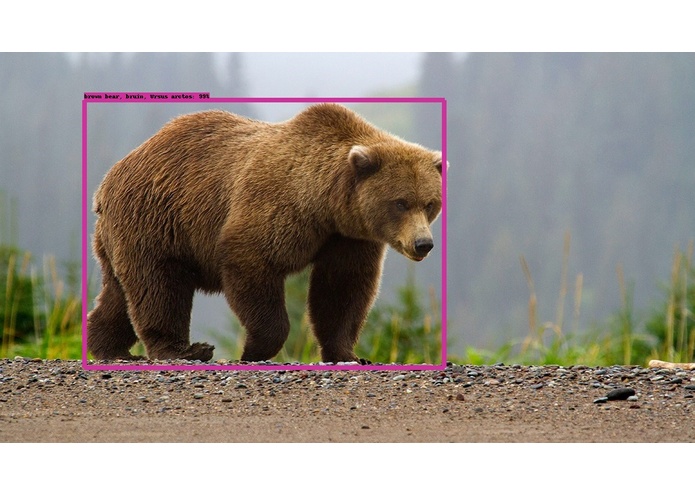
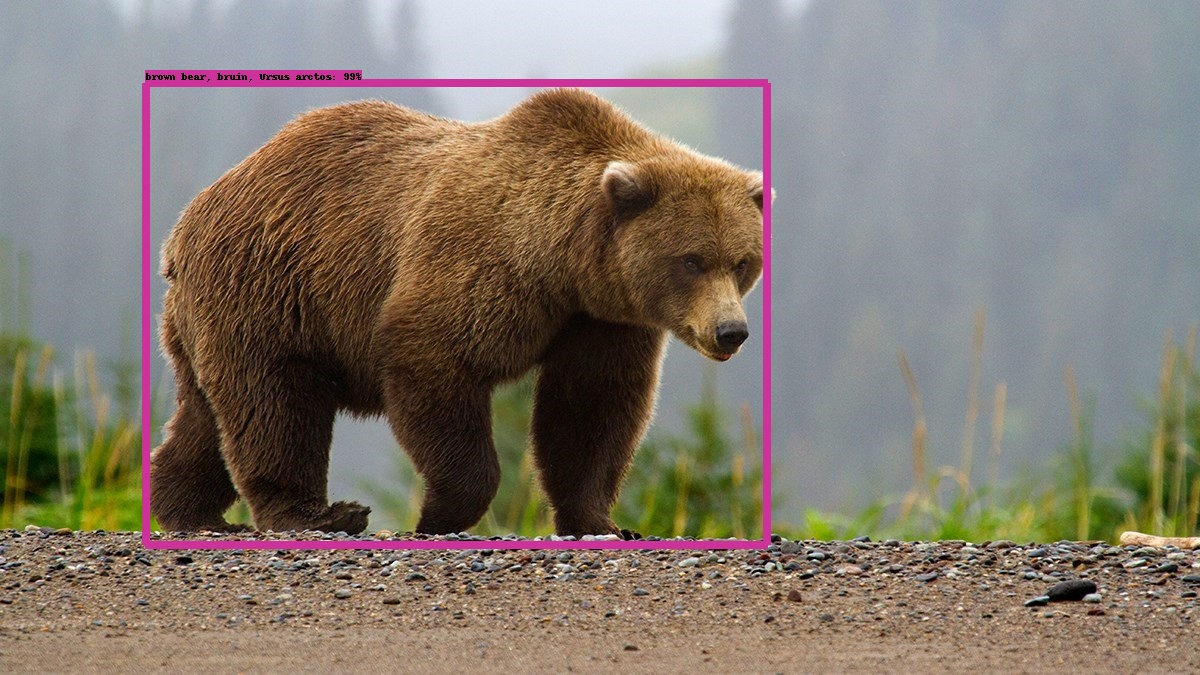
Classified Image of Bear
-
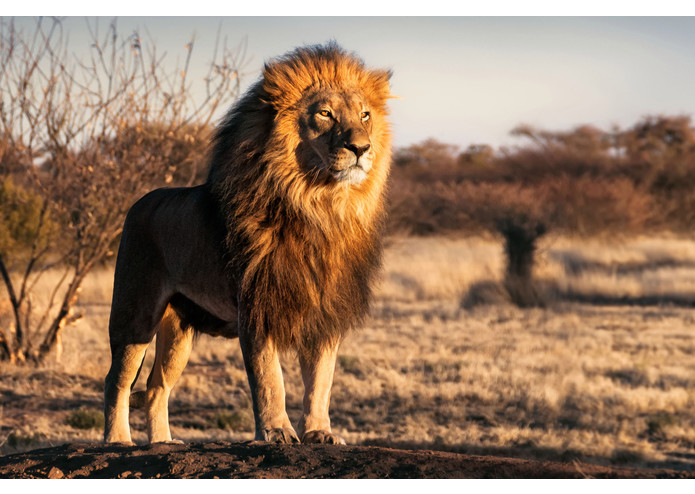
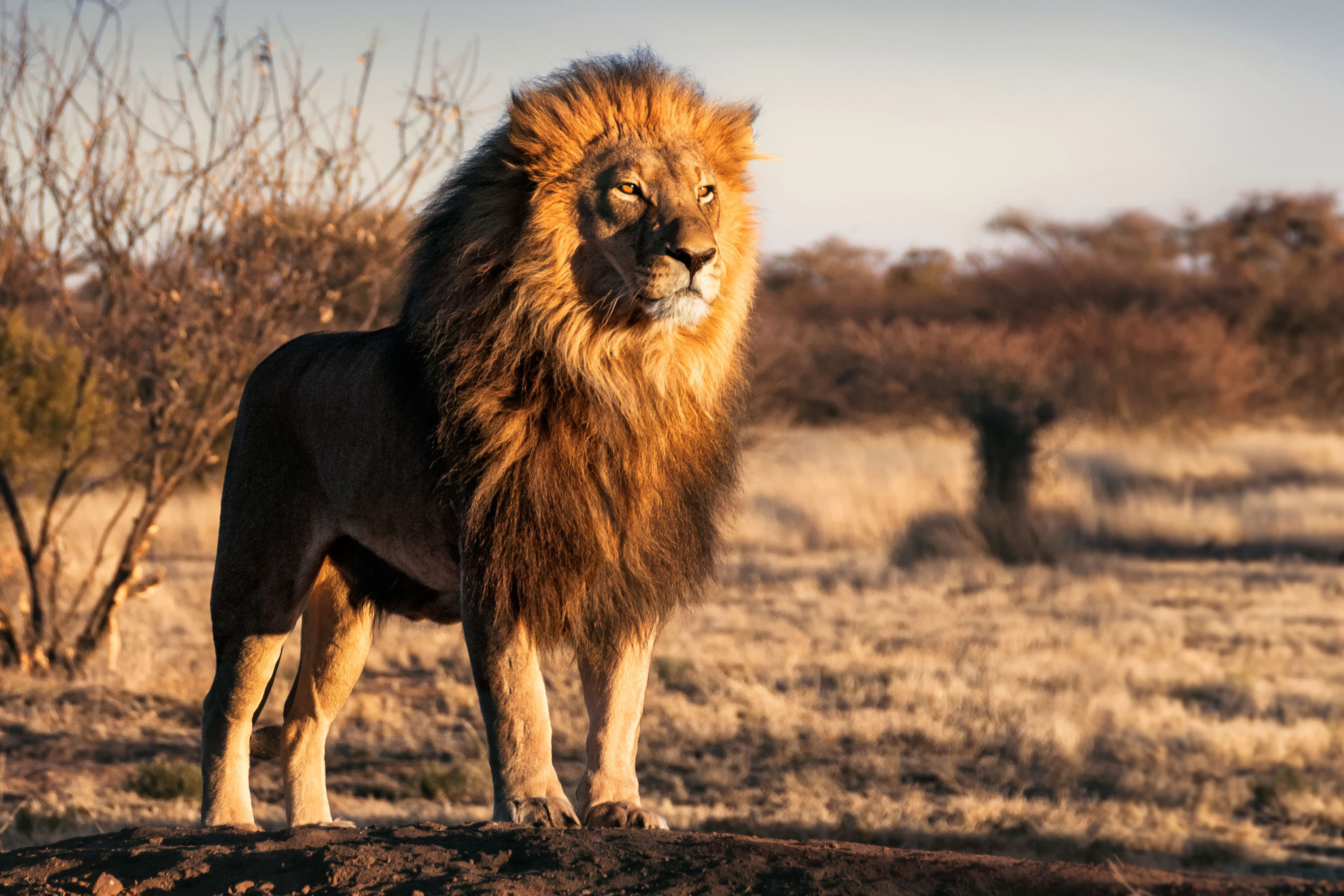
Original Image of Lion
-
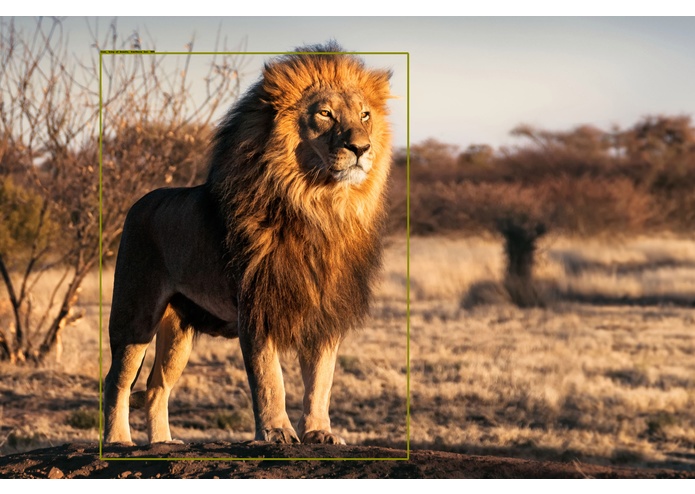
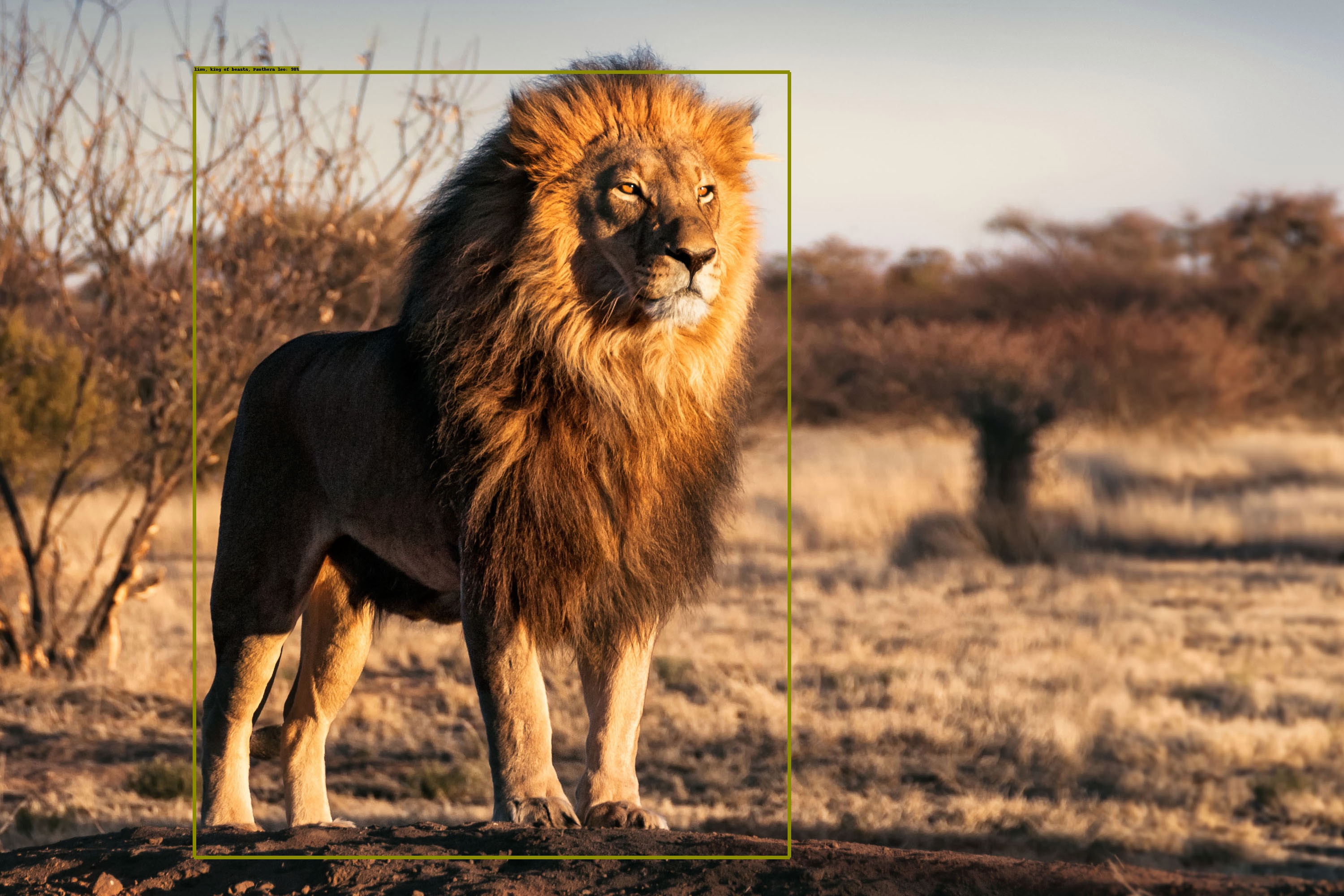
Classified Image of Lion
-
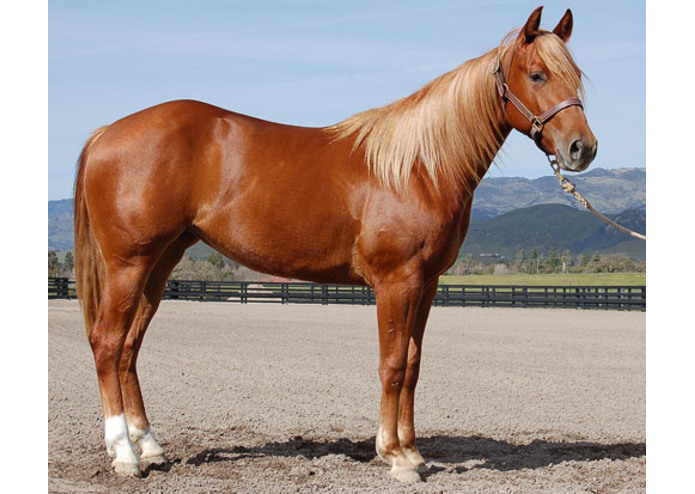
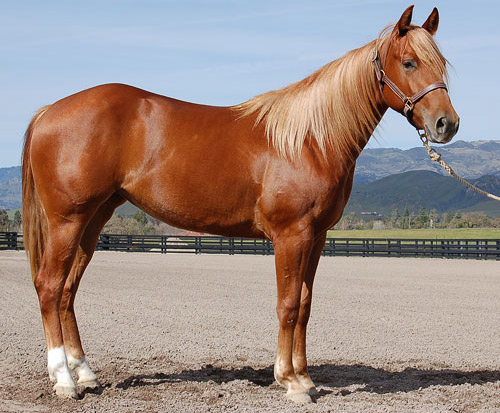
Original Image of Horse
-
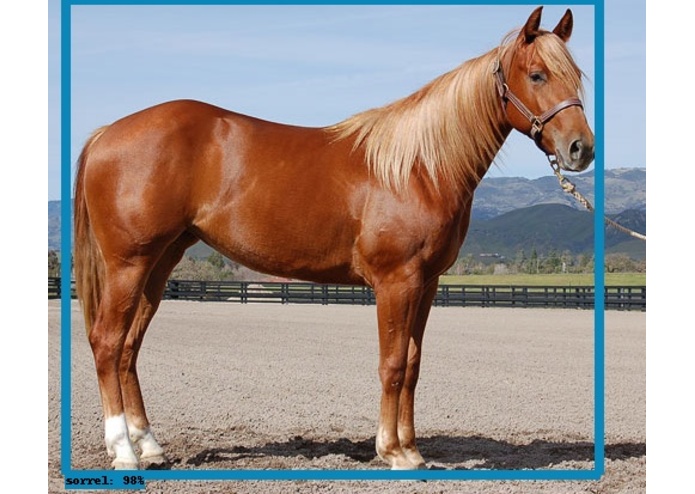
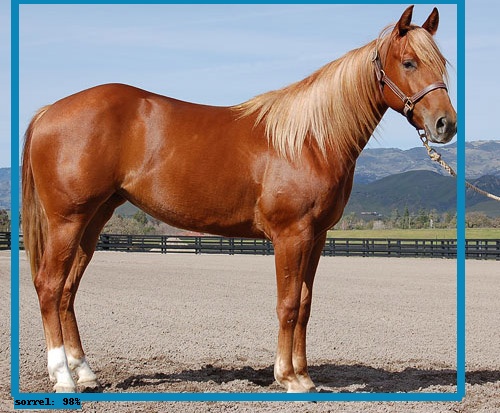
Classified Image of Horse
-
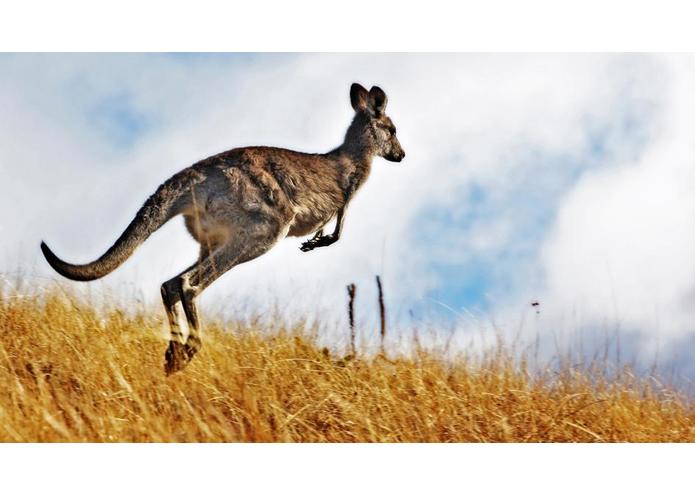
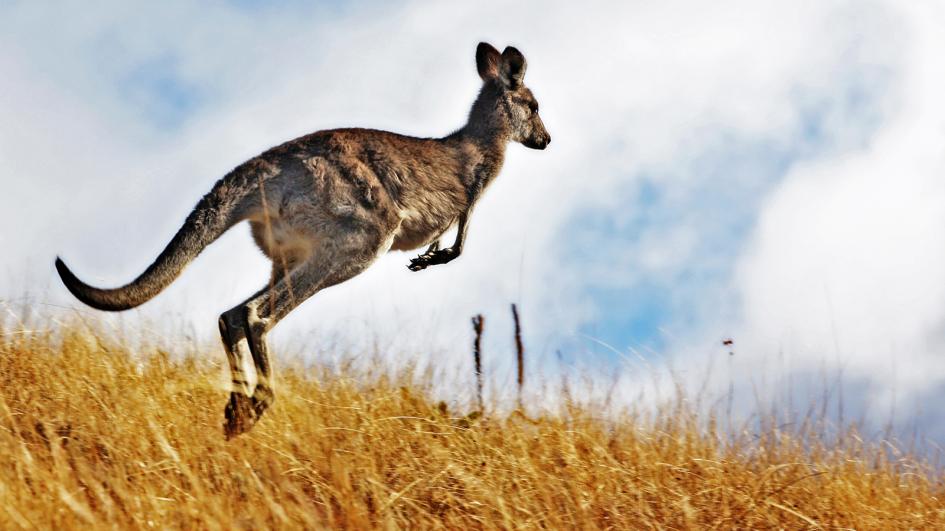
Original Image of Kangaroo
-
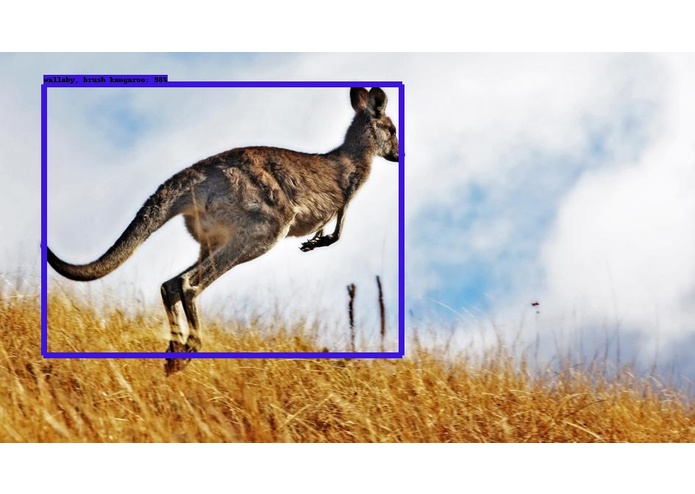
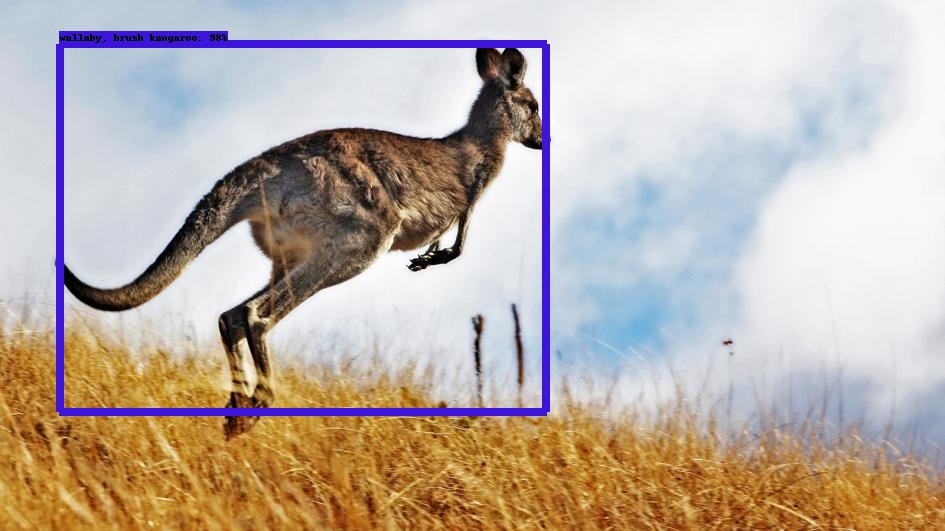
Classified Image of Kangaroo
Inspiration
As more and more species face extinction everyday, the importance of tracking wildlife and documenting the number of each species in various wild environments grows as well. At the same time, the need to let them live uncaptivated remains and so does the difficulties of keeping track of their population as they run free. Human trackers may have done a good job so far, however it takes a signficantly long time to explore an entire wild area. Furthermore, the animals are also always on the move, so the possibility of missing many of them is considerably high.
With the advancement of technology in this modern era, we know that there exists means to sweep areas with drones. This can be seen in several countries, such as China, that uses drones to help police officers look for criminals and obtain their whereabouts. This is because drones can work simultaneously while communicating with each other, thus improving the overall search time significantly.
If we apply the same strategy in the wildlife areas, we will be able to generate comprehensive data of the animals in their natural habitat. By doing this, larger areas can be covered in considerably shorter timespans. In order to make use of these drones effectively, we need a method for the drone to identify and directly classify the animals, instead of humans having to manually keep track of all the animals found.
What it does
Using Google TensorFlow, our hack is able to detect different animal species through images, videos, and even real time feeds - which will be used to implement it onto drones for future development. It will annotate said animal from the input media and specify its species. The generated information can then be used by researchers and scientist to take note of wildlife population in any given area.
How we built it
Tensorflow, an open source software library from google, is used in order to classify the type of animals from a given image. For the sake of simplicity, a model that has been trained by thousands of datasets available in the tensorflow is used. A pre-trained model from official TensorFlow API that is trained with ImageNet dataset is used.
A platform that is able to handle the whole image classification process, e.g Object_detection_webcam, Object_detection_video, is then created.
Challenges we ran into
At first, we ran into many problems when deciding which tools to use in order to implement our artificial intelligent system. We also had difficulties in finding a sufficient dataset to train our model. Furthermore, we found it troublesome that each member of our group uses a different operating system (ie., Windows, Ubuntu, and MacOS) and each member had their own set of complications when trying to setup the environment. A significant drawback we encountered was due hardware limitations of our personal computers.
Accomplishments that we're proud of
We were able to process real time data at the rate of 20 frames per second with the help of pre trained Convolutional Neural Network. The model should be able to process an image input within 30 milliseconds.
What we learned
We have learned how to use machine learning, in particular computer vision, to solve real world problems. We also learned that milo taste good with coffee.
What's next for Wild Live - A Real Time Animal Classifier
We will deploy our current solution into drones with Raspberry Pi and enhance our current model to improve accuracy and speed of image processing. Furthermore, we will add more features such as statistics, behaviour tracking, and multi-drone synchronization.


Log in or sign up for Devpost to join the conversation.