-
-
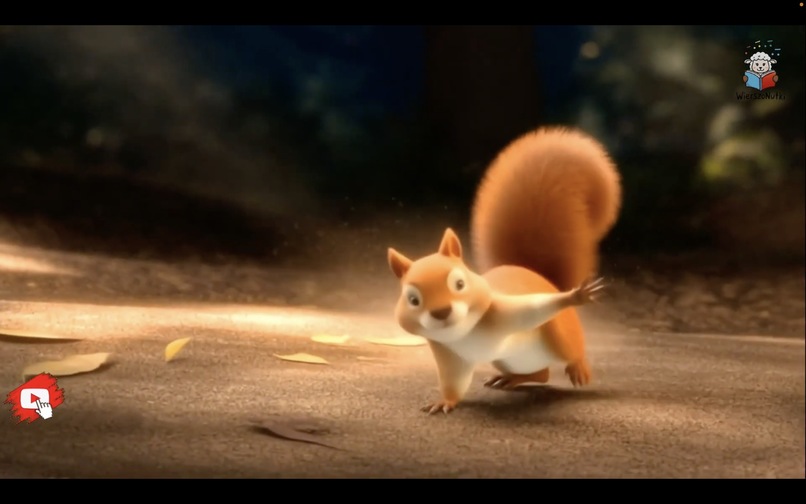
Squirrel landing like a superhero
-
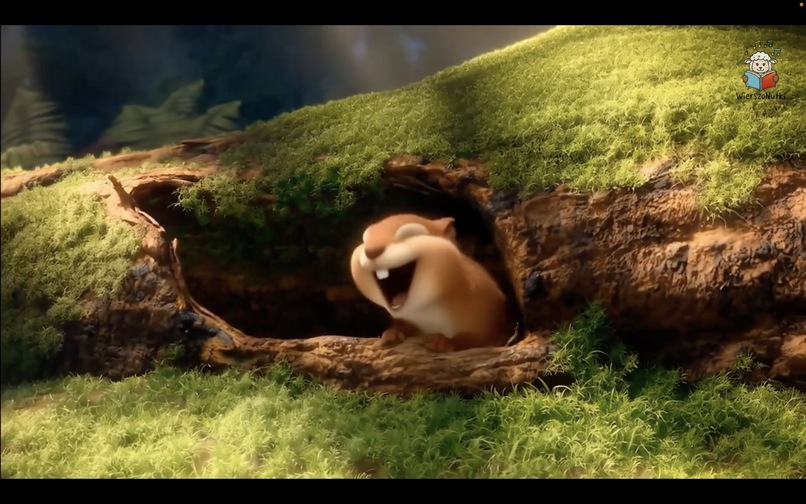
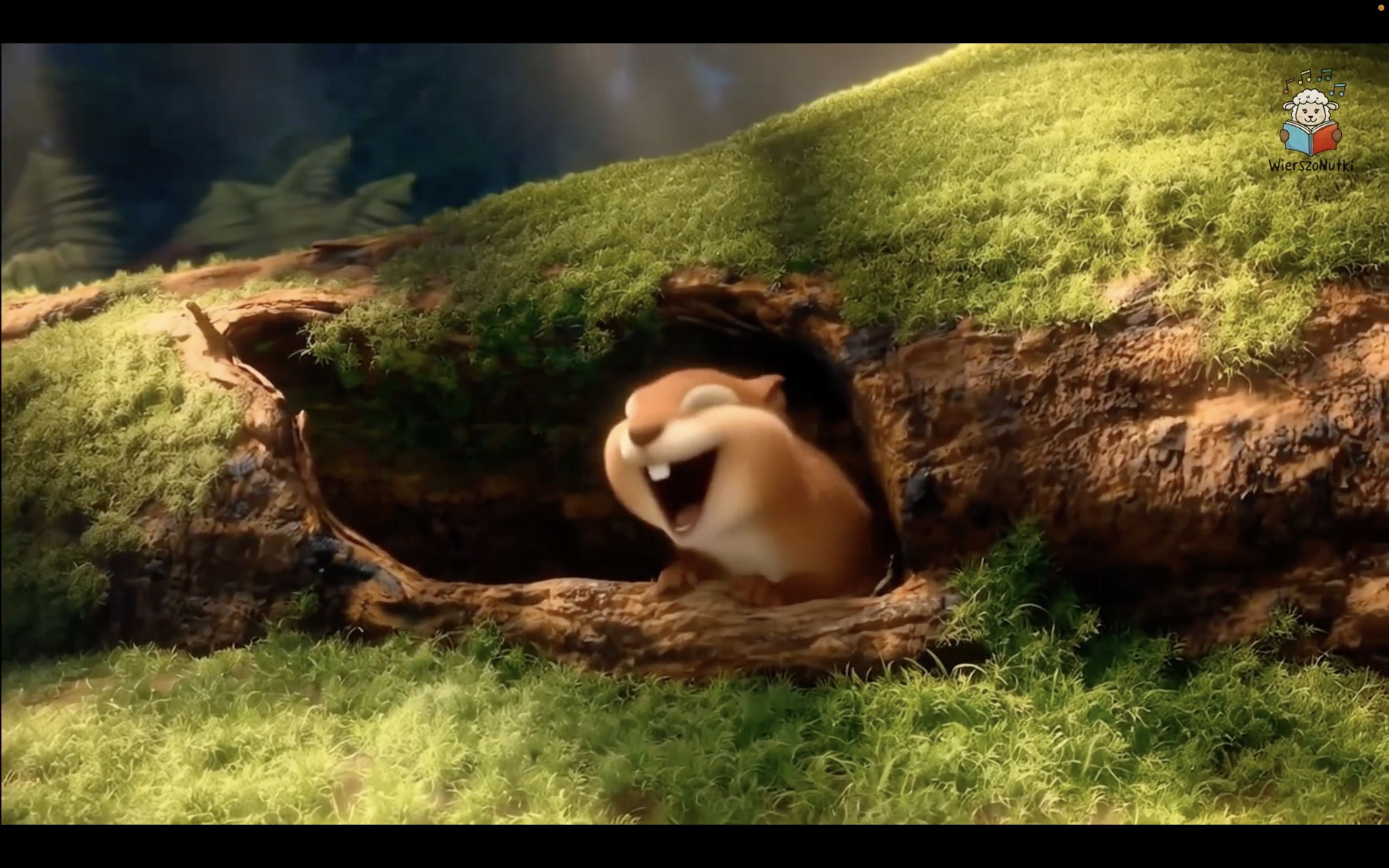
Squirrel laughing in a log
-
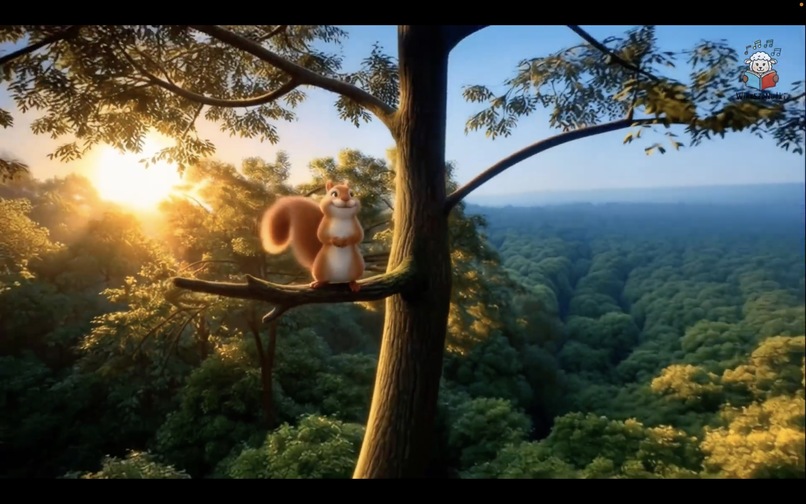
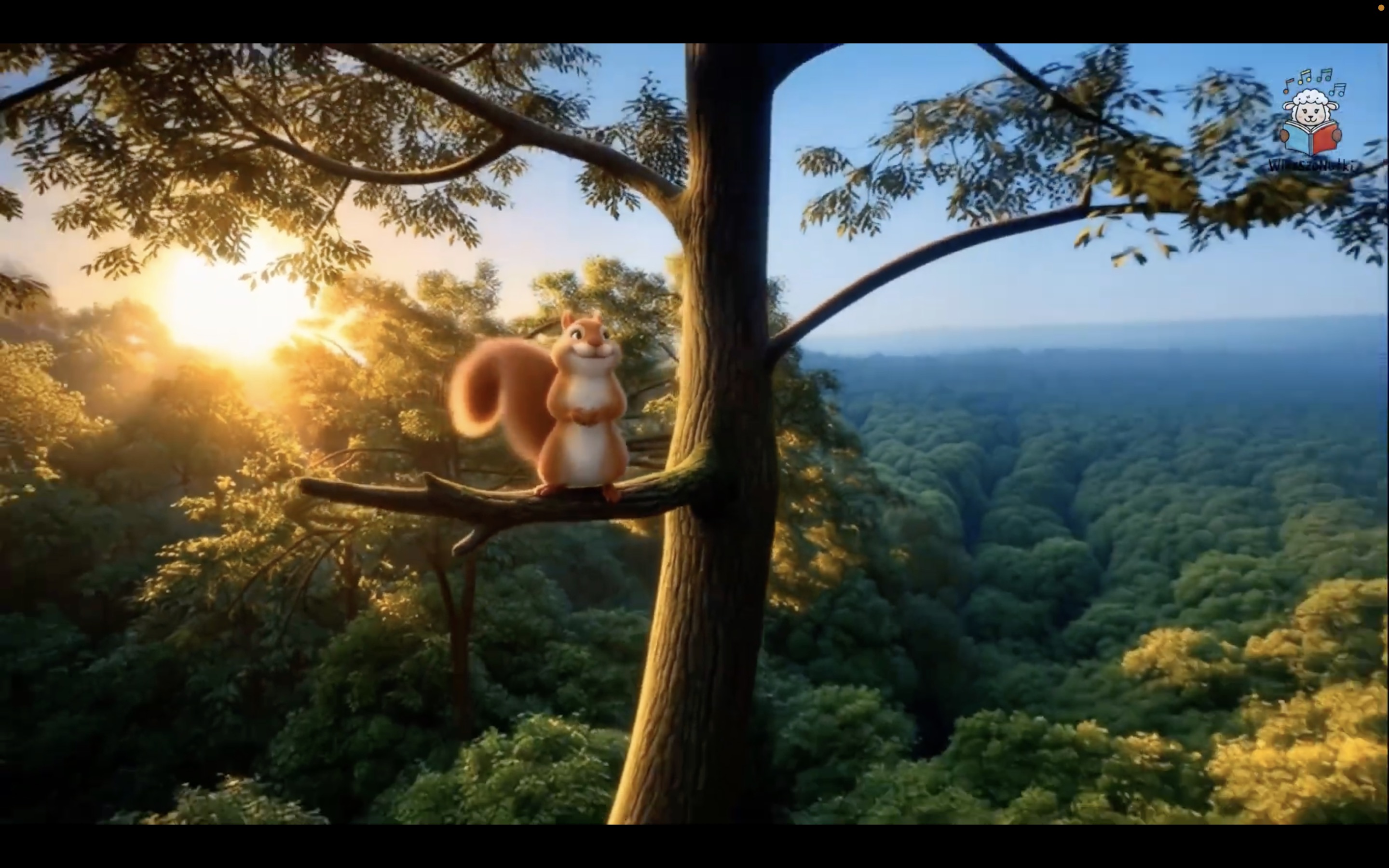
Squirrel sitting high in a tree at sunset
-
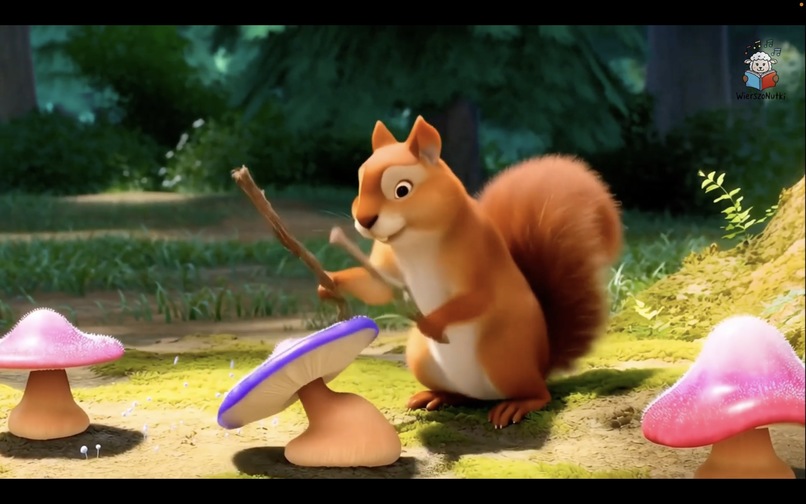
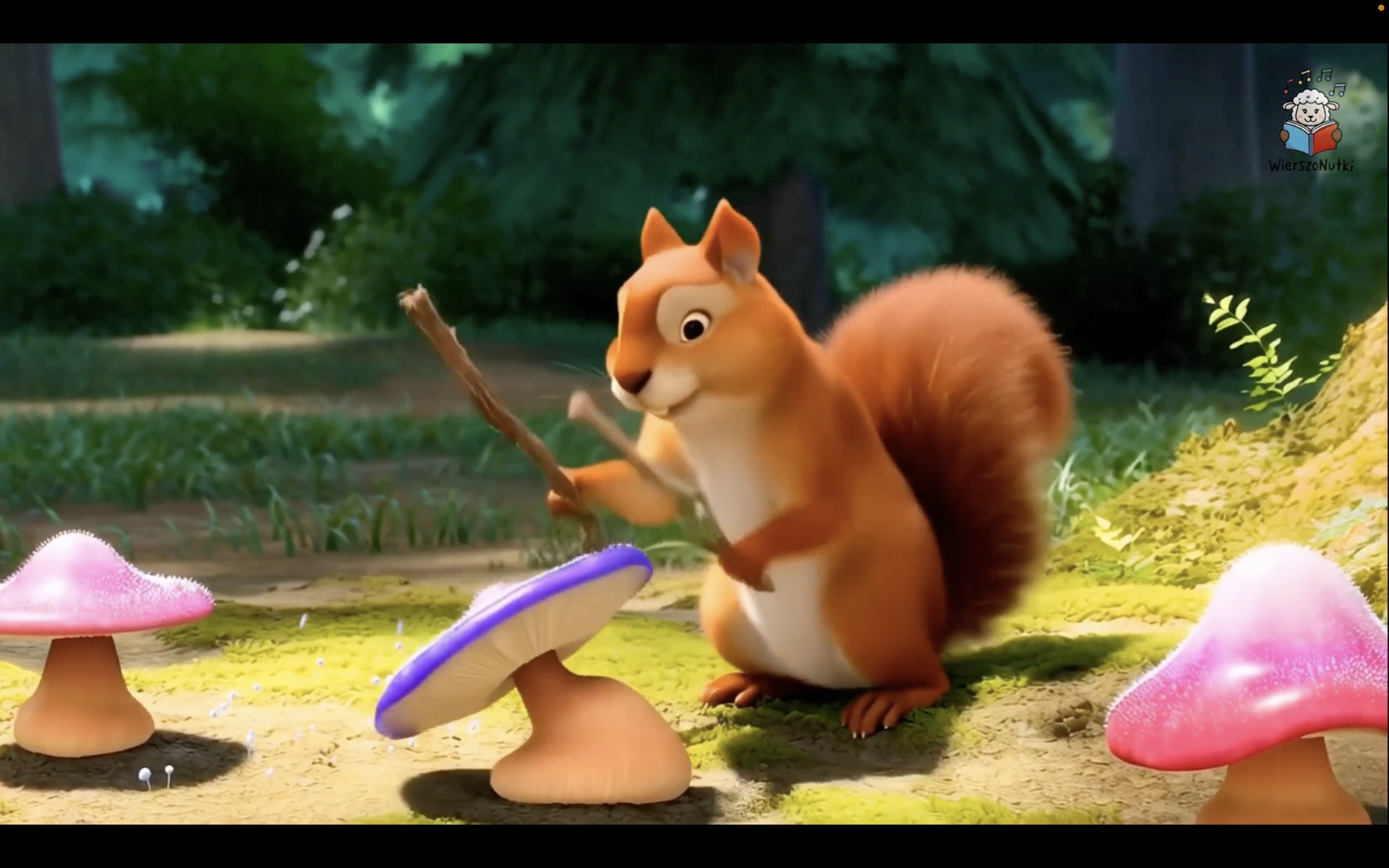
Squirrel playing mushrooms like a drum
-
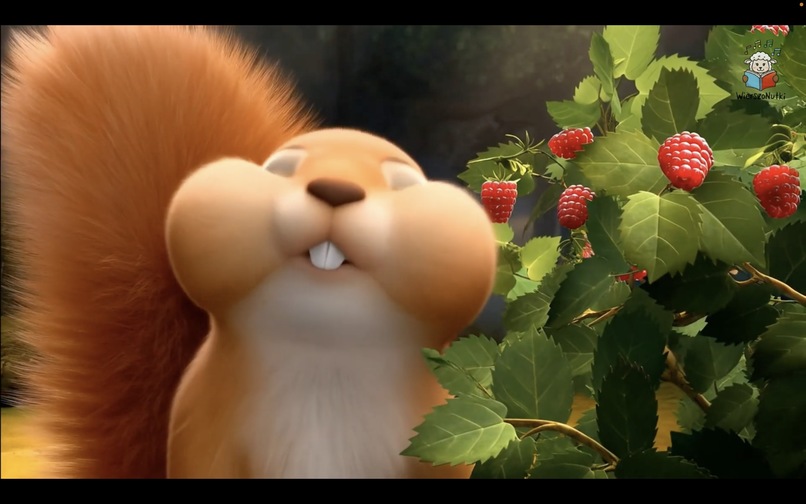
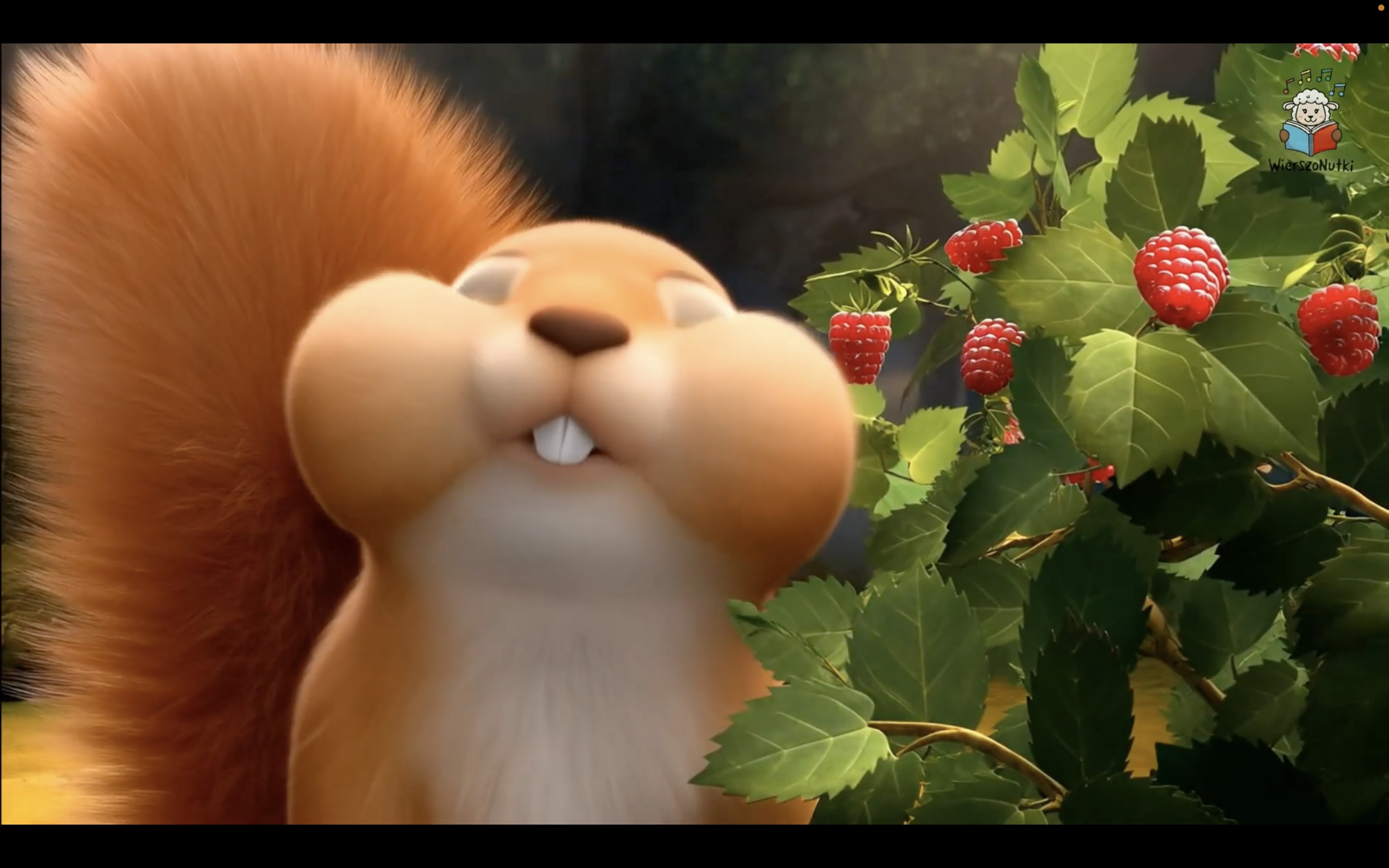
Squirrel stuffing its cheeks with berries
-
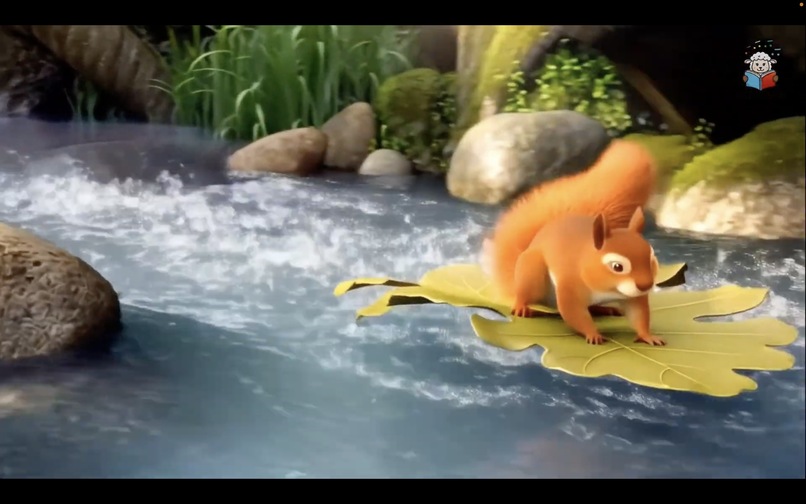
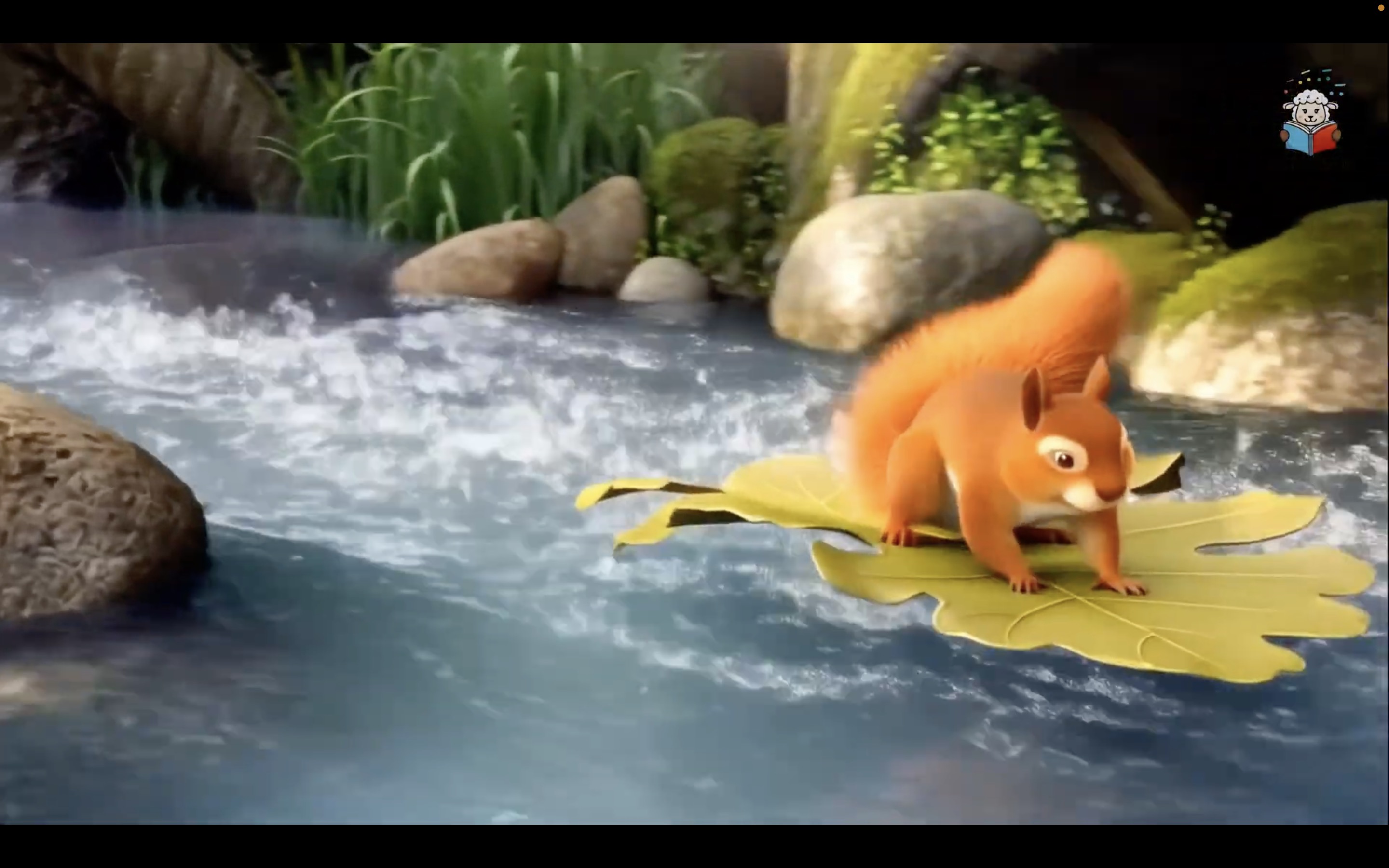
Squirrel floating on the leaf in the river
-
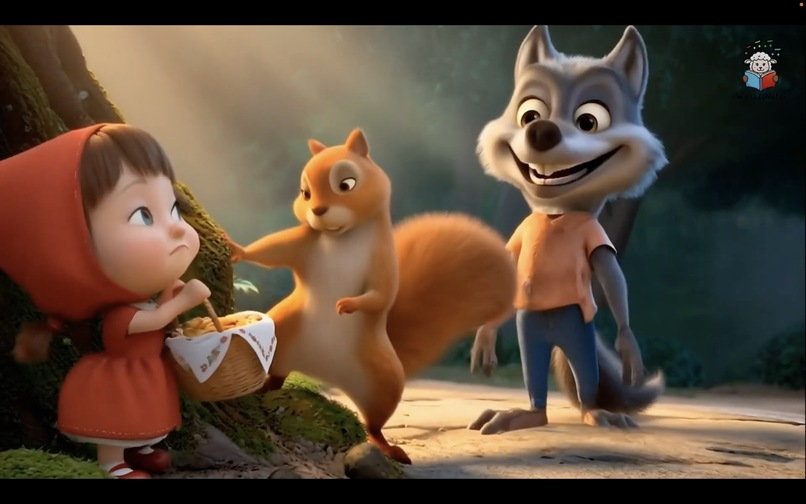
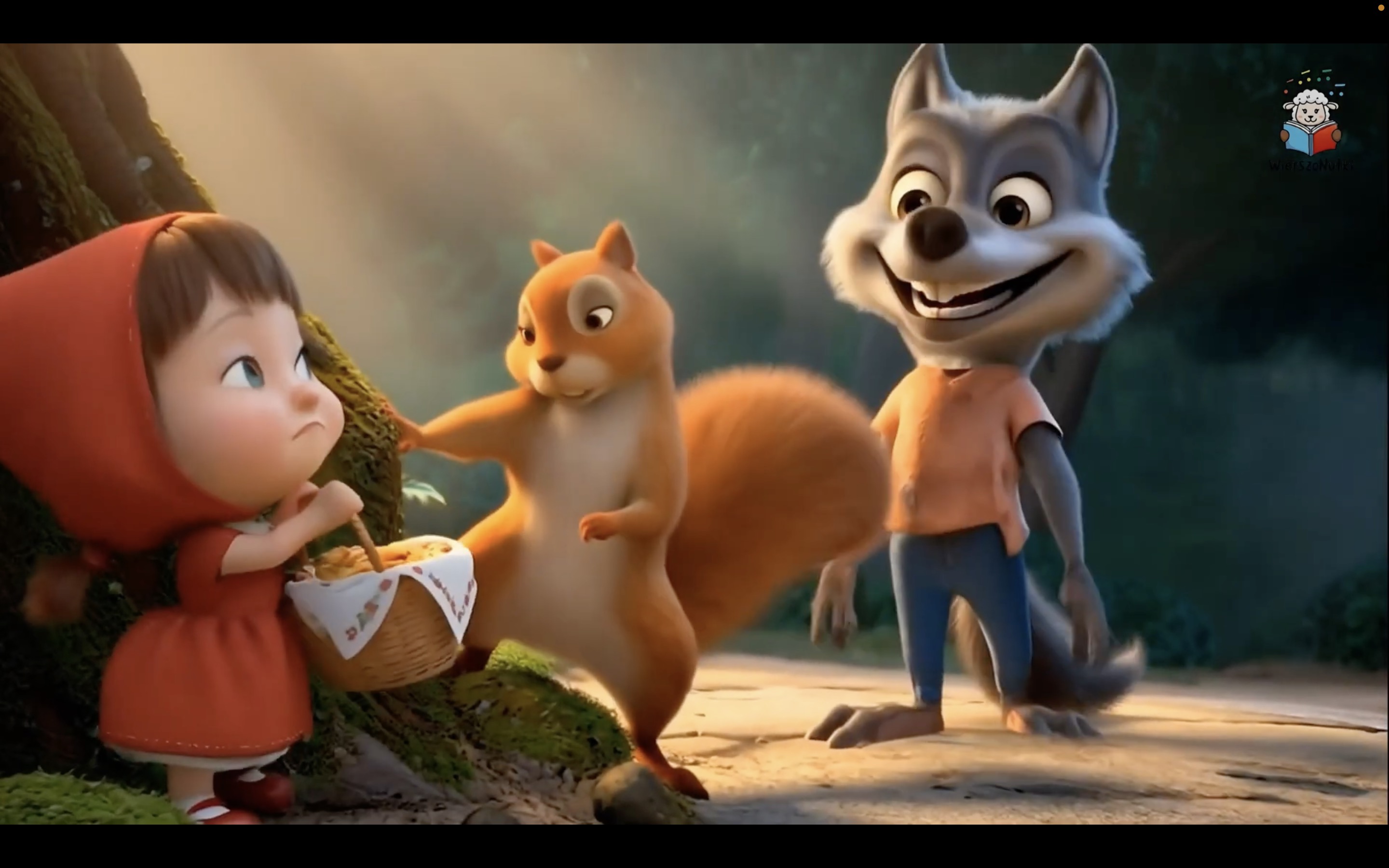
Squirrel warning Little Red Riding Hood about the wolf
-
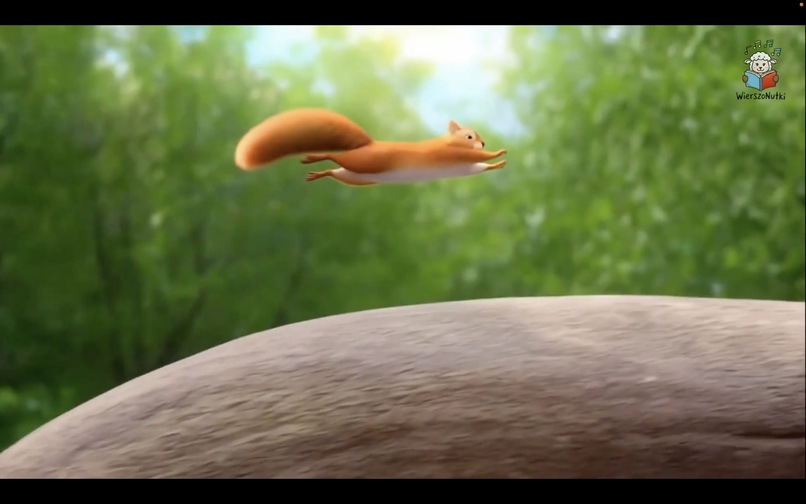
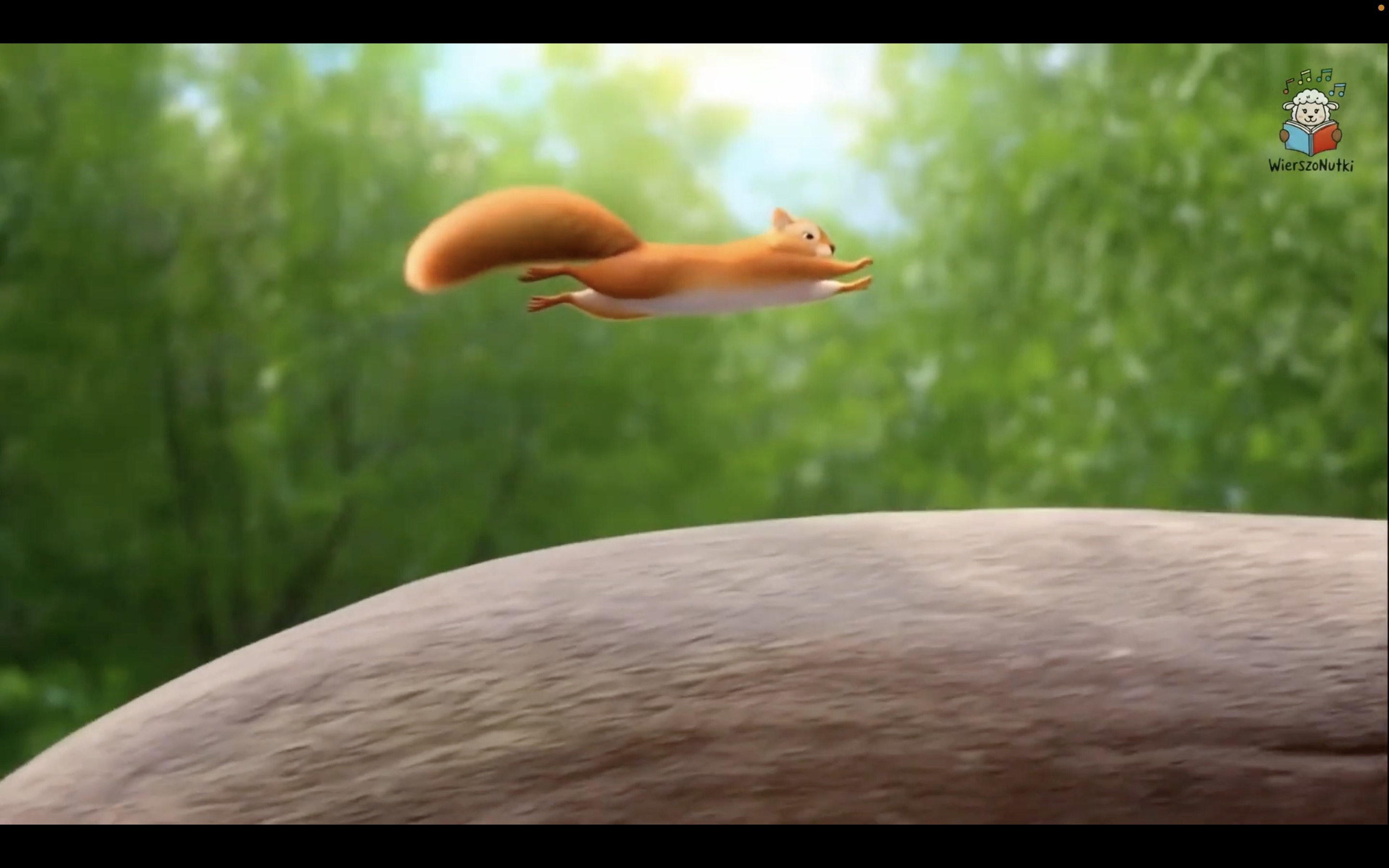
Squirrel soaring in a long jump over a log
-
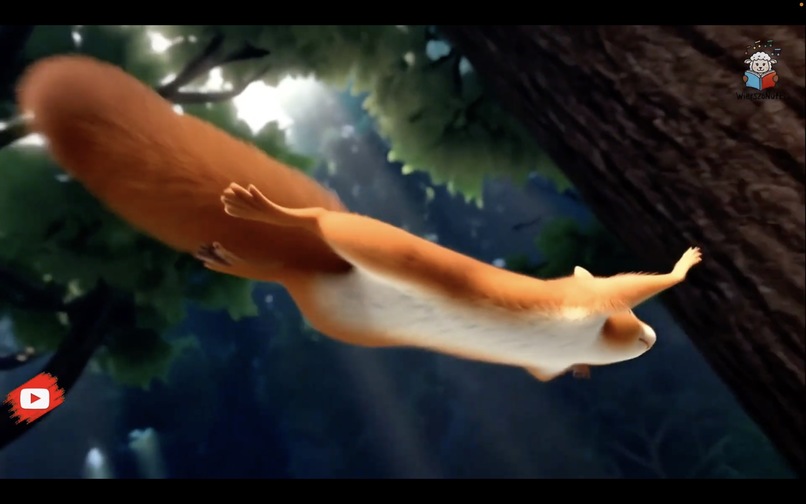
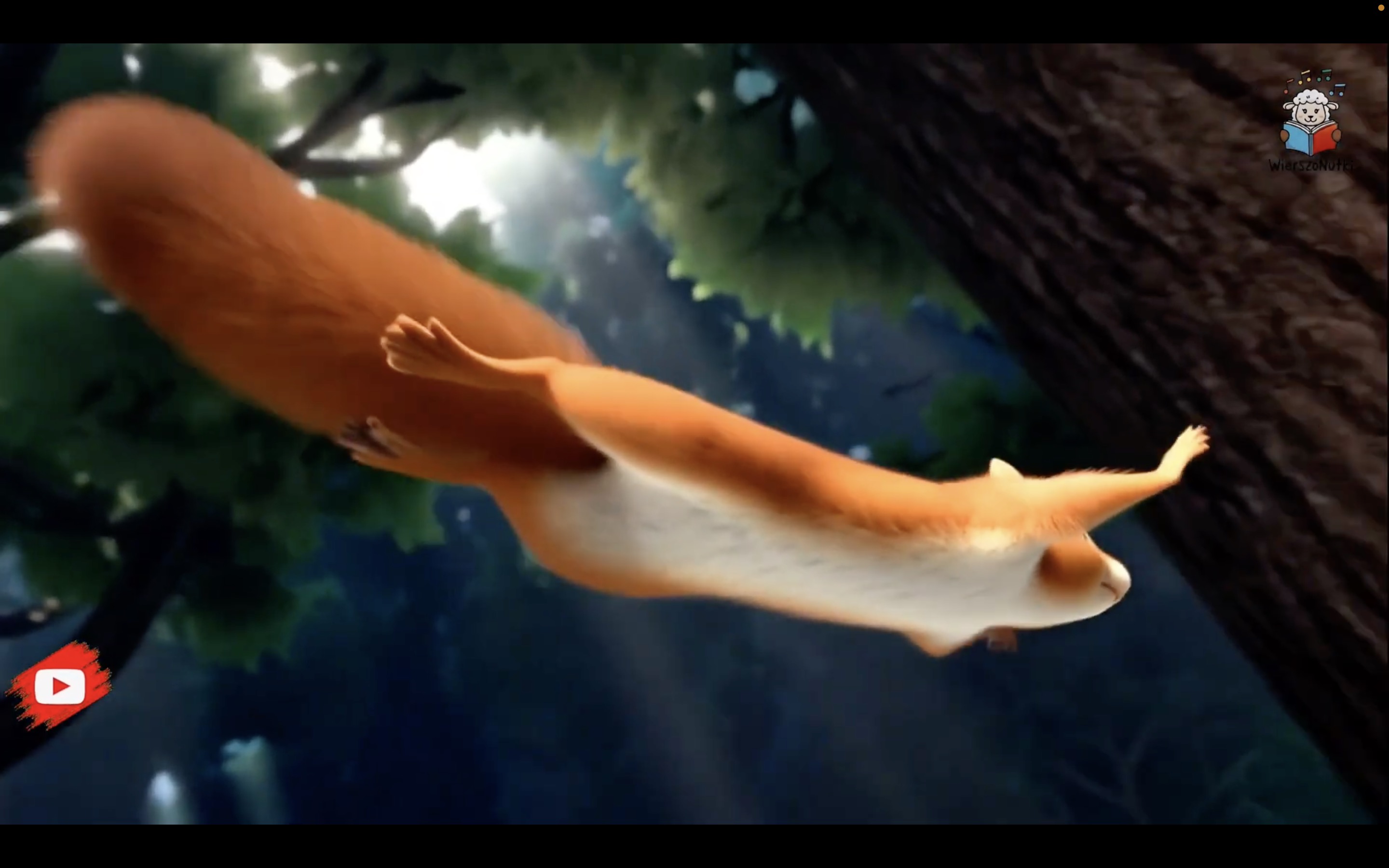
Squirrel gliding through the trees with outstretched limbs
-
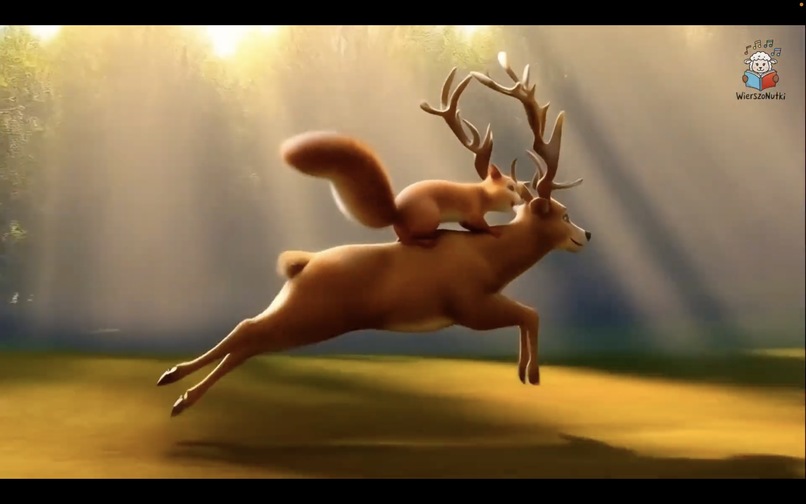
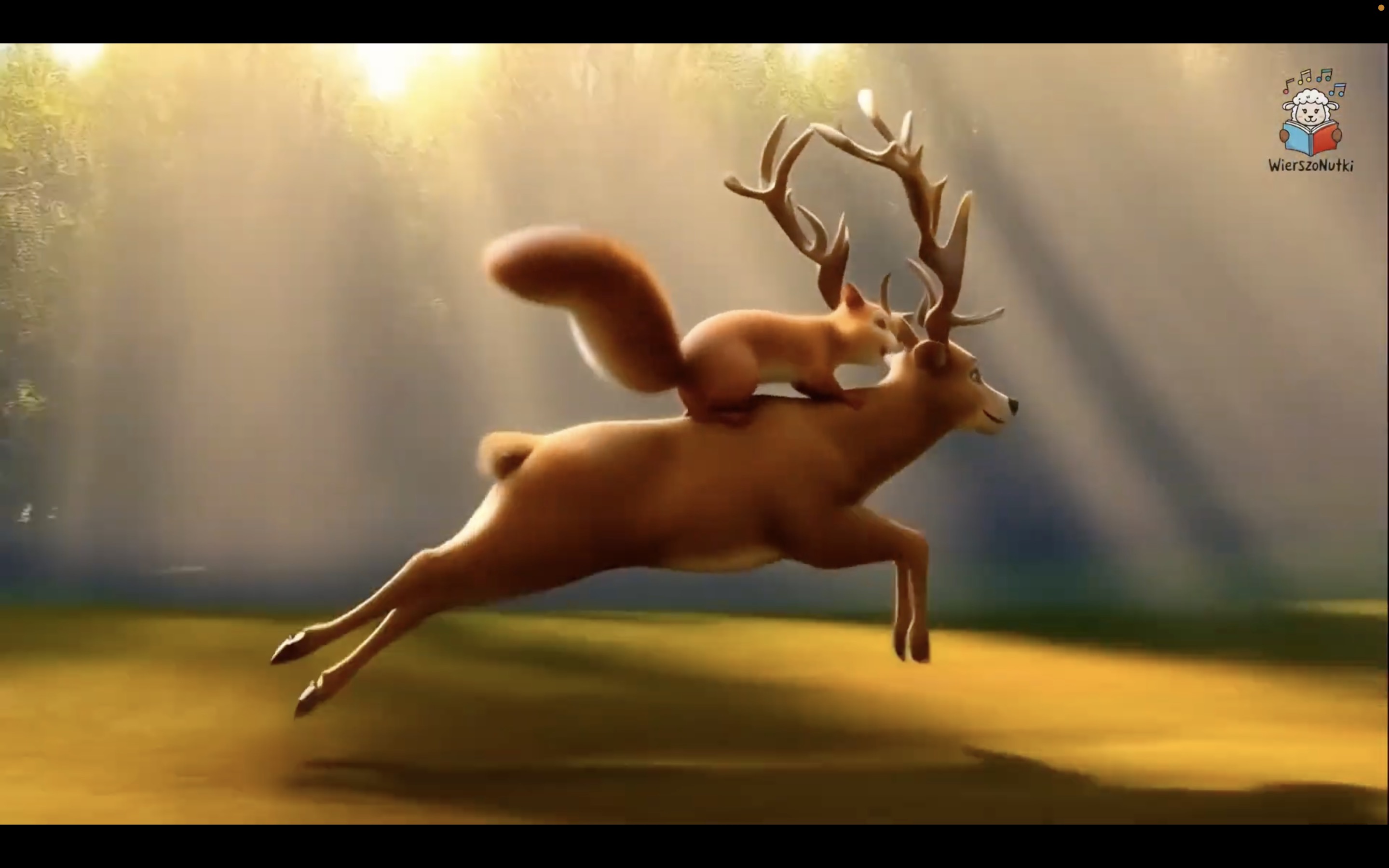
Squirrel riding on the back of a running deer
-
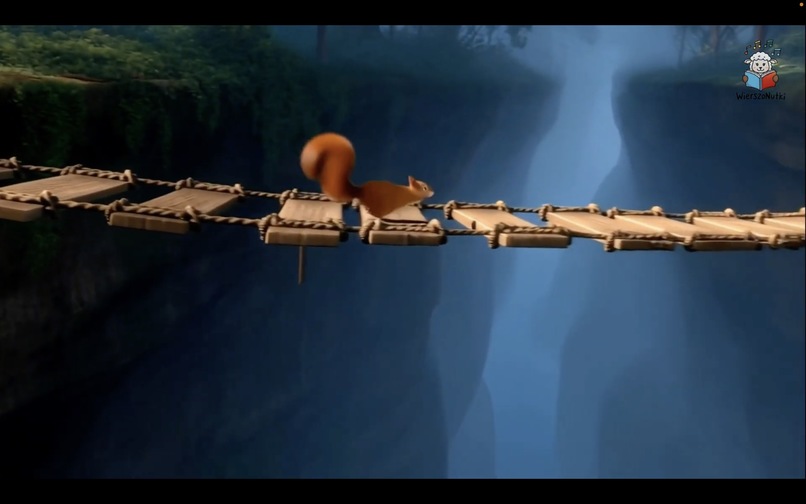
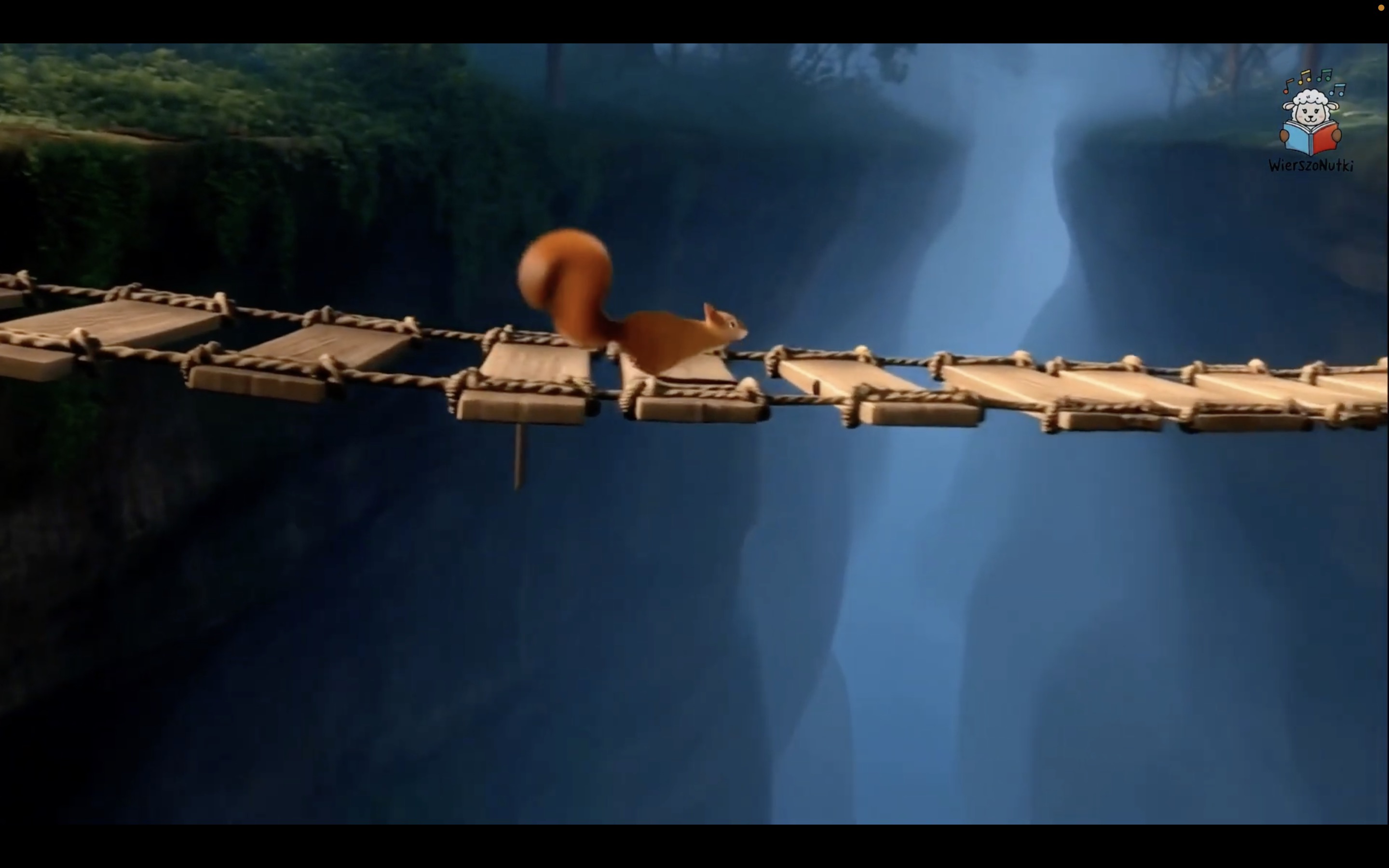
Squirrel walking on an old wooden bridge
Inspiration
The "Wierszonutki" project was born from a personal need to provide my young son with valuable, high-quality content, which is often hard to find on Polish YouTube for kids. This motivation grew into a larger mission, and to date, I have created over 30 animated musical adaptations of classic Polish children's poetry.
My journey into W lesie (In the Forest) began with Maria Konopnicka's classic poem, written around 1910. I wanted to portray the forest not just as a place of wonder and adventure, but also as a realm of mystery and respectful danger, hinted at through scenes inspired by classic folklore.
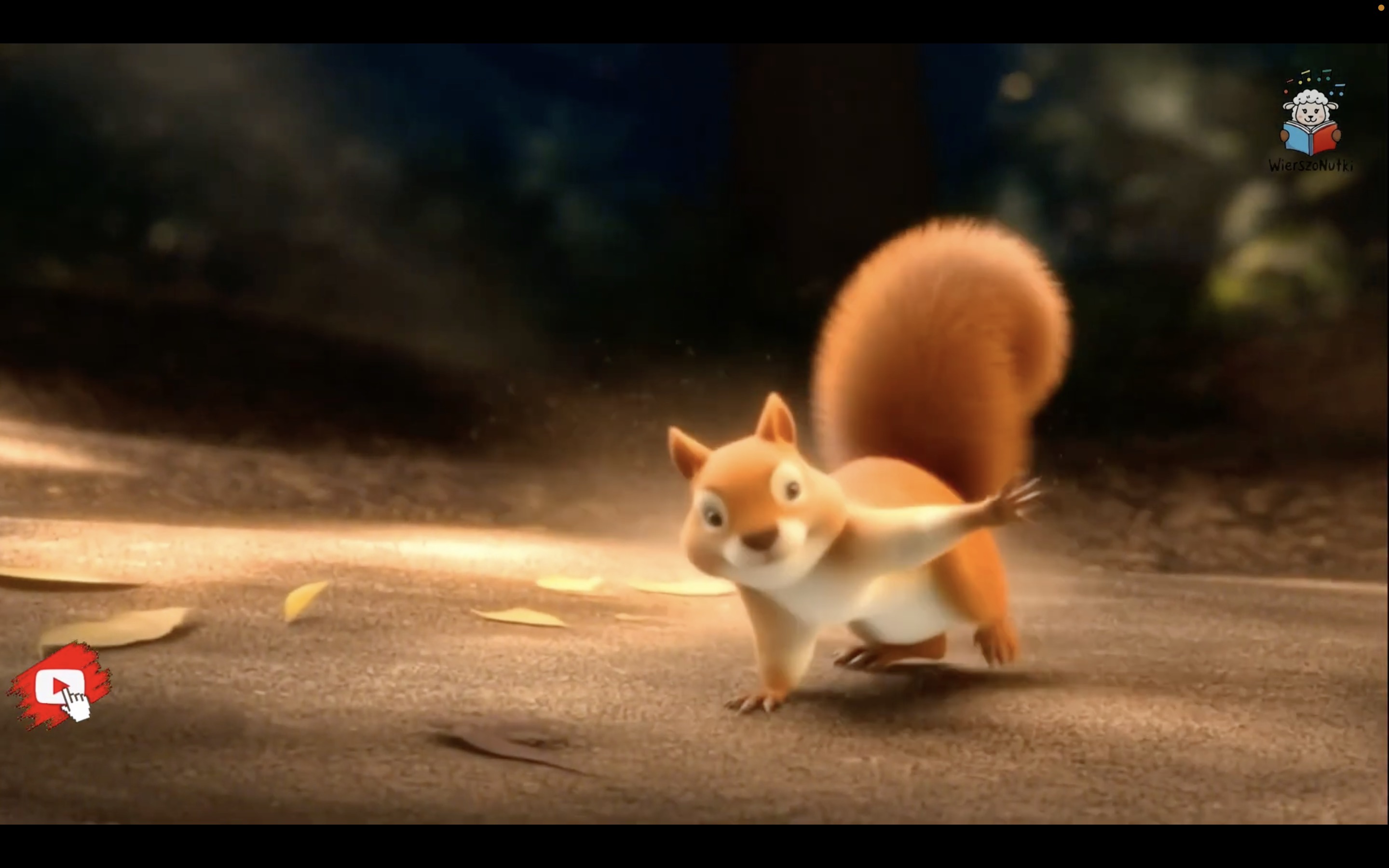
To guide my young audience through this world, I envisioned a nimble, charismatic squirrel. This character allowed me to explore the forest from a unique perspective and bring her energetic journey to life with cutting-edge technology.
How I Built It
This project was a deliberate showcase for the Hailuo-02 video model, chosen for its unparalleled ability to generate fluid, dynamic action.
The creative process began by transforming Konopnicka's 115-year-old poem into a modern song using Suno AI v4.5. This musical foundation then became the blueprint for the animation. My entire creative workflow, from script concepts to scene-by-scene analysis, was managed within Gemini 2.5 Pro. Its ability to "see and hear" my video drafts allowed for a uniquely collaborative and iterative process.
"W lesie" represents the absolute peak of what I could achieve with generative AI animation in July 2025 (it was published then), which is why I am submitting it to the Chroma Awards.
Challenges I Faced
While some scenes materialized perfectly on the first attempt (surprisingly, the scene of the squirrel playing drums on mushroom caps came out flawlessly), others, like a key sequence on an old wooden bridge, required over 20 distinct iterations of re-engineering prompts, rethinking camera angles, and changing the core concept to overcome the AI's limitations. This was not a process of intense curation.
My greatest challenge was maintaining the highest standard of quality. Every generated clip was judged based on two core principles:
- Technical Perfection: A zero-tolerance policy for the glitches/hallucinations that can break immersion.
- Emotional Resonance: The animation had to feel alive. I rejected some technically perfect clips that lacked the spark of emotion or the feeling of life that was essential to the story.
A similar challenge and creative discovery occurred in sound design. For the first time I used ElevenLabs to generate all the SFX, including the squirrel's character sounds. It was a pleasure to work with, but I quickly learned that to achieve the perfect, high-energy chatter for the squirrel, I had to prompt the tool for "chipmunk" sounds.
Accomplishments That I'm Proud Of
I am proud of having crafted a visual interpretation that feels both faithful to Konopnicka's spirit and daringly contemporary. I am also proud of pushing the Hailuo-02 model to its limits, proving that with persistence, iteration, and human judgment, AI can become a tool for genuine artistic expression.
What I Learned
- I learned that working with AI requires patience, flexibility, and a willingness to treat the process as dialogue.
- The best results came not from expecting perfection, but from learning to adapt and appreciate the unpredictability of the outcome.
- I also learned that to create a variety of beautiful scenes, all you need is a good set of extreme close-up shots of your character uploaded as the starting frame.
Note:
- The poem is in the public domain, so it can be freely adapted and creatively reimagined in this film.
- Turn on CC subtitles to follow the full text of the poem.
Built With
- elevenlabs
- gemini-2.5-pro
- gpt-image-1
- hailuo-02
- suno-v4.5

Log in or sign up for Devpost to join the conversation.