-
-
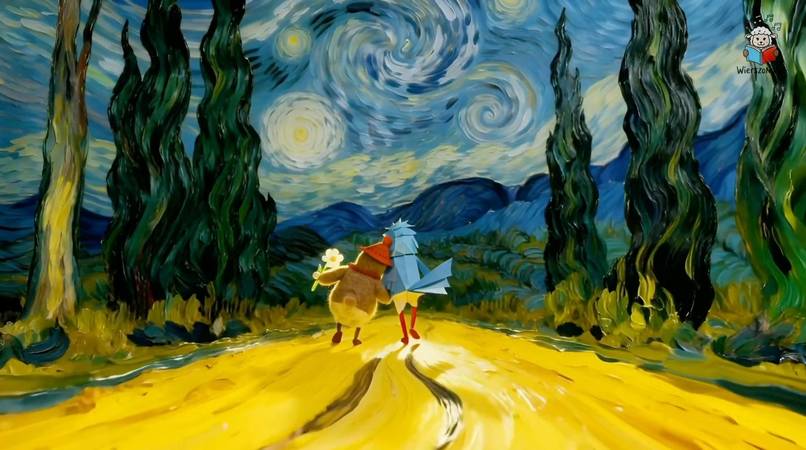
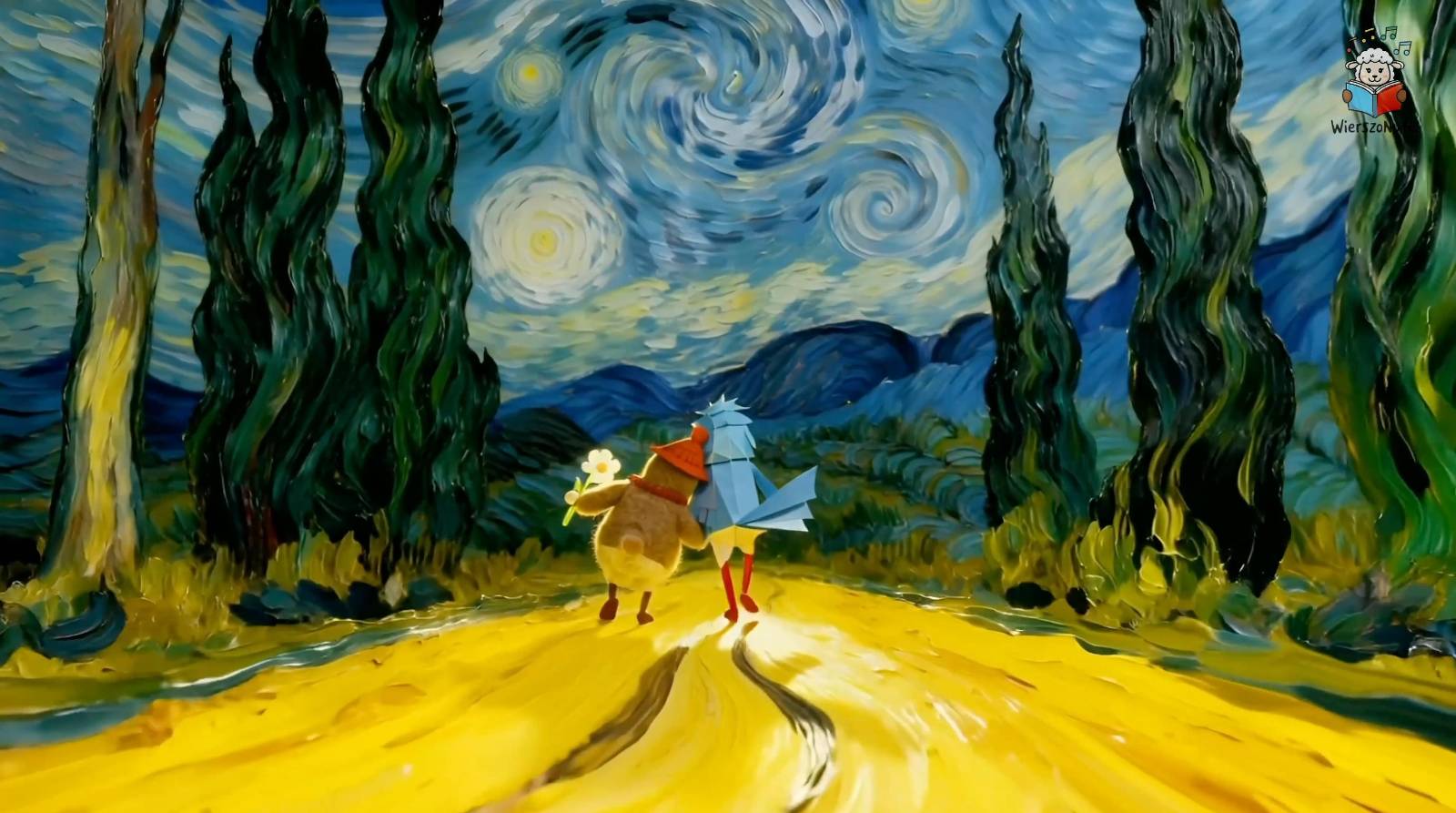
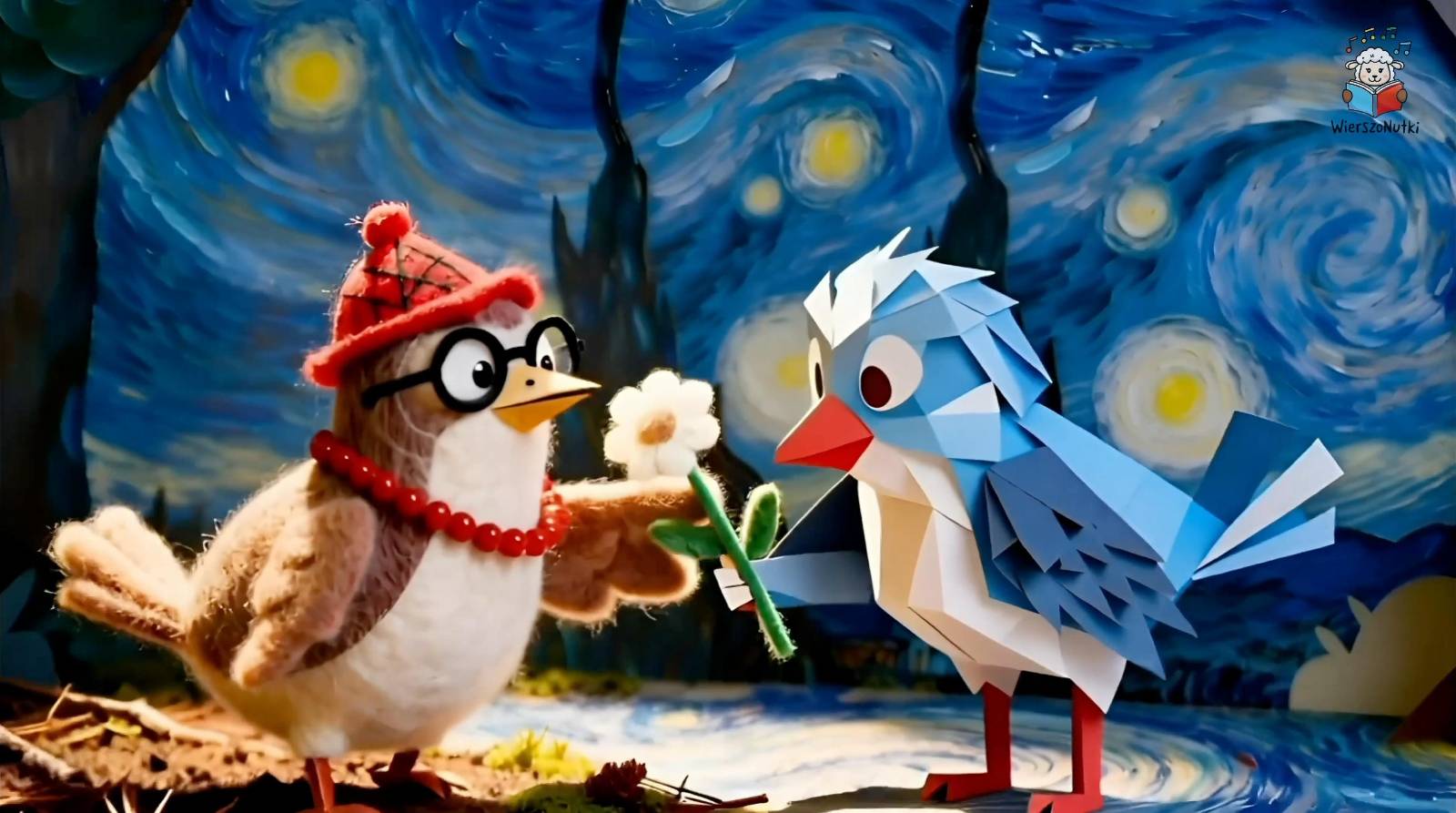
A tribute to Vincent van Gogh
-
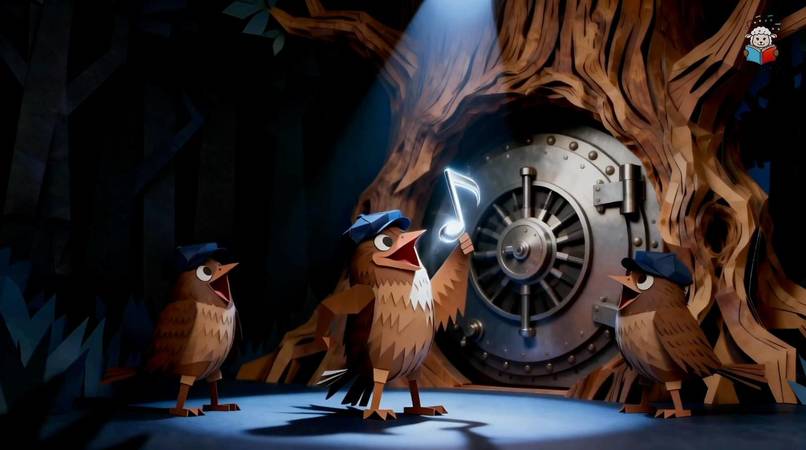
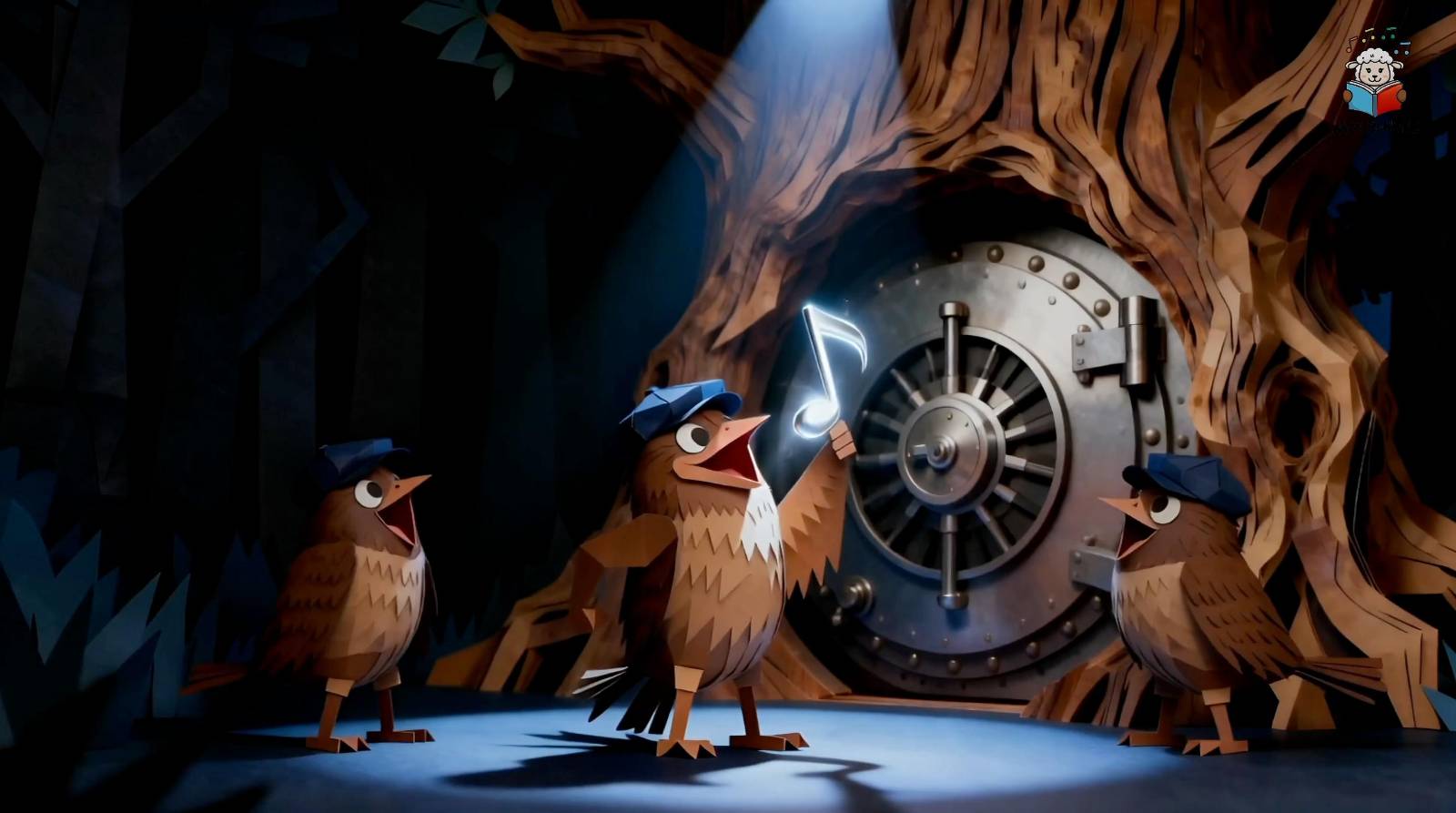
The Lark Gang
-
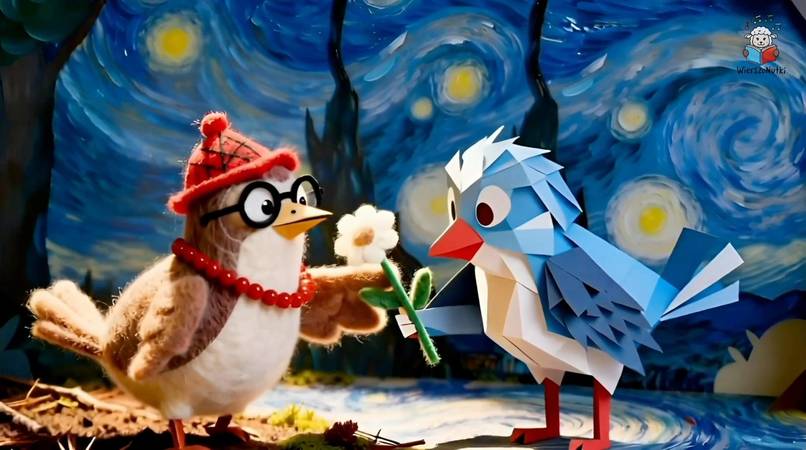
Mr. Nightingale’s apology
-
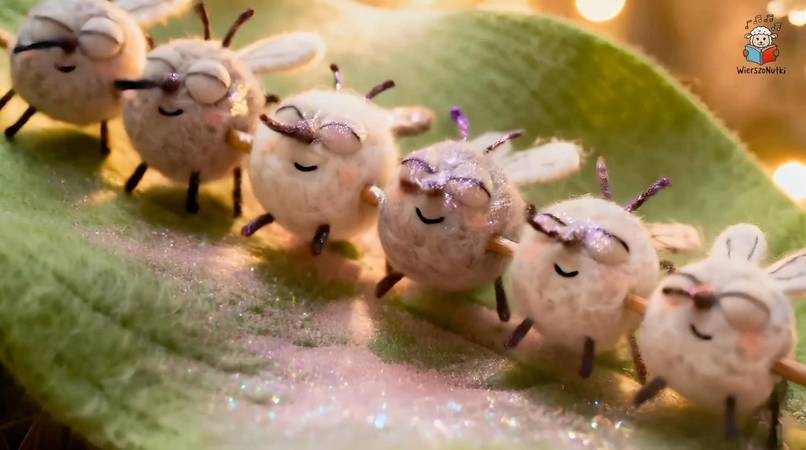
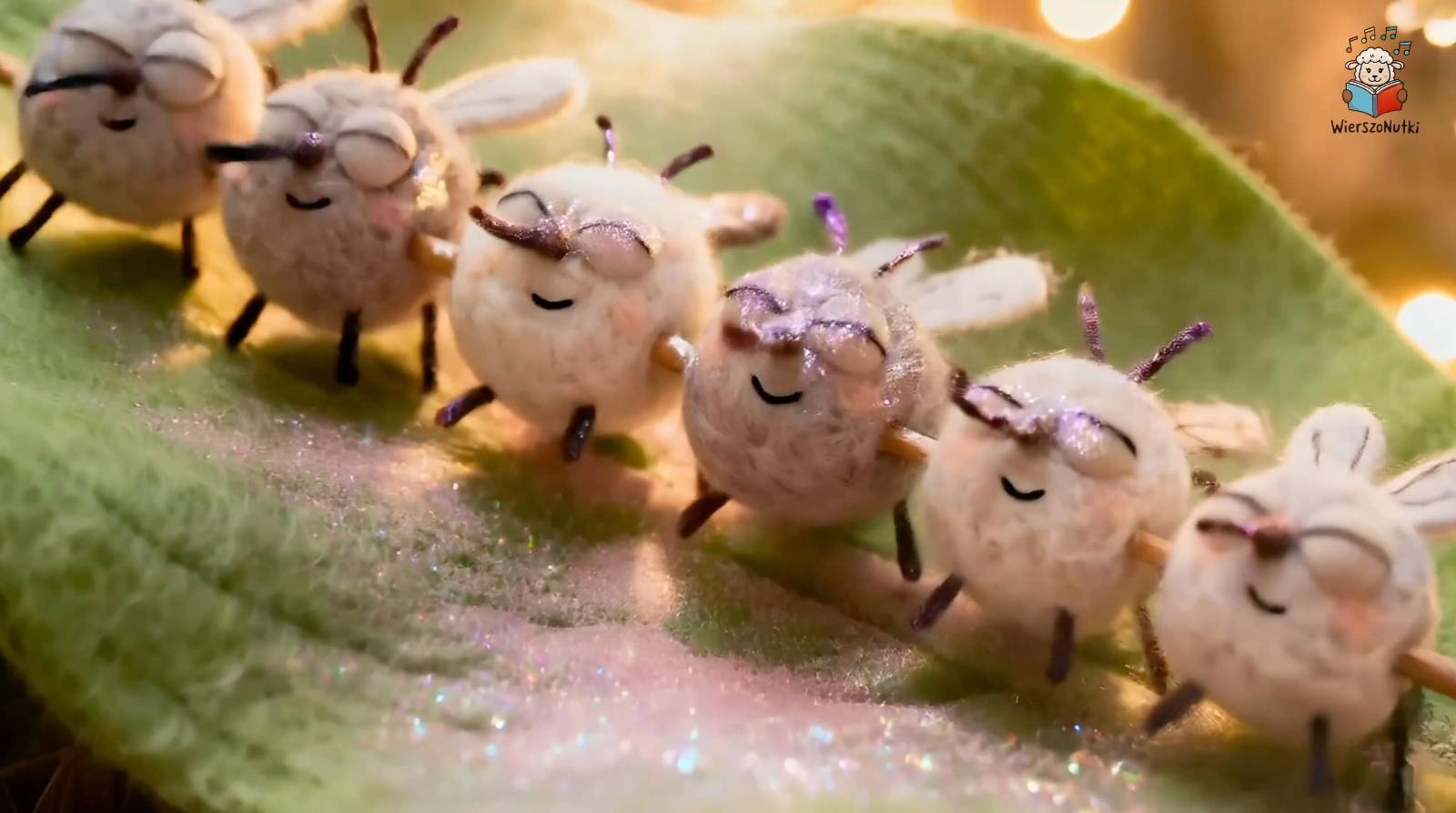
Six mosquitoes stuffed in lily-of-the-valley sauce
-
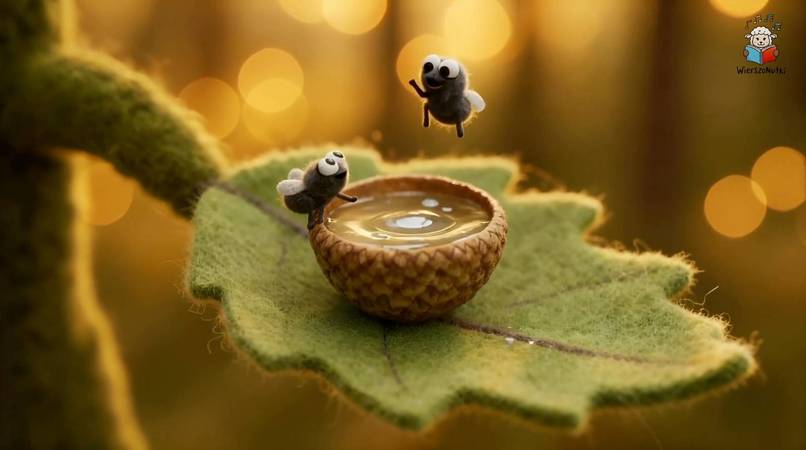
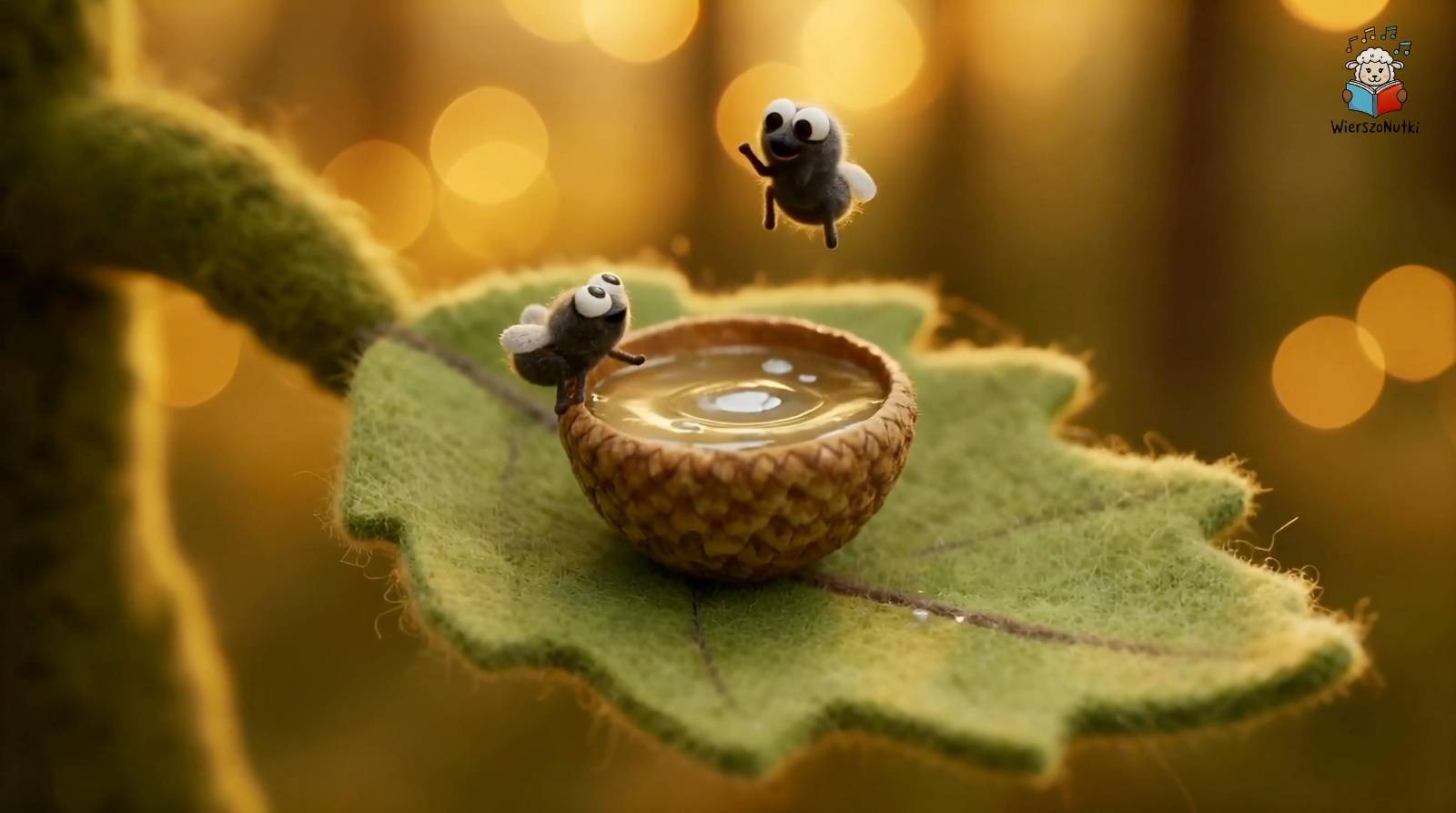
A little soup made of flies on evening dew
-
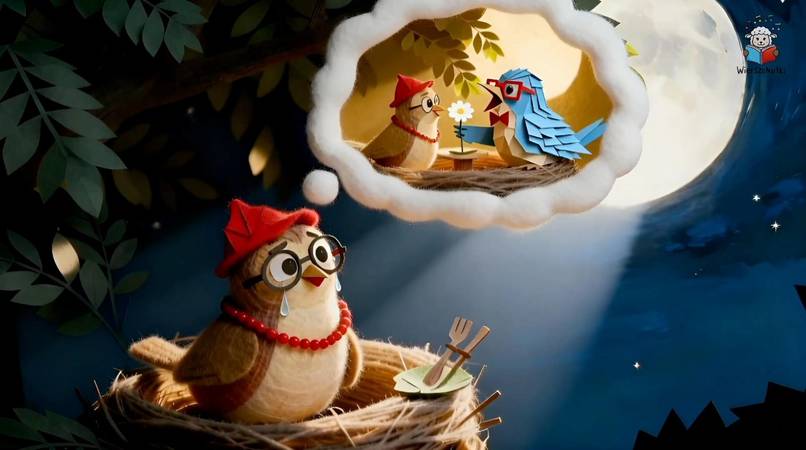
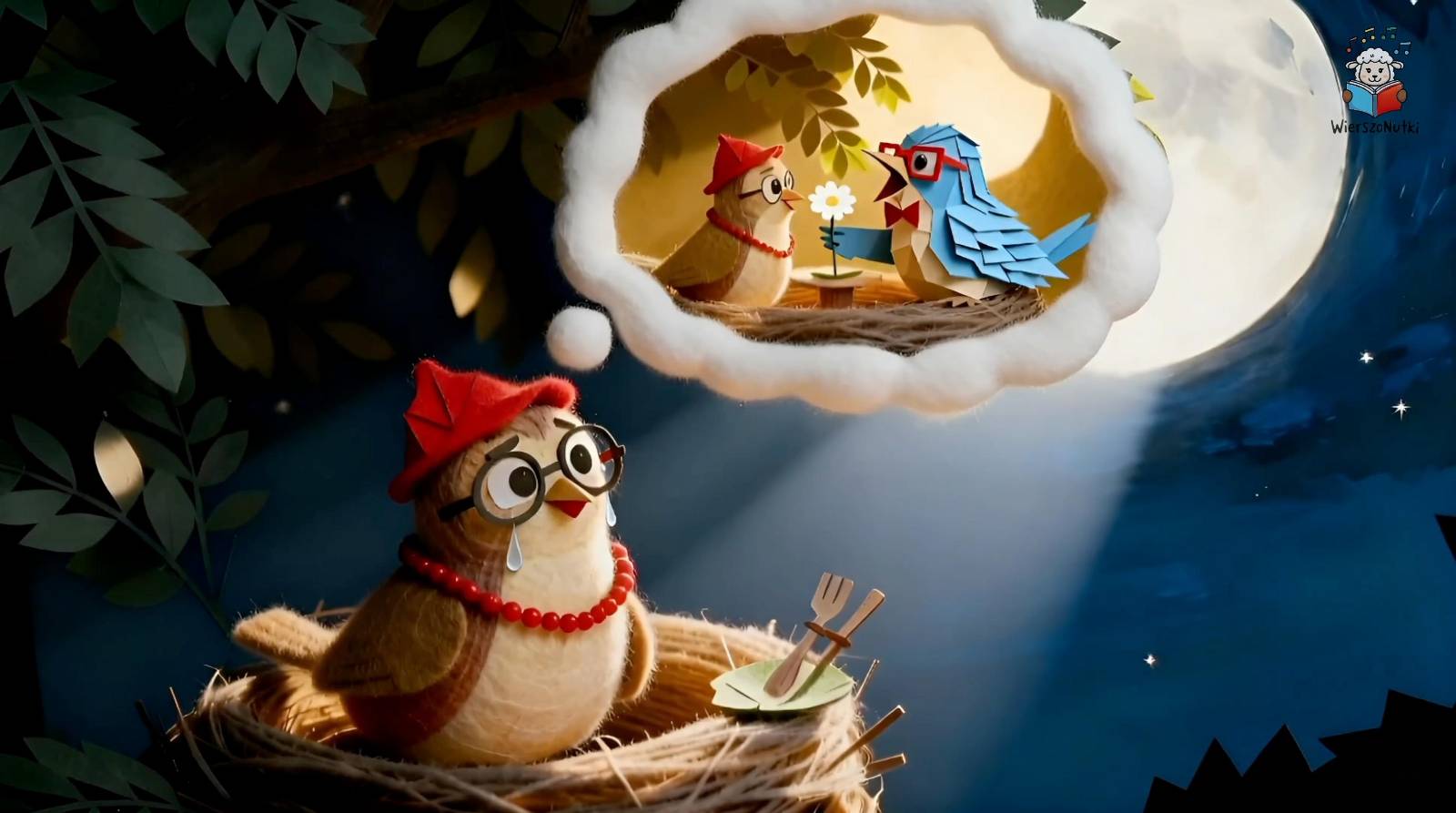
Mrs. Nightingale and her imagination
Inspiration
The "Wierszonutki" project was born from a simple need: creating high-quality, thoughtful content for my young son in a Polish YouTube landscape often dominated by overstimulation. This mission has since grown into a library of over 30 animated musical adaptations of classic Polish children's poetry.
This film adapts Julian Tuwim's "Spóźniony słowik" ("The Late Nightingale"), a beloved poem from 1938. Though it may appear to be a simple children's story, a deeper reading reveals a timeless reflection on how we perceive time and how we choose to live. My goal was to transcend the surface narrative of a late husband and anxious wife to explore a deeper, more universal theme: the conflict between two ways of experiencing time and reality. I envisioned a world where this conflict was made tangible through distinct artistic styles:
- Felt (The Emotional Core): Pani Słowikowa and her domestic world are crafted from soft felt, representing the warmth of the home and the tangible reality of her emotions.
- Papercraft (Chronos): Pan Słłowik and the "real world" are made of crisp paper, symbolizing the rigid, structured, and measured time that his wife lives by.
- Living Van Gogh Painting (Kairos): The transcendent world of art and beauty, representing the sacred time Pan Słowik was lost in, which becomes his ultimate explanation to his wife.
The final act of the film is also a tribute to the painting style of Vincent van Gogh and the emotional worlds his art evokes.
By fusing these styles, my film explores a profound truth: that a single evening can be a nightmare for one and a masterpiece for another.
How I Built It
The process began by transforming Tuwim's classic poem into a modern, swing-jazz song using Suno AI, setting a playful yet emotional tone. This music became the architectural blueprint for the animation.
The entire creative workflow, from conceptualizing the symbolic styles to analyzing shot-by-shot progress, was managed within Google Gemini 2.5 Pro. Its capabilities to "see and hear" video files allowed it to function as a true creative partner, understanding the visual and narrative intent behind each iteration.
A key technique throughout production was the use of keyframes-to-video. By generating each sequence from carefully prepared frames, the resulting scenes could unfold in long, continuous shots that feel like natural extensions of the story rather than a series of forced cuts. This approach allowed the emotional rhythm of the poem and music to shape the pacing of the film.
This film represents a significant evolution in my technique, moving to a multi-style approach. The core challenge was to seamlessly blend three distinct aesthetics, using a variety of specialized models to render each style with authenticity. A major help in this process was the fal.ai platform, where I could quickly discover and test AI models capable of meeting the artistic and technical demands of this project.
Challenges I Faced
The biggest challenge was designing and animating a world where multiple artistic styles coexist, often within a single frame. Ensuring that felt, papercraft, and living oil painting could interact without one overpowering the others demanded meticulous visual balancing. This multi-style integration became one of the most complex technical tasks of the entire production.
Another challenge was animating the Van Gogh style, which proved far less straightforward than I initially expected. The swirling brushstroke motion, so iconic and expressive, could easily fall apart when animated. Different video generations tended to swirl at different speeds, creating visual noise instead of coherence. It took many iterations to precisely calibrate the tempo, density, and rhythm of the painterly motion so that it felt alive but not chaotic, expressive but not distracting.
Accomplishments That I'm Proud Of
I added a small visual clue to the story using Mr. Nightingale’s glasses. He appears both with and without them. Glasses worn by the characters serve as a quiet, hidden clue that helps reveal this deeper interpretation of the poem.
I am most proud of creating a film that is both a faithful adaptation of a classic and an original artistic statement. The successful fusion of three animation styles to tell a single, emotionally coherent story is a technical and narrative accomplishment that pushes my craft to a new level.
I am also proud of crafting a piece of children's media that respects its audience's intelligence, offering layers of meaning, from a simple story on the surface to a deeper philosophical exploration of time and love underneath.
What I Learned
- Assigning specific visual styles to narrative concepts is a powerful storytelling tool.
- Working with multiple styles and models requires intense attention to detail and consistency.
What's next for Wierszonutki: Spóźniony słowik (The Late Nightingale)
WierszoNutki will continue crafting low-stimulation, high-value animated adaptations of classic poetry, designed for parents who want meaningful content for their children. Each new film blends gentle pacing, emotionally aware storytelling, and artful visuals to support healthy regulation rather than overstimulation.
Note:
- Both the poem and the Van Gogh-inspired visual style are based on works that are in the public domain, which allows them to be freely adapted and reimagined in this film.
- Turn on CC subtitles to follow the full text of the poem.
Built With
- elevenlabs-sfx
- fal-ai
- gemini-2.5-pro
- hailuo-2.3-pro
- nano-banana
- seedream-v4
- suno-v4.5
- vidu-q2


Log in or sign up for Devpost to join the conversation.