-
-
DRAVT and Gemini Logo
-
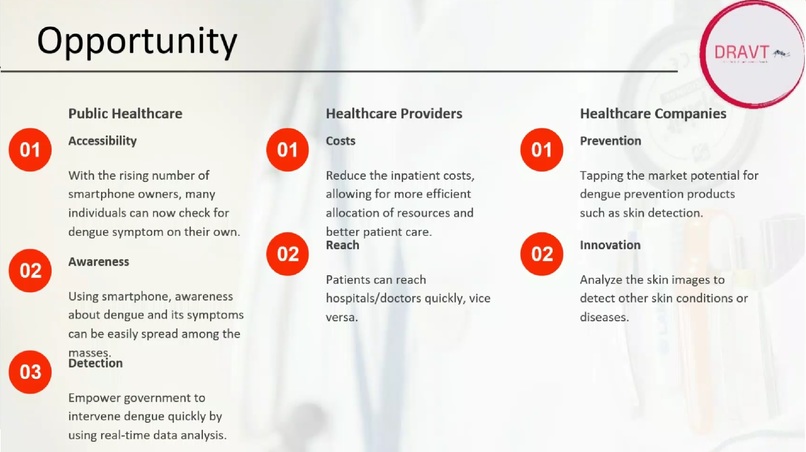
DRAVT Opportunities (General)
-
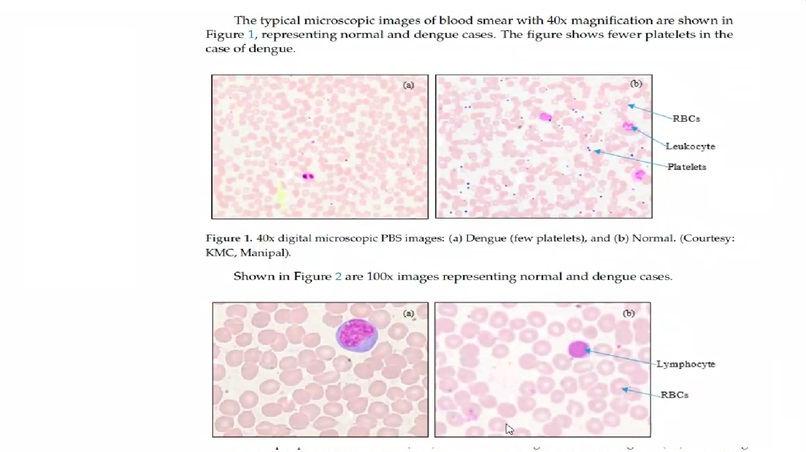
Visual dengue detection using blood smear
-
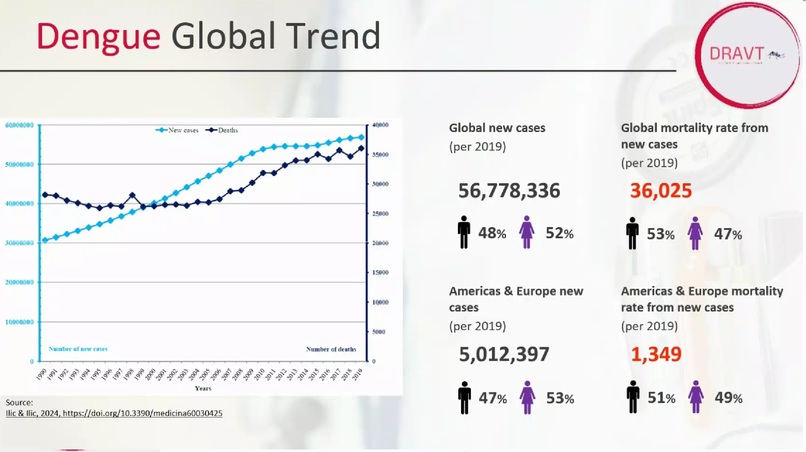
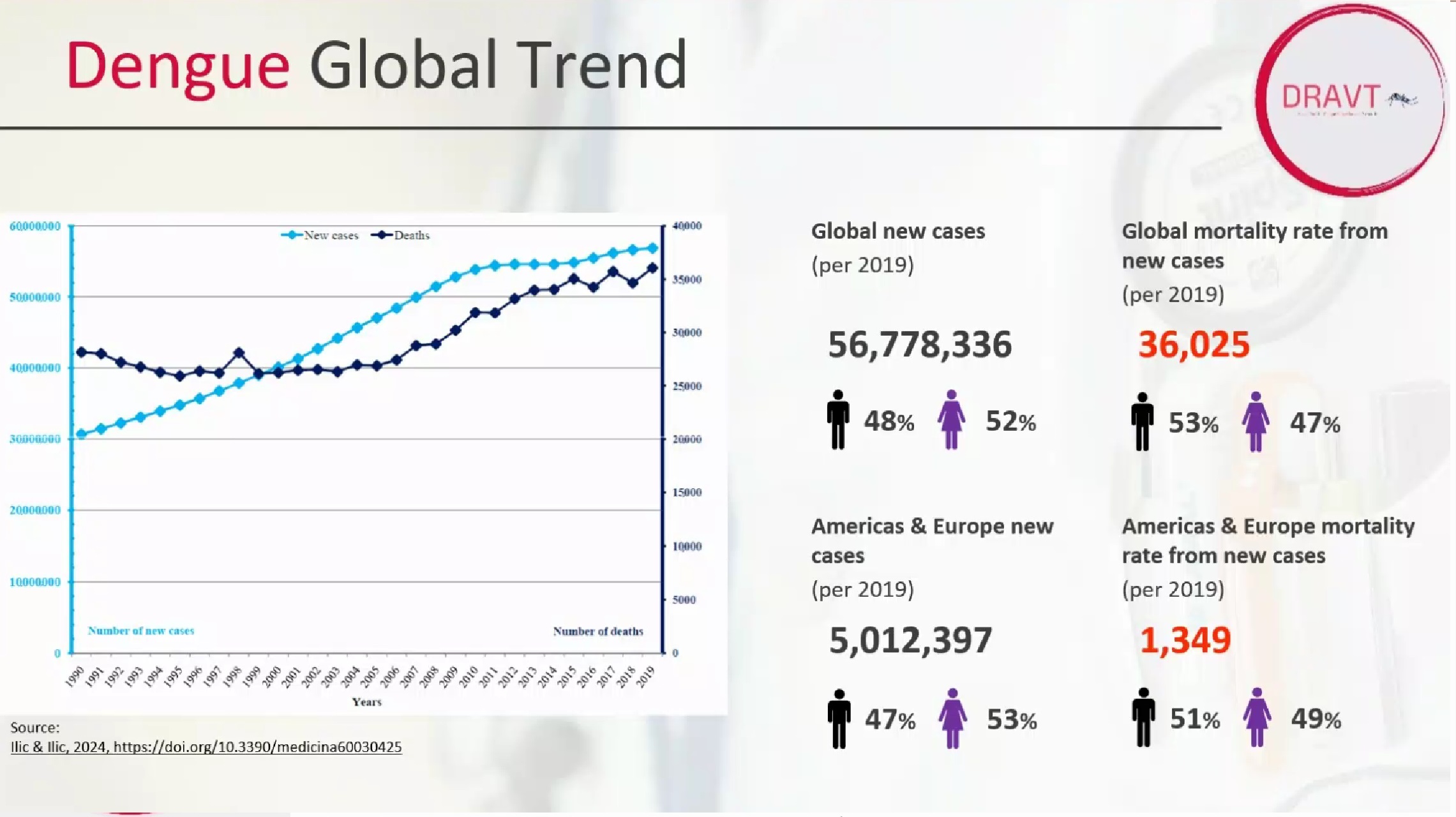
Dengue global trend
-
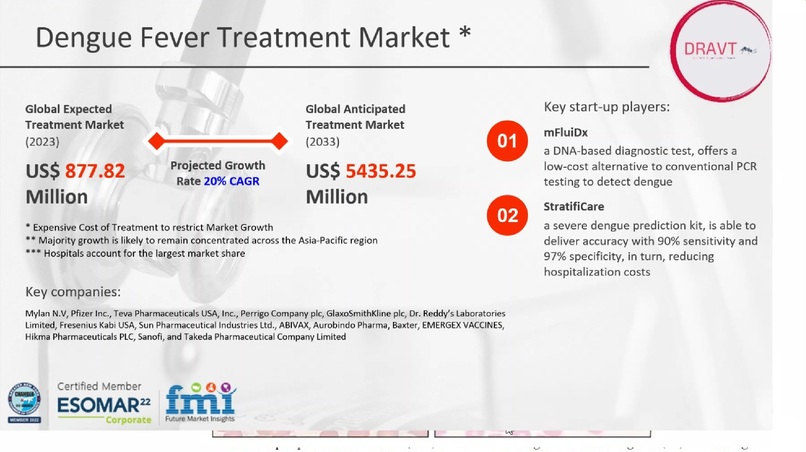
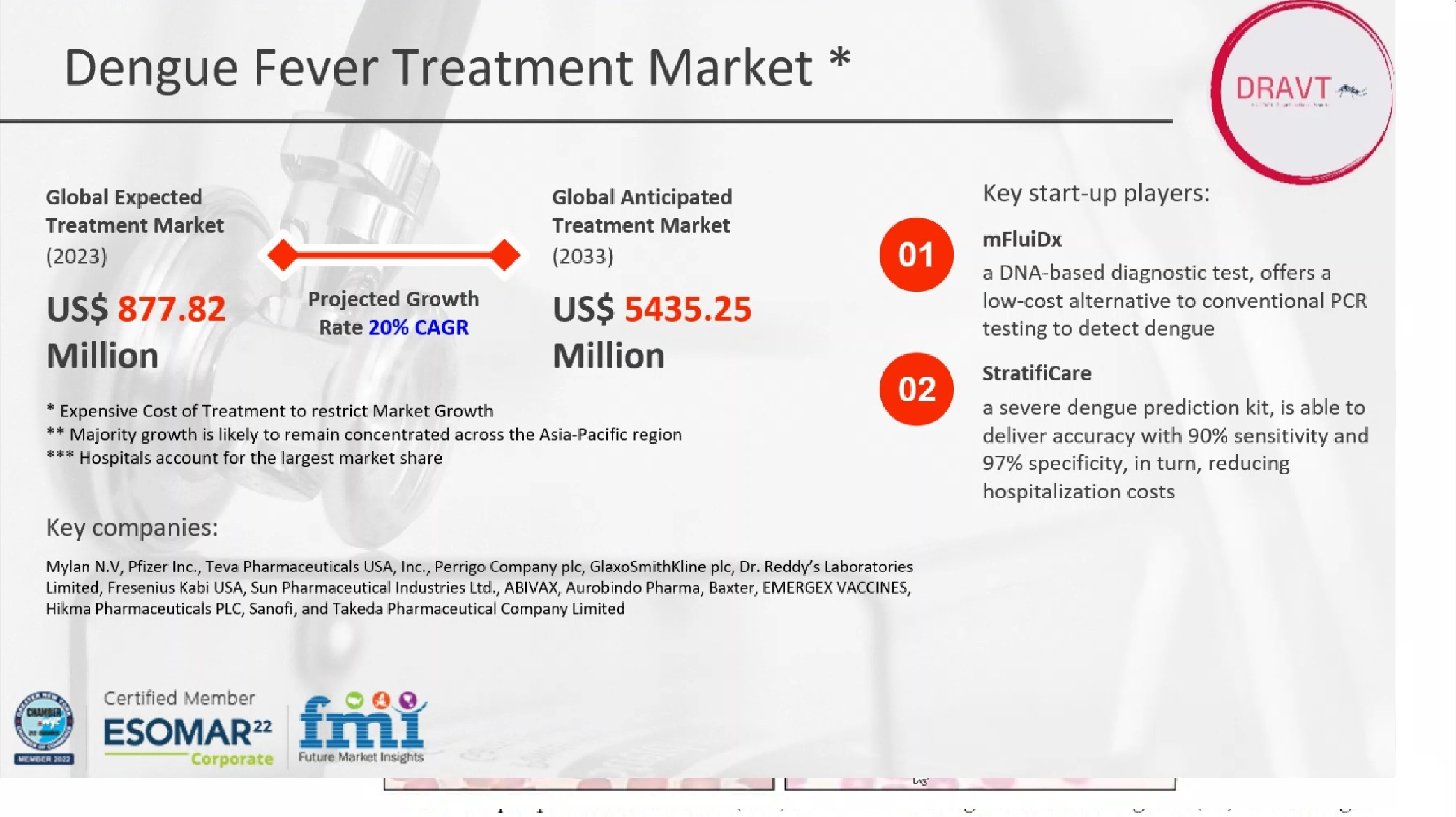
DRAVT Opportunities (Business)
-
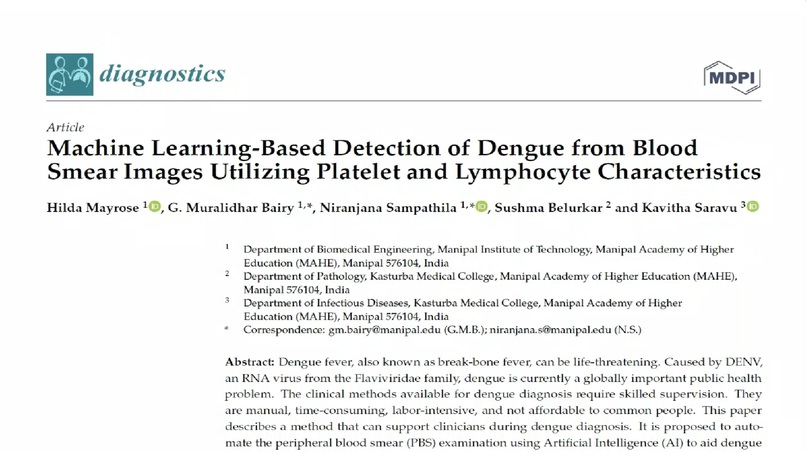
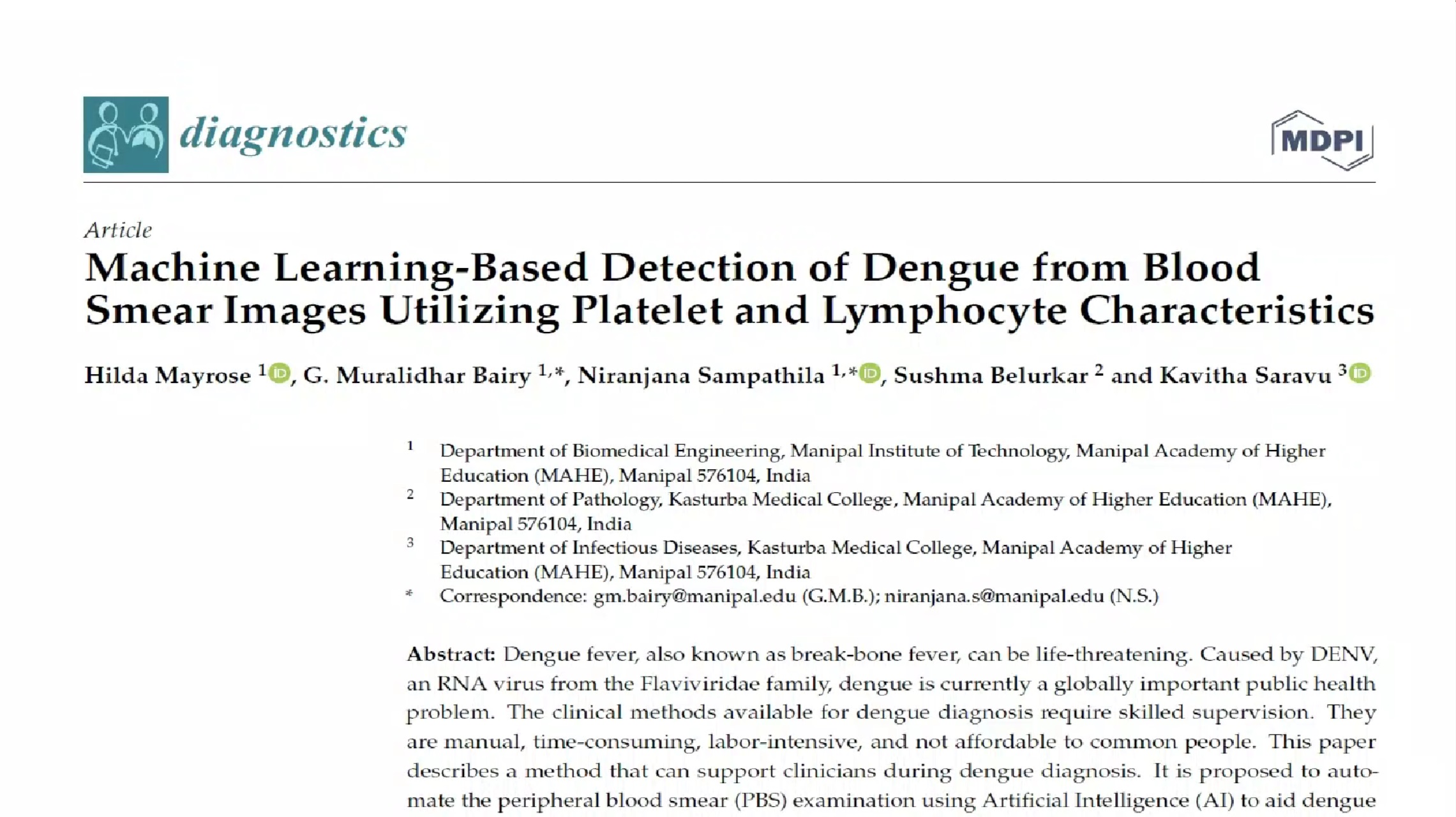
Underlying research for visual dengue detection using blood smear
-
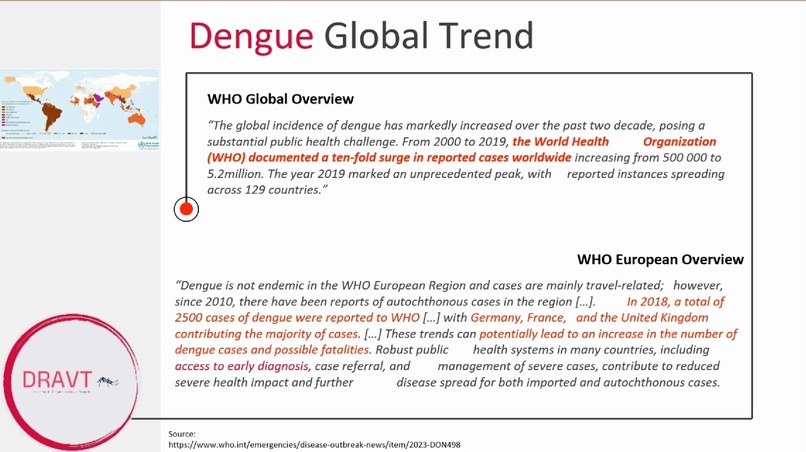
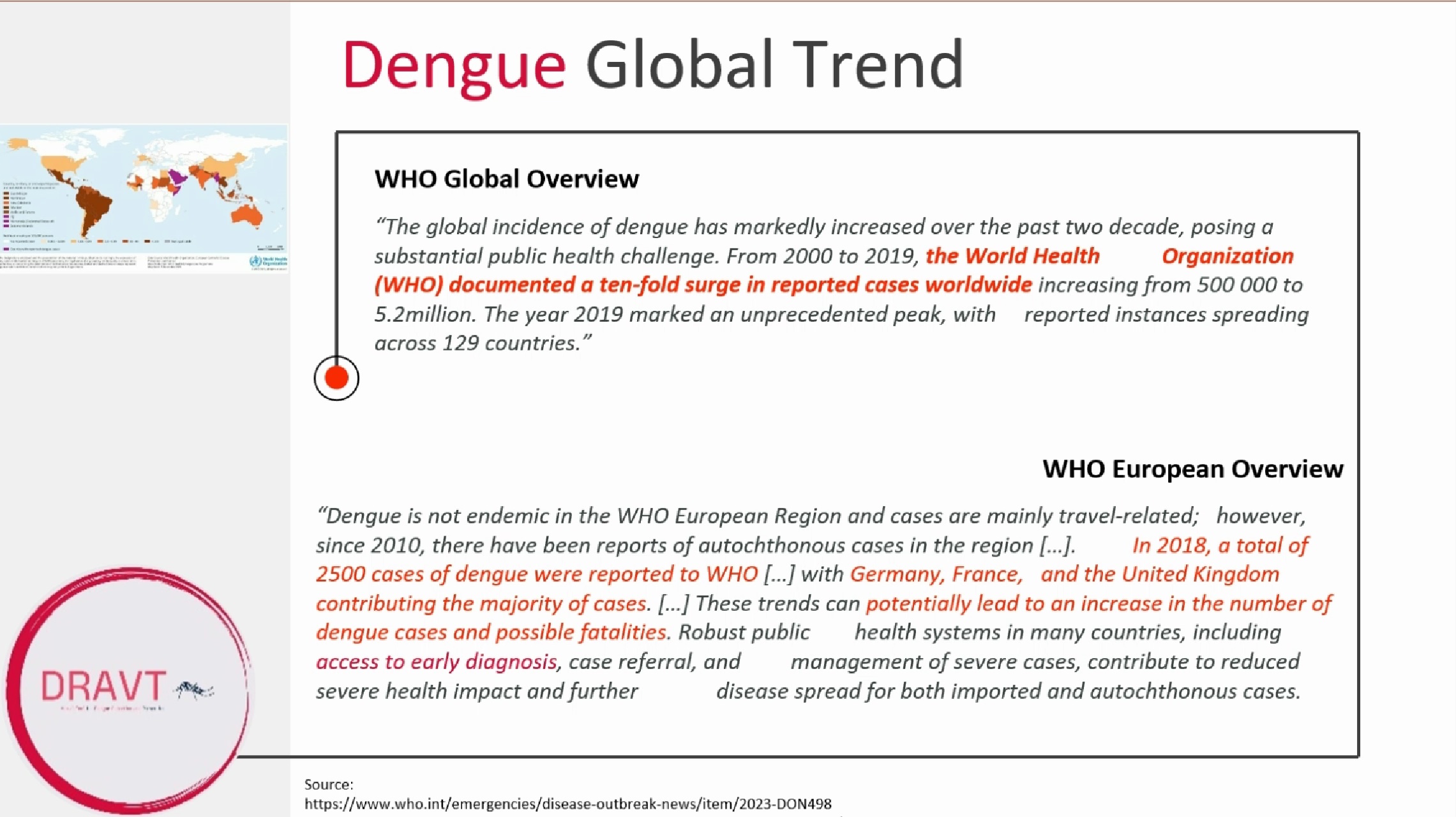
Dengue trend in developed countries
-
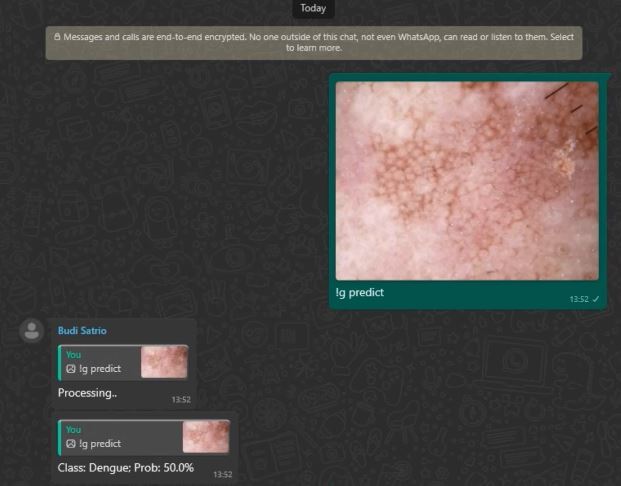
DRAVT Demo


Inspiration
One of our colleagues was infected (a dengue fever), with a late diagnosis. Hence, it requires a specific and expensive treatment. Creating an assistant using a daily gadget to help with an early diagnosis would be helpful. Since dengue fever leaves a particular skin mark, early identification through visual analysis of skin conditions is promising. Apart from personal and anecdotal experience, mass-available diagnosis tools will be useful for government agencies to determine the correct intervention based on real-time data. Moreover, this tool will also help healthcare providers (healthcare insurance, healthcare facilities, etc.) to be more cost-effective in treating this disease. Finally, this assistant can be expanded to identify other diseases with specific skin conditions.
What it does
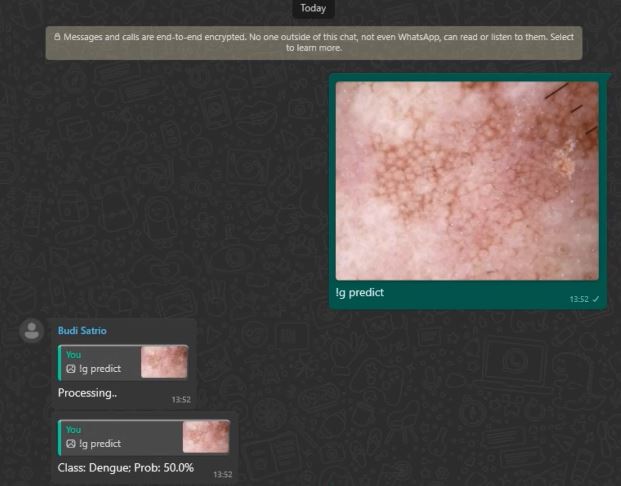
Using a smartphone camera, you can scan your skin and identify if it is potentially an early sign of dengue fever based on the specific red dot marks. It will show the percentage of possibility of dengue fever based on your skin condition. In addition, you can talk with the assistant to help you as soon as possible, and if permitted by you, the assistant can identify healthcare facilities around you (GPs, Labs) for further examination.
How we built it
For the model prediction, we use Convoluted Neural Network trained using tensorflow, while the assistant is using Gemini 1.5 Pro API. The interface for engaging DRAVT is using whatsapp.
Challenges we ran into
The dataset for dengue fever skin is not readily available. In developing a prototype for this hackathon, we have to manoeuvre using another dataset with particular patterns. The developed model, however, can be emulated later for the actual product of this tool.
Accomplishments that we're proud of
We are proud to have done this in such a small amount time using Gemini API for the assistant, and we also proud to use whatsapp interface since it does not need to install another app to predict the dengue fever. We also delighted that using limited and slightly different dataset, we managed to build a reliable model as the basis for this tool.
What we learned
We learned that creating a sustainable and inclusive product is challenging for us, however, when this solution implemented, it will save thousands of people. On another note, predicting dengue fever by skin is relatively new so we invite researchers to deep dive into this topic. In developing this tool, we also realized that skin-pattern in particular and visual detection in general is promising for many health-related matters, we invite innovators and tech enthusiasts to answer to these challenges and opportunities.
What's next for DRAVT (tentative)
- This type of tool has the potential to be expanded to various public health problems.
- This assistant has business potential for technology companies to collaborate with healthcare provider to tailor their services based on this app.


Log in or sign up for Devpost to join the conversation.