-
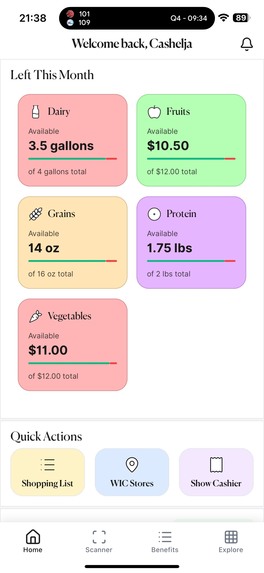
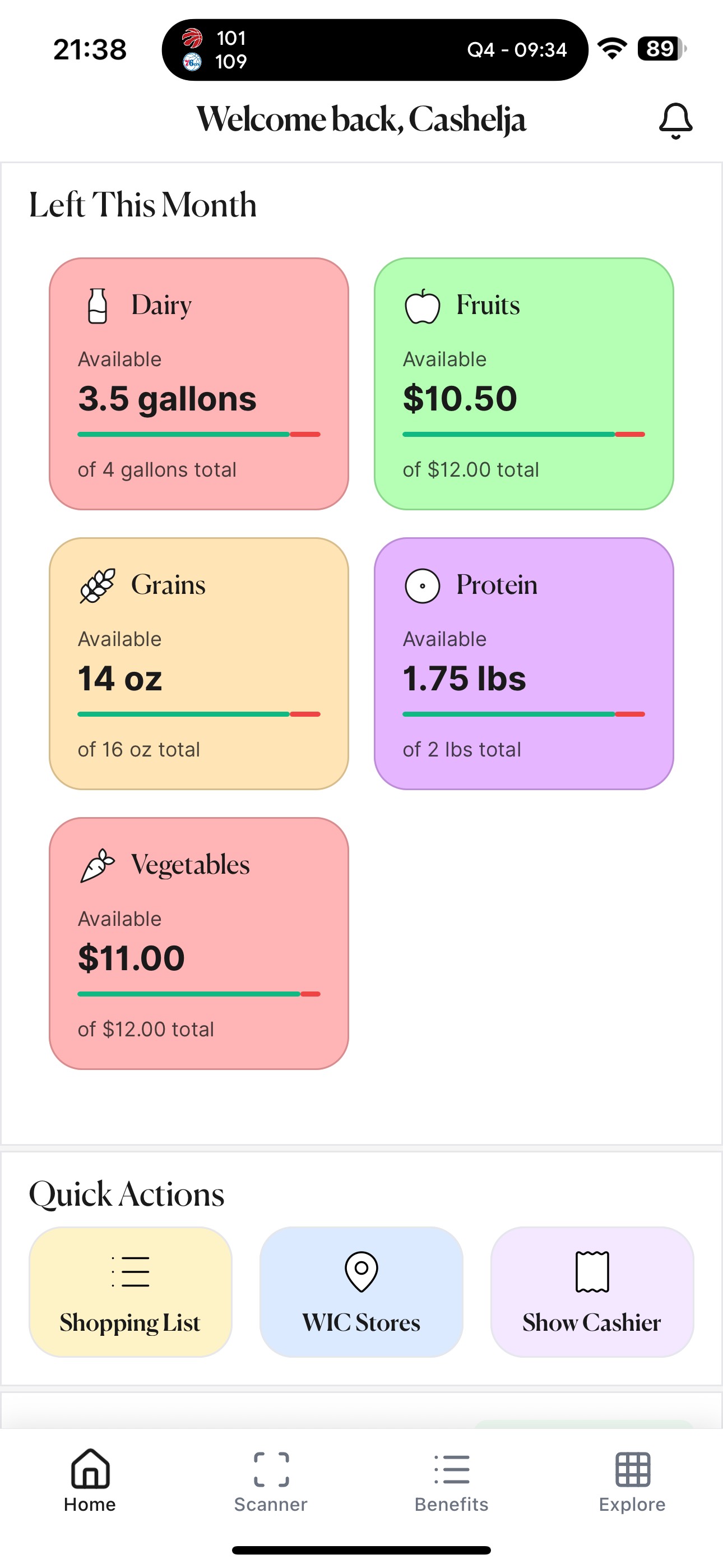
Home Screen with Benefits Overview
-
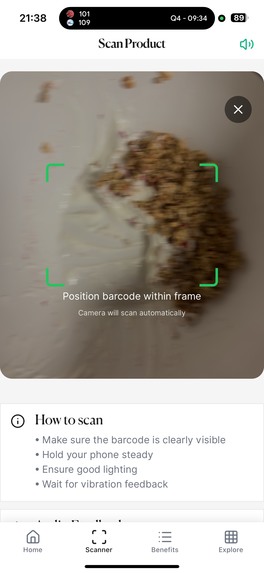
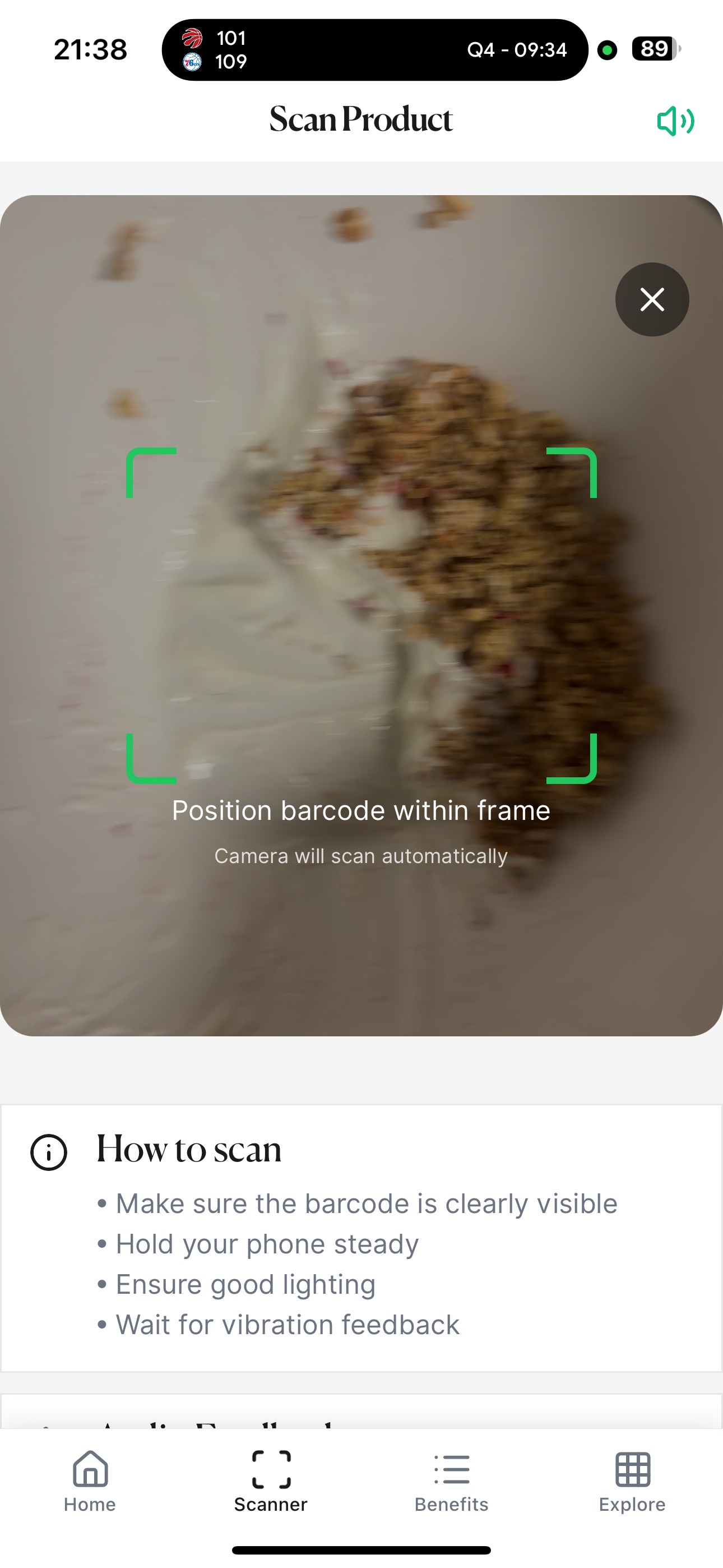
Scanner Screen for scanning barcodes and food identification.
-
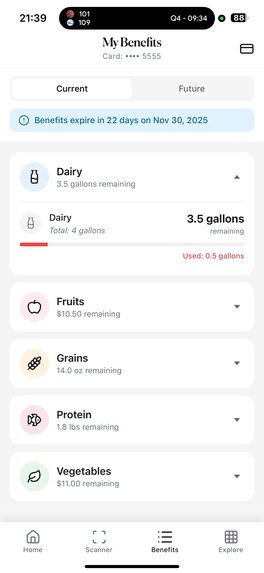
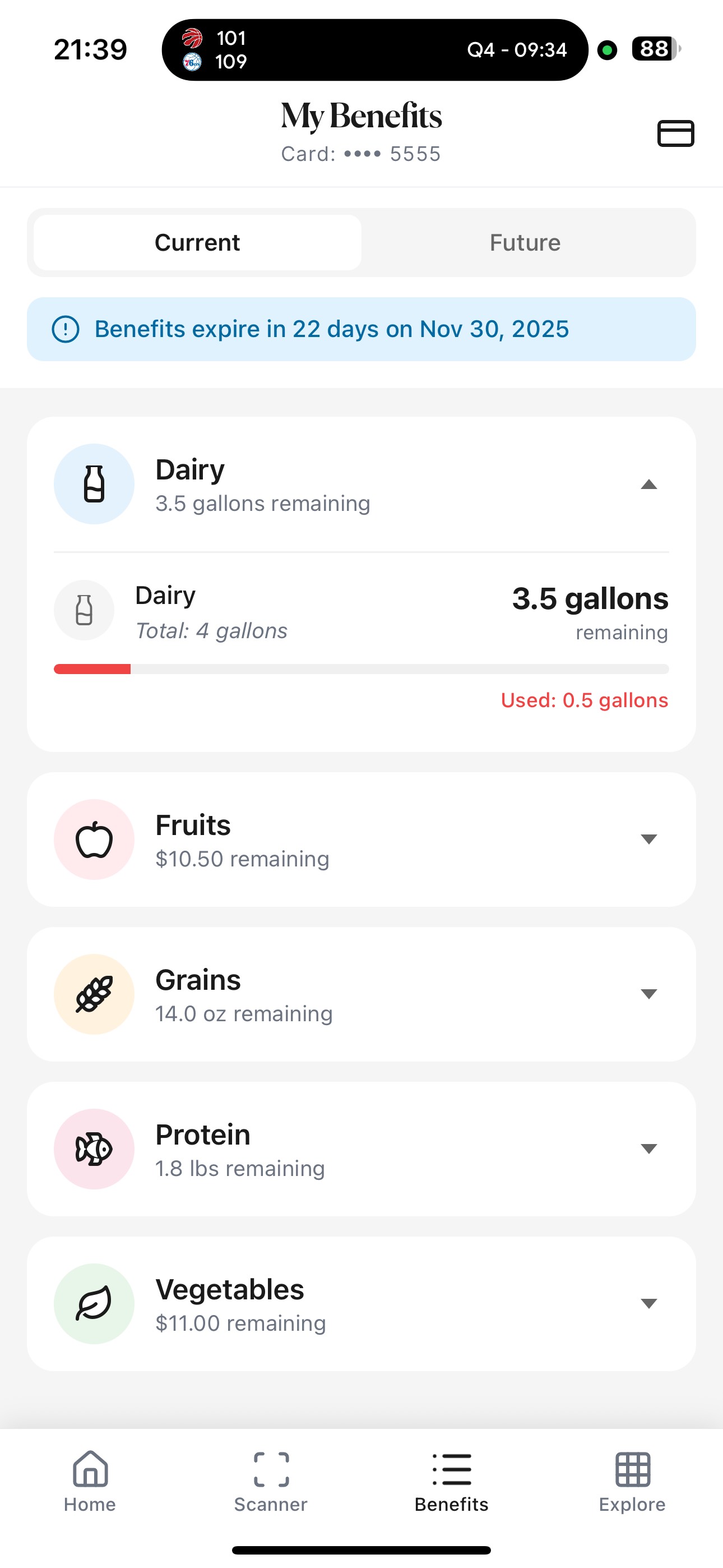
Benefits Screen showing all available benefits for the user
-
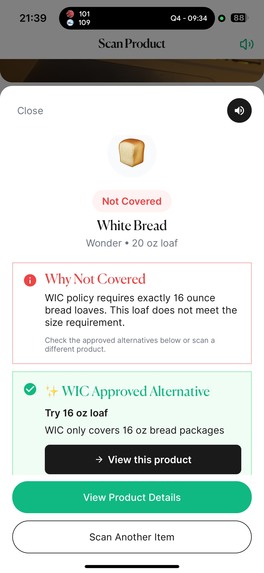
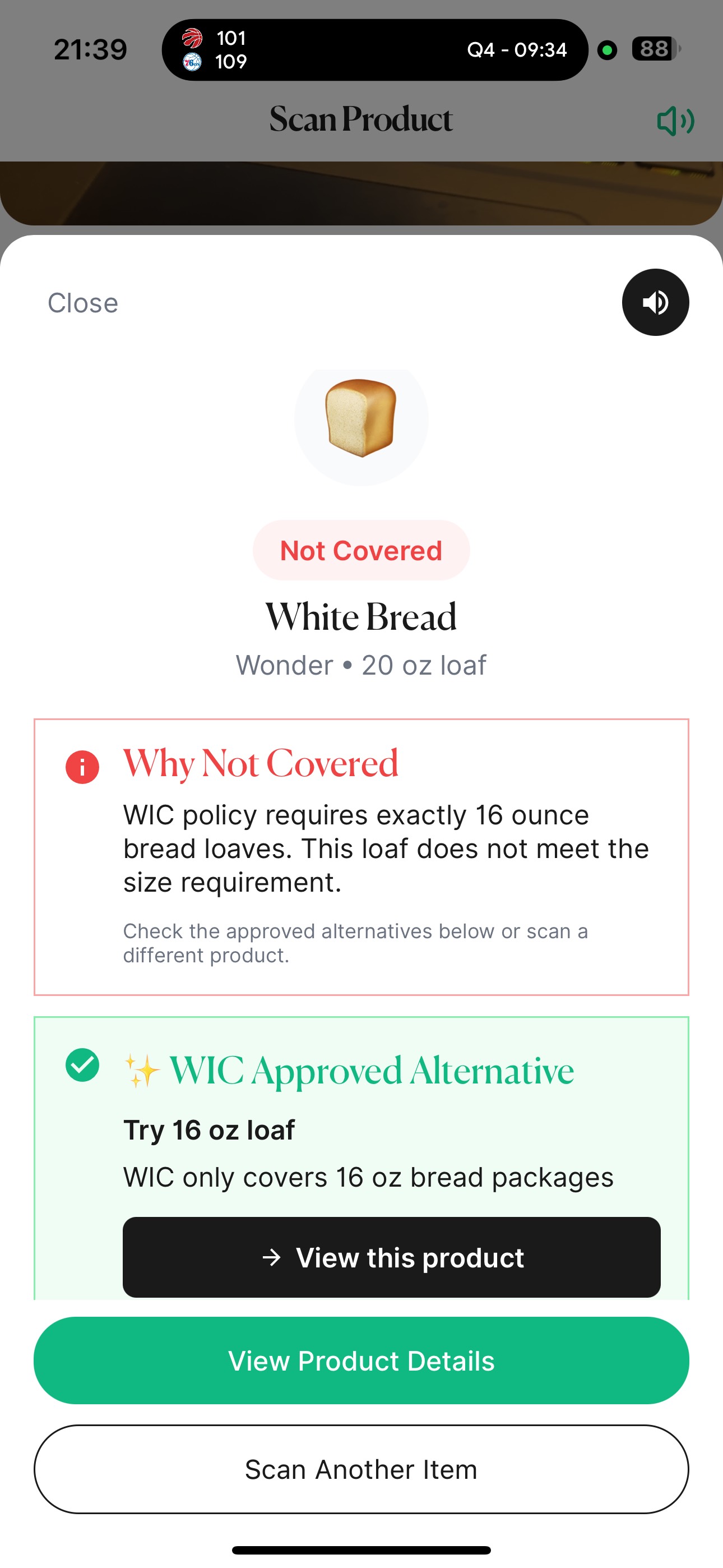
Scanner Rejected Food and Stated the reason why
-
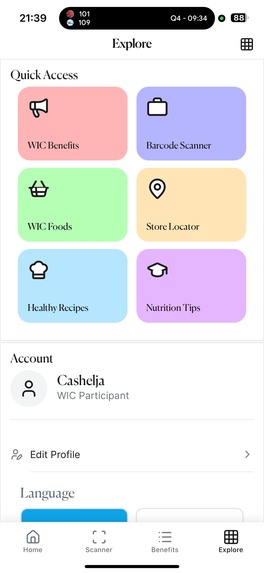
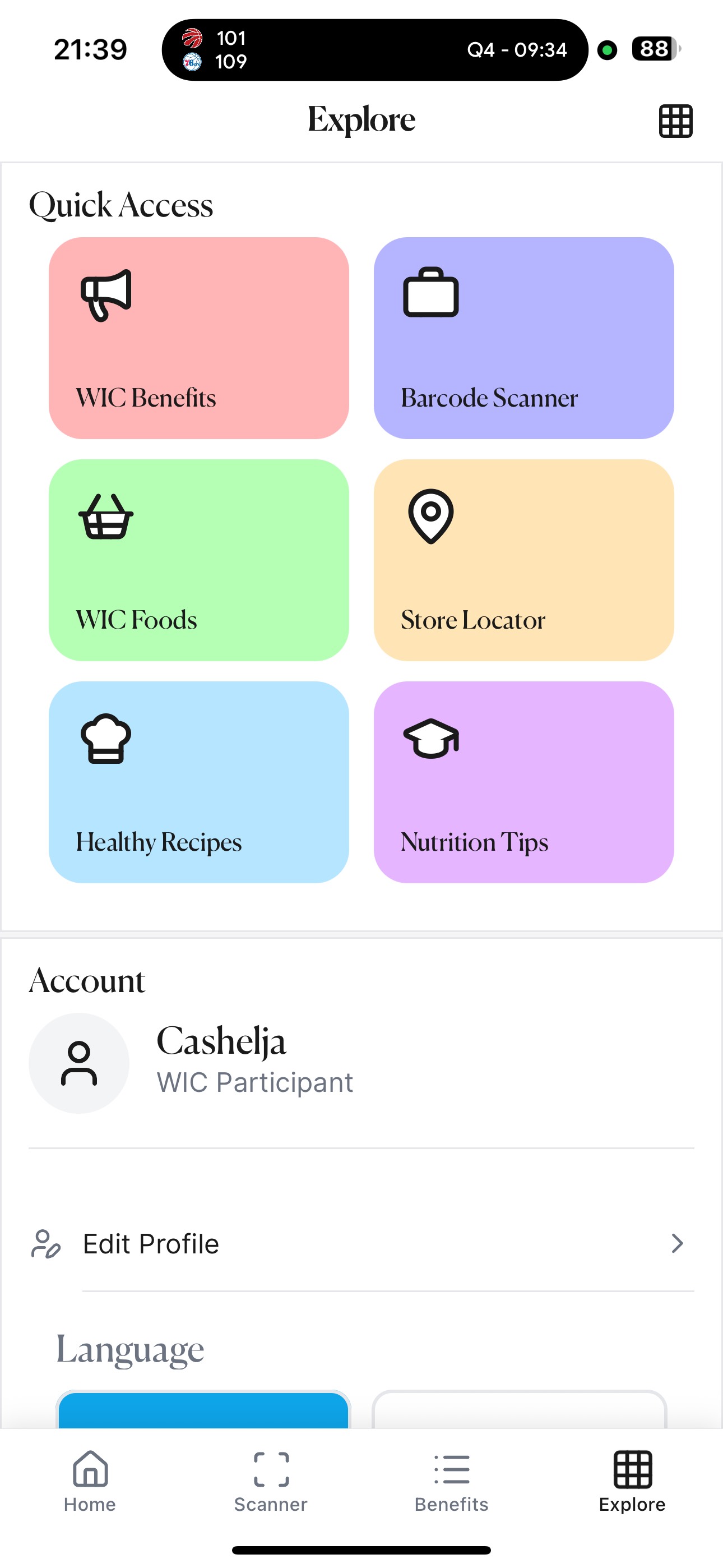
Explore Screen for additional resources
-
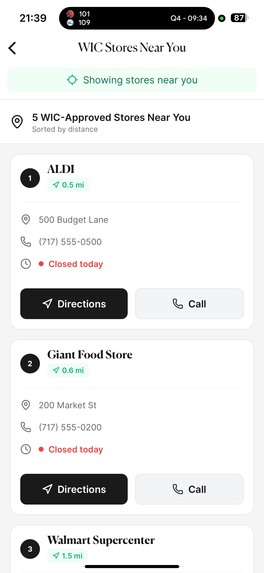
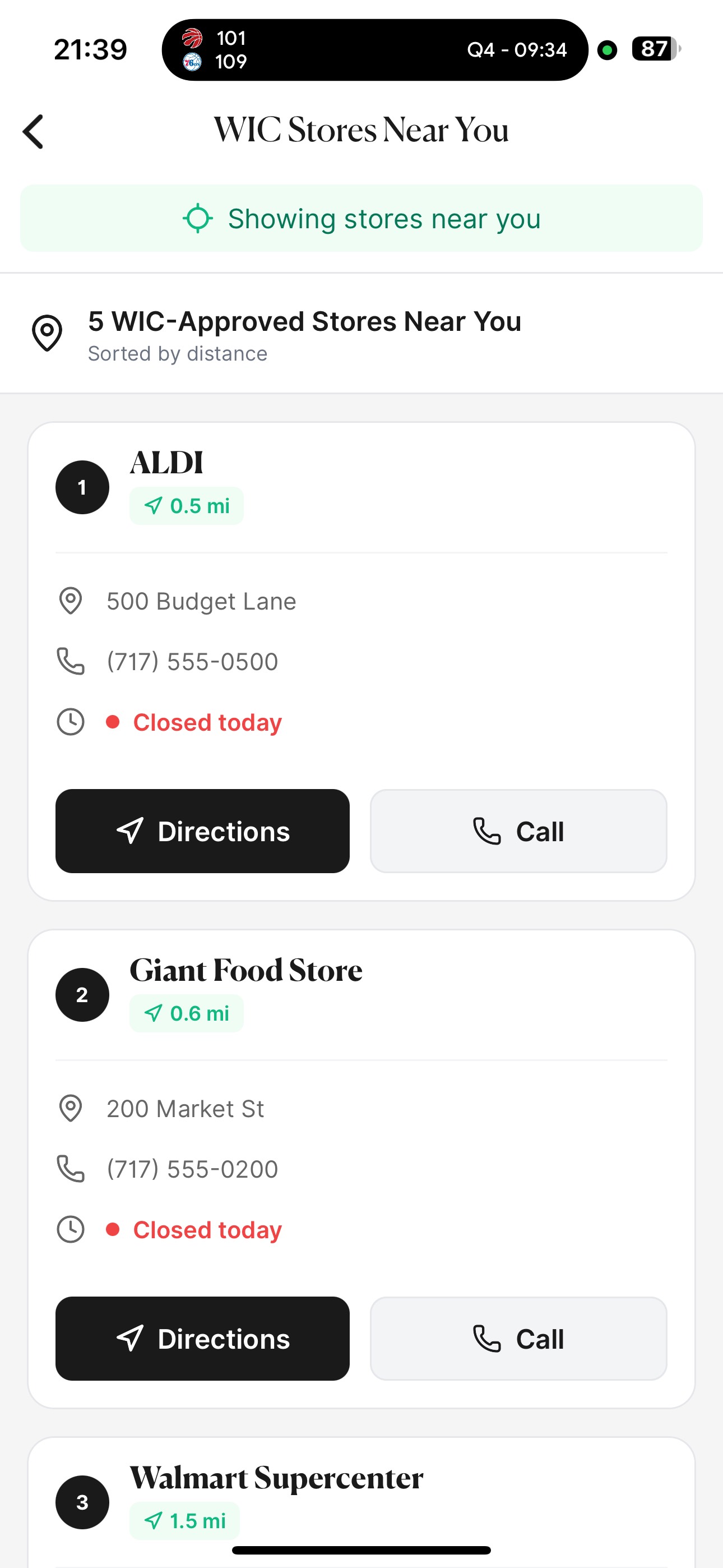
WC Stores to help users find nearest WC Approved Store
-
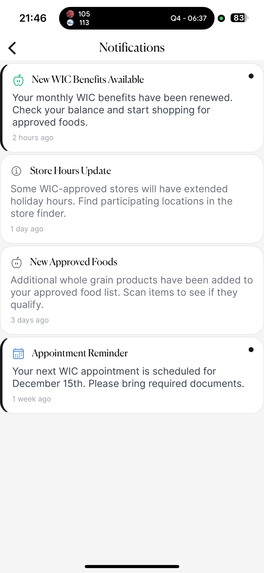
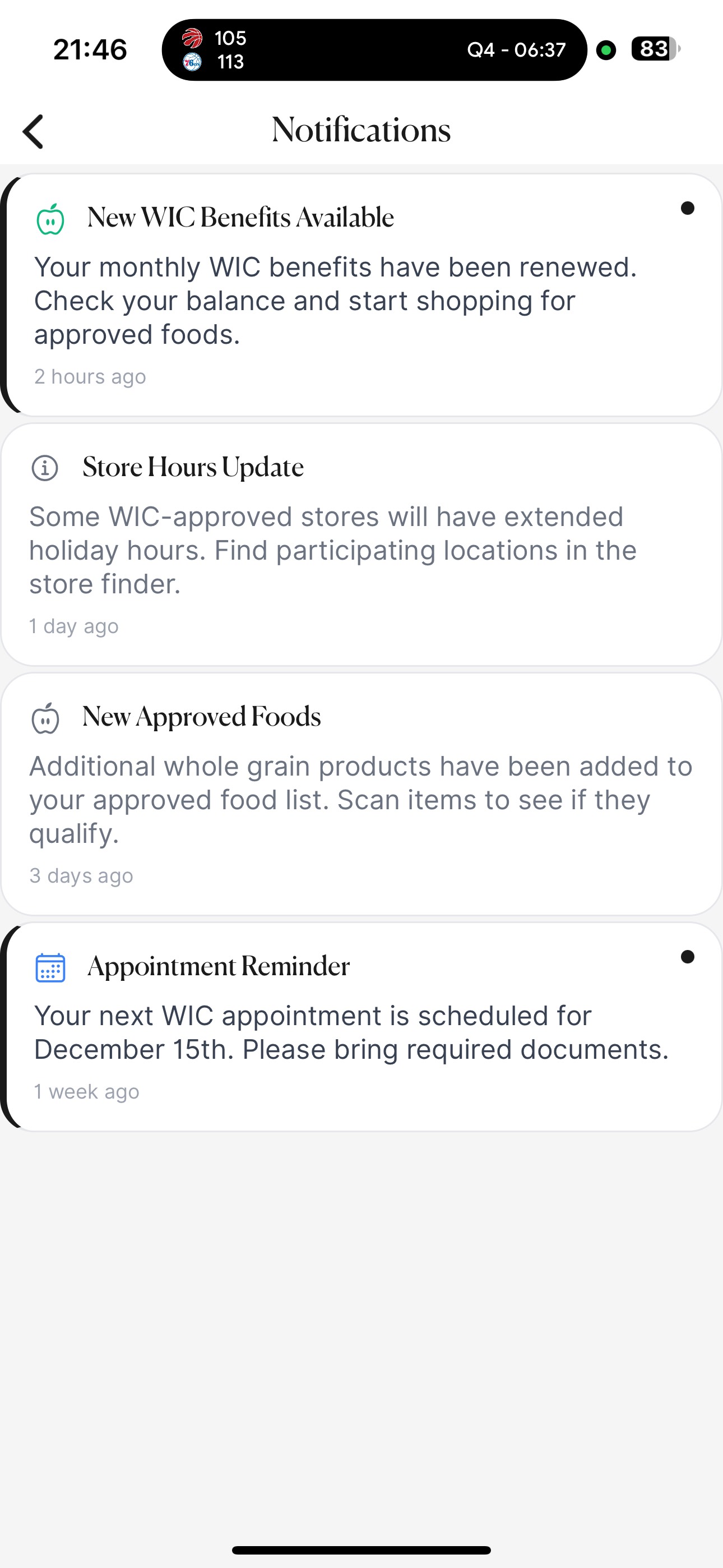
Notifications Screen for important government announcements (related to the food & health department)
-
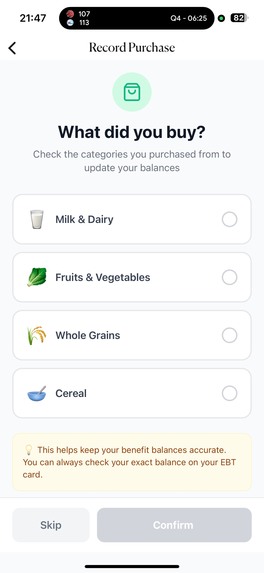
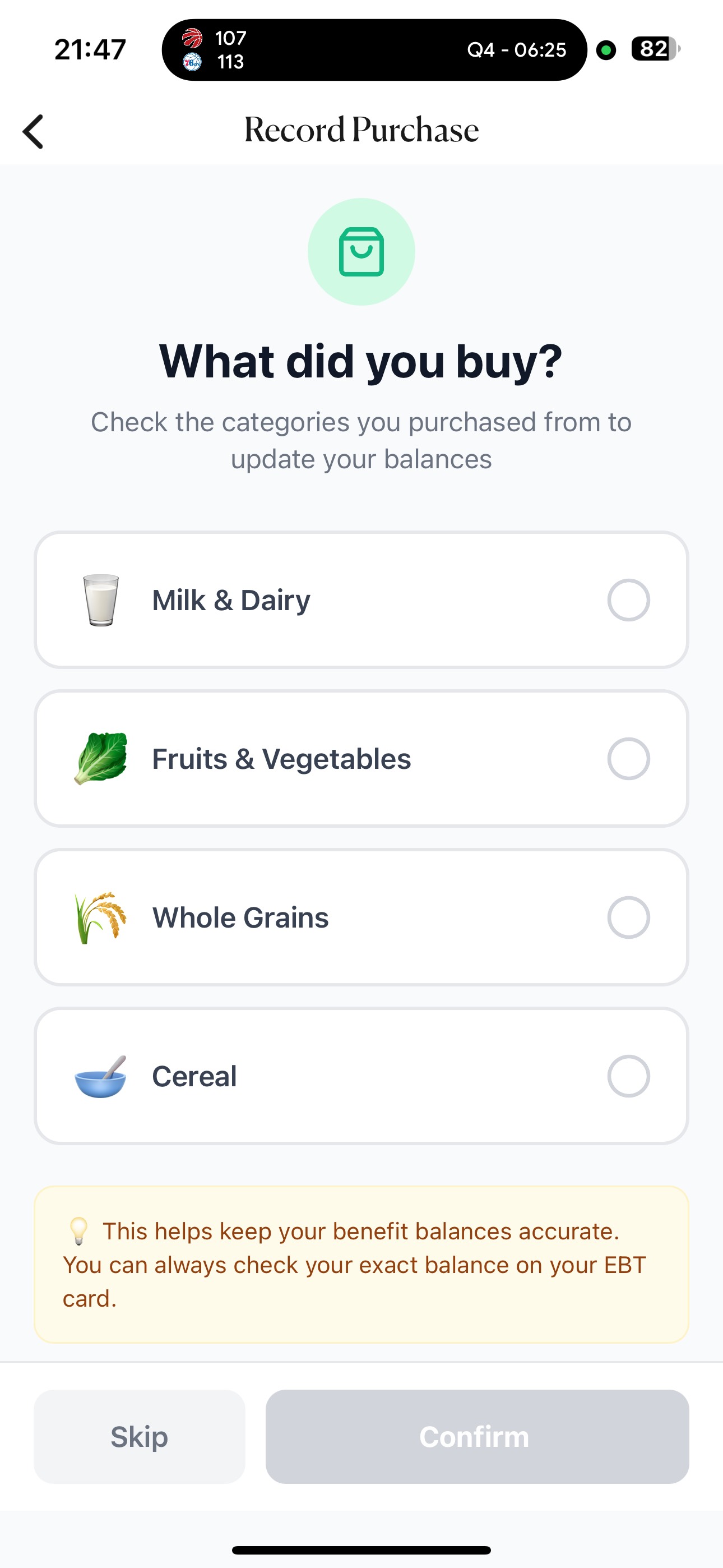
Purchase Tracking Page, this directly affects remaining balances and needs extreme accuracy.
-
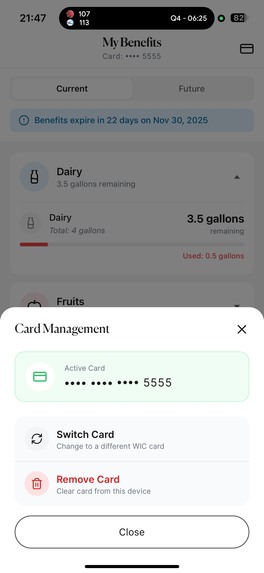
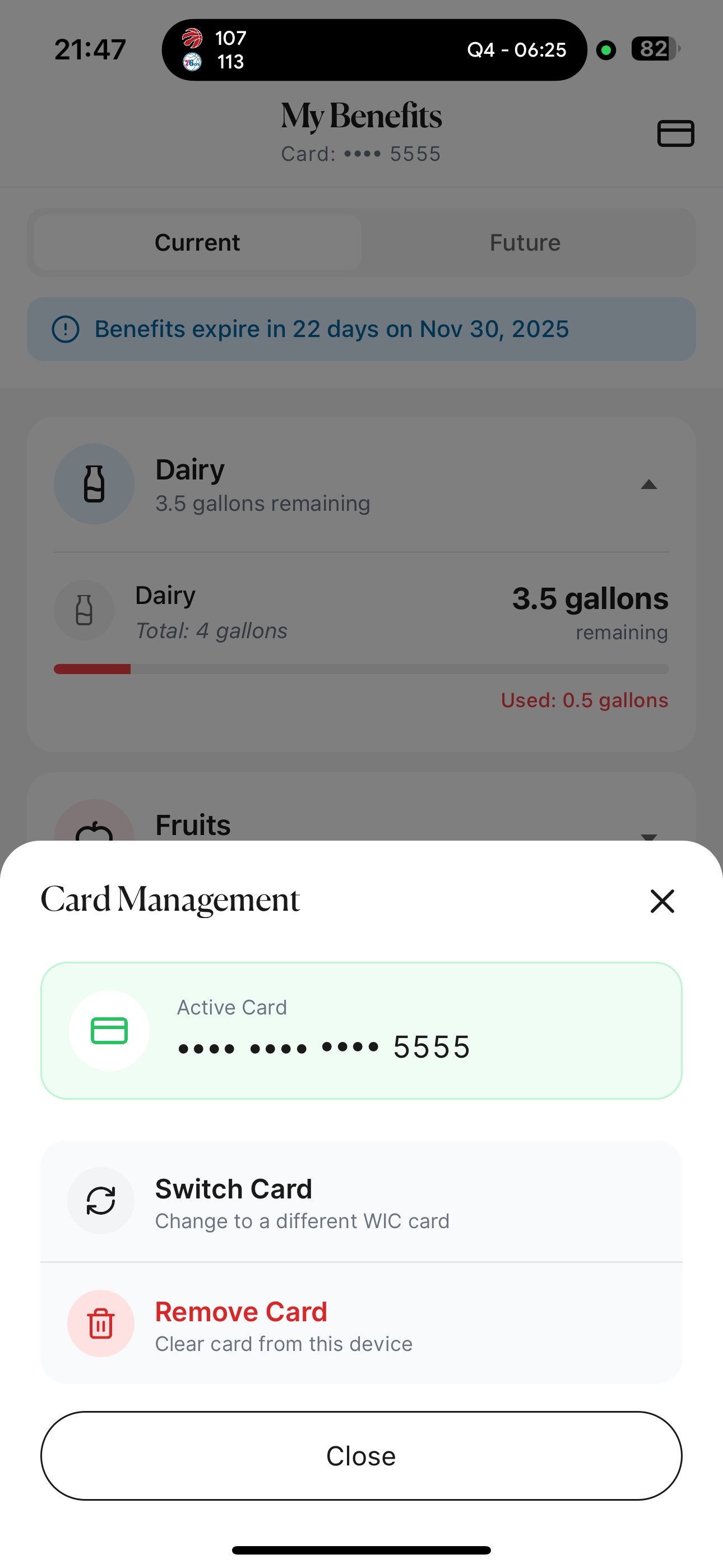
Switching Cards Screen for users with access to many eWIC cards.
-
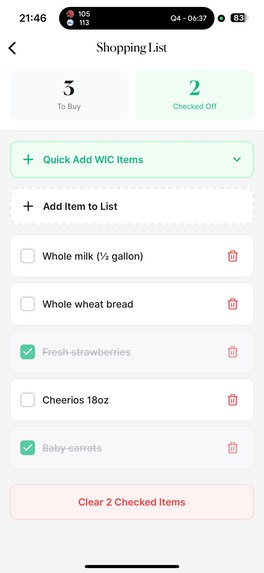
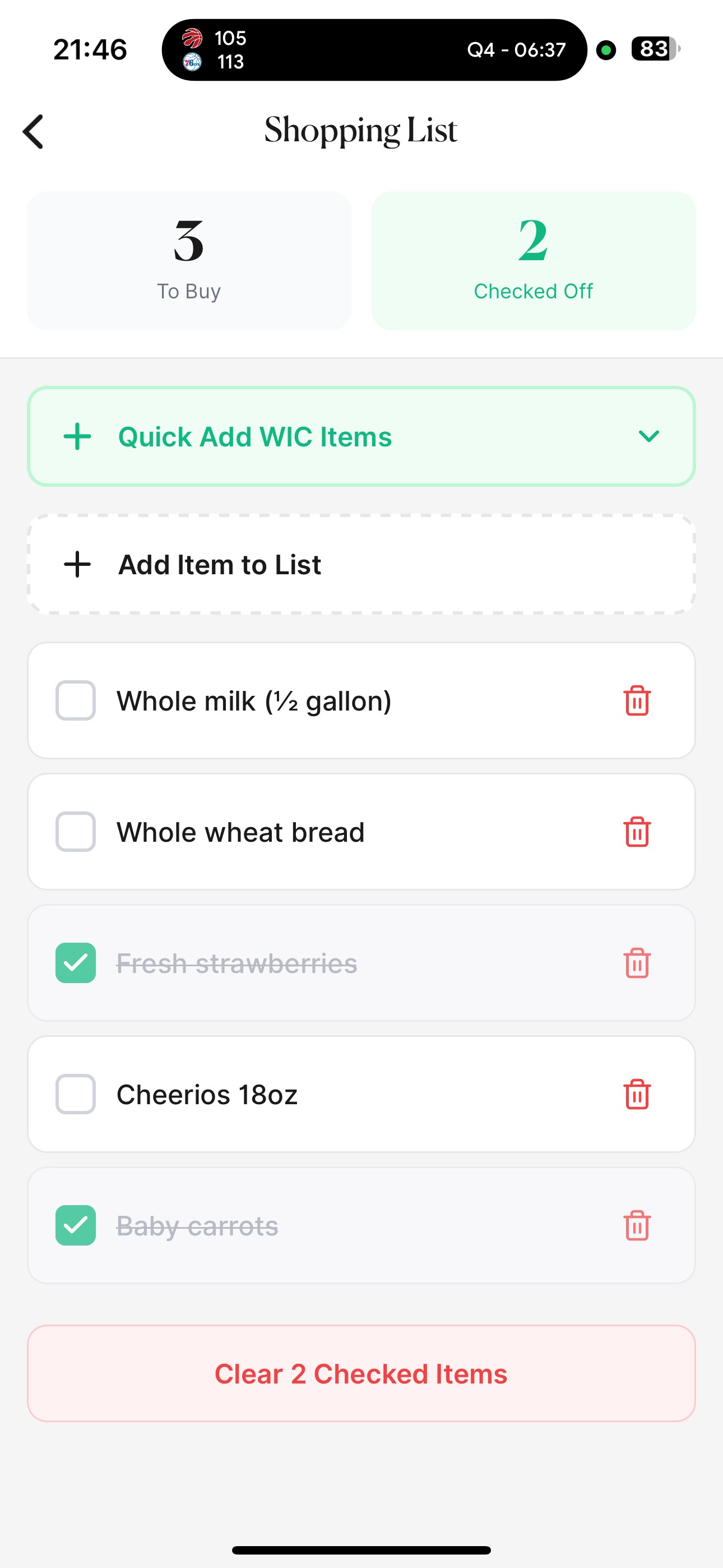
Shopping List with clickable approved food buttons to keep users on track while shopping
-
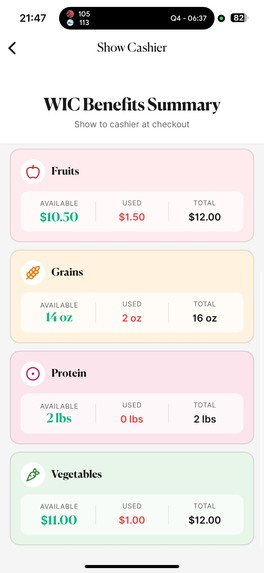
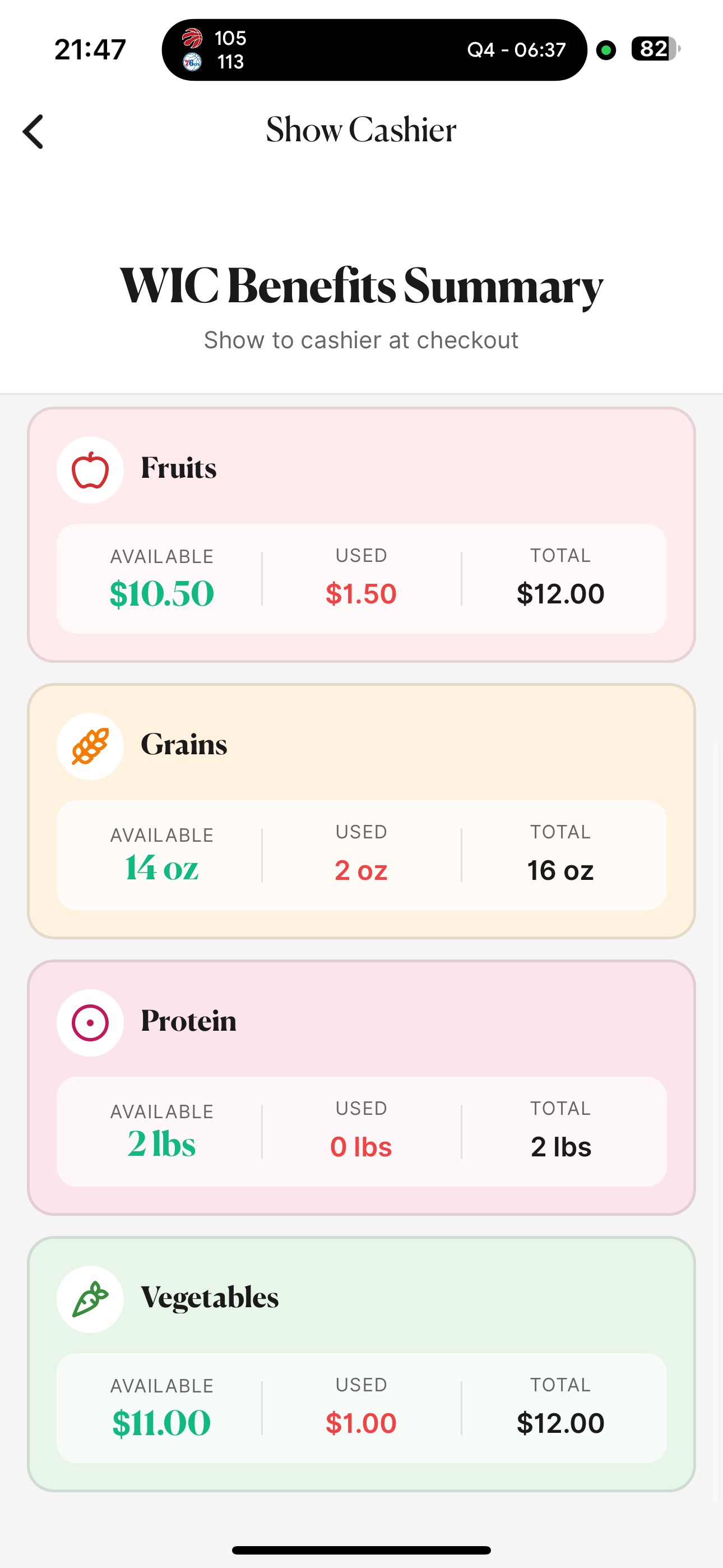
A show cashier screen to present all available balances to the cashier at checkout
Inspiration
I was inspired by this project because WIC families face significant barriers when shopping—from language obstacles for Haitian Creole speakers to the confusion of determining which products are covered at checkout. I wanted to create a solution that empowers WIC participants to shop with confidence, eliminates checkout embarrassment, and maximizes their nutritional benefits through technology. I also felt personally touched because I come from a low-income family myself and can relate to some of the problems faced by the target users.
📱 What it does
The WIC App is a bilingual React Native mobile application that significantly improves the WIC shopping experience through:
🔍 Real-time Barcode Scanning: Instantly validates WIC eligibility before checkout. This is achieved by looking up the food barcodes with the USDA API and comparing them to a list of pre-approved foods in my Neon database.
🌐 Bilingual Support: Complete interface in English and Haitian Creole with audio feedback
📊 Benefit Tracking: Visual benefit balance management with before/after purchase calculations
🛒 Smart Shopping Lists: WIC-approved item recommendations and planning tools
🏪 Store Locator: GPS-powered WIC-approved store finder with hours and directions
📚 Educational Resources: Clear explanations of WIC policies and package size requirements
♿ Accessibility: Text-to-speech functionality and intuitive design for all users
🛠️ How I built it
Frontend: React Native with TypeScript for cross-platform mobile development
Navigation: React Navigation with tab-based and stack navigation
State Management: Context API for user auth, language preferences, and WIC card data
Scanning: Expo Camera with barcode detection for UPC/EAN code validation
Audio: Expo Speech for multilingual text-to-speech feedback
Storage: AsyncStorage for offline-first user data and preferences
Backend: Node.js with Express and TypeScript
Deployments: Railway for backend server, Neon for database server
Database: Prisma ORM with PostgreSQL for benefit and transaction management
API: RESTful endpoints for user benefits, product validation, and transaction history
Product Data: Comprehensive WIC Approved Product List (APL) with eligibility rules
Key Features Implemented:
Real-time product scanning with instant approval/rejection feedback
Complete Haitian Creole localization with cultural appropriateness
Offline-capable with AsyncStorage persistence
Custom UI components following WIC branding guidelines
Responsive design optimized for various screen sizes
🚧 Challenges I ran into
Complex WIC Policy Logic: Implementing intricate eligibility rules (package sizes, brand restrictions, monthly limits) required deep understanding of WIC regulations and careful edge case handling.
Barcode Database Accuracy: Building a comprehensive product database with accurate UPC codes, brand information, and real-time eligibility validation while handling edge cases for unknown products.
Offline-First Architecture: Designing seamless functionality without internet connectivity while maintaining data synchronization when connection is restored.
User Experience Complexity: Balancing feature-rich functionality with simplicity for users who may have limited smartphone experience.
🏆 Accomplishments that I'm proud of
Complete Bilingual Experience: Full English/Haitian Creole localization with audio support Comprehensive WIC Logic: Accurate implementation of complex eligibility rules Production-Ready Architecture in Under 24 Hours: Scalable codebase with proper error handling and security
Cultural Sensitivity: Authentic translations and culturally appropriate UX design
📚 What I learned
Accessibility Importance: Designing for diverse user needs (language, technology comfort, disabilities) creates better experiences for everyone.
Offline-First Benefits: Building offline-capable apps improves reliability and user trust, especially for essential services.
Community Impact: Technology can meaningfully address real social challenges when designed with empathy and user research.
🚀 What's next for WIC App
Digital WIC Card: Integration with state EBT systems for seamless checkout
Smart Notifications: Benefit expiration reminders and nearby store promotions
Long-term Vision: Store-Based Food List: The list of approved foods should update depending on the store the user is currently at.
Multi-State Expansion: Support for different state WIC programs and regulations
Health Integration: Connect with healthcare providers for personalized nutrition guidance
Family Features: Multi-participant household management and child-specific recommendations
Analytics Dashboard: Aggregate insights for WIC administrators and policy makers
Community Platform: Peer support network and resource sharing among WIC families
The ultimate goal is to eliminate barriers to proper nutrition and create a more dignified, efficient WIC experience that empowers families to make healthy choices with confidence.
Built With
- copilot
- neon
- postgresql
- railway
- react
- react-native
- typescript
- usda-api


Log in or sign up for Devpost to join the conversation.