-
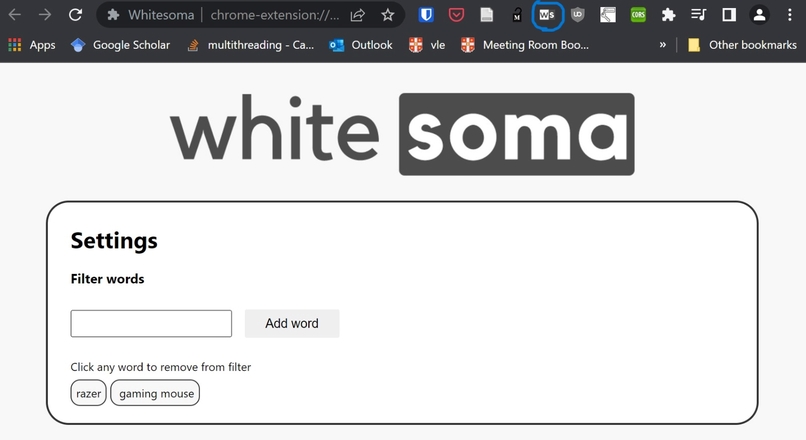
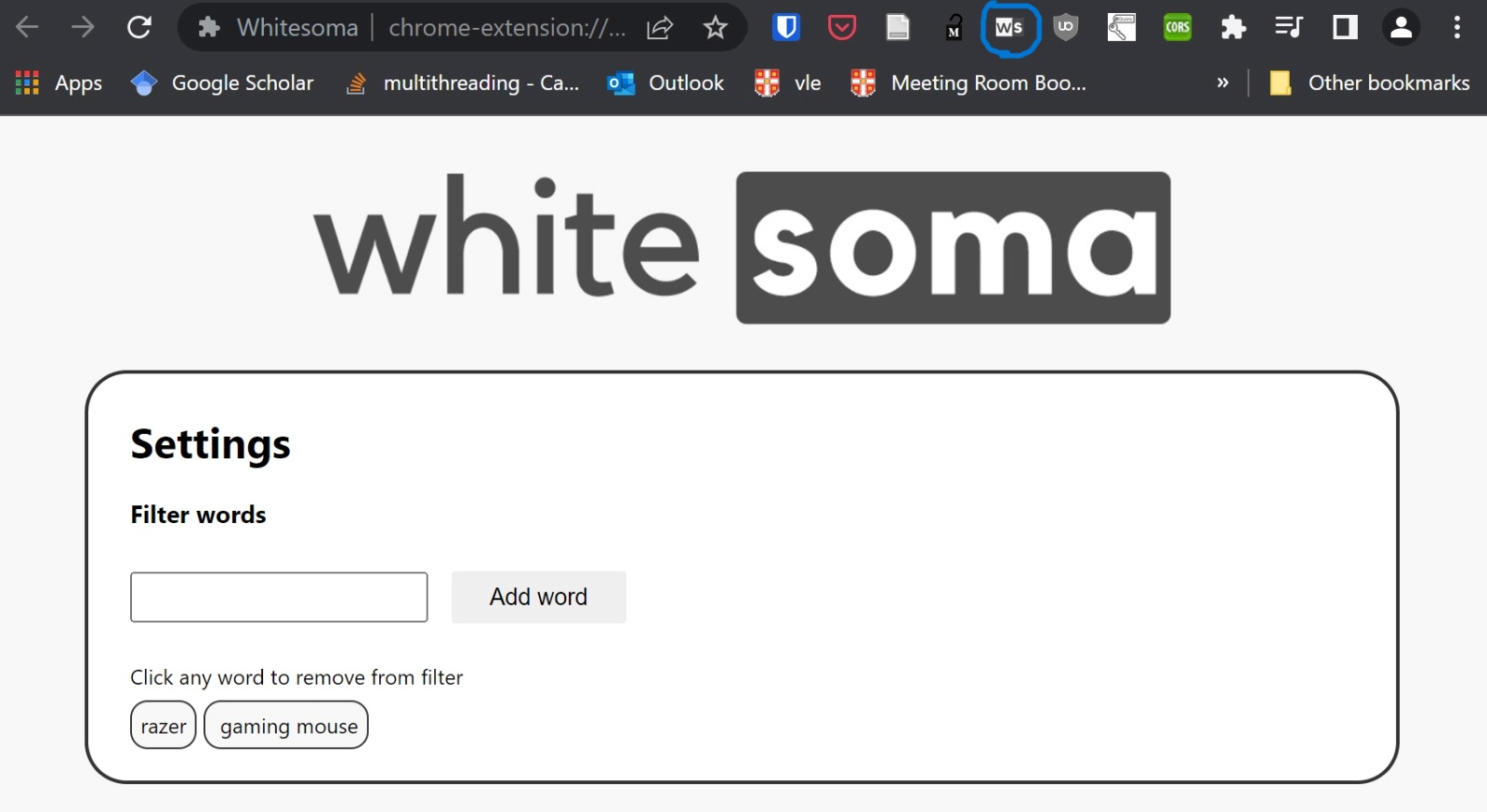
Whitesoma settings screen, as well as the extension on the top bar
-
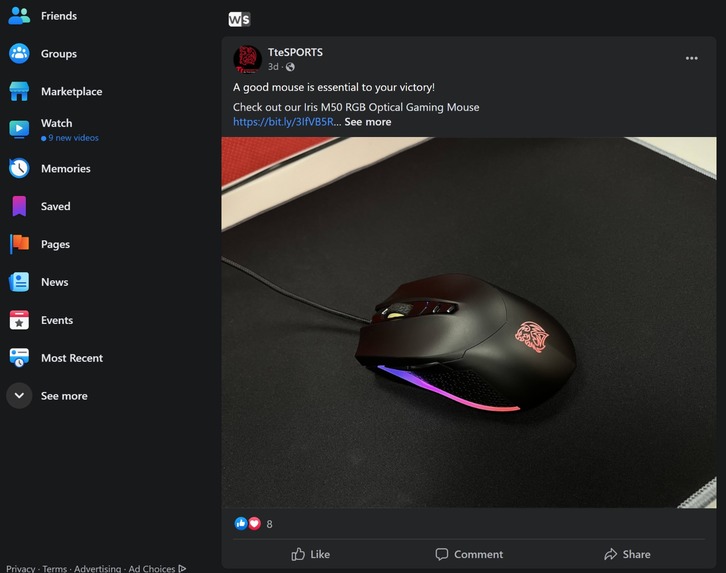
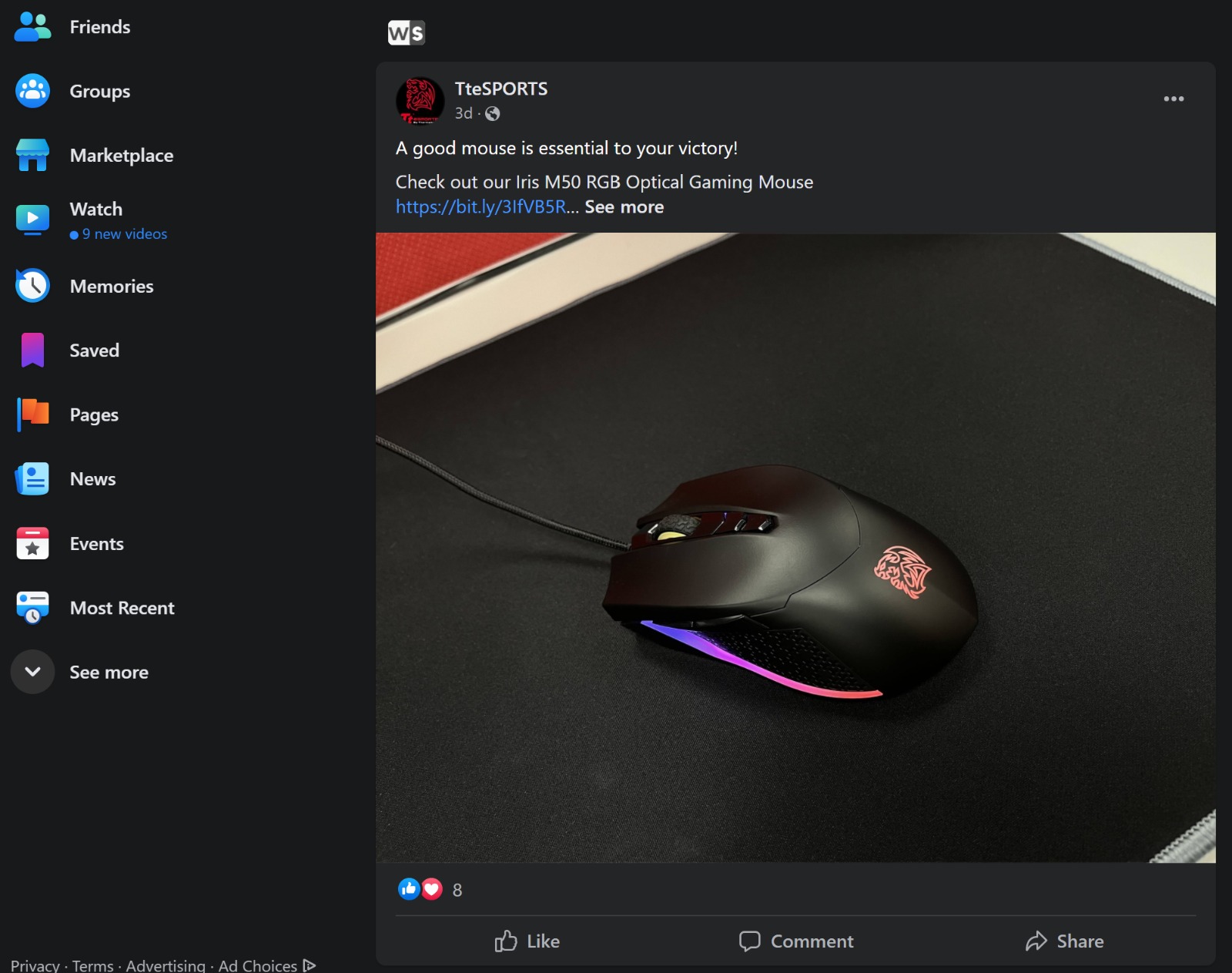
Whitesoma controls, minimized
-
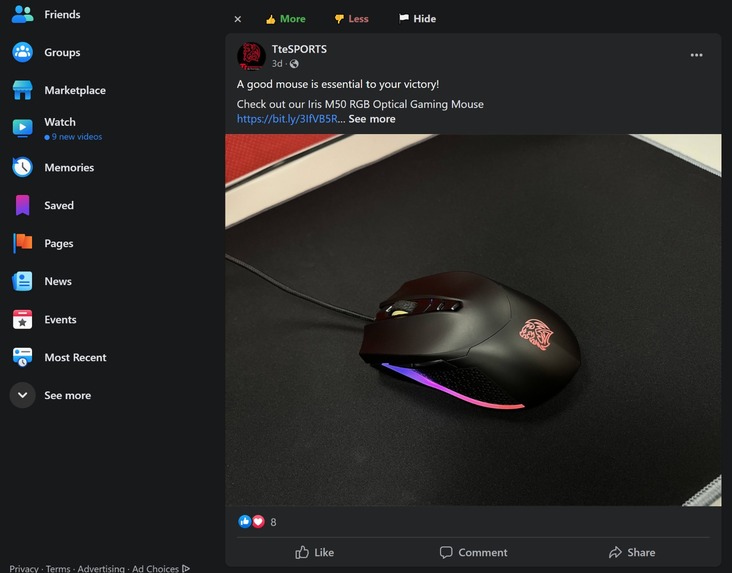
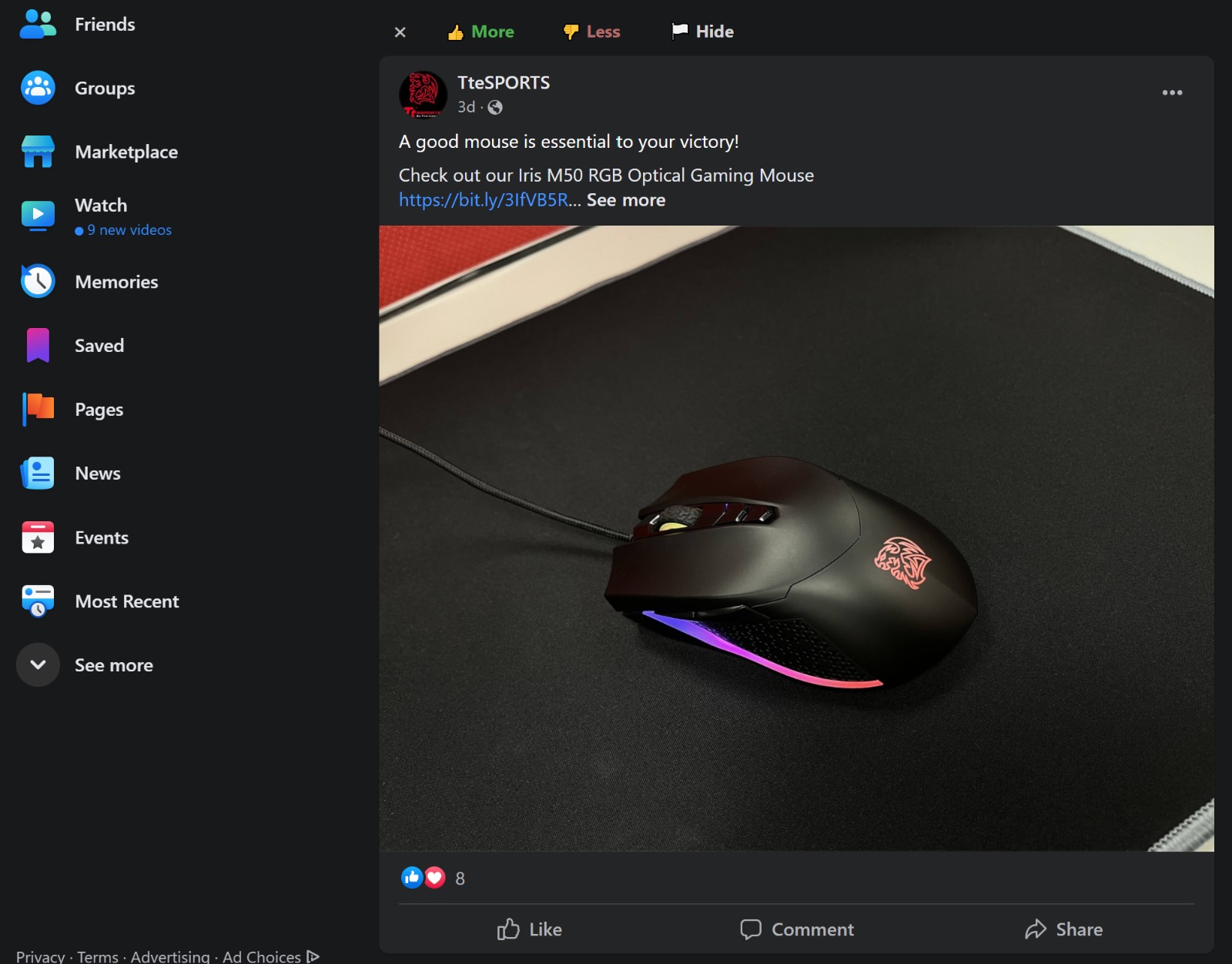
Whitesoma controls, in all their glory
-
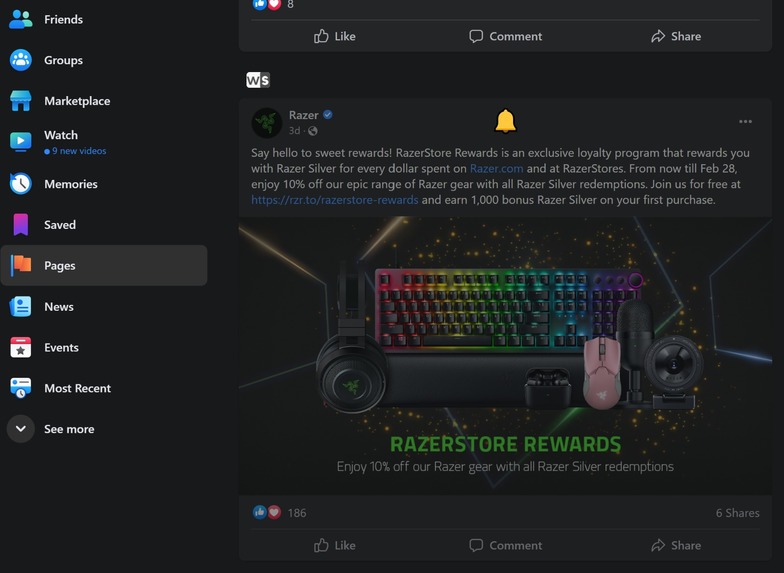
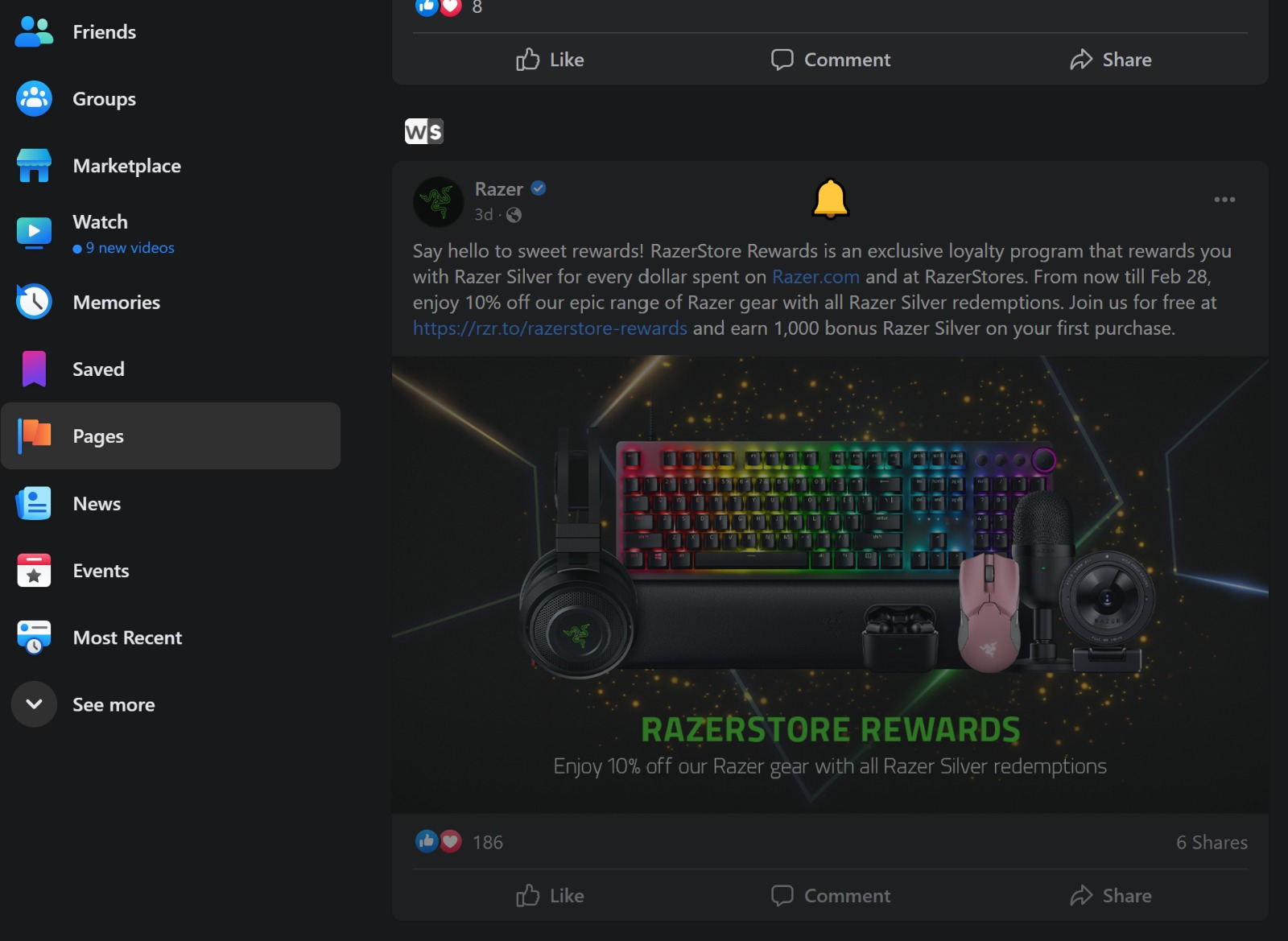
A post being hidden by whitesoma
Inspiration
Each major social media platform, such as Twitter and Tik Tok etc., deploys expensive algorithms to retain user activity on their service. By controlling access to content, these recommendation systems have gained pervasive control over the lives of users, manipulating decisions ranging from the choice of our morning cereal to major elections. Whitesoma was inspired by the need to take back control of our lives from 'the algorithm'.
What it does
The application performs active content filtration through a secure near real-time machine learning approach, designed to target the origin of these problems. It is a private, federated, recommender system (recsys) using a graphical approach, which can help customers to easily take control of their internet browsing.
How we built it
Our MVP is a browser extension that allows users to take back control over their social media feeds by specifying topics and themes they wish not to see and engage with. Whether you wish to avoid triggers for a form of addiction or stay away from misinformation, Whitesoma utilizes state of the art NLP algorithms to measure similarity with topics the user wishes to avoid and to identify misinformation. Beyond the MVP, Whitesoma is designed to utilize federated machine learning to learn from users and continuously update itself while preserving user privacy.
Challenges we ran into
Challenging a multi-billion dollar industry that seeks to control information flow naturally brings some significant ....challenges. Just a few would be;
- Google has continuously modified the way chrome extensions work, making it harder and harder for users to take back control over their browsing experience. This meant that loading AI models, communicating with external servers and many other tasks through extensions have been needlessly complicated.
- Automated fact-checking is still in its infancy, with very few open-source tools available, and prominent tools being monopolized by organizations such as Google. This is particularly challenging given the rate of spread of new misinformation.
- Designing systems that preserve user privacy while learning from user behaviour presents a difficult challenge
Accomplishments that we're proud of
During the hackathon, we were able to design workarounds for many of the challenges posed by Google's restrictions on Chrome extensions, such as serving our AI models through a separate server to allow the extensions to run inferences efficiently. We were able to successfully design a browser extension that can identify both misinformation as well as content that a user does not wish to see on facebook, and hide such content from the user. Most of all, we believe we've created the seed for a tool that carries real social value, and can impact society for the better, both online and offline.
What we learned
During the course of the last 24-ish hours, we've learnt a lot about the myriad of underlying technologies we utilized, the technical challenges deliberately created by organizations such as Google in order to prevent users from taking back control of our online lives, and perhaps crucially, the importance of fighting to gain back control.
What's next for Whitesoma
Lots. Customized models for specific use cases such as fighting addiction or depression. Federated machine learning for learning from users. Expansion into other platforms such as Twitter, as well as into mobile browsers and apps. Social media have established a monopoly over our information. Taking back control is going to take a lot of work, and we're just getting started.

Log in or sign up for Devpost to join the conversation.