Inspiration
White Noise Boat started with my family.
I have two daughters, and white noise has been part of our bedtime routine since they were little. Over time, my wife and I also started using it to sleep. But while the sounds were useful, the apps always felt very static: choose a sound, press play, and that was it.
I had wanted to build my own white noise app for years, but I did not want to create more of the same. Then one day, one of my daughters came home from school with an origami frog. Looking at that small paper figure sparked something.
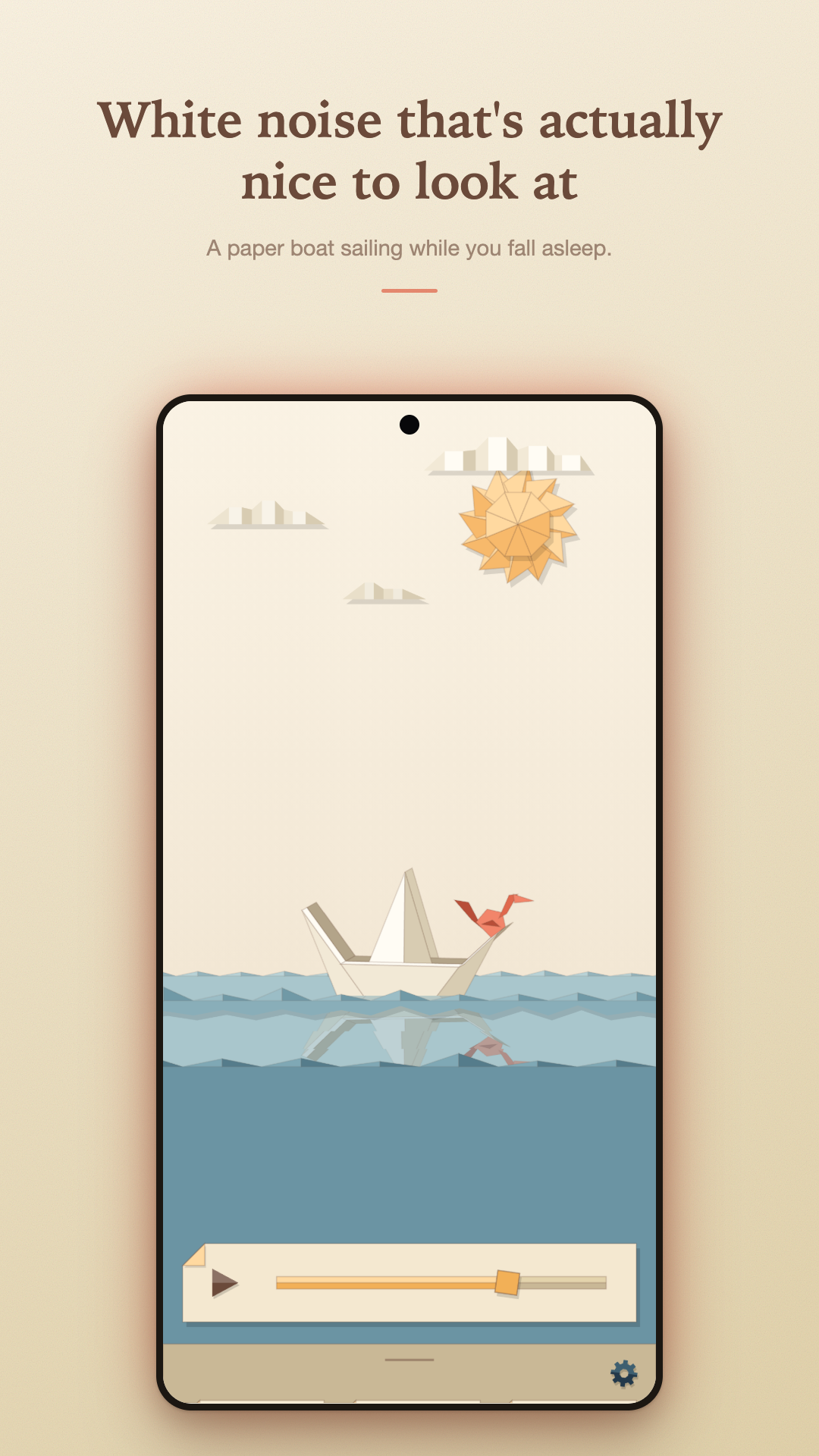
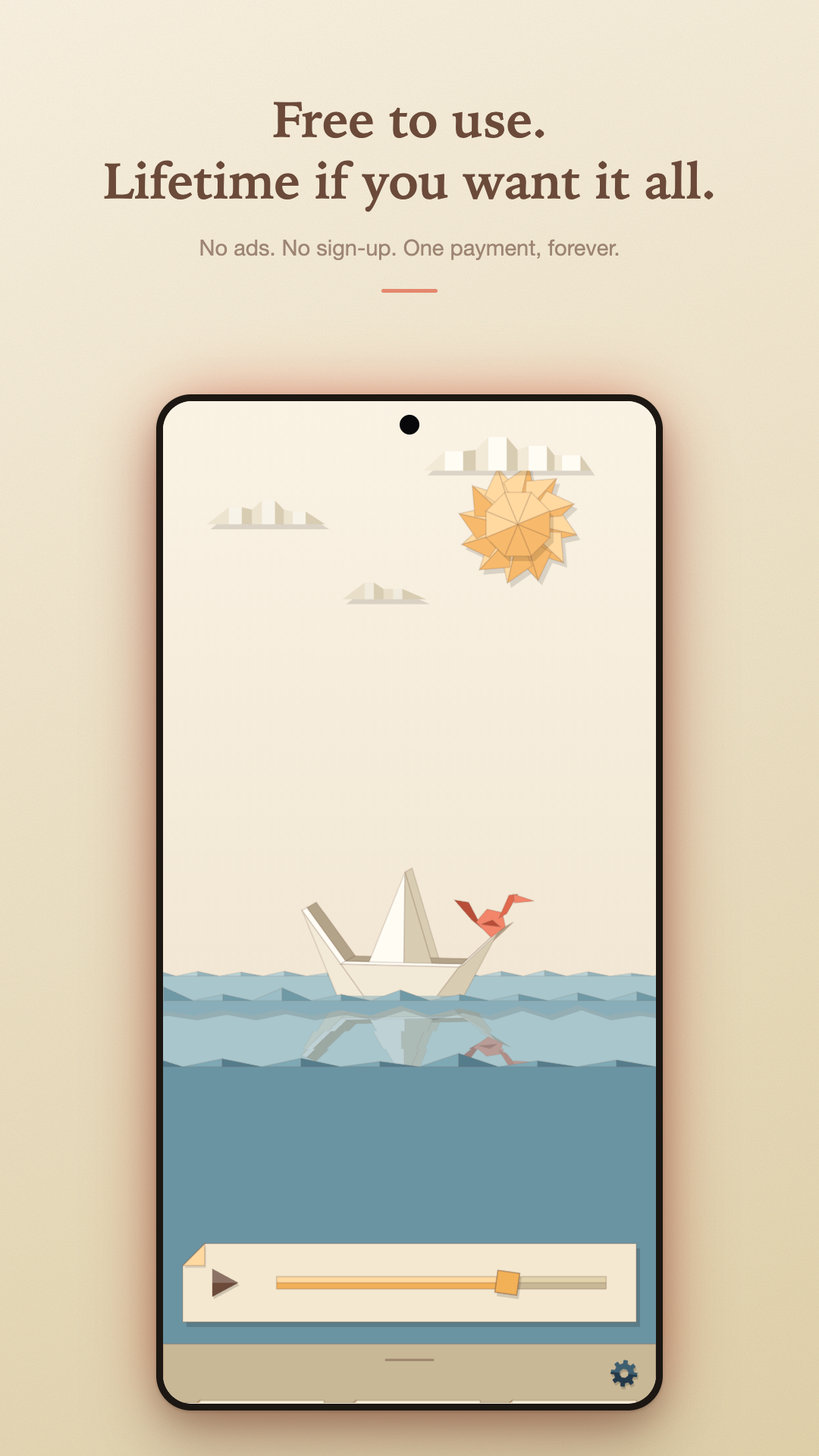
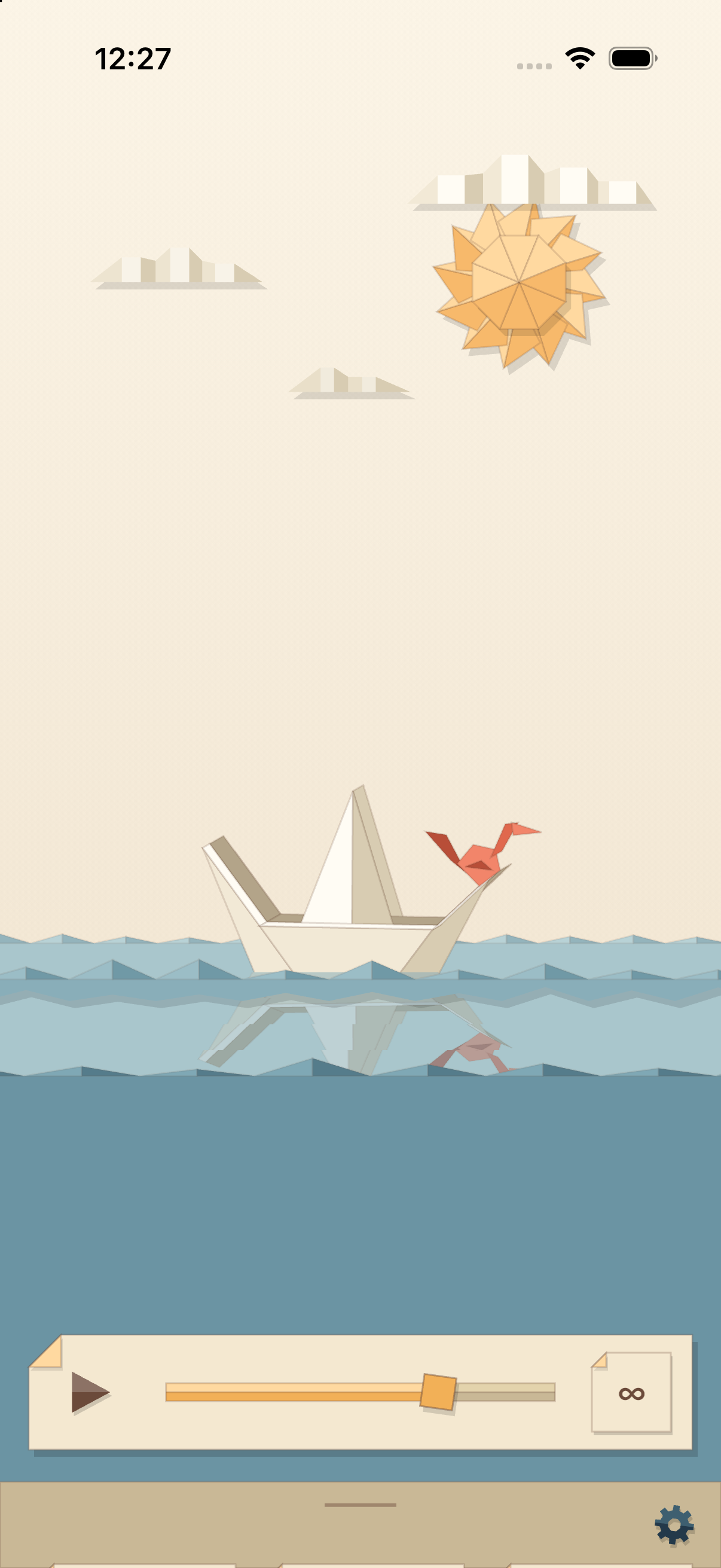
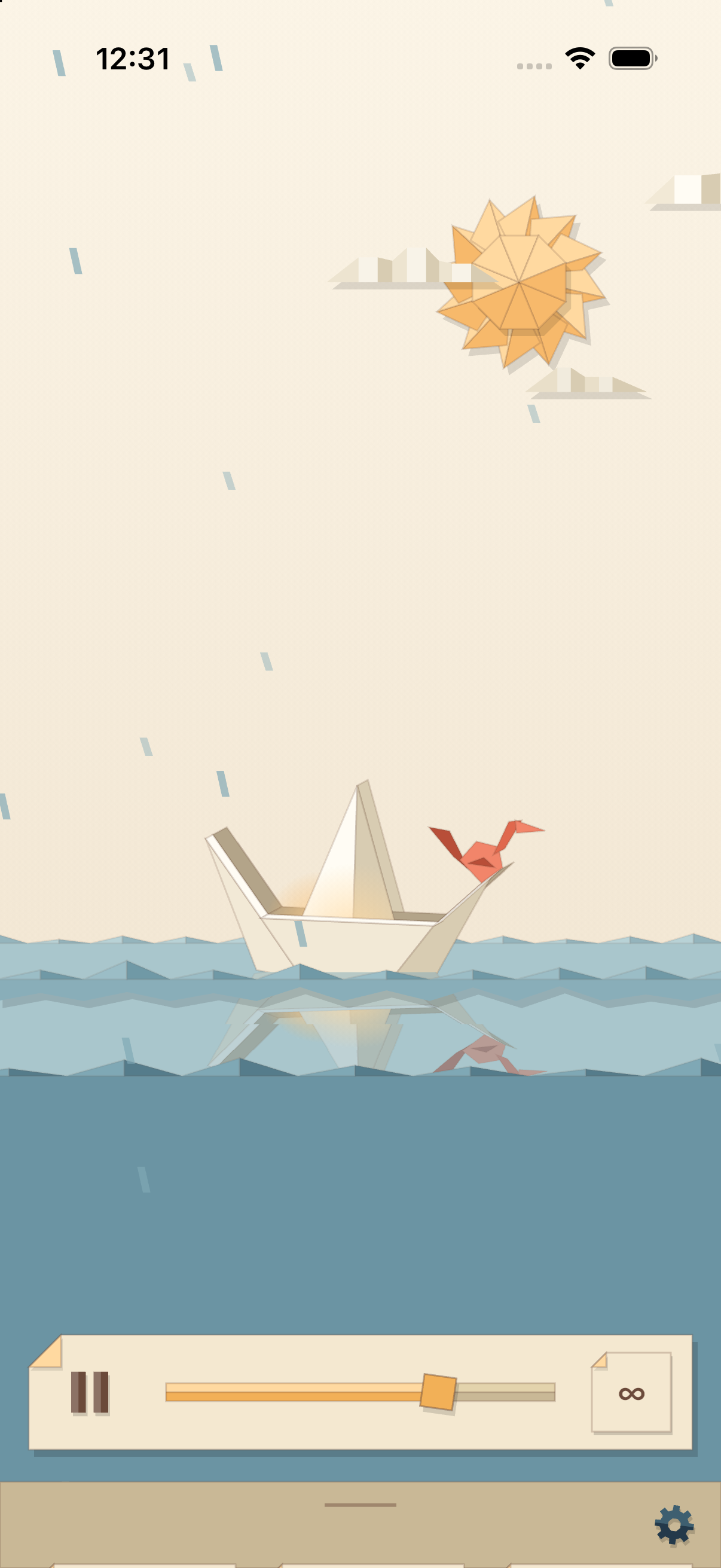
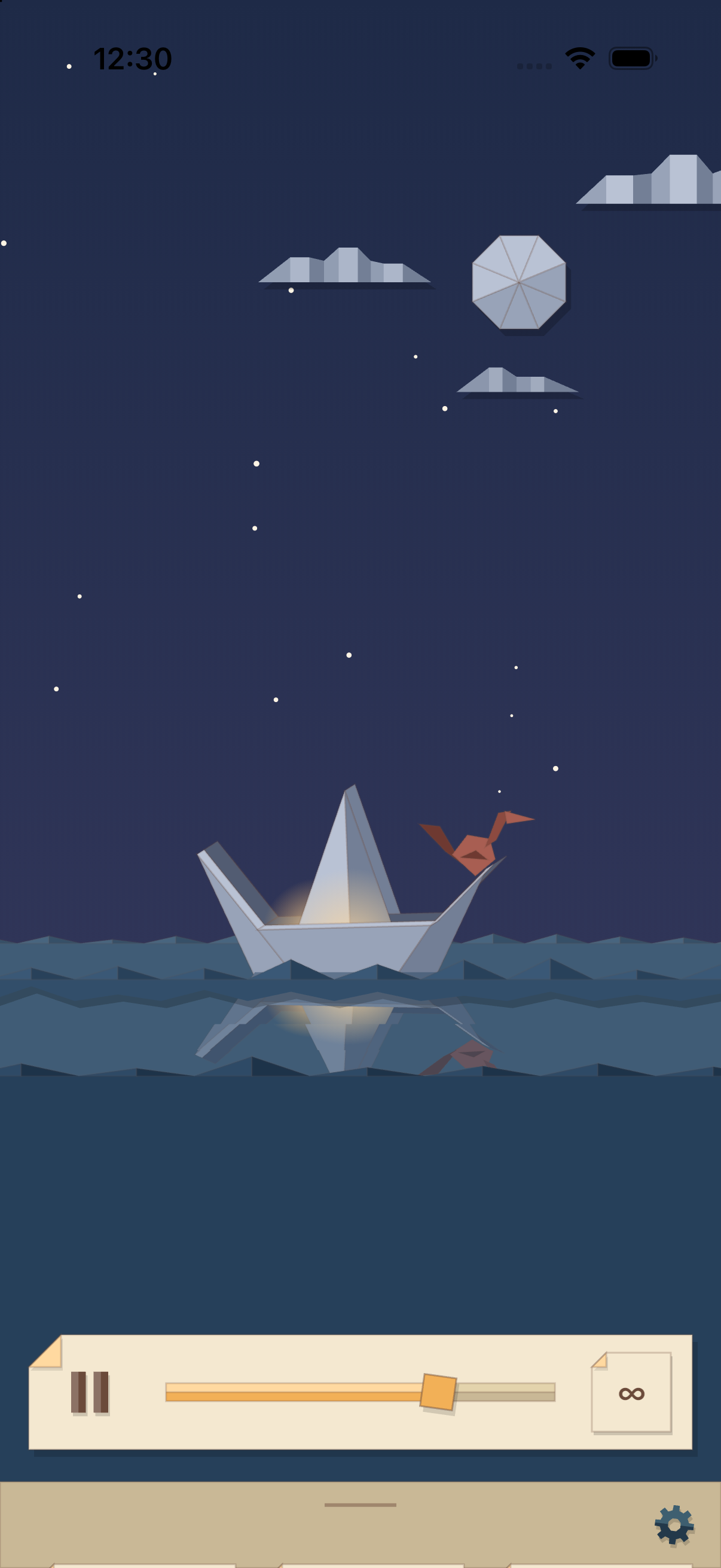
I started imagining an app where sound could shape a living paper world. Somewhere along the way, the frog became an origami boat sailing through a calm sea, with a small bird as its companion. That boat became the heart of the project: a symbol of calm, simplicity, and the quiet journey into sleep.
## What it does
White Noise Boat is an ambient sound app for sleeping, relaxing, and focusing.
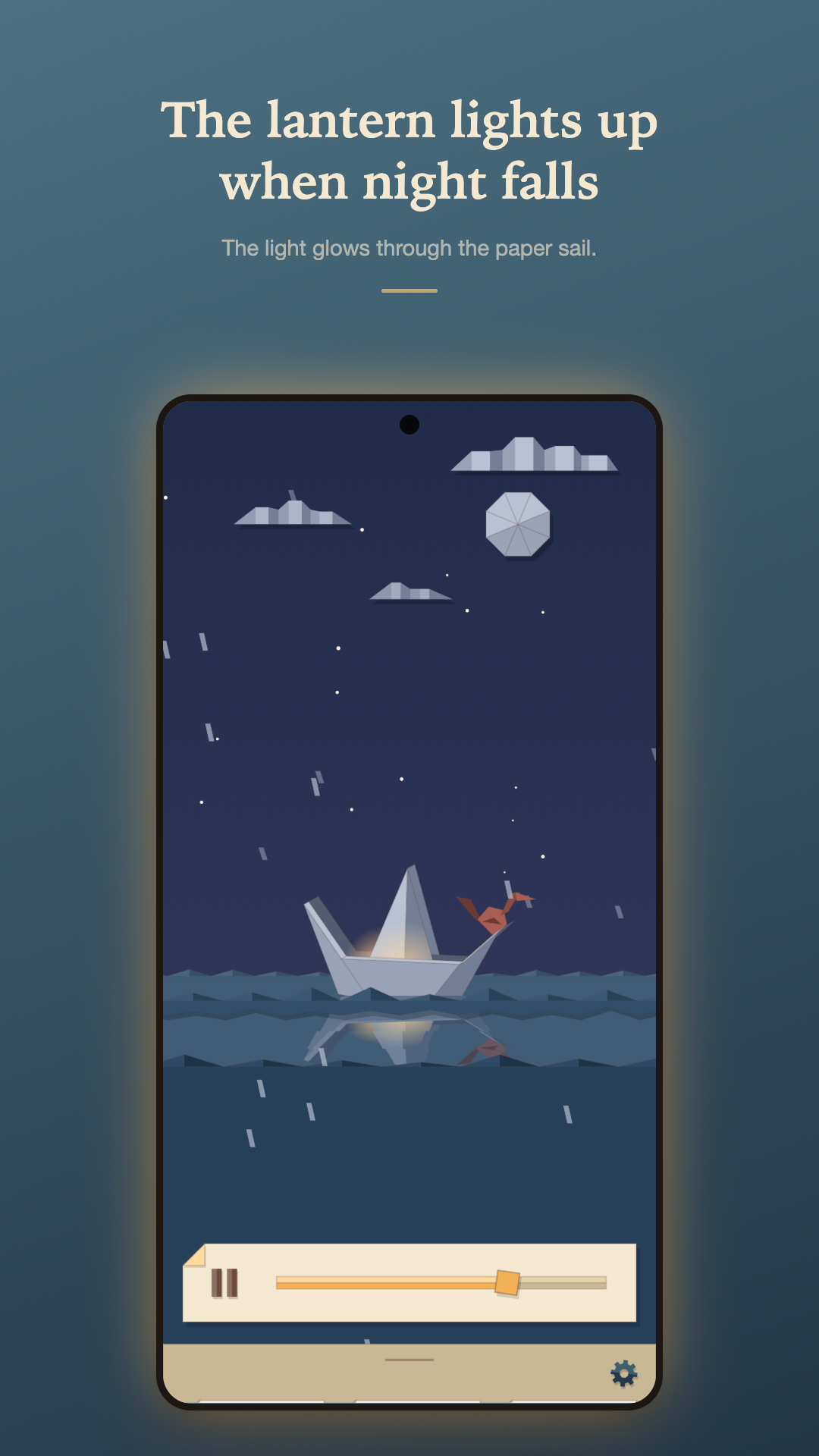
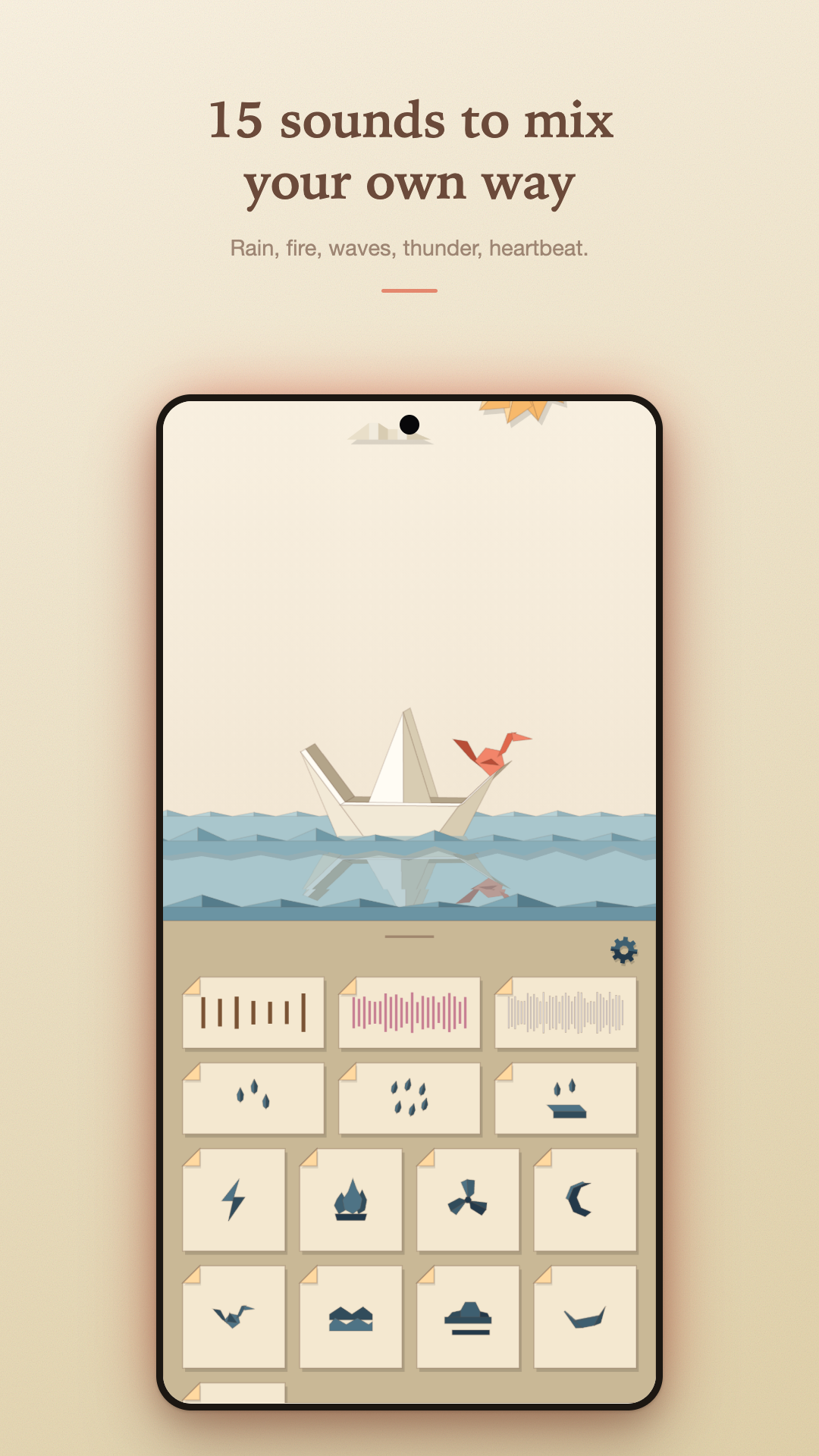
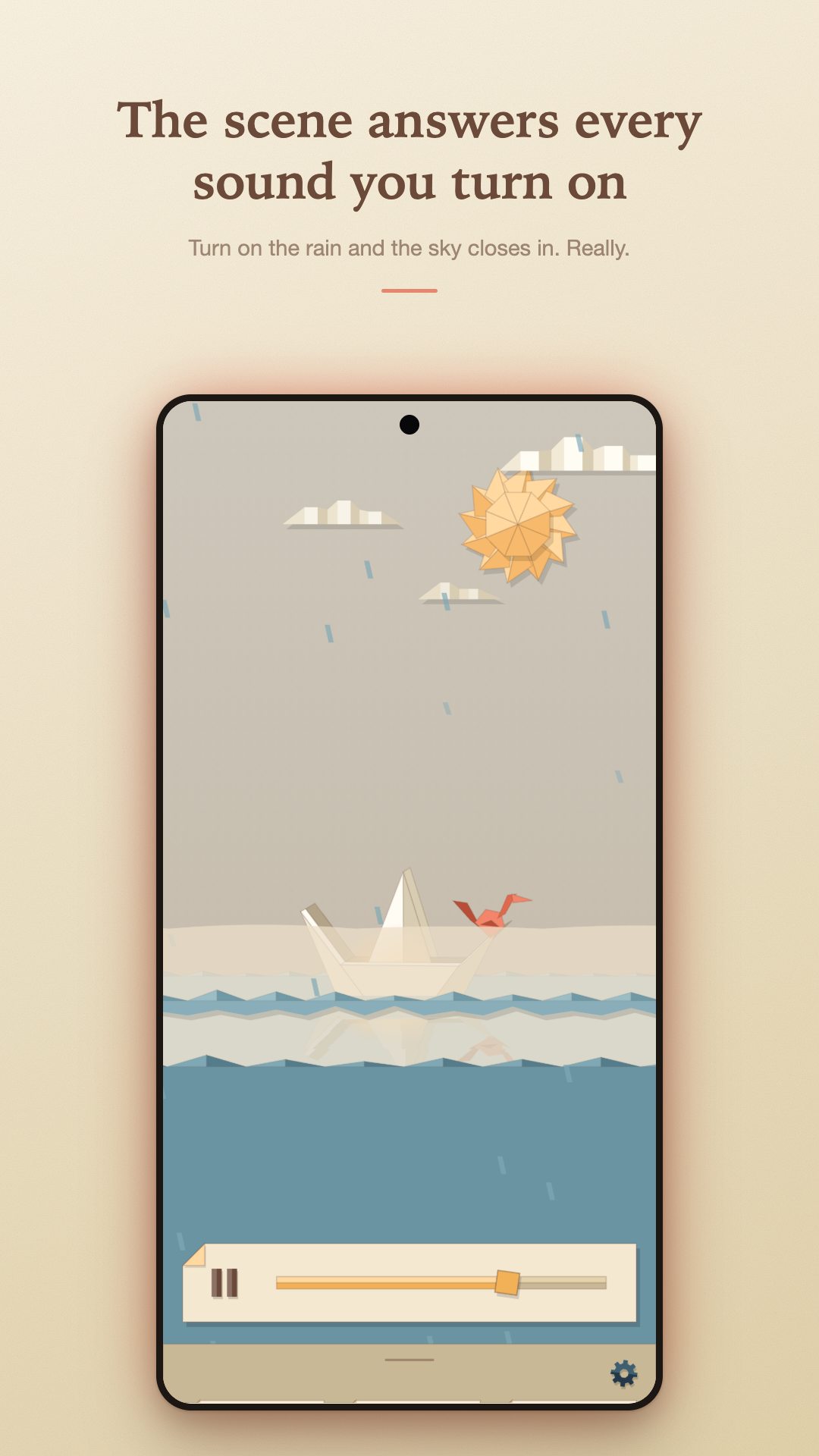
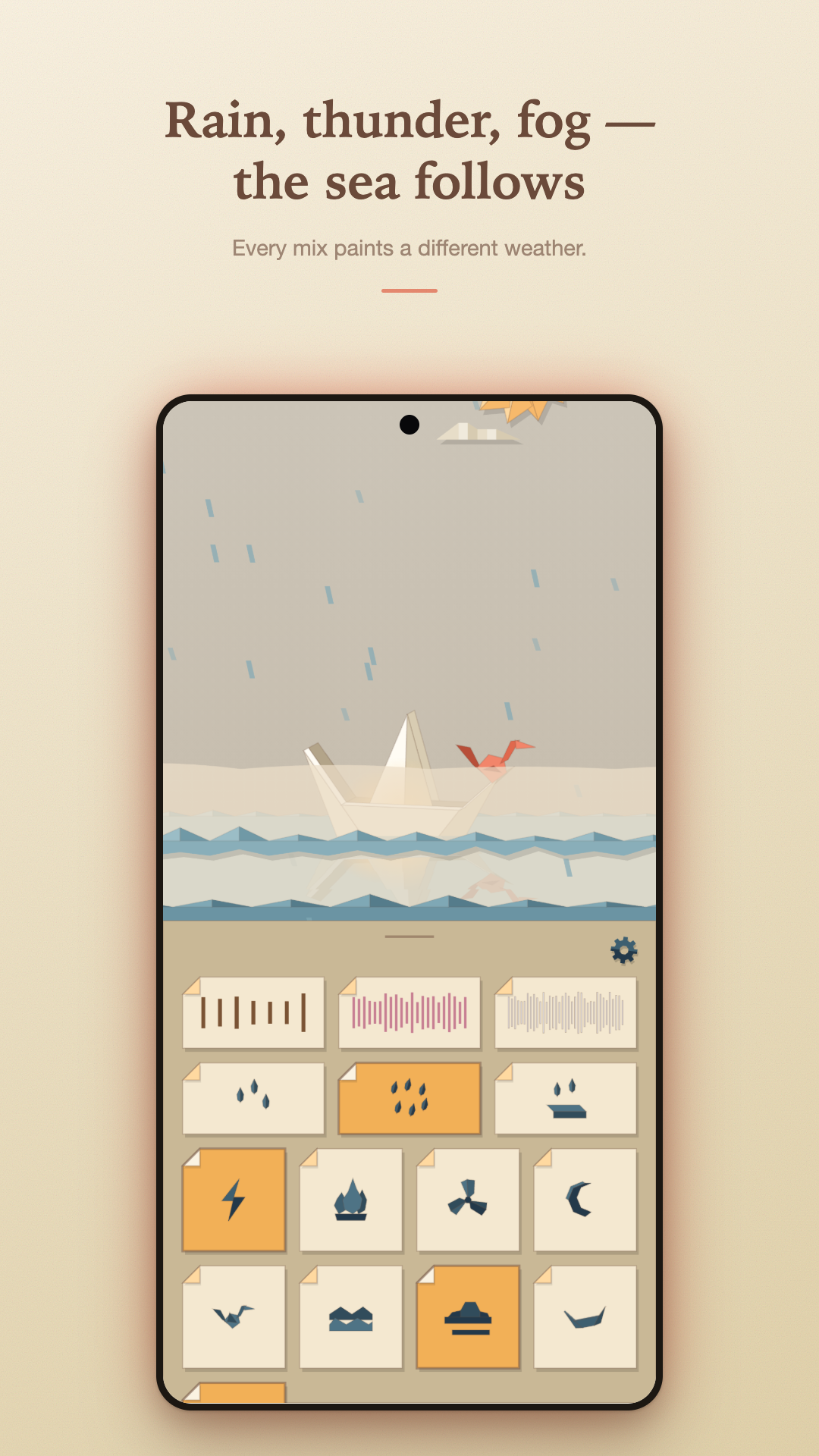
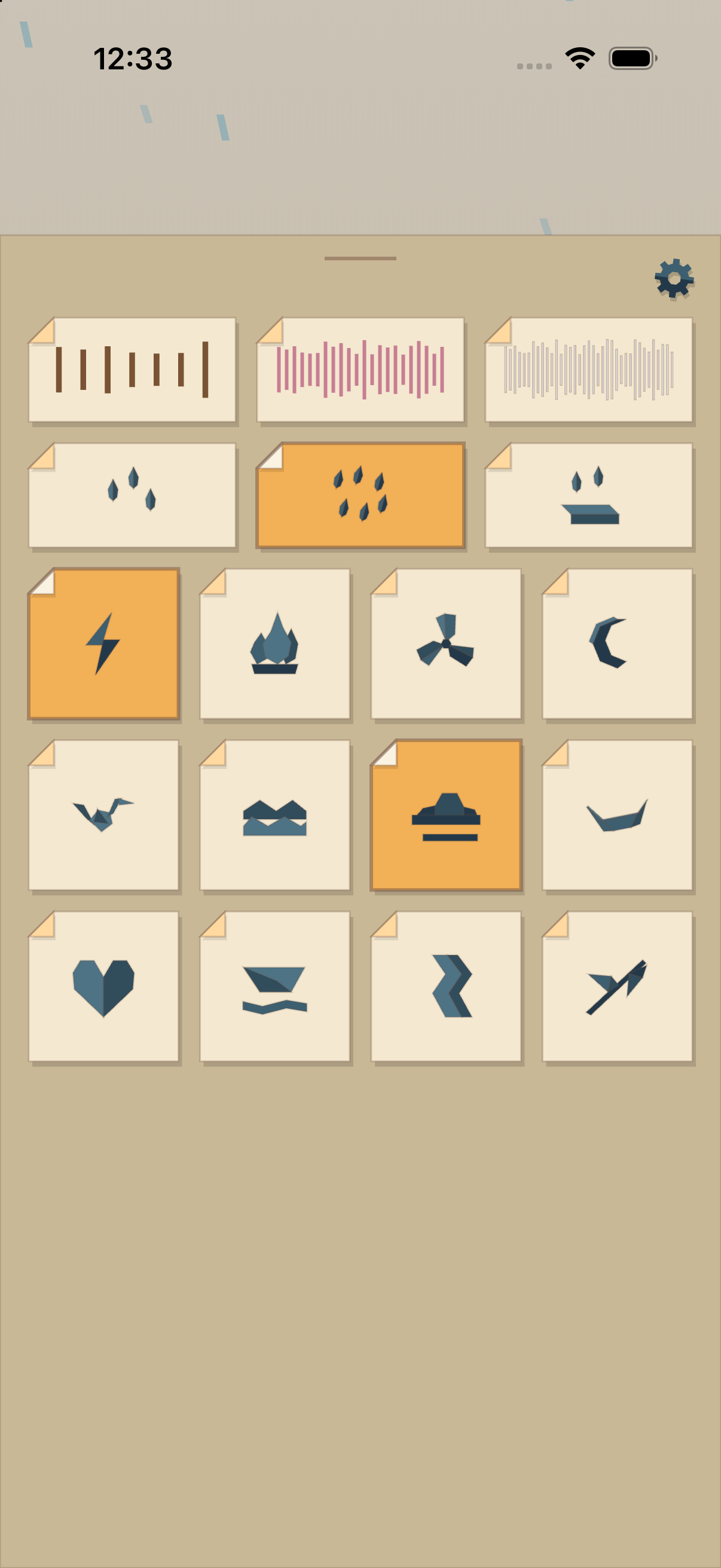
People can combine sounds such as rain, waves, wind, fire, thunder, and white, pink, or brown noise to create their own soundscape. As they change the mix, the scene changes with it: rain begins to fall, night darkens the sky and lights the boat’s lantern, and other sounds add their own movement and atmosphere.
The result is more than a static audio player. It is a small world that reacts to what you hear.
The app works offline, supports background playback and a sleep timer, and has no ads or account requirement.
## How we built it
I built White Noise Boat as a solo project using Flutter, creating a single app for both iOS and Android.
The visual scene was drawn and animated with custom Flutter painting. Each sound is connected to its own visual response, and those responses can appear together. This allows combinations such as rain and night to transform the same scene without losing its calm, cohesive feeling.
The audio system supports several looping sounds playing at the same time, individual volume controls, smooth transitions, background playback, and sleep timer fade-outs.
AI was part of the process from the beginning. I used it as a creative and development partner to explore the concept, challenge decisions, iterate on the design, and expand what I could create as a solo developer. It helped me move beyond simply implementing features and spend more time shaping the experience.
## Challenges we ran into
One of the biggest challenges was making a simple experience feel alive without making it distracting. Every animation needed to respond to the sound while remaining subtle enough for someone trying to relax or fall asleep.
Audio was another major challenge. Mixing several independent loops, keeping transitions seamless, managing audio focus across iOS and Android, and continuing playback when the screen is locked required much more care than simply playing an audio file.
The reactive scene also introduced a visual composition problem. Rain, wind, night, fire, waves, and other effects needed to coexist without turning the screen into visual noise.
Finally, building alone meant moving constantly between product design, illustration, animation, audio engineering, development, testing, localization, monetization, and store preparation.
## Accomplishments that we're proud of
I am most proud that the final app still carries the feeling of the original idea.
The paper boat is not just a logo or a decorative image. It became the center of the experience, and the world around it responds to every sound the user chooses.
I am also proud of turning a deeply personal family habit into a complete cross-platform product as a solo developer. The app includes layered audio, a hand-crafted reactive scene, offline playback, background audio, a sleep timer, localization, and a business model with no advertising.
Most of all, I am proud that White Noise Boat has its own identity in a category where many apps feel very similar.
## What we learned
I learned that innovation does not always mean inventing a completely new category. Sometimes it means taking a familiar experience and giving it a different feeling.
I also learned how much invisible work exists behind calm and simplicity. Seamless audio loops, subtle movement, smooth transitions, and a clean interface often require more iteration than features that look much more complex.
Working with AI also changed how I think about solo development. It did not replace the creative decisions, but it allowed me to explore more possibilities, question my assumptions, and execute ideas that would previously have required a larger team.
And I learned to trust personal inspiration. A small origami frog brought home from school eventually became a boat, a bird, and an entire living world.
## What's next for White Noise Boat
The next step is to learn from the people who use the app: which sounds they combine, when they return, and whether the experience truly helps them sleep, relax, or focus.
I want to continue improving the audio quality and performance, add new sounds with meaningful visual reactions, and explore more paper worlds while preserving the simplicity of the original experience.
There is room for saved mixes, additional scenes, new themes, and deeper personalization. But the guiding principle will remain the same: every addition should make the journey calmer, never more complicated.
Built With
- dart
- flutter

Log in or sign up for Devpost to join the conversation.