-
-
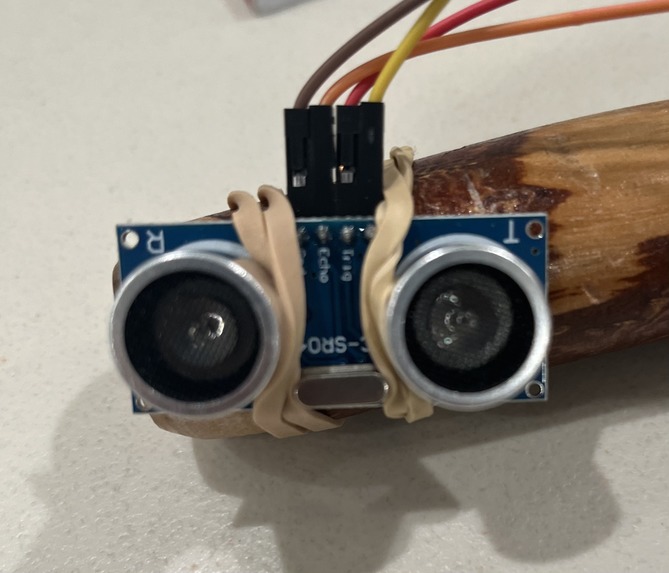
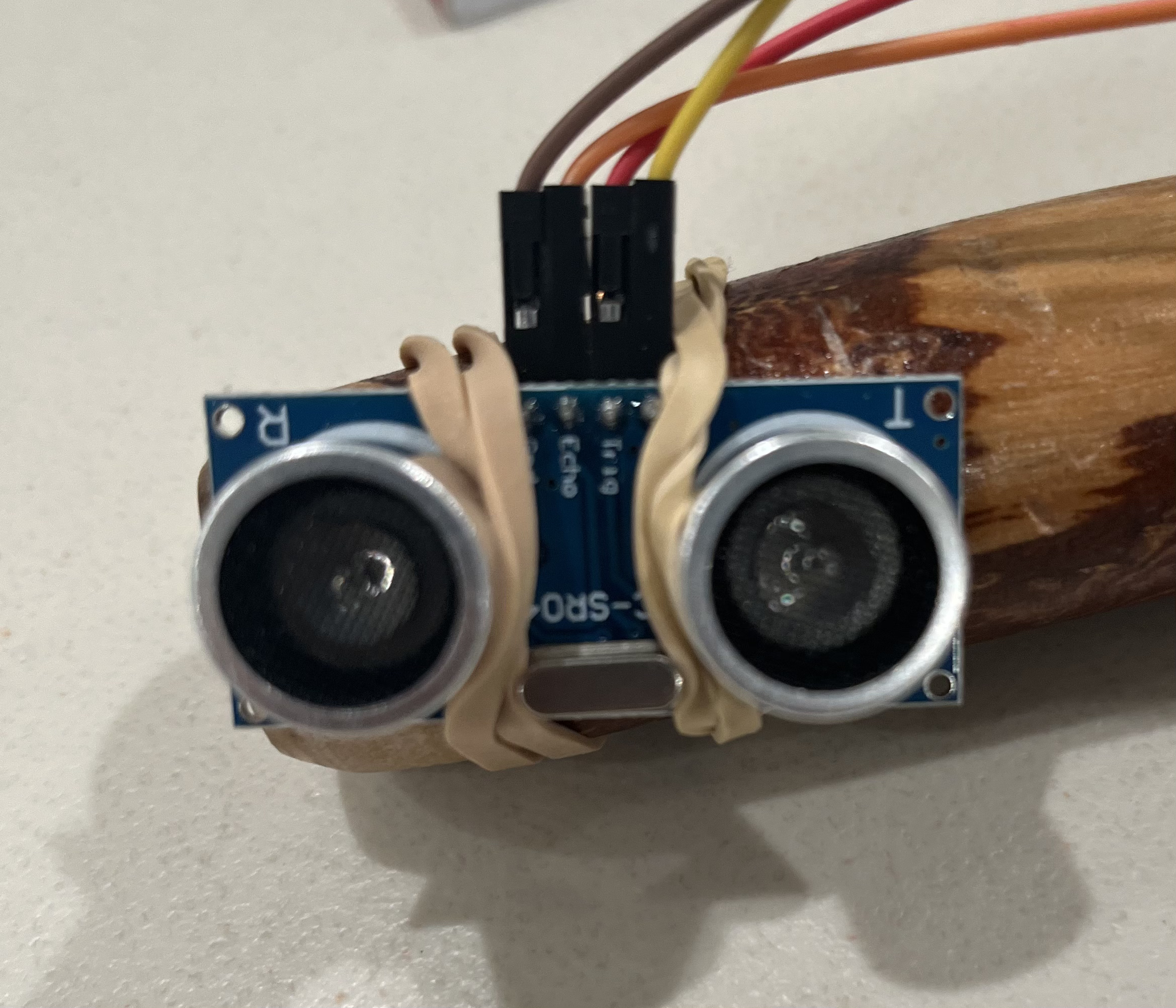
Ultrasound Sensor- Detects objects in path of the stick
-
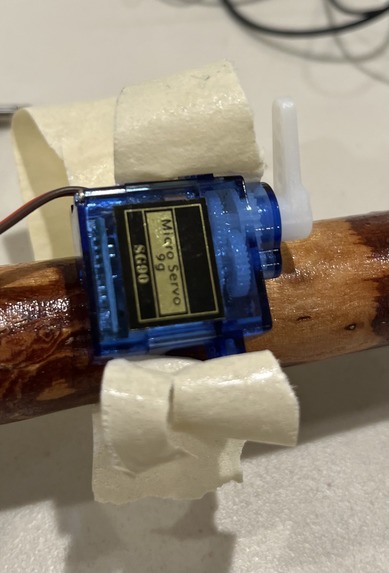
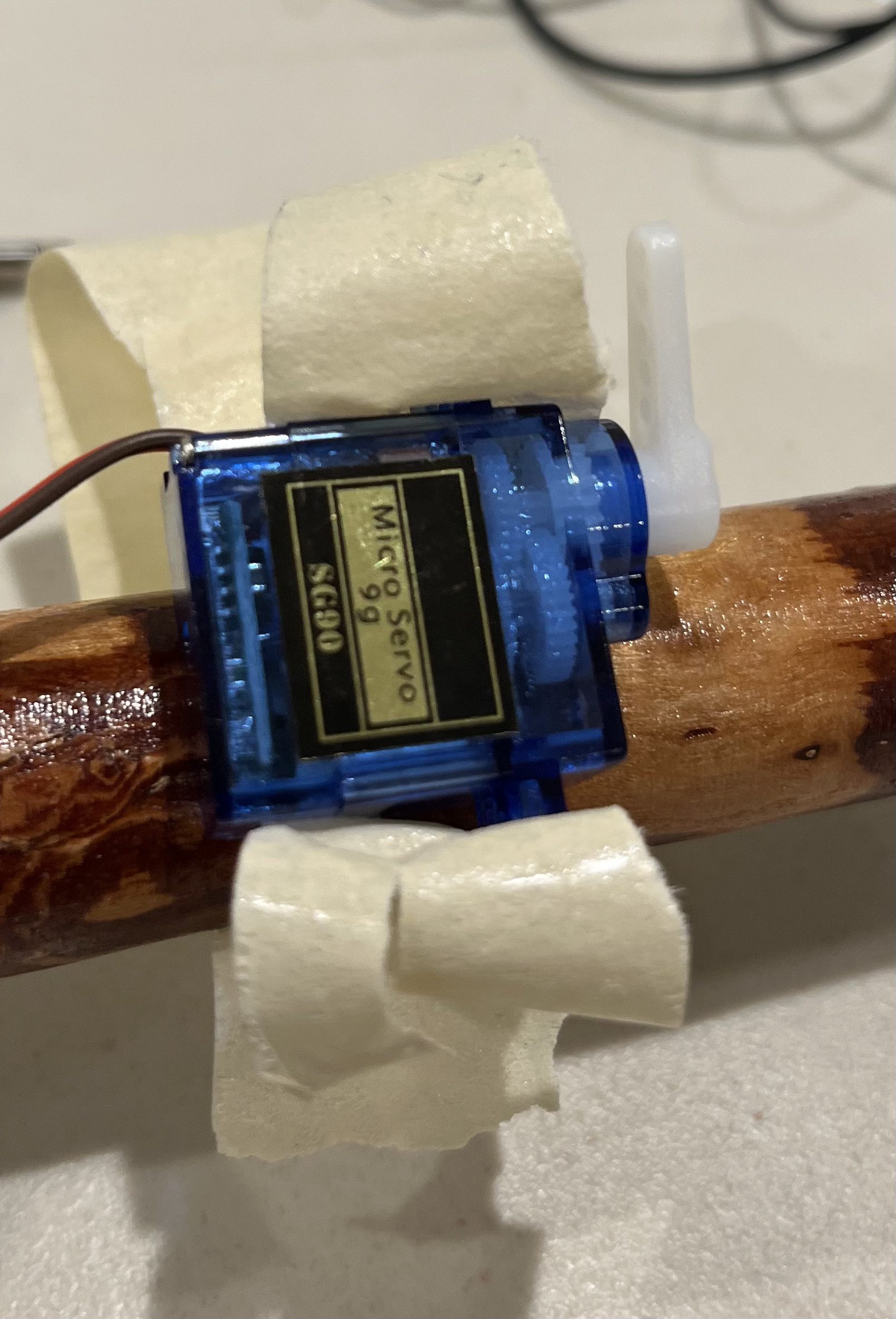
Servo Motor-Vibrates at different levels according to distance from object to radiowave sensor
-
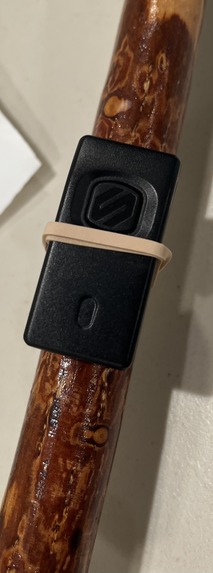
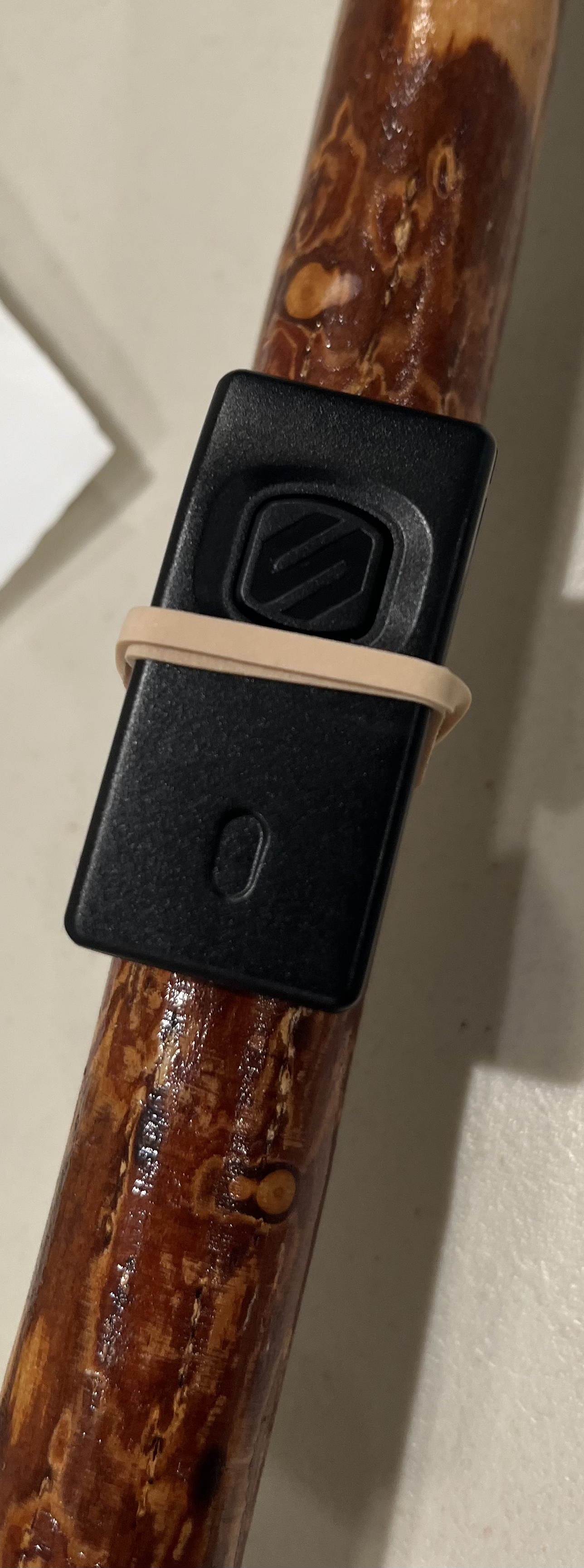
Bluetooth- Communicates with user to provide with navigations
Inspiration
We were inspired by the daily mobility challenges faced by visually impaired individuals and the limitations of traditional white canes. As AI and sensing technologies become more common in real-world applications, we saw an opportunity to rethink an essential tool and make independent navigation safer, smarter, and more accessible.
What it does
White Cane enhances a traditional mobility cane by detecting nearby obstacles and providing real-time feedback. Using ultrasonic sensing, the device alerts users through vibration and audio guidance, helping them navigate environments more safely and confidently while maintaining independence.
How we built it
We integrated an ultrasonic sensor, vibration motor, and Bluetooth module with an Arduino board. The system continuously measures distance to nearby obstacles, triggers haptic feedback when objects are too close, and delivers audio navigation cues through a connected device, creating a multi-sensory navigation experience.
Challenges we ran into
Balancing accuracy, responsiveness, and user comfort was a major challenge. We also faced limitations related to sensor range, power management, Bluetooth reliability, and ensuring that alerts were helpful without overwhelming the user. Cost and scalability were additional considerations.
Accomplishments that we're proud of
We successfully built a functional prototype that improves obstacle awareness beyond a traditional cane. We’re proud of integrating hardware and software into a cohesive assistive device and demonstrating how AI-driven sensing can meaningfully impact real-world accessibility.
What we learned
We learned how to design with accessibility in mind, integrate hardware components with software logic, and iterate under time constraints. Most importantly, we learned that effective assistive technology must prioritize user experience, reliability, and simplicity.
What's next for White Cane
Next, we plan to improve AI-based navigation, optimize cost and power efficiency, and expand obstacle detection capabilities. With further testing and user feedback, White Cane could evolve into a scalable, affordable solution that supports safer, more independent mobility for the visually impaired.

Log in or sign up for Devpost to join the conversation.