-
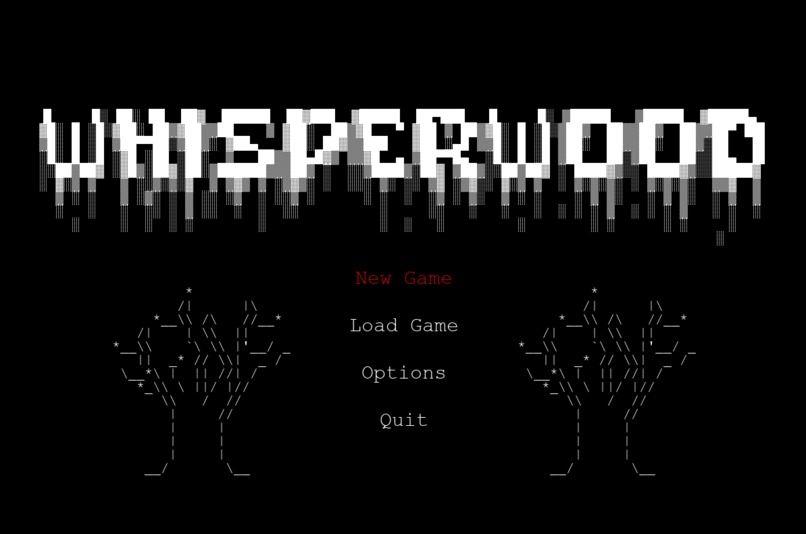
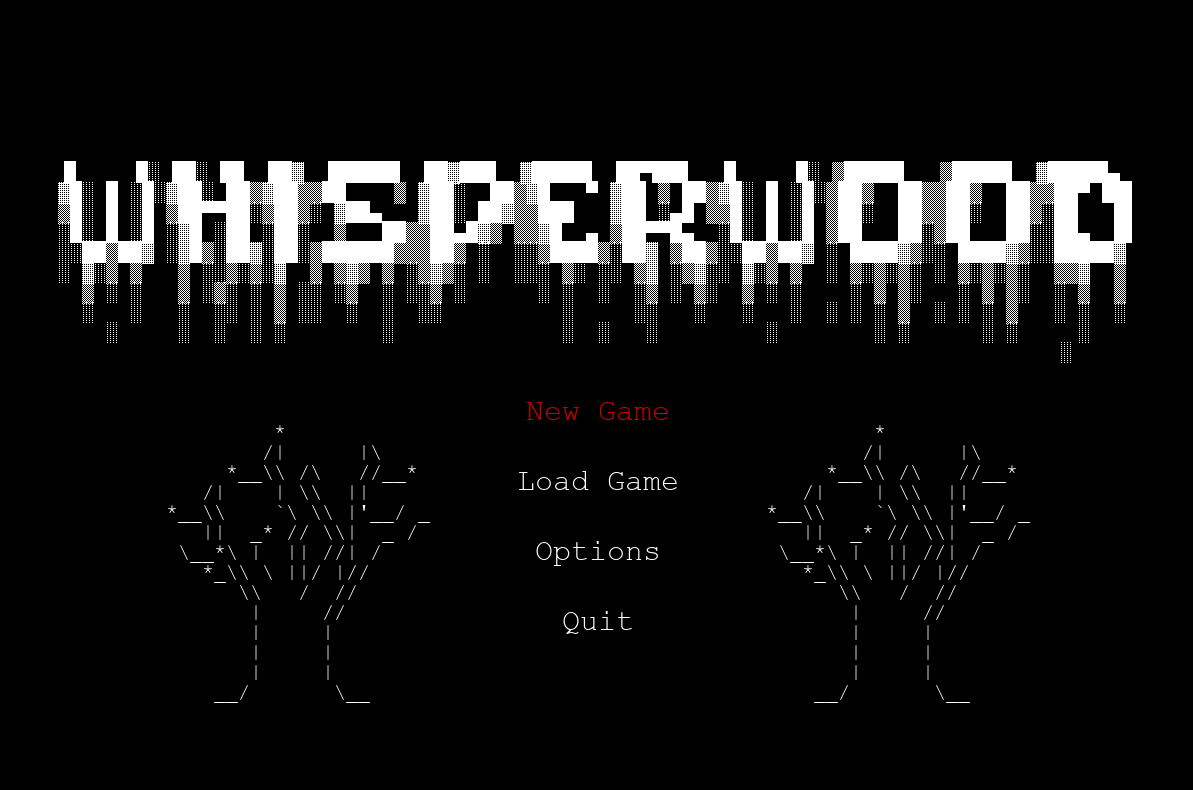
Whisperwood Title Screen
-
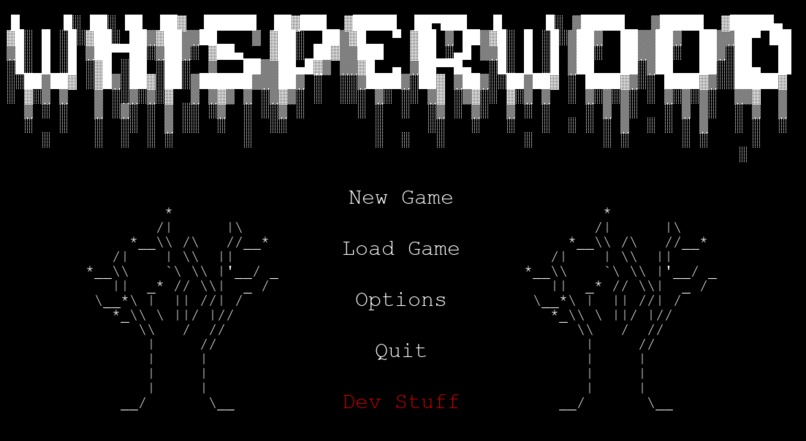
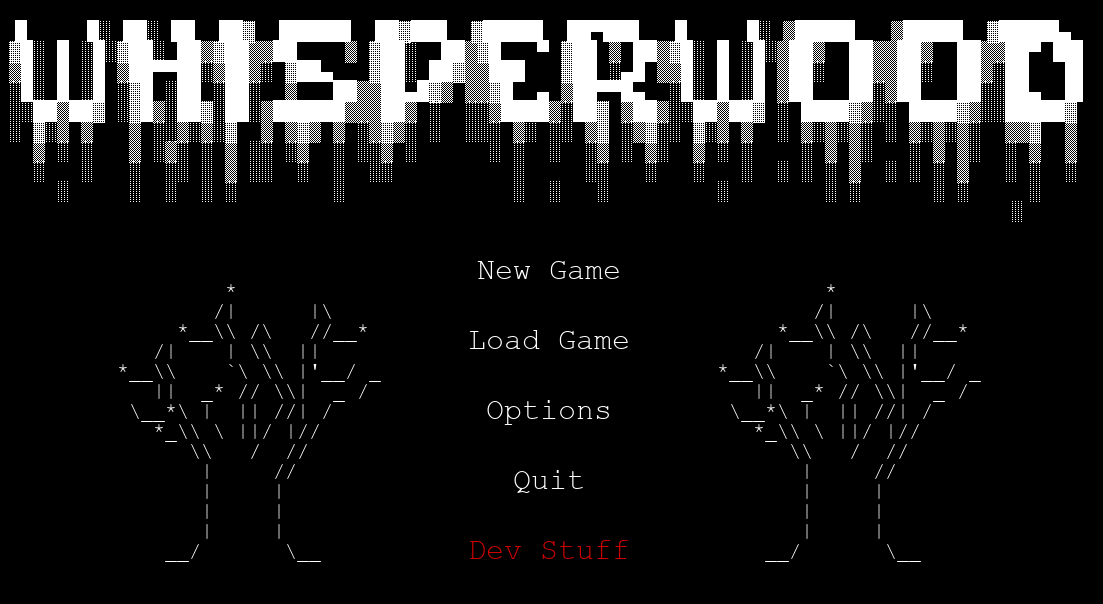
Whisperwood Title Screen with Dev Tool
-
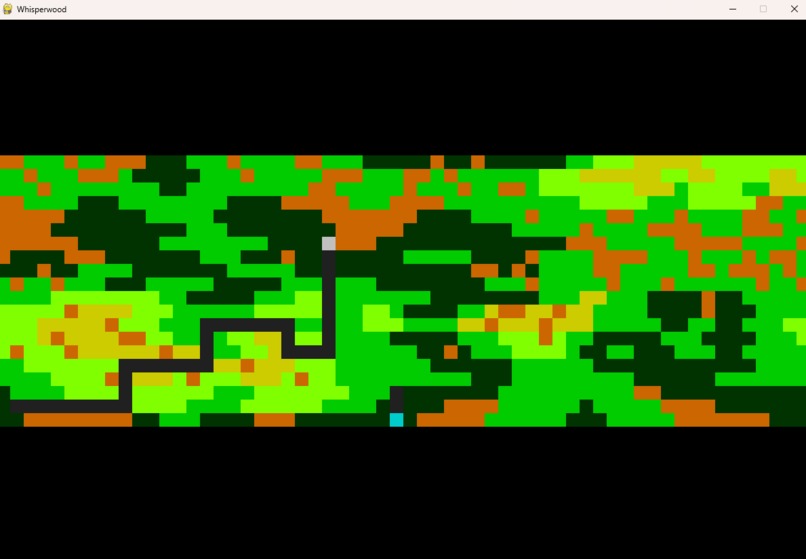
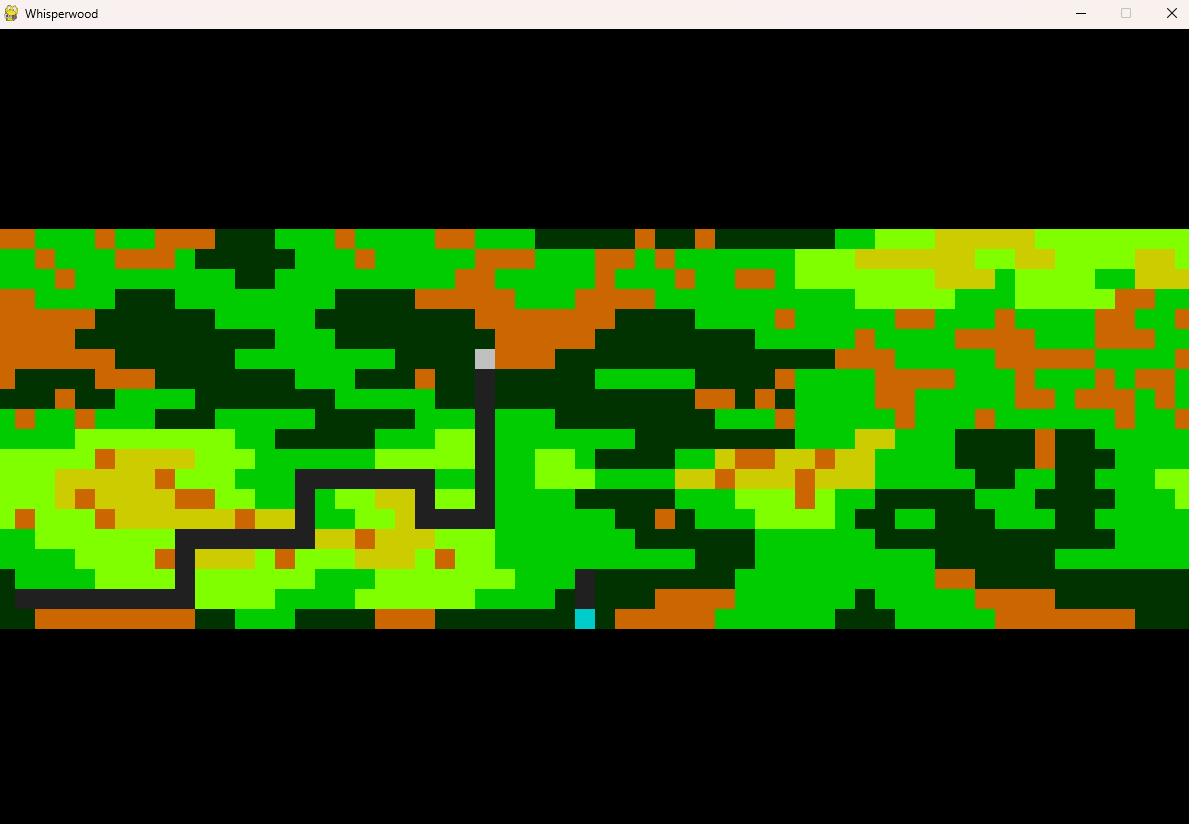
Map exploration
-
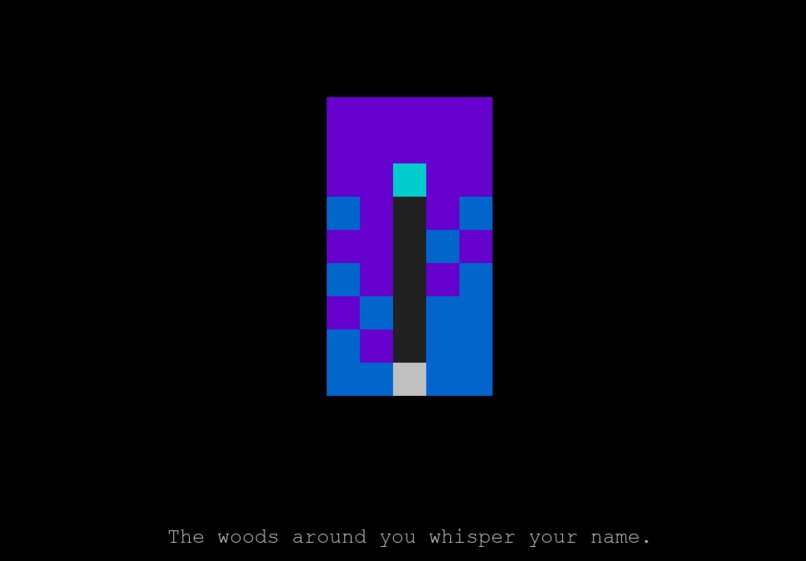
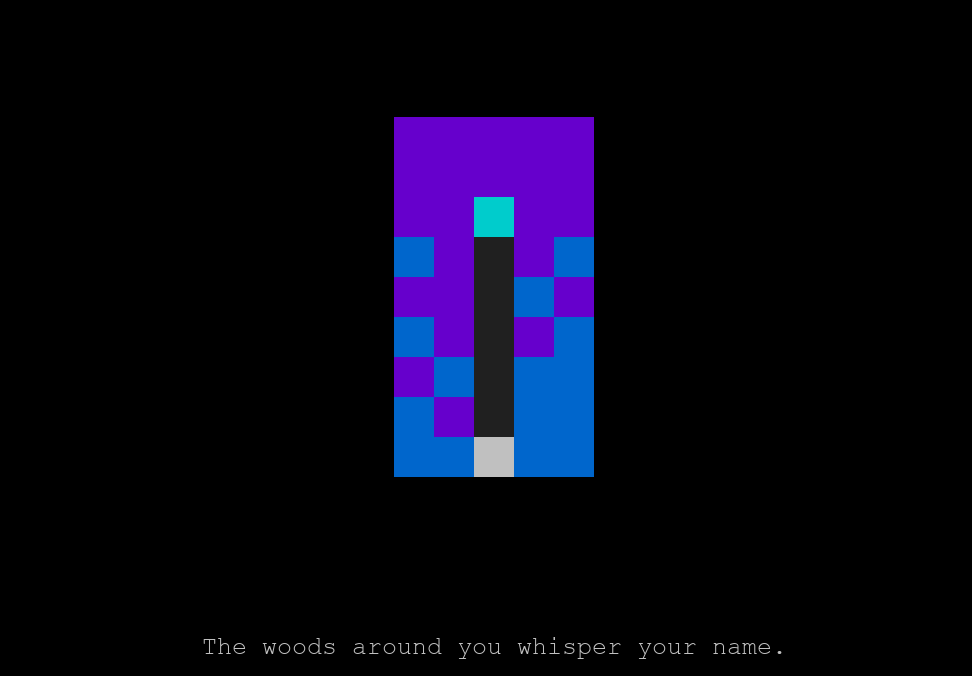
Game Screenshot in intro sequence
-
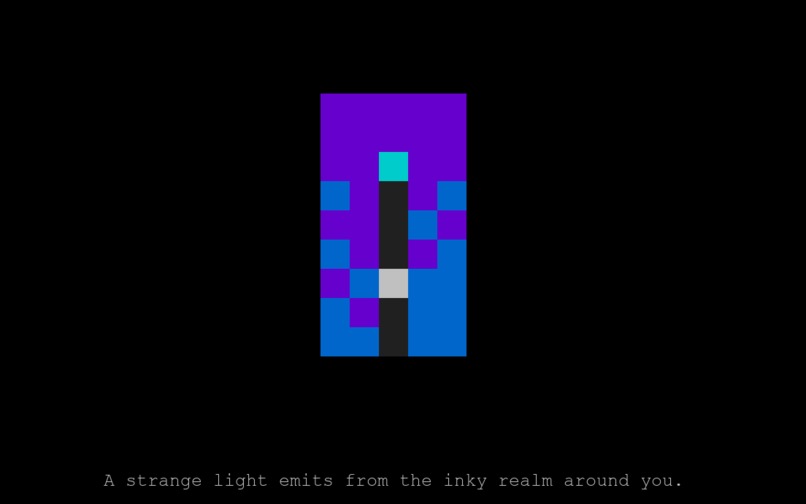
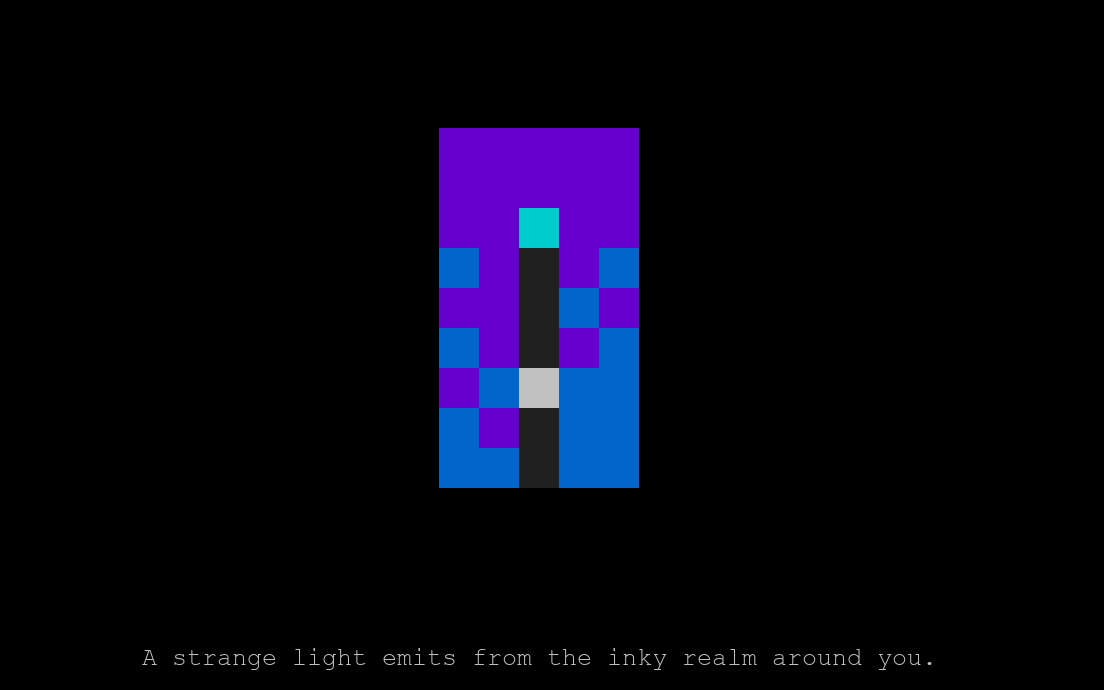
More intro sequence dialogue
-
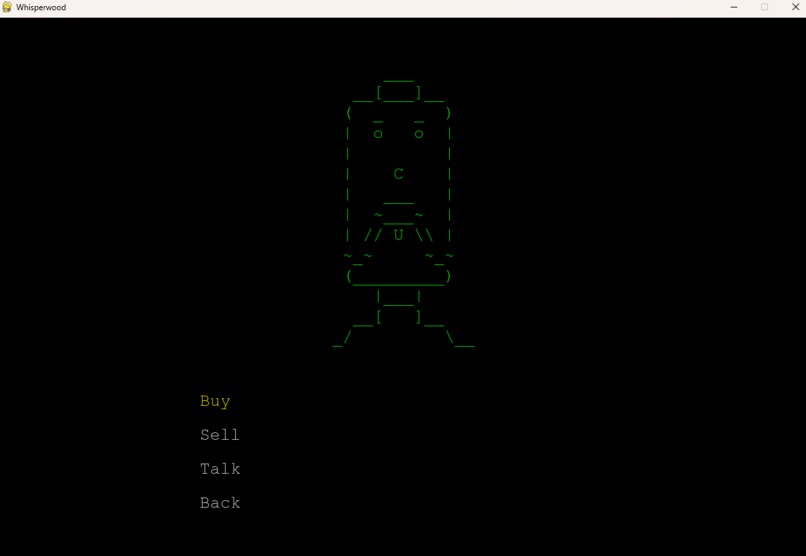
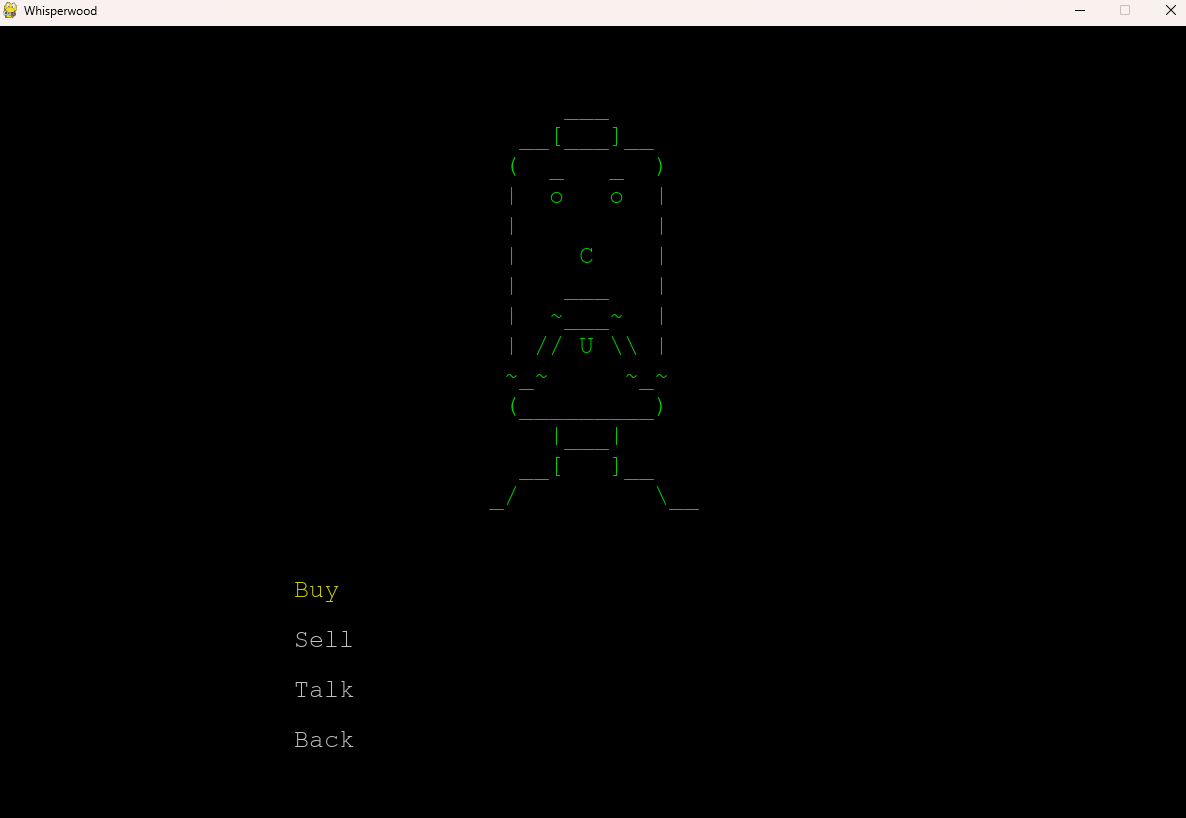
NPC interaction
-
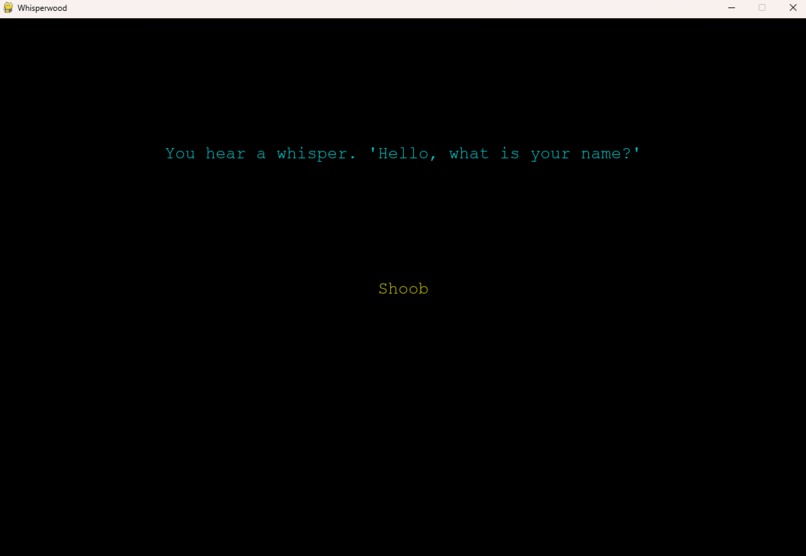
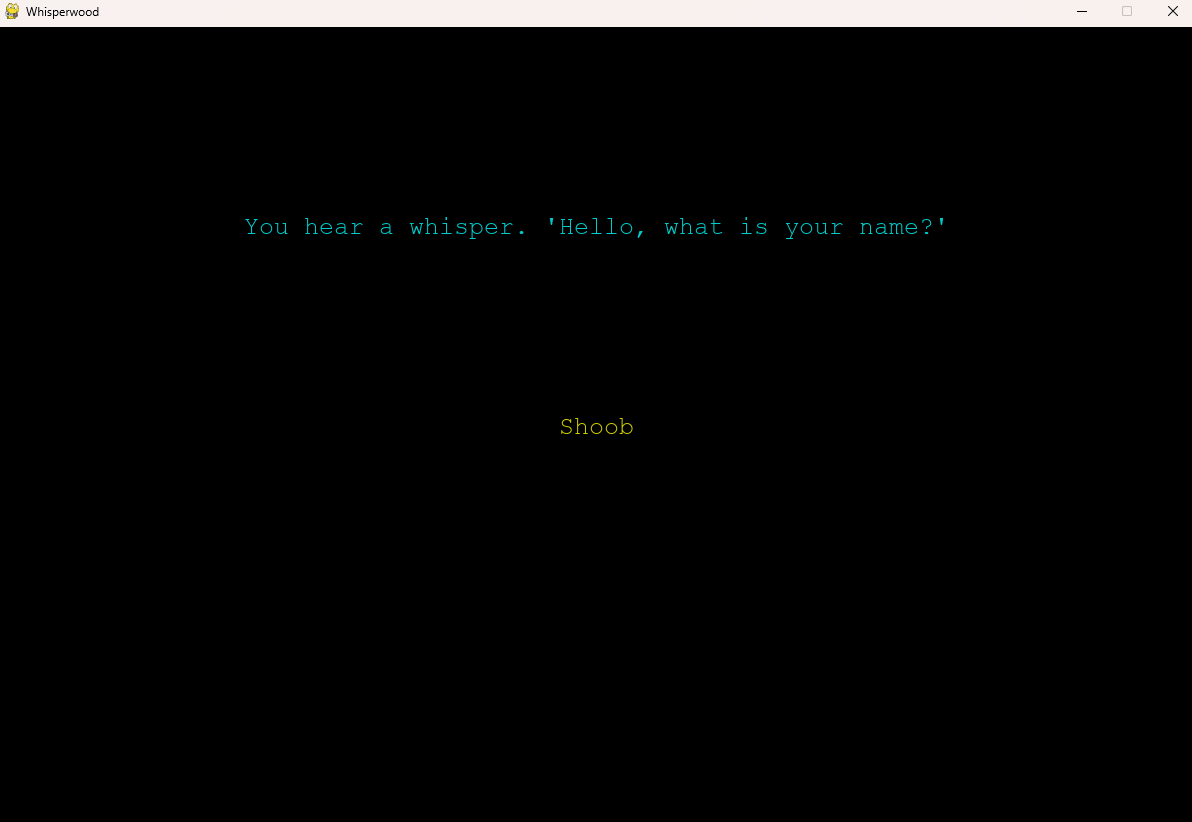
Spirit asks player for their name
-

The spirit speaks again
-
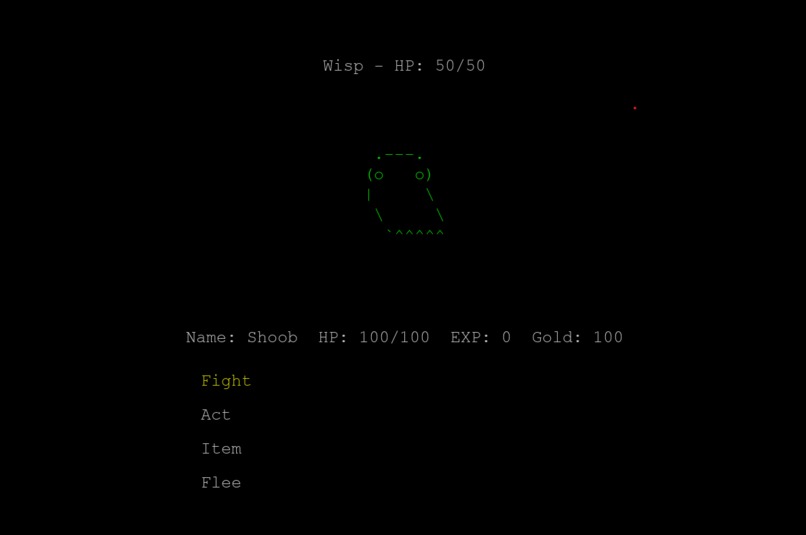
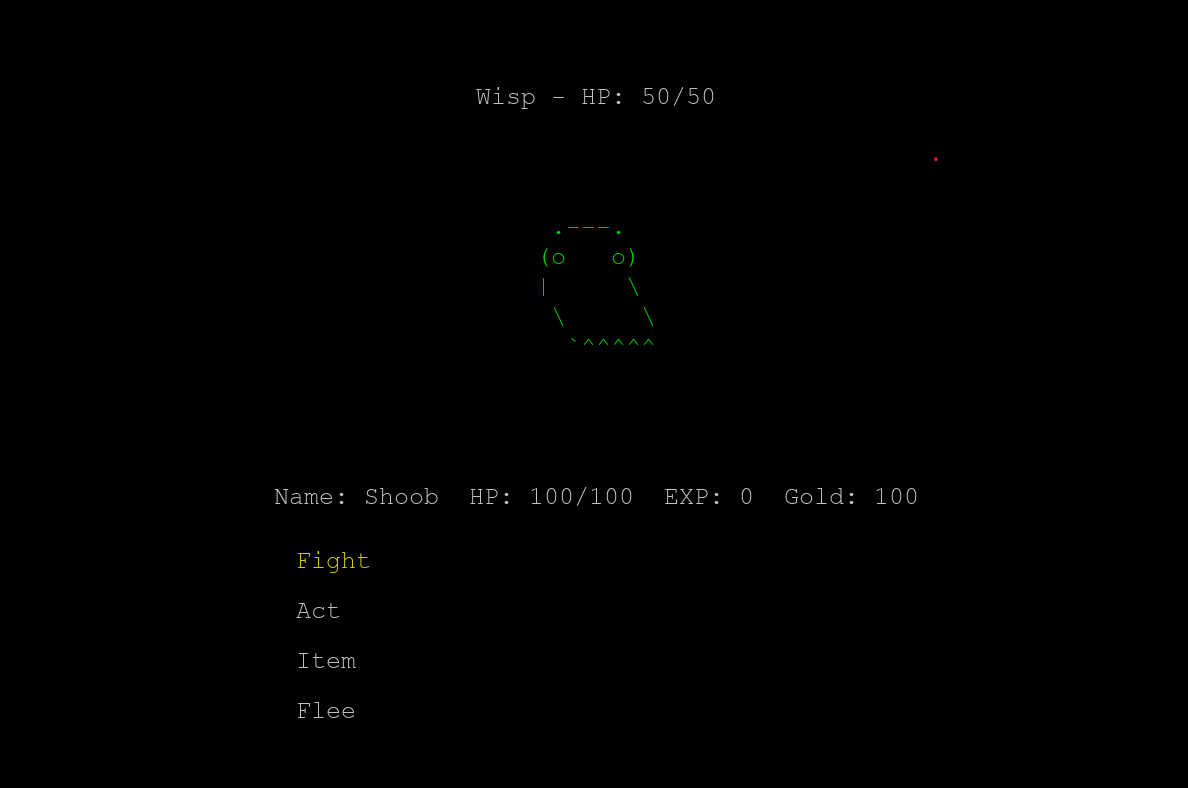
Combat Sequence 1 - initial page
-
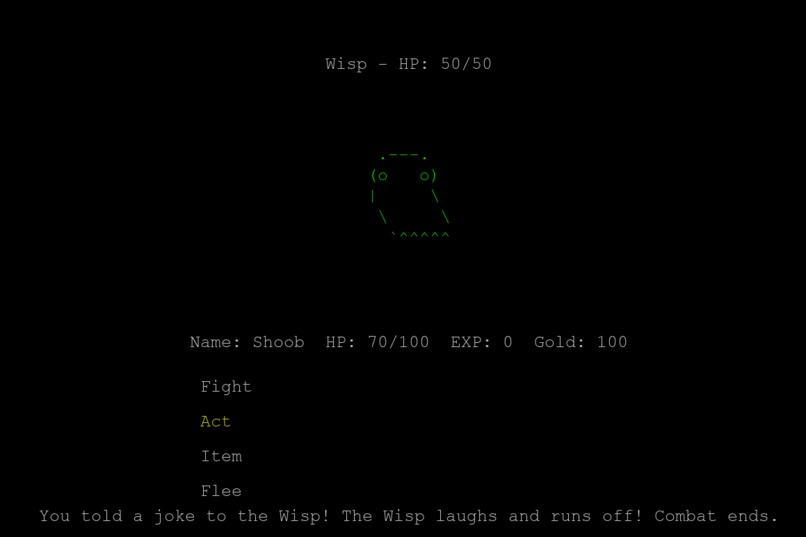
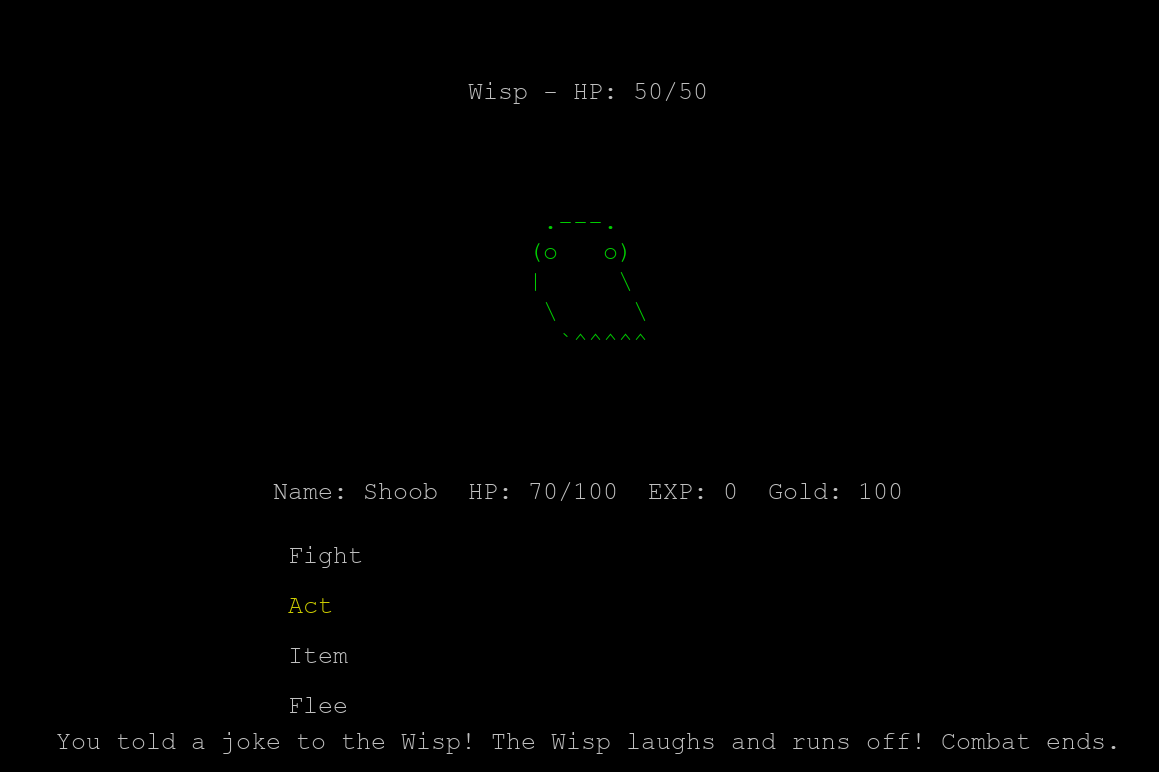
Combat Sequence 2 - peaceful route
-
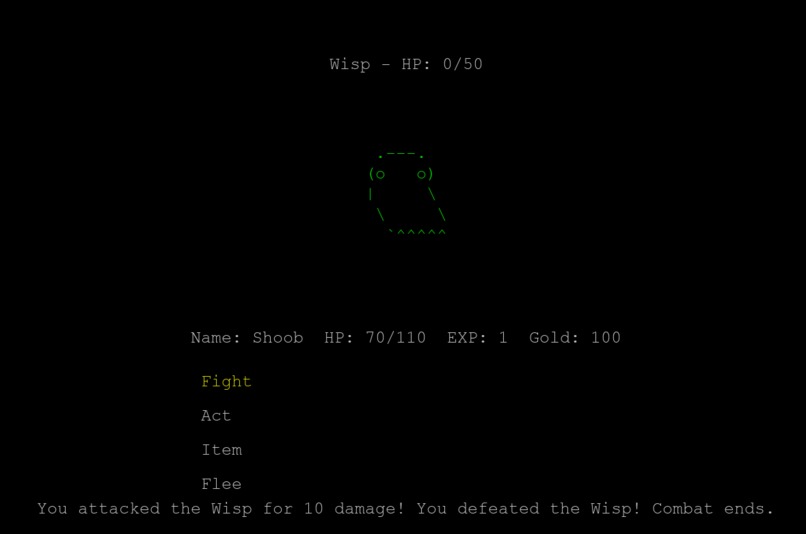
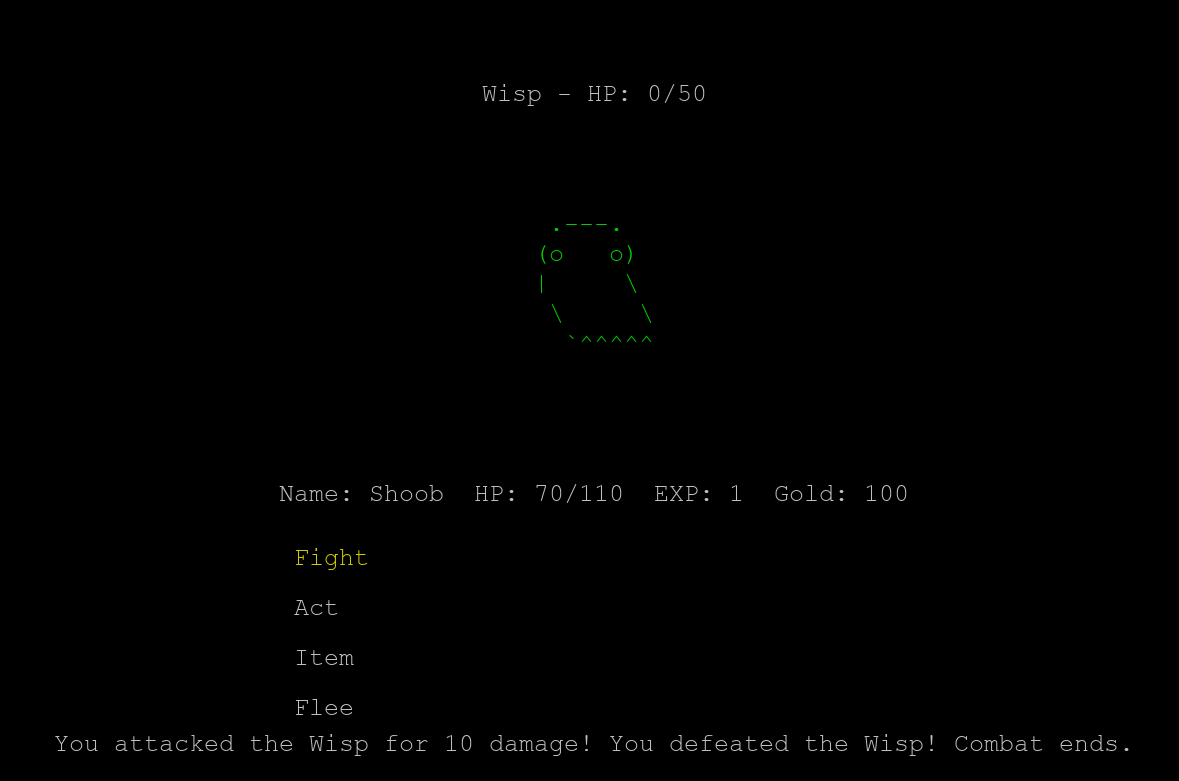
Combat Sequence 2.5 - violent route (note the EXP gain here as well)
-
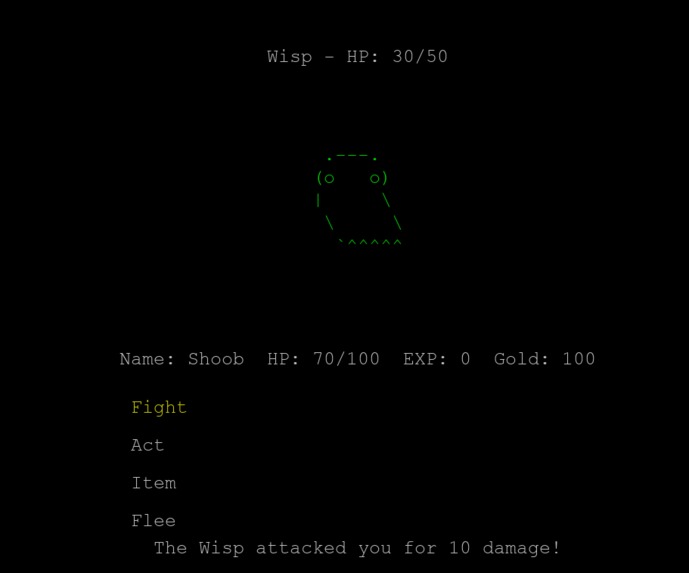
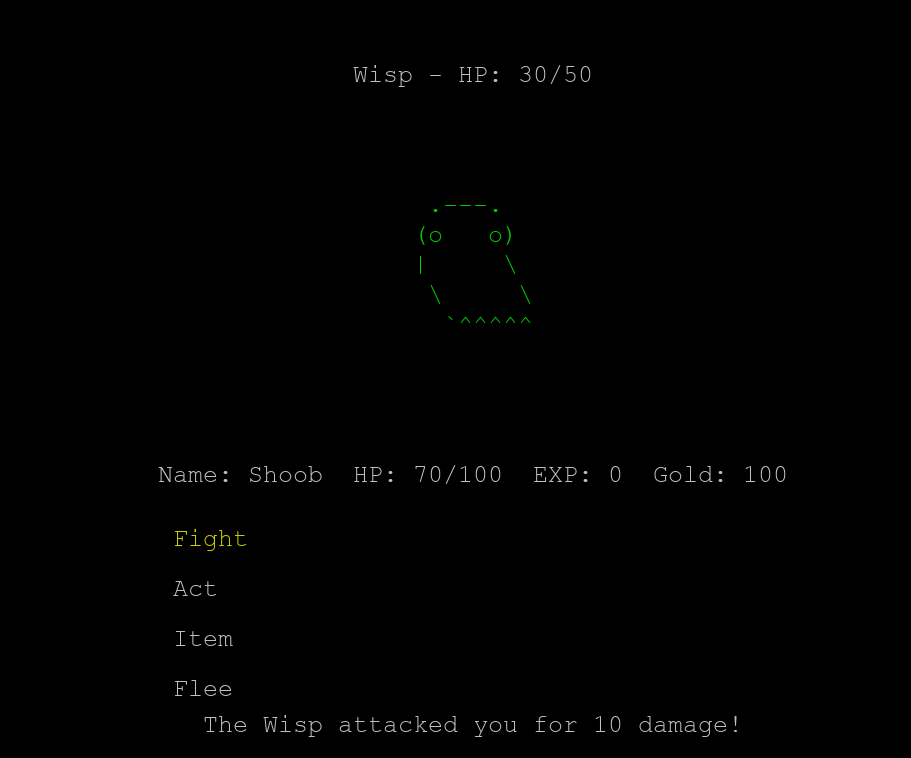
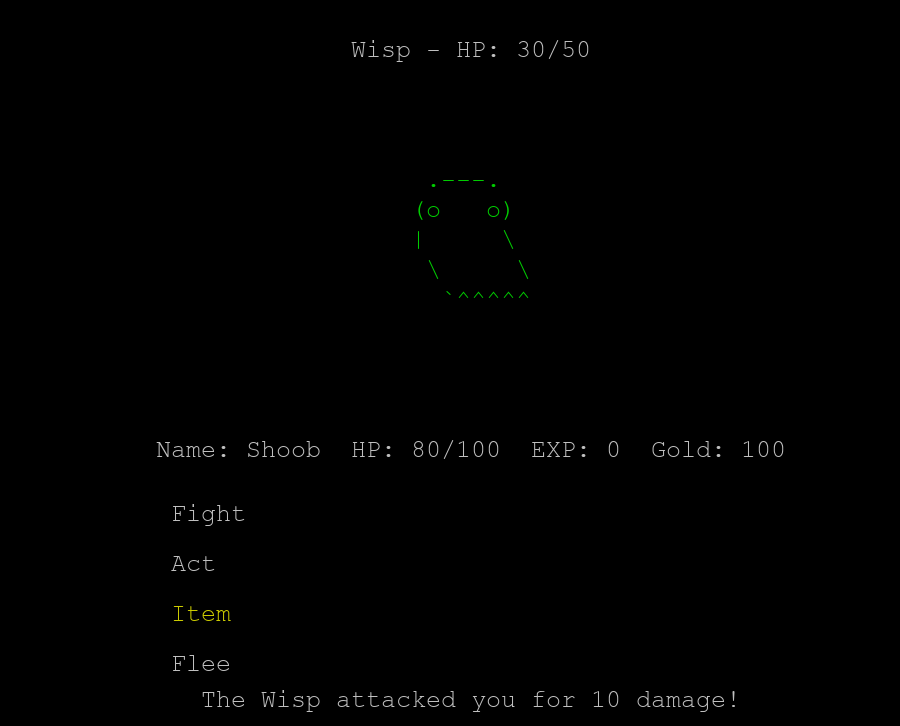
Combat Sequence 3 - before potion used
-
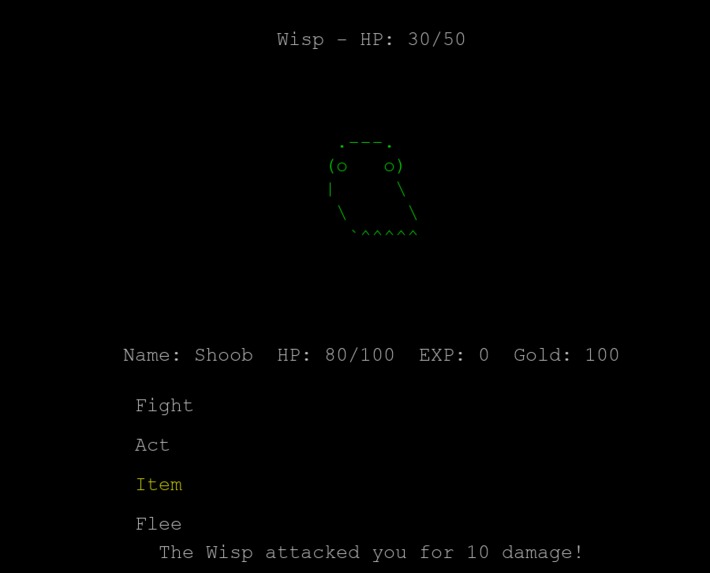
Combat Sequence 3.5 - after potion used
-
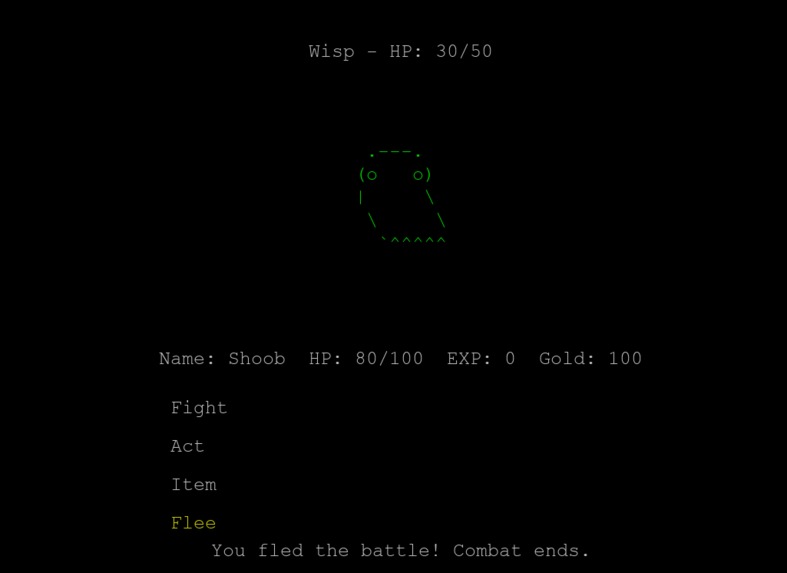
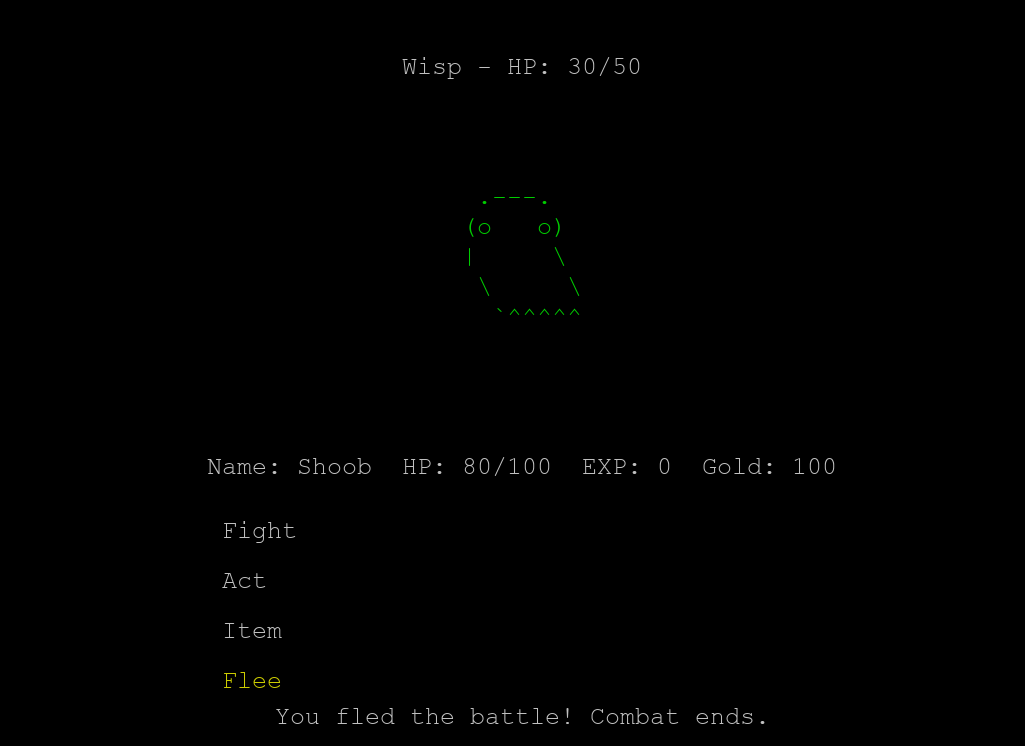
Combat Sequence 4 - fleeing the battle
-
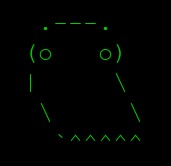
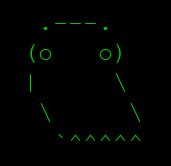
Wilbert the Wisp

Inspiration
Whisperwood draws its inspiration from nature, retro style text rpg games, and the occult (what a mix, right?). Inspired by the retro feel of Back to the Future, we aimed to create a narrative-driven experience similar to technology of that era. We wanted to design a game that also had replay value and allowed for exploration and meaningful choices, so we were inspired by various games and their systems, such as Undertale, Persona, etc.
What it does
The game in its current state has only a portion of the features we set out to create. Upon running the program, we have our title page functionality, which will allow you to navigate to our other functionalities the app offers. New Game will begin your adventure into the world of Whisperwood. We have also included a list of "Dev Stuff" which is 3 major components the game will be using, the combat system, npc interaction, and the world exploration template. This allows us to see how core components would work, and it gives you a chance to see it as well! We hope you enjoy the small glimpse into this world of Whisperwood!
How we built it
Using PyGame, our game creates an instance of the GameInstance class, which will provide the intermediary functionality between the display and the various display states that come from the different GameState class instances. Each of these different GameState objects can also access various resources such as ASCII art, color styling, and text styling.
Challenges we ran into
We ran into handful of different challenges, and some were apparent from the beginning. Only one of our team members was familiar with coding, and he was already working with a python library that he did not have a very high level of familiarity with. Whisperwood’s story development was also very slow at first, having to rethink the game's pacing and make sure elements weren't rushed, but also finding a balancing act to keep the games scope reasonable. We also encountered technical challenges, particularly with integrating the combat elements into the gameplay seamlessly, as the way we were updating our display originally was causing the program to crash. We resolved these display issues however, but we were unable to achieve a significant distance into the story due to time constraints.
Accomplishments that we're proud of
We were able to develop an expandable object system that can be expanded upon via the GameState class, allowing us to create even more scenes and gameplay options for the player to explore in the future. We are also proud of the many different creative resources that were created for this project, like the various ASCII art and the ambient game audio, giving us the chance to explore different creative mediums and include them in our project.
What we learned
- More familiarity with PyGame
- Learning about UI rendering, and using resources such as audio
- Object Oriented Programming
- Creation of ASCII art
What's next for Whisperwood
Looking ahead, we plan to expand the narrative with additional content and new characters, further enriching the world of Whisperwood. We plan to also increase the amount of days for the story, As well as addin in-game audio to provide an even more player invoking experience.
Built With
Whisperwood was developed using Python, primarily using the PyGame library, which allowed us to create a flexible and engaging 2D experience.

Log in or sign up for Devpost to join the conversation.