Inspiration
Building WhisperNet wasn't just about entering a hackathon—it was a chaotic, gritty journey of pushing myself to the absolute edge. The idea sparked from wanting a practical, privacy-focused AI solution that integrates seamlessly with developers' workflows. I wanted something where your code stays yours, yet still leverages powerful AI insights. That’s how the concept of federated, privacy-first AI code reviews came to life.
What it does
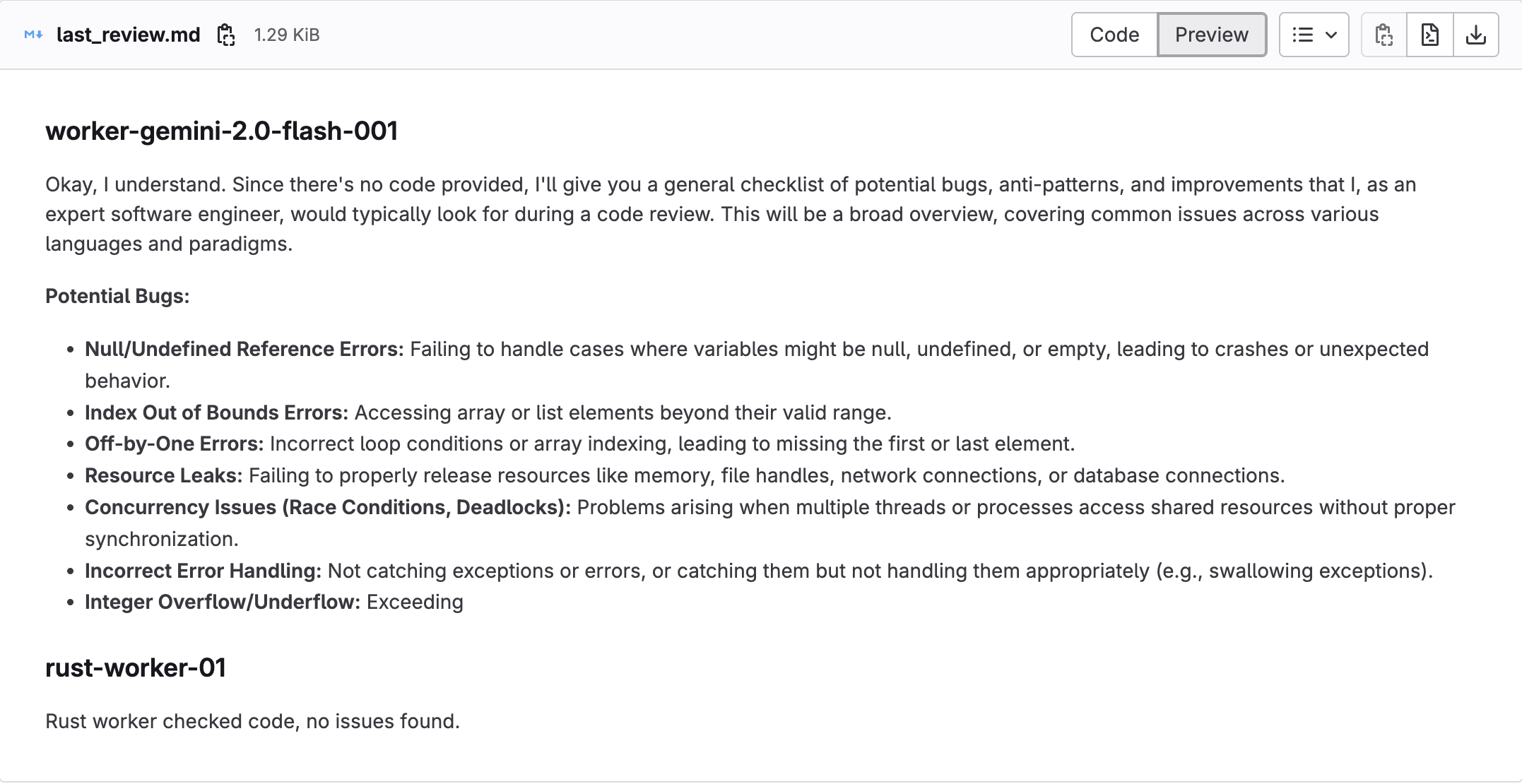
WhisperNet performs federated AI code reviews, keeping code private and secure while leveraging AI-powered insights. It integrates directly with GitLab via webhooks, automatically generating and posting code reviews directly into repository files, streamlining the developer workflow and improving code quality without sacrificing privacy.
How we built it
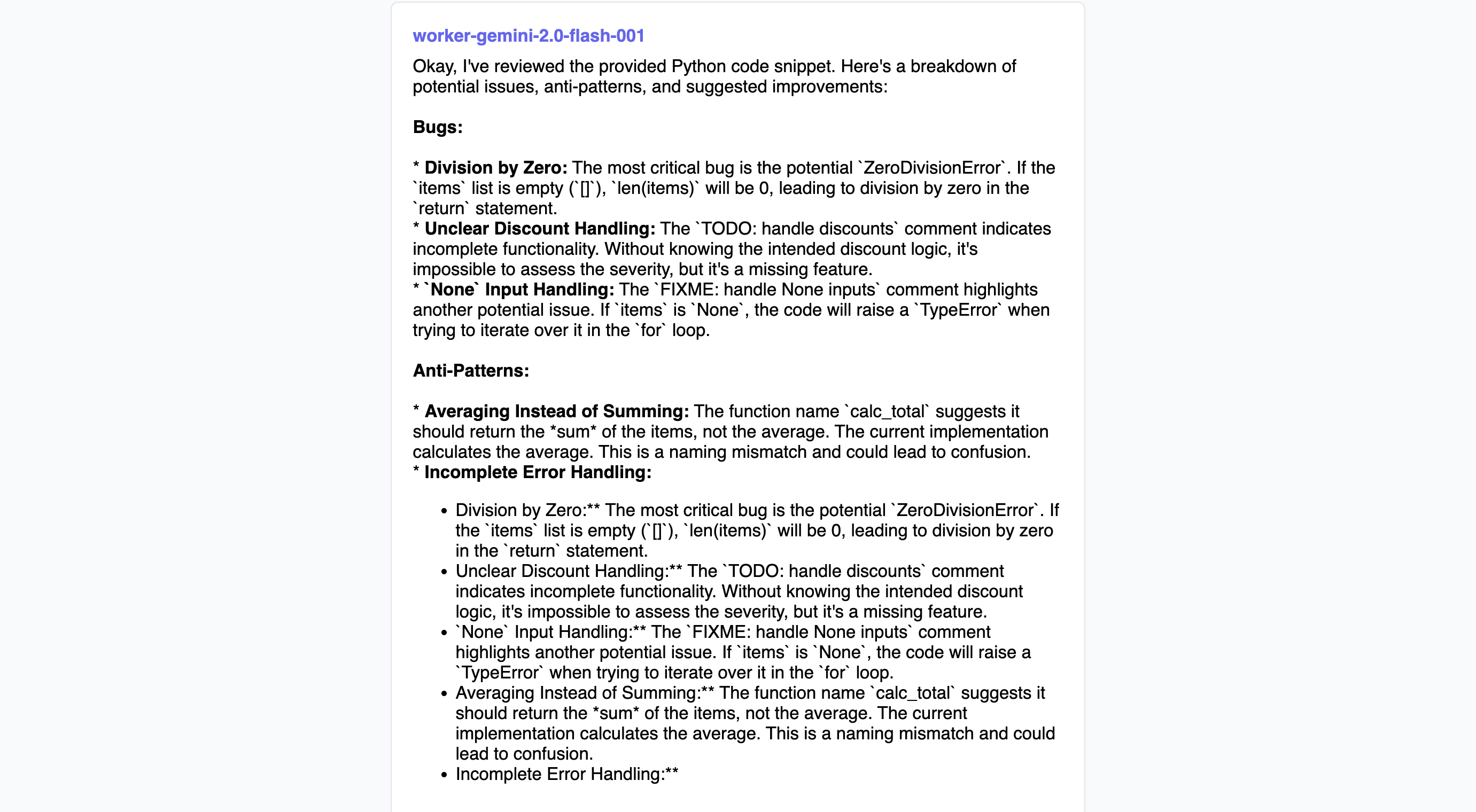
WhisperNet is built using FastAPI as the backend aggregator, Rust and Python for federated worker nodes, and Google’s Vertex AI (Gemini models) to generate actionable code reviews. It integrates deeply with GitLab through webhooks, automatically updating code reviews directly within repositories. For deployment, I leveraged Google Cloud’s Cloud Run, ensuring it’s easily scalable and publicly accessible.
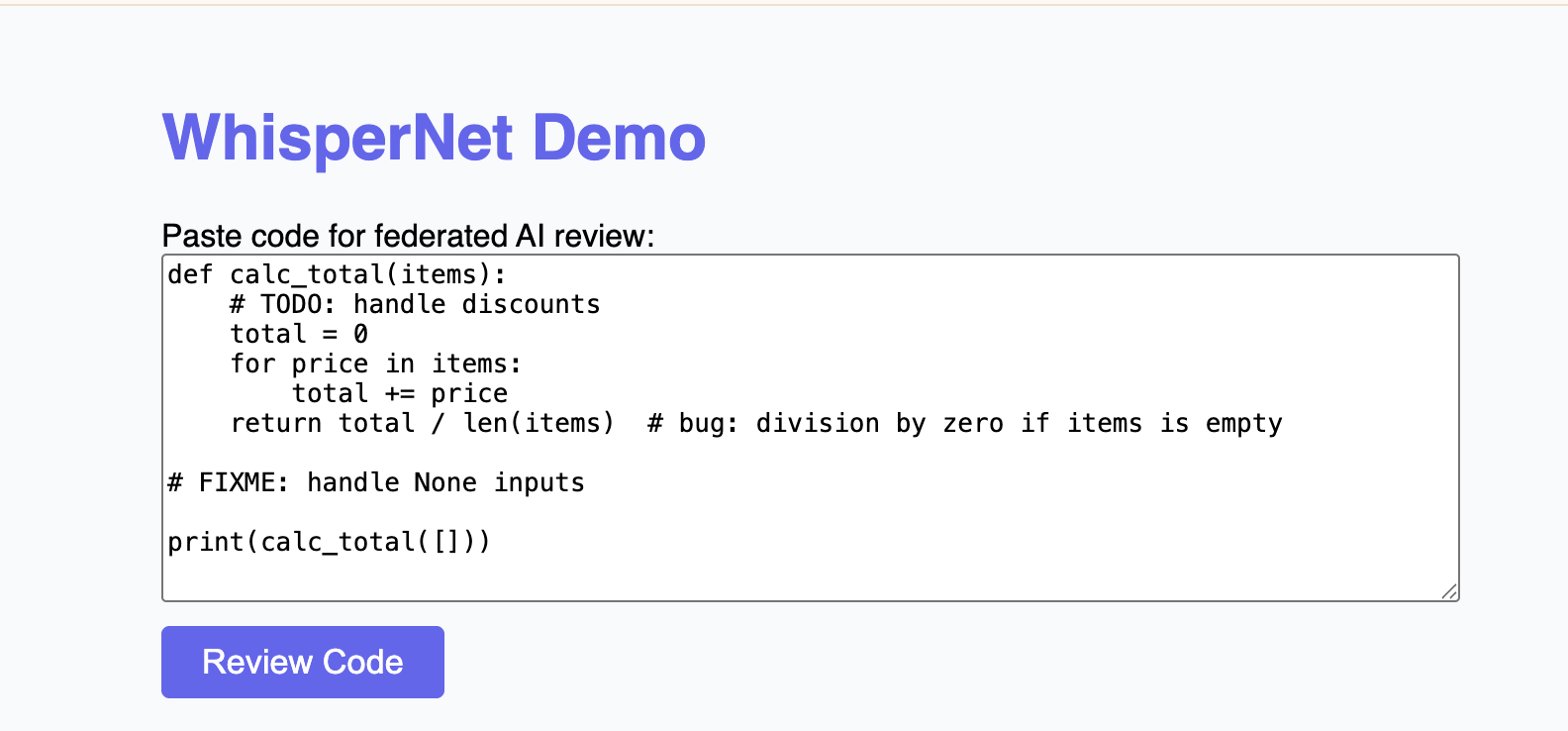
A simple yet powerful Alpine.js frontend allows users to interact directly with WhisperNet, reviewing code snippets live, in real-time.
Challenges faced
Where do I even begin? Gemini API permission issues, broken Docker builds, confusing Cloud Run setups, regex nightmares, infinite loops of deployment errors, and a particularly stubborn integration with GitLab’s API. Each challenge felt like a wall, and I had to climb each one, often in sheer frustration. But those late-night battles, those raw moments when nothing seemed to work—those were what truly made WhisperNet real.
Accomplishments that we're proud of
- Successfully integrating complex technologies (Google Cloud, GitLab, Vertex AI, Docker, Rust, Python, and Alpine.js) in a single cohesive platform.
- Overcoming numerous challenging issues including API integrations, deployment errors, and UI responsiveness.
- Achieving a functional, federated architecture that genuinely respects user privacy and data sovereignty.
What we learned
This project was a baptism by fire into the realities of integrating multiple tech stacks. I learned Docker, Google Cloud, GitLab integrations, Vertex AI, FastAPI, Alpine.js—and just how many things could go wrong in a single night. But beyond tech skills, I learned persistence. This wasn't smooth sailing; it was a messy, chaotic battle that taught me to push through frustration and chaos until something magical emerged.
What's next for WhisperNet
- Enhancing the AI models with fine-tuning capabilities for specialized code review tasks.
- Expanding integrations to include other platforms beyond GitLab.
- Adding features like real-time collaboration, deeper analytics, and customisable rules for code reviews.
- Continual refinement of the user interface and overall system performance based on user feedback and testing.
Final Thoughts
WhisperNet isn’t perfect, and that’s okay. It's messy, and a testament to the sheer force of stubbornness, curiosity, and a refusal to quit—even when it would've been easier to walk away. This wasn't just a hackathon project; it was proof to myself of how far I can push when I truly care about what I'm building.
Thanks for joining me on this wild ride. Here's to building messy, beautiful things—and learning along the way.
Built With
- alpine.js
- apis
- cloud-services
- gitlab-webhooks
- google-cloud
- httpx
- python
- rust
- shell-scripting
- vertex-ai

Log in or sign up for Devpost to join the conversation.