-
-

Logo
-
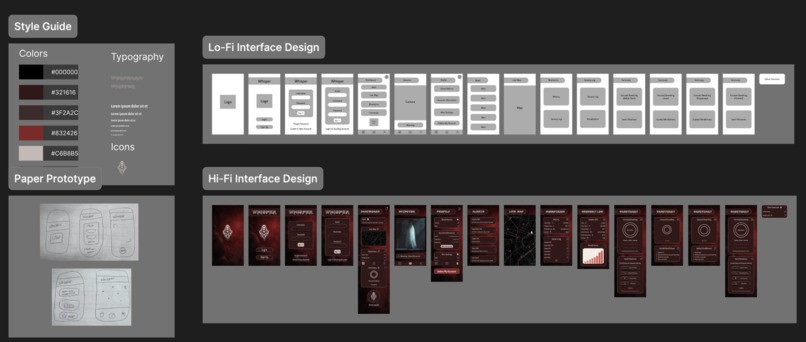
Design Iterations
-
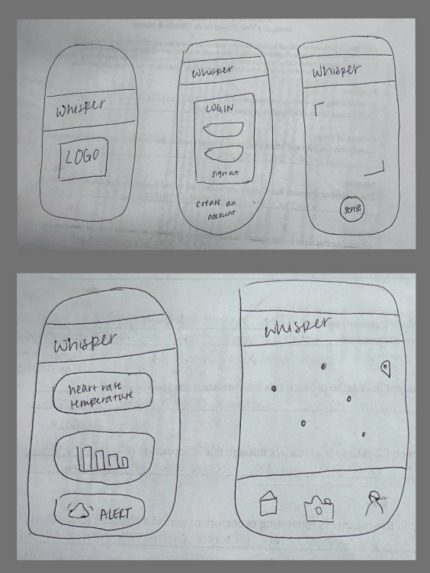
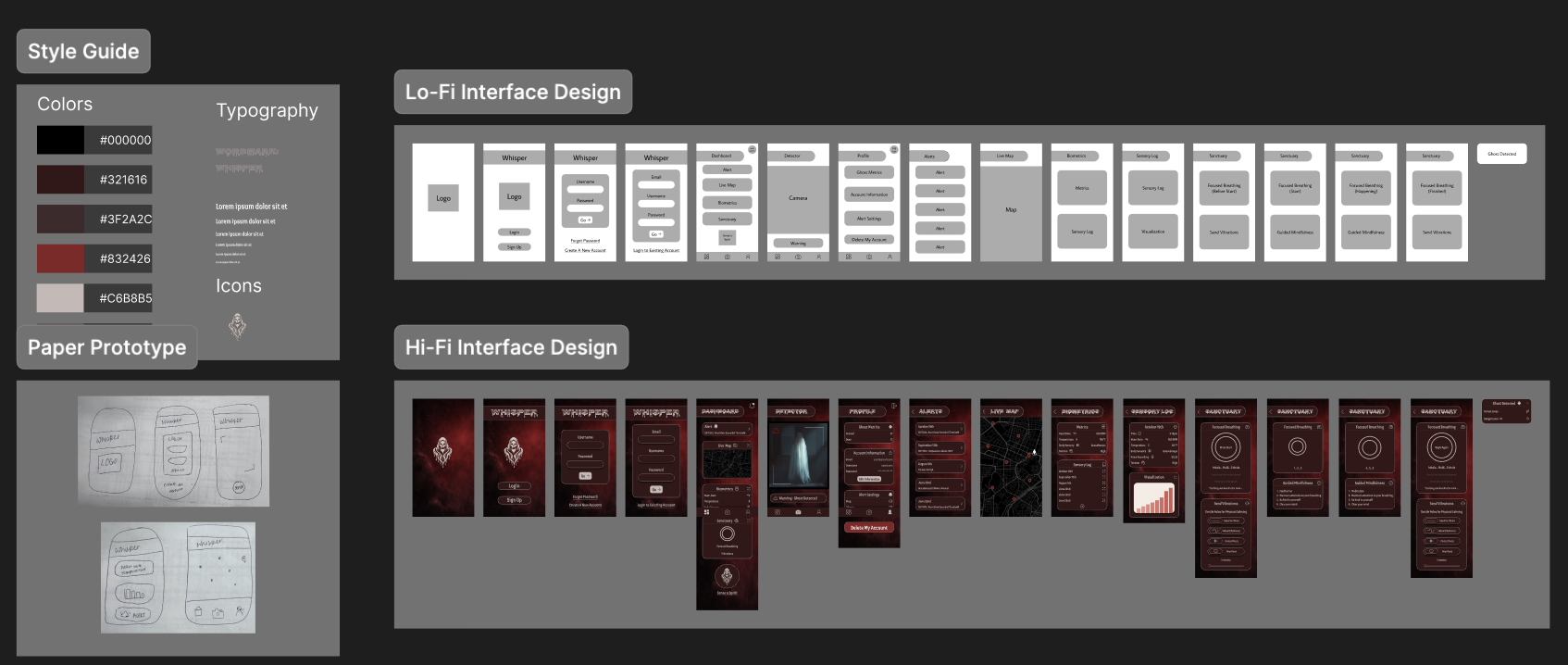
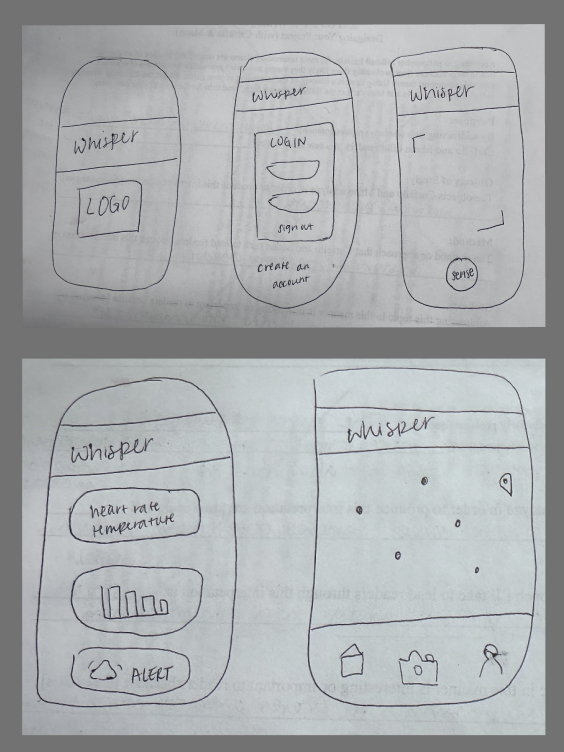
Paper Prototype
-

Lo-Fi Prototype
-
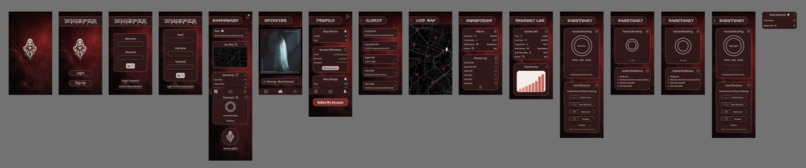
Hi-Fi Prototype
-
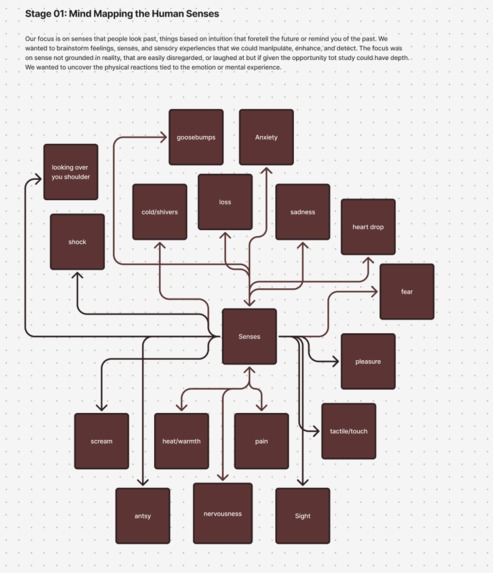
Mind Map
-
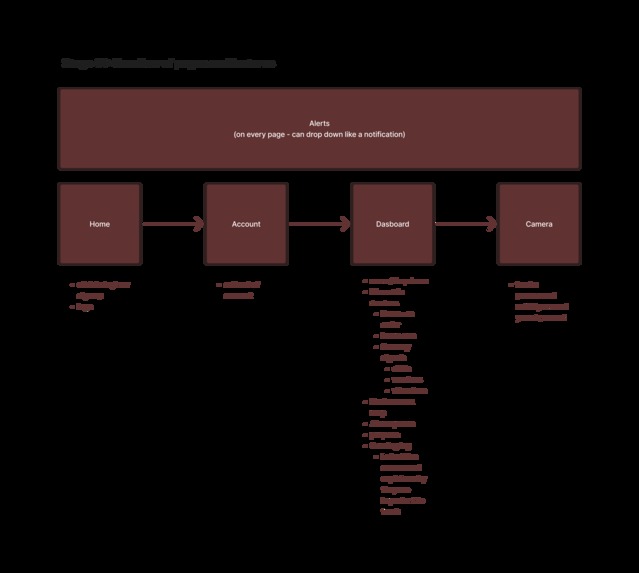
User Flow
-
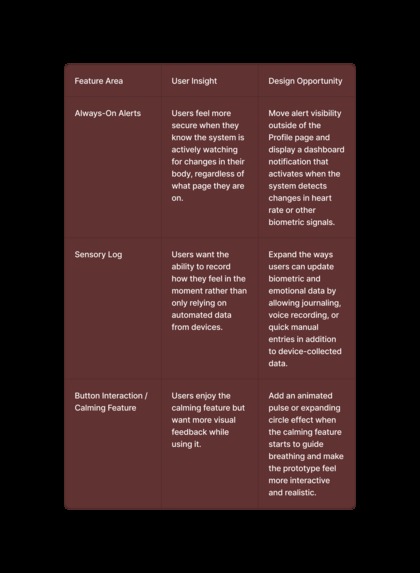
User Testing


Inspiration
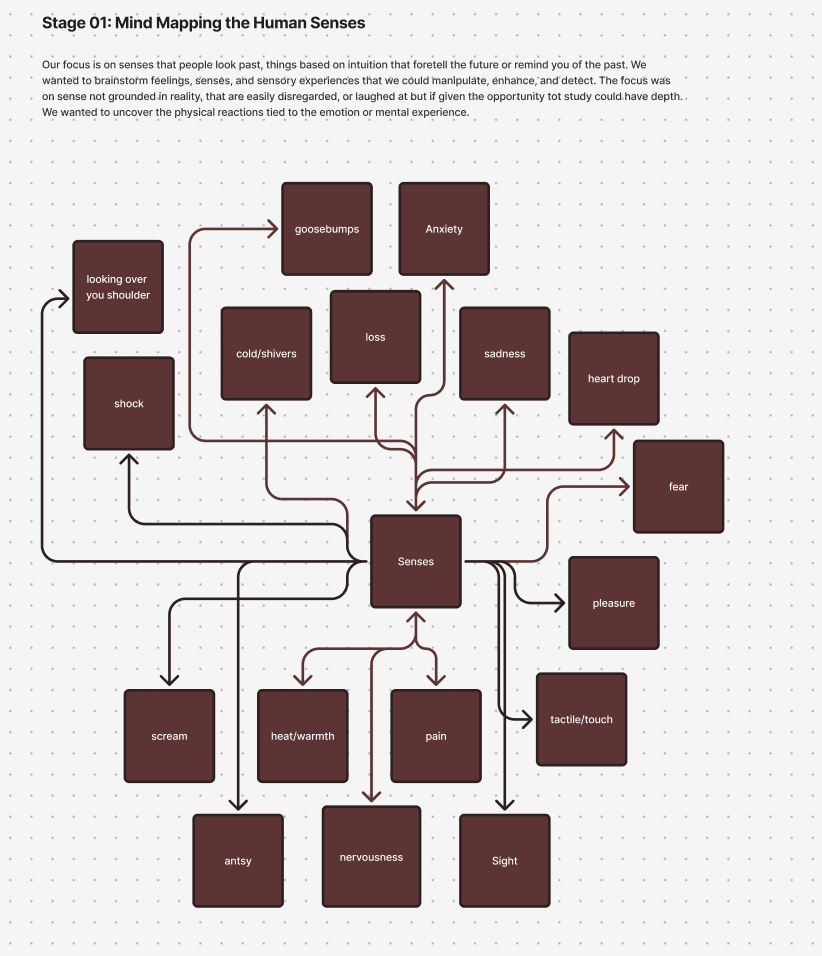
We began our project inspired by the human sixth sense. Our focus was on senses that people look past such as things based on intuition that foretell the future or remind you of the past. This ability feels the closest to a super power as it is not something grounded in reality and can be easily disregarded or laughed at, but if given the opportunity to study could have depth. We wanted to uncover the physical reactions tied to the emotion or mental experience of the fear of the unknown.
What it does
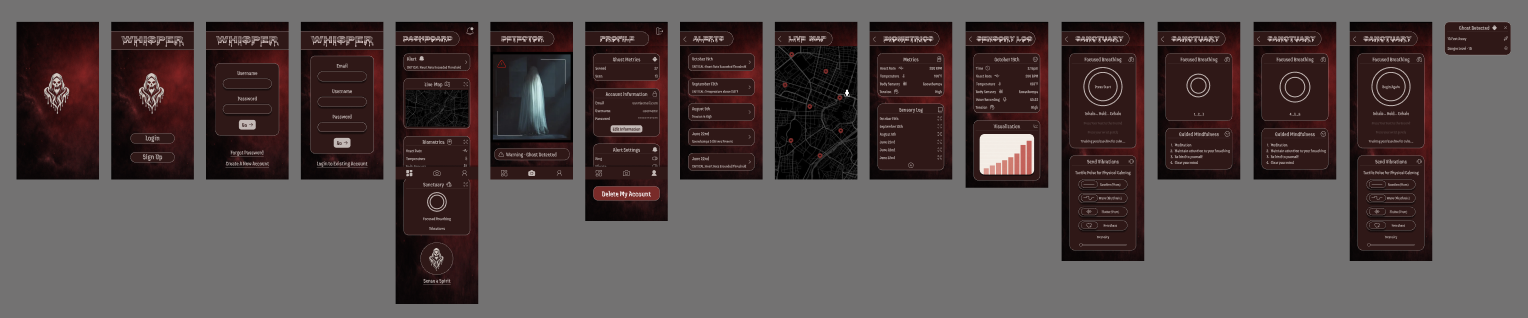
From there on, we began identifying the intended use and purpose of our app. Whisper is designed to capture the paranormal triggers of anxiety, that sudden shiver, heart drop, or unexplained whoosh of breeze, that often leave people searching for answers in an empty street. By mapping these visceral physical reactions against real-time biometrics like heart rate, tension, and temperature, Whisper transforms the confusion of a sixth sense into a state of affirmed awareness. Through a specialized set of tools such as guided breathing, calming vibrations, camera detection, and a live map, the app empowers users to label their fear and reclaim their inner sanctuary. Ultimately, Whisper’s goal is to transform the user from a state of haunted unease and discomfort to one of self-empowered clarity, providing the digital support needed to face the unknown with confidence.
How we built it
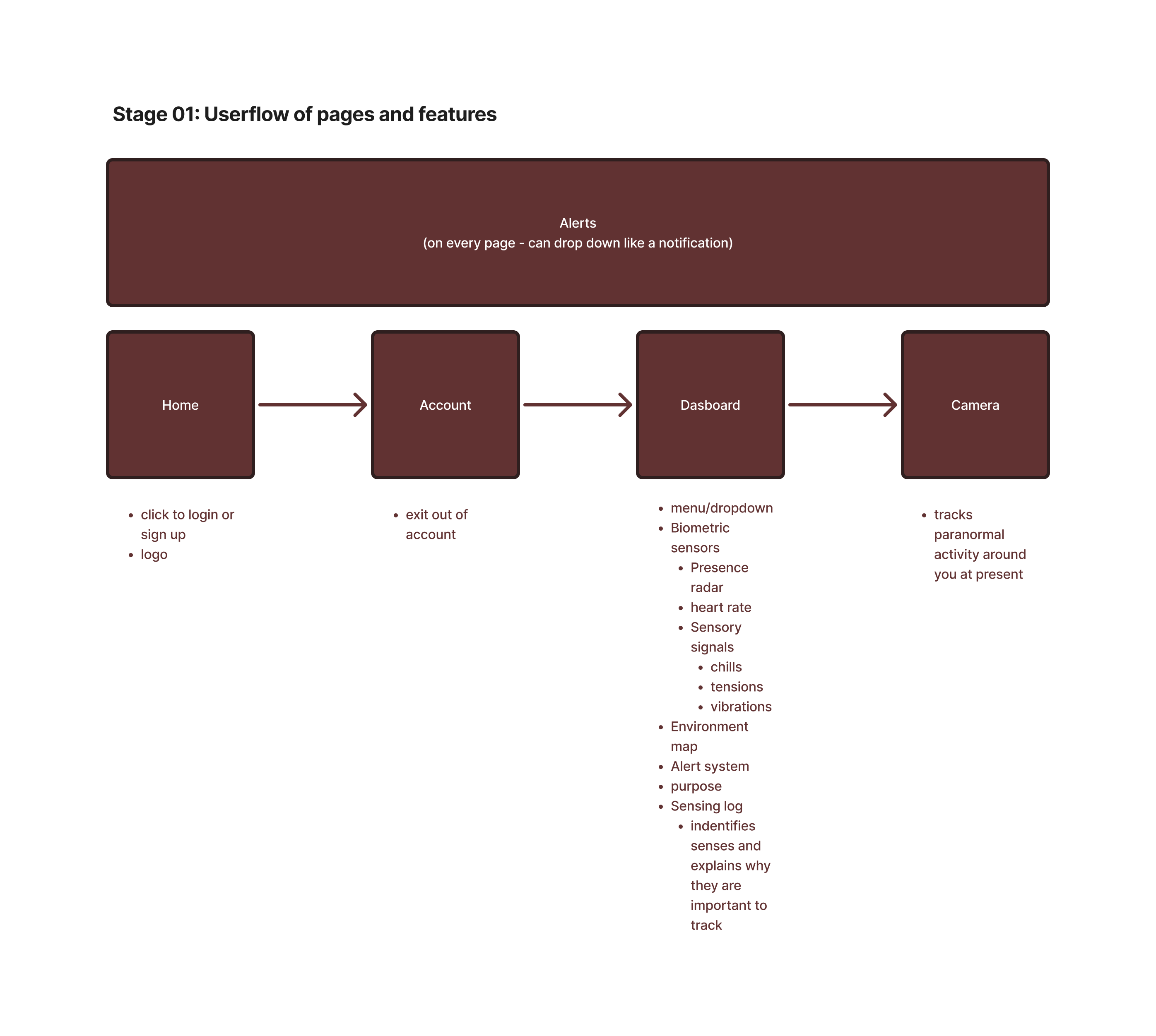
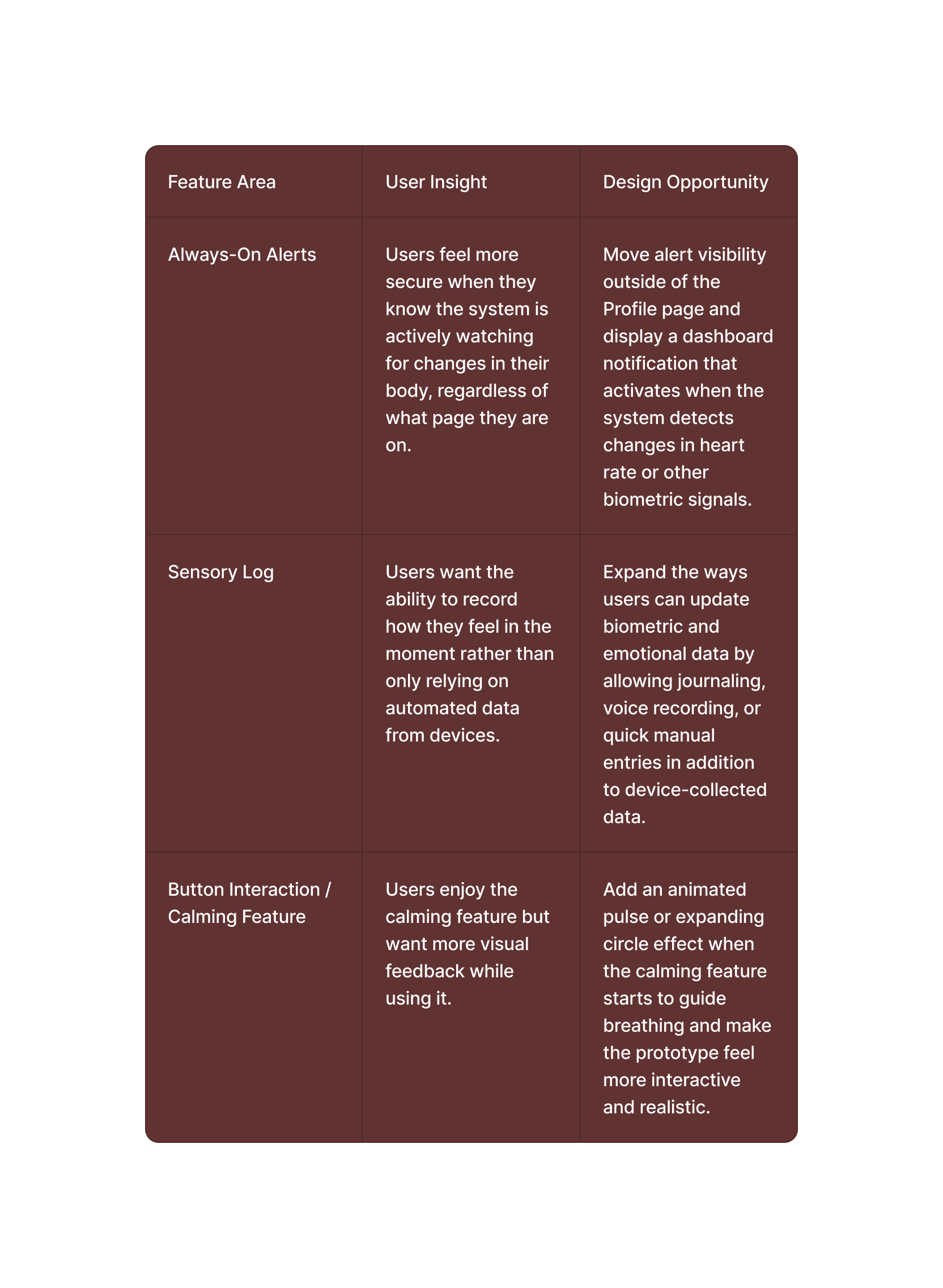
To be successful, we identified five stages that we wanted to undergo during our design journey: Research and Understanding, Ideation and Exploring, Prototyping and Testing, Refinement, and Reflection. We broke down each of these stages into their individual components such as user research, mind-mapping, paper prototyping, lo-fi prototype, and high-fidelity prototyping. In between each stage we focused on gathering our insights and user feedback to better inform our design process.
Challenges we ran into
Some challenges we ran into initially were how we wanted our user to feel grounded after recognizing that they were anxious or uncomfortable. We wanted this to be different from a calming app because we wanted the user to transition from not just a state of unease but to confidence and self-assurance. That is how we came up with the idea of a live environment map and specialized detection camera, so that the user could also overcome their fear.
Accomplishments that we're proud of
This was our first Fig-build. We jumped right in not knowing what to expect as a team of 2. We are incredibly happy with what we were able to accomplish, but more importantly, the niche story we were able to tell. It felt liberating to come up with a unique idea that was not grounded in reality and take the risk as a designer to push the boundaries of our creativity with such a quick deadline.
What we learned
We learned how to most appropriately approach the design process, but also trust our intuition and sixth sense when we first came up with the idea. With all the nervousness and discomfort we were feeling due to being put in a brand new situation for the both of us, we ourselves went on a physical and mental journey showing that we can be successful when we put our anxiety and self-doubt to the side and just create an enjoyable and interesting user experience.
What's next for Whisper
We hope to further Whisper by elaborating on even more possible features and guiding the users through more practices in order to build confidence and self-assurance. While it might not seem like a project that can truly be built out realistically, we would like to give it a try and incorporate a horror game for users drawn to paranormal activity. Overall, our aim is to continue to have fun designing inclusive user experiences as our journey with Whisper does not end here, when the pathway to design is so fluid.
Built With
- figma
- hi-fi
- lo-fi
- paper


Log in or sign up for Devpost to join the conversation.