-
-
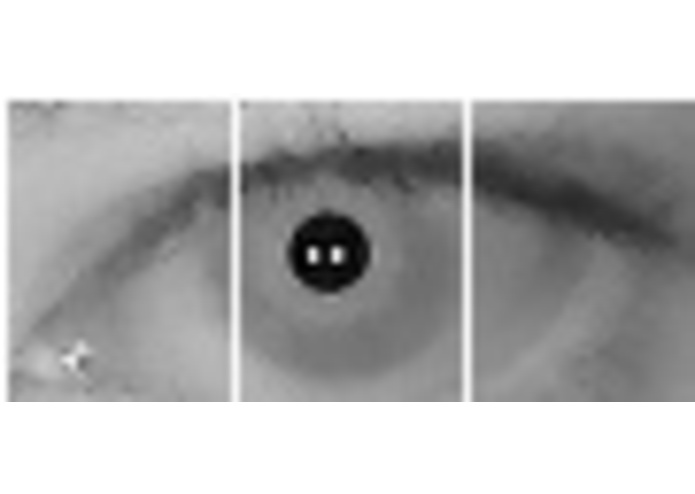
Stage 3
-
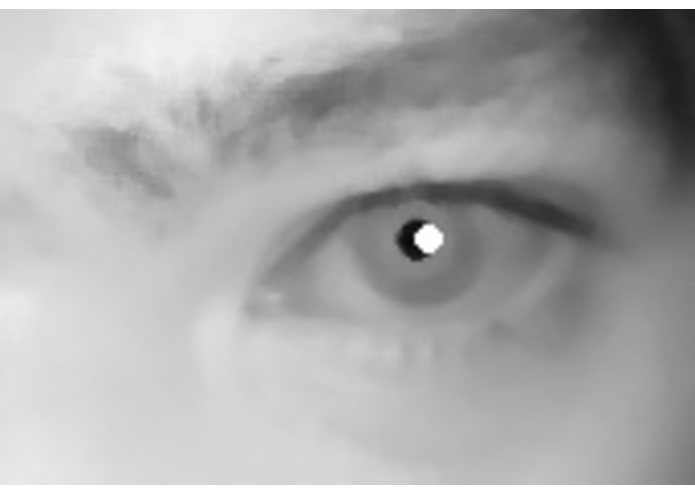
Stage 1
-
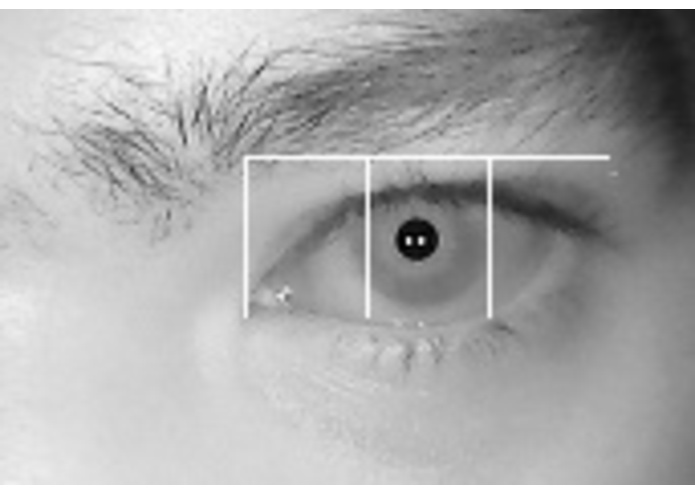
Stage 2
-
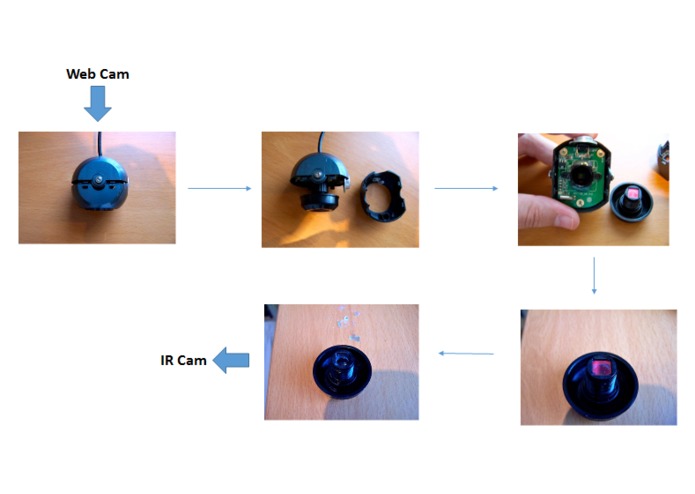
External Hardware
-
Final Output
-
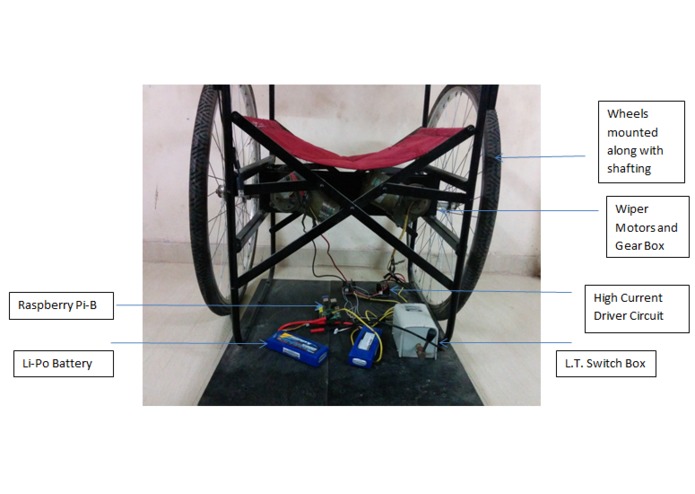
Wheelchair Specification


Inspiration
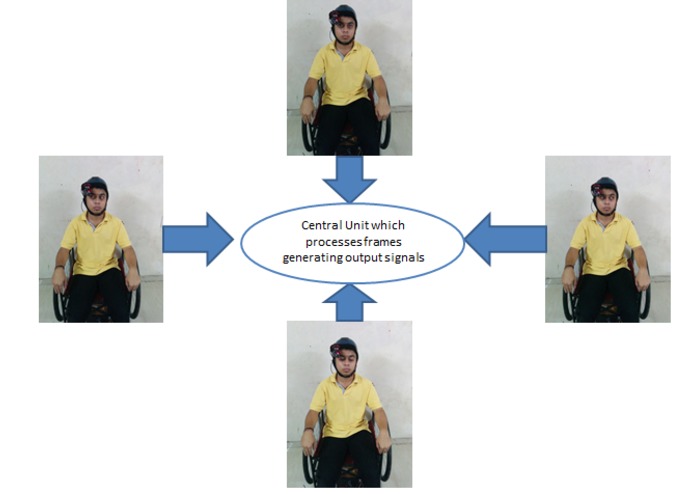
Any disabled person using wheelchair for his/her mundane one needs to pay additional attention for the movement of wheelchair. If a person is fully disabled but his/her eyeball in motion can make them self-determining rather than relying on someone. So foremost and the most critical task of the project is to capturing image from camera feed at regular interval and interpret the eyeball’s motion in a particular direction by analyzing and threshold the image. So dynamic motion of iris can guide the wheelchair in particular direction.
What it does
It identifies eyeball rotation's direction and controls wheelchair's motors for directing wheelchair. Alternatively it can also be controlled by android app if one wants to disable eyeball detecting feature.
How I built it
1) Initial development of efficient algorithm to detect eyeball in any lighting condition 2) Embed that code in faster processing unit like raspberry pi 3) Controlling wheelchair movement using Wiper Motors and Li-Po batteries
Challenges I ran into
Designing of wheelchair with minimum dead weight Battery weight minimum with high output current and voltage so we used 2 Li-Po batteries
Accomplishments that I'm proud of
We were able to implement it as complete product after spending 8-9 months engrossed fully in various aspects ranging from designing, software, hardware and integration.
What I learned
Open CV Raspberry Pi's maximum feature Intensive coding in Python Controlling motors with batteries by limiting current only up to requirement. Several Networking concepts Image Processing with maximum Precision and accuracy
What's next for Wheelchair Movement using Eyeball Detection
On successfully achieving the desired goal we can produce in mass with good durability and optimum cost which is beneficial to all those people. As facilities like GSM module and joy stick can be added to provide guiding path to a person.
