
Project Story — WHATS_EduCentre™
“From Cloud Reliance to Local Sovereignty”
What it does
WHATS_EduCentre™ is a local-first, multimodal AI studio that transforms the browser into a secure classroom and creative lab.
It empowers students, educators, and independent creators to analyze, write, translate, illustrate, narrate, and export — entirely on-device — using Chrome’s Built-in AI APIs (Prompt, Proofreader, Summarizer, Translator, Writer, Rewriter) in combination with Gemini Nano and Gemini 2.5 Flash.
The app follows a guided pipeline:
Each stage turns raw resources into refined outputs — text, image, audio, or video — with complete privacy and offline capability.
It’s education, creation, and governance in one ecosystem.
How we built it
The project began as an experiment: could Chrome itself become an operating system for AI?
Core Architecture:
- Framework: Angular 18 + Preact + TailwindCSS
- Storage: OPFS + IndexedDB (Dexie.js) for local persistence
- AI Bridge: Chrome Built-in AI APIs (Gemini Nano) for client-side inference
- Hybrid Escalation: Seamless hand-off to Gemini 2.5 Flash, Imagen 4, Veo, and Gemini TTS for heavier multimodal workloads
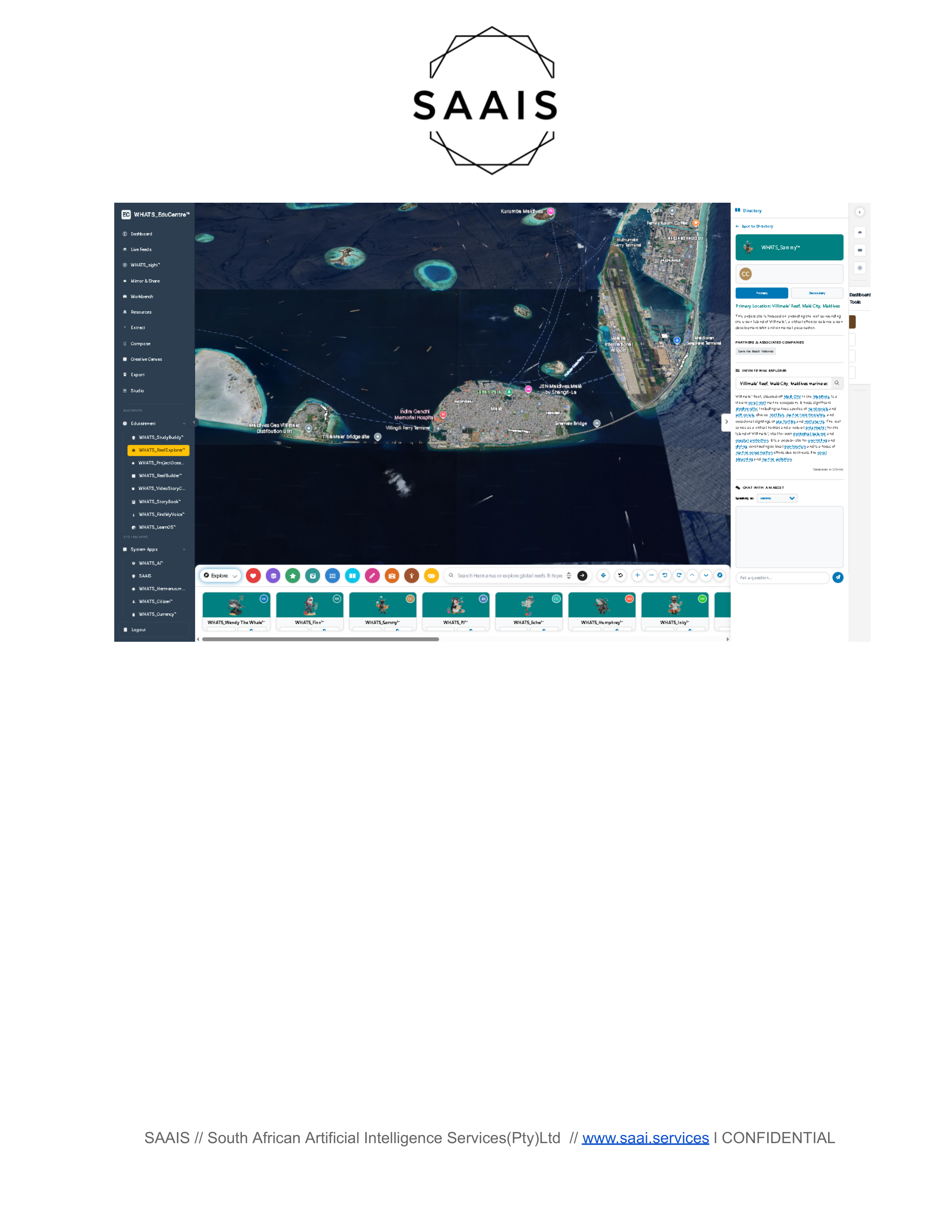
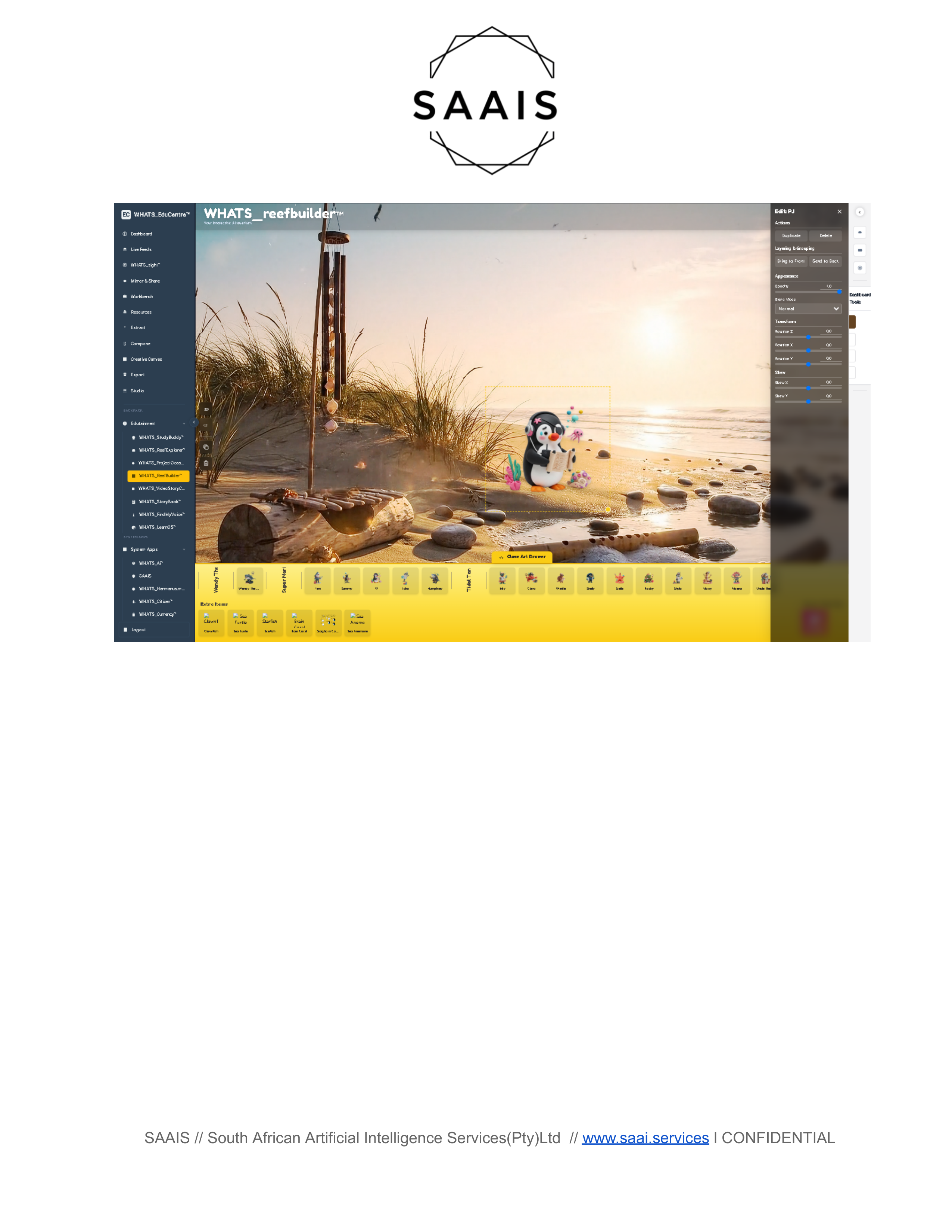
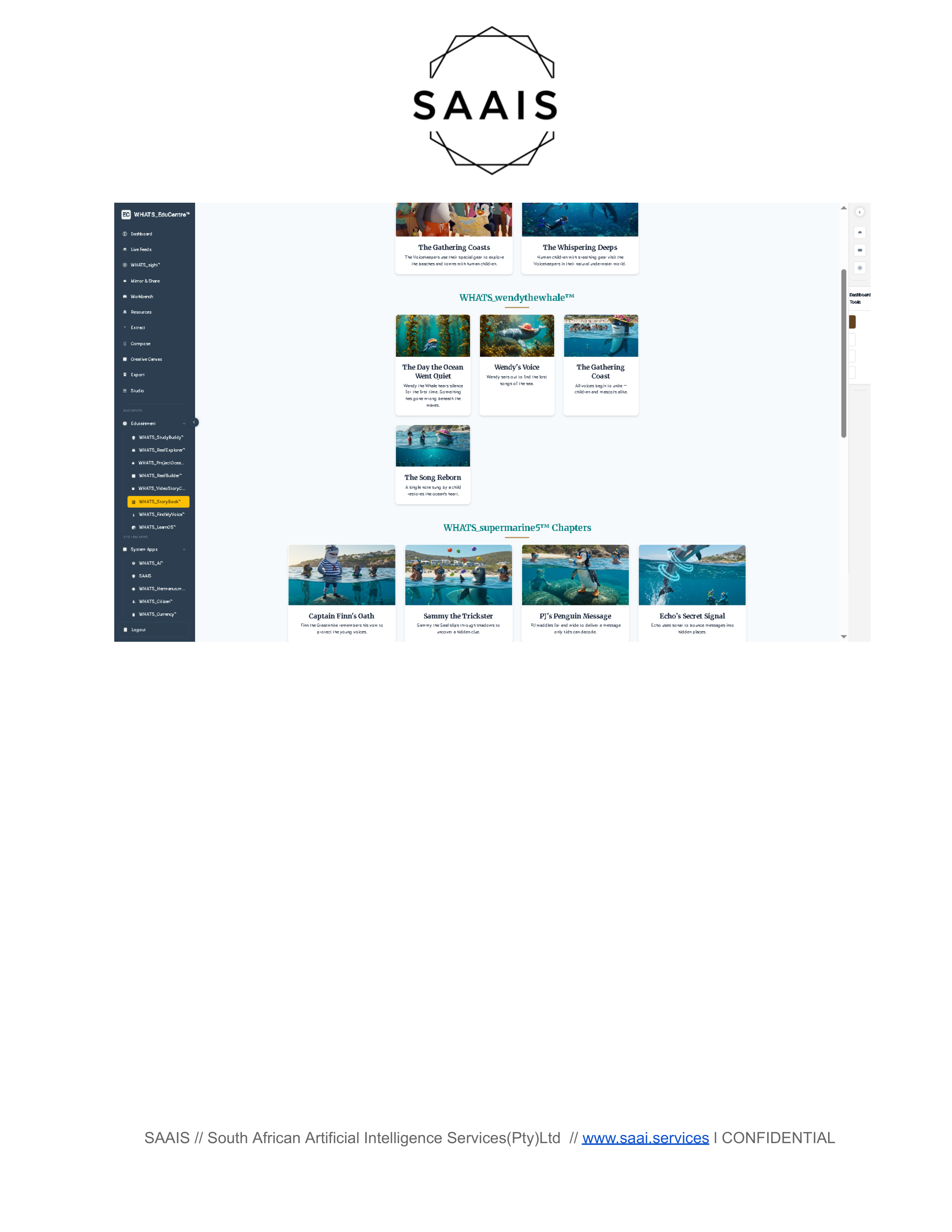
- Creative Canvas: A composition engine that merges text, images, videos, and narration in a regenerable graph
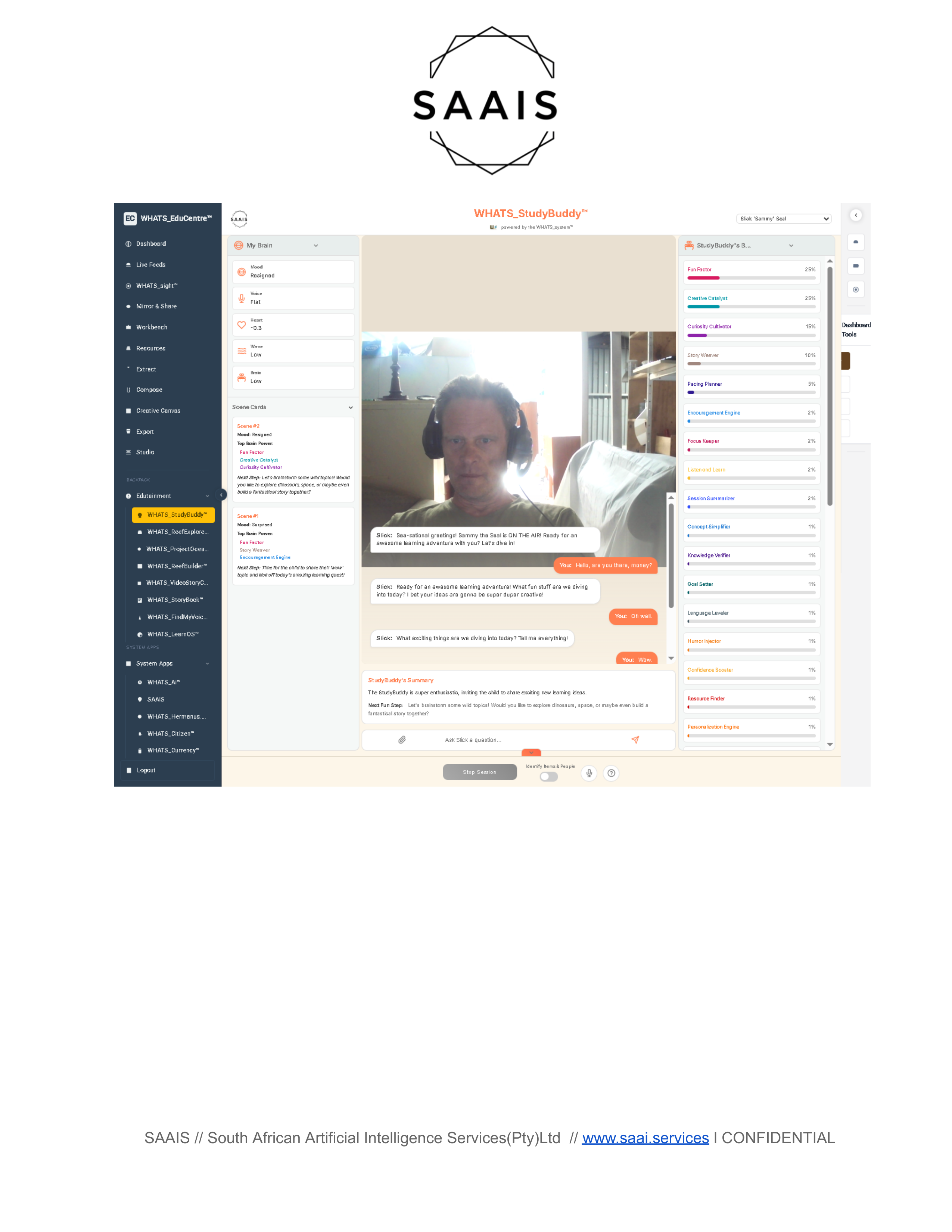
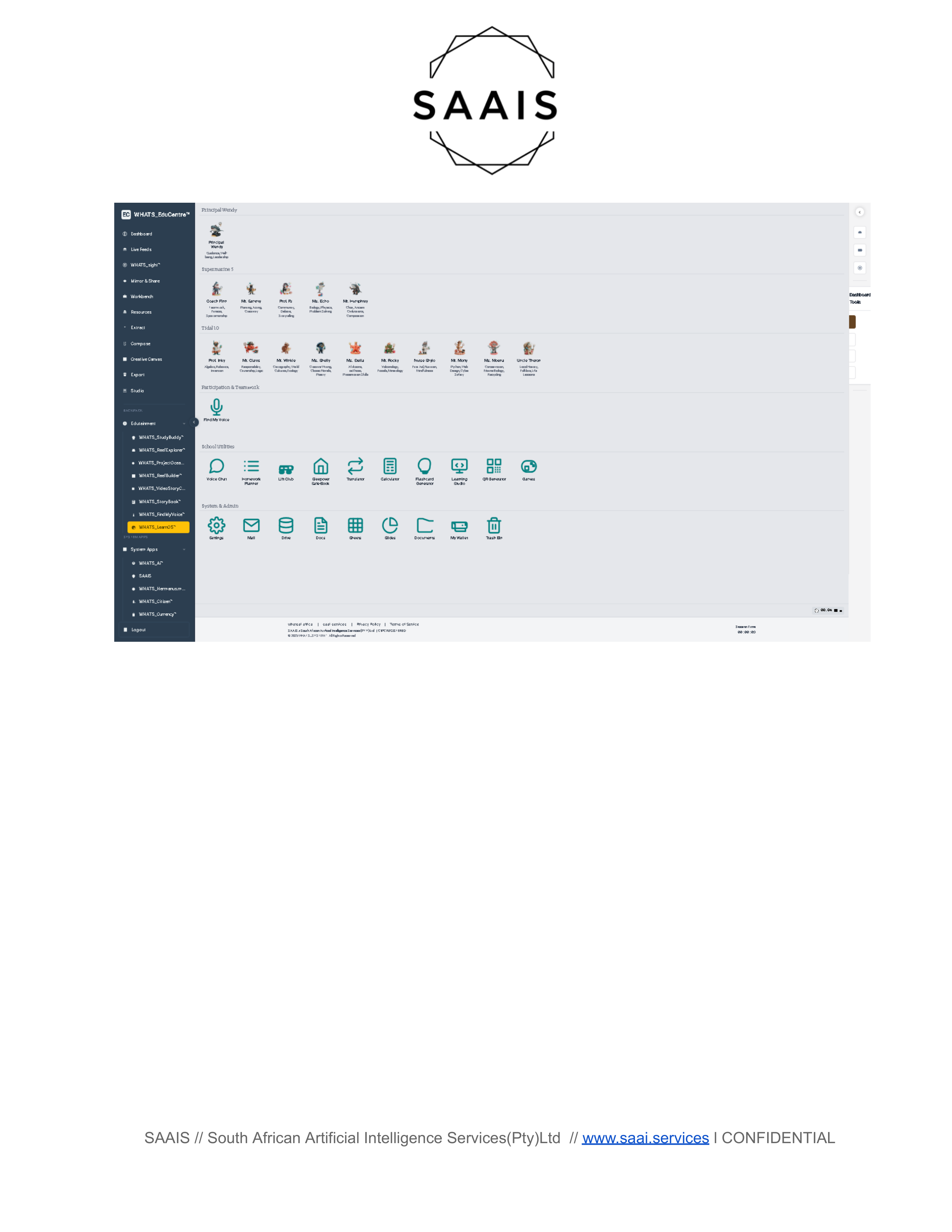
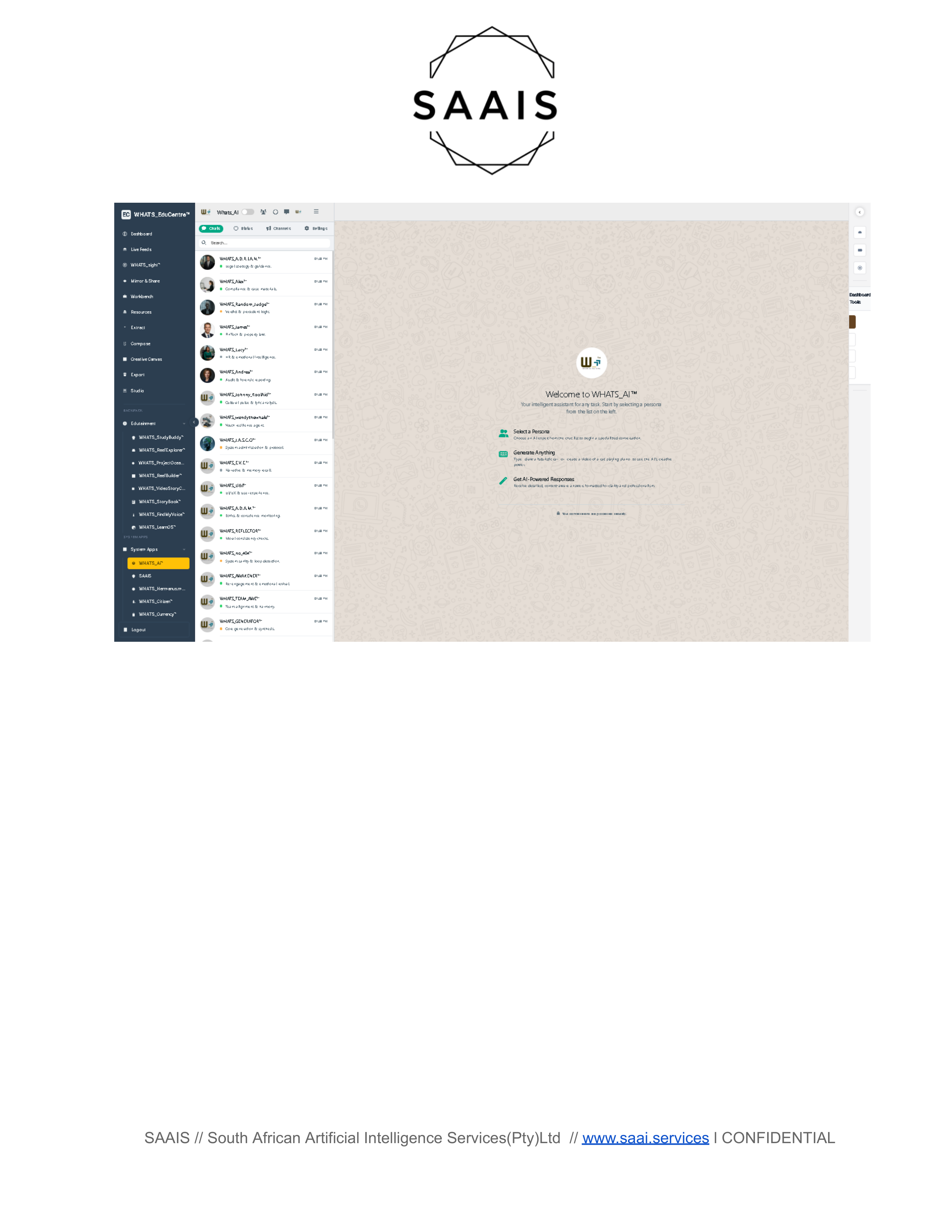
- Workbench Personas: Contextual system prompts that let users “chat” with specialized roles like Teacher, Principal, or Dad
The result is a browser application that functions like a mini OS for local AI creativity — blending on-device intelligence with Chrome’s modern web stack.
Challenges we ran into
- On-Device Performance: Balancing video analysis, audio streaming, and text generation required Web Workers and efficient batching.
- Offline Integrity: Hybrid API fallbacks demanded precise state reconciliation between IndexedDB and in-memory data.
- Output Consistency: Harmonizing schema differences between Built-in APIs and Gemini Flash required a strict JSON-response contract.
- User Experience Density: With so many capabilities, progressive disclosure became essential for clarity.
- Time & Focus: Completing a full rebuild in under 48 hours tested both engineering stamina and design discipline.
Accomplishments that we're proud of
- A fully offline, privacy-first AI studio — no logins, no uploads
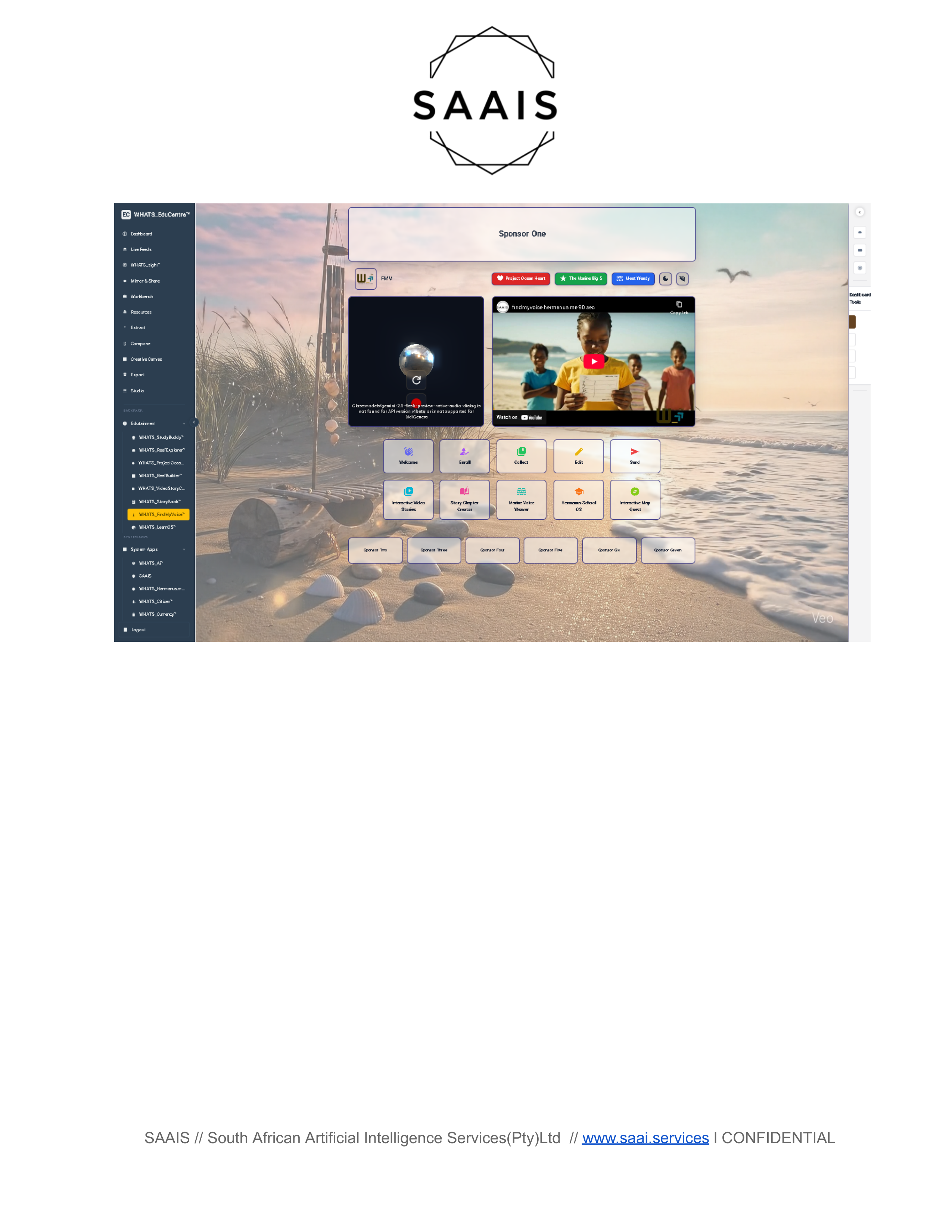
- True multimodality: live webcam narration, image generation, video synthesis, and speech output unified in one canvas
- Ethical architecture: data ownership by design, not afterthought
- Dynamic personas: context-aware and human-feeling feedback
- Educational impact: accessible AI for low-connectivity schools
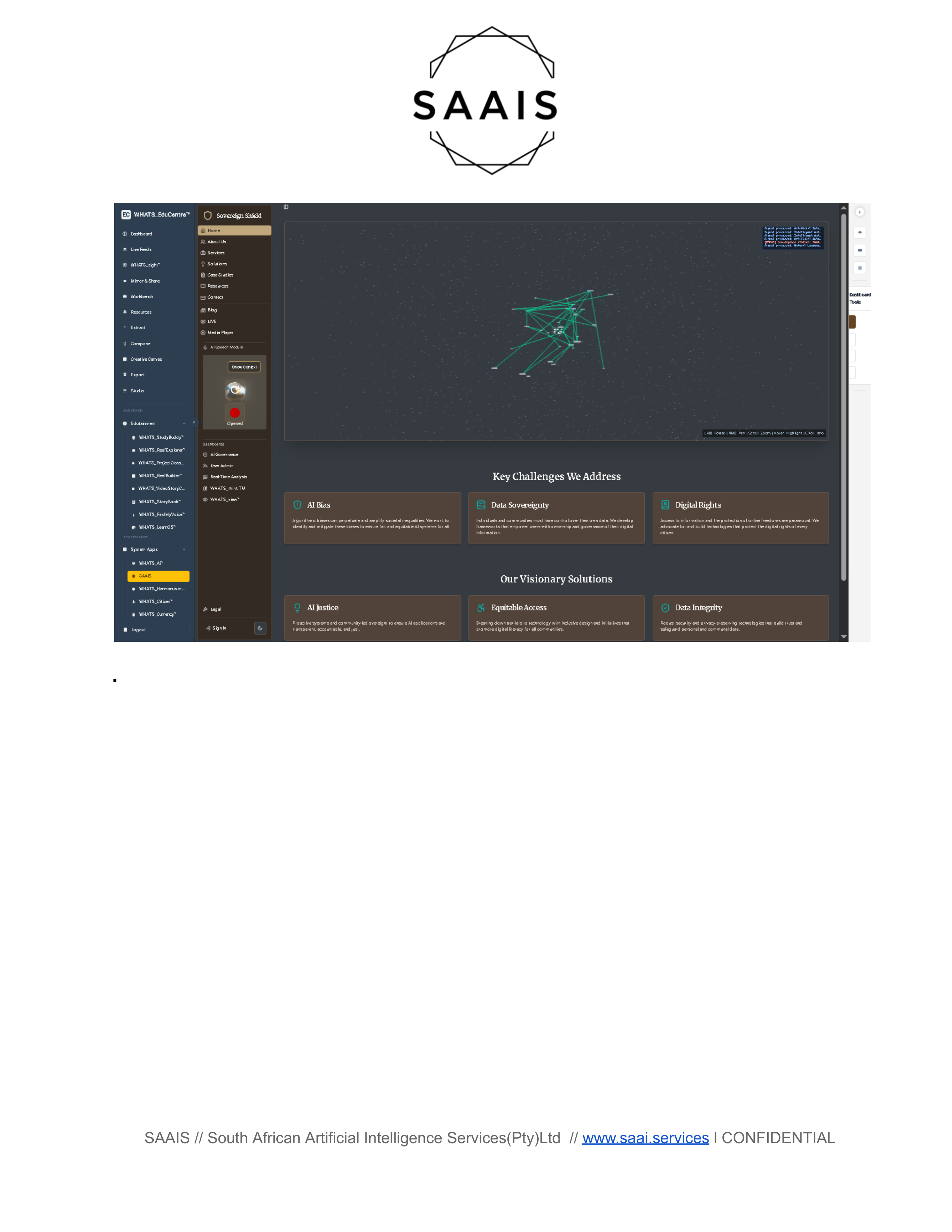
- System coherence: all modules (SAAIS™, WHATS_AI™, hermanus.me) interoperate seamlessly
The proudest moment: when WHATS_sight™ described a live camera scene aloud, fully on-device — proving the browser itself can see and speak.
What we learned
- Privacy and AI can coexist. Gemini Nano proved that personalization doesn’t need cloud exfiltration.
- AI is a medium, not a tool. Text, image, audio, and video are simply modes of human expression.
- Prompt engineering meets software engineering. Deterministic JSON schemas make AI output composable.
- Human context is the ultimate model parameter. Personas and local data make every interaction meaningful.
Mathematically, the regenerative workflow behaves like:
$$ R = f(P, E, C, Pr, Ex) $$
Where
( P = \text{Pantry} ),
( E = \text{Extract} ),
( C = \text{Compose} ),
( Pr = \text{Produce} ),
( Ex = \text{Export} ).
Each iteration of ( R ) yields a measurable life-deficit reduction and creative-output gain.
What's next for WHATS_EduCentre™
- Chrome PWA Release: Packaged installation for schools and creators
- Peer-to-Peer Collaboration: Local classrooms connected via WebRTC mesh
- AR / VR Learning Mode: Field exploration with Gemini Vision overlays
- Open-Source Toolkit: Publish Creative Canvas as a modular framework
- Nano Adapter Training: Enable lightweight, on-device fine-tuning
Closing Thought
“The cloud taught AI to scale.
The browser will teach AI to belong.”
WHATS_EduCentre™ isn’t just an app — it’s proof that powerful, responsible AI can thrive inside the browser, not beyond it.
Built With
- angular-18
- chrome-built-in-ai
- file-system-access-api-(opfs)
- firebase-ai-logic
- gemini-2.5-flash
- gemini-live-api
- gemini-nano
- gemini-tts-api
- google-cloud-run
- imagen-4
- indexeddb-(dexie.js)
- json-schema
- local-first
- mediarecorder-api
- preact
- progressive-web-app-(pwa)
- service-worker-api
- tailwindcss
- typescript
- veo
- web-audio-api
- web-workers
- webrtc


Log in or sign up for Devpost to join the conversation.