-
-
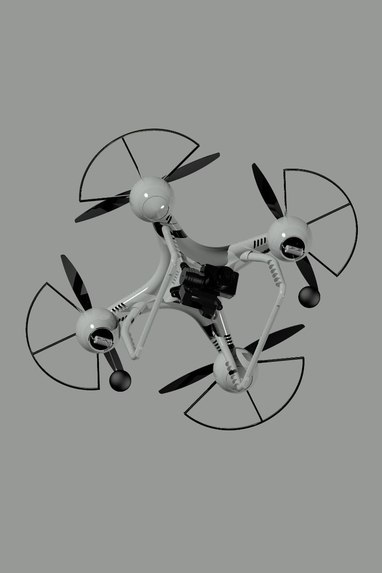
Bottom View
-
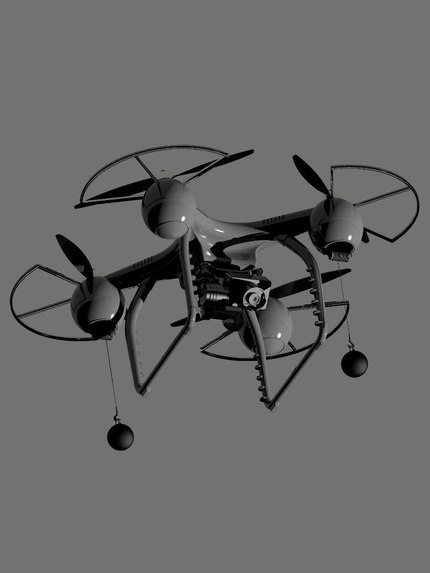
Slanted View
-
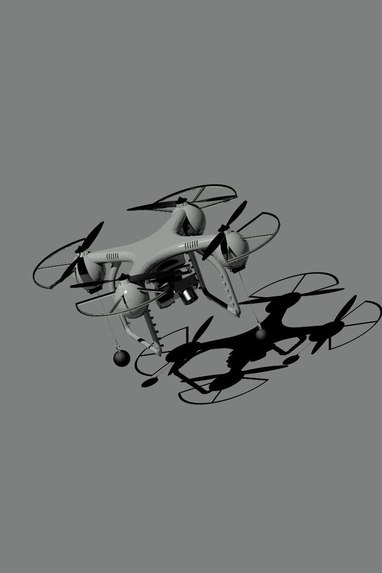
Top View
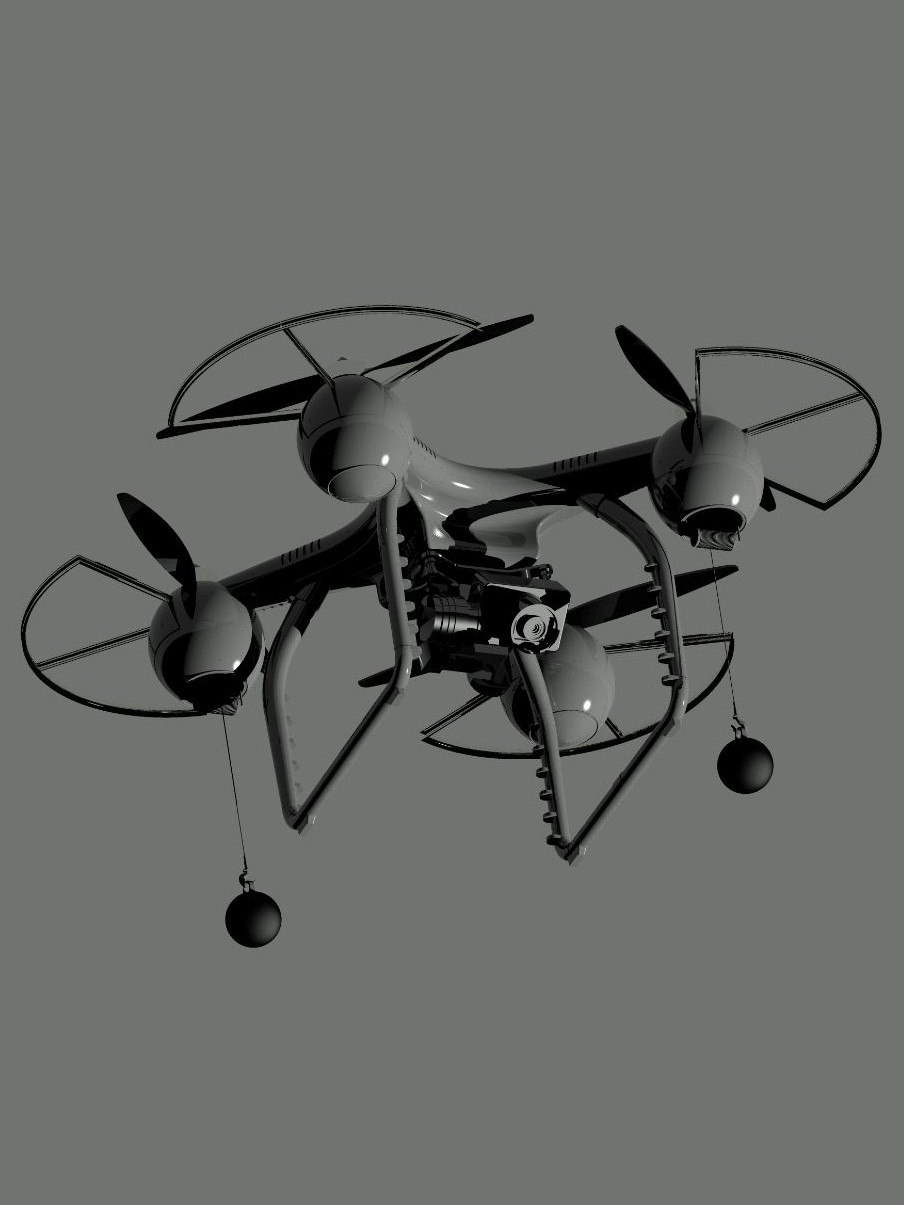
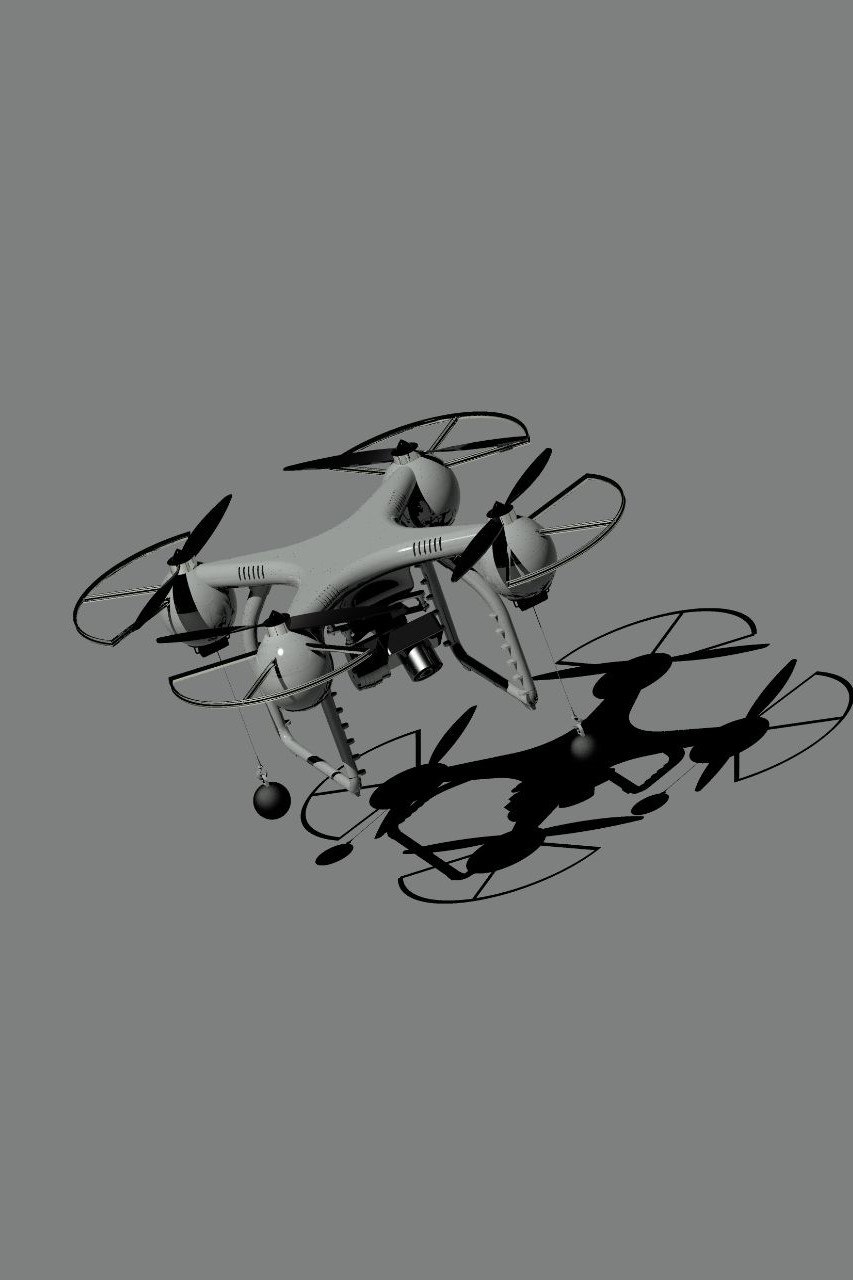
Inspiration
Most of us would typically associate oil spills with images of oil-coated birds and poisoned fishes on National Geographic. However, when we think of oil spills, we see seafood supply chains halted, workers of oil spill clean-up crews poisoned and billions of dollars lost by the resulting ecological damage. Hence, when we were given the choice to develop a digital solution to environmental waste, the issue of oil spillages came first to our mind. The extensive impact of oil spills cannot be understated. In the Northern Atlantic regions, marine life is still suffering from the impacts of the 1989 Exxon Valdez in 1989 when 40.8 million liters of Alaska North Slope crude oil was spilled into the surrounding environment of Prince William Sound, Alaska, exposing early life stages of fish to embryotoxic levels of polycyclic aromatic hydrocarbons (PAH). Closer to home in Southeast Asia, 50,000 litres of crude oil spilled into the ocean near Rayong, Thailand in 2013 when a pipeline burst while transferring oil from an undersea well to an oil tanker, eradicating much of the ecosystem and natural resources. This not only eradicated much of the surrounding ecosystem and natural resources, it severely impacted the tourism and fishing industry of the nearby island of Koh Samet which relied on the income brought by tourists who came for the island's exquisite seafood. The desire to find an efficient and effective solution to this global environmental issue is what has given birth to our innovative prototype, WhatAWaste. We believe that our innovation will not only tackle the environmental damage wrought by oil spillages, but also eliminate the hazards posed to human workers involved in oil spill clean ups while effectively cutting the costs of such operations.
This coupled with the need to address goals 12, 14 and 15 for the UN Sustainable Development Goals resulted in us coming up with WhatAWaste.
What it does
WhatAWaste capitalizes on the use of machine learning, powered by AI, and image recognition to detect different types of oil spillages and determine the appropriate methods to combat oil spillages. The drone component consists of a computer processing unit that is able to receive visual input from its camera and detect oil spillages when deployed. In the lab, we will teach the drone to detect oil spills. Under supervised learning, we will host “tests” for the drone, and if the drone answers wrongly, we will correct it.
The drone also carries a suite of spherical capsules that combat different types of oil spillages. Upon reaching an oil spill site, the drone will detect and identify the type of oil spillage and determine the appropriate spherical capsule, which contains oil solvents and absorbents, to remove the oil from the surface of the seawater. The drone will then pick up the used capsules and return them back to their main holding area where their spherical capsules will be dropped off and new ones would be attached.
How we built it
Within our capsule, a centrifugal fan is linked to an in-built motor on the ceiling and is in turn powered by a rechargeable NiMH battery pack. The fan and battery packs can be sourced externally and the motor can be drilled to the top of the capsules with standard medium density fiberboard screws. Additionally, an ultrasonic sensor is drilled to the top, at an angle perpendicular to the incoming oil level and line of sight unhindered by rotating blades of the fan. Once the hatch opens up, an intake port is created simultaneously as the electric current starts the motor and the motion of the fan disrupts the equilibrium of air pressure and generates a partial vacuum that introduces the entry of oil. Simultaneously, the transducer within the ultrasonic sensor - emitting and receiving ultrasonic pulses - will detect the oil level and proceed to indicate a 67.1% saturation level that will indicate for the circuit to open and motor to stop. This allows the best equilibrium between the amount of oil collected and the safety distance between oil and mechanics within the capsule.
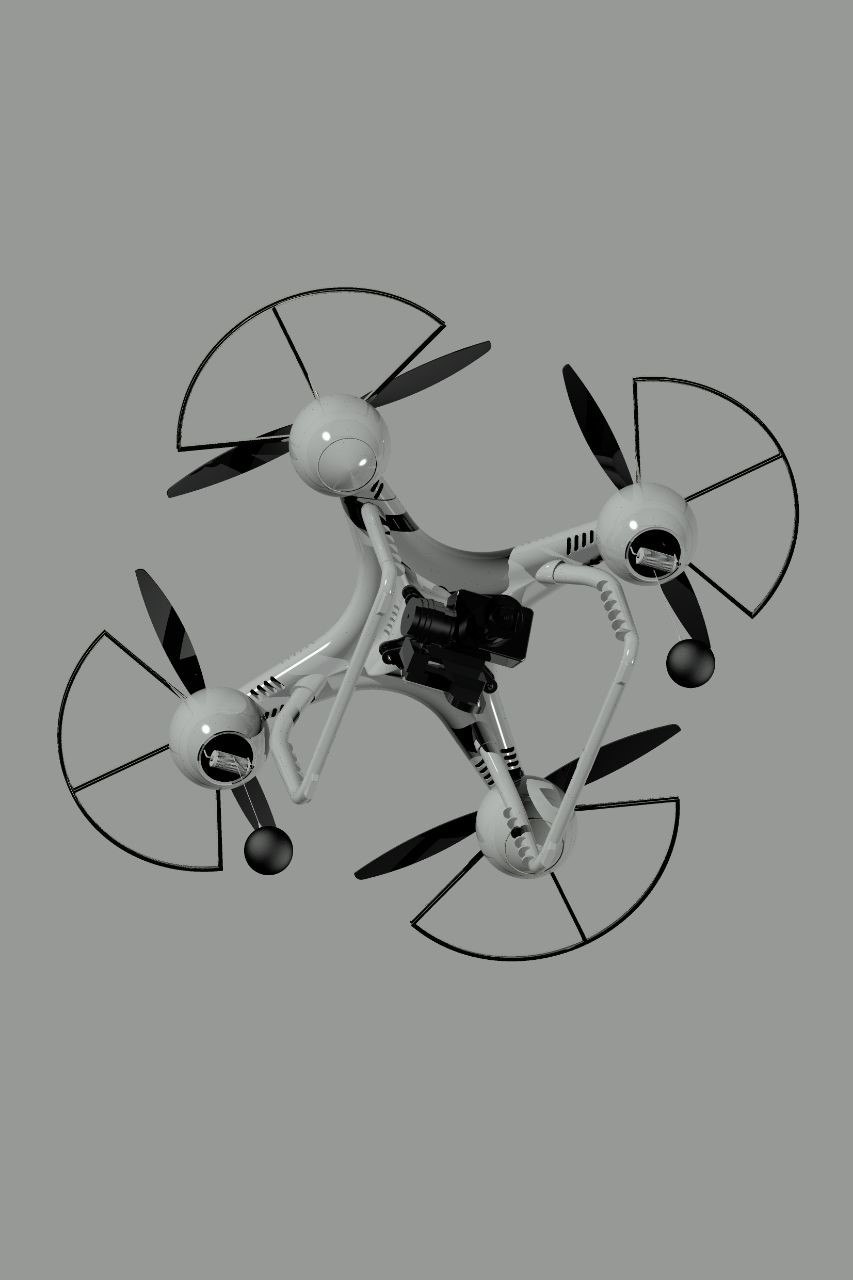
For the design, we were inspired by Volocopter 2X (Air Taxi) to come out with our own drone. We used an online 3D modeling app to design WhatAWaste as shown above.
The dimensions are as follows:
- Longest width: 12m
- Rotary wings(diameter): 5m each
- Landing gear: 4m
- Holding sphere(diameter): 2m
- Vacuum sphere(diameter): 1m
- Volume of vacuum sphere: 4.19m³
Challenges we ran into
Due to covid, we decided not to physically meet up and expose ourselves to unnecessary risks, hence we had to come up with a viable solution to convey our ideas through a mock-up prototype to showcase it to the judges. Fortunately, with the abundance of resources available online, we have found an alternative way to present our ideas online.
Accomplishments that we're proud of
Our team was able to flexibly pivot our goals several times during the design process - ensuring that our final design was suitable to be deployed, and as a result, we feel we have achieved the best possible product. We're also satisfied that our product tackles a problem that affects the environment greatly.
What we learned
Certain aspects of waste management are still being neglected to this day and that technology can be tapped into to help us solve these problems.
What's next for WhatAWaste
We will continue refining our product to cut costs, make it lighter and work towards greater waste management awareness amongst our community.
Built With
- 3d-modeling
- machine-learning

Log in or sign up for Devpost to join the conversation.