


Inspiration
The initial spark for this project came from films like Don't Look Up. Stories where the world faces an unavoidable end.
But instead of looking at the chaos of society, we found ourselves drawn to something smaller. What does the end of the world feel like… when you’re just an ordinary person?
As we explored that question, the theme evolved into something more intimate: that strange calm that appears when you meet a literal, cosmic ending. Sometimes, when everything else collapses, the truth you’ve been avoiding finally comes out.
What it does
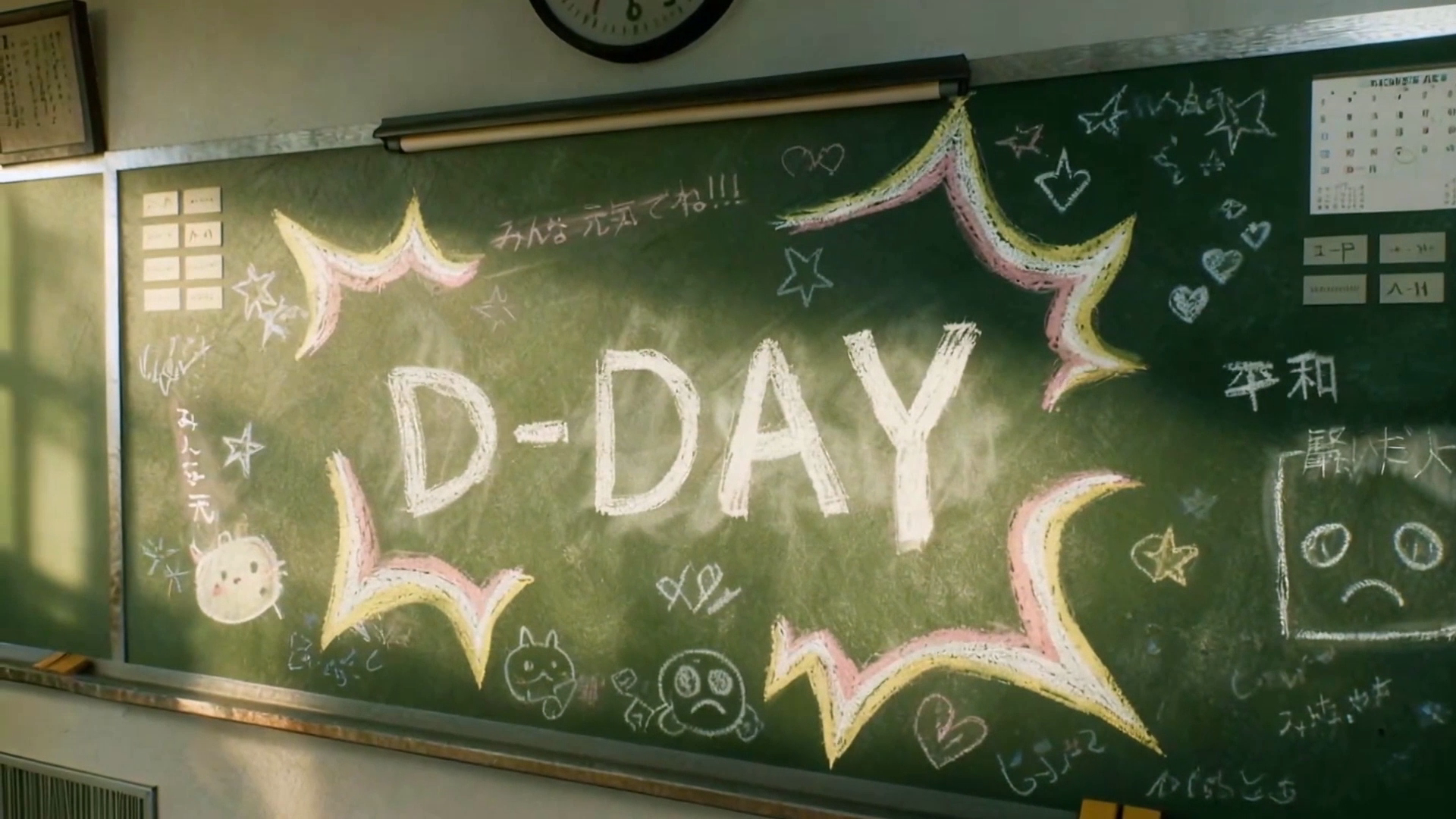
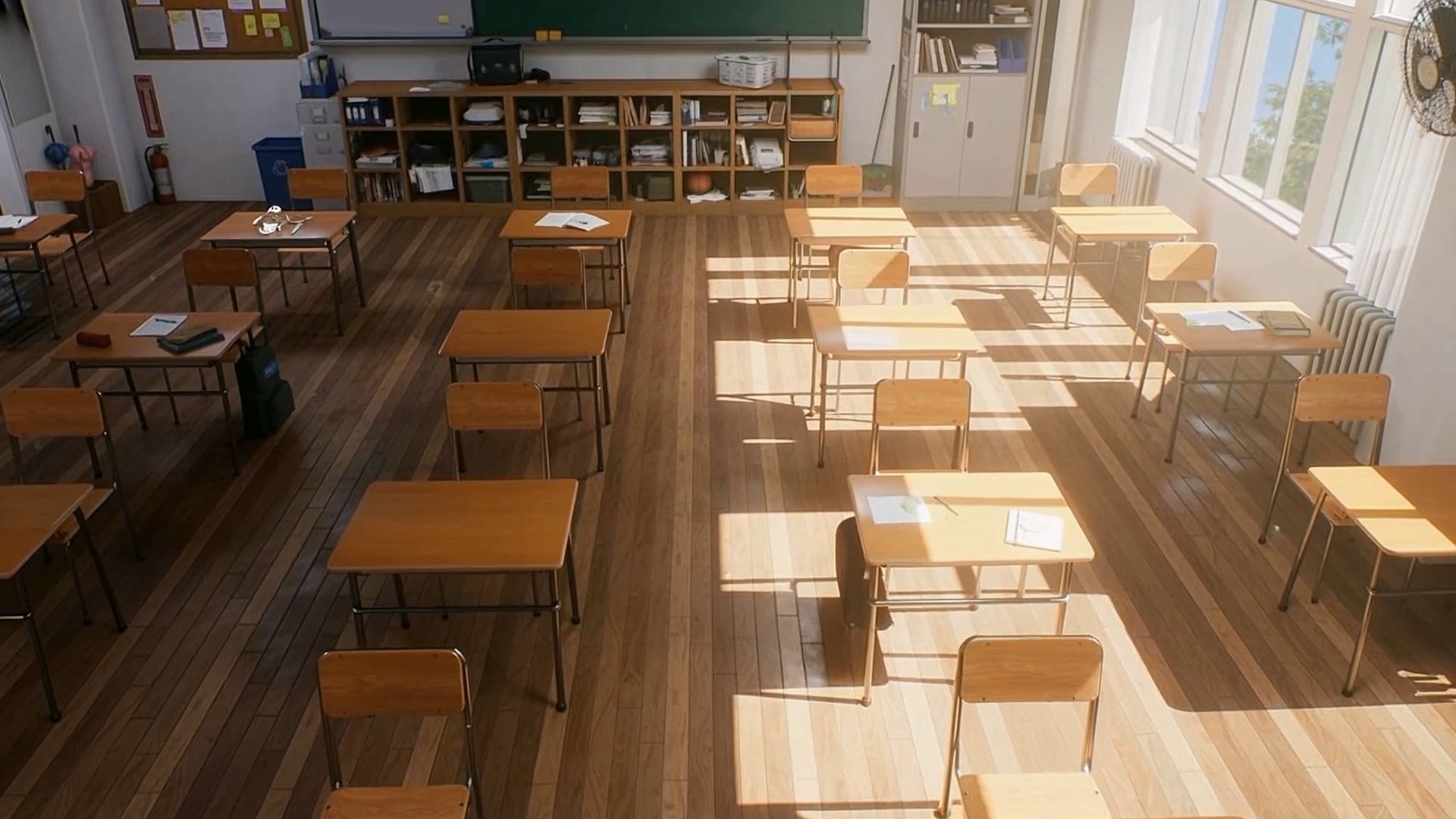
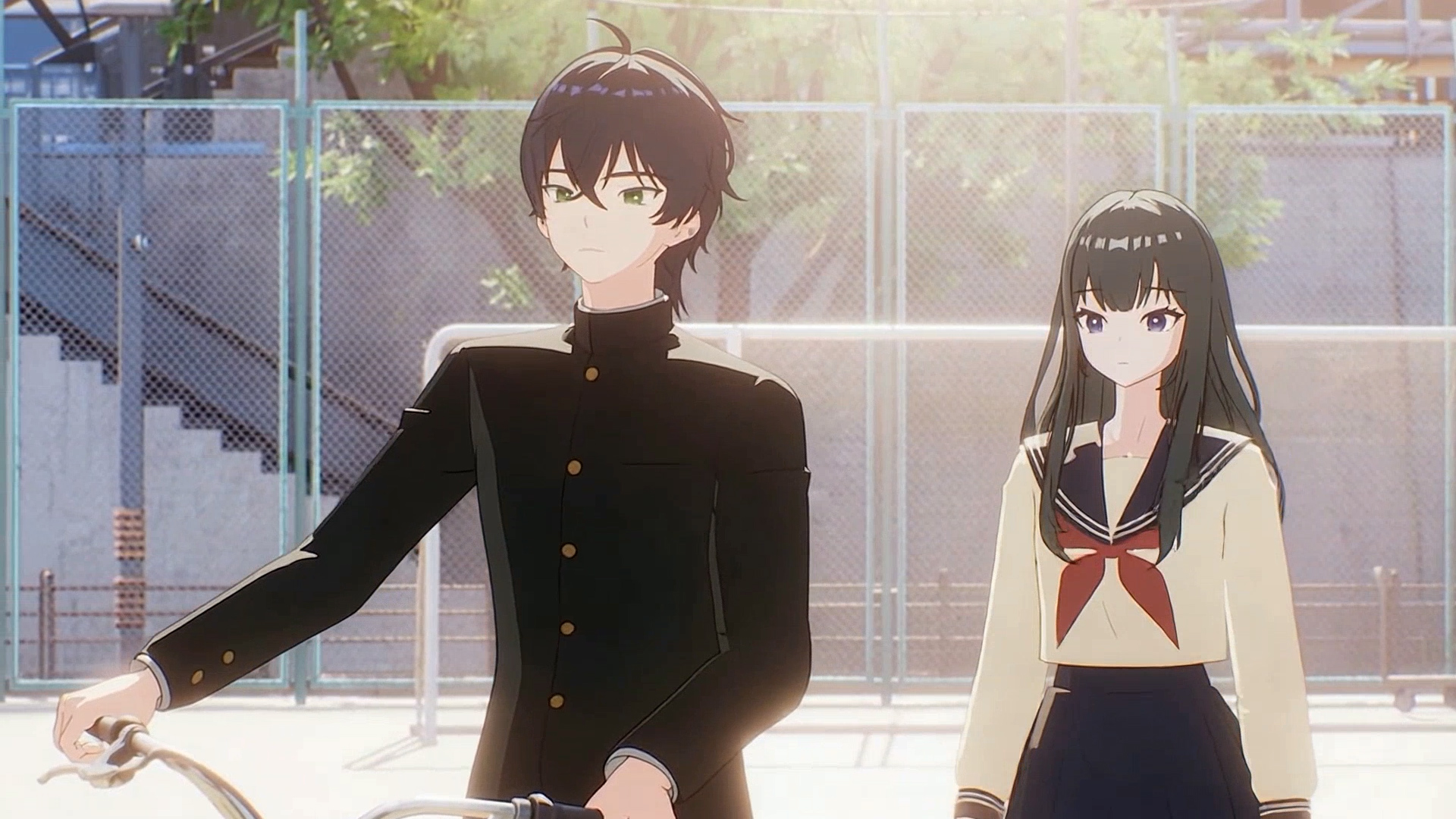
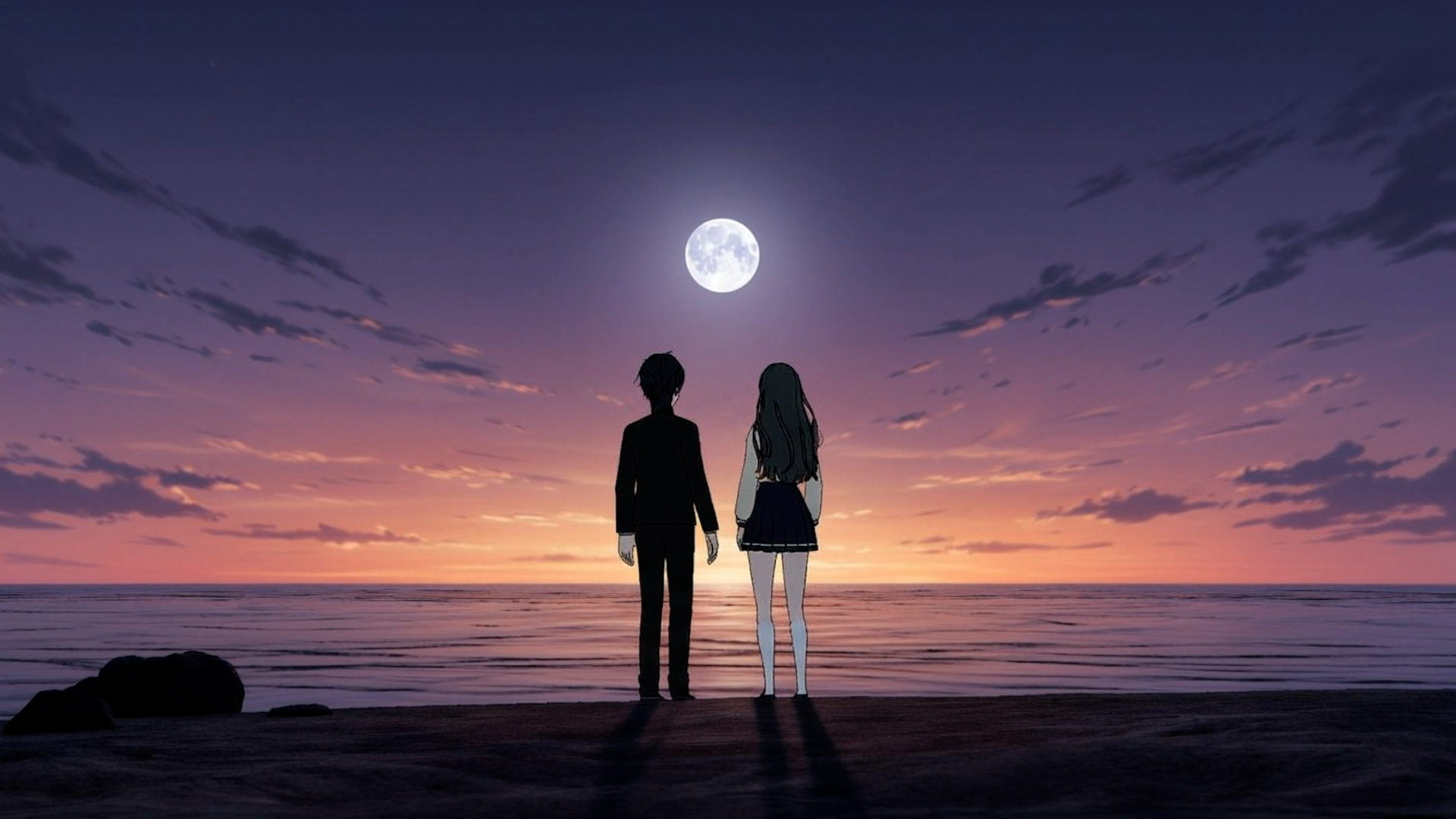
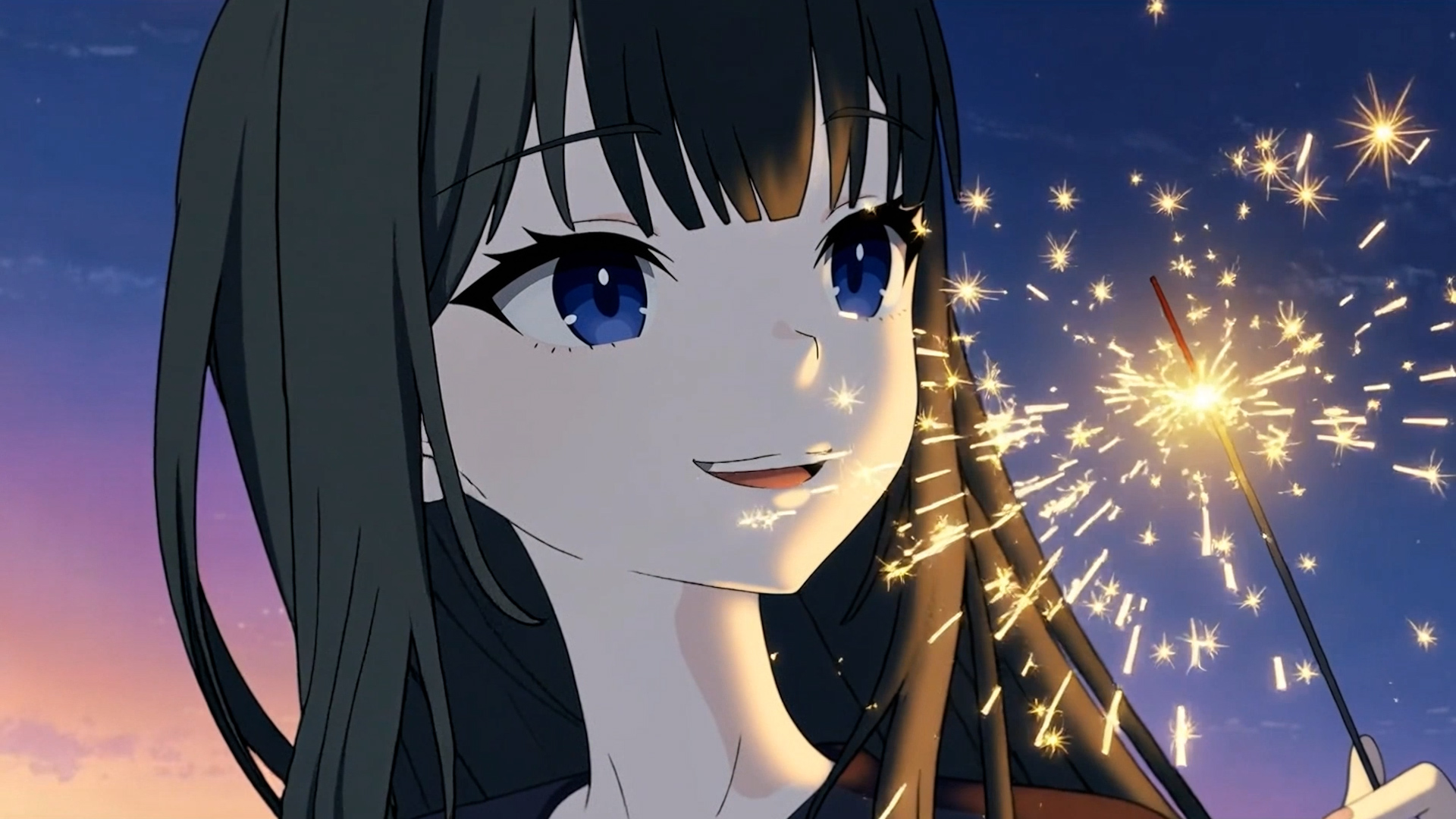
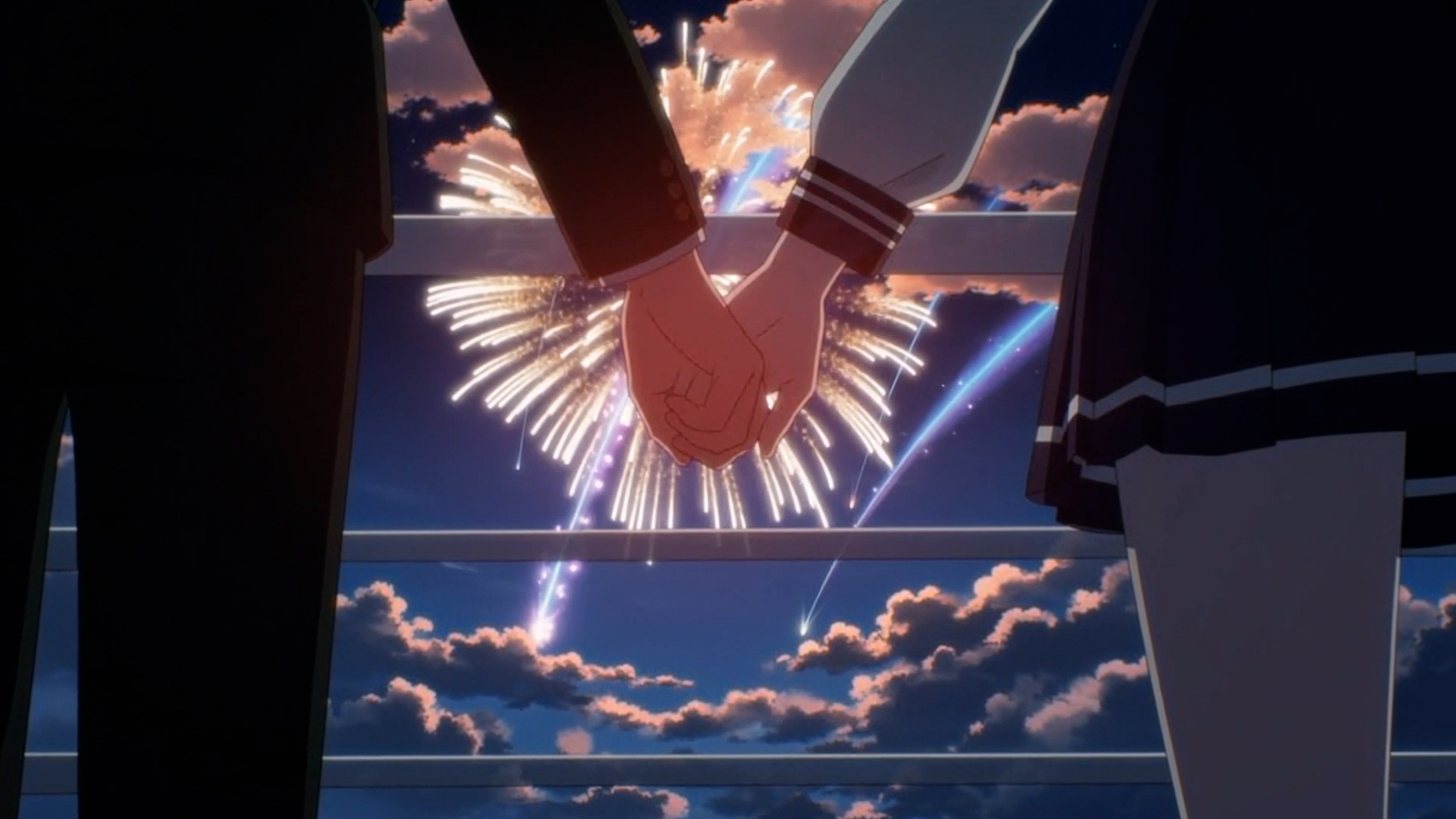
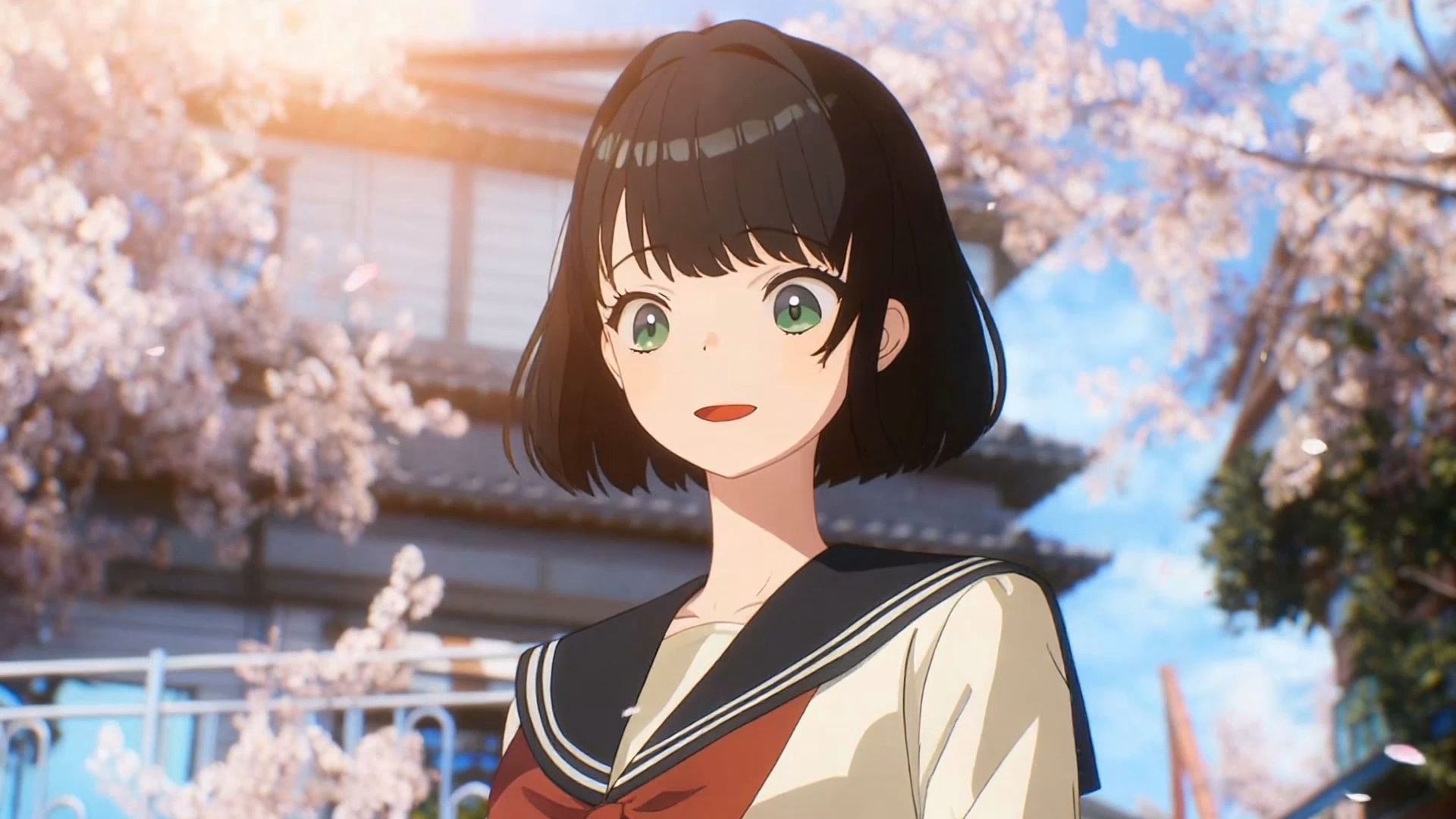
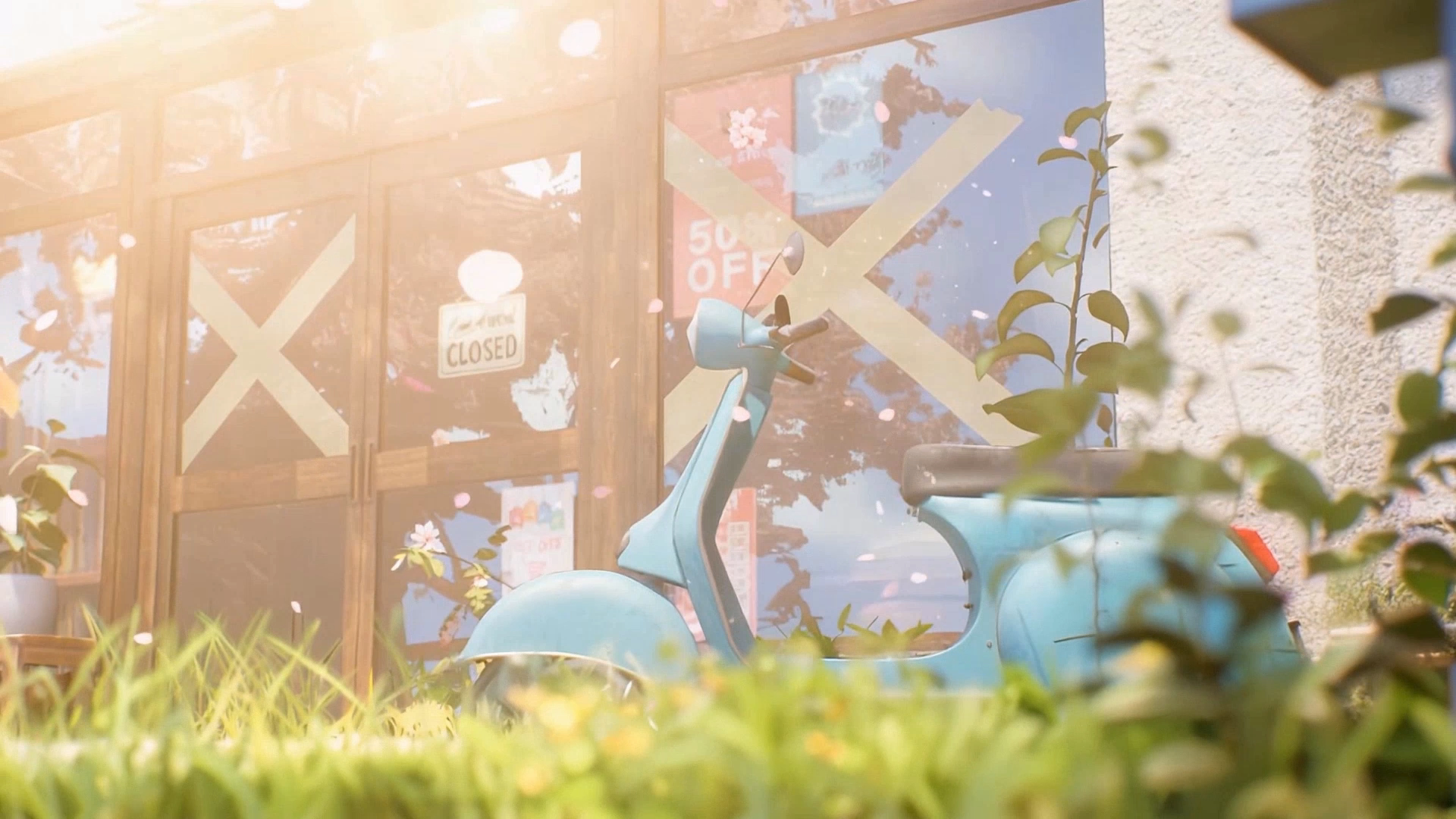
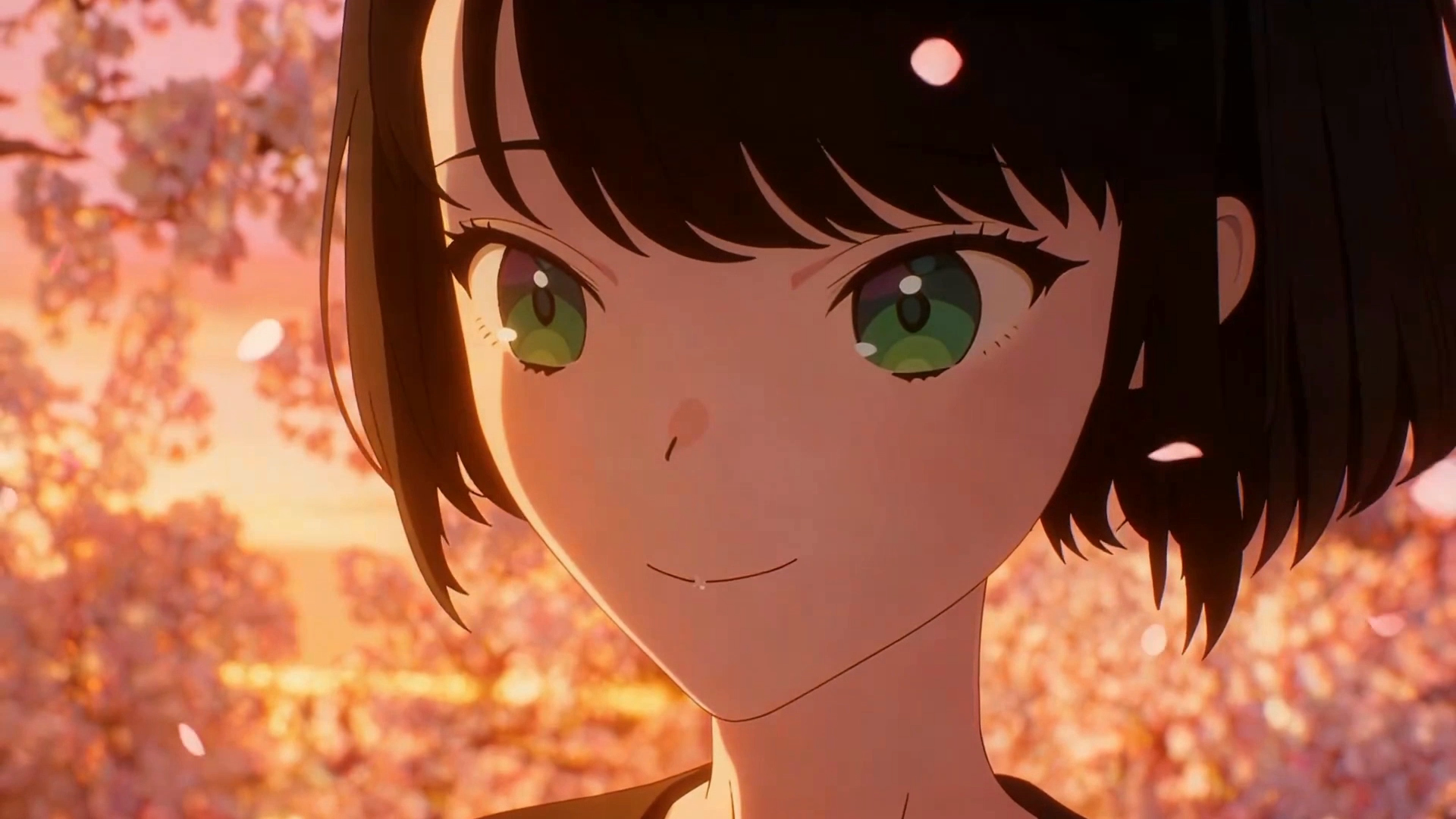
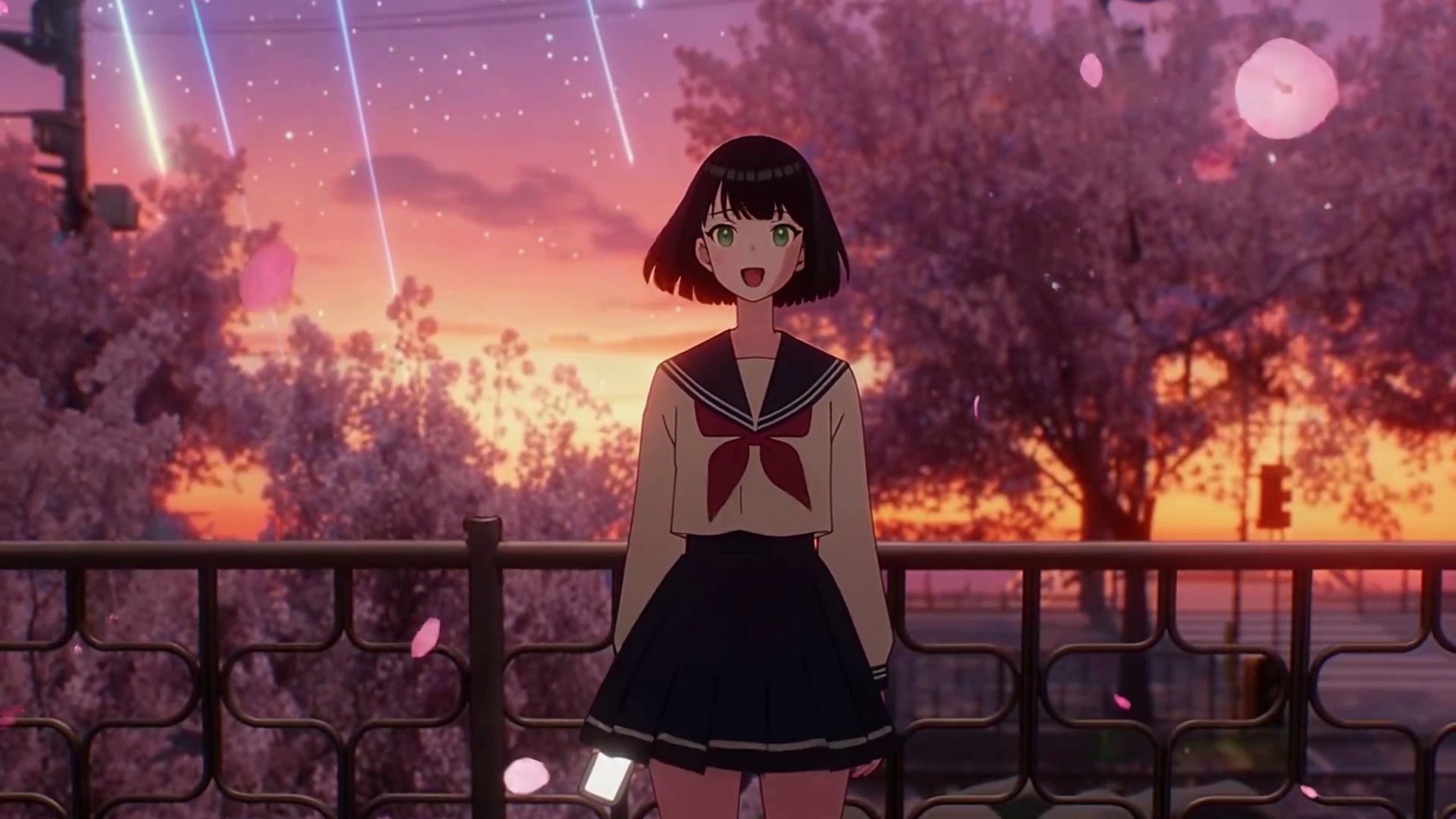
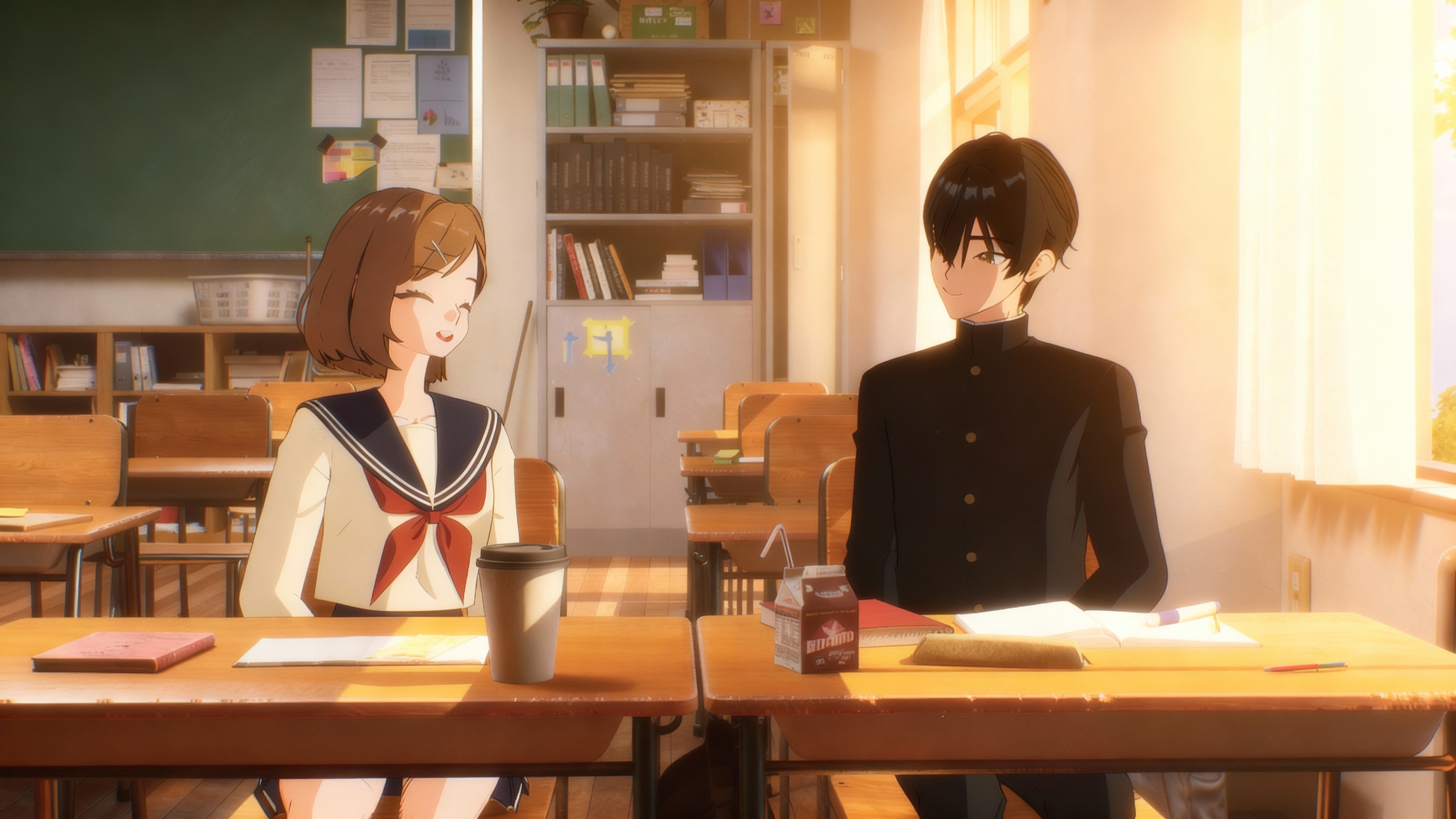
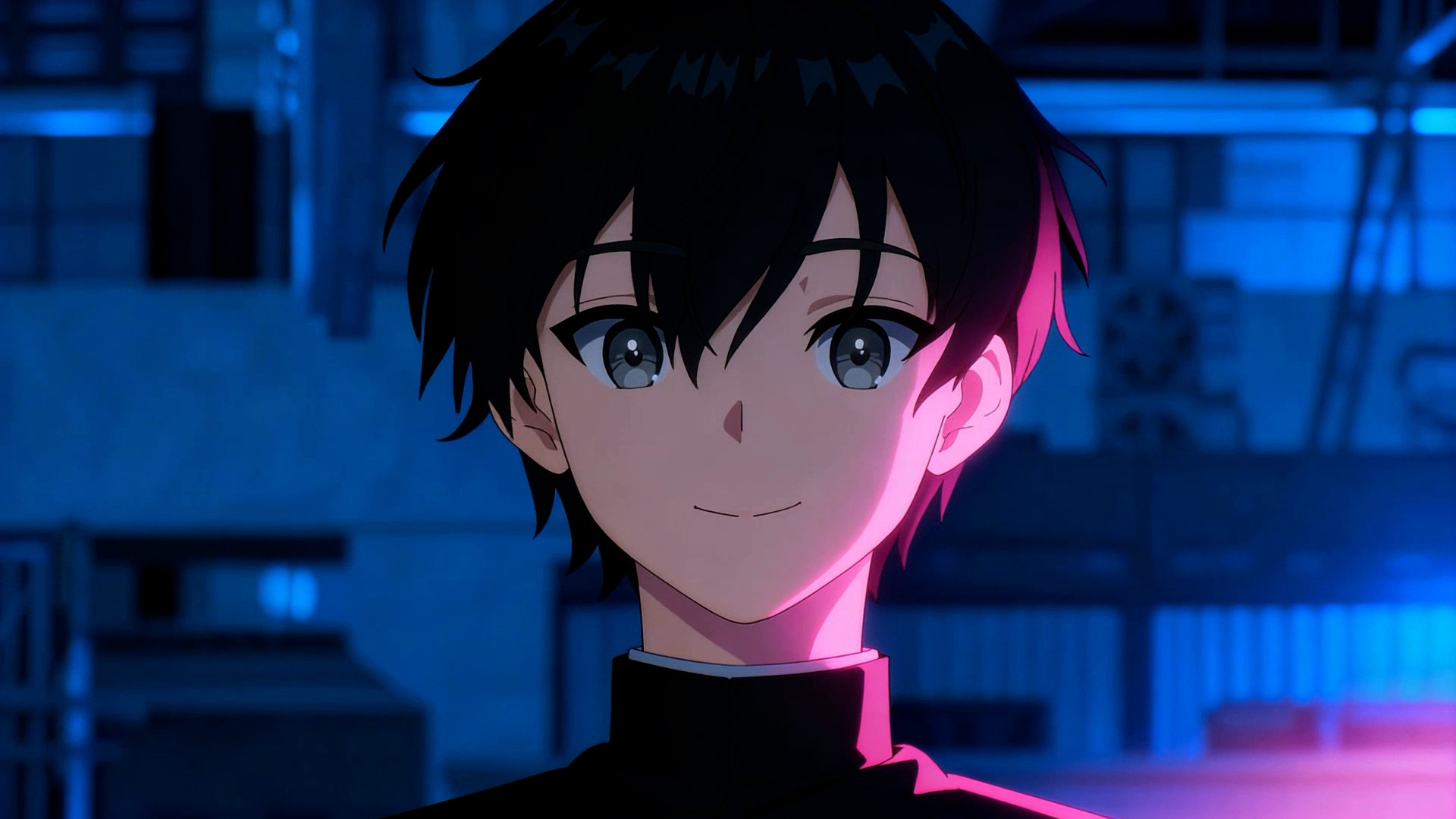
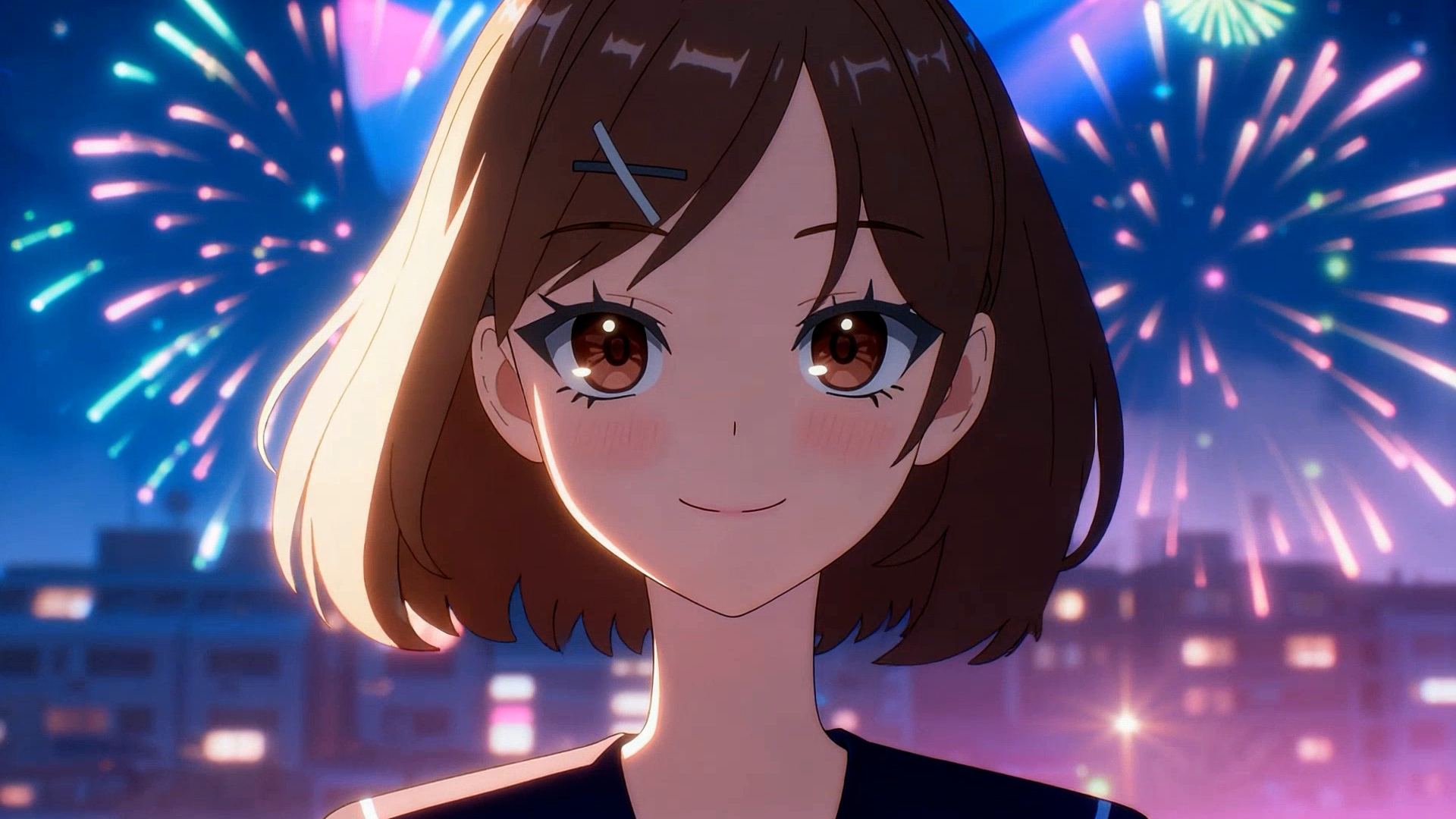
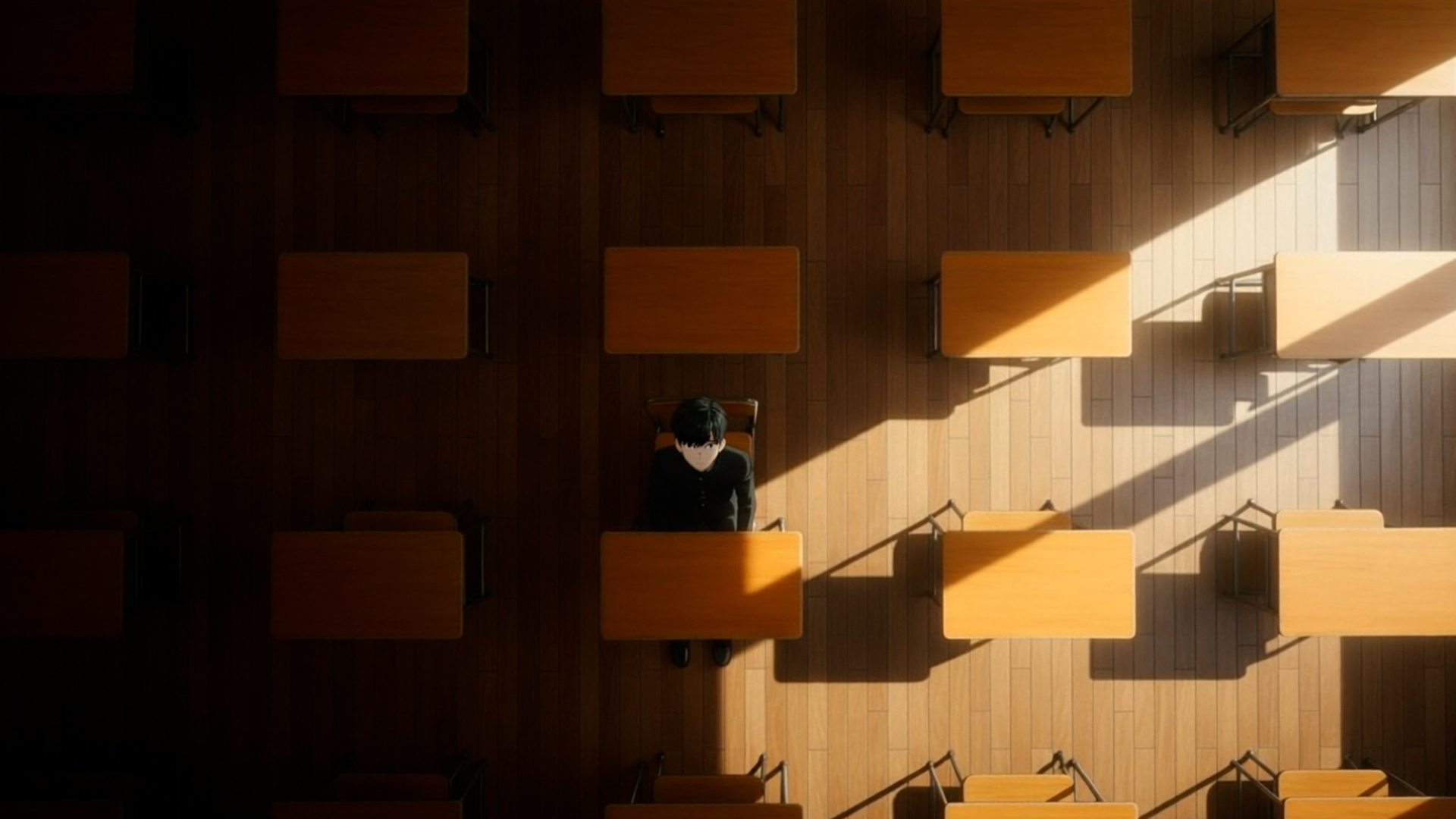
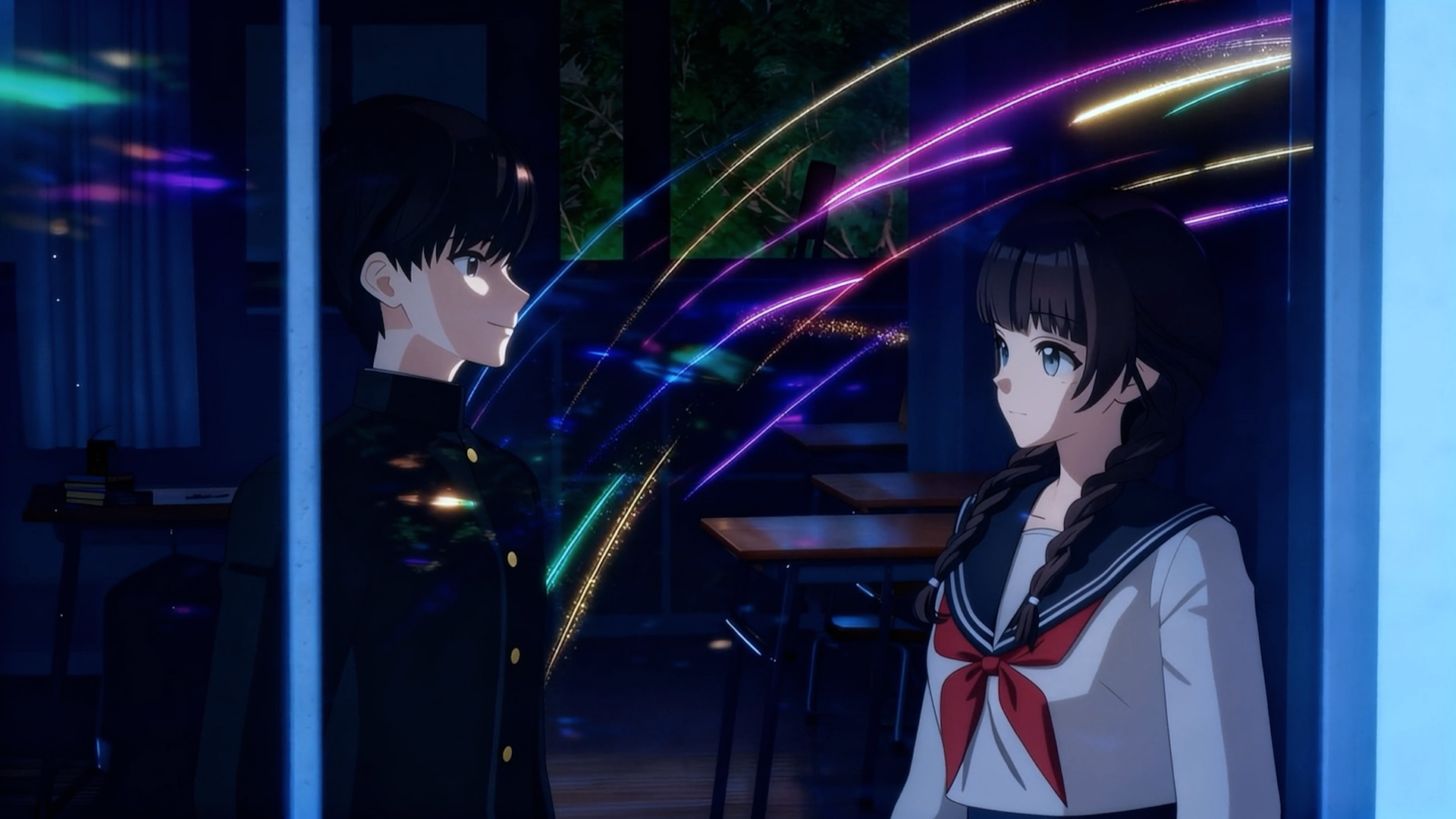
Our project is an AI-generated animated omnibus film featuring four stories about young people facing their final moments on Earth. As a beautiful yet terrifying comet grows larger in the sky, each chapter captures an intimate, personal final confession that ultimately leads to each "Happy Ends."
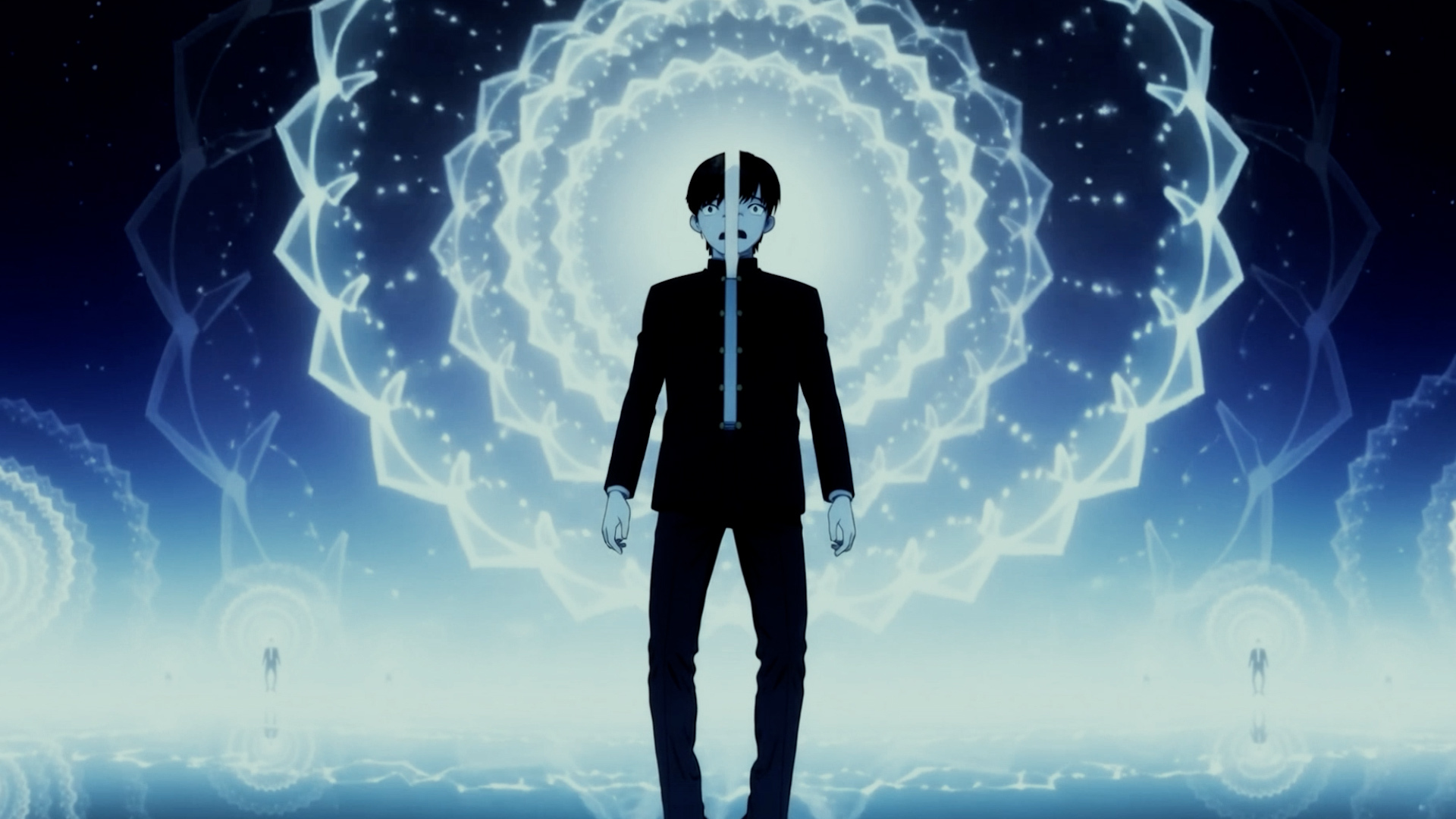
"Fireworks": A tender story of first love. A teenager searches for their childhood friend to keep a simple promise—watching the very last fireworks display on Earth together.
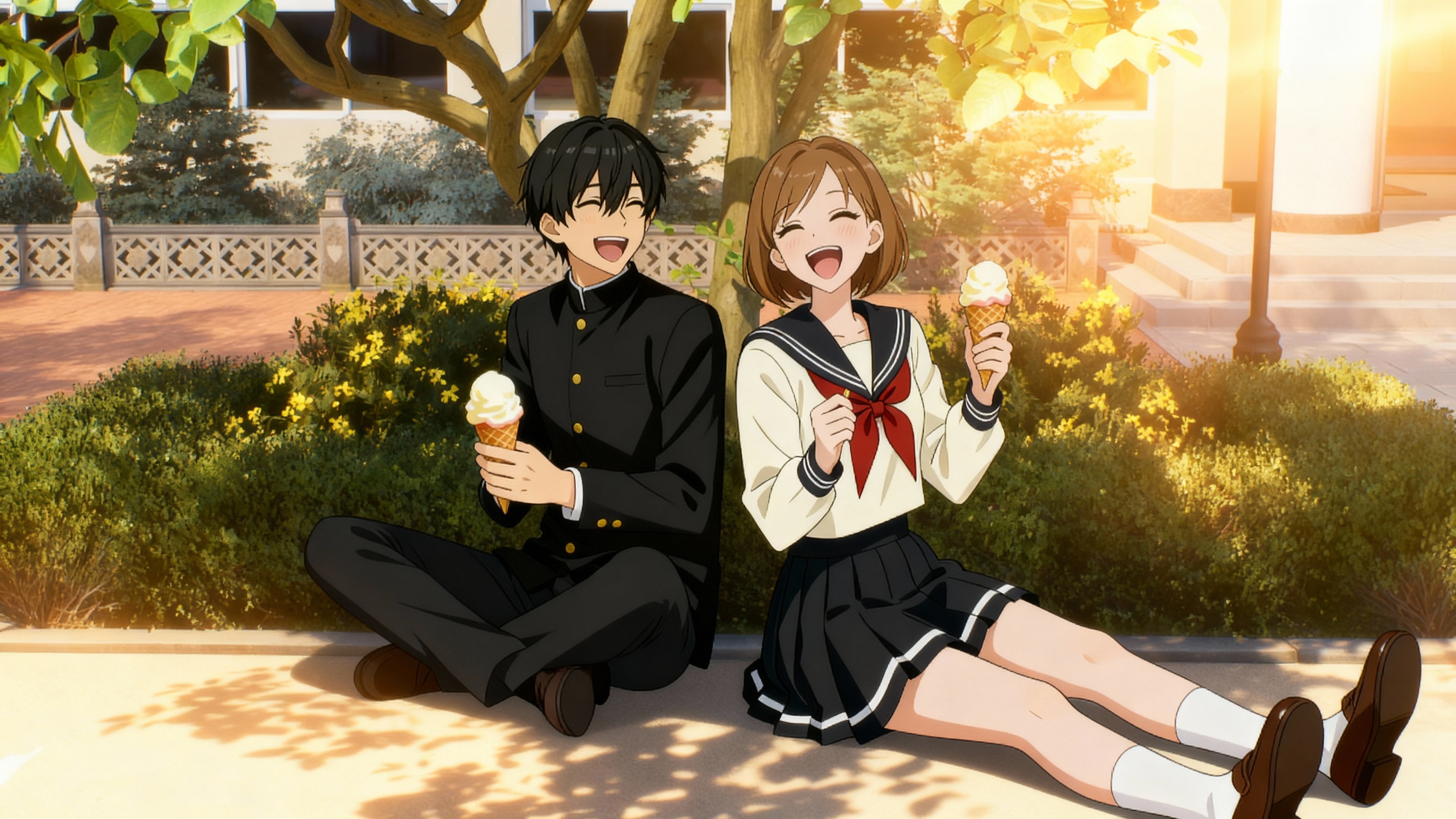
"The Happiest Day": A young couple chooses to spend their final hours crafting one perfect, ordinary day. In retracing the small, everyday moments they once overlooked, they discover a profound, unexpected joy.
"Not So Bad Ending": A hard-working student, now with no future left to plan for, is asked to find a reclusive (hikikomori) classmate. In the quiet time they share, he finds an unforeseen sense of peace and realizes that, somehow, this ending is not bad after all.
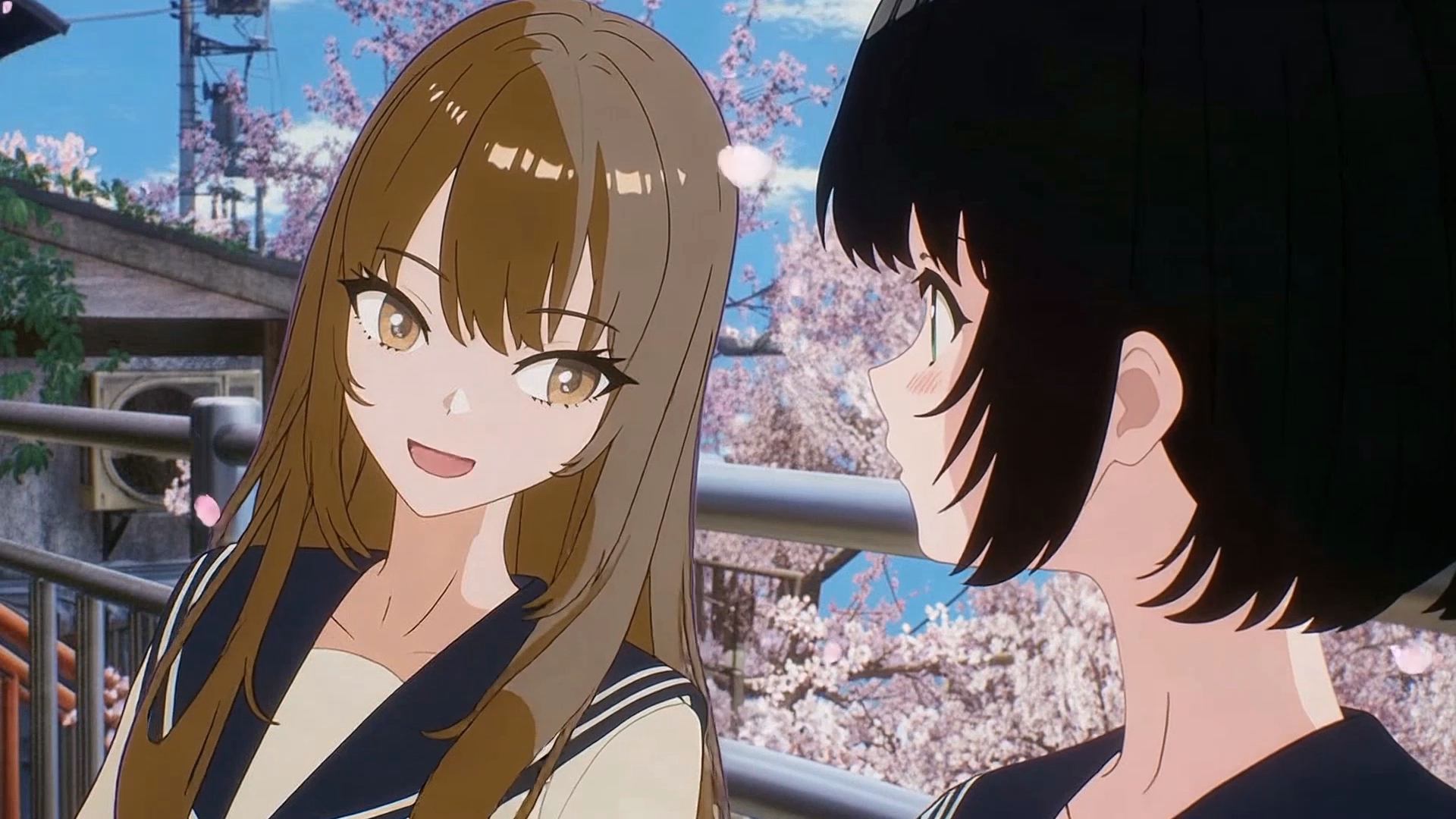
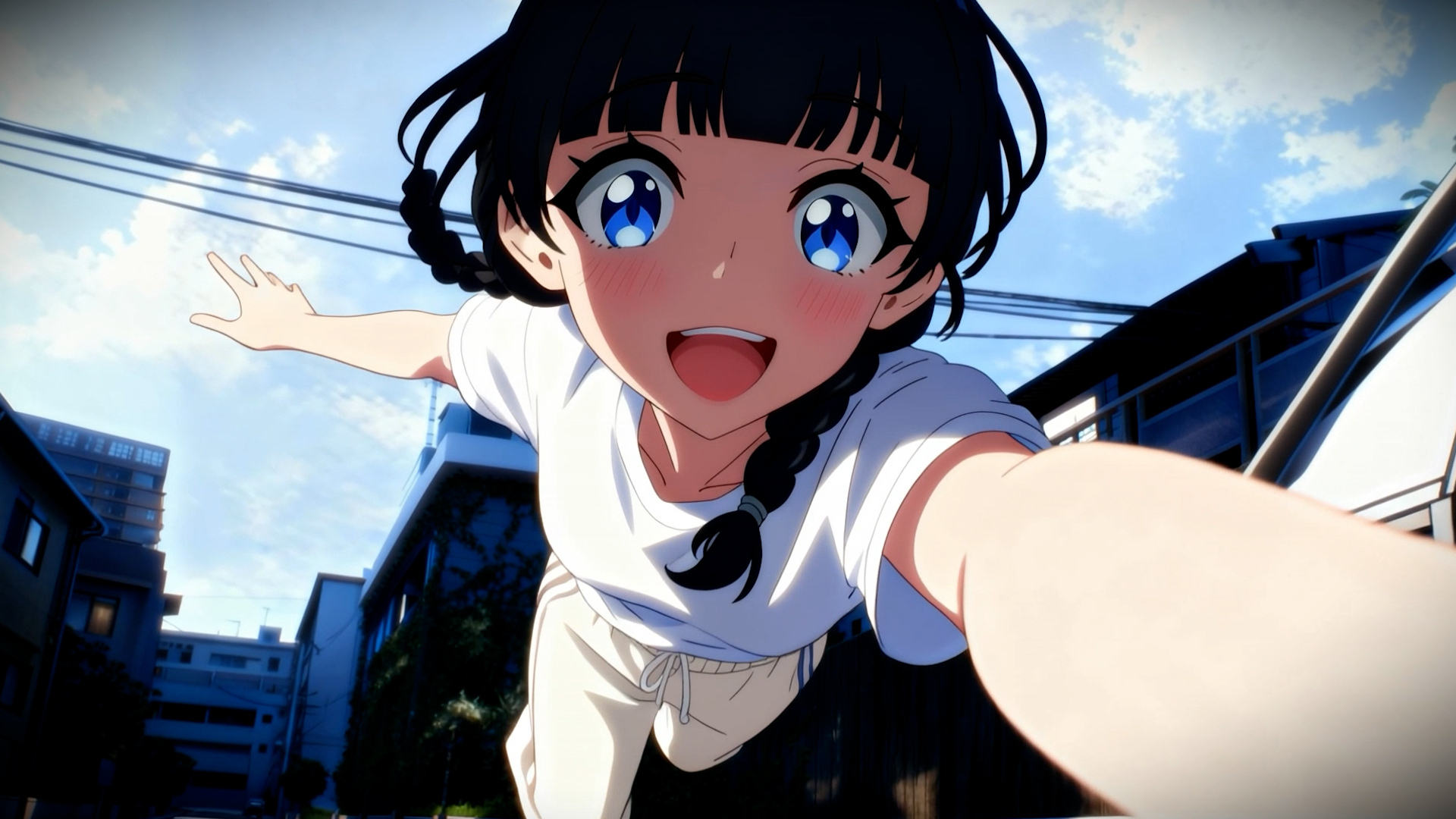
"Girls": A girl reunites with a long-lost friend and spends an unforgettable day with her. But as the comet draws near, she learns the truth: her friend was a ghost all along. It becomes a gentle, bittersweet tale of meeting the one person she longed to see most on the world's final day.
How we built it
Our workflow was unique. To achieve our vision, our team used the 3D x AI animation production tool 'cinev', which is currently in a closed beta, to serve as our central "director's chair."
1. Storyboard & "Directing" (with our 'cinev' pipeline): 'cinev' allowed us to place 3D characters into 3D environments, then precisely control camera angles, motion, and facial expressions. We also integrated the dialogue scripts directly into it to pre-visualize lip-sync data, creating a complete animated storyboard.
2. Individual Clip Generation (Image-to-Video): Once we had these "directed" cuts, we employed multiple I2V models strategically, selecting each based on empirical testing rather than demo videos:
- Natural Movement (Dance, etc.): Kling 2.5 Turbo for fluid, realistic human motion
- Static, Fixed Composition: ByteDance Seedance 1.0 Pro for stable, controlled framing
- Wide Shots with Physical Movement (Driving, etc.): Google Veo 3.1 for distant perspective and physics
- Detailed Direction (Transitions, POV Changes): MiniMax Hailuo Pro for precise, nuanced cinematography
3. BGM, SFX, and Voice Production: After finalizing the timeline through cut editing, we produced all audio elements:
- Sound Effects: All SFX were generated using ElevenLabs Sound Effects (Text-to-Sound) from text prompts only.
- Voice: All voices are created using ElevenLabs Voice Design, and all the actual dialogue audio clips are generated by ElevenLabs TTS V3.
- Music:All BGM was generated from text prompts without reference inputs, using Suno V5 and ElevenLabs Music in combination
- Final Edit:All visual and audio elements were assembled, edited, and finalized in Adobe Premiere Pro
Challenges we ran into
Our greatest challenge was overcoming the data distribution limitations inherent in most I2I and I2V models.
Composition Constraints: Most models are trained on relatively static compositions with subjects centered in frame. However, our long-form narrative required characters or elements positioned at frame edges, or isolated subjects in specific locations within wide shots. Achieving this level of compositional precision through text prompts alone proved extremely difficult.
CineV really helped us overcome this hurdle. By blocking every shot inside CineV’s 3D environment, setting exact camera angles, distances, and character positions, we could create a stable, fine-tunable composition that all I2V models could use reference to. This reduced compositional drift and ensured shot-to-shot consistency that was really hard to get using text prompting alone.
Directional Control: Text-based models struggle with directional instructions relative to subjects. To overcome this, we developed a breakthrough approach: providing compass coordinates (north, south, east, west) alongside prompts, which significantly improved spatial accuracy.
Accomplishments that we're proud of
Empirically-Optimized Pipeline: We're most proud of our empirically-tested, strategically optimized multi-model pipeline. As AI hype proliferates, people often declare what a model "should" do based on demos alone—but reality frequently differs. Through hands-on trial and error, we identified each model's true characteristics and biases, then orchestrated them according to their actual strengths rather than marketing promises.
Hybrid 3D-AI worlflow: We are also proud of our hybrid 3D-AI workflow using 'CineV' that really proved that mixing 3D & AI, using what works best in different parts of the workflow allows a small, independent team to "direct" AI with a level of human intention and precision that is often lost in fully generative processes.
What we learned
The Human touch matters: We learned that AI is a powerful tool, but its true value in filmmaking comes from intention. The "human touch" is not just in the final edit; it's in the curation, the narrative backbone, and the clear creative vision you force the AI to follow.
Closing the Demo-Reality Gap: Despite countless feeds designed to trigger FOMO, AI is not a silver bullet. It's a tool that can more economically manifest human creativity. The most crucial skill is the ability to test tools hands-on and select the right one for your specific situation. When wielding powerful tools like AI, empirical trial-and-error becomes essential for establishing a robust baseline or scope through systematic exploration.
AI as True Creative Partner: Having previously focused on AI-generated viral shorts, this was our first experience treating AI as a genuine creative partner. We discovered that when clear human intention exists about what to express, combined with iterative learning about how to express it, AI becomes fertile soil from which countless creative flowers can bloom. This project gave us profound confidence in AI's potential as a collaborative medium rather than just a production shortcut.
What's next for Untitled
We've only told four chapters, but the "last day" is a huge canvas. We would love to expand this into a full series, exploring how different cultures, ages, and people face this apocalypse.
We also plan to further refine our 'cinev' pipeline based on what we learned, making it an even more powerful tool for independent storytellers to bring their visions to life.
Built With
- adobe-premiere-pro
- bytedance-seedance-1.0-pro
- bytedance-seedream
- cinev-(3d-x-ai-tool)
- elevenlabs-music
- elevenlabs-sound-effects
- elevenlabs-voice-design
- gemini-2.5-pro-deep-research
- gemini-imagen-3-(nano-banana)
- google-veo-3.1
- kling-2.5-turbo
- midjourney-v7
- minimax-hailuo-pro
- suno


Log in or sign up for Devpost to join the conversation.