-
-
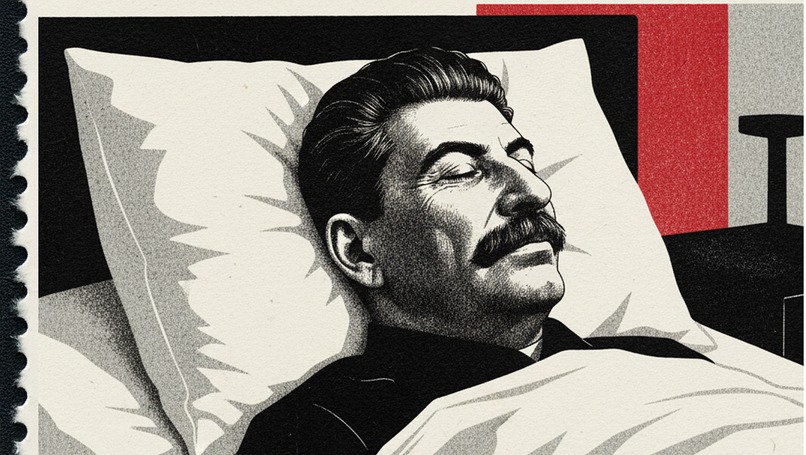
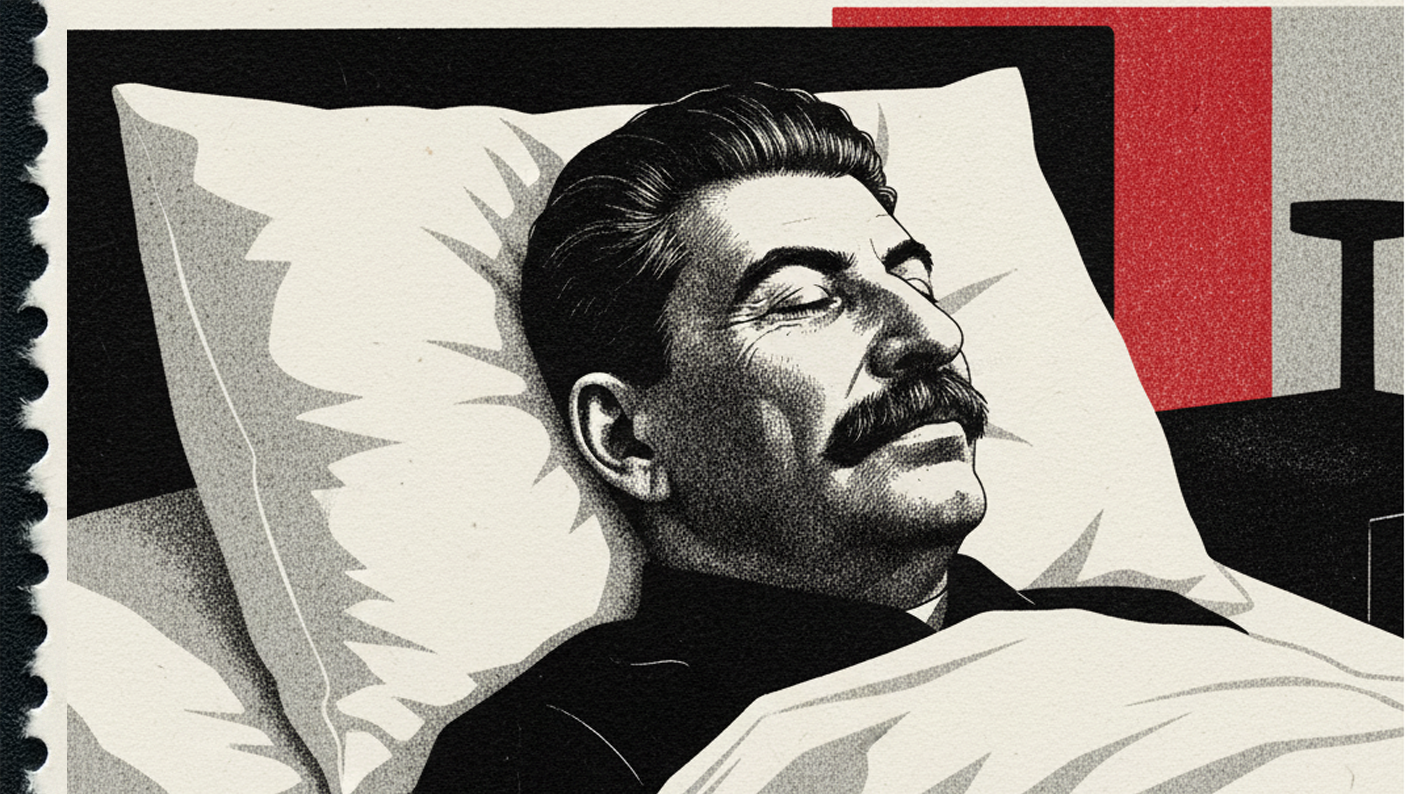
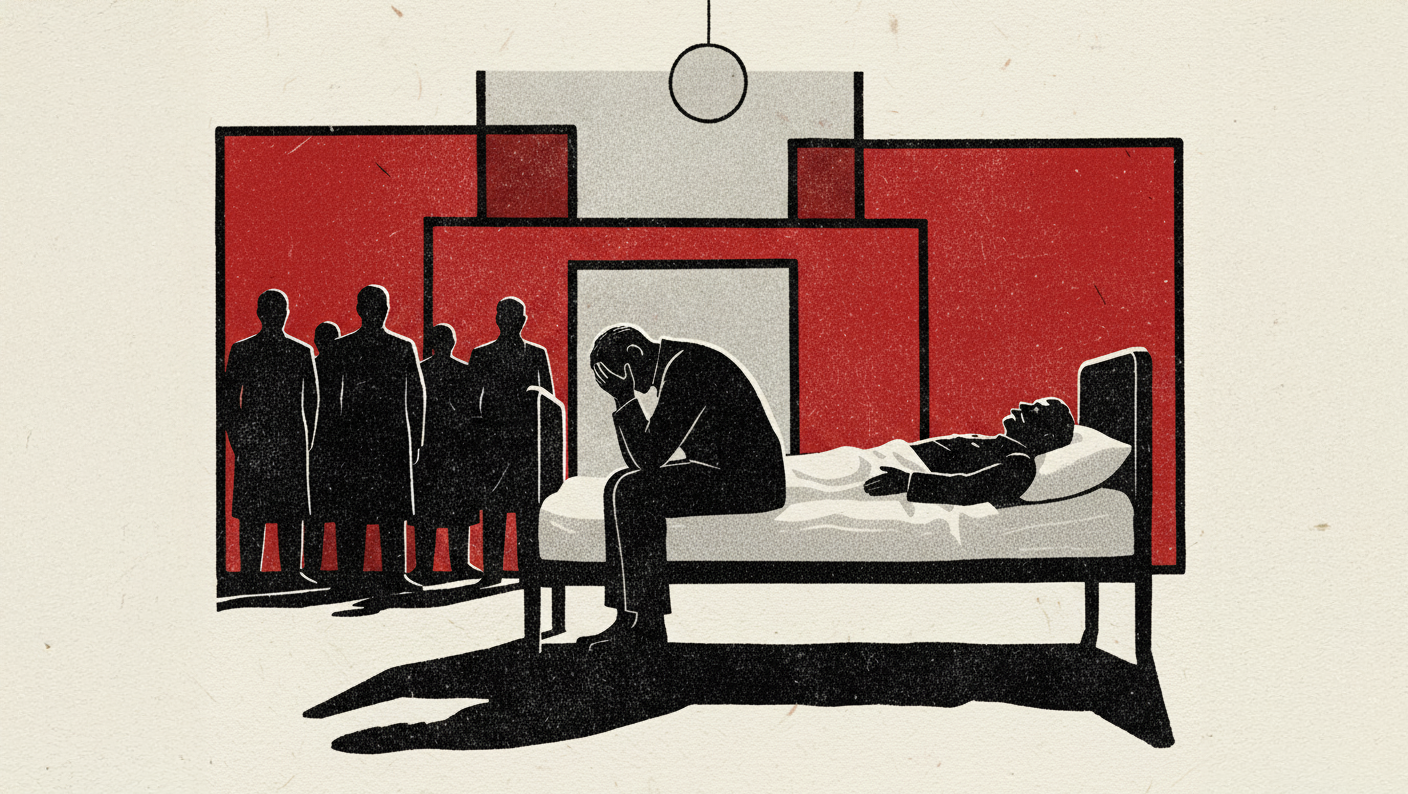
Stalin in a coma.
-
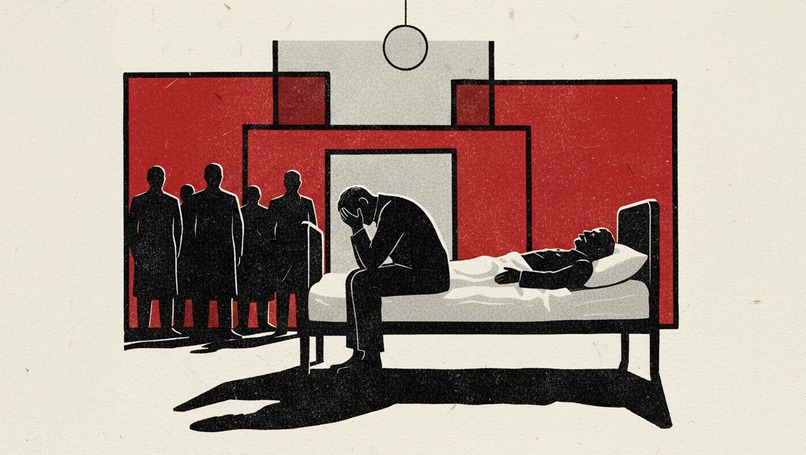
Lavrentiy Beria, pretending to grieve, in case Stalin woke up.
-
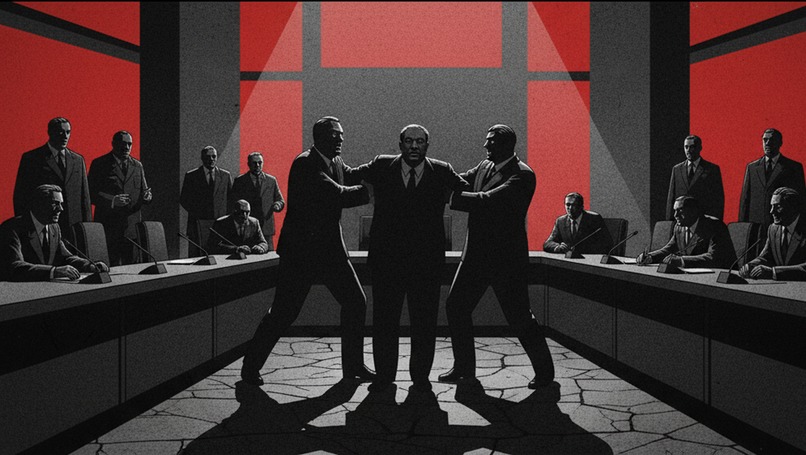
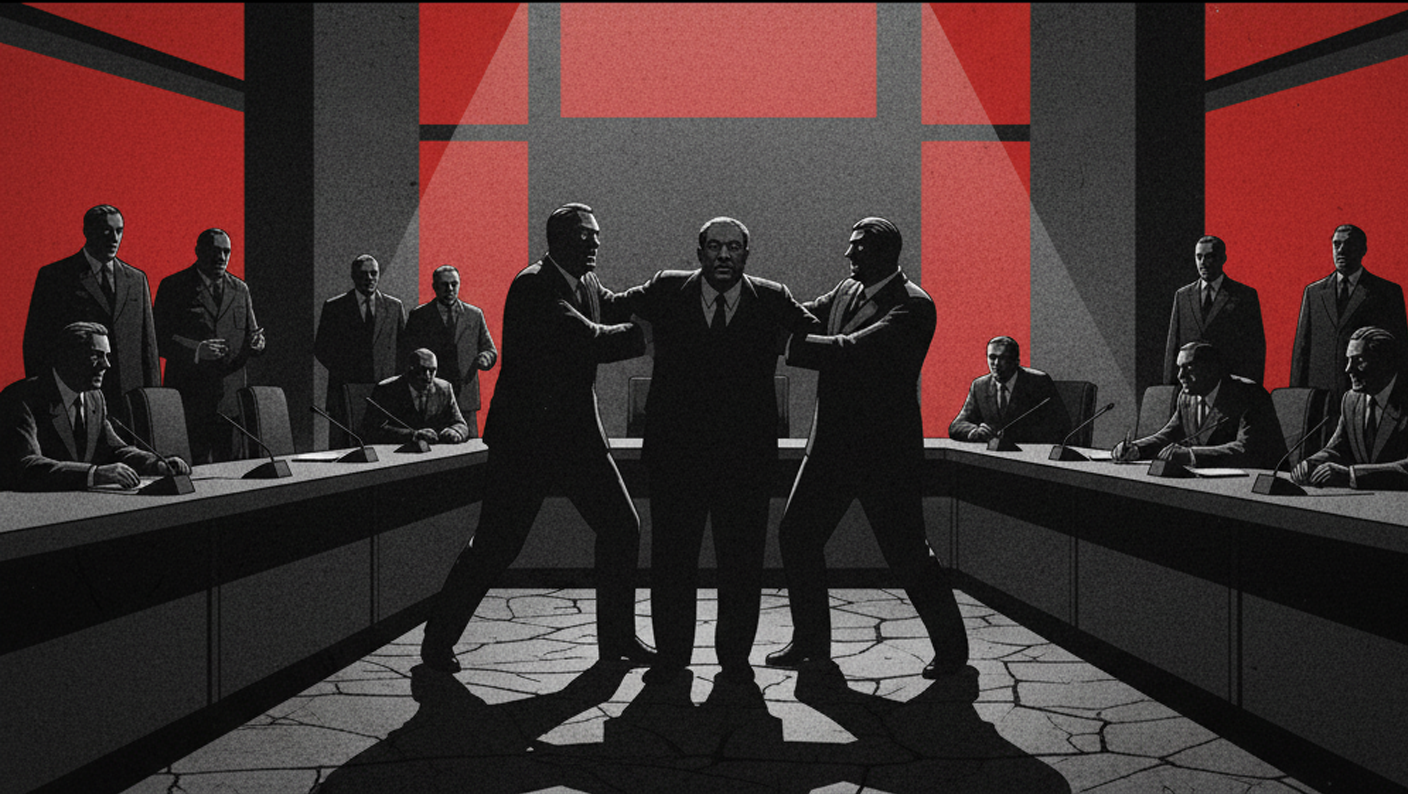
Lavrentiy Beria arrest.
-
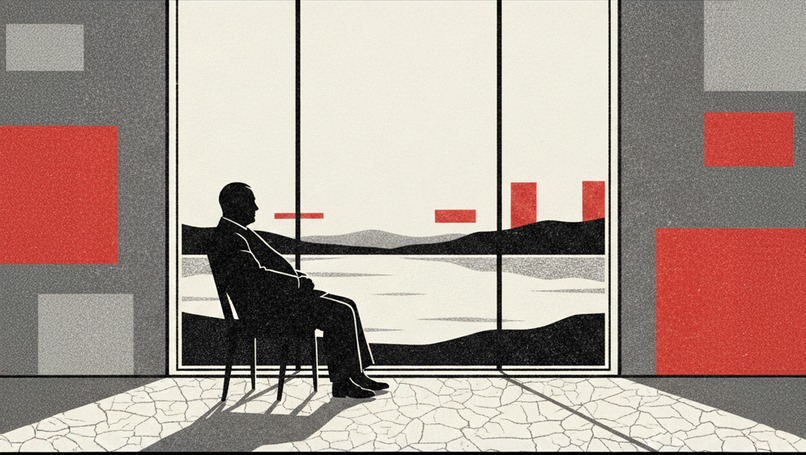
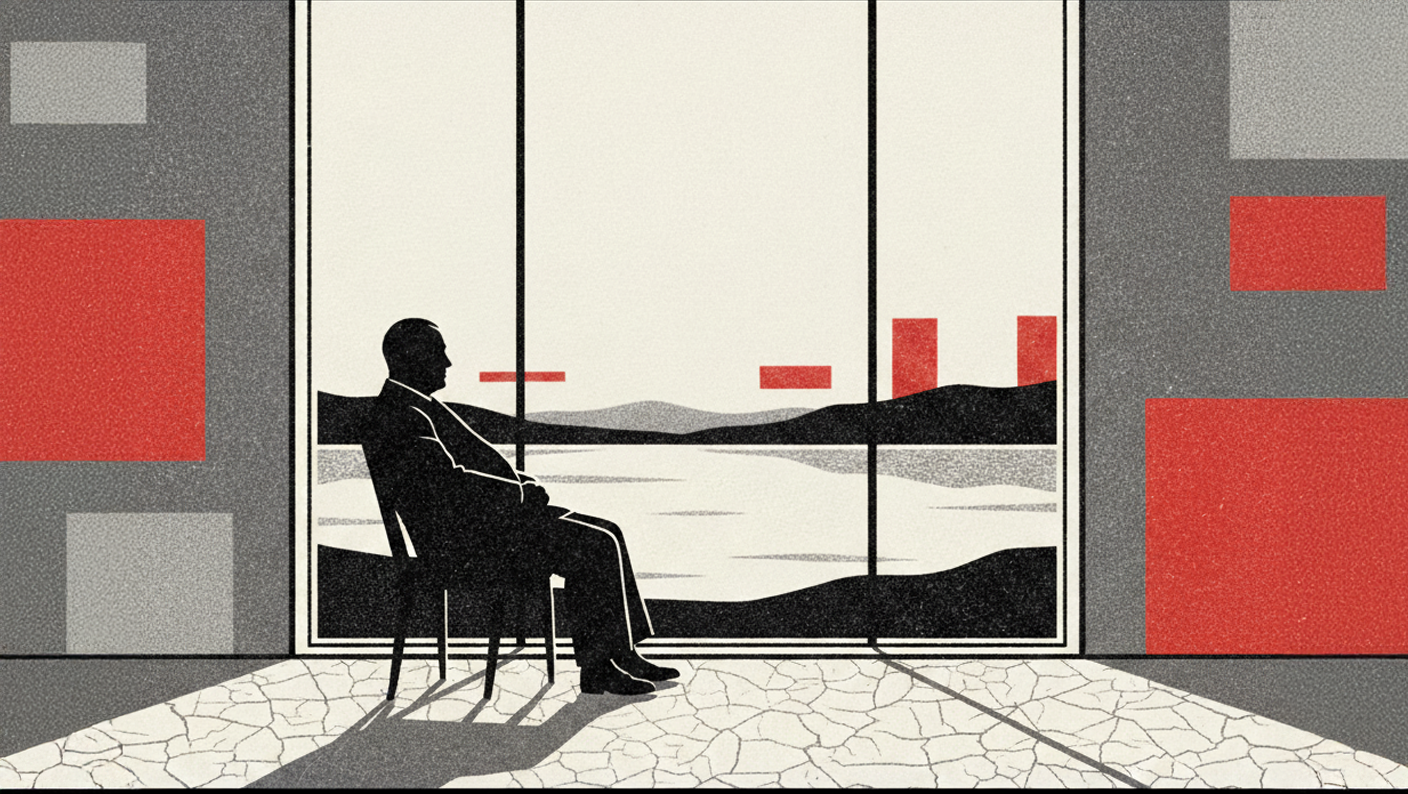
Nikita Khrushchev after being forced into early retirement.
-
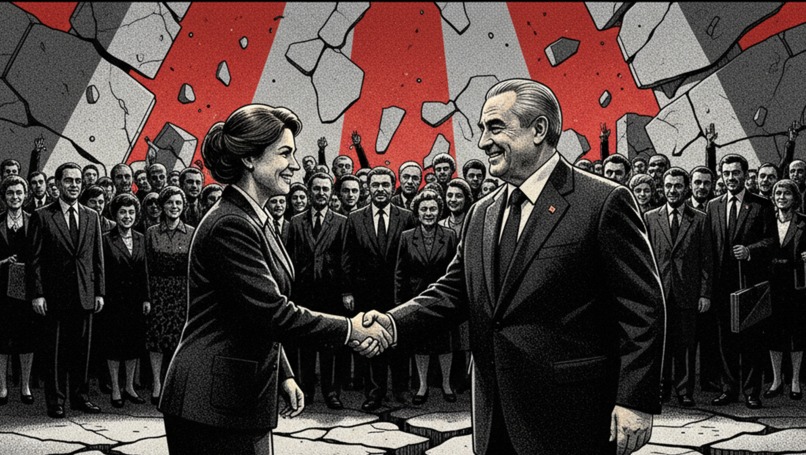
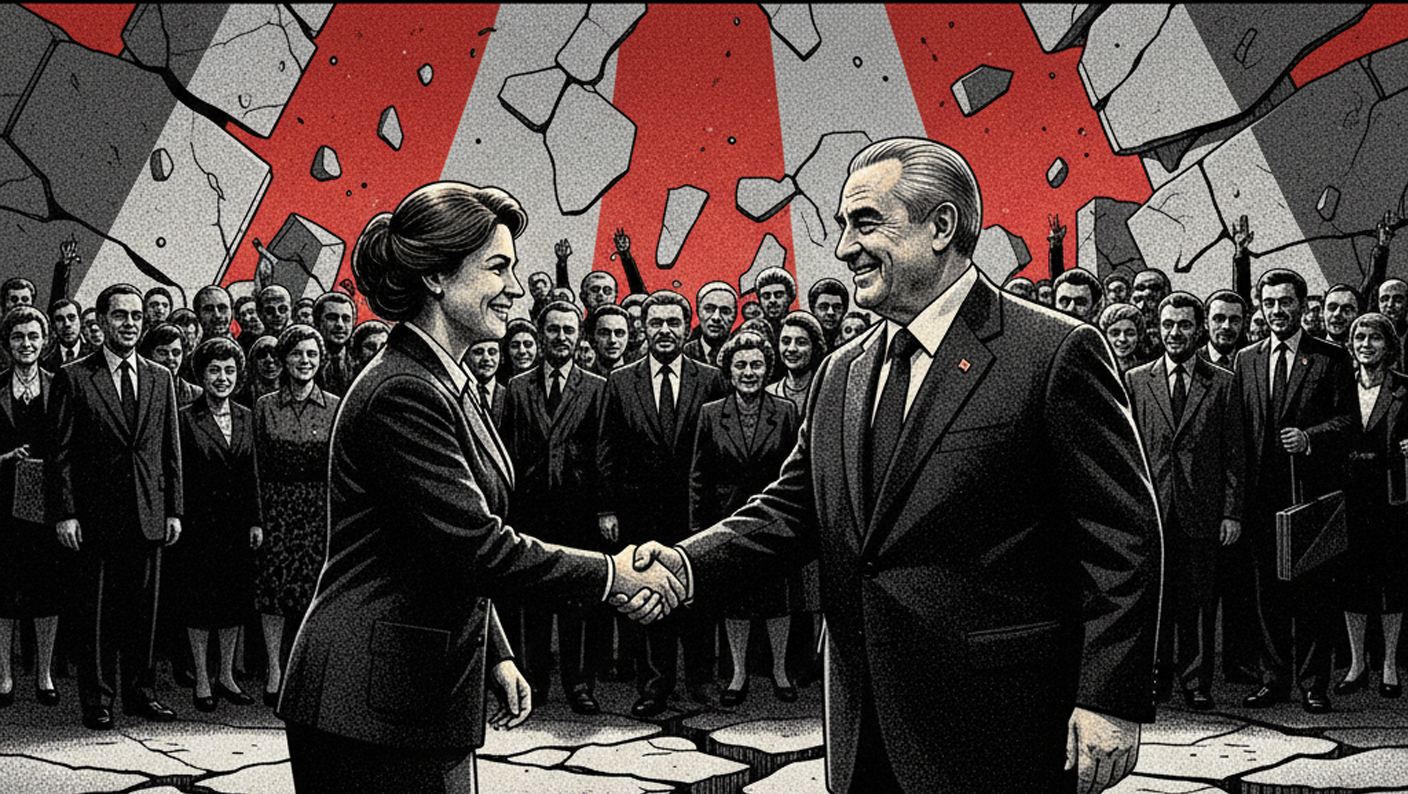
The hope that Mikhail Gorbachev brought people. Unfortunately, it was too late to make a difference.
-
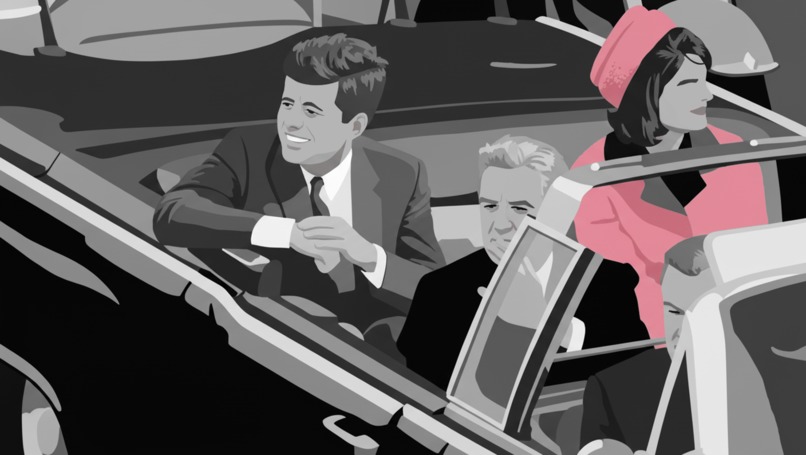
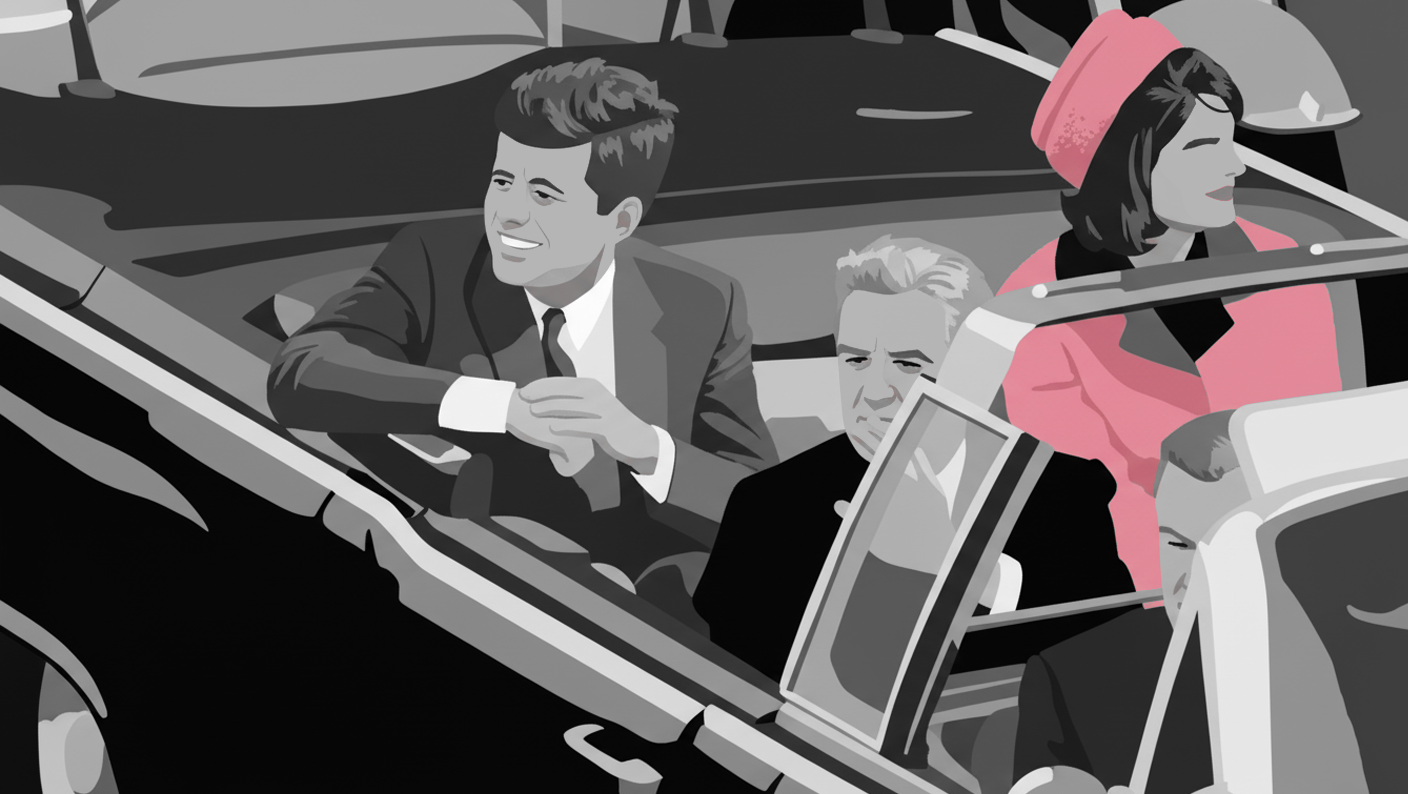
President Kennedy riding in the Dallas motorcade. Millions still imagine this was a conspiracy, but it is too unworkable to be true.
-
The History Think Blog logo. This short is the first released on the History Think YouTube channel.
Inspiration
This project began with a simple question: If even Stalin couldn’t control events after his death, why do people believe anyone else can?
The frantic power struggle that followed Stalin’s collapse reveals how fragile authoritarian systems really are. It’s a perfect historical counterweight to modern conspiracy theories, which imagine multi-generation plots that ignore how humans and institutions actually behave. I wanted to turn that insight into a short, accessible film. It also serves as the first video release for my new History Think YouTube channel.
What it does
The film shows, in a compact and visual way, how Stalin’s death set off a chain reaction of fear, factionalism, and political decay. By tracing the rise and fall of Beria, Khrushchev, Brezhnev, and Gorbachev, it demonstrates why long-running conspiracies are implausible. Power shifts, alliances crumble, and no one remains in control for long.
How we built it
This project was created through a hybrid workflow combining AI tools with traditional editing:
- ElevenLabs for voice and music
- LTX Studio for scene sequencing
- Google Cloud (Bananas) for image creation, refinement, and upscaling
- Adobe Firefly for concept visuals and stylistic elements
- Photoshop for compositing and cleanup
- Premiere for final timing, sound, and assembly
AI handled very specific tasks, but story structure, pacing, and historical interpretation stayed human-directed.
Challenges we ran into
- Maintaining visual consistency across scenes generated by different tools
- Working around the quirks and limitations of each platform
- Getting historically grounded images that still matched the film’s visual tone
- Compressing a complex political transition into a short runtime without losing clarity
- Iterating repeatedly to align voice timing, pacing, and narrative flow
Nothing about the process was one-click. It took refinement, problem-solving, and manual fixes at every stage.
Accomplishments that we're proud of
- Creating a clear, engaging explanation of a complicated historical moment
- Using AI tools without letting them overwhelm the storytelling
- Producing a coherent visual style across scenes from different systems
- Completing a polished short documentary suitable for the Chroma Awards competition
- Launching the first film on the new History Think YouTube channel
What we learned
History can be a powerful antidote to modern myths. Revisiting Stalin’s succession reminded me how quickly authoritarian power fractures and how rarely institutions behave with the tight coherence conspiracy theories assume.
On the technical side, I learned how to blend multiple AI tools into a single workflow, how to correct inconsistencies, and how to guide AI outputs toward a specific narrative goal.
What's next for What Stalin's Death Teaches Us About Conspiracy Theories
This film is the beginning of a series of short historical projects for the History Think YouTube channel. I plan to explore other moments where real human behavior contradicts conspiracy thinking, along with broader stories about power, propaganda, and how we understand the past. The next videos will build on this approach, using AI as a creative tool while keeping history and storytelling at the center.
Built With
- adobe
- adobe-firefly
- elevenlabs
- google-cloud-(bananas)
- ltx-studio
- photoshop

Log in or sign up for Devpost to join the conversation.